

A resource for those seeking information on organizing and transforming spaces.
Tips for Maintaining the More Out‑of‑the‑Way Areas of Your Home
Every home has areas that rarely get attention, such as the spaces that sit behind your large appliances, that are above eye level, require you to climb into unconventional areas, or that are tucked into corners you only notice when something goes wrong. These out‑of‑the‑way places often collect dust, moisture, pests, and debris long before homeowners realize there’s an issue. While routine cleaning keeps visible surfaces looking good, deep cleaning and ongoing maintenance of hidden areas also play a major role in protecting your home.
Every home has areas that rarely get attention, such as the spaces that sit behind your large appliances, that are above eye level, require you to climb into unconventional areas, or that are tucked into corners you only notice when something goes wrong. These out‑of‑the‑way places often collect dust, moisture, pests, and debris long before homeowners realize there’s an issue. While routine cleaning keeps visible surfaces looking good, deep cleaning and ongoing maintenance of hidden areas also play a major role in protecting your home.
Water Heater and Mechanical Area Maintenance
Mechanical areas such as water heater closets, furnace rooms, and utility spaces are often overlooked because they’re not part of everyday living spaces. However, these areas accumulate dust, lint, and moisture quickly, especially in tight or poorly ventilated corners. Regular cleaning around mechanical equipment helps prevent corrosion, improves airflow, and reduces fire hazards.
Deep cleaning this area includes removing debris from the floor, wiping down accessible surfaces, and ensuring the space remains dry. Moisture around a water heater can indicate a slow leak or condensation issue, both of which can lead to mold or structural damage if ignored. Ongoing maintenance involves checking for rust, inspecting connections, and keeping the area free from stored items that restrict ventilation. A clean, well‑maintained mechanical area helps your equipment operate safely and efficiently.
Narrow Gaps, Tracks, and Channels
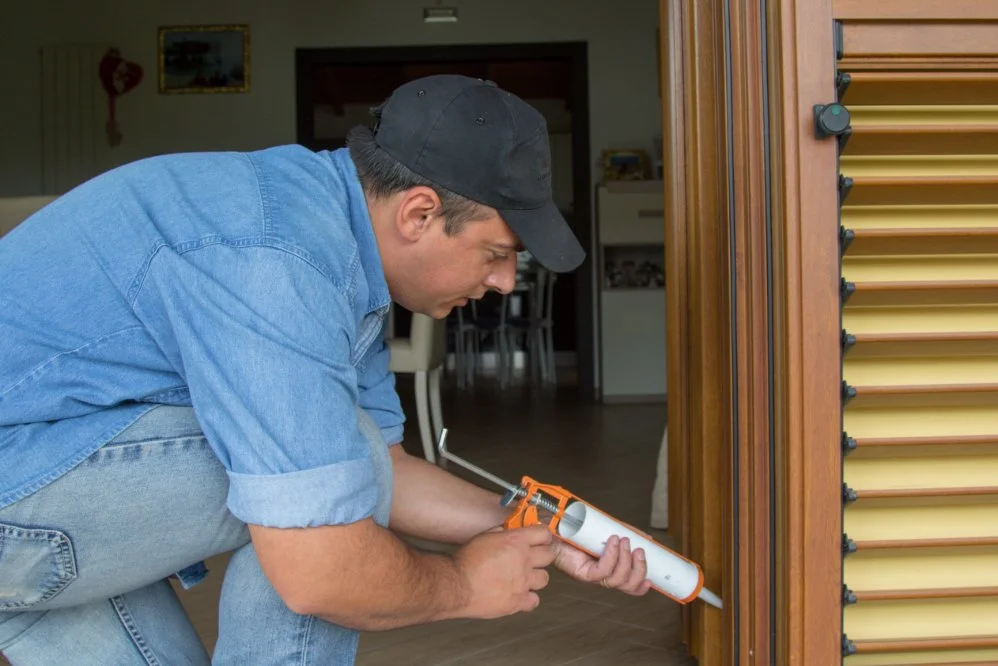
Some of the most stubborn buildup occurs in narrow spaces that are easy to forget but hard to clean. Window tracks and door rails collect dirt, pollen, and moisture that can affect smooth operation and contribute to mold growth. These areas often require a deep clean using narrow brushes, cotton swabs, or vacuum attachments designed for tight spaces.
Baseboards and trim edges also accumulate dust quickly, especially in corners or behind furniture. Regular dusting helps, but deep cleaning with a damp cloth or gentle cleaner removes the grime that settles over time. Cabinet gaps and between‑appliance spaces are notorious for trapping crumbs, pet hair, and debris. These areas benefit from periodic deep cleaning using crevice tools or flexible dusters. Maintaining these small but important features helps preserve the appearance and function of your home’s interior.
Crawl Space Cleaning and Moisture Control
The crawl space is one of the most out‑of‑the‑way areas in any home, and it often goes years without attention. Because it is dark, enclosed, and difficult to access, it becomes a collection point for debris, pests, and moisture. Deep cleaning involves removing old insulation, organic material, and contaminants that affect air quality and structural health.
Once cleaned, crawl space waterproofing becomes essential for long‑term maintenance. Vapor barriers, drainage systems, and sealing techniques help prevent moisture from entering the space. Moisture in the crawl space can lead to mold, wood rot, and humidity migration into the living areas above. Waterproofing, something that can be done with the help of professionals like Josh Lowe's Dr. Energy Saver, protects the home’s foundation, improves indoor air quality, and reduces energy loss.
Ongoing crawl space maintenance includes monitoring humidity levels, checking for leaks, and ensuring the waterproofing system remains intact. A well‑maintained crawl space supports a healthier, more efficient home.
Attics and Insulation Surfaces
Attics are another area that homeowners rarely see, but that requires periodic deep cleaning and maintenance. Dust, insulation fibers, general debris from what you store, the age of your attic, and pest debris accumulate in attic corners and along insulation surfaces. Over time, this buildup can affect indoor air quality and reduce insulation performance.
Deep cleaning includes removing debris, vacuuming accessible surfaces, and checking for signs of pests or moisture. Maintaining the attic involves inspecting insulation for settling or damage, ensuring ventilation pathways remain open, and monitoring for roof leaks or condensation. Proper care of attic corners and insulation surfaces helps protect the home’s energy efficiency and structural integrity. A clean, well‑maintained attic also reduces the risk of mold growth and improves the overall comfort of your home.
Dryer Vent Cleaning and Maintenance
Dryer vents are one of the most important yet overlooked areas that require a deep cleaning. Lint accumulates not only in the lint trap but also in the vent line. This buildup restricts airflow, reduces dryer efficiency, and significantly increases fire risk.
A thorough dryer vent cleaning involves clearing the entire vent pathway, including elbows, long runs, and the exterior exit point. Regular dryer vent maintenance ensures safe operation and prevents lint from accumulating again. Homeowners should watch for warning signs such as longer drying times, excessive heat, or a burning smell. In many cases, especially when the vent line is long or difficult to access, professional cleaning is necessary to ensure the system is fully cleared.
Deep cleaning and maintaining the out‑of‑the‑way areas of your home is essential for long‑term comfort, safety, and efficiency. These hidden spaces influence everything from air quality to energy use, yet they are often the first to be forgotten. By understanding the importance of deep cleaning hidden areas and committing to regular maintenance, homeowners can prevent costly repairs, extend the life of their home’s systems, and create a healthier living environment. Proactive care ensures that even the most overlooked corners of the home remain clean, functional, and protected.

5 Signs Your Fridge Ice Maker Needs Maintenance
A well-functioning fridge ice maker can make a big difference in everyday convenience, whether it’s for cooling drinks or preparing for a gathering. Yet, like any appliance, ice makers can experience issues over time that impact their performance. From reduced ice production to unusual noises, these signs often point to the need for maintenance or minor repairs. Understanding the common warning signs can help you identify potential problems early and keep your ice maker running smoothly for the long term.
5 Signs Your Fridge Ice Maker Needs Maintenance
A well-functioning fridge ice maker can make a big difference in everyday convenience, whether it’s for cooling drinks or preparing for a gathering. Yet, like any appliance, ice makers can experience issues over time that impact their performance. From reduced ice production to unusual noises, these signs often point to the need for maintenance or minor repairs. Understanding the common warning signs can help you identify potential problems early and keep your ice maker running smoothly for the long term.
Reduced Ice Production
If your fridge’s ice maker is producing less ice than usual, it could be due to a variety of factors. Common causes include a clogged water filter, low water pressure, or a malfunctioning thermostat that prevents the ice-making process from working efficiently. Additionally, if the freezer temperature is set too high, it can slow down ice production. Regular maintenance, such as checking and replacing the water filter and ensuring the freezer is set to the correct temperature, can help keep your ice maker running smoothly. Understanding these potential issues can save you time and prevent unnecessary frustration.
Unusual Noises Coming from the Ice-Maker
Unusual noises coming from your ice-maker can be a sign that something isn’t working as it should. Common sounds like buzzing, grinding, or clicking might indicate issues such as a clogged water line, a jammed ice tray, or a malfunctioning motor. Regular maintenance, like checking for blockages or inspecting the ice-maker’s components, can help identify the source of the noise. If the problem persists, consulting your appliance’s manual or reaching out to a professional technician can prevent further damage and keep your ice maker running smoothly.
Poor Ice Quality or Odd Taste
A dirty water filter, mineral buildup, or stagnant water in the lines often causes an odd taste or generally poor ice quality. If the ice appears cloudy, it might be due to trapped air bubbles or impurities. An unusual taste, on the other hand, could point to old or contaminated water. Regularly cleaning the ice maker, replacing the water filter as recommended, and ensuring proper water flow can help maintain the ice’s clarity and freshness. Addressing these issues promptly can improve the overall performance of your ice maker.
Visible Leaks or Water Pooling
Visible leaks or water pooling around your fridge can be a clear sign that something is wrong with your ice maker. This could happen if a water line is loose, blocked, or damaged, causing water to drip out instead of flowing properly into the ice maker. You might notice puddles near the base of the fridge or water running down its interior. In some cases, the drain in the freezer can become clogged, leading to water buildup. If left unaddressed, these issues can lead to further damage, so inspecting your fridge and promptly addressing any leaks is important.
Ice-Maker Fails to Dispense Properly
If your fridge’s ice maker isn’t dispensing properly, it can be frustrating and inconvenient. Common signs include ice getting stuck in the chute, the dispenser making noises but not releasing ice, or irregularly shaped cubes clogging the system. This could be caused by a jam in the dispenser mechanism, an ice buildup blocking the chute, or a faulty motor. Sometimes, the issue may even stem from the control panel's settings or a water supply problem. Regular cleaning and checking for blockages can help prevent these problems and keep your ice maker running smoothly.
Keeping your fridge's ice maker in good condition can make a big difference in its performance and your overall experience. By paying attention to signs like reduced ice production, unusual noises, poor ice quality, leaks, or dispensing issues, you can catch potential problems early and address them before they turn into bigger headaches. Regular maintenance and repair, from professionals like Andy's Appliance Repair, and a little troubleshooting can go a long way in ensuring your ice maker continues to function smoothly. If problems persist, it might be worth consulting a professional to get things back on track. After all, having fresh, clean ice at your fingertips is one of those simple conveniences that can make everyday life a bit easier.

Learn The Smart Way of How to Use a Washing Machine
Discover smarter ways to use a washing machine. Enhance your laundry routine with tips on loading, detergent usage, and machine care.
We partnered with a home improvement company for this post. The opinions in the post are honest. All reviews and opinions expressed in this post are based on our personal views. We are excited because we know you will love it.

How to Use a Washing Machine: Smarter Ways to Use Your Washing Machine - A Complete Guide
Using a washing machine wisely is crucial for ensuring guest satisfaction, as it impacts the cleanliness and freshness of their laundry. Proper techniques for how to use a washing machine can lead to better cleaning results and reduced energy consumption.
Switch to smarter ways by outsourcing to wash and fold laundry services, and they will maintain high service standards while being eco-friendly and cost-effective. Let's discover some of the automatic washing machine step-by-step guides.
How To Use a Washing Machine
The washing machine is generally classified into the top and front loads. Top-loaded possess an upper lid for loading clothes in and cleaning them, they are user-friendly, less costly and have a larger capacity. On the other hand, front-load machines tend to be more energy efficient, consume less water, and treat garments more gently.
The load capacity, energy efficiency, and how to operate a washing machine are what you should consider when choosing the machine that will serve your wash-and-fold needs best.
Read the Manual
You need to read the instruction manual to know how to use a washing machine and dryer and ensure it lasts a long time. Areas that require close attention include
Recommended load sizes: To avoid overfilling, which would affect cleaning efficiency,
Proper Detergent Usage: To reduce residual stains on clothes.
Maintenance Tips: Instruct you about frequent actions like filter cleaning or drum maintenance.
Loading the Washing Machine
Sort Laundry: Separate clothes by different colors, fabrics, and those that are dirty to prevent them from damage.
Use the Right Detergent: Use a detergent that is right for that specific load size and water hardness.
Don't Overfill
Don’t Overload: Fill it to around 75 percent, allowing enough room for garments to move easily.
Poor Cleaning Results: If there is too much laundry in the washing machine, it cannot spin freely and prevents water and detergents from circulating evenly and residues on clothes.
Potential Damage: Overloading makes the machine work harder, which can cause early damage, failure, or high maintenance costs.
Sort and Organize Properly
Sort By Color: Separate fabrics by color, like white and light colored, to keep them vibrant and bright.
Sort By Material Type: Delicate fabrics such as silk and lace should be washed separately. Heavy fabrics like towels or jeans can be run through a fast cycle,
Organize By Degree Of Soil: Stained or heavy soiled items must be washed separately as they can transfer dirt to other clothes.
Use the Fill Line as a Guide
Measure the washing machine’s fill line to prevent overloading. If this limit is not maintained, the clothes will be tightly packed, leading to ineffective washing and possible breakage. One should keep loads at or below this line to keep enough space for clothes’ movement. That's how to use a washing machine effectively.
Optimizing Washing Machine Performance
To know how to use a washing machine by optimizing its performance, here are some strategies:
Sort Laundry: It is important to sort clothes by colors, fabrics and soil levels before washing. This will enhance their cleaning properly without damaging others.
Select the Appropriate Cycle: Selecting a wash cycle according to the kind of fabric helps ensure thorough cleaning without damaging it.
Don’t Overload: When overloading your washing machine, clothes do not have enough space to move freely.
Use Cold Water: This will help save energy and keep colors bright by using cold water for most loads.
Regular Maintenance: Cleaning the machine’s drum, filters, and dispensers regularly enhances its effectiveness.
Prioritize Larger Items
Washing larger items such as bed linens and towels separately from smaller ones will help to enhance cleaning efficiency and improve machine performance. Washing them separately ensures an even distribution of water and soap, good agitation, and avoids overload that may strain the machine.
Regular Cleaning
Learning how to use a washing machine for regular cleaning is essential, keeping your clothes organized and wrinkle-free.
Wash the Drum: After washing, leave the door open so your drum can air out, then wipe it using a clean, dry cloth.
Clean the Detergent Dispenser: Use a small brush to remove any detergent or fabric softener residue and rinse thoroughly.
Clean the Filters: Remove the filters, rinse them under warm water, and use a brush to remove any trapped debris.
Conclusion
We have focused on the best tips to help someone understand how to use a washing machine, such as sorting them properly, never overloading them, and cleaning them regularly.
These rules can be observed using a fill line as a guide when loading and cleaning the dispensers and filters. These strategies will keep your laundry fresh and ensure guest satisfaction and reliable performance.

Extending Appliance Lifespan: Daily Habits For Longevity
Appliances are essential components of modern living, providing convenience and functionality. Incorporating simple daily habits into your routine allows you to significantly extend the life of your appliances, ensuring optimal performance, and ultimately saving money. From washing machines and dryers to refrigerators and dishwashers, consistent care will contribute to their longevity and efficiency.
Appliances are essential components of modern living, providing convenience and functionality. Incorporating simple daily habits into your routine allows you to significantly extend the life of your appliances, ensuring optimal performance, and ultimately saving money. From washing machines and dryers to refrigerators and dishwashers, consistent care will contribute to their longevity and efficiency.
Regular Cleaning and Maintenance
Consistent cleaning is paramount for appliance longevity. For washing machines, using the correct amount of detergent and running periodic maintenance cycles can prevent buildup and maintain efficiency. Dryers require regular cleaning of the lint filter and exhaust system to prevent fires and reduce drying time. Keeping the interior of microwaves clean and ensuring the door closes properly helps to maintain optimal performance.
Regular maintenance is also essential for vacuum cleaners, blenders, and food processors. Emptying the canister or changing the bag frequently, cleaning blades and filters, and checking for worn seals are crucial steps in prolonging their lifespan.
Stoves and ovens require consistent cleaning to prevent grease buildup and ensure proper functioning. Regularly cleaning surfaces and replacing worn-out door gaskets is essential. Refrigerators benefit from regular cleaning of condenser coils and maintaining effective door seals.
Proper Usage and Care
In addition to regular cleaning, proper usage is crucial for appliance longevity. Avoiding overloading washing machines and dryers can prevent damage to components. Operating microwaves with caution, such as avoiding empty operation and obstructing ventilation, can extend their lifespan.
For stoves and ovens, using appropriate cookware and avoiding overheating can help maintain their performance. Refrigerators should be properly ventilated and maintained at the recommended temperature. Dishwashers should be loaded correctly to allow for proper water circulation and avoid overloading the motor.
Preventive Maintenance and Professional Care
While regular cleaning and proper usage are essential, scheduling professional maintenance for certain appliances can be beneficial. Air conditioners, for example, require regular servicing to ensure optimal performance and efficiency. Additionally, replacing worn-out parts with genuine Samsung appliance parts or other reputable brands can help maintain the appliance's functionality.
Regular maintenance, proper usage, and timely repairs are essential for keeping your appliances running efficiently and effectively. While unexpected breakdowns can occur, these proactive steps can help minimize downtime and costly replacements. To understand better, the infographic below provides a visual overview of appliance lifespans and other maintenance tips.