

A resource for those seeking information on organizing and transforming spaces.

How to Prepare Your Home for a Major Renovation Project
A major renovation can turn your home into a construction zone for weeks or even months. The good news is that most of the stress comes from surprises, and good preparation removes the surprises. Here is how to get your home ready before the first hammer swings.
We partnered with a home improvement company for this post. The opinions in the post are honest. All reviews and opinions expressed in this post are based on our personal views. We are excited because we know you will love it.
A major renovation can turn your home into a construction zone for weeks or even months. The good news is that most of the stress comes from surprises, and good preparation removes the surprises. Here is how to get your home ready before the first hammer swings.
Where Should You Start Before a Renovation Begins?

Start with a clear written plan. Know exactly what is being changed, what is staying, and what the timeline looks like. Sit down with your contractor and walk through the scope room by room.
Ask about the order of work too. Demolition, framing, electrical, plumbing, insulation, drywall, and finishes all need to happen in a certain sequence. When you understand that sequence, delays and change orders feel a lot less painful.
Set a realistic budget while you are at it. Add a cushion of 10 to 20 percent for the unexpected. Older homes in particular tend to hide a few problems behind the walls.
How Do You Clear Out the Work Area?
Remove everything from the rooms being renovated. Furniture, rugs, curtains, artwork, and small decor items should all go. Dust travels farther than you would expect, and even a covered couch in the next room can end up gritty.
If you cannot move something, wrap it in heavy plastic sheeting and tape the seams. Close and seal vents in the work zone so dust does not circulate through your whole house.
Consider renting a storage unit for larger pieces. A few months of rent is cheaper than replacing a sofa that absorbed drywall dust.
Why Should You Check Your Electrical System First?
Because renovations put real strain on wiring, and old systems often cannot keep up. New appliances, added lighting, a kitchen remodel, or a finished basement can all push your panel past its limits.
This is the step many homeowners skip, and it is often the one that causes the biggest delays. If crews open a wall and find outdated or unsafe wiring, work stops until it is fixed. Having an electrician in Fenton Mo inspect your home before construction starts lets you catch those problems early and build the fix into your budget and schedule.
An inspection should look at your panel capacity, the condition of existing circuits, grounding, and whether you have enough outlets for how you actually live. If you plan to add an EV charger, a hot tub, or a home office, mention that now so the wiring can be planned with those loads in mind.
What Utilities and Systems Need Attention?
Know where your main shutoffs are for water, gas, and electricity. Show your contractor and make sure everyone in the household can find them in an emergency.
Plan for temporary interruptions as well. Your power may be off for several hours while circuits are updated, and the water may be shut down while plumbing is moved. Ask for the dates ahead of time so you can plan around them.
If your renovation will affect the kitchen, set up a temporary cooking area somewhere else. A microwave, a hot plate, a coffee maker, and a small fridge in a spare room can make a long project much easier to live with. Just be careful not to overload a single circuit with all those appliances at once.
How Do You Protect the Rest of Your Home?
Create a clear barrier between the work zone and the living areas. Zip walls, which are plastic sheets that attach to the ceiling and floor with a zipper opening, work well for this. Hang them in doorways and tape them tightly.
Cover your floors along the path crews will take, from the entrance to the work area. Rosin paper, floor protection film, or heavy cardboard all do the job. Hardwood floors in particular scratch easily under boots and tools.
Keep a box fan in a window, facing outward, to pull dusty air out of the house. Change your HVAC filters more often than usual during the project too. Every few weeks is a good rule.
What Should You Do About Safety and Security?
Renovation sites bring in strangers, tools, and open walls, so safety deserves some thought. Keep children and pets completely away from the work area. Nails, wires, and chemicals on the floor are real hazards.
Make sure smoke and carbon monoxide detectors stay working, even if crews need to remove a few temporarily. Ask that they be put back at the end of every workday.
Lock up valuables or move them offsite. Most contractors are trustworthy, but with several tradespeople coming and going, it is smart to keep jewelry, documents, and electronics out of sight.
How Do You Handle Daily Life During the Project?
Expect noise, dust, and disruption, and plan your routine around it. Early morning starts are common, so if you work from home, think about where you can take calls. A library, a coworking space, or a friend’s house might be worth considering during the loudest phases.
Set up a clean zone in your home where nothing construction related is allowed. Even one bedroom that stays dust free and quiet can help you feel like you still have a home.
If the project is large, such as a whole house remodel, think about staying somewhere else for part of it. A short term rental or time with family can save your sanity and speed up the work, since crews do not have to work around you.
What Is the Best Way to Communicate With Your Contractor?
Agree on a single point of contact and a regular check in schedule. A quick 10 minute conversation at the end of each week prevents most misunderstandings.
Keep every change in writing. If you decide to move an outlet or upgrade a fixture, get it documented with the cost and any impact on the timeline. That paper trail protects you and your contractor both.
Take photos before, during, and after each phase. Pictures of the inside of your walls before they are closed up can be incredibly useful years later, especially for wiring and plumbing.
Ready for the First Day?
A renovation goes best when you do the boring work first. Clear the space, protect the rest of the house, check your electrical system, and keep communication open. These steps take a few days of effort, but they can save you weeks of frustration and thousands of dollars.
Walk through your home one last time before demolition begins. Confirm the shutoffs, the temporary kitchen, the dust barriers, and the schedule. Then take a deep breath, because the hard part of preparing is done and the exciting part is about to begin.
The Importance of Routine Electrical Inspections for Commercial Properties
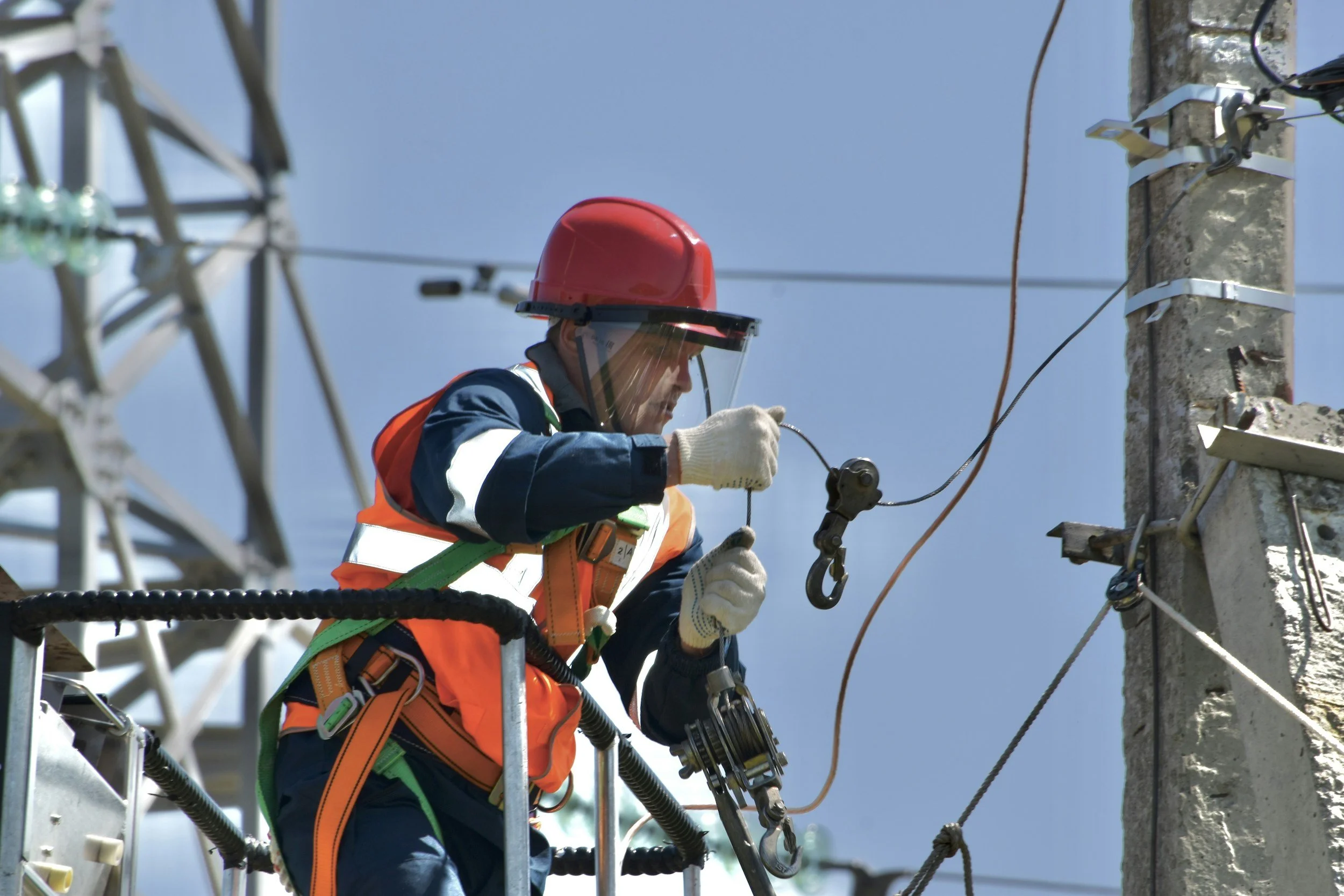
Commercial electrical systems work harder than most people realize. Between HVAC systems running constantly, banks of lighting staying on for extended hours, and equipment cycling on and off throughout the day, commercial properties put far more strain on their electrical infrastructure than a typical home ever would.
We partnered with a home improvement company for this post. The opinions in the post are honest. All reviews and opinions expressed in this post are based on our personal views. We are excited because we know you will love it.
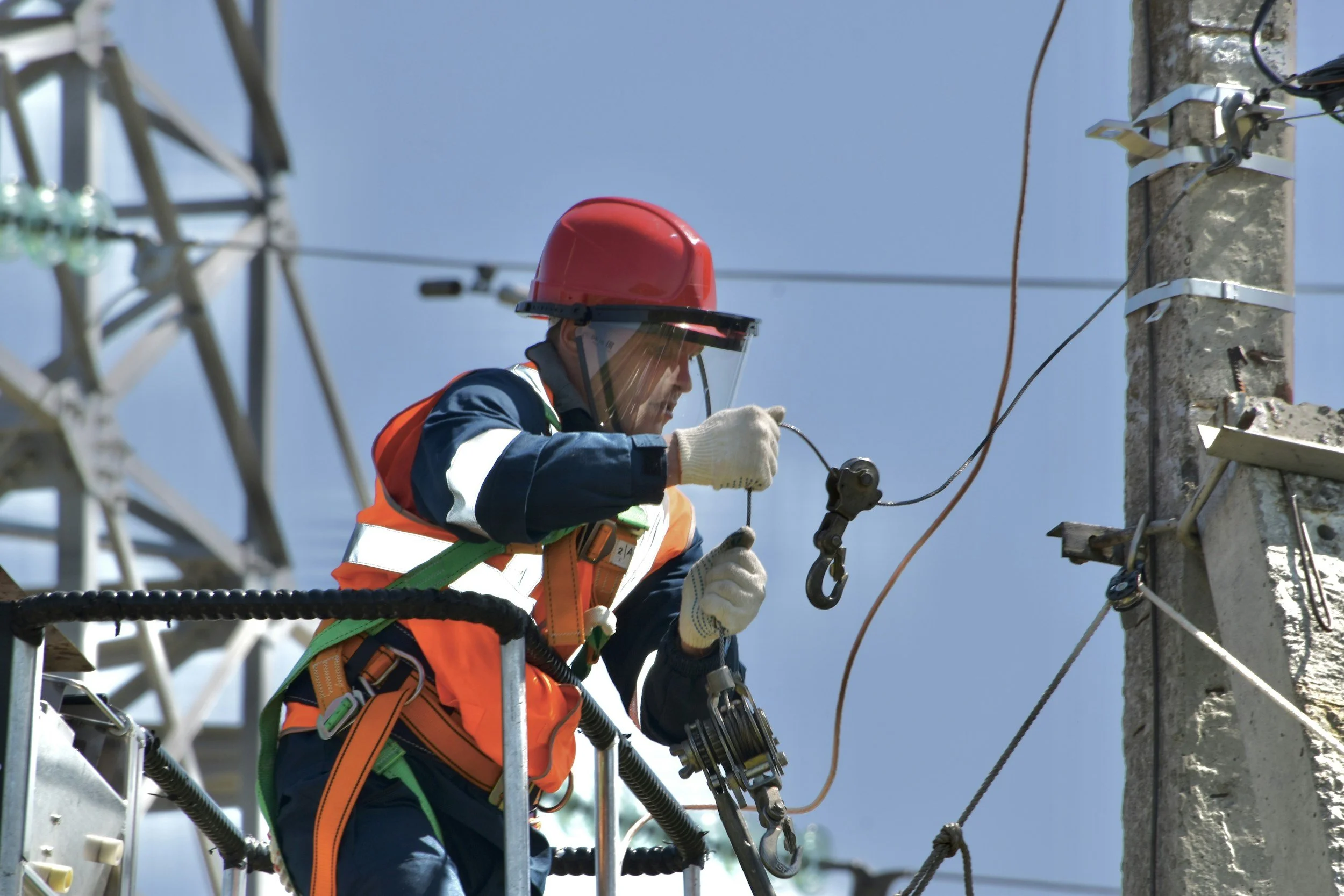
Commercial electrical systems work harder than most people realize. Between HVAC systems running constantly, banks of lighting staying on for extended hours, and equipment cycling on and off throughout the day, commercial properties put far more strain on their electrical infrastructure than a typical home ever would.
Despite that, electrical inspections often get pushed down the priority list until something actually breaks. That reactive approach tends to cost more in the long run, both in repair costs and in the disruption an unexpected failure causes to daily operations.
Why Do Commercial Properties Need More Frequent Inspections?
Commercial buildings typically have higher electrical loads, more complex wiring layouts, and equipment that residential systems were never designed to handle. A single retail space might run refrigeration units, point of sale systems, security equipment, and lighting all on the same panel.
That kind of constant demand wears down components faster than in a home. Breakers, panels, and wiring connections that might last decades in a residential setting can show wear much sooner in a commercial environment simply because they are working harder, more consistently, for more hours a day.
Routine inspections catch this wear before it becomes a failure. A loose connection found during a scheduled inspection is a quick fix. That same loose connection ignored for another year could mean an unplanned shutdown during business hours.
What Do Commercial Electrical Inspections Typically Cover?
A thorough inspection usually starts with the panel itself, checking for signs of overheating, corrosion, or connections that have loosened over time. From there, inspectors typically look at:
Circuit breakers, confirming they are sized correctly for current loads and tripping properly when tested.
Wiring throughout the property, checking for wear, damage, or outdated wiring types that may no longer meet code.
Grounding systems, since commercial properties often have more complex grounding requirements than residential ones, especially with sensitive equipment involved.
Emergency lighting and exit signage, which typically fall under separate code requirements and need regular testing to stay compliant.
Outlets and fixtures throughout the space, checking for damage or wear that might not be obvious during daily operations.
How Do Electrical Issues Affect Business Operations?
An electrical failure at a commercial property rarely stays contained to a single inconvenience. A tripped breaker in a restaurant can mean spoiled inventory. A panel failure in a retail space can mean a full day of lost sales. A wiring issue in an office building can shut down computers, phone systems, and security all at once.
Beyond the immediate disruption, there is also the cost of emergency repairs, which almost always run higher than scheduled maintenance work. Emergency electrical work often means paying premium rates for immediate service, on top of whatever revenue was lost while the issue was being resolved.
Routine inspections shift electrical maintenance from something reactive and expensive into something predictable and budgeted, which matters a great deal for a business trying to manage costs and avoid surprises.
How Often Should Commercial Properties Schedule Inspections?
The right frequency depends on the type of property and how it is used. Properties with heavy equipment use, like restaurants or manufacturing spaces, generally benefit from annual inspections at minimum. Office spaces with lighter electrical demands might be fine on a slightly longer cycle, though anything beyond two to three years starts to leave real gaps in oversight.
Certain triggers should prompt an inspection regardless of schedule. Adding new equipment, expanding a space, noticing flickering lights or frequent breaker trips, or preparing for a change in occupancy are all good reasons to have a professional take a closer look sooner rather than later.
What Should You Look for in an Electrical Contractor?
Not every electrical contractor has equal experience with commercial properties. Commercial work often involves different code requirements, higher voltage systems, and equipment that residential electricians may not encounter regularly.
Bates Electric has handled a wide range of commercial projects, giving them familiarity with the kind of complex systems and code requirements that come up in retail spaces, restaurants, offices, and industrial properties. That kind of hands-on experience across different property types tends to matter more than a generic electrical license when it comes to spotting issues specific to commercial environments.
Asking a potential contractor about their experience with properties similar to yours, and reviewing examples of past commercial work, gives a clearer picture of whether they are a good fit than a general sales pitch would.
What Happens If Inspections Get Skipped?
Skipping inspections does not mean nothing is happening behind the scenes. Wear continues regardless of whether anyone is checking for it. The difference is simply whether problems get caught early, when they are inexpensive to fix, or later, when they have turned into something more serious.
Insurance can also become a factor. Some policies have specific requirements around electrical maintenance, and unaddressed issues discovered after a fire or major incident can complicate claims in ways that regular inspections would have prevented.
Final Thoughts
Commercial electrical systems do not get the luxury of downtime the way a home system might. They run constantly, under real demand, which means the wear adds up faster and the consequences of ignoring it are more immediate.
Routine inspections turn potential emergencies into scheduled maintenance, protecting both the property and the business operating inside it. For property owners who have not had an inspection recently, it is one of the more straightforward ways to reduce risk without a major investment.
Old Knob-and-Tube Wiring Killed My Sale Three Times Until I Found Another Way
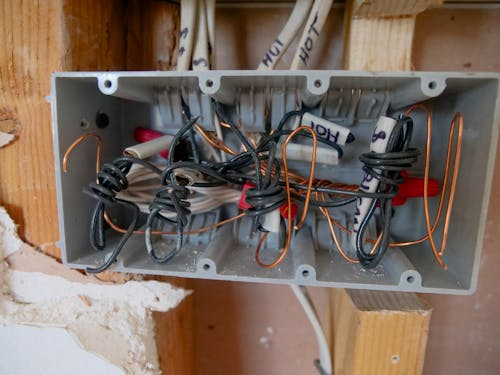
Selling a home can be stressful under normal circumstances. When hidden property issues appear during inspections, the process can become even more frustrating. One problem that catches many homeowners by surprise is old knob-and-tube wiring.
We partnered with a real estate company for this post. The opinions in the post are honest. All reviews and opinions expressed in this post are based on our personal views. We are excited because we know you will love it.
Selling a home can be stressful under normal circumstances. When hidden property issues appear during inspections, the process can become even more frustrating. One problem that catches many homeowners by surprise is old knob-and-tube wiring.
This type of electrical system was commonly installed in homes built before the 1950s. While some systems may still function, many buyers and lenders view them as a concern. As a result, sellers often find themselves facing canceled contracts, repair requests, or financing problems.
For one homeowner, old knob-and-tube wiring caused three separate sales to fall apart. Each buyer seemed excited at first. Once inspections revealed the outdated wiring, everything changed. After months of disappointment, a different approach finally led to a successful sale.
Three Deals Gone in a Matter of Months
The house attracted attention quickly. It had a desirable location, a spacious layout, and plenty of character. Showings generated interest almost immediately, leading to multiple offers.
The first buyer backed out after the home inspection. Their insurance company raised concerns about the knob-and-tube wiring and would not provide coverage under standard terms. Without insurance, securing financing became difficult.
The second buyer attempted to move forward. Their lender reviewed the inspection report and requested additional documentation regarding the electrical system. Delays followed, uncertainty grew, and the contract eventually ended.
The third buyer wanted significant electrical upgrades before closing. The estimated cost exceeded the seller's budget. At that point, it became clear that traditional buyers would continue seeing the wiring as a major obstacle.
After months of frustration, the seller began exploring alternatives and eventually learned about options such as Austin All Cash Home Buyers, which often purchase properties in their current condition without requiring extensive repairs.
Why Knob-and-Tube Wiring Creates Problems
Many homeowners do not realize how much impact old wiring can have on a sale until a buyer's inspection report arrives.
Knob-and-tube wiring was once considered standard. Over time, electrical demands increased dramatically. Modern homes use far more appliances, electronics, and devices than homes built decades ago.
Although some knob-and-tube systems may still operate safely when properly maintained, buyers often worry about future upgrades, insurance availability, and long-term safety concerns.
Lenders also tend to evaluate risk carefully. If a property's electrical system raises concerns, financing approval may become more complicated.
Common Buyer Concerns
Concern
Why It Matters
Insurance Coverage
Some insurers may require upgrades
Electrical Capacity
Older systems may not meet modern needs
Future Costs
Buyers anticipate expensive repairs
Safety Questions
Inspection reports often raise concerns
Lenders may request additional reviews
Inspection Day Changed Everything
Before each failed sale, everything appeared to be moving smoothly. Buyers toured the home, negotiated terms, and signed contracts.
Then, inspection day arrived.
Inspectors documented the presence of knob-and-tube wiring and explained potential concerns. Buyers who initially loved the home suddenly viewed it differently. Conversations shifted from excitement to risk management.
Many homeowners experience this same situation. A property can appear attractive until an inspection uncovers a feature that creates uncertainty. Once concerns enter the discussion, negotiations often become more challenging.
In some cases, buyers request credits. Others demand repairs. Some decide to walk away completely.
Repairing the System Was Not a Simple Choice
Replacing old wiring is possible, although it is often expensive and disruptive.
Electrical upgrades frequently involve opening walls, updating panels, replacing outlets, and bringing systems closer to current standards. Costs vary depending on the size and condition of the home.
For homeowners preparing to move, investing thousands of dollars into a major upgrade may not feel practical. Some people simply do not have room in their budget for such a project.
Others worry about spending money without knowing whether they will recover those costs through a higher sale price.
Factors Sellers Often Consider
Question
Impact
What will repairs cost?
Determines project feasibility
How long will upgrades take?
Affects the moving timeline
Will buyers pay more afterward?
Influences return on investment
Can the seller afford repairs?
Impacts financial planning
Finding a Different Path Forward
After three failed contracts, the homeowner stopped focusing on traditional solutions and started looking for alternatives.
Instead of investing in a major electrical renovation, they explored selling options designed for properties with repair challenges. This approach shifted attention away from fixing every issue before listing.
Some buyers specialize in purchasing homes with outdated systems, deferred maintenance, or inspection concerns. Their focus is often on a property's overall potential rather than requiring every component to meet modern standards before closing.
For the homeowner in this story, that change in strategy made a significant difference. The process became simpler, timelines shortened, and the wiring issue no longer prevented progress.
Lessons Other Homeowners Can Learn
One important lesson is that property issues do not automatically make a home unsellable.
Many sellers assume they must fix every problem before putting their home on the market. While repairs can help in some situations, they are not always necessary.
Knowing your options is valuable. A traditional listing may work well for one property, while another home may benefit from a different selling strategy.
Another lesson involves transparency. Being upfront about known issues helps create realistic expectations and reduces surprises during negotiations.
Most importantly, homeowners should not lose hope after a failed contract. A canceled sale often feels discouraging, though it does not mean a successful outcome is impossible.
Feeling Good About What’s Next
Old knob-and-tube wiring can create obstacles during a home sale. Buyers may hesitate, lenders may ask questions, and insurers may impose restrictions.
Despite these challenges, homeowners still have options. Whether through repairs, such as electrical maintenance, pricing adjustments, or alternative selling methods, there are multiple paths toward completing a sale.
The experience of losing three contracts taught one homeowner an important lesson: sometimes success comes from changing the approach rather than continuing to fight the same obstacle. When sellers understand their choices, they can move forward with greater confidence and less frustration.
FAQs
1. What is knob-and-tube wiring?
Knob-and-tube wiring is an older electrical system commonly installed in homes built before the 1950s. It uses ceramic knobs and tubes to support and protect electrical wires.
2. Can I sell a house that still has knob-and-tube wiring?
Yes. Many homes with knob-and-tube wiring are sold every year. The wiring may affect buyer interest, financing options, or insurance availability, though selling is still possible.
3. Will every buyer reject a home with knob-and-tube wiring?
No. Some buyers are comfortable purchasing homes with older electrical systems. Others may request repairs, credits, or price adjustments before proceeding.
4. Can Cash Home Buyers purchase homes with knob-and-tube wiring?
Yes. Many cash home buying companies may consider purchasing homes with outdated electrical systems and other property challenges, allowing homeowners to explore alternatives when traditional sales become difficult.

5 Things the Best Residential Generator Installation Companies Have in Common
Selecting a company to install a standby generator represents a significant decision for any property owner. The equipment itself requires substantial investment, and the installation process involves complex electrical work that affects both safety and long-term reliability.
Selecting a company to install a standby generator represents a significant decision for any property owner. The equipment itself requires substantial investment, and the installation process involves complex electrical work that affects both safety and long-term reliability.
Understanding what separates exceptional generator installation companies from average ones helps homeowners make informed choices. The best providers in this industry share certain characteristics that consistently lead to better outcomes for their customers.
Holding Proper Licensing and Certification
Legitimate generator installation requires specific credentials that vary by state and locality. The best companies maintain current electrical contractor licenses and carry appropriate insurance coverage to protect both their workers and their customers.
Beyond basic licensing, top providers pursue manufacturer certifications from leading brands. These certifications demonstrate that technicians have received specialized training on particular equipment lines and understand the specific requirements for proper installation.
Customers should always verify licensing status before signing any contracts. Reputable companies readily provide license numbers and proof of insurance upon request. They understand that these credentials build trust and distinguish them from unlicensed operators who may offer lower prices but expose homeowners to significant risks.
Understanding Local Conditions and Challenges
Every region presents unique challenges for generator installation and operation. Coastal areas contend with salt air that accelerates corrosion. Hot climates stress batteries and cooling systems. Areas prone to severe weather require installations that can withstand high winds and flooding.
The best residential generator installation companies possess deep knowledge of their service areas. They understand local building codes, permit requirements and utility interconnection standards. This expertise prevents costly mistakes and ensures installations pass inspection without delays.
Local experience also informs equipment recommendations. Technicians who have serviced generators through multiple storm seasons know which components fail most often under local conditions. They can advise customers on preventive measures and maintenance schedules tailored to regional demands.
Providing Thorough Consultations and Assessments
Quality installation begins long before any equipment arrives on site. Leading companies conduct comprehensive consultations that evaluate electrical panel capacity, fuel availability, placement options and household power requirements.
These assessments consider both current needs and potential future demands. A growing family might need additional capacity. Home office equipment or medical devices may require dedicated circuits. Pool systems, well pumps and HVAC equipment all factor into proper generator sizing.
The best providers explain their recommendations clearly without pressuring customers toward oversized or unnecessary equipment. They present options at various price points and help homeowners understand the tradeoffs involved in each choice.
Delivering Professional and Code-Compliant Work
Installation quality determines whether a generator performs reliably for years or becomes a source of ongoing problems. The best companies follow manufacturer specifications precisely and adhere to all applicable electrical codes.
Professional installation encompasses numerous details that inexperienced contractors might overlook. Proper pad preparation prevents settling and vibration issues. Correct fuel line sizing ensures adequate flow during full-load operation. Appropriate transfer switch installation protects utility workers and prevents backfeed hazards.
Documentation matters as well. Quality providers supply complete paperwork including permits, inspection certificates, warranty registrations and equipment manuals. This documentation proves valuable when selling a home or filing insurance claims after storm damage.
Offering Ongoing Support and Reliable Repair Services
Generator installation marks the beginning of a long-term relationship rather than a single transaction. Standby generators require regular maintenance to ensure they start reliably when needed most.
The best companies offer service agreements that include scheduled maintenance visits, priority response during emergencies and discounted repair rates. These programs keep generators in optimal condition while maintaining warranty coverage that manufacturers often require.
Even well-maintained generators occasionally develop problems that require professional diagnosis. When a generator shows an error message, does not complete its scheduled test cycle or fails to turn on, experienced technicians perform systematic evaluations to pinpoint the underlying problem efficiently.
Frequently encountered issues involve batteries that no longer hold a charge, obstructed fuel lines or air intake systems, spark plugs that have degraded over time, oil that has become contaminated and malfunctions within the electronic control system.
Following a thorough assessment, reputable companies present homeowners with a detailed explanation of necessary repairs and a comprehensive list of required components before any work begins. The objective remains delivering repairs that meet all safety standards and electrical codes while returning the equipment to reliable operation.
Professional residential generator repair services use quality parts that meet or exceed original equipment specifications. Skilled technicians aim for lasting solutions that restore generators to dependable operation for years to come.
Making the Right Choice
Homeowners who take time to evaluate generator installation companies thoroughly generally achieve better results than those who simply accept the lowest bid. Price certainly matters, but the cheapest option rarely delivers the best long-term value.
Asking for references from recent customers provides insight into actual performance. Online reviews offer additional perspectives, though customers should look for patterns rather than focusing on individual complaints.
The investment in a quality installation company pays dividends through reliable operation, proper warranty coverage and responsive service when problems arise. For equipment intended to protect homes and families during emergencies, these benefits far outweigh any initial cost savings from choosing a less qualified provider.