

A resource for those seeking information on organizing and transforming spaces.
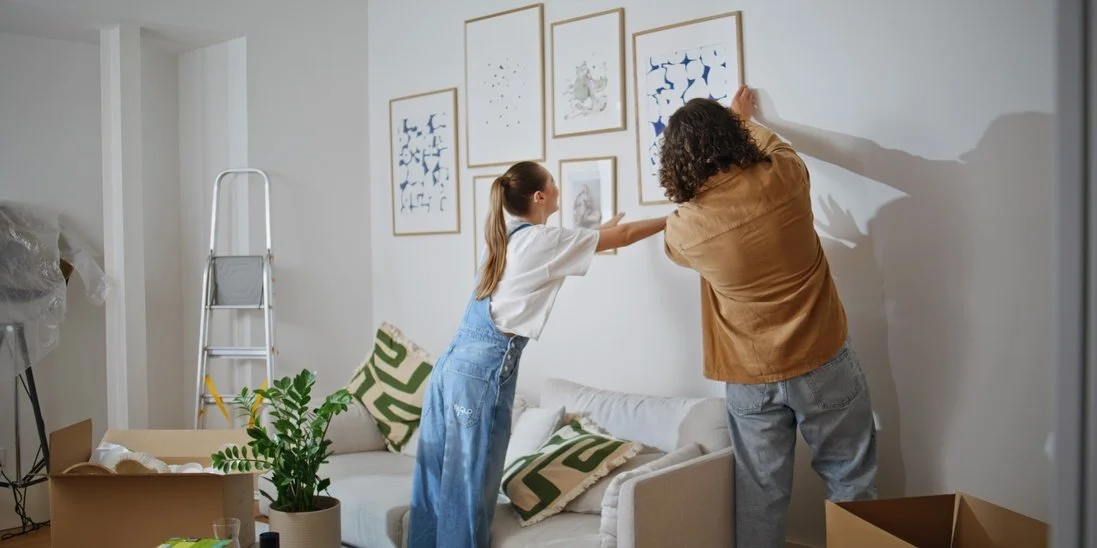
The Growing Appeal of Slow Decorating at Home
Slow decorating is so much more than moving at a snail’s pace. It’s a methodical approach to moving pieces with intention and thoughtful consideration.
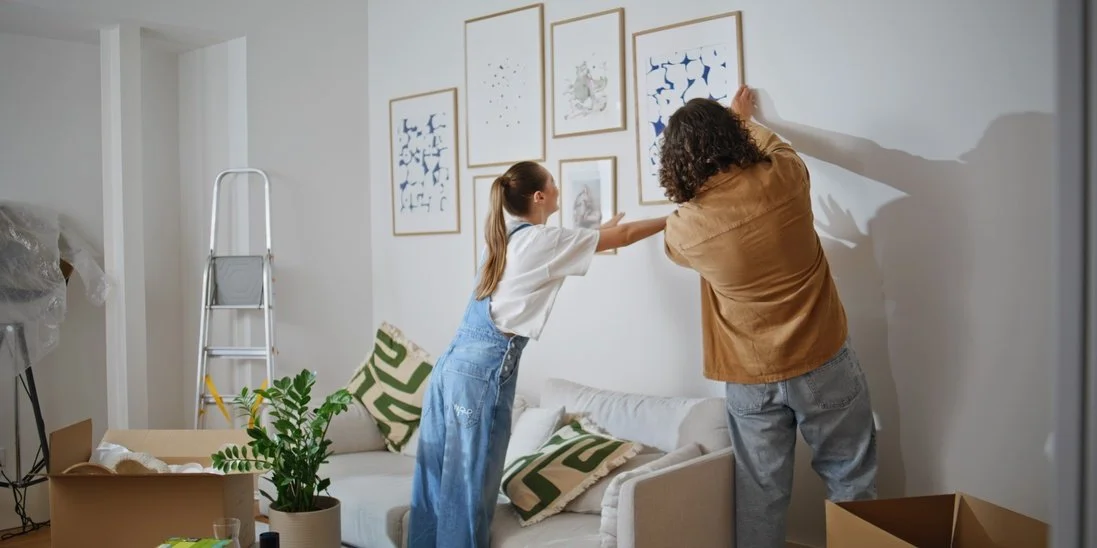
Between work schedules, school activities, grocery shopping, and the endless rotation of household responsibilities, decorating can feel like another project demanding immediate attention. Social media doesn’t necessarily help, especially when beautifully finished rooms appear after a few seconds of dramatic before-and-after footage. However, the growing appeal of slow decorating at home reflects a refreshing shift toward creating spaces gradually rather than rushing to complete every detail. For busy families, this approach offers a more realistic way to develop a comfortable home without unnecessary spending or pressure.
Slow decorating encourages homeowners to make thoughtful decisions based on how they actually live. Instead of purchasing everything at once, families can observe their routines, identify practical needs, and introduce changes over time. This approach works particularly well for working mothers who want welcoming spaces without sacrificing entire weekends to decorating projects. The result is a home that evolves alongside the people who live there.
Why Decorating Doesn’t Need a Deadline
Traditional decorating advice often presents home improvement as a project with a definite beginning and end. Homeowners select a color palette, purchase furniture, arrange accessories, and reveal the finished room. Although this approach works for some households, it can create unnecessary pressure for families managing competing priorities. Slow decorating removes the expectation that every space must look complete immediately.
A living room might function perfectly well with comfortable seating and adequate lighting while its owners search for the right artwork. Similarly, a bedroom doesn’t require matching furniture or elaborate accessories to feel peaceful. Allowing these spaces to develop naturally gives homeowners time to understand what they genuinely enjoy. Sometimes living with an unfinished room reveals better ideas than an afternoon of hurried shopping.
Start With the Way Your Family Lives
Before purchasing anything new, spend a few days observing how your household uses each room. Notice where backpacks accumulate, which chairs everyone gravitates toward, and whether certain surfaces attract unnecessary clutter. These everyday patterns provide valuable information about what the space needs to function better. Decorating becomes more satisfying when the design supports established habits rather than fighting against them.
For example, a family that regularly gathers around the kitchen island might benefit more from comfortable stools than additional dining room decorations. A busy entryway might need accessible storage before it needs a decorative mirror. Working mothers can also consider which household routines create the most frustration during mornings and evenings. Addressing those practical challenges first makes later decorative improvements feel more meaningful.
Let Lighting Influence Your Decorating Decisions
Lighting has a powerful influence on how a room feels throughout the day. Natural sunlight can make a space appear open and cheerful, while softer evening lighting encourages relaxation. Instead of selecting decorative accessories immediately, consider how different lighting conditions affect the atmosphere. A room that feels inviting at noon might need additional attention after sunset.
Families can experiment with layered lighting by combining overhead fixtures, table lamps, and carefully positioned accent lights. Anyone looking to maximize ambient light safely in a small living space should consider furniture placement, stable lighting surfaces, and appropriate clearance around heat-producing fixtures. Candles can provide a welcoming glow, but families should keep open flames away from children, pets, curtains, and other combustible materials. Flameless alternatives and properly positioned electric lighting can offer similar atmosphere with fewer fire-related concerns.
Discover the Benefits of Decorating in Layers
One of the most appealing aspects of slow decorating involves building a room through manageable changes. Instead of treating furniture, textiles, artwork, and accessories as one enormous shopping list, homeowners can introduce them gradually. Each addition provides an opportunity to evaluate how the space looks and functions. This approach also helps prevent the common mistake of buying several items that don’t work well together.
Begin with the larger elements that establish a room’s purpose, such as seating, storage, and lighting. Once those pieces feel comfortable, consider smaller details that introduce color or texture. A washable throw blanket might soften a family room, while a framed photograph can personalize an otherwise simple hallway. Giving each addition time to settle into the space helps homeowners recognize when a room already has enough.
Choose Purchases That Deserve a Place in Your Home
Decorating gradually gives families more time to evaluate purchases before bringing them home. Instead of buying an accessory because it looks attractive in a store, consider whether it complements existing furniture and serves a meaningful purpose. This doesn’t mean every decorative item must have a practical function. Personal enjoyment and sentimental value are equally legitimate reasons to keep something.
Before making a purchase, consider asking these simple questions:
Will this item improve how the room looks, feels, or functions?
Does it complement pieces the household already owns?
Can the family maintain or clean it without additional stress?
Is there a suitable place for it without creating clutter?
Would waiting another month change the purchasing decision?
Such questions encourage thoughtful spending without turning decorating into an overly complicated process. Families can still enjoy spontaneous discoveries at antique shops, local markets, or neighborhood sales. The difference involves choosing items because they genuinely belong in the home rather than because a particular trend suggests they’re necessary. Over time, these decisions create rooms with more personality and fewer unnecessary purchases.
Find Satisfaction in the Unfinished Spaces
One of the biggest adjustments involved in slow decorating is learning to appreciate a room before every detail feels complete. Empty walls, mismatched furniture, or temporary arrangements don’t necessarily indicate poor design. They may simply reflect a household that prefers thoughtful decisions over immediate results. Giving yourself permission to wait can make the decorating process considerably more enjoyable.
The appeal of decorating slowly at home comes from recognizing that comfortable, beautiful spaces don’t require constant shopping or dramatic transformations. Busy families can make meaningful improvements through careful observation, practical organization, and occasional purchases that genuinely enhance daily life. Every room can evolve at a pace that respects the household’s schedule, budget, and changing needs. A welcoming home isn’t necessarily one that looks finished, but one that feels increasingly comfortable for the people who live there.

The Secrets to Long-Lasting Home Decor in Busy Spaces
Find out how working moms can create beautiful, durable spaces that handle real family life. Uncover smart decor tips for homes that look great and last!

Life gets messy, especially when you're juggling work, kids, and everything else on your endless to-do list. Between soccer cleats, tracking mud through the living room, and breakfast spills on the kitchen table, maintaining a beautiful home can feel impossible.
But you don't have to choose between having a stylish space and one that can handle real life. Understanding the secrets to long-lasting home decor in busy spaces means being able to create rooms that look gorgeous and stay that way, even in the midst of all the beautiful chaos of family life.
Choose Materials That Welcome Real Life
Your decor choices should reflect how you actually live, not how magazine spreads pretend people live. For example, leather sofas develop character over time rather than looking worn out. Performance fabrics designed for outdoor use work beautifully indoors and can handle spills without permanent damage. Lastly, natural stone countertops might show water spots, but engineered quartz looks pristine with minimal effort. These materials don't just survive busy households; they actually look better as they age with your family.
Design Flow That Moves With You
Traffic patterns matter more than you might think. When furniture blocks natural pathways, people create new ones by walking around or over things, leading to premature wear and constant rearranging. Position larger pieces like sofas and dining tables strategically to encourage smooth movement through rooms. Some tips for laying carpet in high-traffic areas include choosing dense, low-pile options with patterns that camouflage footprints and rotating area rugs periodically to prevent permanent wear paths.
Layer Protection Without Sacrificing Style
Smart families protect their investments without making their homes look like they're wrapped in plastic. Washable slipcovers can transform tired furniture while protecting what's underneath. Meanwhile, area rugs define spaces beautifully and shoulder the brunt of daily wear instead of causing damage to permanent flooring. Take it further by adding decorative trays to reduce those ring marks on coffee tables. These layers add visual interest while serving practical purposes, proving that function doesn't have to look ugly.
Maintain Beauty Through Simple Systems
The most gorgeous spaces stay that way because someone makes maintenance feel effortless rather than overwhelming. Weekly routines that take fifteen minutes prevent the need for weekend deep-cleaning marathons. Simple habits like wiping down surfaces after use and putting things back where they belong preserve your hard work.
Choose cleaning products that work well with your specific materials and keep them easily accessible. When the right tools are within reach, quick touch-ups become automatic rather than major productions.
Make It Last and Love It More
Creating a home that works for busy families means embracing the reality that life happens everywhere, not just in designated spaces. When your decor choices support rather than fight against your daily routines, your space becomes more beautiful over time instead of more worn down. Remember that the secrets to long-lasting home decor in busy spaces lie in understanding that durability and beauty aren't opposites – they're partners in creating spaces where your family can truly thrive together.

Everything You Need To Know About Owning a Pole Barn
There are many good reasons to own a pole barn. Here’s why some property owners should consider investing in one for work, projects, or extra space.

Pole barns have become increasingly popular among property owners seeking versatile, cost-effective building solutions. This construction method eliminates the need for a traditional concrete foundation, making it both faster and more affordable to build.
Here, we’ll explore everything you need to know about owning a pole barn to help you make informed decisions every step of the way.
What Exactly Is a Pole Barn?
A pole barn is a building constructed using the post-frame method where large wooden posts serve as the primary structural support. These posts, typically made from treated lumber, are embedded directly into the ground at depths ranging from four to eight feet, depending on local building codes and soil conditions.
The posts support horizontal beams called girts, which in turn support the roof trusses. This creates a framework that can span large distances without interior support columns, providing maximum usable space inside. The exterior is then clad with metal siding and roofing materials, though other options are available.
5 Key Benefits of Pole Barn Ownership
Owning a pole barn offers various benefits, including:
Versatility: These structures can serve numerous purposes, including storage, workshops, garages, event spaces, and even residential buildings.
Durability: Pole barns are designed to withstand harsh weather conditions, offering long-lasting protection for your belongings or activities.
Quick construction: Post-frame buildings can be assembled quickly and efficiently, reducing labor costs and construction time.
Spacious interiors: The absence of interior load-bearing walls allows for large, open spaces that can be tailored to specific needs.
Customizability: The design and materials used for pole barns can easily be customized to match aesthetic preferences or practical requirements.
Planning and Construction
Building a pole barn requires careful planning and execution to ensure a sturdy, functional structure. Start by selecting an appropriate location with solid ground and good drainage to prevent water damage. Next, design a layout tailored to your intended use, factoring in dimensions, access points, and any additional features such as lofts or partitions.
Once your plans are finalized, acquire high-quality materials, including treated posts, durable metal panels, and proper hardware. During construction, ensure accurate post spacing and alignment, as these will provide the structural framework for the entire barn. Finally, knowing what season is best to start your pole barn build will ensure there are no interruptions or delays.
Maintenance and Longevity
Pole barns require less maintenance than many building types, but regular inspections are still necessary to prevent small issues from becoming expensive problems. Check the posts, foundation, roof, gutters, and siding annually to inspect for mold, rot, and insect infestations.
Proper ventilation prevents condensation that can damage stored items and building materials. Be sure to seal gaps where rodents might enter, keep vegetation trimmed away from the building, and address any wood damage promptly.
Pole barns offer compelling advantages for many property owners, but they’re not the right solution for everyone. By considering everything you need to know about owning a pole barn, you can decide whether you should invest in one yourself.

Signs Your Home Will Benefit From Window Tinting
When you think or hear about window tinting, you might automatically think about your car. But did you know your home could also benefit from tinting?
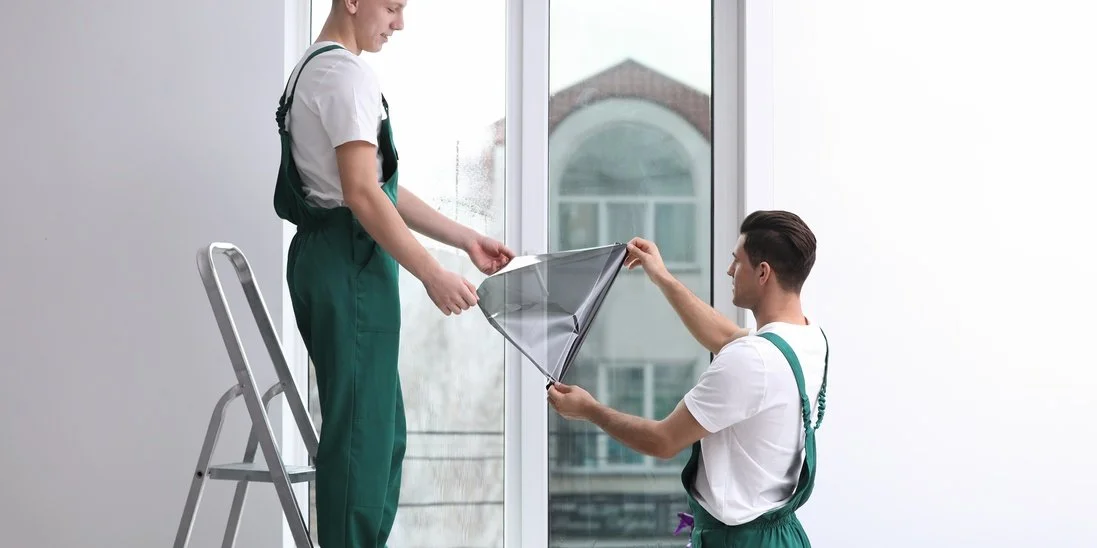
Window tinting is no longer just for cars; it’s a practical and valuable addition to modern homes. You read that right—homes benefit, too. Beyond aesthetics, tinted windows bring a wealth of benefits, including energy efficiency, UV protection, and enhanced comfort. But how do you know if your home truly needs it? These are the signs your home will benefit from window tinting.
Skyrocketing Energy Bills
If you cringe every time your energy bill arrives, your windows might be part of the problem. Direct sunlight heats up your interiors, causing your HVAC system to work overtime.
Window tinting reduces solar heat gain by blocking up to 85 percent of the sun’s heat, which can lead to significant savings on cooling costs. Studies even show that homes with tinted windows can reduce their energy bills by an average of 30 percent. If energy efficiency is a priority for you, tinting is a smart, eco-friendly solution.
Uneven Temperatures in Different Rooms
Do some rooms in your home feel like saunas, while others are noticeably cooler? Uneven heating is another easily overlooked sign that window tinting would work for your home.
Certain areas of your home may receive more direct sunlight, resulting in temperature imbalances, especially during summer months. Window tinting adds a layer of insulation to your glass and ensures better temperature regulation, making your entire home more enjoyable year-round.
Unbearable Glare on Screens
Does sunlight streaming in through windows make it difficult to relax with your favorite show or work on your laptop? Glare can turn an otherwise pleasant room into a frustrating environment.
Window tint significantly reduces glare by filtering excessive sunlight, making it easier to see screens clearly. It allows you to enjoy natural light without the need to constantly adjust blinds or curtains, which disrupt the aesthetic balance of your space.
You Crave More Privacy
For homes situated in busy neighborhoods or areas with high foot traffic, privacy is a challenge. Privacy concerns often leave homeowners drawing curtains or closing blinds, sacrificing natural light in the process.
Window tinting acts as a modern solution by offering enhanced privacy without compromising sunlight. Tints come in various levels of opacity so that you can customize privacy to meet your needs while maintaining an open, welcoming feel in your home.
It’s worth noting that some homeowners hesitate to invest in tinting due to misconceptions about home window tinting. Fears about window films darkening rooms or peeling over time are largely unfounded. Today’s tints are professionally crafted, durable, and designed to maintain the integrity of your home’s interior and exterior aesthetics. Advanced technology allows tints to maintain clarity while delivering privacy, protection, and energy efficiency.
Window tinting is a long-term investment in your home’s comfort, efficiency, and protection. Whether you’re looking to cut down on hefty energy bills, protect your interiors, or create a more enjoyable living space, tinted windows are worth considering for a host of benefits.