

A resource for those seeking information on organizing and transforming spaces.
Simple Home Modifications That Support Better Mobility
Mobility inside the home should feel natural and safe, yet many houses are not designed with accessibility in mind. Narrow pathways, slippery floors, and poorly placed furniture can make everyday movement more difficult than it needs to be.
Mobility inside the home should feel natural and safe, yet many houses are not designed with accessibility in mind. Narrow pathways, slippery floors, and poorly placed furniture can make everyday movement more difficult than it needs to be.
The good news is that improving mobility at home often requires only simple adjustments. Small modifications such as better lighting, supportive fixtures, and thoughtful furniture placement can make daily activities easier and safer. These practical changes help create a living environment that supports independence and comfort for people who want to move around their homes with greater confidence.
Creating Open and Accessible Pathways
One of the most effective ways to improve mobility at home is to ensure that movement between rooms is simple and unobstructed. Many homes contain small barriers that can easily interfere with safe movement.
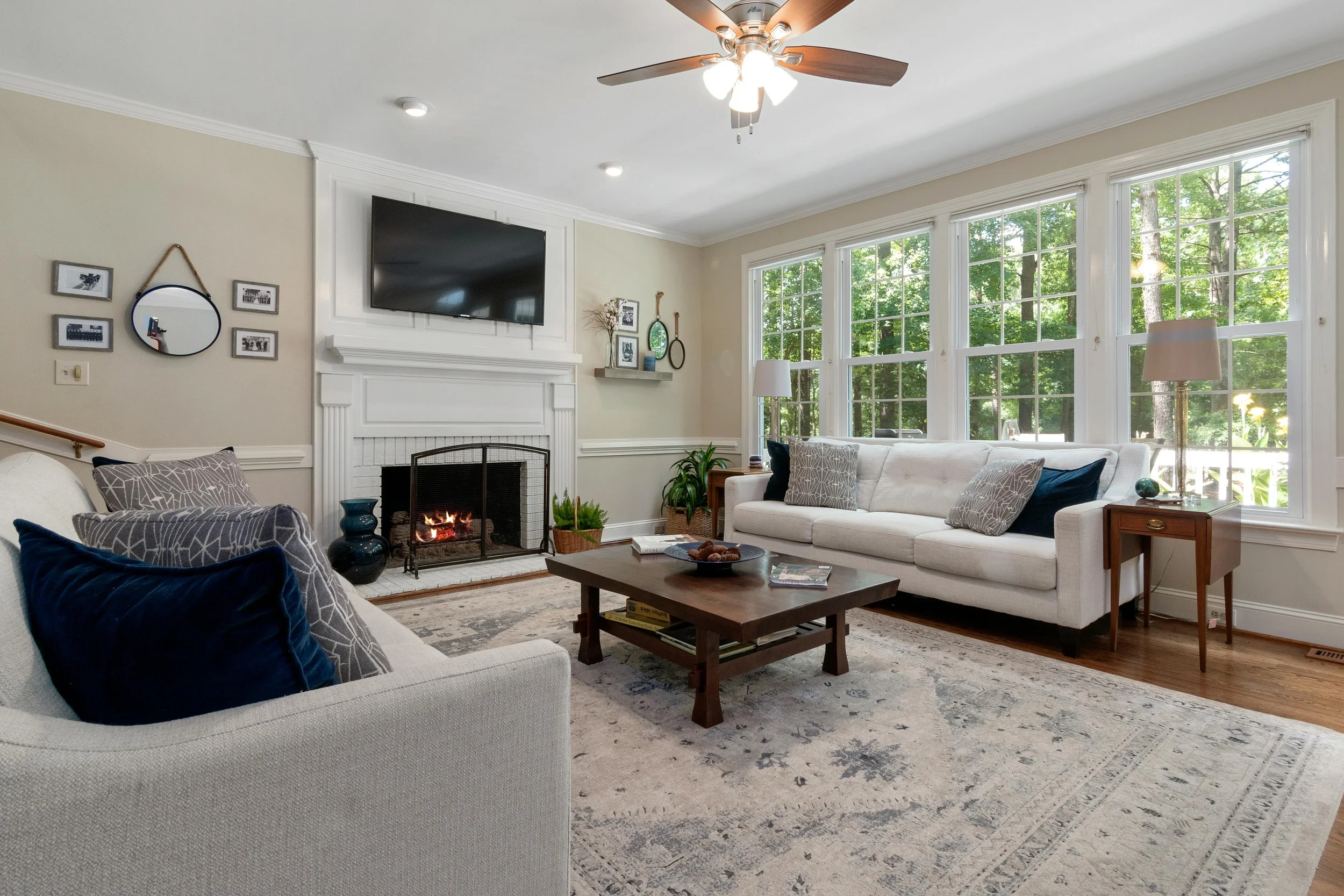
Furniture placed too close together can limit walking space, especially for individuals who use mobility aids such as walkers or canes. Rearranging furniture to create wider pathways allows for smoother transitions between areas of the home. Clutter is another common issue that affects accessibility. Items left on the floor, loose cables, and decorative objects placed in walkways can quickly become tripping hazards. Keeping pathways clear helps reduce the risk of accidents while making movement more comfortable.
These simple changes create a safer and more accessible environment without requiring major construction.
Adding Support Where Movement Happens Most
Certain areas of the home require more physical effort than others. Bathrooms, entryways, and staircases often involve movements that challenge balance and stability.
Installing grab bars is one of the easiest ways to increase support in these areas. Grab bars placed near toilets, inside showers, and next to bathtubs allow individuals to steady themselves while sitting, standing, or shifting weight. Handrails along staircases provide additional balance when moving between levels of the home. Even in single level homes, support handles near entrances or steps can make a noticeable difference. Many modern grab bars are designed to blend into the overall look of a home, which means safety improvements do not need to compromise aesthetics.
Understanding Mobility Challenges and Home Design
For individuals living with conditions that affect movement, the design of a home environment becomes even more important. Neurological conditions, balance issues, and muscle weakness can make everyday activities more difficult, especially when the home layout does not support safe movement. Simple adjustments such as wider hallways, grab bars, minimal clutter, and stable flooring can greatly improve safety and accessibility. These changes allow individuals to move more freely and perform daily tasks with less strain.
People who experience more complex mobility challenges often benefit from professional guidance as well. Visiting a movement disorder clinic can help individuals better understand how neurological conditions affect movement and how their home environment can be adapted to support their needs.
Making Bathrooms Safer and Easier to Use
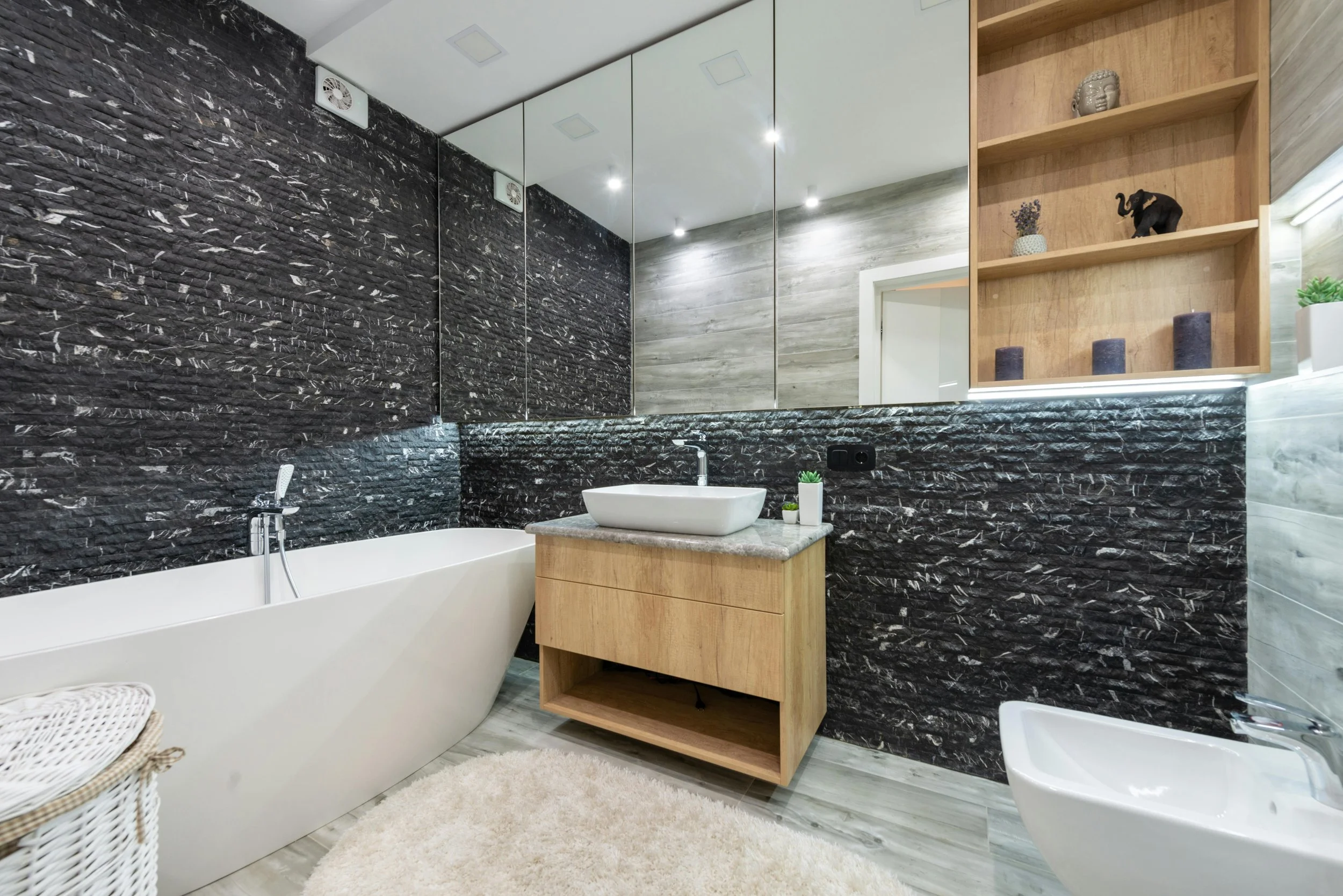
Bathrooms often present the highest risk for slips and falls because of wet surfaces and limited support points. Improving bathroom accessibility is one of the most important steps when modifying a home for better mobility. Non slip mats or textured flooring can provide additional grip and reduce the chance of slipping. Installing a walk in shower is another common solution because it removes the need to step over a bathtub edge.
Shower chairs can help individuals maintain balance while bathing, especially if standing for long periods is difficult. Handheld shower heads are also helpful because they allow greater flexibility during use.Raised toilet seats can make sitting and standing easier by reducing the amount of bending required. These simple adjustments allow individuals to use the bathroom with greater independence and safety.
Improving Kitchen Accessibility
The kitchen is a space where many daily activities take place, including cooking, cleaning, and preparing food. Small changes in kitchen design can make these tasks easier for individuals with limited mobility.
Placing commonly used items within easy reach helps reduce unnecessary bending and stretching. Frequently used cookware, dishes, and utensils should ideally be stored between waist and shoulder height. Pull out cabinet shelves are another helpful modification. Instead of reaching deep into cabinets, individuals can slide shelves outward to access items more comfortably.Lever style faucet handles are easier to operate than traditional round knobs. These handles require less grip strength and allow smoother movement when turning water on and off.
Reorganizing the kitchen with mobility in mind helps maintain independence and makes everyday tasks less physically demanding.
Choosing Flooring That Supports Stability
Floor surfaces can significantly affect how safely individuals move around their homes. Slippery or uneven flooring can create unnecessary risks, especially for people who already experience mobility challenges.
Smooth, even flooring materials such as vinyl, laminate, or hardwood often provide better stability than thick carpeting. Low pile carpets can also be suitable because they allow mobility aids to move more easily across the surface.
Designing Bedrooms for Comfortable Movement
Bedrooms should offer both comfort and easy accessibility. Since people spend many hours in this space, it is important that getting in and out of bed feels safe and manageable. One of the key factors is bed height. If a bed is too high or too low, sitting down or standing up can become difficult. Adjustable bed frames or bed risers can help create a height that makes these movements easier and more comfortable.
Lighting and organization also play an important role in supporting safe movement at night. Placing lamps or light switches within reach of the bed allows individuals to turn on the light before standing up..
Conclusion
Improving mobility at home does not always require major renovations or expensive remodeling. In many cases, small and practical changes can significantly improve safety, comfort, and independence.
Creating clear pathways, adding supportive fixtures, improving lighting, and choosing stable flooring are all effective ways to make homes easier to navigate. Bathrooms, kitchens, and bedrooms can also be adjusted with simple modifications that support everyday activities.