

A resource for those seeking information on organizing and transforming spaces.
Running Rentals Right: A Practical Guide To Smart Landlord Operations
Owning rental property can provide a steady income, but success depends on how well daily operations are managed. Smart landlords focus on organization, clear communication, and consistent upkeep. A structured approach helps reduce stress and supports long-term results. Small improvements in how tasks are handled can lead to better performance and fewer issues over time.
Owning rental property can provide a steady income, but success depends on how well daily operations are managed. Smart landlords focus on organization, clear communication, and consistent upkeep. A structured approach helps reduce stress and supports long-term results. Small improvements in how tasks are handled can lead to better performance and fewer issues over time.
Setting Clear Expectations
Clear expectations help prevent misunderstandings between landlords and tenants. Lease agreements should outline rent terms, maintenance responsibilities, and property rules in plain language. When tenants understand their responsibilities, disputes are less likely to occur.
Consistent communication also plays a key role. Responding to questions in a timely way builds trust and helps resolve issues early. Written policies allow landlords to stay consistent across all tenants, which supports fairness and clarity.
Staying on Top of Maintenance
Routine maintenance is essential for protecting property value. Regular inspections can identify small issues before they turn into costly repairs. Tasks such as checking plumbing, heating systems, and exterior areas should be done on a set schedule.
Prompt repairs also improve tenant satisfaction. When tenants see that problems are addressed quickly, they are more likely to take care of the property and remain long-term. A clear maintenance plan helps keep everything on track.
Managing Finances Effectively
Financial organization supports stable rental operations. Tracking income and expenses allows landlords to understand how their property is performing. This information helps with budgeting for repairs, upgrades, and other costs.
Setting aside funds for unexpected expenses is also important. Late payments should be handled with clear and consistent policies. Keeping accurate records makes tax preparation easier and reduces the chance of errors.
Using Tools and Support
Technology can simplify many aspects of rental management. Digital tools can track rent payments, schedule maintenance, and store documents in one place. These systems reduce manual work and improve accuracy.
Some landlords choose to work with property management professionals to handle daily responsibilities. This option can be useful for those with multiple properties or limited time. The right support system helps maintain consistency and efficiency.
Smart landlord operations rely on clear systems and consistent follow-through. By focusing on expectations, maintenance, financial tracking, and tenant relationships, landlords can create a stable and efficient process. With the right approach, rental properties can remain both manageable and profitable over time. Look over the infographic below for more information.


How to Clean Out a Nasty House After an Eviction
After flipping more than 100 homes across California, I’ve learned that some of the most challenging projects begin the moment an eviction ends. A house can look perfectly normal on the outside while the inside tells a very different story—trash piled up, food left out, broken furniture, and sometimes damage that goes far beyond clutter. It’s never anyone’s favorite job, but knowing how to clean out a home safely and efficiently makes the process manageable.
We partnered with a real estate company for this post. The opinions in the post are honest. All reviews and opinions expressed in this post are based on our personal views. We are excited because we know you will love it.
How to Clean Out a Nasty House After an Eviction
By Joy Gebarah, Owner of Kernvestors
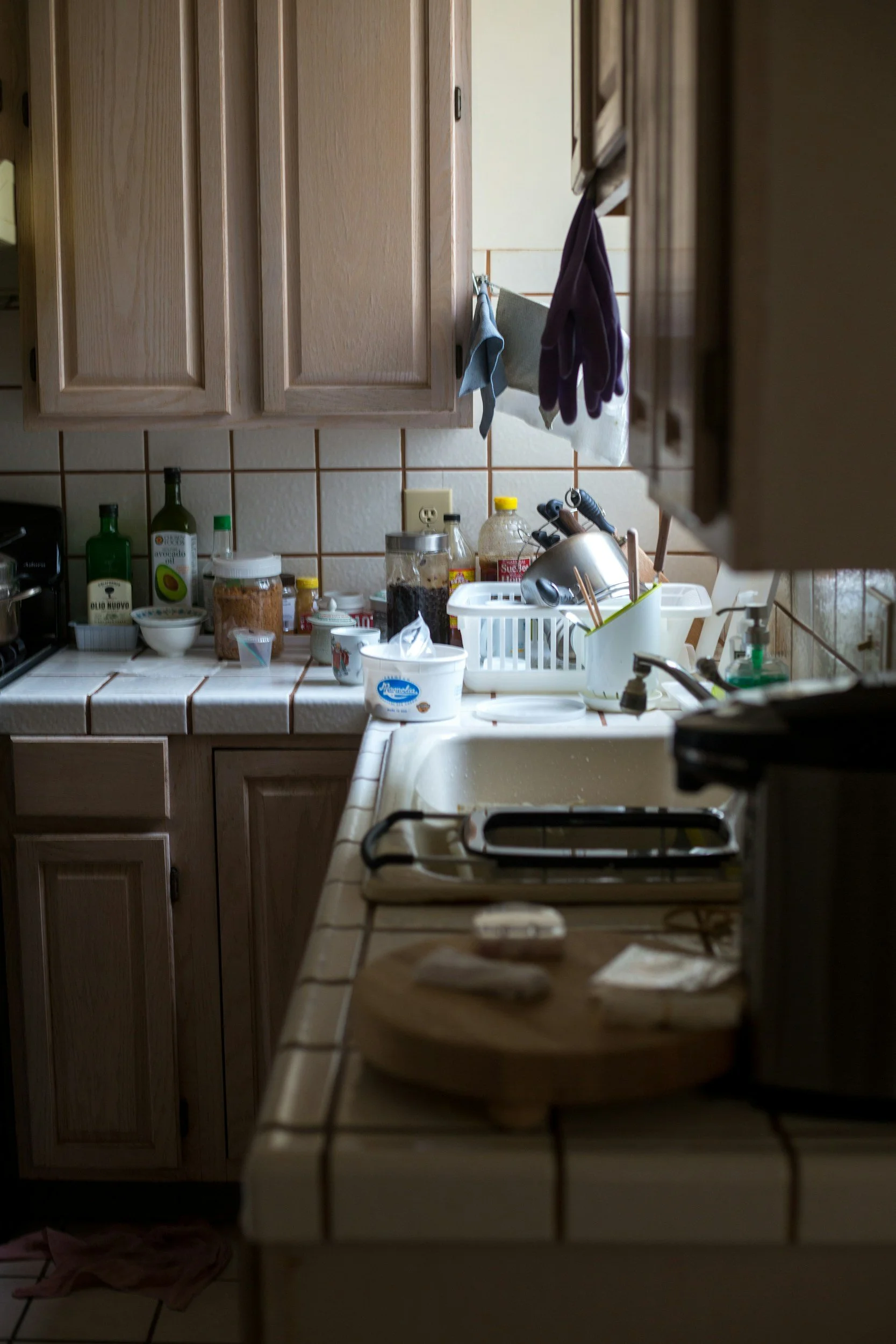
After flipping more than 100 homes across California, I’ve learned that some of the most challenging projects begin the moment an eviction ends. A house can look perfectly normal on the outside while the inside tells a very different story—trash piled up, food left out, broken furniture, and sometimes damage that goes far beyond clutter. It’s never anyone’s favorite job, but knowing how to clean out a home safely and efficiently makes the process manageable.
Whether you’re a landlord, a new investor, or simply curious about what really happens behind the scenes, here’s a realistic step-by-step look into how to clean out a property after a tough eviction. These steps also come from the perspective of someone who buys houses in Bakersfield and other cities in California, where I’ve had to deal with every kind of cleanup imaginable.
1. Start With Safety First
Before touching anything, gear up. Gloves, boots, and masks are non-negotiable. You never really know what’s hiding under a pile of clothes or what’s been sitting in the fridge for weeks. Sometimes I bring in an air scrubber for a few hours just to clear out the smell and dust before doing any physical work. If the property has structural concerns—soft floors, exposed wiring, or damaged plumbing—address those first. A safe cleanup starts with a safe environment.
2. Do an Initial Walkthrough and Categorize the Job
Every eviction cleanout falls into categories:
- Light debris: Trash, clothing, discarded items
- Heavy debris: Furniture, mattresses, broken appliances
- Hazardous situations: Mold, pests, needles, rotting food
Your approach changes depending on which one you’re dealing with. Some landlords underestimate how long a job will take because they try to jump straight into cleaning without evaluating the full scope.
3. Remove All Trash and Debris First
Most properties require a big dumpster on-site. I usually start from the farthest room and work toward the front door. Big items—sofas, beds, dressers—come out first. Smaller trash fills in the gaps. This phase always takes longer than expected, especially in homes where tenants left behind years of belongings. But once everything is out, the house immediately feels more manageable.
4. Deep Clean Room by Room
When the debris is gone, the real cleaning begins. That means:
- Scrubbing walls
- Disinfecting kitchens and bathrooms
- Cleaning or removing appliances
- Shampooing or ripping out carpets
- Treating any odors that soaked into drywall or flooring
Sometimes replacing is cheaper than restoring. After hundreds of flips, I’ve learned that a ruined carpet or heavily stained tub isn’t worth salvaging.
5. Repair, Refresh, and Get the House Market-Ready
Once the home is clean, minor repairs are surprisingly quick:
- Patching holes
- Repainting
- Replacing fixtures
- Installing new flooring
- Updating broken windows or doors
Whether the owner plans to rent it again or sell it, this is where the house starts to look like a home again—not a project.
Final Thoughts
Cleaning out a property after an eviction isn’t glamorous, but it’s part of the reality for anyone managing rentals or investing in distressed homes. As a company that specializes in buying houses in Bakersfield CA, I’ve seen firsthand that even the worst situations can be turned around with the right process and a little patience. And for homeowners who feel overwhelmed, remember—we buy houses in Bakersfield, no matter the condition. But even if you choose to tackle the cleanup yourself, the steps above will help you approach the job the same way seasoned investors do.

Risks of Allowing Unauthorized Occupants in a Rental Home
As a landlord, it can be frustrating to discover unwanted occupants in your rental property after going through the hassle of advertising, thoroughly screening renters, and signing leasing paperwork. Unfortunately, this is a common problem, and even while they might not be creating issues immediately, this could develop into a long-term concern.
We partnered with a consulting company for this post. The opinions in the post are honest. All reviews and opinions expressed in this post are based on our personal views. We are excited because we know you will love it.
As a landlord, it can be frustrating to discover unwanted occupants in your rental property after going through the hassle of advertising, thoroughly screening renters, and signing leasing paperwork. Unfortunately, this is a common problem, and even while they might not be creating issues immediately, this could develop into a long-term concern.
That’s why it’s important to know who is a renter, who is a guest, and who is an unauthorized occupant. Also, being aware of your rights as a landlord can go a long way. Continue reading as this guide explores who unauthorized tenants are and the risks of accommodating them.
What is an Unauthorized Occupant?
In the absence of a lease, adults who occupy the property without a permit are considered unlawful occupants. If they have moved in or are staying longer than is allowed by your lease terms, they are no longer considered a visitor.
The legally valid lease arrangement between you and your renter does not include unauthorized occupants, nor do they have any legal right to be on the property. Although they could have been permitted to visit the property, their prolonged presence makes them unauthorized occupants. There is often a two-week maximum for visitor stays, though this will vary depending on the state, locality, and lease agreement.
Difference between Guests and Unauthorized Occupants
The primary distinction between an unauthorized occupant and a guest is that they moved into or stayed in your space for any period of time without being invited to do so. In this situation, a written agreement between the landlord and unauthorized residents is typically lacking. They are not covered by the lease even though they reside in the rented property.
A guest may be establishing residency if they stay overnight frequently, especially after the period stipulated in the lease agreement. In Florida, for example, a visitor who stays for more than 14 days in a six-month period or seven consecutive nights is often considered a renter. Additionally, it's a clear sign that a visitor has established residency when they begin to receive mail or shipments at your house. There is often an official link between the address and this activity.
Unauthorized occupants do not have permission to occupy the premises under the lease, do not owe the landlord rent, and usually did not sign the lease agreeing to the lease term. This can be problematic in cases of nonpayment of rent, causing damage to property, or not following the lease rules. It can also become a challenge if you need to evict them, as they may start to refuse or claim you cannot evict them.
Landlords must keep a keen eye out for unlawful residents. They should keep an eye out for indicators such as increased utility costs or an increase in the number of cars parked outside. Finding any changes in the occupants of the property can also be facilitated by conducting routine inspections. Bay Property Management Group Austin Texas can facilitate the proper process for adding occupants. It is beneficial to establish explicit guidelines in the lease regarding the duration and frequency of guest visits to prevent confusion.
Risks of Allowing Unauthorized Occupants in a Rental Home
1. Unpaid Rent
The unauthorized occupier may remain in the flat if the renter stops making rent payments or even moves out. This kind of potential tenant can be difficult, costly, and time-consuming to evict. As a result, during the eviction process, landlords will continue to incur financial losses. You increase your chances of finding yourself in this kind of predicament by letting an unlawful tenant remain on the property.
2. Lease Violations
Regarding leases, you should be concerned about more than just the possibility of damages. The terms of the lease have not been viewed or accepted by unauthorized occupiers. Even if your tenant requests it, they are not legally obligated to follow such guidelines. The issues they create could be as basic as parking infractions. It's not a big deal, but your other tenants will still find it annoying.
Furthermore, their presence can be a complete violation of the lease. Is there a provision in your lease prohibiting long-term guests or subleases? If so, this unapproved occupant most likely violates the terms of the lease.
3. Potential Damage to Property
It might be challenging to hold the unauthorized occupant responsible if they cause any damage to the property. Legal tenants are responsible for the behavior of their guests, and any damage that exceeds the security deposit may typically be covered by a tenant's renters' insurance. However, it could be challenging to hold various kinds of unlawful tenants accountable.
Final Thoughts
Making the regulations clear in the lease is the most important thing to keep in mind during the entire process of dealing with unauthorized tenants. Learn about the laws and regulations in your area pertaining to tenant guest policies.
On the owner's side, property managers offer additional expertise in developing legal procedures, vetting candidates, and enforcing regulations. Hiring a qualified property management team is also an effective technique for dealing with unauthorized tenants, excessive visitors, or legitimate tenants, protecting your investment as well.

The True Cost Of Bad Tenants
A rental property is often viewed as a stable investment, but the wrong tenant can quickly turn it into a financial burden. The costs associated with bad tenants go far beyond missed rent and can affect both short-term income and long-term property value.
A rental property is often viewed as a stable investment, but the wrong tenant can quickly turn it into a financial burden. The costs associated with bad tenants go far beyond missed rent and can affect both short-term income and long-term property value.
Lost Rental Income
The most immediate impact comes from unpaid rent. A tenant who fails to pay on time or stops paying altogether disrupts cash flow and may leave the landlord covering mortgage, taxes, and insurance out of pocket. Even partial or inconsistent payments can strain budgets and make it harder to maintain the property properly.
Property Damage and Repairs
Normal wear and tear is expected, but careless or destructive tenants can cause significant damage. Broken appliances, stained carpets, holes in walls, and neglected plumbing issues add up quickly. Repairing these problems can cost thousands of dollars and delay the ability to re-rent the unit. In some cases, hidden issues may surface only after a tenant moves out, further increasing expenses.
Legal Fees and Eviction Costs
Evictions are not only stressful but also expensive. Depending on the state, legal fees, court filings, and attorney costs can range from several hundred to several thousand dollars. During this process, the property often remains unoccupied, which means no rental income is generated while expenses continue. The eviction timeline can stretch for months, leaving landlords in a financially vulnerable position.
Impact on Property Value
Bad tenants can also harm long-term property value. Neglecting maintenance, ignoring pest problems, or damaging key systems like heating and cooling can reduce the overall condition of the home. A neglected property is harder to market to quality renters and may even lower resale value if left unresolved.
Preventing Costly Mistakes
Screening tenants thoroughly is the most effective way to avoid these losses. Checking credit, rental history, and references helps identify red flags before signing a lease. Some landlords choose to work with a property management company, which often has more resources and experience in screening applicants, enforcing lease agreements, and handling disputes. This upfront investment can prevent greater losses later.
Bad tenants can create ripple effects that extend beyond missed payments. From expensive repairs to prolonged vacancies, the true cost often exceeds what many landlords expect. Proactive tenant screening, strong lease agreements, and consistent oversight are essential tools for protecting rental properties and preserving long-term value. Check out the infographic below to learn more.
