

A resource for those seeking information on organizing and transforming spaces.
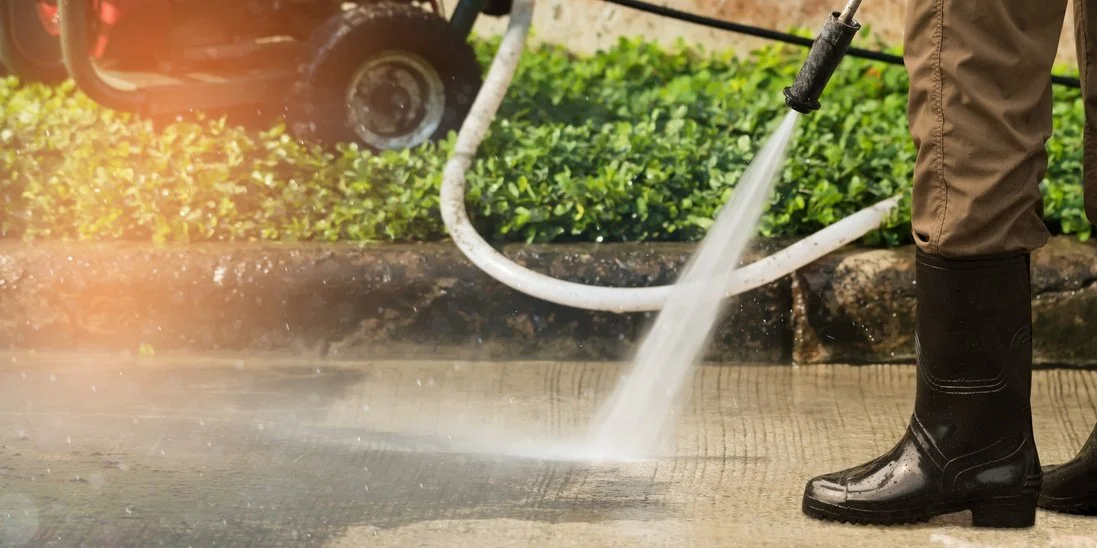
Common Pressure Washing Mistakes To Avoid
Proper pressure washing ensures surfaces are clean and undamaged. Learn techniques and tips to achieve professional results safely and effectively.
Pressure washing is an effective way to clean driveways and home exteriors. However, when done incorrectly, it can also lead to permanent damage and expensive repairs. By understanding the most common pressure washing mistakes, you can achieve the best results while protecting your property. Here are four mistakes you should avoid next time you take out your pressure washer.
Using an Inadequate Nozzle
The nozzle you choose plays a crucial role in determining how effective and safe your pressure washing will be. Nozzles come in different spray angles, ranging from a narrow, powerful stream to a wider, gentler spray. Selecting the wrong one for your task can cause serious damage or fail to properly clean the surface.
For example, a 0-degree nozzle delivers an intense stream suited for small, tough stains, but it can easily gouge wood or paint. On the other hand, a 25-degree nozzle works well for general-purpose cleaning, including washing patios or decks. Always match the nozzle to the surface and the level of dirt to avoid mishaps.
Attaching the Wrong Hose
Using the wrong hose on a pressure washer can lead to poor performance or equipment damage. A pressure washer hose needs to match the water flow rate and pressure rating of your machine.
Choosing a hose that cannot handle high-pressure levels can result in breakages or leaks. Conversely, using an excessively thick or long hose could reduce pressure output, leaving you with suboptimal cleaning power. Always check the manufacturer’s recommendations when selecting a hose to make sure it’s compatible with your specific pressure washer.
Applying Too Much Pressure
More pressure doesn’t always mean better cleaning. Applying excessive pressure is one of the quickest ways to damage surfaces such as painted walls, wooden decks, or concrete.
This mistake often results from assuming that higher pressure will remove stubborn dirt more effectively, but too much force can strip paint or leave unsightly marks. Start with the lowest pressure setting, and gradually increase it if necessary, ensuring the surface remains unharmed while cleaning it thoroughly.
Skipping Surface Preparation
Another one of the most common pressure washing mistakes is improper surface preparation. Failing to remove debris, loose dirt, or cobwebs before starting can make the cleaning process less efficient and lead to unsatisfactory results or clogged nozzles.
Additionally, skipping crucial prep work such as protecting nearby plants, covering electrical outlets, and sealing cracks can lead to damage or safety risks. Taking a few extra minutes to clean and prepare the area ensures an even and effective washing experience while protecting your property from unintended damage.