

A resource for those seeking information on organizing and transforming spaces.
How to Protect Your Home From Water Damage Without Creating More Clutter
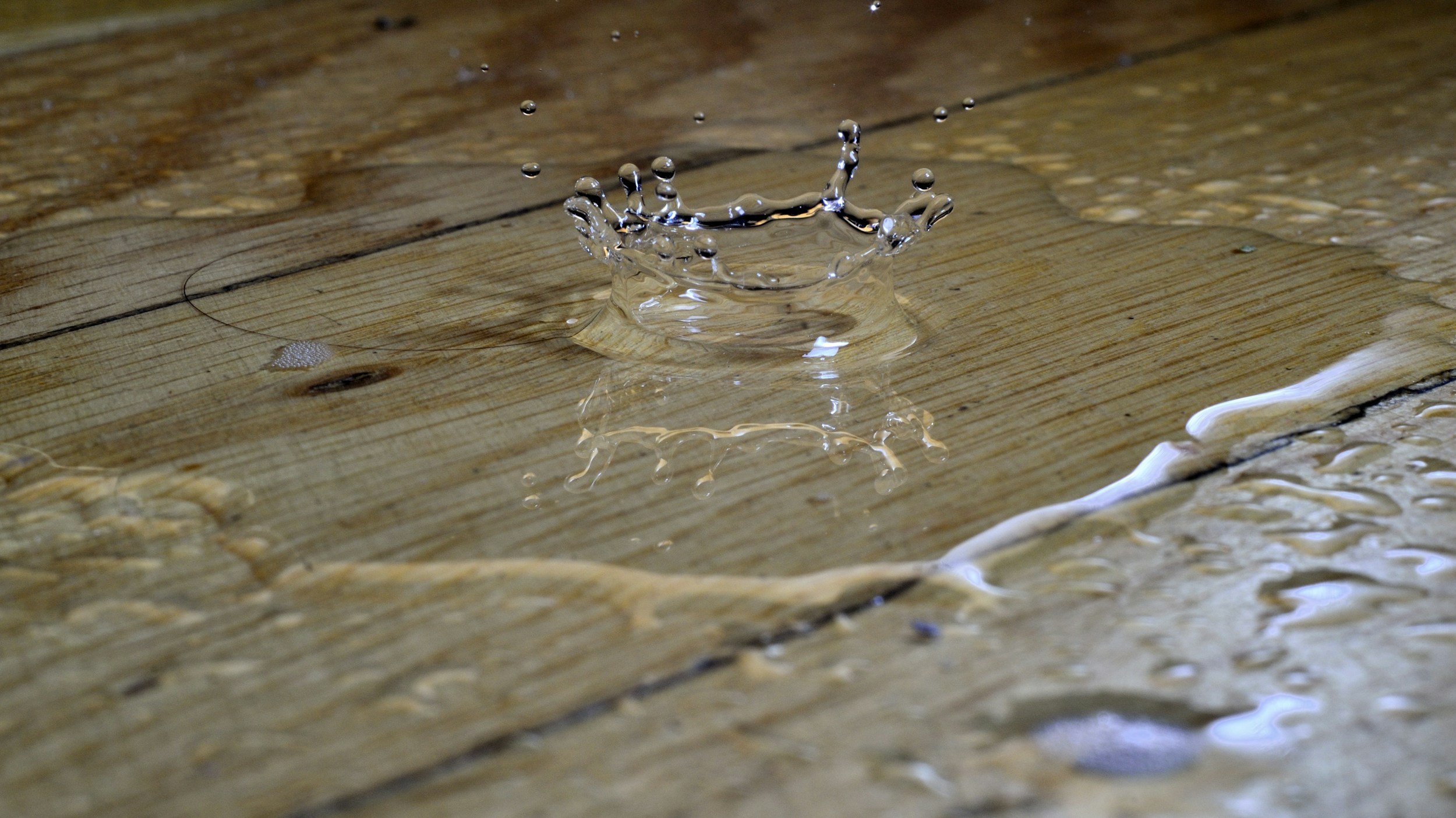
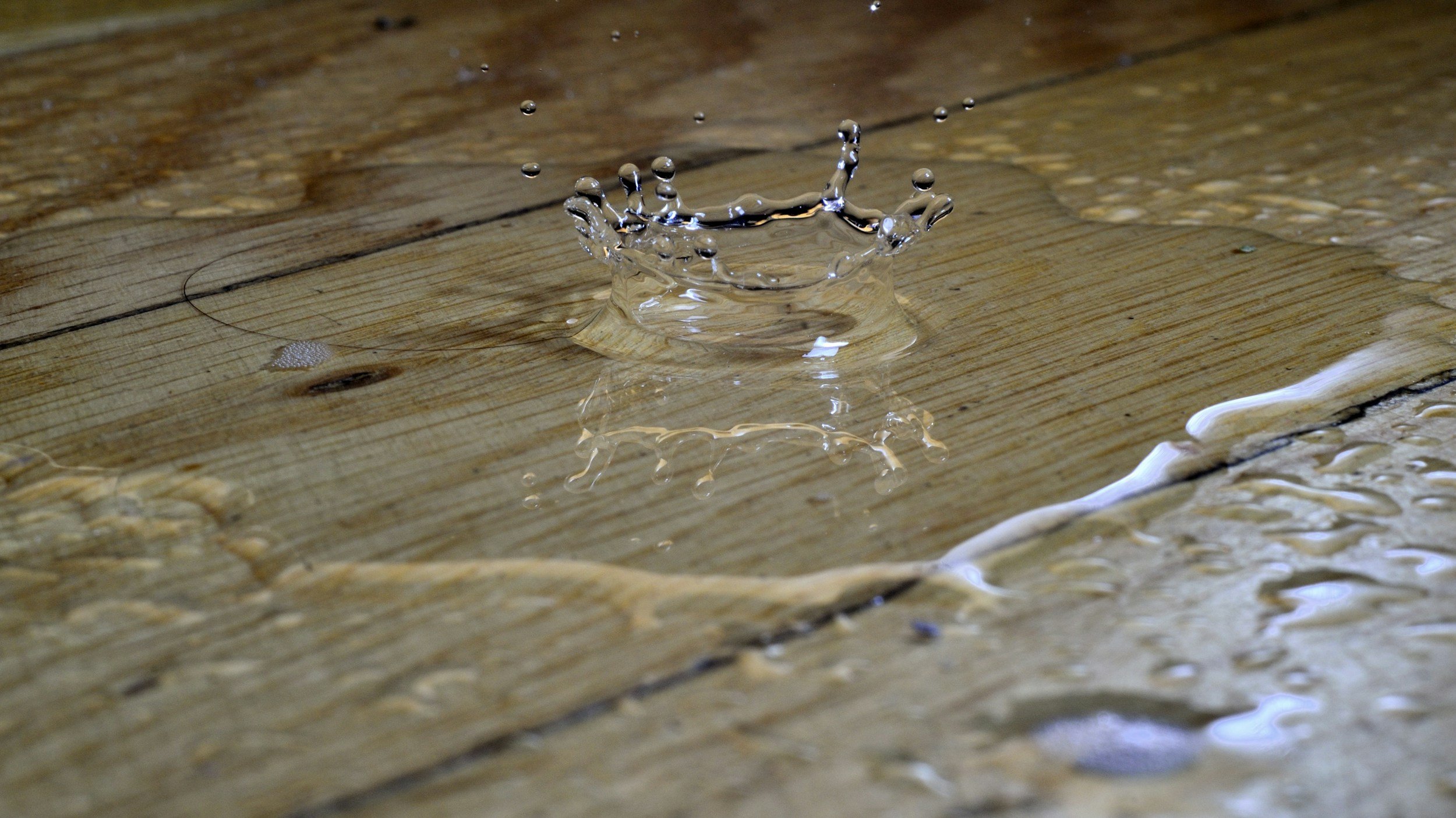
Water damage is one of the most common problems homeowners face. A small leak can turn into a major issue if left unnoticed. Many owners try to be proactive by having the necessary supplies on hand in case a problem arises, but this can lead to crowded spaces. A better way to prepare is to focus on small, consistent habits and efficient solutions that protect your home without filling it with clutter.
Water damage is one of the most common problems homeowners face. A small leak can turn into a major issue if left unnoticed. Many owners try to be proactive by having the necessary supplies on hand in case a problem arises, but this can lead to crowded spaces. A better way to prepare is to focus on small, consistent habits and efficient solutions that protect your home without filling it with clutter.
Start With Regular Inspections
Routine checks are one of the easiest ways to prevent water damage in your home. It only takes a few minutes and doesn’t require any extra tools or storage space. Walk through your home every few weeks and search for early signs of trouble. This can be water stains, peeling paint, or musty smells. Pay close attention to areas around sinks, appliances, and near windows. They’re often the first places where signs of water damage appear.
Focus on Key Problem Areas
Some parts of the home are more likely to develop water issues than others. For instance, bathrooms, kitchens, basements, and laundry room are more susceptible to show signs of water damage. Pay extra attention when inspecting or passing through these areas.
Check for loose connection or small drips. One minor leak can lead to major damage if left alone. Ensure that the fittings are tight and replace any parts that appear to be worn down or damaged. Keeping these items in good condition will reduce the need for costly emergency fixes down the line.
Use Built-In Storage for Supplies
Basic supplies are useful to have on hand when owning and maintaining a home. To avoid clutter and disorganized storage, store items like buckets, tape, and towels in cabinets or closets that already exist within the home. Chose multi-purpose items whenever possible. Invest in shelving, labeling, and bins as well. Taking these preemptive steps will not only keep the space clean but allow homeowners to react quickly when problems arise.
Install Simple Water Detection Tools
Technology is a great tool for preventing water damage without taking up too much space in the home. Sensors are a great example of this. Most of them are compact, easy to install, and don’t require constant maintenance. They can be placed near appliances, pipes, or areas of concern. If moisture is detected, these sensors will go off and alert the home. It’s a great choice for busy or large households.
Maintain Gutters and Drainage
Outdoor maintenance plays a key role in protecting homes from potential water damage. A home with proper drainage has a reduced risk of leaks and structural issues. Gutters and downspouts help direct water away from your foundation. If they become clogged, water can collect and cause damage.
To prevent issues from arising, it’s important to routinely clean gutters. In addition, make sure that water is flowing away from the home and not towards it. Downspouts should extend far enough to keep water from pooling near the base of the home.
Control Moisture Levels Indoors
Excess moisture inside the home can also lead to long-term damage. Bathrooms and kitchen are typical sources for humidity in the home. For instance, steaming vegetables in the kitchen or a hot shower in the bathroom. To reduce moisture, use exhaust fans during and after. Opening windows when weather allows it can also be beneficial.
If humidity levels remain unchecked or unresolved, mold growth and damage may incur. Targeted mold removal solutions can address affected areas without adding extra clutter to your home.
Keep Emergency Plans Simple
You don’t need large kits or complex systems to be prepared. A clear plan is often the most effective. Know where your main water shut-off valve is located and how to use it. Keep important contact numbers (plumbers and HVAC, for example) in one easy-to-find place. Having this information ready can save you vital time during an emergency.
Preventing water damage in your home doesn’t have to be overwhelmingly complex. You don’t need to use up precious storage or invest in complicated solutions. By regularly inspecting your home, keeping up with basic maintenance and being mindful of humidity and water usage, you can keep your home dry and clutter-free.
Top 7 Benefits of Mold Remediation for a Healthier and Safer Home
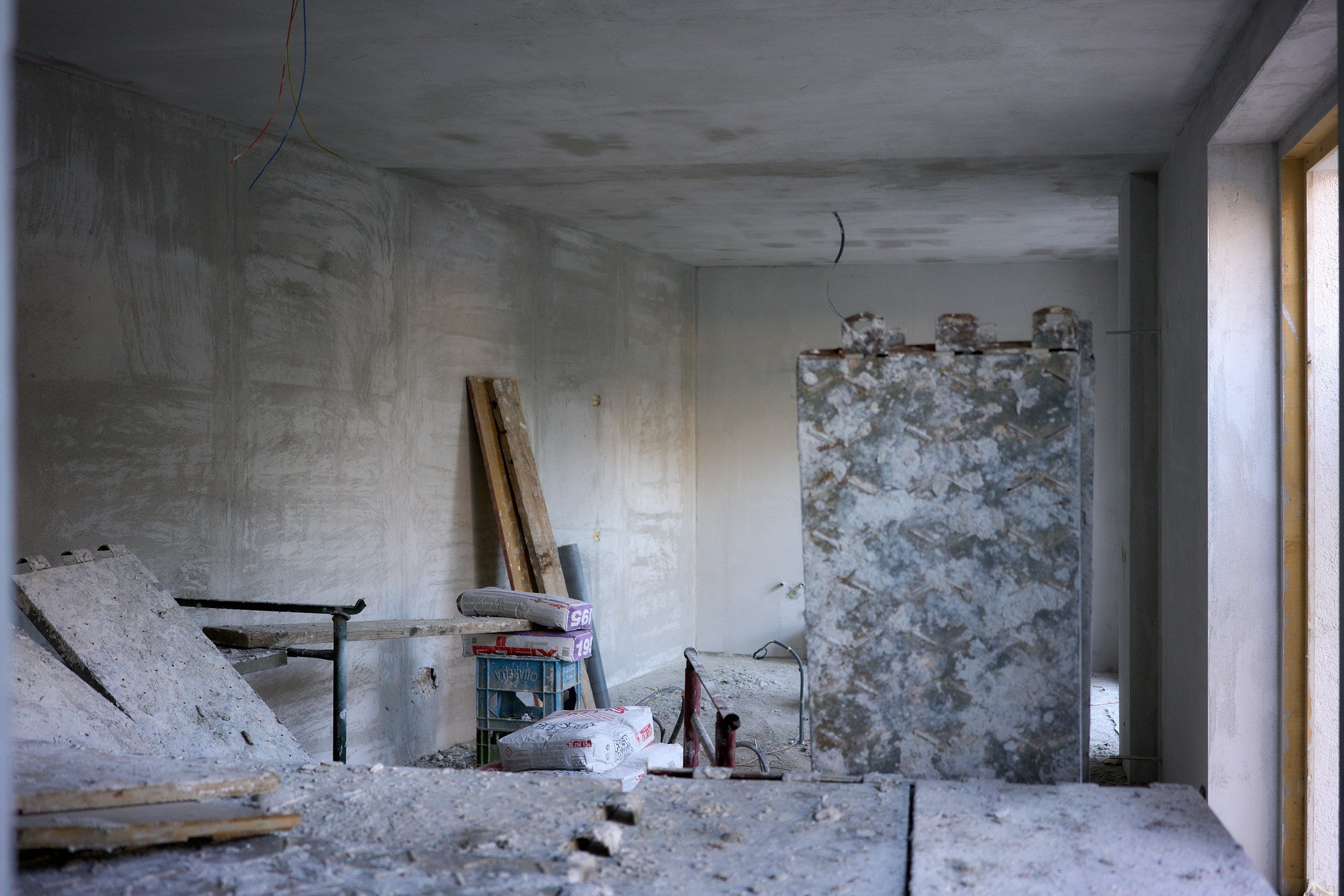
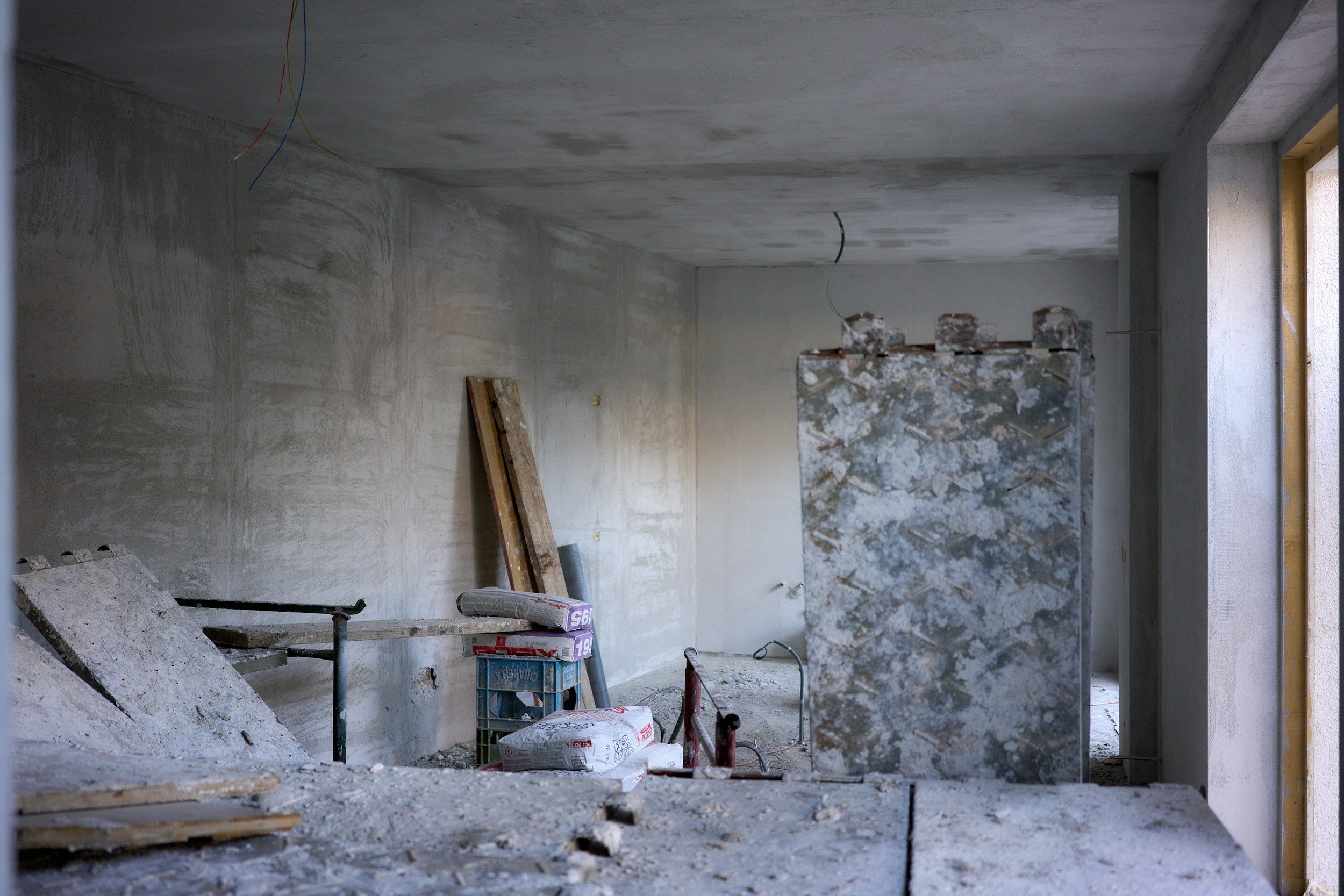
Mold is a common problem in many homes, especially in areas with high humidity or past water damage. It may start as a small spot on a wall or ceiling, but it can quickly grow into a serious issue. Mold is not just ugly to look at. It can also affect your health, damage your home, and may even lower your property value.
We partnered with a home improvement company for this post. The opinions in the post are honest. All reviews and opinions expressed in this post are based on our personal views. We are excited because we know you will love it.
Mold is a common problem in many homes, especially in areas with high humidity or past water damage. It may start as a small spot on a wall or ceiling, but it can quickly grow into a serious issue. Mold is not just ugly to look at. It can also affect your health, damage your home, and may even lower your property value.
Mold remediation is the process of safely removing mold and fixing the conditions that allow it to grow. Below, we will explain the top seven benefits of mold remediation and why it is important in keeping your home healthy and safe.
What Is Mold Remediation?
Mold remediation is more than wiping mold off a surface. While mold removal focuses on cleaning visible mold, remediation goes deeper. It identifies the source of moisture, contains the mold, removes it safely, and helps prevent it from coming back.
Many homeowners try to clean mold with bleach or household cleaners. This may remove what your eyes can see, but it does not fix the root cause of the problem. Mold often grows behind walls, under floors, or in air systems. Without proper treatment, it usually returns.
Professional mold remediation matters because it treats mold as a system-wide issue, not a surface stain.
Benefit #1 – Improves Indoor Air Quality
Mold releases tiny spores into the air. These spores float through your home and get breathed in every day. When mold is present, indoor air quality drops, even if you cannot see the mold itself.
Poor air quality can make your home feel stuffy and cause strong, musty smells. Mold remediation removes the source of these spores and helps clean the air inside your home.
After remediation, many homeowners notice their home smells fresher and feels more comfortable. Clean air makes a big difference in how a home feels day to day.
Benefit #2 – Reduces Health Risks for Your Family
Mold exposure can cause a lot of health problems. Common symptoms include coughing, sneezing, headaches, skin irritation, and itchy eyes. For people with asthma or allergies, mold can make symptoms much worse.
Children, older adults, and people with weak immune systems are especially at risk. Long-term exposure to mold can lead to ongoing breathing problems and chronic illness.
Mold remediation helps remove harmful mold spores from the home. This creates a safer living environment and lowers the risk of mold-related health issues for everyone in the household.
Benefit #3 – Prevents Structural Damage to Your Home
Mold feeds on organic materials such as wood, drywall, and insulation. Over time, it slowly breaks these materials down. What starts as a small mold patch can lead to rotting wood, crumbling drywall, and weakened flooring.
If mold is left untreated, repairs can become very expensive. Structural damage may require wall replacement, floor repairs, or even major rebuilding.
Mold remediation stops mold at its source. By removing mold early, you protect the strength and safety of your home and avoid costly repairs later.
Benefit #4 – Eliminates Persistent Odors
One of the most common signs of mold is a strong, musty smell. This odor can linger even after cleaning surfaces or using air fresheners.
The smell comes from mold releasing gases as it grows. Covering the odor does not solve the problem. Only removing the mold itself will make the smell go away.
Mold remediation eliminates the source of these odors. Once the mold is gone, your home smells clean again without sprays or candles.
Benefit #5 – Helps Prevent Mold From Returning
One of the biggest advantages of mold remediation is prevention. Professionals do not just remove mold. They also find and fix the moisture problem that caused it.
This may include repairing leaks, improving ventilation, or reducing humidity levels. Containment methods are also used to keep mold from spreading during the process.
By addressing both the mold and the cause, remediation greatly reduces the chance of mold coming back. This gives homeowners long-term protection and fewer worries.
Benefit #6 – Protects Property Value
Mold can seriously hurt your home’s value. During a home inspection, mold is a major red flag for buyers. It can delay sales, lower offers, or stop a deal altogether.
Many buyers are worried about health risks and repair costs. Even small mold issues can raise concerns about hidden damage.
Mold remediation shows that the problem was handled correctly. It helps protect your investment and makes your home more attractive to future buyers.
Benefit #7 – Provides Peace of Mind
Living with mold can be stressful. You may worry about your family’s health or whether mold is growing where you cannot see it.
After professional mold remediation, you can feel confident that your home is safer. Knowing the mold was removed properly, and the cause was fixed,d brings peace of mind.
This sense of security is one of the most valuable benefits of mold remediation.
Why Hire a Professional Mold Remediation Company
A professional mold remediation company uses special equipment and proven methods. They follow safety rules to protect your home and your health. Experts know how to contain mold, remove it safely, and clean affected areas. They also understand how mold spreads and how to stop it.
Hiring professionals ensures the job is done right the first time and reduces the risk of future mold problems.
Conclusion
Mold remediation is an important step toward a healthier and safer home. It improves air quality, protects your family’s health, prevents damage, and preserves your home’s value.
Mold problems rarely go away on their own. Taking action early can save money and stress in the long run.
If you suspect mold in your home, a professional inspection and remediation can help you breathe easier and feel confident in your living space.

Common Mold Types Found in Singapore Homes
In Singapore, the humid climate is a common cause of mold growth in domestic homes. The warm temperature and the presence of dense moisture levels ensure favorable conditions for the development of mold. Not many homeowners know that the various forms of mold could impact their property in several ways. Some molds are the causative agents of mild allergies; others cause grave respiratory diseases. Thus, you should know the kinds of molds that can appear in the home setting. This guide provides insight into the prevalent types of molds that may be present in Singaporean homes, their impacts, and why prompt mold removal must be prioritized.
We partnered with a home improvement company for this post. The opinions in the post are honest. All reviews and opinions expressed in this post are based on our personal views. We are excited because we know you will love it.
In Singapore, the humid climate is a common cause of mold growth in domestic homes. The warm temperature and the presence of dense moisture levels ensure favorable conditions for the development of mold. Not many homeowners know that the various forms of mold could impact their property in several ways. Some molds are the causative agents of mild allergies; others cause grave respiratory diseases. Thus, you should know the kinds of molds that can appear in the home setting. This guide provides insight into the prevalent types of molds that may be present in Singaporean homes, their impacts, and why prompt mold removal must be prioritized.
1. Aspergillus
A typical mold found in Singapore is Aspergillus. It grows on wet walls, air conditioners, and food. This mould grows rapidly within warm, moist conditions, so homes in the tropics are very susceptible.
Key facts:
Found frequently in bathrooms and the kitchen.
It is capable of causing allergies.
Sometimes resulting in respiratory infections.
Exposure to Aspergillus can result in cough, wheezing, and skin irritation. The risks are higher in the case of individuals whose immunity is low. Thus, it should be eliminated as soon as possible, and the humidity inside the home should be low.
2. Cladosporium
Cladosporium can develop in warm and cool locations, hence it is very adaptable. It is frequently present in Singapore dwellings, where it is present in textiles, wood, and on windows.
Key facts:
Looks like black or olive-green spots.
It can provoke asthma.
Frequent in curtains and air ducts.
This mold sheds its spores into the air, which are easy to inhale. Nasal congestion, itchiness of the eyes, and a sore throat are seen in susceptible people. Its spread can be prevented by regularly cleaning the household fabrics and wooden furniture.
3. Penicillium
Penicillium feeds off the carpets, wallpaper, and insulation in which water-damaged materials are present. Although it is applied in the production of antibiotics, some of its species are poisonous to ingest.
Key facts:
Is it blue or green in velvet texture?
Generates powerful musty odors.
Associated with allergies and asthma attacks.
Penicillium is transferred rapidly by spores in the air. Consequently, early diagnosis is essential. When you can smell mustiness in your home, inspect dark, moist areas and check for hidden mold.
4. Stachybotrys (Black Mold)
One of the highly toxic types of mold that can occur in Singapore houses is Stachybotrys, or toxic black mold. It favors water-damaged materials and cellulose-rich materials like wood and paper.
Key facts:
Looks black or dark green.
Forms toxic mycotoxins.
Related to severe respiratory problems.
Acute cases lead to chronic coughing, headaches, and fatigue when exposed to on a long-term basis. It may also, in certain situations, impact the nervous system. Thus, it is highly recommended that professionals remove Stachybotrys.
5. Alternaria
Alternaria is a rapidly growing mold that tends to grow in the shower, under the sink, and also around the window. It may also manifest itself in highly exposed moisture in walls and tiles.
Key facts:
Dark green or brown in a fuzzy texture.
Gives allergic rhinitis and asthma attacks.
Grows rapidly in wet locations.
Alternaria grows fast to cover a big area in a few days. Its growth can be prevented by controlling the inside humidity and enhancing indoor ventilation.
6. Mucor
Mucor tends to be white or grey and thickly abundant. It is usually present in Singapore households' air conditioning systems, wet carpets, and moisture-prone walls.
Key facts:
Grows fast under wet conditions.
May result in respiratory infection.
Seen frequently in proximity to HVAC systems.
In isolated instances, Mucor may lead to mucormycosis, a fatal fungus. It should be prevented by regularly cleaning air conditioners and maintaining adequate moisture control.
7. Fusarium
Fusarium grows better in cooler and wet locations and can even survive in low temperatures. It tends to attach to carpets, fabrics, and wallpapers.
Key facts:
Looks pink, white, or reddish.
Gives skin rashes and respiratory irritation.
It can produce detrimental toxins.
Since Fusarium propagates not only through the surfaces but also with the help of the air, then leaks and the situation with moisture should be promptly resolved. Otherwise, it is capable of contaminating several locations at home.
8. Trichoderma
Trichoderma grows in wet wood, paper, and carpet materials. Although there are harmless species, others will destroy construction materials and give rise to allergies.
Key facts:
White or green in colour.
Makes enzymes that degrade wood.
It can bring on a cough and be irritating to the skin.
Besides the health hazards, Trichoderma may also destroy the wooden structures in your house. An immediate removal would keep the air quality and safety at an acceptable level.
9. Aureobasidium
Aureobasidium commonly occurs on painted walls, wood surfaces, and window frames. It may begin as pink or brown and thereafter acquire a black color.
Key facts:
Usual in damp, moist areas.
Irritates the skin and eyes.
Grows wallpaper and furniture.
Due to its ability to stain woods or painted surfaces, Aureobasidium might not be noticed for a long time. Inspections can help detect it early.
10. Chaetomium
Chaetomium is common in building structures damaged by water and has a strong musty odor. It develops on wooden buildings, wallpaper, and drywall.
Key facts:
The texture is cotton-like with a white start.
Blacks or darkens to green.
May result in breathing problems and skin complications.
It is a type of mold that can live in high humidity for quite a long time. The most suitable way to prevent them is to fix water leaks immediately.
Conclusion
The humid weather in Singapore exposes houses to molds, each causing various health and building hazards. Whether it is inconvenient common Aspergillus or deadly Stachybotrys, early detection and mold remediation can save your home and your health. It is essential to maintain good ventilation, keep the house dry by managing humidity, and repair water leaks to prevent this.
In severe cases, hiring a mold removal company in Singapore ensures safe and thorough elimination. Identifying these types of molds and their risks can help you achieve a healthier, safer, and cleaner living area where your family can reside. Even though mold can be found in humidity, this does not necessarily have to be the case in your house as long as proper caution is taken.

Benefits of Professional Mold Testing in San Marino for a Healthy Home
Mold testing in San Marino is crucial for maintaining a healthy and safe living environment.Mold is not just an eyesore; it poses significant health risks if left unchecked.From mild allergic reactions to severe respiratory problems, mold contamination can impact everyone in your home.
We partnered with a home improvement company for this post. The opinions in the post are honest. All reviews and opinions expressed in this post are based on our personal views. We are excited because we know you will love it.
Why Mold Testing Matters

Mold testing in San Marino is crucial for maintaining a healthy and safe living environment.
Mold is not just an eyesore; it poses significant health risks if left unchecked.
From mild allergic reactions to severe respiratory problems, mold contamination can impact everyone in your home.
Imagine walking into your basement and noticing a musty smell.
A San Marino resident, Lisa, had the same experience when she spotted discoloration on her walls after a heavy rainstorm.
She dismissed it at first, thinking it was just dirt.
A few weeks later, her young son began experiencing unexplained coughing fits.
Lisa called for professional mold testing in San Marino and discovered toxic black mold in her home.
That early intervention saved her family from prolonged exposure to harmful spores.
You can avoid similar situations by proactively addressing mold concerns.
Signs You Might Need Mold Testing
Certain telltale signs indicate a mold issue may be brewing in your home.
If you’ve noticed any of the following, it’s time to consider a professional inspection:
Persistent musty odors in specific rooms.
Unexplained health symptoms like sneezing, headaches, or skin irritation.
Water stains or discoloration on walls, ceilings, or floors.
Recurring condensation on windows.
Previous water damage or flooding incidents.
Take James, for example, a homeowner in San Marino who overlooked water stains near his air vents.
Months later, he developed chronic sinus infections.
A mold test revealed mold colonies growing within his HVAC system, spreading spores throughout his house.
How Mold Testing Works
Professional mold testing involves more than just a visual inspection.
Experts use advanced tools to identify the type and concentration of mold present.
Air Sampling: Collects mold spores from the air to determine indoor air quality.
Surface Testing: Swabs or tapes are used to collect samples from visible mold patches.
Moisture Mapping: Identifies hidden damp areas where mold may thrive.
Laboratory Analysis: Samples are analyzed in specialized labs to confirm mold species and severity.
When Sam hired a professional mold inspector after experiencing repeated asthma attacks, he was surprised to learn mold was hidden behind his bathroom tiles.
This detailed process uncovered the root cause, enabling effective remediation.
Why DIY Mold Testing Falls Short
While DIY mold testing kits are widely available, they often provide incomplete or inaccurate results.
A common misconception is that a positive result confirms dangerous mold.
However, without professional interpretation, you might miss critical context, such as:
Differentiating between toxic and non-toxic mold species.
Understanding whether the mold level poses a health risk.
Locating hidden mold sources in your home.
Sarah, a San Marino renter, tried a DIY kit after noticing black spots on her kitchen ceiling.
The results left her confused, prompting her to seek professional help.
An expert identified a leaky pipe behind her wall as the source of contamination, something her DIY test couldn't pinpoint.
Long-Term Benefits of Professional Mold Testing
Investing in professional mold testing provides peace of mind and safeguards your home.
Health Protection: Mold spores can exacerbate asthma, allergies, and other respiratory conditions.
Property Value Maintenance: Mold damage can significantly reduce the resale value of your home.
Preventive Maintenance: Early detection helps avoid costly repairs in the future.
Tailored Solutions: Experts recommend targeted remediation strategies based on testing results.
When Laura sold her San Marino home, a potential buyer requested a mold inspection.
Thanks to her proactive approach, her property was mold-free, and the sale went smoothly.
How to Choose a Reliable Mold Testing Service
Selecting the right professional for mold testing ensures accurate results.
Look for companies that offer:
Certifications and licenses in mold inspection.
Positive customer reviews and testimonials.
Transparent pricing and clear communication.
Advanced testing equipment and detailed reports.
When Eric faced mold issues in his newly purchased San Marino home, he researched local experts and found a certified mold inspector.
The thorough testing gave him the confidence to move forward with remediation.
Preventing Mold Growth After Testing
Mold testing is only the first step.
Preventing future mold requires consistent maintenance and vigilance.
Fix Water Leaks Promptly: Address leaky roofs, pipes, or windows immediately.
Maintain Proper Ventilation: Use exhaust fans in bathrooms and kitchens to reduce moisture.
Control Indoor Humidity: Keep humidity levels below 50% using dehumidifiers.
Regular Cleaning: Clean and dry areas prone to moisture buildup, such as basements and crawl spaces.
Homeowner Maria implemented these steps after her mold remediation process.
Years later, her San Marino property remains mold-free, proving that prevention pays off.
Closing Thoughts
Mold testing in San Marino is not just a precaution; it’s an investment in your family’s health and safety.
Whether you’re noticing early signs of mold or have experienced water damage, acting quickly can make all the difference.
Professional mold testing services provide the clarity and solutions you need to protect your home.
Take charge today to ensure a clean, healthy living space for years to come.