

A resource for those seeking information on organizing and transforming spaces.
Small Daily Habits That Completely Change Your Home Life
A calm and organised home rarely comes from one big effort or a sudden burst of motivation. More often, it’s built through small daily habits that slowly shape how we live, think, and interact with our space. When everyday routines are intentional and simple, home life becomes easier to manage, healthier, and far less stressful.
A calm and organised home rarely comes from one big effort or a sudden burst of motivation. More often, it’s built through small daily habits that slowly shape how we live, think, and interact with our space. When everyday routines are intentional and simple, home life becomes easier to manage, healthier, and far less stressful.
Many people feel overwhelmed at home not because they do too little, but because they wait too long. Mess, unfinished tasks, and forgotten responsibilities tend to pile up quietly. The good news is that consistency matters more than intensity. A few mindful actions each day can completely change how your home feels and functions over time.
Start the Day by Resetting Your Space
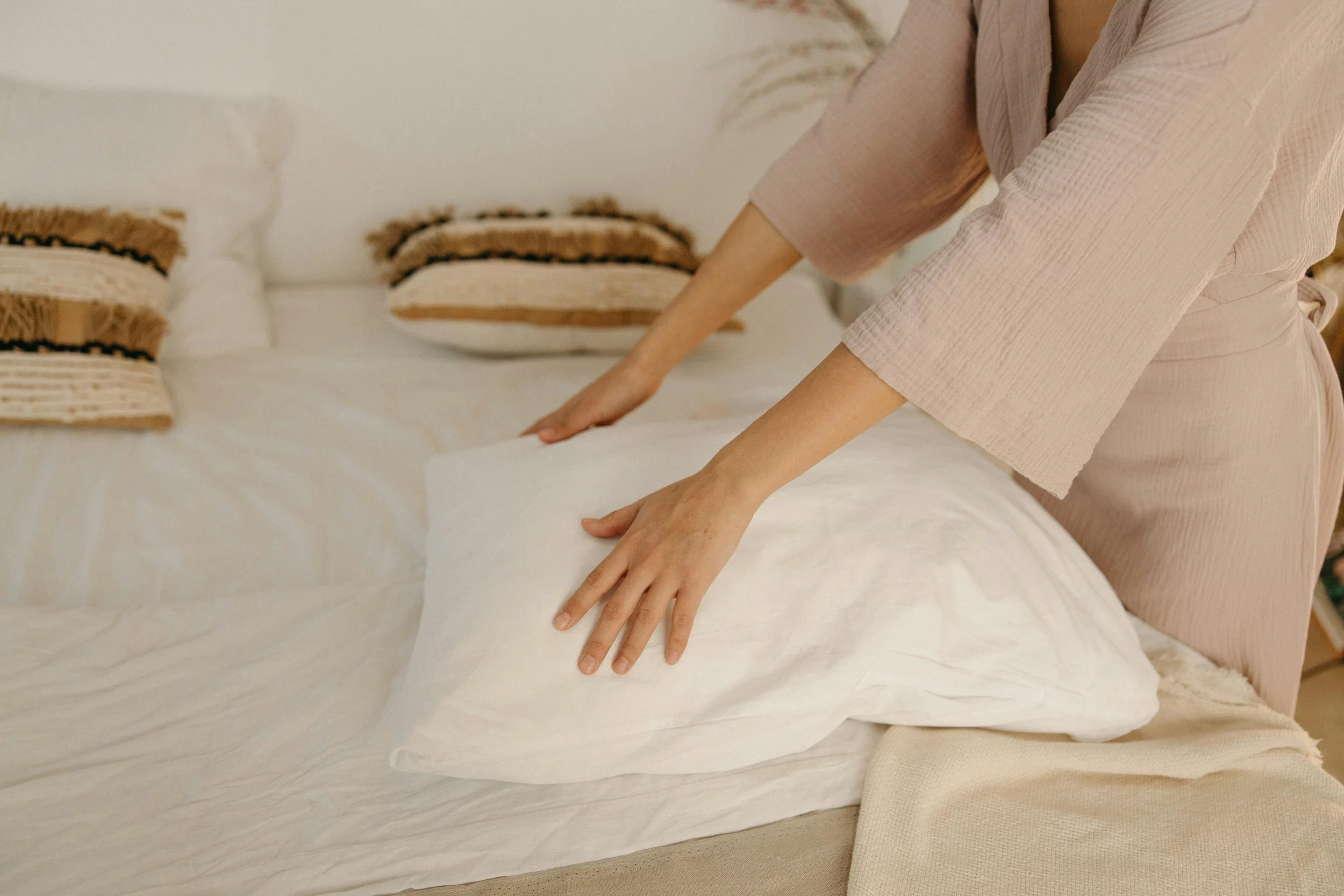
Beginning the day with a quick home reset sets a positive tone. Making the bed, opening the windows, and clearing visible clutter helps your space feel fresh and welcoming. These small actions create a sense of control and order before the day truly begins.
A tidy morning environment reduces stress and helps you approach your responsibilities with more focus. When your surroundings feel calm, it’s easier to move through the day with clarity and intention.
Clean as You Go Instead of Letting Mess Build Up
One of the most effective habits for maintaining a clean home is cleaning as you go. Washing dishes immediately after meals, wiping down surfaces, and putting items back where they belong prevents clutter from accumulating.
This habit eliminates the need for long, exhausting cleaning sessions. Over time, your home stays consistently tidy, and cleaning becomes part of your routine rather than a task you constantly postpone.
Create Simple Evening Routines
Evenings are the ideal time to prepare your home for the next day. Spending 10–15 minutes tidying shared spaces, setting out clothes, or preparing lunches can make mornings far smoother.
A simple evening routine also provides a sense of closure at the end of the day. Knowing that things are organised allows you to relax more fully and wake up feeling prepared instead of rushed.
Declutter a Little Every Day
Decluttering doesn’t need to be overwhelming. Focusing on one small area each day, a drawer, a shelf, or a single surface, is often enough to see real progress.
Removing items you no longer use creates physical space and mental clarity. Over time, this habit prevents clutter from returning and makes cleaning quicker and easier.
Stay on Top of Everyday Responsibilities
A well-run home isn’t only about cleanliness, it’s also about managing responsibilities consistently. Paying bills on time, handling paperwork, and keeping track of appointments all help reduce long-term stress and prevent small tasks from turning into bigger problems.
Health-related responsibilities are just as important. Booking regular check-ups instead of postponing them helps you stay organised and avoid unnecessary worry. For example, scheduling routine dental visits with a trusted dentist in Jordan Springs can become part of your regular home and life maintenance routine, supporting both your health and your peace of mind.
Use Short Daily Time Blocks for Household Tasks
You don’t need hours to maintain your home. Short, focused time blocks are often more effective. Ten minutes to fold laundry, five minutes to sort mail, or a quick sweep of the floor all make a noticeable difference.
These small bursts of effort add up quickly and are much easier to maintain, even on busy days. Over time, your home stays cleaner with far less effort.
Create Clear Organisation Zones
Giving everyday items a designated place makes daily life easier. Keys, bags, shoes, mail, and cleaning supplies should all have clear homes.
When everything has a place, clutter becomes easier to control. This habit saves time, reduces frustration, and helps everyone in the household stay organised without constant reminders.
Build Health-Supporting Habits at Home
A healthy home supports your overall well-being. Simple habits like airing out rooms, cleaning high-touch surfaces, and maintaining hygiene routines contribute to a safer and more comfortable living environment.
These habits also extend beyond the home. Keeping hygiene supplies stocked, staying consistent with self-care routines, and managing health appointments all play a role in creating balance and reducing stress.
Practice Mindful Consumption
One often-overlooked habit is being mindful about what enters your home. Before buying new items, ask whether they are truly needed and where they will be stored.
Mindful consumption reduces clutter, saves money, and makes it easier to maintain an organised space. Over time, this habit helps your home feel lighter and more intentional.
Use Checklists to Stay Consistent
Checklists are powerful tools for building habits. A simple daily or weekly list for cleaning, errands, or maintenance tasks helps ensure nothing gets forgotten.
Checking off tasks provides a sense of progress and accomplishment. Eventually, many tasks become automatic, reducing mental effort and decision fatigue.
Share Responsibilities Within the Household
A home functions best when responsibilities are shared. Dividing tasks fairly reduces pressure on one person and builds a sense of cooperation. Clear expectations and simple routines help avoid tension around chores. When everyone contributes, the home feels more balanced and easier to maintain.
End the Day With a Calm Reset
Before going to bed, take a few minutes to reset your space. Clear the living area, wash any remaining dishes, and prepare for the next day. Waking up to a tidy home makes mornings calmer and more productive. This small habit has a surprisingly large impact on daily stress levels.
Review and Adjust Your Habits Weekly
Once a week, take a few minutes to review what’s working and what isn’t. Adjust routines as needed and let go of habits that no longer serve you.
Home life changes over time, and flexibility is key. Regular reflection helps keep your routines realistic and sustainable.
Conclusion: Small Habits, Lasting Change
A peaceful home is not created overnight. It’s built through small, consistent actions that support cleanliness, organisation, and responsibility. By managing daily tasks, staying organised, and caring for your health, you create a space that works for you rather than against you.
Over time, these habits lead to a calmer, healthier, and more enjoyable home life. The changes may seem small, but their impact is lasting.

Guest Post - Getting the Most Out of Your Small Space
The average house size in the U.S. is growing. In the early 1970s, the average size was 1,660 square feet. As of 2015, that had jumped to 2,687 square feet for newly-constructed homes. But, many people are still moving into smaller, pre-existing homes. Some are even downsizing and jumping on the tiny house trend.

The average house size in the U.S. is growing. In the early 1970s, the average size was 1,660 square feet. As of 2015, that had jumped to 2,687 square feet for newly-constructed homes. But, many people are still moving into smaller, pre-existing homes. Some are even downsizing and jumping on the tiny house trend.
If you’re one of those people, getting the most out of your small space is important. Living a minimalistic-yet-functional lifestyle is completely possible, even if you’re short on space.
To make the most of your space, there are a few tips and tricks to keep in mind. Thankfully, you don’t have to be a design expert to bring these tricks to life. With a bit of time, effort, and creativity, you can get more out of your small space – and may even make it feel bigger.
So, what can you do to maximize your minimal space?
Making Your Space Functional
To get the most out of your space, it needs to be both a functional and stylish reflection of your personality. This means choosing the right way to arrange your furniture and decorate. One of the best ways to do that is to consider the natural flow of each room.
Consider practicing Feng Shui for your small rooms. The principle of this practice focuses on the connections between people and their spaces. The idea is that the way you arrange a room can affect things like:
Your relationships
Creativity
Prosperity
Wealth
Some people don’t necessarily believe in those principles, but the practice of Feng Shui can make a room more functional. For example, putting your dining table in the center of the room can add a more open, flowing feel. Turning the backs of the chairs in your living room away from doors can allow people to see a bigger space with more open opportunities when they walk in.
In addition to organizing your furniture and decor the right way, the colors and designs you choose for each room can make a difference. Using different shades of the same color in a room can make it seem bigger. Painting your ceiling a darker color will draw people’s attention upward and make the room feel higher.
When you allow your design preferences to mesh with functionality, you can create more inviting, open spaces throughout your home – even if some of those “tricks” only provide the illusion of more space.
Setting Up a Successful Storage Space
The last thing you want is a small space that is cluttered and disorganized. Having things on the floor or out of place can make any room seem smaller and doesn’t allow you to utilize it to its full potential. Even your basement can quickly become a more functional area of your home if you choose to rethink the way you store things.
When you know how to store things the right way, you can continue to make smart purchases that bring you joy. You don’t have to give up everything just because you’re dealing with a small space. Instead, consider where you’ll put new items and how they’ll contribute to your existing space. Practice mindfulness with your purchases, especially if you are a collector, and ask yourself a few questions, including:
Am I getting a good deal?
Will this item increase in value?
Will it bring me joy?
Where will I put it?
What will I have to get rid of to make room for it?
By purchasing things that are valuable to you in some way, you’re more likely to store them practically. That might include building shelves or cupboards. You might even have an organization system somewhere with bins and boxes that are neatly hidden away to free up more space. It’s also a good idea to think outside the box – literally. When you don’t have much space, getting creative with your storage solutions can be a lifesaver. Try things like:
Hanging items on walls
Making vertical cabinets
Using “hidden storage” furniture
Sliding things under furniture
You don’t have to give up a certain lifestyle or things that you want just because you have a small space. When you’re willing to make a few changes and be creative about your storage, decor, and design, you can get the most out of your small space and be perfectly content with what you have.
Author Bio: Noah Rue is a freelance writer.

Guest Post - 9 Small Changes to Improve Your Daily Routine
Improving your daily routine is something many people find difficult. Between housework, a full-time job, and other responsibilities, there never seems to be enough time in the day. While everyone gets the same 24 hours in a day, some people are much more productive than others, thanks to their daily routines.

Improving your daily routine is something many people find difficult. Between housework, a full-time job, and other responsibilities, there never seems to be enough time in the day. While everyone gets the same 24 hours in a day, some people are much more productive than others, thanks to their daily routines.
Your daily routine doesn't have to be daunting, but it can improve how you use your time to make you more productive and fulfilled throughout the day. It does take some willpower, but with these small changes, you can improve your daily routine starting right now.
1. Become More Efficient At Work
This one is easier said than done, especially if your work tasks are determined by someone else. However, if you're someone who struggles to determine which tasks should take priority and easily get distracted switching from task to task, you could benefit from becoming more organized to help you become more productive. You can use an online tool like Trello or a notebook to write down your work tasks for the day in order of priority and importance.
You may also want to consider working on the tasks or projects that you want to do the least first. While it's never fun starting your day off with something you don't want to do, you can improve the rest of your day by getting the boring or irritating tasks out of the way.
2. Stick to a Schedule
Whether you wake up at the same time every day or have a more flexible routine, it's important that you stick to the same schedule even when you have nowhere to go. Yes, even on weekends. For example:
8 am - Wake up (don’t snooze you alarm
8:15 am - Get ready for work (brush your teeth, wash your face, use your acne treatment or other skin care routine, and get dressed)
8:45 am - Leave for work
12 pm - Lunch
5 pm - Leave work
5:30 pm - Go to the gym
7:00 pm - Eat dinner
10:00 pm - Get into bed (Note that maintaining a healthy sleep cycle can help you jumpstart your day and make you feel more awake.)
Your schedule might also include certain times when you don't use your electronics. For example, if you're working from 9-5, you may tell yourself not to check your texts unless it's an emergency so that you can focus on the tasks at hand. You may also want to stop using your cell phone before bed so that you can fall asleep easier.
3. Get More Exercise
Once you begin sticking to a schedule, making time for fitness will be easier as you get used to it. Set aside at least 30 minutes to one hour every single day to get in some exercise so that you can maintain your schedule and stay healthy.
Simply put, physical exercise is good for you, but your workouts should be regular, if not daily. If you want to improve your mood and overall health, you should aim to exercise for 30 minutes to an hour every single day.
4. Maintain Your Productivity

Whether you work in an office or at home, something as simple as a defined workspace can help you improve and maintain your productivity. Establish an area where you do your work and nothing else. Working from bed every day may trick you into thinking it's time to sleep, not time to work, which can negatively impact your overall productivity.
5. Eat Well
Just like exercise, food impacts your mood and overall feeling of wellness. A balanced diet can improve your brain function and memory, helping you remain productive throughout the day and elevating your mood. If you're someone who doesn't have time to eat breakfast every morning, try making a breakfast smoothie to jumpstart your day and provide you with an extra boost of energy and nutrients.
6. Start Relaxing
We live in a fast-paced world, which may make you feel like you're constantly on the go. Taking a break to relax can help improve your daily routine by providing you with time for yourself. Whether you take an hour at lunch to eat a healthy meal or meditate, you won't regret it. Making time for yourself can help you feel refreshed so that you can get back to your day in a better mood.
7. Reward Yourself
When you finish a big project or simply get through an especially stressful day, make sure to reward yourself. Rewarding yourself gives you something to always look forward to. You can even plan your rewards so that you know exactly what you need to do to achieve your goals. Your rewards don't have to be lavish; Instead, try treating yourself with a good meal or buying something small you’ve been wanting.
Make sure the rewards fit the achievements. If you finished a large project, you might want to reward yourself with a spa day during the weekend so that you can focus on yourself after working so hard for so long.
8. Drink More Water
Most of us drink caffeinated beverages to help us get through the day. Whether it's starting your day with an espresso or using soda as a pick-me-up after lunch, we typically replace our water with caffeinated and dehydrating beverages. If you've ever experienced brain fog, you likely haven't had enough water, or you haven't been eating balanced meals.
Drinking water in the morning before work, throughout the day, and at night can help you feel more awake and alert, no matter how busy you are.
9. Learn How To Multitask
By multitasking, we don't mean that you have to take care of three children while working a full-time job and cleaning your house. Instead, learn which tasks that you can do all at once so that you can save yourself some time.
Multitasking doesn't have to be complicated; Start with simple tasks throughout the day until you get the hang of it. For example, you can eat breakfast at your desk while reading your emails every morning. The more often you multitask, the better you'll get at it, allowing you to save more time throughout the day.
Final Thoughts
Your daily routine should lift you up so that you wake up feeling refreshed and can keep a positive attitude all day long. There’s no standard daily routine that works for everyone, but you can craft one that works for your circumstances. No matter what your daily routine, make sure that you stick with a schedule and make healthy choices morning, noon, and night. Once you get into the swing of it, you’ll see just how worthwhile the commitment is!
Matt Casadona
Matt Casadona has a Bachelor of Science in Business Administration, with a concentration in Marketing and a minor in Psychology. He is currently a contributing editor for 365 Business Tips. Matt is passionate about marketing and business strategy and enjoys the San Diego life, traveling and music.

Book Review - Unf*ck Your Habitat: You're Better Than Your Mess
H2H's official reader Linda just finished UnF*CK Your Habitat – You’re Better Than Your Mess and she shares her thoughts on the book's themes of cleaning and organizing for real people with busy and complicated lives.

Ever go visit a friend and walk into a spotless house? Everything is dust free, counters free from dishes, papers filed neatly away, no cat or dog hair anywhere. You leave feeling depressed and anxious about your own home. How do people have time to clean? Rachel Hoffman has written UnF*CK Your Habitat – You’re Better Than Your Mess. Cleaning and organizing tips for real people with busy and complicated lives. A simple and easy guide on how to house clean without anxiety.
Ms. Hoffman writes in a friendly and easy to read style. She recognizes that everyone has different family situations and different limitations. She mentions that people deal with depression, ADHD, mental illness and some live in chronic pain. Her suggestions are realistic, adaptable and attainable.
To start, the author recognizes that traditional housekeeping systems with rigid
structures and routines do not necessarily fit into the world in 2018. She suggests
that we should fit our cleaning routines around our lives instead of vice versa.
Traditional gender roles of cleaning and organizing have typically been a women’s
role. She says “bullsh*t” to that idea. Now that men and women all work outside
the home, “it’s time for us to change the way we look at domestic work and the
people who perform it. By seeing and acknowledging the amount of labor
involved, we can start to realize that a more equal division of labor in our own
homes is inherently fairer than expecting it all to fall under the umbrella of
women’s work,” writes the author.
UFYH, discuss why “marathon cleaning,” cleaning non-stop for a few days will
not work. Marathon cleaning will not help you build habits you need to maintain
your home. They key focus of the book is learning the 20/10’s. “A 20/10 is twenty
minutes of cleaning followed by a 10 minute break. The break is not optional,”
says Ms. Hoffman. You may ask how can I get all my cleaning done in 20
minutes? Well, you probably can’t. Larger projects may need a few 20/10’s.
However, the author points out that a lot can be accomplished in 20 minutes. By
following the 20/10’s, you will be able to keep the house up to speed without ever
falling into the marathon cleaning rut. You will be happier because you won’t feel
as if you are spending all your free time cleaning and organizing. Some people may wonder, do I have 20 minutes? UFYH points out that most people have 20 minutes to spend on social media or Netflix. Certainly, if one prioritizes wisely we all can find 20 minutes to clean.

Multi-tasking is also mentioned. “There are a million little things we can do while we are waiting on other things,” says the author. While the coffee is brewing unload the dishwasher. Dinner in the oven, wash your prep dishes. Something heating in the microwave, wipe down your surfaces. By using your time wisely, you can accomplish quite a bit.
At House to Home Organizing, one of our main tenants is “a place for everything with everything in its place.” The book stresses to put things where they belong instead of leaving them on the counter, on the hallway floor or hidden in closets. This will keep chaos from escalating and most importantly keep your surfaces clean.
Make your bed! A messy bed makes a room messier. A made bed helps you to start
the day fresh, and will keep you from getting back in! At night try to prep for the
morning. “Doing 20 minutes’ worth of work before bed can save you endless
aggravation in the morning,” says the author. Layout your clothes, clean the sink,
prep for breakfast and lunch, prep your vitamins, are a few of the suggestions for
preparing for the next day.
Take photos. At H2H, we always take before/after photos of our work.
You should too! Many times people are so exhausted by cleaning they can’t
remember what it looked like before they started. By taking photos you will see
proof in what you have accomplished. When things get messy and dirty again you
can look at the after photo and know you did it once before so certainly you can do
it again!
Oh no, your parents or best friend will be stopping by tomorrow. Your home is a
mess! Ms. Hoffman delves into emergency cleaning with gusto. She suggests put
on great music, get a non-alcoholic beverage of your choice and put the laptop and
tablets away as you don’t want any distractions. Make you bed, get your cleaning
supplies together and away you go! There is a step by step guide as to cleaners to
use, and a how to guide as to where to start and finish.
In addition there is an entire section on moving tips, unf*cking your digital habitat
and how to use the 20/10’s for school work and your real work. This book is a font
of information for the average person who needs some support and guidance trying
to maintain a clean and clutter free home. There are lots of practical
housecleaning/organizing books on the market. What really makes UFYH stand
apart from the others is that it is written for a multitude of people with different
lifestyles. Men, women, single people, people with roommates, people with physical and mental limitations and people who never learned how to clean can all benefit and learn easy and doable cleaning/organizing strategies.
Please note: If you choose to purchase the book using our Amazon link, H2H receives a small commission designed to help keep our rates affordable.