

A resource for those seeking information on organizing and transforming spaces.
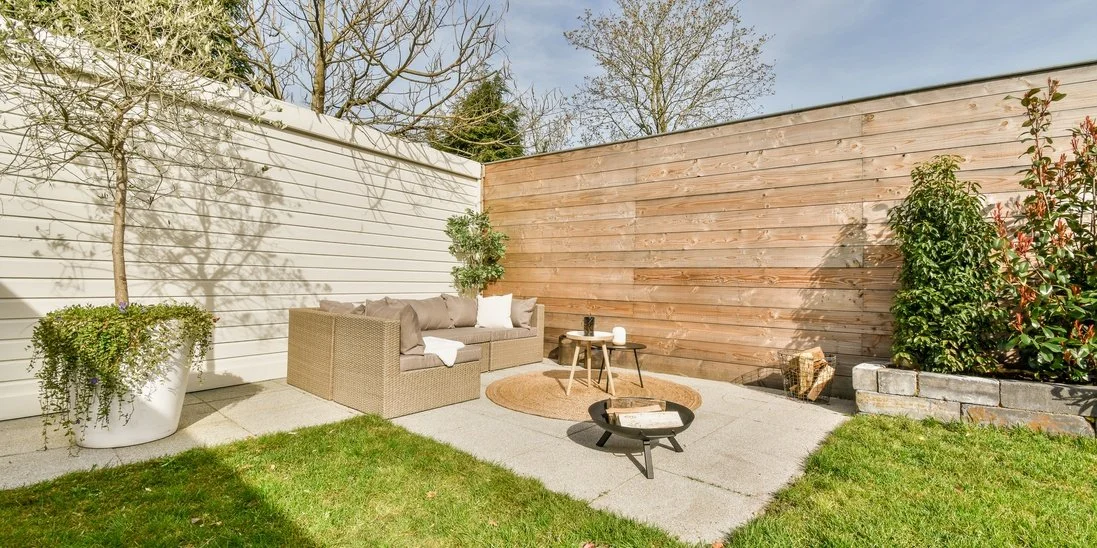
How To Reduce Road Noise in a Small Backyard
Traffic noise ruining your backyard breaks? Try these practical updates that help working mothers create a calmer outdoor space without losing room.
Have you ever stepped outside after a long day hoping for a bit of peace, only to hear steady traffic? A small backyard can feel especially exposed to road noise, and it doesn’t take much to make the space feel less relaxing.
The good news is you don’t need a huge yard or a full redesign! A few smart, intentional changes can help you take back that sense of calm. Here’s how to reduce road noise in a small backyard.
Start by Listening to What’s Really Happening
Before you change anything, spend a little time just listening. You’ll notice the noise shifts throughout the day, especially if you live near a busy intersection or school route. Morning traffic might feel lighter, while evenings can bring a steady hum of engines.
As you pay attention, try to figure out where the sound is coming from. You might find it’s mostly coming from one direction, which is actually helpful because it tells you where to focus your efforts.
Let a Solid Fence Do the Heavy Lifting
Once you understand the direction of the noise, a solid fence becomes your first real line of defense. When it’s built well, it blocks a direct path for sound and immediately takes the edge off traffic noise. You’ll want to avoid designs with gaps or spacing between boards because sound slips through those openings easily. Height also plays a role, so if your local rules allow it, going taller usually helps.
The material itself isn’t as important as how tightly everything fits together. If your yard slopes, make sure the fence follows that grade so sound doesn’t sneak underneath.
Take a Quick Look at Local Rules First
Before you fall in love with a design, check your city or HOA guidelines. That is one of the important questions to ask before hiring a fence contractor. Height limits and visibility rules can affect what you’re allowed to build, especially near driveways or streets. A good contractor will walk you through permits and help you avoid surprises later, so don’t hesitate to ask early!
Bring in Plants to Soften the Space
Plants won’t block traffic noise on their own, but they do change how the yard feels. When you add dense greenery near your fence, the space starts to feel more enclosed and less exposed to the road.
Evergreen shrubs work especially well because they stay full year-round. You’ll want to choose varieties that handle your local climate and sunlight conditions so they stay healthy without constant upkeep. Just be sure to give them enough room to grow so they don’t crowd your fence or turn into extra maintenance you didn’t plan for.
Shift Your Seating Where It Feels Quieter
If you move your seating area even a few feet away from the road, you may notice the noise softens a bit. Try placing chairs in the quietest corner of your yard and see how it feels. You might also find it helps to turn seating inward, facing your home or garden instead of the street. That small shift changes your focus and makes the space feel more private.
If your current setup doesn’t work well, don’t be afraid to rethink it! A small patio or seating nook can be moved or rebuilt with simple materials like pavers or an outdoor rug. Just keep convenience in mind too, especially if you like to keep an eye on kids from inside the house.
Add Background Sound to Take the Edge Off
When traffic noise feels sharp or unpredictable, a steady background sound can help balance it out. A small water feature often works well because the sound stays consistent and blends into the background instead of competing for attention.
If you prefer something more flexible, adding outdoor speakers can help you set a calmer mood during dinners or weekend time outside. Keep the volume low and place them near your seating area so the sound supports your space instead of overwhelming it.
You might also find simple options like wind chimes or a quiet outdoor fan surprisingly helpful, especially on still days when traffic feels louder than usual.
Create a More Sheltered Corner
If you want your backyard to feel more like a retreat, a simple structure like a pergola can help define the space. It won’t block all the noise, but it does create a sense of separation that makes the yard feel more intentional and less exposed.
Adding outdoor curtains on the side facing the road can also increase privacy and soften sound a bit more. Just make sure you choose materials that can handle weather and are easy to clean, since road dust tends to settle in busy areas.
Try to keep the design open enough that you still get airflow and visibility! You want to feel connected to the yard, not boxed in.
Soften the Hard Surfaces
Hard surfaces tend to bounce sound around, which can make traffic feel louder than it really is. When you add cushions or an outdoor rug, you help absorb some of that reflection. It’s a small change, but it makes the space feel noticeably more comfortable.
Keep Your Yard Functional
It’s easy to get carried away when you’re trying to solve a noise problem, but a small backyard still needs to feel usable. Before adding anything permanent, take a moment to picture how much space you’ll actually have left. Vertical features like wall-mounted fountains or built-in seating can help you save room while still improving comfort. The goal is to make the space feel better, not smaller!
Be Realistic About What You Can Achieve
Even with the best setup, you won’t completely reduce road noise in a small backyard. What you can do is soften it enough that your backyard feels calm and enjoyable again.
Start with one change! You might be surprised how much a solid fence or a better seating layout improves the feel of the space on its own. From there, you can decide what else is worth adding.
When you focus on the path the sound travels and make small, thoughtful adjustments, your backyard starts to feel like yours again. And after a busy day, that quiet moment outside becomes something you can actually look forward to.