

A resource for those seeking information on organizing and transforming spaces.
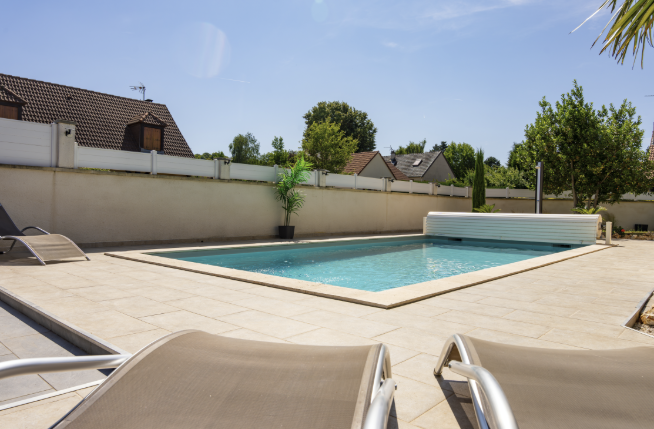
5 Stylish Ways to Screen Off Your Outdoor Space
Creating a private and stylish outdoor retreat is one of the best ways to enjoy your yard without feeling exposed. If you’re looking for ways to block out neighbors or to add a decorative touch, there are many creative solutions that can be tailored to the lifestyle and needs of your household.
Creating a private and stylish outdoor retreat is one of the best ways to enjoy your yard without feeling exposed. If you’re looking for ways to block out neighbors or to add a decorative touch, there are many creative solutions that can be tailored to the lifestyle and needs of your household.
Below are five approaches that combine practicality with aesthetic appeal, transforming your outdoor space into a welcoming sanctuary.
Vertical Garden Walls for Natural Privacy
A vertical garden wall offers both beauty and seclusion. It’s a perfect choice for homeowners who want greenery to double as a screen by stacking planters or installing modular panels filled with lush plants. It’s a great way to create a living wall that softens harsh lines and adds vibrant color.
This option provides privacy and improves air quality while creating a calming atmosphere. With careful plant selection, such as ferns, ivy, grasses, or flowering vines, you can enjoy year-round coverage while maintaining a stylish, eco-friendly design.
Decorative Lattice Panels With Climbing Plants
Lattice panels are a timeless way to divide outdoor areas while still allowing light and airflow. When paired with climbing plants like jasmine or bougainvillea, they become a dynamic feature that evolves with the seasons, gradually filling in the open spaces with color and texture that change throughout the year.
The geometric patterns of latticework add visual interest, and the growing plants weave through the openings to create a natural curtain. This combination is ideal for patios or garden seating areas where you want a balance of openness and privacy, offering just enough separation to feel secluded while still letting in sunlight and breezes. Over time, the plants will mature and provide even more coverage, blending structure with nature.
Privacy Walls for Durability and Weather Resistance
For homeowners seeking a more permanent and polished solution, privacy walls built by professionals, like Floridas Foam Walls, deliver both durability and elegance. These walls can be customized to match your home’s architecture to enhance curb appeal. Unlike temporary screens, professional walls are engineered to withstand weather conditions and provide long-term value and stability.
They can be designed with textures, finishes, built-in seating, or integrated lighting to elevate the outdoor experience. Choosing a professional installation ensures that the wall is structurally sound and aesthetically refined, giving you confidence that it will stand the test of time while also complementing the design of your home.
Outdoor Curtains for Flexible Screening
Outdoor curtains are a versatile option that allows you to adjust privacy levels depending on the occasion. Hung from pergolas or gazebos, they can be drawn closed for intimate gatherings or pulled back to open up the space, giving you complete control over how open or secluded your outdoor retreat feels.
Available in a wide range of fabrics and colors, outdoor curtains let you personalize your setting. They are especially useful for covered patios or poolside cabanas, providing shade and protection from the wind as well as privacy, for a flexible and adjustable barrier. With weather-resistant materials, they remain functional and attractive throughout the seasons.
Modern Slatted Screens for Contemporary Style
Slatted screens are typically made from wood, composite, aluminum, or metal. They offer a sleek, modern look that complements contemporary homes, offering a balance of privacy and openness that feels functional and stylish. Their horizontal or vertical lines also create a clean aesthetic while still allowing airflow and light.
Slatted screens can be installed as standalone panels or integrated into fencing systems. You can choose finishes that match your outdoor furniture or architectural details for a cohesive garden, patio, balcony, or exterior. They are also particularly great in urban settings where privacy and style need to coexist without feeling heavy or closed off, allowing you to enjoy a sense of separation without losing the openness of the space outdoors.
Conclusion
Screening off your outdoor space doesn’t mean sacrificing style. You have versatile options, like lush vertical gardens, modern slatted panels, resilient privacy walls, and airy outdoor curtains, each providing unique ways to create privacy while enhancing the overall design of your yard.
Whether you prefer natural greenery or professional installations, the right choice will help you enjoy your outdoor retreat with comfort and confidence. Explore these stylish solutions and start building the private oasis you’ve always envisioned!

From Planning to Perfection: Tools That Transform Outdoor Operations
Outdoor projects offer both opportunity and complexity. From taking precise site measurements to mapping sun patterns and managing budgets, every step shapes the final result. Using the right tools can turn outdoor operations into a streamlined process, whether you are a landscape professional or a dedicated DIYer.
Outdoor projects offer both opportunity and complexity. From taking precise site measurements to mapping sun patterns and managing budgets, every step shapes the final result. Using the right tools can turn outdoor operations into a streamlined process, whether you are a landscape professional or a dedicated DIYer.
In this guide, you will learn how to:
• Assess your outdoor space with accurate measurements and site analysis
• Blend digital and analog landscape planning tools for design clarity
• Build realistic budgets and phased schedules to manage costs and timeline
• Select hand tools, power tools, and heavy equipment for each landscape task
• Follow a step-by-step outdoor project implementation plan from clearing to final styling
• Establish maintenance routines and explore eco-friendly landscaping innovations
Each section focuses on practical methods and recommended products that streamline planning and execution. By the end, you will have a clear roadmap and toolset to guide every phase of your outdoor project.
Let’s begin by assessing your outdoor space and laying the groundwork for a successful design.
Assessing Your Outdoor Space
Measuring & Mapping
Accurate dimensions are the foundation of any outdoor plan. Use a laser distance meter or measuring wheel to record length and width. Plot these figures on graph paper or in a landscape design app. For uneven terrain, consider a simple topographic survey. Mapping key points like property lines, hardscape, and utilities ensures a reliable base plan.
Sunlight & Microclimates
Track sun exposure and shade patterns to match plants and materials to real conditions. A sun-path diagram or mobile light meter app helps chart daily sunlight hours. Note areas of full sun, afternoon shade, and pockets of reflected heat near walls or pavement. Identifying these microclimates guides irrigation strategy and plant selection.
Site Constraints & Opportunities
Existing Features
Catalog trees, fences, patios, and underground utilities. Identify mature trees that offer shade or require protection. Mapping these elements highlights both challenges and built-in assets.
Terrain & Drainage
Evaluate slope direction and steepness to anticipate runoff zones. Perform a simple percolation test by digging small holes and timing water absorption. Mark any low spots prone to pooling. Addressing drainage early prevents erosion and water damage.
Digital & Analog Planning Tools
Blending digital and analog approaches to landscape planning helps landscape professionals refine ideas without limiting creativity. Modern outdoor design software and immersive visualization apps speed up concept testing. You can also rely onhelpful softwarefor task management and outdoor project management.
Traditional sketchbooks and vision boards ground the design process and reduce screen fatigue. Below are tools that work together to take plans from sketch to reality.
Landscape Design Software
Popular CAD and 3D modeling platforms simplify technical layouts and material choices:
• AutoCAD: Industry standard for precise 2D plans and detailed site drawings.
• SketchUp: Easy-to-use 3D modeling with terrain and plant libraries.
• Vectorworks Landmark: Combines hardscape design and plant database in one interface.
AR & VR Visualization Apps
Immersive apps let clients experience designs in real time:
• Morpholio AR SketchWalk: Overlay 3D concepts on an existing site using a smartphone.
• Augment: Place scale models in physical space to test proportions.
• IrisVR: Offers walk-through simulations for collaborative reviews.
Mood Boards & Sketching
Analog tools foster deeper focus and better memory:
• Portable notebooks and planners capture ideas anywhere.
• Paper feels more real to our brains, aiding recall and creativity.
• Vision boards with printed swatches help organize color palettes and materials.
• Ticking off tasks on tearable notepads adds satisfying progress tracking.
Budgeting, Scheduling & Resource Management
A successful outdoor project hinges on accurate budgets, timelines, and resource planning. By mapping costs and tasks early, teams avoid delays and budget overruns.
Breaking Down Costs
Start with six resource categories:
• People: hourly rates and crew sizes.
• Tools & equipment: purchase or rental fees.
• Materials & supplies: bulk vs. per-unit pricing.
• Facilities & space: storage or staging areas.
• Time: labor hours by phase.
• Money: contingency funds for unexpected needs.
Detail estimates using a spreadsheet, resource planning software, or an online planner. Link resource bookings to cost centers for clearer forecasting and real-time budget tracking.
Creating a Phased Timeline
Use a Gantt chart to map tasks, milestones, and dependencies. Combine with Kanban boards for workflow visibility. Apply resource leveling to adjust dates around crew availability or equipment constraints. Resource smoothing helps rebalance workloads without extending deadlines.
Prioritizing Features
Evaluate each feature by ROI and strategic fit. Simple frameworks like MoSCoW (Must have, Should have, Could have, Won’t have) guide which tasks move first. This ensures essential elements receive resources before lower-priority items.
Selecting the Right Tools & Equipment
Hand Tools vs. Power Tools
Hand tools offer precision for planting and trimming. Essential picks include sturdy shovels, trowels, ergonomic pruning shears for deadheading, and heavy-duty loppers for thicker branches. These lightweight tools let crews work in tight spots without fuel or battery concerns.
Power tools boost efficiency on larger jobs. Cordless string trimmers carve crisp edges around beds and fences. Electric tillers speed up soil prep and reduce manual strain. Look for battery-powered models to cut maintenance and eliminate gas storage.
Heavy Equipment & Rentals
Mini-excavators and skid-steer loaders handle excavation and grading on mid-scale sites. Plate compactors and garden equipment ensure a solid base for hardscape. Renting machines by the day aligns cost with project phase and avoids idle equipment expenses.
Safety & Maintenance
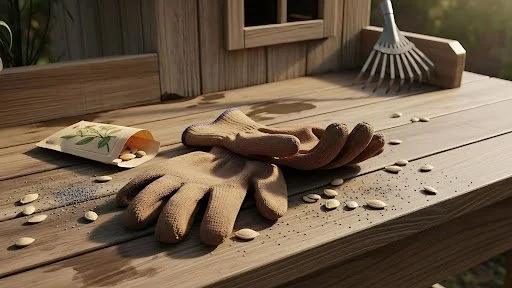
Equip every crew member with gloves, eye protection, and hard hats. Inspect tools before use to check for loose parts or frayed cords. After each shift, clean blades, lubricate moving parts, and sharpen cutting edges. Regular upkeep extends tool life and ensures jobsite safety.
Step-by-Step Implementation Guide
Site Clearing & Grading
Begin with a thorough site clearing to remove debris, old plants, and unwanted structures. Screen topsoil for reuse in planting beds.
• Remove roots, rocks, and concrete fragments.
• Level high and low spots for proper runoff.
Use skid-steers or laser-guided graders to achieve a consistent slope. Map sun and shade to align future plantings and structures.
Hardscape & Structures
Prepare a compacted subbase of crushed stone or gravel for patios, walkways, and retaining walls. Verify base levels with a laser level before laying pavers or blocks.
Base Preparation
• Spread and compact material in 4-inch lifts.
• Check grade with a straightedge.
Feature Installation
Install elements such as pergolas,firepit, and outdoor kitchen footings using local code requirements. Anchor fixtures with concrete and seal joints for weather resistance.
Irrigation & Planting
Install a drip-irrigation network with smart controllers and zone valves near key plant groups.
Controller Setup
• Mount the controller in a sheltered spot.
• Group emitters by water needs.
Plant in order of size: large trees and shrubs first, then perennials, annuals, and ground covers. Backfill with amended soil and apply 2 inches of mulch to conserve moisture.
Decor & Final Styling
Outline pathways and focal points with low-voltage or solar lights. Arrange furniture in conversation clusters and add outdoor rugs for comfort.
• Highlight water features or sculptures.
• Position planters and outdoor art.
Finish with a deep soak of all new plantings and review system functions. Perform a final walk-through to ensure every element works as intended.
Project Review
Check each zone against your timeline and budget. Document adjustments and take photos for records. Confirm permits are closed out and obtain client approval. This final review safeguards quality and ensures every detail aligns with the original plan.
Maintenance Best Practices
Regular maintenance keeps systems efficient and plants healthy. Follow these best practices to streamline care routines, reduce downtime, and control costs.
Watering Schedules & Smart Controllers
Plan irrigation tune-ups each late winter and winterize pumps by August to cut service costs by 10 to 15%. Embed soil moisture sensors and Wi-Fi controllers for real-time alerts on dry spots or pressure drops. Conduct monthly or quarterly inspections of filters, valves, and emitters to catch leaks early and reduce unplanned downtime by up to 45%.
Pruning, Fertilizing & Mulching
Prune shrubs and trees in late winter or early spring before new growth. Apply balanced slow-release fertilizers (N-P-K tailored to plant needs) in early spring and mid-summer. Lay 2 to 3 inches of organic mulch to conserve moisture, moderate soil temperature, and suppress weeds.
Equipment Upkeep
Sharpen mower blades and lubricate trimmer blades every 25 hours of use. Service irrigation pumps, replace aging belts, and update smart controller firmware via a CMMS dashboard for consistent work order tracking.
Sustainability & Eco-Friendly Innovations
Green Materials
Use recycled composite lumber and permeable pavers to cut waste and improve drainage.
Water-Conserving Technologies
Install drip-line irrigation with soilmoisture sensors and rainwater harvesting systems to lower water use.
Native Planting
Select local plant species adapted to your region to reduce maintenance and support local ecosystems.
Modular Kits
Choose prefabricated snap-together planter modules and modular hardscape kits for minimal on-site waste and easy assembly.
Conclusion
From initial measurements to final styling, a well-chosen set of landscape tools and a clear process can turn any outdoor project into a success story. By combining precise site assessment, digital and analog planning, detailed budgeting, and a phased implementation plan, you gain control over each step. Regular maintenance and sustainable choices help preserve your work and reduce long-term costs.
Key takeaways:
• Measure and map your site accurately to build a reliable base plan
• Use both outdoor design software and analog sketching to refine design ideas
• Create detailed budgets and phased schedules with built-in contingency funds
• Select the right mix of hand tools, power tools, and rental equipment
• Follow a structured sequence: clearing, grading, hardscaping, irrigation, planting, and styling
• Implement maintenance routines with smart controllers, seasonal tune-ups, and eco-friendly materials
With these landscape tools and management methods in hand, you can optimize outdoor operations and achieve perfection on any scale. Now it is time to bring your vision to life and transform outdoor operations into lasting value.
Ellie Williams

Ellie Williams studied at Miami State University and majored in Marketing with a minor in creative writing. She enjoys doing freelance writing on general business, wellness, and lifestyle tips. During her free time, she enjoys catching up with friends and family or attending local events.
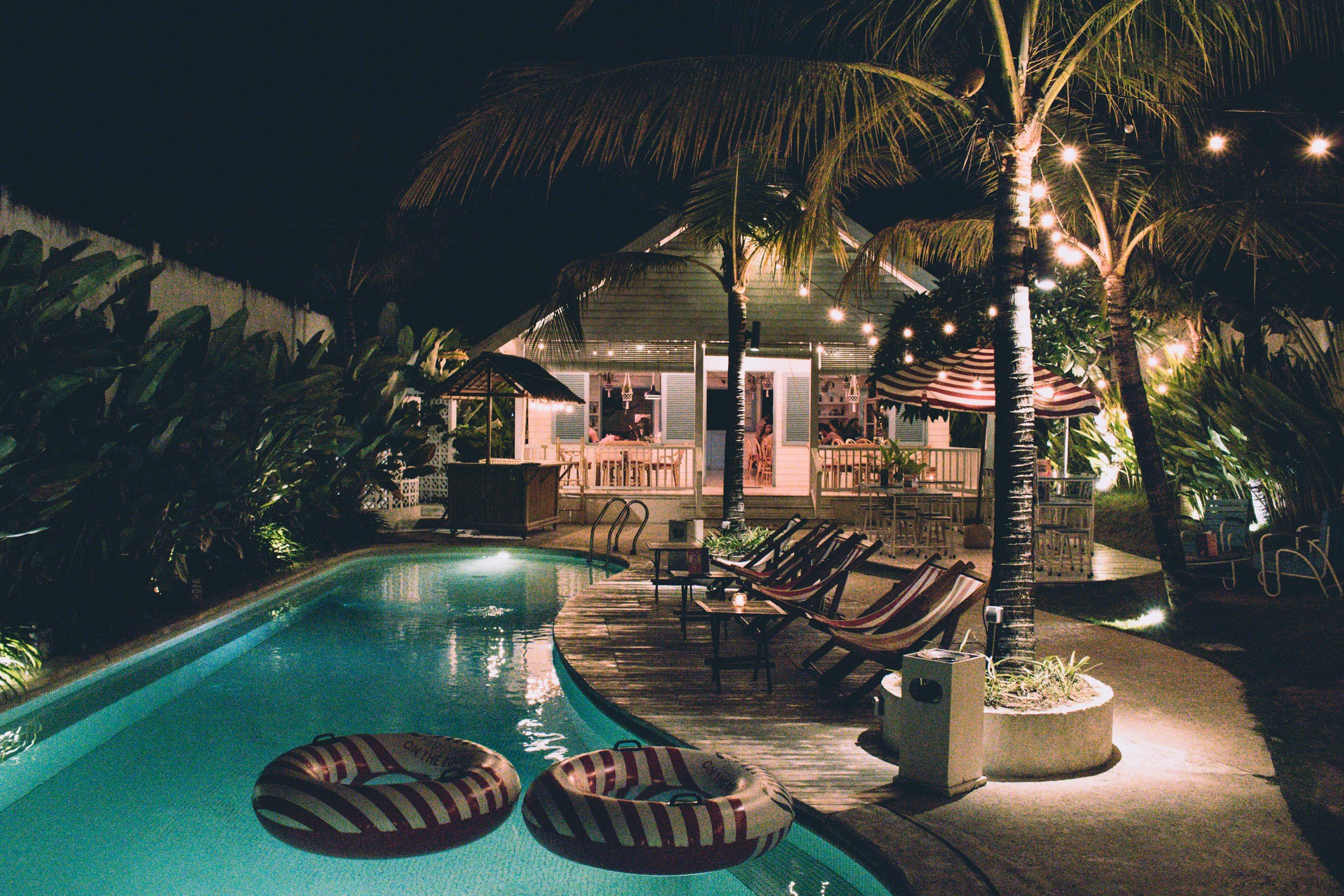
How to Design a Comfortable Outdoor Living Space
Creating a comfortable outdoor living space is about more than placing a few chairs on a patio. With thoughtful planning and intentional design choices, your backyard, deck, or balcony can become a true extension of your home. Whether you’re entertaining guests or enjoying a quiet evening outside, a well-designed outdoor area should balance comfort, durability, and style.
We partnered with a home design company for this post. The opinions in the post are honest. All reviews and opinions expressed in this post are based on our personal views. We are excited because we know you will love it.
Creating a comfortable outdoor living space is about more than placing a few chairs on a patio. With thoughtful planning and intentional design choices, your backyard, deck, or balcony can become a true extension of your home. Whether you’re entertaining guests or enjoying a quiet evening outside, a well-designed outdoor area should balance comfort, durability, and style.
Start with a Functional Layout
The foundation of any outdoor living space is a layout that supports how you actually use it. Think about whether the space is meant for hosting gatherings, family relaxation, dining, or quiet retreat. Mapping out clear zones can help define the area and prevent it from feeling cluttered.
For larger backyards, you might separate lounging and dining areas. Smaller patios benefit from modular seating that can be rearranged as needed. Thoughtful placement ensures traffic flows naturally while still creating inviting conversation areas.
Choose Durable and Comfortable Seating
Seating is the core of any comfortable outdoor space. It should feel inviting while also being built to withstand changing weather conditions. Look for weather-resistant materials such as treated wood, rust-resistant steel, and high-quality wicker that won’t fade easily in the sun.
When designing your layout, exploring a curated outdoor seating collection can help you compare different configurations, materials, and styles that fit both small patios and expansive backyard setups. Modular sets offer flexibility, while structured sofas and chairs create defined lounge areas.
Cushion thickness, fabric durability, and ergonomic support all play a role in long-term comfort. Investing in quality seating ensures your outdoor space remains enjoyable throughout the season.
Layer in Texture and Soft Elements
Comfort goes beyond furniture structure. Adding soft textiles like outdoor rugs, throw pillows, and weather-resistant cushions can instantly warm up a space. These elements introduce texture and color while helping define seating areas visually.
Choose fabrics designed for outdoor use to maintain durability. Neutral bases paired with seasonal accent colors allow for easy updates throughout the year.
Incorporate Lighting for Ambiance
Lighting transforms outdoor spaces from daytime retreats into evening gathering areas. Lanterns, string lights, or outdoor floor lamps can create a cozy atmosphere while improving visibility.
Layered lighting works best: overhead ambient lighting for general illumination, and softer accent lighting near seating areas for warmth and intimacy.
Add Natural Elements
Planters, greenery, and landscaping help soften hard surfaces and bring a natural balance to your outdoor design. Even compact spaces benefit from vertical planters or small decorative pots. Mixing plant heights adds dimension and visual interest.
Combining greenery with structured seating and warm lighting creates a cohesive outdoor environment that feels intentional and inviting.
Keep Maintenance in Mind
A comfortable outdoor living space should also be practical. Choose materials that require minimal upkeep and consider storage options for cushions during heavy rain or colder months. Regular cleaning and protective covers can significantly extend the life of outdoor furniture.
Designing a comfortable outdoor living space is about creating balance between function and style, durability and comfort. With the right layout, quality seating, and thoughtful accents, your outdoor area can become a space you truly enjoy throughout the season.
5 Outdoor Living Upgrades That Reclaim Your Backyard Paradise
Your backyard should be more than just a patch of grass—it can be your personal escape, a place to relax, entertain, and reconnect with nature. Whether you're dreaming of cozy evenings, lively gatherings, or peaceful mornings with coffee in hand, the right upgrades can transform your outdoor space into a true paradise.
Your backyard should be more than just a patch of grass—it can be your personal escape, a place to relax, entertain, and reconnect with nature. Whether you're dreaming of cozy evenings, lively gatherings, or peaceful mornings with coffee in hand, the right upgrades can transform your outdoor space into a true paradise.
So, here are five impactful ways to reclaim your backyard and make it a destination you’ll never want to leave. Let’s dive into them!
Create a Cozy Screened Porch for Year-Round Enjoyment
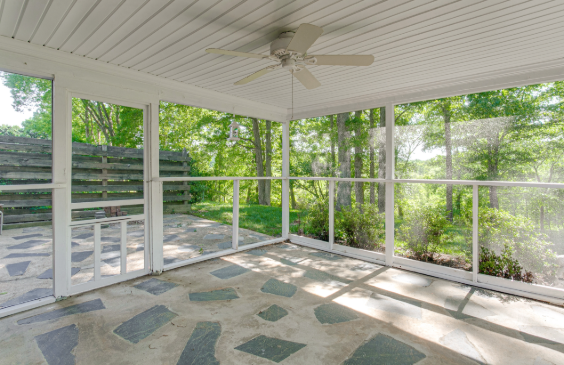
A screened porch is one of the most versatile additions you can make to your backyard. It offers the comfort of indoor living with the fresh air and natural views of the outdoors. With protection from bugs, rain, and harsh sun, a screened porch becomes a year-round retreat. You can furnish it with cushioned seating, add a ceiling fan for warm days, and even install a fireplace or heater for cooler nights.
Moreover, this addition is perfect for reading, dining, or simply unwinding. In the long term, it also adds value to your home and expands your usable living space without the cost of a full room addition. Whether you’re hosting guests or enjoying quiet time alone, a screened porch blends comfort and nature beautifully.
Build a Functional Outdoor Kitchen for Effortless Entertaining
Outdoor kitchens are no longer just a luxury—they’re a smart investment for homeowners who love to entertain. A well-designed outdoor kitchen can include a built-in grill, prep counters, a sink, and even a mini fridge. It keeps the cooking mess outside and lets you stay connected with guests while preparing meals.
You can also customize it to match your cooking style, whether that’s weekend barbecues or gourmet pizza nights. Durable materials like stainless steel and stone ensure it stands up to the elements. With the right lighting and layout, your outdoor kitchen becomes the heart of your backyard gatherings, making every meal feel like a celebration.
Add a Fire Feature to Warm Up Your Evenings
There’s something magical about gathering around a fire. Whether it’s a sleek gas fire pit or a rustic wood-burning fireplace, adding a fire feature brings warmth and ambiance to your outdoor space. It extends your backyard’s usability into cooler seasons and creates a natural focal point for conversation and relaxation.
You can also surround it with comfortable seating, use it for roasting marshmallows, or simply enjoy the glow on a quiet night. Fire features also add a touch of luxury and can be tailored to fit any style—from modern minimalism to cozy cabin vibes. It’s an upgrade that invites connection and comfort.
Install Landscape Lighting to Highlight and Protect
Lighting can completely change the mood and functionality of your backyard. With well-placed landscape lighting, you can highlight architectural features, illuminate pathways, and create a warm, inviting atmosphere. Solar-powered or low-voltage options make installation easier and more energy-efficient.
Beyond aesthetics, lighting improves safety by reducing trip hazards and deterring intruders. You can use spotlights to showcase trees or water features, string lights for a festive touch, or lanterns for a soft glow. Thoughtful lighting design turns your backyard into a nighttime haven, perfect for entertaining or unwinding after sunset.
Design a Relaxing Water Element for Peaceful Ambiance
Water features emanate calmness and elegance to any outdoor space. You can opt for a small waterfall, bubbling fountain, or a koi pond, which all soothe the senses and mask unwanted noise. These installations can be as simple or elaborate as you like.
A compact fountain near your seating area adds charm without taking up much space. Larger installations like ponds or streams create a lush, natural feel and attract birds and butterflies. Water features also help regulate temperature and humidity, making your backyard more comfortable. They’re a beautiful way to introduce tranquility and movement into your landscape.
Conclusion
Your backyard has the potential to be more than just an outdoor area—it can be your sanctuary, your social hub, and your favorite place to unwind. With upgrades like a screened porch, outdoor kitchen, fire feature, lighting, and water elements, you can reclaim your space and make it truly yours.
Each improvement adds comfort, beauty, and functionality, helping you enjoy your home to the fullest. Start with one change and build from there. Your backyard paradise is closer than you think!