

A resource for those seeking information on organizing and transforming spaces.
Garage Organization Tips That Help Keep Pests Away
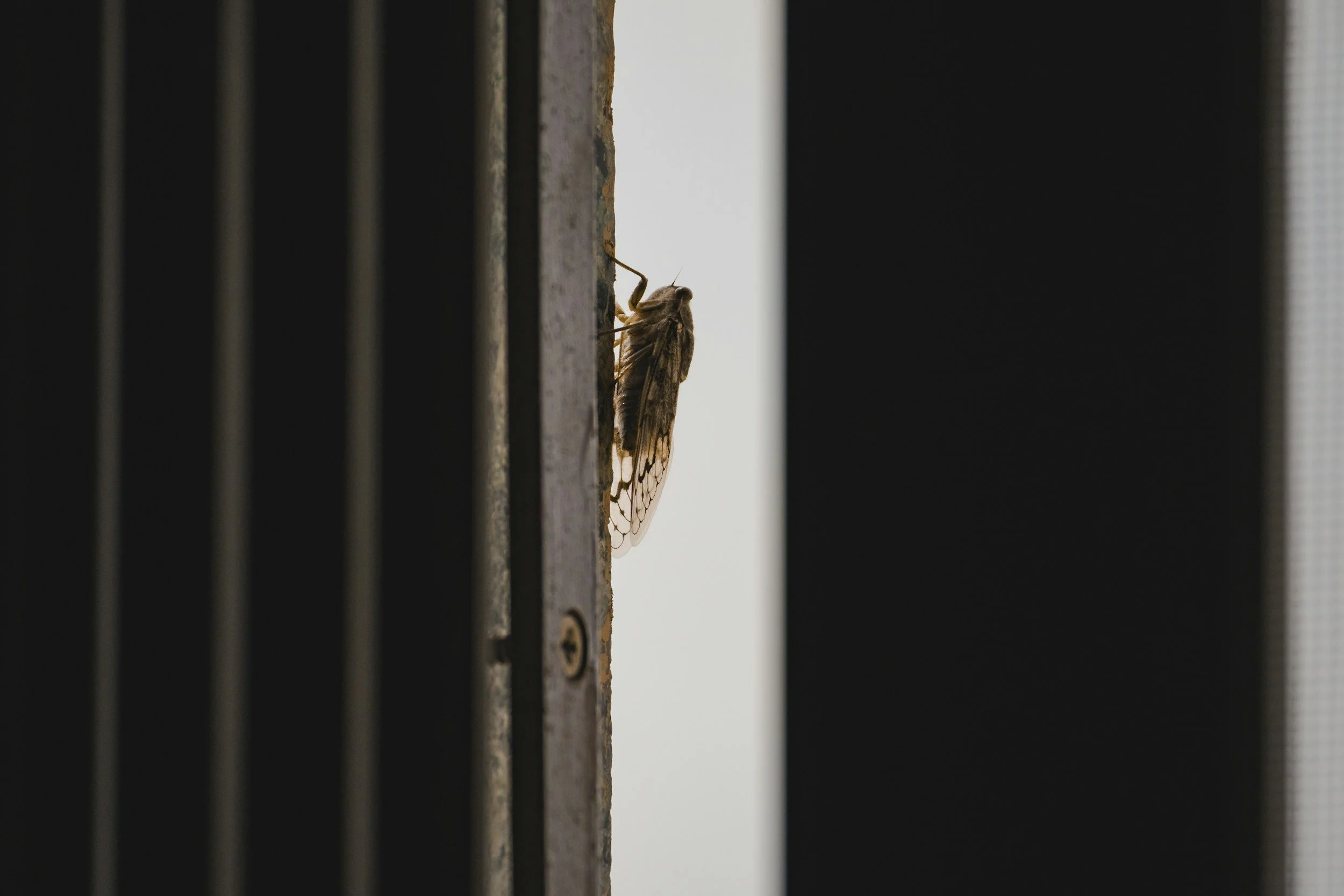
A clean, organized garage can make a big difference in pest control. By reducing clutter, sealing entry points, and storing items properly, homeowners can make the garage less attractive to insects, rodents, and other unwanted pests.
We partnered with a home improvement company for this post. The opinions in the post are honest. All reviews and opinions expressed in this post are based on our personal views. We are excited because we know you will love it.
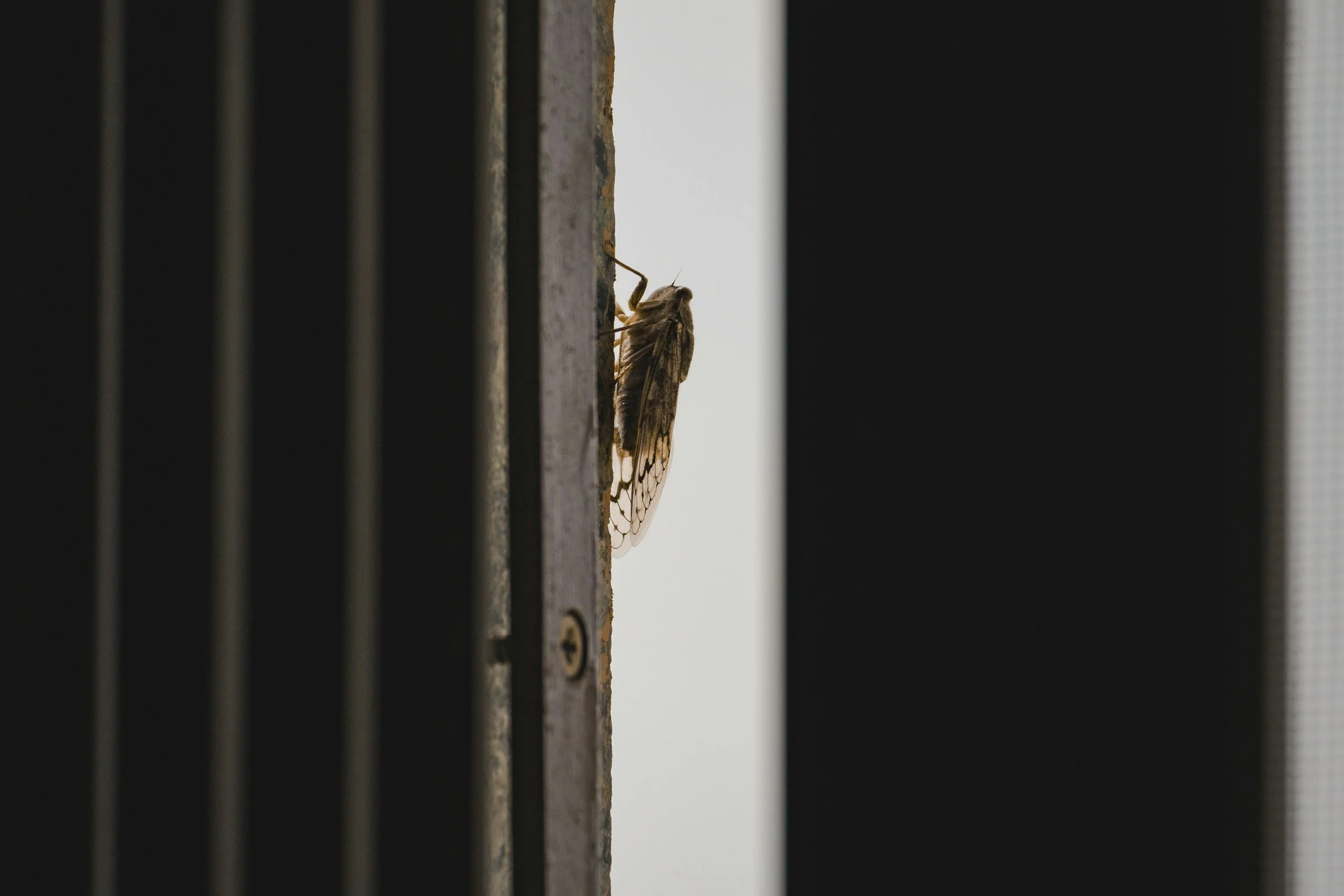
A clean, organized garage can make a big difference in pest control. By reducing clutter, sealing entry points, and storing items properly, homeowners can make the garage less attractive to insects, rodents, and other unwanted pests.
Why Pests Enter And How To Keep Pests Out Of Garage
Garages often attract pests because they offer the exact conditions many insects and rodents need: shelter, warmth, darkness, moisture, and easy access to food or nesting materials. They function as a transition zone between the outdoors and the home, are frequently opened to the outdoors, sealed less tightly than living spaces, and filled with items that create shade, warmth, scent, and shelter.
The biggest attractants are usually a combination of access and opportunity. A worn garage door pest seal, a small corner gap, an opening around a pipe, a crack near the foundation, or gaps around utility lines, vents, and wall penetrations can give pests a way inside. Once there, cardboard boxes, bags of seed, pet food, birdseed, grass seed, firewood, holiday decorations, old fabric, rarely moved storage bins, and cluttered corners can provide places to hide, feed, or nest.
Moisture also plays a major role. Damp concrete, condensation, wet mops, leaky water heaters, poor drainage near the garage, and damp bags of soil can make the space more appealing to ants, cockroaches, silverfish, spiders, crickets, rodents, and other pests. If cockroaches are already appearing in the garage or nearby rooms, storage changes and sealing may help reduce attractants, but the activity may also need to be inspected by a roach exterminator, especially if sightings continue after the garage is cleaned and dried. Once pests find a protected spot with limited disturbance, they may settle in quickly and spread to other parts of the home.
A pest-resistant garage is not only sealed; it is dry, organized, and easy to inspect. That is why homeowners who want to keep pests out of garage areas should treat storage, sealing, cleaning, and moisture control as part of the same prevention plan. When these steps work together, it becomes easier to keep pests out of garage spaces before they turn into a larger problem.
Garage Organization For Better Garage Pest-Proofing
Better organization helps remove the hiding places and food sources that make a garage attractive to pests. The best garage organization strategy for pest prevention is to make the space visible, accessible, and easy to disturb. Pests prefer areas that stay dark, crowded, and untouched.
Start by getting items off the floor and onto shelves, racks, hooks, ceiling racks, or wall-mounted storage systems. This makes it easier to see signs of pest activity and supports garage pest-proofing by reducing the dark, undisturbed spaces where insects and rodents like to nest. When everything is stacked tightly against walls or piled on the floor, homeowners lose the ability to spot droppings, chew marks, insect activity, webbing, nesting material, or small entry points.
Use clear, lidded plastic bins instead of cardboard boxes whenever possible. Label containers so they do not need to be opened repeatedly, and keep similar items grouped together. Seasonal items, tools, sports gear, gardening supplies, and automotive products should each have a defined storage area.
Leave a small inspection gap between stored items and the walls, especially along the floor-wall joint, so you can check along baseboards, corners, and foundation edges. Avoid stacking belongings directly against the garage door or around utility areas, water heater, electrical panel, vents, or the door leading into the home, since those are common pest entry points.
A well-organized garage does not have to look empty. It simply needs to be arranged so that corners, baseboards, door seals, and storage containers can be checked without moving dozens of items. That visibility makes it harder for pests to settle in unnoticed and improves long-term garage pest control.
What Not To Store For Better Garage Pest Control
Homeowners should avoid storing anything in the garage that can feed pests, absorb odors, provide nesting material, hold moisture, or become damaged by temperature and moisture changes. The riskiest garage storage items are not limited to obvious food products. This includes open food, pantry overflow, pet food in bags, birdseed, grass seed, cardboard boxes, paper files, old clothing, rugs, towels, upholstered furniture, patio cushions, moving blankets, fabric, and cushions.
Cardboard is especially pest-friendly because it holds odors, absorbs moisture, and can be chewed or shredded for nesting material. Fabric, cushions, clothing, and upholstered furniture can also create warm, hidden spaces for rodents, spiders, and insects. Used furniture, mattresses, rugs, and fabric items should be inspected carefully before being stored in the garage, especially if they came from a secondhand source or another home. If bed bugs are suspected, these items should not be moved into storage until they have been inspected, isolated, or handled through proper bed bug treatment. If these items must be stored in the garage, they should be cleaned, fully dried, and sealed in durable plastic containers.
Firewood should not be stored inside the garage for long periods because it can bring in ants, termites, beetles, spiders, and other pests. If firewood must be kept nearby, store it outside, elevated off the ground, and away from the home’s exterior walls.
Items with strong organic smells, such as potting soil, fertilizer, compost products, animal feed, bone meal, blood meal, and certain fertilizers, should also be handled carefully. Even when they are not "food" for every pest, their odors or organic ingredients can draw insects, rodents, wildlife, or other pests into the garage.
Safe Storage Tips: How To Keep Pests Out Of Garage
Any food-related or seed-based product stored in the garage should be sealed in a durable, pest-resistant container. Pet food, birdseed, livestock feed, grass seed, pantry overflow, and garden products should be stored as if they were pantry items. The original bag is usually designed for shipping and display, not long-term pest protection. Once opened, these products should be transferred to sealed, chew-resistant containers because rodents can chew through paper or plastic bags easily, and insects can get into tiny openings.
Use heavy-duty plastic, metal, or glass containers with tight-fitting lids. Metal containers are especially useful for birdseed and pet food because they are harder for rodents to chew through. Heavy-duty plastic bins can work well for lower-risk items if the lids close securely and the containers are checked regularly for cracks, chew marks, or loose seals.
Spills matter as much as storage. A few pieces of kibble, a scattering of birdseed, or a thin layer of grass seed under a shelf can keep pests interested in the garage. Keep containers off the floor when possible, wipe containers before putting them away, and sweep up spilled kibble, seed, grain, or residue immediately.
Garden products such as fertilizer, bone meal, blood meal, compost-based amendments, and certain soil amendments can attract pests because of their scent or organic content. Store these products in sealed bins or cabinets, away from pet food and household storage. Always keep labels intact so products are not mistaken for one another, and check containers regularly for chew marks, moisture, or insects. These habits help keep pests out of garage storage areas without requiring major changes to how the space is used.
Decluttering Tips For Garage Pest-Proofing
Clutter reduction is one of the most effective garage pest-proofing steps because pests rely on hidden, undisturbed areas. When a garage is crowded with boxes, bags, tools, loose items, or one untouched stack of belongings, pests can move, nest, and reproduce without being noticed.
Clearing clutter makes pest activity easier to spot. Droppings, gnaw marks, shredded nesting material, insect trails, dead insects, egg cases, cobweb buildup, seed fragments, and damaged packaging are much more visible in an organized space. It also makes cleaning more effective because dust, crumbs, spilled seed, and debris are not trapped beneath piles of belongings.
A practical approach is to remove anything that is broken, expired, damp, or no longer used, then divide the remaining garage items into keep, donate, discard, and relocate. Anything kept should be stored in sealed containers, on shelving, or on wall-mounted storage. Items that sit directly on the floor should be limited, because floor storage creates shadows, traps debris, and makes it harder to clean the places pests use most.
The goal is not an empty garage; it is a garage with fewer hiding places, fewer food sources, open floor space, clear wall edges, and clear access to corners, walls, and entry points. This lets homeowners catch pest problems early, before they spread into the home.
Using A Garage Door Pest Seal
A garage door pest seal or garage door pest guard helps protect one of the most common pest entry points in the garage: the gap beneath or around the garage door. Rodents, ants, cockroaches, spiders, mice, crickets, and other pests can use surprisingly small openings, especially at the bottom corners where the door, frame, and concrete meet.
The bottom seal helps create a tighter barrier where the garage door meets the floor. Side and top seals help close gaps around the frame. Pest guards can add extra protection at vulnerable corners, where rodents and insects often find small openings or where flexible seals wear down, pull away, or leave small openings. These products also help reduce drafts, dust, leaves, and moisture entering the garage.
For best results, the garage door pest seal should be flexible, intact, properly fitted, and regularly checked. A worn, cracked, loose, or flattened seal should be replaced. Homeowners should also check whether the garage floor is uneven, the door is misaligned, or the seal has flattened with age, because pests may still find a path in if the door does not sit flush. Homeowners should look for daylight under the door, cracked rubber, loose weatherstripping, chew marks, or triangular gaps at the corners.
Adding A Garage Door Pest Guard
During garage pest-proofing, homeowners should inspect the entire perimeter of the garage, starting with a simple light check. Stand inside the garage during daylight and look for places where light comes through. If light can enter under the garage door, around the corners, near a service door, or around a wall penetration, pests may be able to enter too.
The garage door deserves the closest attention. Check the bottom seal, side seals, top seal, corners, door tracks, and the point where the door meets the concrete floor. A garage door pest guard can be especially helpful at the lower corners, where small gaps often remain even when the main seal looks intact. If the corners continue to show light or small openings, a garage door pest guard may add another layer of protection. Look for daylight showing through, torn weatherstripping, chew marks, or gaps large enough for insects or rodents.
Other key areas include cracks in the foundation, the foundation edge, floor-wall joint, cracks in the slab, gaps along baseboards, spaces around utility lines, plumbing penetrations, electrical conduits, vents, windows, service doors, exterior doors, and the connection points between the garage and the main house. Pay close attention to corners, because they often separate slightly over time.
The door between the garage and the home should also be included in pest-proofing. A tight door sweep, intact weatherstripping, and a properly closing door can help keep pests from moving from the garage into living areas. Attached garages are especially important because even a small pest issue in the garage can become an indoor problem if that interior door is poorly sealed. Any opening that allows air, light, water, or debris through can also allow pests through.
Cleaning Tips For Long-Term Garage Pest Control
Regular cleaning and maintenance help keep the garage from becoming a long-term pest habitat. Sweeping and vacuuming remove seed fragments, crumbs, dead insects, spider webs, nesting material, dust, leaves, and debris that can hide early pest activity. Vacuuming corners, shelving, and storage areas also helps remove insect eggs and fine debris that pests use for shelter.
Homeowners should clean up spills immediately, especially pet food, birdseed, grass seed, fertilizer, and potting soil. Trash and recycling should be kept in closed containers and removed regularly, especially if food packaging is stored there. Moisture should also be addressed quickly, since damp areas can attract cockroaches, silverfish, ants, termites, and other pests. Homeowners should also remove standing water from buckets, bins, plant saucers, tarps, clogged gutters, or low spots near the garage, since these areas can contribute to mosquito activity. Keeping the garage and nearby exterior areas dry is an important part of long-term mosquito control.
Maintenance is just as important as cleaning. Homeowners should replace worn garage door seals, repair damaged weatherstripping, seal small cracks, fix moisture problems, remove unnecessary clutter, and remove items that have become damp or contaminated. These routine steps make garage pest control more effective over time and reduce the chance that pests will return.
A monthly garage inspection can prevent many pest problems from becoming serious. Check seals, corners, storage containers, wall edges, under shelves, behind bins, around the garage door, near utility areas, and the floor beneath shelves. Look for droppings, gnaw marks, torn packaging, web buildup, insect trails, unusual odors, moisture, or new gaps. The goal is to catch small changes before pests become established.
When To Call For Garage Pest Control
Homeowners should consider professional garage pest control when there is a pattern of activity rather than a one-time sighting. Repeated droppings, gnaw marks, scratching sounds, chewed packaging, nesting material, unusual odors, recurring ants, cockroach sightings, wasp activity, damaged storage, or pests appearing in rooms next to the garage are signs that DIY steps may not be enough.
Professional help is especially important for rodents, cockroaches, termites, carpenter ants, wasps, and recurring infestations. These pests can be difficult to control without identifying the species, locating the source, finding hidden entry points, and choosing the right treatment and exclusion plan.
DIY pest-proofing is useful for prevention, but an established pest problem often needs a more complete approach. A professional can inspect the garage, identify why pests are entering, find nesting or harborage areas, treat active activity, and recommend long-term changes to storage, sealing, sanitation, and moisture control. The best results usually come from combining professional treatment with better garage habits at home.
7 Warning Signs You Need Professional Pest Control Now
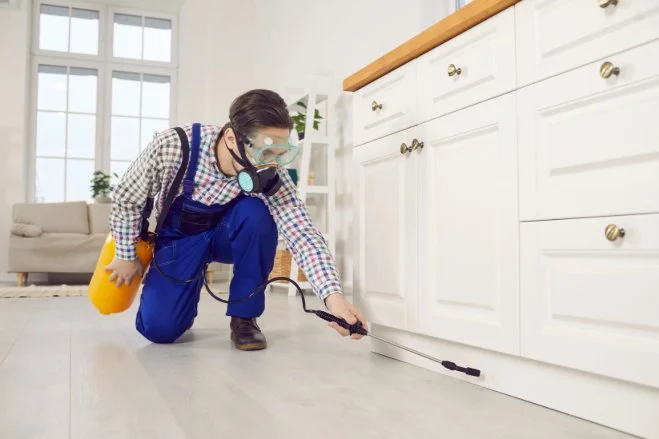
Pests are far more than a minor inconvenience in the home. Left unchecked and with enough time, they can cause serious property damage, spread dangerous diseases, and reproduce at alarming rates that turn a small problem into a full-blown infestation. That’s why the key to protecting your home and family is early detection. Recognizing the warning signs early can save you thousands in repairs and prevent health hazards. Here are the most common indicators that it's time to call in professional pest control.
Pests are far more than a minor inconvenience in the home. Left unchecked and with enough time, they can cause serious property damage, spread dangerous diseases, and reproduce at alarming rates that turn a small problem into a full-blown infestation. That’s why the key to protecting your home and family is early detection. Recognizing the warning signs early can save you thousands in repairs and prevent health hazards. Here are the most common indicators that it's time to call in professional pest control.
Visible Pests in Your Living Spaces
If you're seeing insects or rodents during daylight hours, you likely have a much larger problem hiding out of sight. Most pests are nocturnal and avoid human contact, so daytime sightings suggest their population has grown so large that they're competing for space and resources. Frequent encounters with ants, cockroaches, spiders, or rodents scurrying across your floors mean the infestation has reached a critical point. Spotting larger wildlife like bats or raccoons inside your home requires immediate professional intervention.
Droppings, Tracks, or Nesting Materials
Discovering rodent droppings in your cabinets, drawers, or along baseboards is a clear sign that pests have moved in and are actively living in your home. Look for shredded paper, torn insulation, or fabric scraps tucked away in dark corners—these are telltale nesting materials. Grease marks or tracks along walls and floors indicate regular pest pathways. These signs don't just suggest pests are visiting; they confirm they've established residence and are breeding.
Strange Noises or Odors
Pay attention to unusual sounds in your home. Scratching, scurrying, or tapping noises coming from walls, ceilings, or attics—especially at night—typically indicate rodents or other pests moving through your home's structure. Musty or ammonia-like odors are often associated with rodent urine or cockroach infestations. Any unexplained foul smell could point to hidden nests or even dead pests decomposing inside your walls, both of which pose serious health risks and require professional removal.
Property Damage or Structural Changes
Pests can wreak havoc on your home's structure and belongings. Chewed electrical wires, gnawed wood, or damaged furniture indicate rodent or termite activity. Finding holes in walls, floors, or food packaging is another red flag. More concerning are signs like sagging floors, hollow-sounding wood when tapped, or peeling paint—these often indicate termite damage that's compromising your home's structural integrity. Such damage demands immediate professional assessment before it becomes catastrophic and expensive.
Bites, Rashes, or Allergic Reactions
Waking up with unexplained bites could mean you're sharing your bed with bed bugs, fleas, or mites. These parasitic pests can cause significant discomfort and spread disease. Additionally, increased allergy symptoms like sneezing, coughing, or respiratory issues may result from exposure to pest droppings or dander. Identifying and eliminating the source quickly is crucial to preventing ongoing health problems for you and your family.
Increased Pest Activity Around the Exterior
What's happening outside your home often predicts what's coming inside. Ant mounds near your foundation, wasp nests under eaves, or termite tubes climbing your exterior walls are warnings that pests are establishing colonies dangerously close to your living space. Rodent burrows around your yard or garage indicate they're looking for ways inside. Outdoor pest activity frequently signals an impending indoor invasion.
DIY Methods Aren't Working
If you've tried store-bought traps, sprays, or baits with little to no improvement, it's time to admit defeat. Pests that return shortly after treatment or seem unaffected by your efforts indicate a deeper, more extensive problem than surface-level solutions can address. Repeated failed DIY attempts waste time and money while the infestation grows worse.
When you notice any of these warning signs, quick action is essential. Don't wait for the problem to escalate. Schedule a professional pest control inspection, such as with a company like Highland Pest Control, at the first indication of trouble. Professional treatment doesn't just eliminate current infestations—it protects your health, preserves your property value, and restores your peace of mind. Your home is your biggest investment; protect it before pests turn a minor issue into a major disaster.

The Cycle Of Household Damage
Household damage rarely happens overnight. Small problems often grow into larger ones, and once a cycle begins, it can feel endless. Recognizing how issues start and how they progress is key to breaking the pattern and protecting your home from recurring damage.
Household damage rarely happens overnight. Small problems often grow into larger ones, and once a cycle begins, it can feel endless. Recognizing how issues start and how they progress is key to breaking the pattern and protecting your home from recurring damage.
Water Damage as the Starting Point
Many cycles begin with water. A slow roof leak, a dripping pipe, or poor drainage near the foundation introduces moisture into areas that should stay dry. Over time, this weakens materials, encourages mold growth, and creates an environment that accelerates other types of damage. Left unchecked, water intrusion can undermine structural integrity and lead to costly repairs.
Structural Weakness and Wear
Once moisture has taken hold, materials such as wood, drywall, and flooring lose their strength. Cracks may appear in walls, floors can warp, and ceilings may sag. These weak points then open the door to further issues, such as pests or additional water intrusion, creating a repeating cycle of deterioration. What starts as a minor repair can quickly expand into a widespread problem across different parts of the home.
The Role of Pests in Damage
Household pests thrive in environments where structural weaknesses already exist. Rodents and insects can enter through cracks or gaps caused by earlier water or structural damage. Once inside, they can chew wires, nest in insulation, and contaminate surfaces. Addressing these issues often requires professional pest control, but prevention through proper maintenance is just as important.
How Small Problems Lead to Bigger Costs
The cycle of household damage intensifies when small, overlooked issues grow into larger ones. For example, a minor roof leak can lead to mold in the attic, which then weakens beams, allowing pests to move in. Each stage builds on the previous one, making repairs more extensive and expensive.
The best way to stop the cycle is through consistent attention and early action. Regular inspections of roofing, plumbing, and foundations can prevent water damage from starting the chain. Promptly sealing cracks and maintaining ventilation reduces moisture and discourages pests. Proactive care can save time, stress, and money while keeping the home safe and sound. For more information, look over the infographic below.


Top 12 Best Pest Control Companies in Toronto (2025 Guide)
Pest problems in Toronto are on the rise—from summer ants and wasps to fall mice and cluster flies, and even winter wildlife intrusions. With demand higher than ever, choosing the right pest control company is critical for fast, effective, and humane solutions.
Pest problems in Toronto are on the rise—from summer ants and wasps to fall mice and cluster flies, and even winter wildlife intrusions. With demand higher than ever, choosing the right pest control company is critical for fast, effective, and humane solutions.
We’ve reviewed ratings, seasonal performance, and customer feedback to create a list of the top pest control companies in Toronto for 2025—complete with pros and cons to help you pick the best fit.
Icon Pest Control Toronto
⭐ 4.9 (500+ reviews)
Pros:
Strong local presence across the GTA with specialized wildlife removal
Popular for seasonal treatments (e.g., cluster flies in fall, ants in summer)
Residential and commercial expertise
Humane methods for raccoons, squirrels, and skunks
Competitive pricing and frequent promotions
Cons:
High demand during peak pest seasons can mean longer wait times
Focused mainly on GTA (not nationwide)
☎ +1 647-325-9060
Pestend Pest Control Toronto
⭐ 4.9 (1,351 reviews)
Pros:
One of the most reviewed pest control companies in Toronto
24/7 service availability
Licensed, insured technicians with humane solutions
Wildlife + general pest expertise
100% money-back guarantee
Cons:
Some feedback about service thoroughness
Trap replacement may require repeat visits (extra cost)
☎ +1 416-319-5880
Pestigo Pest Control Toronto
⭐ 5.0 (451 reviews)
Pros:
5-star average rating with strong customer trust
Affordable pricing with a 6-month guarantee
Friendly, professional staff praised for thoroughness
Reliable and punctual service
Cons:
Newer company compared to national chains
Limited strictly to the GTA
☎ +1 416-417-2242
Promax Pest Control Toronto
⭐ 5.0 (105 reviews)
Pros:
Perfect 5-star rating
Quick response and professional service
LGBTQ+ and trans-friendly business
Offers wildlife and residential services
Cons:
Lower review volume
Primarily focused on residential/wildlife
☎ +1 647-239-0762
Abell Pest Control Toronto
⭐ 4.9 (437 reviews)
Pros:
Nationally recognized pest control brand
Over 90 years in business
Handles residential, commercial, and industrial accounts
Cons:
Premium pricing
Service can feel less personalized
☎ +1 416-299-6400
Advantage Pest Control Toronto
⭐ 4.4 (129 reviews)
Pros:
20+ years of local experience
Competitive pricing
Online estimates available
Cons:
Slightly lower rating than competitors
Closed on Sundays
☎ +1 416-297-8010
Provincial Pest Control Toronto
⭐ 4.9 (285 reviews)
Pros:
24/7 service with high ratings
Multilingual support
LGBTQ+ friendly
Quick online quotes
Cons:
Less recognized brand than large chains
Fewer specialty services
☎ +1 647-224-7378
GTA Toronto Pest Control
⭐ 4.9 (359 reviews)
Pros:
Trusted across Etobicoke & GTA West
Wildlife and insect control specialists
Fast response
Cons:
West Toronto focus
Appointment only
☎ +1 416-907-4270
TSR Pest Control & Wildlife Removal Toronto
⭐ 4.9 (599 reviews)
Pros:
Excellent reputation with hundreds of positive reviews
24/7 availability and online estimates
Wildlife removal expertise
Cons:
Newer compared to legacy companies
More focused on wildlife
☎ +1 416-268-3408
Acme Pest Solutions Toronto
⭐ 5.0 (137 reviews)
Pros:
5-star rating
Bird, animal, and wildlife control
24/7 emergency service
Cons:
Smaller team
Limited specialized insect treatments
☎ +1 416-453-2444
Bed Bug Exterminator Toronto
⭐ 4.8 (36 reviews)
Pros:
Bed bug specialist company
Effective inspection and removal services
Cons:
Only treats bed bugs (not general pests)
Closed weekends
☎ +1 647-492-5119
AAA Gates’ Wildlife Control Toronto
⭐ 5.0 (203 reviews)
Pros:
Highly rated for humane wildlife removal
Strong customer testimonials
Non-lethal animal control
Cons:
Wildlife-focused, not general pest control
Higher pricing for specialized services
☎ +1 416-750-9453
✅ Choosing the Right Pest Control Company in Toronto
For seasonal, humane, and wildlife services: Icon Pest, AAA Gates’, or GTA Toronto Pest Control
For bed bugs: Bed Bug Exterminator Toronto
For comprehensive pest control + strong guarantees: Pestend or Pestigo
For trusted national coverage: Abell Pest Control
For budget-friendly & personalized services: Provincial, Advantage, or Promax
📌 Final Thoughts
With Toronto’s shifting pest patterns each season, the best pest control company for you depends on whether you need general pest elimination, wildlife removal, or targeted services like bed bug extermination. For pest control companies, having a strong online presence is key to attracting local clients — agencies like Zigma Internet Marketing specialized in pest control SEO can help improve SEO, run targeted campaigns, and grow visibility in the competitive Toronto market.
👉 Tip: Always check current promotions (many companies like Icon Pest run seasonal discounts) and confirm guarantees before booking.