

A resource for those seeking information on organizing and transforming spaces.

5 Ways to Simplify a Cross-Country Relocation
Relocating across the country is a major life event that can feel overwhelming at first glance. Between organizing belongings and adjusting to a new environment, the process can quickly become stressful if you don't manage it carefully. The good news is that with the right strategies, you can transform a complicated move into a smoother, more manageable experience.
Relocating across the country is a major life event that can feel overwhelming at first glance. Between organizing belongings and adjusting to a new environment, the process can quickly become stressful if you don't manage it carefully. The good news is that with the right strategies, you can transform a complicated move into a smoother, more manageable experience.
Below are five practical ways to simplify your cross-country relocation while keeping peace of mind intact. Let’s dive into them!
Plan Your Timeline With Intention
One of the most effective ways to reduce stress during a long-distance move is to create a clear timeline that outlines each stage of the process. Start by setting a realistic moving date, then work backward to schedule important tasks such as decluttering, organizing storage solutions, coordinating utility transfers, and arranging transportation. A well-structured timeline ensures that you’re not rushing at the last minute.
When you plan with intention, you give yourself the flexibility to handle unexpected challenges. This also makes the entire relocation feel less daunting.
Streamline Packing With a System
Packing is often the most time-consuming part of any move, but it doesn’t have to be chaotic. Begin by sorting items into categories and labeling boxes with detailed descriptions of their contents, then take the extra step of noting which boxes contain fragile belongings and which ones hold everyday essentials that you’ll need right away.
This not only helps during unpacking but also prevents confusion when loading and unloading. Consider using sturdy containers and protective materials for fragile items, and don’t hesitate to donate or sell belongings you no longer need. Having a packing system like this saves time and reduces clutter.
Rely on Experienced Long-Distance Movers
When relocating across the country, professional support can make all the difference. Hiring full-service long-distance movers allows you to delegate complex tasks such as packing, loading, transportation, and even unpacking. These experts bring efficiency, reliability, protective handling methods, and specialized equipment to handle everything from heavy furniture to delicate valuables, ensuring that each stage of the move is carried out with precision and care.
By trusting experienced movers, you free yourself from logistical headaches and gain confidence that your belongings will arrive safely. This choice simplifies the process and provides peace of mind during a major transition.
Keep Important Documents and Essentials Accessible
During a cross-country move, it’s easy to lose track of critical items if they’re packed away. To avoid unnecessary stress, prepare a dedicated travel bag with essentials such as identification, medical records, financial documents, chargers, and a few days’ worth of clothing. Keeping these items accessible ensures that you’re prepared for any situation.
This small step can save hours of frustration and keep you feeling organized throughout the move. It will also be easier to reach most vital items during emergencies.
Stay Flexible and Positive Throughout the Journey
Even with careful planning, unexpected delays or changes can occur during a cross-country relocation. Adopting a flexible mindset helps you adapt to these challenges.
Focus on the bigger picture: think of the exciting opportunity of starting fresh in a new place rather than dwelling on minor setbacks. Maintaining optimism will reduce stress and make the journey more enjoyable. A positive outlook also transforms the relocation from a burden into an adventure worth remembering, giving you the chance to embrace new experiences and build meaningful connections.
Conclusion
Simplifying a cross-country relocation is all about preparation and the right support. By planning your timeline, streamlining packing, relying on professional movers, keeping essentials close, and staying flexible, you can turn a potentially overwhelming process into a smooth and rewarding experience.
In the end, relocation is about creating a fresh start with confidence and optimism.
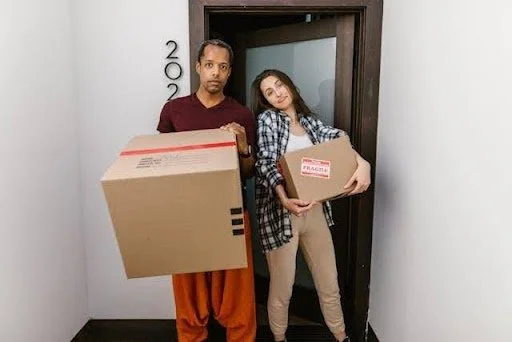
How People Curate a New Version of Themselves Through Relocation Choices
People curate a new version of themselves through relocation choices. Discover how moving shapes identity, habits, and personal growth.
A change of place often sparks a strong emotional reset. People curate a new version of themselves through relocation choices as they seek growth and clarity. New surroundings shift daily routines and reshape identity. Fresh spaces bring new habits, new goals, and new perspectives. In fact, many people feel more confident after a move. They leave behind limits tied to old environments. New locations support better focus and stronger motivation. People often adopt healthier lifestyles and clearer thinking. Change feels real because the environment reinforces it. This shift supports personal progress and self-discovery. People see new sides of themselves and act with purpose. Relocation creates space for change and steady personal growth.
The Psychology Behind Reinventing Identity

Identity reflects how people see themselves and how they believe others view them. Self-perception shapes daily choices, habits, and reactions. Many people seek reinvention to break patterns and create a more fulfilling life. They want growth, change, and a clearer direction. Surroundings influence behavior, thoughts, and emotional responses. New places often inspire different actions and attitudes. However, intentions do not always match reality, and change takes effort over time. Internal motivations, such as personal goals, drive change from within. External motivations, such as social expectations, also shape decisions. People respond to both forces as they adjust to new settings. This process supports reflection and gradual transformation. Over time, individuals refine their identity and align their actions with their desired self-image.
How Environments Shape Habits and Mindsets
New surroundings shape habits faster than many expect. As people adjust routines based on local pace, culture, and daily structure, their environment begins to influence their behavior. For example, a quiet area supports focus, while a busy setting encourages faster action. In contrast, old environments often reinforce past behavior patterns. By moving to new places, people create space for different choices and improved discipline. They might wake earlier, eat differently, and engage in new activities. Hence, consistent exposure to a new setting builds stronger habits over time. Social norms also guide behavior and influence decisions, as people often match the energy and expectations around them. Ultimately, this shift builds awareness and encourages growth, leading to small daily changes and lasting mindset shifts. Over time, individuals align habits with personal goals and create a lifestyle that reflects their evolving identity.
The Role of Social Circles in Personal Change

New social circles shape how people think and act each day. Fresh connections offer feedback, support and new perspectives. People feel free to express themselves without past labels or expectations. New friendships encourage confidence and open communication. Social groups influence habits, values, and long-term goals. People often mirror the attitudes and behaviors they see around them. On the other hand, negative circles can slow progress and create doubt. Choosing the right environment matters for steady growth. Supportive people push positive change and hold others accountable. New relationships also introduce different lifestyles and ideas. This exposure helps individuals refine their identity. Over time, strong social connections build confidence and reinforce personal development in meaningful and lasting ways.
Escaping the Past vs Building the Future
Many people move to leave behind past experiences and start fresh. They seek relief from stress, limits, or negative patterns. Escape alone does not create lasting change without intention. People must focus on building a better future with clear goals. Nevertheless, distance from old environments often supports emotional clarity. New surroundings help people reflect and reset priorities. Some individuals try to avoid common beginner mistakes while moving out for the first time and building independence. This awareness improves decision-making and confidence. Growth requires effort, patience, and honest self-reflection. People who face their past learn faster and adapt better. Over time, they create a stronger foundation for personal progress and long-term satisfaction in life.
Career Moves as Catalysts for Reinvention

People curate a new version of themselves through work too. Career changes often drive relocation and personal transformation. A new role brings different expectations, routines, and goals. People adjust their behavior to match professional demands and workplace culture. Another key point is that ambition pushes individuals to improve their skills and mindset. Work environments influence confidence, communication, and daily structure. People often adopt new habits to succeed in their roles. Similarly, career growth shapes identity and long-term direction. New challenges encourage problem-solving and adaptability. Individuals build discipline through consistent effort and learning. Professional success often increases confidence and motivation. This progress is also reflected in personal life. Over time, career-driven moves support a stronger, more focused version of oneself. People begin to see clear progress and align actions with future goals.
Cultural Exposure and Personal Growth
Exposure to new cultures expands thinking and encourages personal development. People learn different values, habits, and ways of communication. This experience builds adaptability and awareness. Individuals adjust their behavior to fit new cultural expectations. They explore new foods, traditions, and social norms. These changes shape daily life and broaden perspective. Then again, cultural differences can challenge comfort zones and require patience. People grow through these challenges and gain confidence. New environments promote curiosity and open-minded thinking. Individuals begin to question old beliefs and form new opinions. This process supports deeper understanding and respect for diversity. Over time, cultural exposure strengthens identity and encourages a more flexible and informed approach to life decisions.
Sustaining the New Identity Over Time
Long-term change requires consistency and self-awareness. People must reinforce new habits through daily action and reflection. Growth does not happen overnight, and progress needs patience. Above all, discipline keeps new behaviors stable over time. Individuals must stay focused on goals and avoid falling into old patterns. For this reason, regular evaluation helps maintain direction and motivation. People track progress and adjust routines as needed. Small wins build confidence and support long-term success. New environments help, yet personal effort drives lasting results. Individuals who stay committed see steady improvement. Over time, actions align with identity, and change becomes natural. This process creates a stable and confident version of oneself that reflects growth and intention.
Reinvention That Lasts
People curate a new version of themselves through thoughtful relocation and consistent effort. In short, change grows stronger with daily action and clear intent. New environments support lasting growth, while personal discipline shapes identity. True transformation continues over time and reflects conscious choices.

The Myth of the Fresh Start: What Moving Can’t Fix (and What It Can)
Relocation helps some changes, but cannot replace personal effort or reset deeper life patterns, because moving can't fix everything.
Moving often feels powerful because it marks a visible break from what came before. As a result, new surroundings promise relief from stress, frustration, or routines that feel worn out. During periods of dissatisfaction, relocation can seem like an action rather than an avoidance. Yet there are things that moving can’t fix, and they become clear once daily life settles again. A new address can shift pace, access, and exposure; however, it does not rewrite habits or priorities on its own. For this reason, understanding the difference matters. When people treat a move as a tool rather than a solution, expectations stay grounded and outcomes improve over time.
Why Relocation Feels Like Progress Even Before It Happens
Relocation creates a sense of forward motion before any real change occurs. Packing, planning, and decision-making replace reflection with activity, which feels stabilizing during uncertainty. Because of this, many people follow relocation trends, believing location alone drives improvement. The belief persists since movement feels productive. Once the move ends, however, structure fades and familiar patterns return. In reality, the early sense of progress reflects momentum, not resolution. Recognizing this gap helps people avoid disappointment and use relocation with clearer intent.
Preparation Solves Logistics, Not Personal Strain
Strong preparation reduces disruption during a move. You might consider hiring help for your move, but you're still not sure if that's the right thing to do. The only way to get all the info you need is by knowing the right questions to ask before hiring a moving company. Knowing the right information ahead of time will lead to better timing, pricing, and coordination. These steps matter and should not be skipped. Still, preparation only addresses external pressure. Emotional strain linked to routine, workload, or expectations remains unchanged. Planning supports stability, yet personal strain requires separate attention after arrival.
Unresolved Stress Travels Without Resistance
Stress linked to behavior follows easily. Burnout, overcommitment, and avoidance patterns move intact. At first, a new setting may delay triggers; however, it rarely removes them. Once routines settle, familiar responses appear again. People often mistake relief from novelty for resolution. Without awareness, the same stress resurfaces under different conditions. This cycle repeats because the underlying responses stay unchanged. Distance alone does not create insight. Instead, deliberate change must follow.
Financial Changes Have Clear Limits

Cost plays a major role in relocation decisions, and a pocket-friendly relocation can reduce pressure during the transition and early months. In many cases, lower housing costs or shorter commutes help stability. Over time, though, financial strain linked to habits often returns. Spending expands when the structure stays unchanged. A move can create room to reset priorities; still, outcomes depend on follow-through. Financial relief lasts when paired with restraint and planning, not geography alone.
The Environment Can Support Better Daily Structure
Place shapes daily behavior through access and layout. For instance, walkable areas encourage movement without effort. Likewise, quieter neighborhoods support rest and focus. Reliable transit reduces time pressure and supports consistency. These factors remove friction from routines people already want to build. Even so, the environment only supports intention. Someone who avoids rest will stay busy anywhere. A move works best when the location matches the goals already defined.
Social Stability Takes Time to Rebuild
Moving disrupts the connection immediately. Familiar support disappears, even when contact remains possible. Because of this, building trust requires repeated interaction over time. Many people feel isolated after the initial excitement fades. Community grows through consistency rather than arrival. A move does not guarantee belonging. Instead, it creates an opportunity to build it gradually. Patience matters more than optimism during this phase.
Career Pressure Often Reappears After the Honeymoon
Work dissatisfaction drives many relocations. At first, new roles feel lighter due to novelty and reset expectations. Over time, deadlines and demands return. Stress follows boundaries more than location. Without changes in workload control or availability, pressure resurfaces. A move may improve commute time or office culture; still, habits define experience. This reality often surprises people who expected external change to replace internal limits. Sustainable relief requires behavioral adjustment after relocation.
Identity Does Not Change Without Action
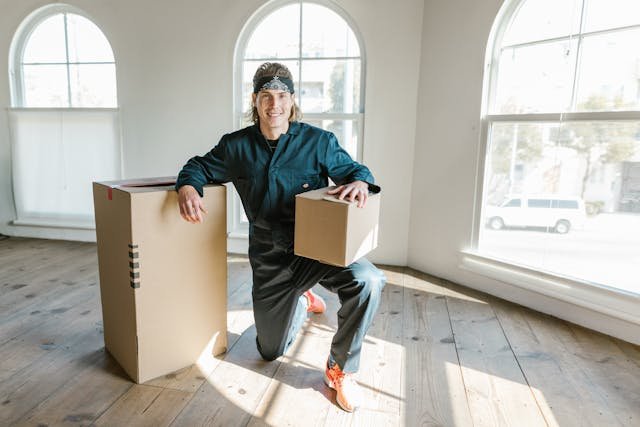
Many people expect relocation to reshape how they see themselves. Starting a new chapter in a new city seems exciting, yet identity forms through repeated action. A new place offers permission to act differently; however, it does not guarantee that change will occur. Confidence, discipline, and direction develop through consistency. Without action, identity remains unchanged regardless of the setting. Location provides a backdrop, not a script.
Why Understanding What Moving Can’t Fix Matters
Clarity protects people from misplaced hope. Knowing what moving can’t fix helps focus effort where it belongs. Moving cannot repair strained communication, resolve burnout, or create purpose on its own. It can, however, reduce friction and improve access. When expectations align with reality, relocation becomes useful instead of disappointing. Awareness turns a move into a strategic choice rather than an emotional escape.
What Relocation Can Improve When Used Intentionally
Relocation works best as support rather than a solution. Better layouts can improve focus, while shorter commutes free time for rest and connection. Safer areas reduce constant alertness and mental strain. These improvements matter when paired with effort. Without follow-through, benefits fade. When people treat relocation as a platform for better routines, results hold longer. This shift also helps with making the space more functional, as daily movement and use patterns become easier to maintain. Place supports progress when intention leads.
Turning a Move Into Real Change
A move changes surroundings, not behavior. What moving can’t fix reminds people to pair relocation with honest effort. Progress follows alignment between environment, routine, and expectation. A new home can support better structure and remove daily friction. Still, lasting change depends on what happens after the boxes are unpacked. When relocation serves the intention instead of replacing it, the fresh start people want becomes possible.
Meta:
Kw: Moving Can’t Fix
https://www.pexels.com/photo/new-home-keys-lei-banknotes-romanian-currency-27641070/
https://www.pexels.com/photo/man-in-blue-coverall-posing-between-carton-boxes-7464709/

5 Essential Tips for a Smooth Relocation with NJ Movers
Moving to a new home is one of those rare moments when anticipation meets reality in the best possible way. You walk through that door for the first time, and suddenly all those weeks of planning actually make sense. This is it – your new chapter.
We partnered with a moving company for this post. The opinions in the post are honest. All reviews and opinions expressed in this post are based on our personal views. We are excited because we know you will love it.
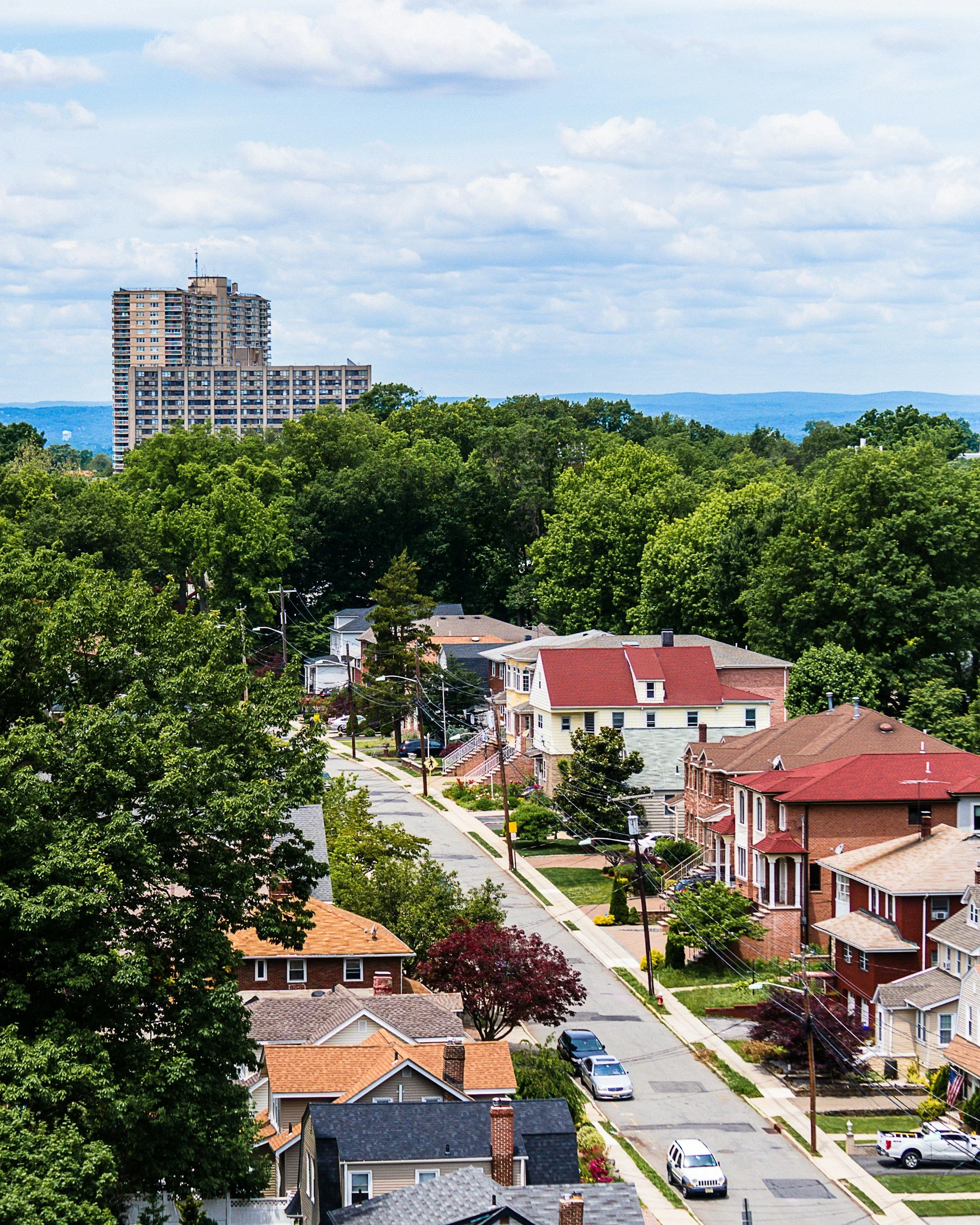
Moving to a new home is one of those rare moments when anticipation meets reality in the best possible way. You walk through that door for the first time, and suddenly all those weeks of planning actually make sense. This is it – your new chapter.
Look, nobody's pretending moving isn't a bit chaotic at first. But with smart planning and reliable movers in NJ who know what they're doing, the whole thing can surprise you with how smoothly it goes. Before you know it, you'll be unpacking that last box and thinking, "Okay, this actually feels like home."
Here are five tips to make your move feel less like surviving a storm and more like a well-orchestrated transition.
#1. Start Early for a Seamless Move in NJ
You know that feeling when your move is three weeks away and you haven't done... anything? Let's avoid that particular brand of panic.
Make a Plan for Your NJ Move
Nothing fancy – just get the basics down. Book your movers, call utilities, and submit that address change. Think meal prep, but for your entire life. Breaking everything into smaller chunks makes it manageable instead of overwhelming, and you'll actually have time to breathe.
Handle the Little Details Early for a Smoother Move
Here's where most people trip up: they nail the big stuff but forget smaller details that can derail your day. Ever tried explaining to a moving truck where to park when there's no designated spot? Or realized you needed to reserve the building's freight elevator?
These aren't earth-shattering problems, but they can turn your smooth moving day into logistical chaos. Get ahead of them, and moving day feels choreographed instead of frantic.
#2. Find the Right Movers in NJ
Picking a moving company can feel like online dating – lots of promising profiles, but who's actually going to show up and treat your stuff right? The difference is that these people are handling everything you own.
Read the Reviews Carefully
Start with Google, Yelp, and the Better Business Bureau. But don't just skim the five-star raves. Three and four-star reviews often tell you more about how companies handle real-world hiccups. Did they own up to mistakes? How did they make it right?
Your friend who moved last year is worth ten online reviews. Ask around – people love sharing their moving stories.
Make Sure Your Movers Are Licensed and Insured
In New Jersey, legitimate moving companies need state licensing – it's not optional. Don't feel awkward asking for proof. Any company worth hiring will gladly show credentials.
Insurance is your backup plan when things get messy. Sometimes stuff breaks or disappears, and you want to know you're covered.
Get Multiple Moving Quotes & Read the Fine Print
Getting three quotes isn't just about price – it's seeing what different companies offer. One might include packing services, and another handles furniture disassembly for free. These perks can be lifesavers when you're knee-deep in moving day.
Watch Out for Transparent Pricing and Clear Moving Contracts
Trustworthy companies talk money like adults – clear, upfront, no mysterious fees. They'll tell you exactly what those extra stairs cost or if there's a charge for long carries. When pricing feels like solving a riddle, run.
#3. Declutter Before Your NJ Move
Think of moving as the universe giving you permission to Marie Kondo your life. Why pay to move stuff you don't actually want? It's like paying for a gym membership you never use, except the gym follows you home.
Tackle one room at a time to avoid decision fatigue. Create your piles: keep, donate, sell, toss. Be ruthless but realistic. That bread maker you haven't touched in two years? Time to let someone else love it. Those college jeans you'll "definitely fit into again"? Maybe it's time for honesty.
Selling valuable items can fund your moving expenses. For everything else, many NJ charities offer pickup services. Consider storage for sentimental items that don't fit your new space – you keep what matters without cramming it into your new home's vibe.
#4. Pack Carefully for an Organized NJ Move
Packing is where good intentions die, but it doesn't have to be a nightmare. The secret isn't working harder – it's working smarter.
Organize by Room and Label Everything
Pack room by room, and label like your future self's sanity depends on it. "Kitchen: plates and bowls" beats "random kitchen stuff" every time. When you're surrounded by boxes, you'll thank yourself for being specific.
Use High-Quality Packing Materials for an NJ Move
Don't cheap out on boxes from behind the liquor store. Invest in decent boxes, quality packing paper, bubble wrap, and good tape. A small investment today keeps you from crying over a shattered favorite mug tomorrow.
Pack Essentials Separately for Your Move
Picture this: you've survived moving day, you're exhausted, and your toothbrush is buried somewhere in identical brown boxes. Cruel, right?
Pack a survival kit with absolute essentials—medications, documents, phone chargers, a change of clothes, and snacks. Think "what would I need if stranded on a desert island, but the island is my new house and I'm too tired to unpack."
Pack Seasonal or Non-Essential Items Early
Christmas decorations in July? Pack them first. Getting non-essentials out of the way early creates space and momentum. Plus, it feels productive when you're still planning.
Consider Professional Packing Services
Sometimes the smartest move is admitting you'd rather leave it to professionals. Packing services aren't just for the wealthy – they're for people who value their time and sanity.
Take White Glove Moving & Storage. After 30 years, they've turned packing into an art form. They know how to wrap your grandmother's china so it arrives intact, and they can pack your entire house while you focus on other things. They'll even help unpack and set up your new place.
#5. Communicate Clearly for a Seamless NJ Move
Good communication turns potential chaos into a smooth operation. It's the difference between movers playing guessing games and everything landing exactly where you want it.
Give Your Movers the Lowdown on Your New Place
Before moving day, paint a picture of what they're walking into. Narrow hallways? Third-floor walk-up? Specific rooms for items? The more details you provide upfront, the smoother everything goes.
Highlight Special Handling Instructions
That antique dresser or vinyl collection deserves special attention. Don't assume your movers are mind readers – tell them what needs extra care and why it matters. If you're unsure about protecting something fragile, ask for their expert opinion. Good movers have seen it all and can offer solutions you might not have considered.
Stay available on moving day for inevitable small decisions. Flexibility paired with clear communication is your recipe for success.
Our Seamless Move Starts with Planning and the Right Help
Moving doesn't have to be a disaster movie. With solid planning, the right team, and these five strategies, you can actually enjoy starting fresh somewhere new.
The key is finding movers who treat your move like it matters – because it does. This isn't just about getting stuff from Point A to Point B. It's about transitioning your life, and that deserves care and professionalism.
Moving Questions About NJ Movers
Will movers help with my garage or basement?
Absolutely. Most movers tackle any part of your home, including often-forgotten spaces. Just give them a heads up about what they'll find.
What happens if the weather turns nasty on moving day?
NJ movers have seen every kind of weather. They'll take extra precautions to protect your belongings and keep things moving, even when Mother Nature throws a tantrum.
Can movers help with storage if my new place isn't ready?
Many moving companies offer storage solutions for exactly this situation. Your stuff stays safe until you're ready to complete the move.
How do I handle an out-of-state move?
Interstate moves are different beasts with extra regulations and logistics. Choose a mover with solid long-distance experience – they'll navigate the complexities for you.
What if I need multiple stops during my move?
Let your movers know ahead of time, and they'll map out the most efficient route. Communication is key – the more they know, the better they can accommodate.
What if I need to move on short notice?
Life happens fast sometimes. Reach out as soon as you know, be flexible with timing if possible, and many companies can work with tight deadlines