

A resource for those seeking information on organizing and transforming spaces.

Roof Restoration for a Safer and Better-Protected Home
Have you noticed your roof looking a bit worse for wear lately? Perhaps you've spotted a cracked tile or two, or maybe the colour has faded so much that your home looks tired and dated? Is there a mysterious damp patch appearing on your ceiling that's got you worried?
Have you noticed your roof looking a bit worse for wear lately? Perhaps you've spotted a cracked tile or two, or maybe the colour has faded so much that your home looks tired and dated? Is there a mysterious damp patch appearing on your ceiling that's got you worried?
Your roof works incredibly hard. It shields your family from scorching summer heat, torrential rain, and those wild winter storms that sweep through Melbourne's eastern suburbs. Yet, it's often the most neglected part of our homes. We renovate kitchens, update bathrooms, and landscape gardens, but the roof? It rarely gets a second thought until something goes wrong.
In this guide, we'll explore everything you need to know about roof restoration. You'll discover the telltale signs that your roof needs attention, understand the difference between restoration and replacement, and learn how professional restoration can protect your home whilst boosting its value. Whether you're dealing with cracked tiles, moss growth, or simply want to extend your roof's lifespan, we've got you covered. Let's get stuck into what makes roof restoration such a smart investment for homeowners.
What Is Roof Restoration and How Does It Differ from Roof Replacement?
Understanding the Roof Restoration Process
Roof restoration involves rejuvenating your existing roof rather than tearing it off and starting fresh. Think of it as a comprehensive makeover that addresses wear, damage, and deterioration. The process typically includes thorough cleaning, repairs to damaged areas, repointing and rebedding, and finally applying a protective coating.
This approach tackles issues before they become major problems. It's proactive maintenance that extends your roof's life by years, sometimes even decades. Plus, it's far less disruptive than a full replacement.
Restoration vs Replacement: Which Does Your Home Need?
The decision between restoration and replacement depends on your roof's current condition. Restoration suits roofs that are structurally sound but showing signs of age and wear. If your tiles are intact but faded, or you've got minor damage and some moss growth, restoration is likely your best bet.
Replacement becomes necessary when the roof structure itself is compromised. Extensive rot, major structural damage, or a roof that's simply reached the end of its natural life may require complete replacement. A professional inspection will help you determine which option makes sense for your situation.
Signs Your Roof Needs Restoration
Visible Damage: Cracked, Broken or Missing Tiles
Walk around your property and look up. Can you spot any cracked, chipped, or missing tiles? These gaps leave your home vulnerable to water damage. Even small cracks can let moisture seep in, leading to much bigger headaches down the track.
Fading Colour and Loss of Protective Coating
Has your once-vibrant roof turned pale and patchy? That faded appearance isn't just an aesthetic issue. It indicates that the protective coating has worn away, leaving tiles exposed to UV damage and moisture penetration.
Moss, Lichen and Algae Growth
Those green or grey patches might look harmless, but they're actually causing damage. Moss and lichen trap moisture against your tiles, accelerating deterioration. They also make your roof look neglected, which isn't great for curb appeal.
Leaks, Dampness and Water Stains Inside Your Home
If you're noticing water stains on ceilings or damp patches on walls, your roof is already letting water through. Don't ignore these warning signs – they indicate that damage has progressed significantly.
How Often Should You Have Your Roof Inspected
Most roofing specialists recommend professional inspections every two to three years. However variable climate means your roof cops quite a beating. Consider more frequent checks if your home is surrounded by trees or has experienced severe weather events.
After major storms, it's wise to have a quick inspection done. Wind, hail, and heavy rain can cause damage that's not immediately visible from ground level. Catching problems early saves you money in the long run.
The Benefits of Professional Roof Restoration for Homeowners
Enhanced Safety and Structural Integrity
A restored roof protects your home's structural integrity. Water damage from a neglected roof can affect ceiling joists, wall frames, and even your home's foundations. By addressing roof issues promptly, you're safeguarding your entire property.
Improved Energy Efficiency and Lower Power Bills
Modern roof coatings reflect heat, keeping your home cooler in summer. This means your air conditioning doesn't work as hard, which translates to lower energy bills. Some homeowners report noticeable savings after restoration.
Boosted Curb Appeal and Property Value

A fresh, clean roof transforms your home's appearance. If you're thinking of selling, this improved curb appeal can significantly influence potential buyers. Real estate agents often recommend roof restoration as a cost-effective way to increase property value.
Extended Roof Lifespan
Quality restoration can add 10 to 15 years to your roof's life. Given the cost difference between restoration and replacement, that's exceptional value for money.
What Does a Roof Restoration Include?
Thorough Cleaning and Debris Removal
The process begins with high-pressure cleaning to remove dirt, moss, lichen, and debris. This reveals the roof's true condition and provides a clean surface for subsequent treatments.
Repairs to Tiles, Flashing and Ridge Capping
Damaged tiles are replaced or repaired. Flashing around chimneys, skylights, and vents is checked and fixed. Ridge capping is secured to prevent water entry.
Repointing and Rebedding
The mortar holding ridge caps in place deteriorates over time. Rebedding involves replacing this mortar, while repointing applies a flexible compound that moves with your roof through temperature changes.
Protective Coating and Sealing
Finally, a protective coating is applied. This seals the surface, restores colour, and provides ongoing protection against UV rays, moisture, and weathering.
How Much Does Roof Restoration Cost
Factors That Influence Pricing
Several factors affect the cost of roof restoration. Roof size is obviously significant – larger roofs require more materials and labour. The roof's current condition matters too; more damage means more repairs.
Roof pitch and accessibility also influence pricing. Steep roofs require additional safety measures. The type of tiles and chosen coating products affect the final quote as well.
Is Roof Restoration Worth the Investment?
Considering that restoration typically costs 20 to 30 percent of full replacement, it's excellent value. You're protecting your biggest asset while improving its appearance and efficiency. Most homeowners find it's money well spent.
How Long Does a Roof Restoration Take?
Most residential roof restorations take between two and five days, depending on size and condition. Weather can cause delays – you need dry conditions for cleaning and coating application.
Your roofing company should provide a realistic timeline before work begins. They'll also monitor weather forecasts to plan the job appropriately.
Choosing the Right Roof Restoration Company
What to Look for in a Local Roofing Specialist
Look for companies with established local reputations. Check online reviews and ask for references from recent jobs. Verify they hold appropriate licences and insurance – this protects you if something goes wrong.
Experience with your roof type matters. Whether you have concrete tiles, terracotta, or metal roofing, find specialists who understand your specific requirements.
Questions to Ask Before Hiring
Ask about their process and timeline. Request a detailed written quote that specifies exactly what's included. Enquire about warranties on both workmanship and materials. A reputable company welcomes questions and provides clear answers.
Common Roofing Issues Faced by Homes
Weather-Related Wear and Tear
Experiences everything from intense summer heat to cold, wet winters. This temperature fluctuation causes expansion and contraction, stressing roof materials over time. Add in occasional hail and strong winds, and it’s clear why local roofs need regular attention.
Age-Related Deterioration
Many homes were built in the 1960s through 1990s, meaning their roofs are reaching an age where restoration becomes essential. Natural weathering, UV exposure, and general ageing all take their toll.
Can You Stay in Your Home During a Roof Restoration?
Absolutely! Unlike full replacement, restoration work is relatively non-invasive. You'll hear some noise during cleaning and repairs, but you won't need to relocate. Most homeowners continue their normal routines while work proceeds overhead.
Protect Your Home with Timely Roof Restoration
Your roof deserves attention before small issues become expensive problems. By investing in professional restoration, you're protecting your home's structure, improving its energy efficiency, and boosting its value – all while extending your roof's useful life by years.
The signs of a roof needing restoration are usually visible if you know what to look for. Cracked tiles, faded colour, moss growth, and interior dampness all indicate it's time to act. Regular inspections help catch problems early, when they're easier and cheaper to fix.
Ready to give your home the protection it deserves? Reach out to local roof restoration specialists for an obligation-free inspection and quote. Your home will thank you, and you'll enjoy peace of mind knowing your family is sheltered by a roof that's been properly restored and protected. Don't wait for that small problem to become a major headache – take action today and secure your home for years to come.
What to Expect During a Professional Roof Replacement
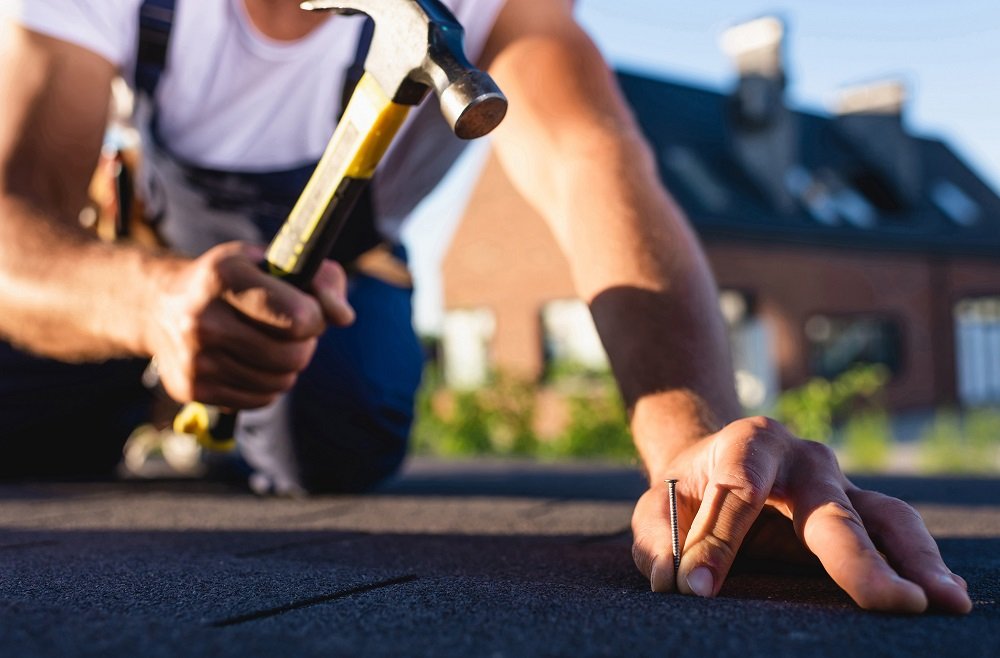
A roof replacement is a major home improvement project that ensures your property remains protected from the elements while enhancing its overall value. Whether your roof has reached the end of its lifespan or has suffered extensive damage, hiring professionals ensures a smooth, efficient, and high-quality installation. Understanding the process can help homeowners prepare and minimize disruption during the project.
A roof replacement is a major home improvement project that ensures your property remains protected from the elements while enhancing its overall value. Whether your roof has reached the end of its lifespan or has suffered extensive damage, hiring professionals ensures a smooth, efficient, and high-quality installation. Understanding the process can help homeowners prepare and minimize disruption during the project.
Pre-Replacement Preparations
Before work begins, professional roofers conduct a thorough inspection to assess the condition of your existing roof and identify necessary repairs. They will discuss material options such as asphalt shingles, metal roofing, tile, or slate, ensuring the best fit for your climate and budget. Homeowners must also secure the necessary permits, as roofing projects must comply with local regulations. The contractor will establish a timeline, order materials, and set up protective measures around the property to safeguard landscaping and outdoor structures.
Roof Removal Process
The first step of the actual roof replacement involves tearing off the existing roofing materials. Contractors remove old shingles, underlayment, and flashing, exposing the roof deck. Any damaged sections of the deck are repaired before proceeding. Debris is carefully managed using dumpsters or cleanup crews to maintain a safe worksite. Professional removal ensures a clean, solid foundation for the new roofing system, preventing structural issues down the line.
New Roof Installation
Once the old roof is removed, the installation process begins. Contractors prepare the deck by applying waterproof barriers and underlayment to prevent leaks. The selected roofing material is then installed in a precise manner, whether it involves nailing shingles, securing metal panels, or placing tiles. Proper flashing is added around chimneys, vents, and skylights to create a watertight seal. Ventilation systems are also checked to ensure optimal airflow, preventing moisture buildup and extending the lifespan of the roof.
Post-Installation Cleanup and Final Checks
Once the roof installation is complete, professionals conduct a thorough cleanup to remove leftover materials, nails, and debris from the property. A final inspection ensures that the installation meets industry standards and that all elements are securely in place. Contractors may also provide homeowners with maintenance guidelines to help preserve the roof’s condition, including routine inspections and cleaning recommendations.
A professional roof replacement follows a structured process, ensuring durability, efficiency, and long-term protection. From preparation and removal to installation and cleanup, experienced contractors streamline the project, minimizing stress for homeowners. Investing in professional roofing services guarantees a properly installed system that enhances your home’s safety, energy efficiency, and curb appeal.
Preventing Mold Growth After Roof Repairs: Maintaining Interior Air Quality
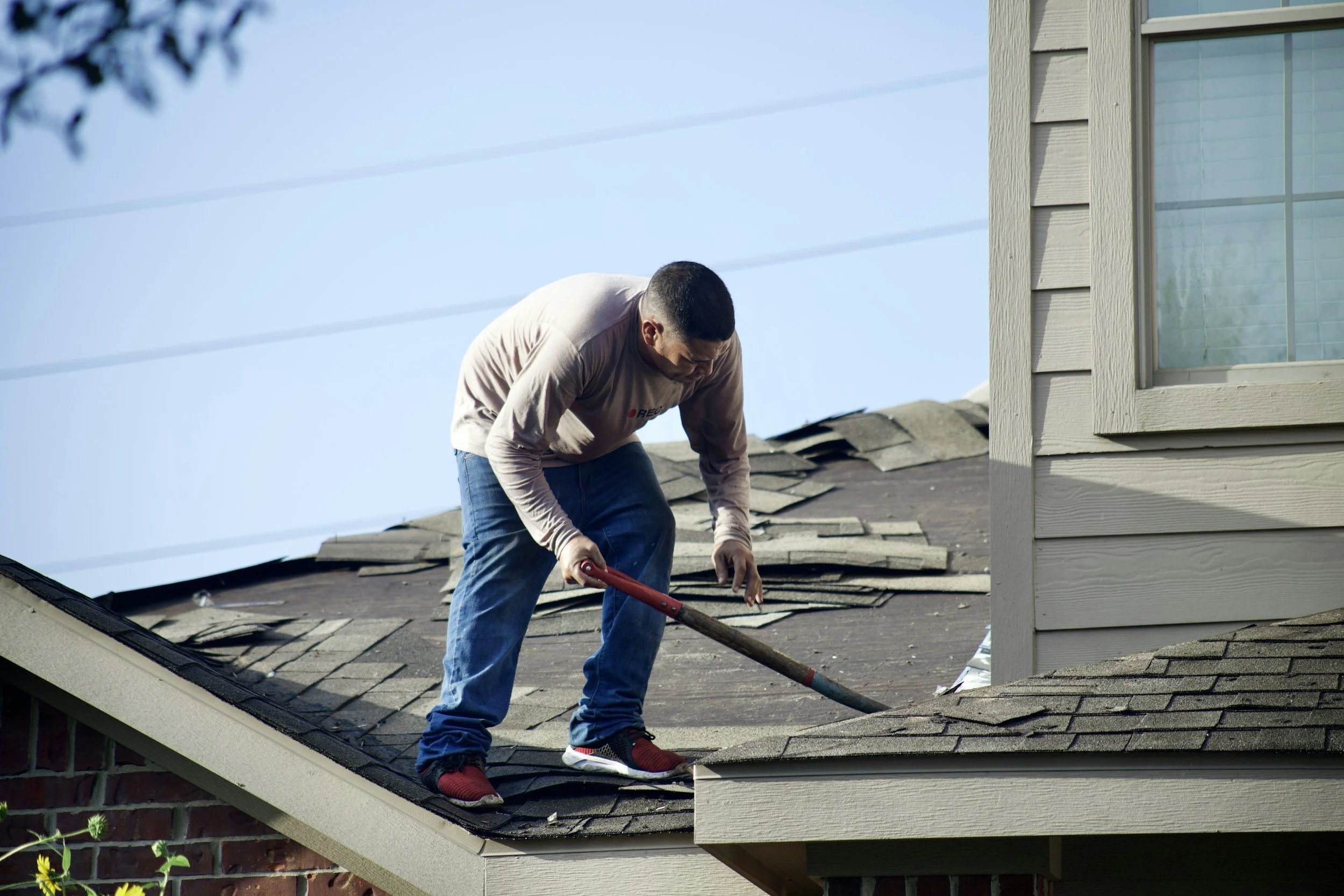
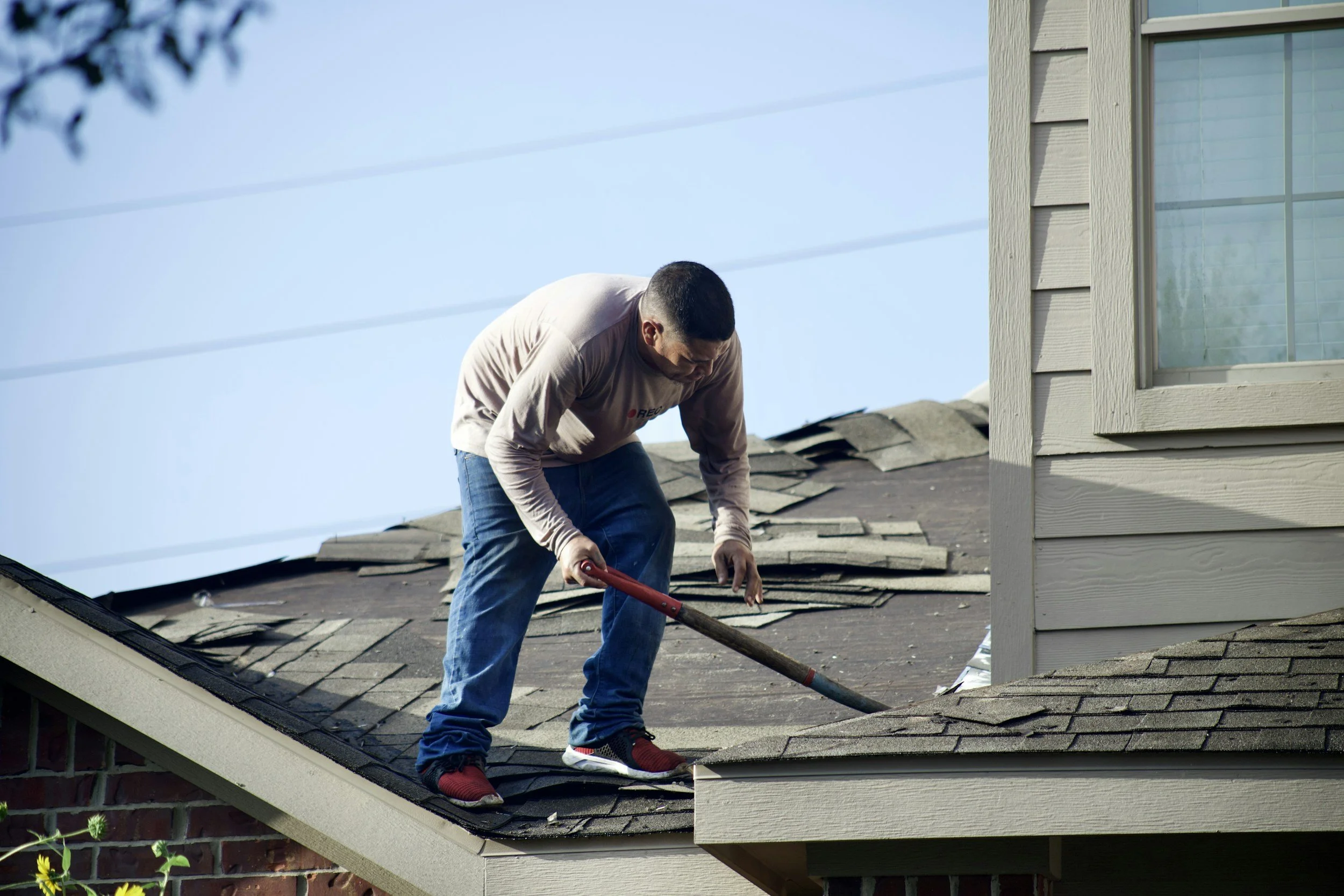
Roof repairs are essential for protecting a home from the elements, but they can also introduce new challenges, particularly the risk of mold growth. Moisture intrusion during or after repairs can lead to mold development, which can negatively impact both the structure of the home and the health of its occupants. To maintain healthy indoor air quality, homeowners must take proactive steps to prevent mold following roof repairs. By focusing on ventilation, moisture control, and thorough post-repair inspections, homeowners can safeguard their living spaces from mold-related issues.
Roof repairs are essential for protecting a home from the elements, but they can also introduce new challenges, particularly the risk of mold growth. Moisture intrusion during or after repairs can lead to mold development, which can negatively impact both the structure of the home and the health of its occupants. To maintain healthy indoor air quality, homeowners must take proactive steps to prevent mold following roof repairs. By focusing on ventilation, moisture control, and thorough post-repair inspections, homeowners can safeguard their living spaces from mold-related issues.
Understanding the Risk of Mold After Roof Repairs
Mold thrives in damp environments, making any residual moisture from roof repairs a potential hazard. If water seeps into walls, ceilings, or insulation without proper drying, it creates ideal conditions for mold spores to spread. Even minor leaks or trapped humidity can lead to significant mold issues over time.
Common causes of post-repair moisture problems include:
Improper sealing of repaired areas, allowing leaks to persist
Moisture buildup in attic spaces due to inadequate ventilation
Residual dampness from water intrusion during the repair process
Addressing these risks immediately after repairs can help homeowners avoid costly mold remediation in the future.
Key Strategies to Prevent Mold Growth
1. Ensure Proper Ventilation
Adequate airflow is essential for keeping indoor spaces dry and preventing moisture accumulation. After roof repairs, homeowners should:
Inspect Attic Ventilation: Proper attic ventilation helps regulate humidity levels and prevents condensation. Ridge vents, soffit vents, and attic fans can improve airflow.
Use Exhaust Fans: Bathrooms, kitchens, and laundry rooms should have functioning exhaust fans to reduce indoor humidity levels.
Keep Windows Open When Possible: Allowing fresh air to circulate can help dry out any lingering moisture from the repairs.
2. Control Indoor Moisture Levels
Regulating indoor humidity is crucial for mold prevention. Homeowners should take the following steps:
Use a Dehumidifier: Running a dehumidifier in areas prone to moisture buildup, such as basements and attics, can help maintain optimal humidity levels (ideally below 50%).
Check for Water Stains or Dampness: After roof repairs, inspect ceilings and walls for any discoloration or damp patches that may indicate hidden leaks.
Dry Out Affected Areas Promptly: If any moisture is detected, use fans, dehumidifiers, and towels to dry the area thoroughly.
3. Conduct Thorough Post-Repair Inspections
A careful inspection after roof work is vital to ensuring that no moisture issues persist. Homeowners should:
Examine the Repaired Areas: Look for gaps, loose shingles, or signs of improper sealing that could allow water infiltration.
Inspect the Attic and Ceiling Spaces: Even if no leaks are visible from the inside, the attic may reveal early signs of moisture buildup.
Monitor for Musty Odors: A musty smell is often the first indication of hidden mold growth. If detected, further inspection and mitigation are necessary.
4. Work With Experienced Roofing Professionals
Choosing skilled roof contractors is one of the best ways to prevent mold problems after repairs. Reputable contractors will ensure proper sealing, use high-quality materials, and conduct thorough post-repair checks to minimize the risk of water intrusion. Homeowners should verify that their contractor is licensed, insured, and has positive customer reviews before hiring.
5. Maintain a Long-Term Mold Prevention Plan
Even after addressing immediate concerns, ongoing maintenance is necessary to keep mold at bay. Homeowners should:
Schedule Regular Roof Inspections: Having the roof checked annually can help identify minor issues before they lead to leaks and moisture problems.
Clean Gutters and Downspouts: Clogged gutters can cause water to back up under the roof, increasing the risk of leaks.
Address Any Water Damage Promptly: If signs of water intrusion appear, act quickly to dry out affected areas and make necessary repairs.
Safeguard Your Home: Proactive Steps to Prevent Mold After Roof Repairs
Preventing mold growth after roof repairs is essential for maintaining a healthy home environment. By ensuring proper ventilation, controlling indoor moisture, conducting thorough inspections, and working with experienced residential roofing contractors, homeowners can effectively mitigate the risk of mold. Implementing these proactive measures will help protect both the structural integrity of the home and the well-being of those who live in it.
Author bio: Jeff Brown is Owner of Colorado Superior Roofing & Exteriors, a leading provider of quality roofing and exterior solutions for residential and commercial properties. With more than two decades of experience, CSR&E is dedicated to delivering reliable, professional services while maintaining the highest standards of craftsmanship and customer satisfaction.