

A resource for those seeking information on organizing and transforming spaces.
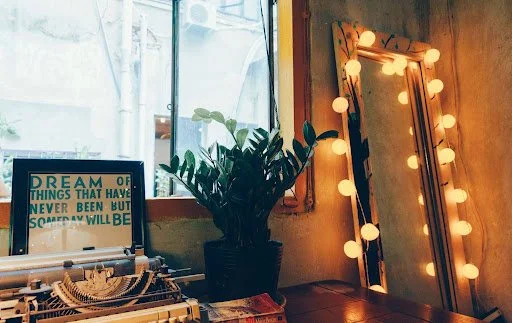
Mirrors, Rugs, and Plants: Cheap Tricks That Warm Up a Cold Listing
Some homes look perfectly fine on paper and still feel strangely cold when a buyer walks through the door. The rooms may be clean, the walls may be freshly painted, and the furniture may be in good condition. Something is simply missing.
We partnered with a home improvement company for this post. The opinions in the post are honest. All reviews and opinions expressed in this post are based on our personal views. We are excited because we know you will love it.
Some homes look perfectly fine on paper and still feel strangely cold when a buyer walks through the door. The rooms may be clean, the walls may be freshly painted, and the furniture may be in good condition. Something is simply missing.
That feeling often comes from an empty layout, bare floors, poor lighting, or rooms that lack small signs of comfort. Buyers are not only looking at square footage and finishes. They are also imagining what it might feel like to live there.
Fortunately, warming up a listing does not always require a major renovation. A few inexpensive additions, such as mirrors, rugs, plants, and soft furnishings, can make rooms feel more inviting without eating into a staging budget.
Start With a Room That Feels Empty
A vacant room can make a property appear larger, yet too much emptiness can make it difficult for buyers to understand how the space works. An unfurnished living room may look like a large rectangle rather than a place where someone would relax, entertain guests, or spend a quiet evening.
This is where simple staging tricks can help. A well-sized rug can define a seating area. A mirror can add visual interest to a plain wall. A plant can introduce a natural element without taking up much space.
For homeowners preparing a property for sale, Plot Property Group can also be part of the research process when exploring different approaches to selling a home and presenting it attractively to potential buyers.
Mirrors Can Give Small Rooms More Life
Mirrors are one of the easiest staging tools because they can change how a room feels without changing its structure.
A large mirror placed opposite a window can reflect natural light and make the room appear brighter. A decorative mirror above a console table can give an empty entryway a finished look. In a narrow hallway, a strategically placed mirror can create a greater sense of depth.
Placement matters more than price. A cheap mirror in the right position can look more effective than an expensive one placed randomly.
Avoid covering every available wall with reflective surfaces. One well-positioned mirror often creates enough visual impact.
Rugs Make Bare Floors Feel Less Harsh
Hardwood flooring can look clean and modern, though a completely bare room may feel cold. Rugs add texture, softness, and a sense of separation between different areas.
In a living room, place the rug beneath at least the front legs of the main seating pieces when possible. In a bedroom, a rug extending beyond the sides of the bed can make the space feel more comfortable. A runner can also make a long hallway feel less empty.
The size matters. A rug that is too small can make furniture look disconnected, while an oversized rug may make a room feel crowded.
Quick rug guide
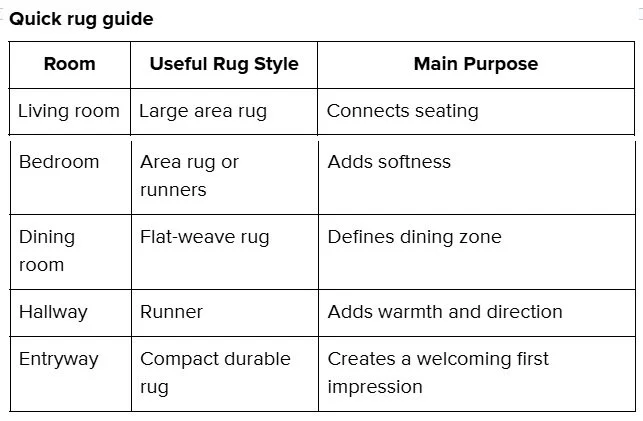
Neutral colors are often easier to work with during staging because they complement a wider range of furniture and wall colors.
Plants Add Something Rooms Cannot Fake
A room filled with furniture can still feel lifeless. Plants bring texture, height, and a natural element that can soften hard surfaces.
You do not need a jungle. One tall plant beside a sofa, a small plant on a shelf, or a simple arrangement near a bright window can be enough.
Real plants are attractive when they are healthy maintained. Artificial plants can also work when quality live plants are impractical. Avoid dusty, faded, or obviously cheap-looking faux greenery because it can have the opposite effect.
Think about scale as well. A tiny plant can disappear in a large living room, while a massive plant can overwhelm a small corner.
Soft Details Can Change a Buyer’s First Impression
Mirrors, rugs, and plants work even better when paired with a few other inexpensive touches.
Fresh towels can make a bathroom feel cleaner and more polished. Cushions can add texture to a plain sofa. A simple throw blanket can make a bedroom or living room feel more comfortable. Curtains can soften windows and give rooms a more finished appearance.
These additions do not need to reflect your personal decorating style. The goal is to create a clean, comfortable setting where buyers can imagine their own belongings.
Try this five-minute test
Stand at the doorway of each room and ask:
What do I notice first?
Does the room feel balanced?
Is there an obvious focal point?
Does anything look unnecessarily empty?
Would a buyer know how to use this space?
Those questions can reveal staging problems that are easy to overlook when you see the property every day.
Warmth Does Not Mean Clutter
There is a fine line between cozy and crowded. Adding too many rugs, plants, mirrors, cushions, and decorative pieces can make a listing look smaller and less organized.
Keep walking paths clear. Leave enough open space around furniture. Group decorative items instead of spreading small objects across every surface.
A staged home should feel lived-in enough to be welcoming while remaining clean enough for buyers to focus on the property.
Match Every Addition to Its Surroundings
A successful staging piece should look like it belongs in the room.
For example, a large rustic mirror may work beautifully in a home with wood accents and natural textures. A simple framed mirror may suit a modern interior better. A woven rug can complement neutral furniture, while a patterned rug can add interest to an otherwise plain space.
Plants should also suit the amount of available light. There is little point placing a sun-loving plant in a dark corner where it will quickly deteriorate.
The same principle applies to color. You do not need to match everything perfectly. A consistent palette can make separate rooms feel connected.
Small Spending, Noticeable Difference
You do not need to spend thousands of dollars to make a listing feel warmer. Start with the rooms buyers are most likely to notice: the entryway, living room, kitchen, primary bedroom, and main bathroom.
A simple mirror can brighten a wall. A properly sized rug can anchor furniture. A healthy plant can bring life to an empty corner. Together, these small changes can make a property feel more complete.
Before buying anything new, look around your home first. You may already have useful pieces stored in another room, waiting for a better spot.
A Few Things Sellers Ask Before Staging
Can mirrors make a house look bigger?
Mirrors can create an impression of greater depth and reflect natural or artificial light. Placement is important, since a mirror reflecting an attractive view or bright window can have more impact than one facing a cluttered area.
Are rugs necessary when staging a home?
They are not required, though rugs can make large or vacant rooms feel more defined and comfortable. Choose sizes that work with the furniture and leave clear walking paths.
Are artificial plants suitable for home staging?
Yes. High-quality artificial plants can add greenery without requiring maintenance. They should look realistic, remain clean, and fit the scale of the room.
What is the cheapest way to make a listing feel warmer?
Start with what you already own. Rearranging furniture, improving lighting, adding clean textiles, decluttering surfaces, and moving existing mirrors or plants can create a noticeable difference without a major shopping trip.
Give Empty Rooms a Reason to Feel Inviting
A cold listing does not always need expensive furniture or a dramatic makeover. Sometimes, the difference comes from a few simple visual cues that tell buyers a room can feel comfortable and useful.
Use mirrors to play with light and space. Use rugs to define areas and soften hard floors. Use plants to add life and texture. Keep everything balanced, clean, and intentional.
When buyers can walk into a room and immediately picture themselves using it, even small staging choices can have a much bigger effect than their price tag suggests.

5 Simple Home Upgrades That Make Your Space Safer Without Changing Its Look
Some upgrades work behind the scenes. They don’t stand out, but they help make a place feel steady and safe. Many people want their space to stay calm and look clean. They don’t want big changes, just simple fixes that help life move more easily. Small risks, like a slippery step or a loose rug, can create stress or cause injury over time.
We partnered with a home improvement company for this post. The opinions in the post are honest. All reviews and opinions expressed in this post are based on our personal views. We are excited because we know you will love it.
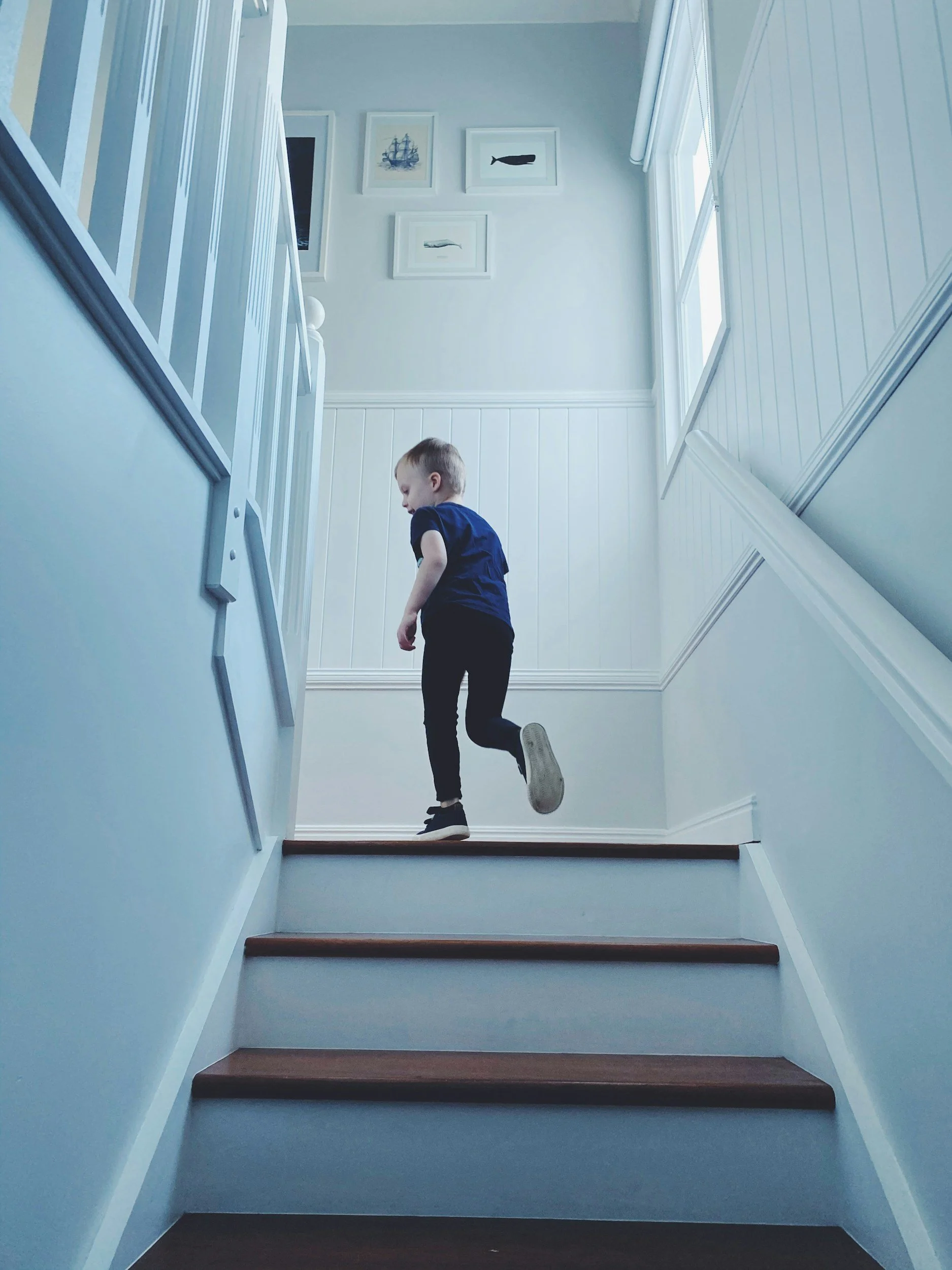
Some upgrades work behind the scenes. They don’t stand out, but they help make a place feel steady and safe. Many people want their space to stay calm and look clean. They don’t want big changes, just simple fixes that help life move more easily. Small risks, like a slippery step or a loose rug, can create stress or cause injury over time.
The good news is that small changes can lower those risks without changing how a space looks. These ideas are easy to use and don’t need major work. If you’ve been looking for ways to feel more secure at home while keeping your space just the way you like it, this list offers helpful tips to get started.
1. Anti-Slip Stair Strips for Outside Steps
Outdoor stairs can get slick when it rains or snows. One way to fix this is by adding thin treads made from strong plastic. These strips screw in and stay in place. They are simple to put on and come in neutral colors. That means they work with almost any outdoor look. They also hold up well in all weather.
To get the same benefit at your place, you can buy anti slip treads for stairs online and install them yourself with just a screwdriver. These treads help lower the chance of falls without drawing attention. They are great for families with kids, pets, or older adults who may need a little more support on steps.
2. Motion Lights for Night Use
Getting up at night to use the bathroom or check something in the kitchen can lead to stubbed toes or missed steps. A soft light that turns on by motion can fix that. These lights plug into the wall and work without touching any switches. The light turns on when someone walks by and turns off on its own.
They are gentle on the eyes and work well in halls or near bedrooms. These types of lights don’t clash with furniture or paint colors because they are small and plain. You can place them where light is needed most. These lights help prevent trips and keep the space feeling safe during late hours.
3. Keep Rugs from Sliding
Loose rugs are easy to trip on. But you don’t have to remove them. Rug pads or small grips under the corners can help keep them flat. These tools stay hidden but do the job. They hold the rug in place, even on smooth floors.
This is a simple fix for rooms where rugs are part of the design. You still get the soft feel underfoot, but without the risk of sliding. This small step helps everyone in the home, especially kids who run around or anyone who moves fast from room to room. It adds comfort and safety without changing the look of your floors.
4. Support Bars That Look Clean
In some spaces, like bathrooms, extra help can go a long way. A support bar near the shower gives people something steady to hold when they need it. Older versions were often bulky or looked like medical equipment, which didn’t fit well in home settings.
Now, you can find options that match modern bathroom designs. These bars are slim, simple, and come in neutral shades. They work well for anyone who needs balance or is recovering from an injury. Because they blend in and don’t take up much space, they keep the room looking clean while quietly adding comfort and safety.
5. Entry Mats That Stay in Place
Front doors are often where dirt and water come in. A mat with a non-slip bottom helps keep mess outside and also keeps people from slipping. Some mats move around, which creates new problems. Mats that stay flat and hold still are better for safety.
Many mats look good and have a strong grip underneath. Some are made from natural fibers, while others feel soft and dry quickly. Choose one that fits your space and stays put. A good mat helps stop water from making the floor slick and lowers the chance of falls, especially during rainy weather.
Conclusion
Small updates can make a big difference. They help reduce risk without changing how your home feels or looks. Each tip in this list offers a quiet way to improve safety. These ideas are simple, useful, and fit well into any routine. You don’t need to make big changes to get peace of mind. Just focus on areas where small problems might show up. When handled early, those problems don’t grow into bigger ones. Try one or two of these updates and see how they help.

Effective Solutions for Removing Pet Stains from Delicate Rugs
Pets bring joy, comfort, and companionship—but they can also be a challenge when it comes to keeping your home clean. One of the most common struggles for pet owners is dealing with accidents on rugs, especially those made from delicate or high-end materials. While some stains may appear harmless on the surface, they can seep into the fibers and backing, causing long-term damage, persistent odors, and even health concerns.

Pets bring joy, comfort, and companionship—but they can also be a challenge when it comes to keeping your home clean. One of the most common struggles for pet owners is dealing with accidents on rugs, especially those made from delicate or high-end materials. While some stains may appear harmless on the surface, they can seep into the fibers and backing, causing long-term damage, persistent odors, and even health concerns.
Fortunately, with the right care—and the support of a professional rug pet stain removal service—it's possible to restore your rug to its former condition. Whether you're dealing with a recent accident or lingering smells from past issues, understanding the best approach is essential to maintaining your rug’s beauty and longevity.
Why Pet Stains Are So Problematic
Pet urine and vomit contain acids and enzymes that can break down natural fibers like wool, silk, and cotton. If not treated quickly and correctly, these biological compounds can:
Discolor dyes, especially in handmade or vintage rugs
Weaken fibers, leading to premature wear or fraying
Create persistent odors that are difficult to mask
Encourage mold and bacteria growth beneath the surface
Unlike food or drink spills, pet-related stains often soak deep into the rug's base and pad, making them harder to remove without professional intervention.
What to Do Immediately After an Accident
Time is of the essence when dealing with fresh stains. The quicker you act, the better your chances of minimizing long-term damage. Follow these steps:
Blot the area immediately with paper towels or a clean cloth—never rub.
Apply cold water (not hot, which can set the stain), and blot again.
Avoid using standard carpet cleaners, especially those with bleach or ammonia, which may damage delicate fibers or interact negatively with pet enzymes.
Contact a professional if the stain persists or if you're unsure how to safely treat the material.
Even if the stain appears to be gone, invisible residues can remain behind, eventually causing odor or fiber degradation.
Why DIY Isn't Always Enough
While it’s tempting to handle stains yourself, particularly with products marketed for pet messes, most DIY solutions don’t penetrate deep enough into the rug’s foundation to fully eliminate the issue. Over-the-counter sprays might mask the odor temporarily, but they often leave behind residues that attract dirt or even make future stains more likely.
In some cases, these products can cause dye bleeding or fabric distortion, especially on high-end rugs. That’s why enlisting a professional rug pet stain removal service is the safest and most effective choice.
What Professional Pet Stain Removal Involves
Specialized rug cleaners don’t just treat the visible surface—they take a deep, scientific approach to restoration. Here’s what a typical process may include:
Pre-treatment inspection to assess fiber type, dye stability, and the extent of the damage
Enzymatic soaking to break down organic compounds and neutralize odors
Deep cleaning and rinsing to extract all contaminants from the fibers and backing
Odor neutralization using non-toxic, fabric-safe solutions
Controlled drying to prevent mold growth or shrinkage
This comprehensive process not only removes the stain but also helps preserve the rug’s structure, color, and texture.
Specialized Care for Delicate Rugs
Antique, hand-knotted, or fine wool rugs require an even more cautious approach. Professionals with experience in textile care will use pH-balanced solutions and manual cleaning techniques to avoid harming fragile dyes or fibers.
Certain rug types, like those made with natural vegetable dyes, are particularly vulnerable to aggressive cleaning agents. A trained technician understands these risks and uses gentler alternatives, ensuring the rug’s character and craftsmanship are preserved.
Dealing With Set-In Stains and Odors
Sometimes, pet accidents go unnoticed until they’ve dried or left behind a persistent smell. These set-in issues are more challenging but still treatable. Deep odor treatment may involve full submersion cleaning or multiple cycles of enzymatic flushing.
A key advantage of professional services is access to high-powered extraction equipment and specialized odor-neutralizing solutions that reach far below the surface—something most household tools can’t achieve.
Preventing Future Incidents
Prevention is the best long-term strategy. Here are a few tips to protect your rugs:
Use washable rug pads to add a barrier between the rug and the floor
Train pets to stay off specific rugs or areas, if possible
Clean up accidents immediately to avoid staining
Schedule regular professional cleanings, even when stains aren’t visible, to maintain freshness and hygiene
You may also consider treating rugs with a fabric protector to make future cleanup easier. Many professional services offer this as an optional add-on.
Preserving What Matters Most
Your rugs are more than just furnishings—they’re a reflection of your home’s personality and your personal investment in quality. When pets are part of the family, occasional messes are inevitable. But with the right response and expert help, those moments don’t have to lead to permanent damage.
A trusted rug specialist can restore your rug, remove deep stains, and help you avoid recurring issues. Most importantly, they can help you continue enjoying life with your pets—without sacrificing the cleanliness or charm of your living space.

Top Reasons Oriental Rugs Elevate Luxurious Spaces
Interior design enthusiasts know that true luxury lies in the details. Among these details, few elements can transform a space as effortlessly as an Oriental rug. These timeless pieces do more than just cover floors; they embody art, history, and culture. This post explores compelling reasons why Oriental rugs are the ultimate addition to any luxurious interior.
Interior design enthusiasts know that true luxury lies in the details. Among these details, few elements can transform a space as effortlessly as an Oriental rug. These timeless pieces do more than just cover floors; they embody art, history, and culture. This post explores compelling reasons why Oriental rugs are the ultimate addition to any luxurious interior.
The Rich History Behind Oriental Rugs
Understanding the history of Oriental rugs unveils a tapestry of tradition and artistry. Originating from regions with ancient civilizations, these rugs have a legacy that spans centuries. Each rug tells a story through its intricate patterns and colors, reflecting the cultural heritage of its makers. For interior design enthusiasts, incorporating such storied pieces into a space means adding layers of depth and narrative.
The tradition of Oriental rug-making involves techniques passed down through generations. Master weavers dedicate countless hours to crafting designs that are both aesthetically pleasing and deeply symbolic. This dedication to craftsmanship ensures that each rug is not just a floor covering but a cherished work of art. By choosing an Oriental rug, one embraces a piece of history, elevating the sophistication of any room.
Unparalleled Craftsmanship and Quality
When it comes to quality, Oriental rugs stand in a league of their own. Handmade using the finest materials, these rugs boast durability that can last generations. The craftsmanship involved ensures that each rug withstands the test of time, maintaining its beauty and function. Interior designers appreciate this longevity, knowing that a well-chosen rug becomes a lasting investment in luxury.
Unlike mass-produced carpets, Oriental rugs are crafted with meticulous attention to detail. Each knot and thread is placed with precision, resulting in a dense, resilient weave. This level of craftsmanship not only enhances the rug's durability but also its texture and appearance. The result is a plush, inviting surface that adds comfort and elegance to any space.
The use of natural dyes further distinguishes Oriental rugs. These dyes not only impart vibrant colors but also age gracefully over time. The hues deepen and mellow, creating a patina that exudes warmth and character. This natural aging process contributes to the rug’s uniqueness, making it a dynamic element in a luxurious setting.
Versatility in Design and Decor
Oriental rugs offer unparalleled versatility, capable of complementing a myriad of design styles. Whether your space is traditional, modern, or eclectic, there’s an Oriental rug that will enhance its aesthetic. The diverse patterns and colors mean these rugs can either serve as a focal point or blend seamlessly with existing decor.
For those who favor a minimalist style, a single bold-patterned rug can add a pop of color and interest. In contrast, a muted design can harmonize with a room’s palette, providing subtle sophistication. This adaptability makes Oriental rugs a favorite among interior design enthusiasts looking to balance contrast and cohesion.
Layering is another trend where Oriental rugs excel. Pairing them with other textiles and textures creates a rich, tactile environment. This layering not only adds depth but also personalizes the space, reflecting the owner’s taste and style. With Oriental rugs, the possibilities for creating a unique and luxurious atmosphere are endless.
Enhancing Acoustics and Comfort
Beyond aesthetics, Oriental rugs provide practical benefits like enhancing a room’s acoustics. Their thick, dense weave absorbs sound, reducing echo and creating a more intimate and serene environment. This quality is particularly valuable in open-plan spaces where controlling noise levels can be challenging.
In addition to improving acoustics, Oriental rugs offer a layer of comfort underfoot. Their softness and warmth invite relaxation, making any room feel more welcoming. This comfort enhances the overall luxury of a space, encouraging occupants to linger and enjoy the ambiance.
These rugs also have insulating properties, helping to maintain room temperature. In colder months, they retain heat, adding coziness to tiled or hardwood floors. This practical advantage complements their aesthetic appeal, further solidifying their place in luxurious interiors.
A Symbol of Status and Prestige
Owning an Oriental rug is often seen as a symbol of status and prestige. These rugs have long been associated with wealth and refinement, gracing the homes of royalty and dignitaries. Incorporating an Oriental rug into a space signals an appreciation for art and culture, elevating the perceived value of the interior.
The exclusivity of Oriental rugs adds to their allure. Each piece is unique, made by skilled artisans who imbue the work with cultural significance. This rarity and individuality make owning an Oriental rug a statement of discerning taste.
For interior design enthusiasts, introducing an Oriental rug into a home is about more than aesthetics. It's about creating an environment that reflects sophistication and a deep appreciation for craftsmanship and history. These rugs become part of a legacy, cherished and admired for generations.
Bringing It All Together
Oriental rugs offer a blend of beauty, history, and practicality that few other decor items can match. They transform spaces into luxurious havens, rich with character and charm. From their rich history and unparalleled craftsmanship to their versatility and comfort, Oriental rugs remain a timeless choice for those seeking to elevate their interiors.
For interior design enthusiasts looking to make a sophisticated statement, investing in an Oriental rug from a trusted company like Williams Carpet Center is a step towards creating a truly luxurious space. Explore the myriad possibilities these rugs offer and discover how they can enhance your living environment. Whether you're drawn by their aesthetic or their story, Oriental rugs promise to enrich your home with elegance and grace.