

A resource for those seeking information on organizing and transforming spaces.
Gun Safes Aren’t Just for Firearms — Benefits Most Owners Overloo
Gun safes are commonly associated with firearm storage, but modern designs support much broader use. Current models regularly protect passports, property records, external hard drives, and jewelry in one controlled space. Features such as adjustable shelving, interior materials, and humidity control directly affect how well sensitive items remain intact, readable, and accessible over long periods.
We partnered with a home improvement company for this post. The opinions in the post are honest. All reviews and opinions expressed in this post are based on our personal views. We are excited because we know you will love it.
Gun safes are commonly associated with firearm storage, but modern designs support much broader use. Current models regularly protect passports, property records, external hard drives, and jewelry in one controlled space. Features such as adjustable shelving, interior materials, and humidity control directly affect how well sensitive items remain intact, readable, and accessible over long periods.
Using a single safe for multiple valuables simplifies household security and reduces reliance on scattered storage locations. Fire exposure, moisture buildup, and unauthorized access create overlapping risks that benefit from centralized protection. Choosing the right size, placement, locking method, and interior configuration allows one safe to handle varied assets efficiently while staying practical for everyday access.
Multi-Asset Security Beyond Firearms
Adjustable shelving and compartments let owners separate passports, titles, and electronics from hardware that can scratch or trap moisture. Many gun safes for sale now include removable trays and dividers that prevent metal edges from contacting paper, while small desiccant packs reduce humidity risk inside sealed storage. Organizing contents by item type and access frequency cuts search time and removes the need for extra drawers or off-site boxes.
Labeling shelves and storing originals in protective sleeves speeds retrieval while preserving condition. Anchoring heavier sections near the floor lowers tipping risk and keeps delicate records away from tool-grade gear. Planning internal zones based on access frequency keeps the safe practical, organized, and easy to maintain over time.
Fire Ratings Applied to Real Loss Prevention
Label fire times such as 90 minutes at 1200°F appear on many safe spec sheets. Those test numbers are measured under controlled conditions and often omit heat transfer from steam or nearby burning materials.
Choose a rating that aligns with typical emergency response times in your area and add small fire-resistant pouches for papers and drives to reduce heat and steam damage. For example, a 60-90 minute rating paired with pouches often keeps documents readable after a structure fire. Exterior wall positions, basements, and garages expose a safe differently than interior closets. Add insulation around the unit and choose a location that limits exposure during local fires.
Physical Theft Resistance Through Delay
Heavy safes bolted into a concrete slab make removal impractical without power tools and teamwork, which makes intrusion take longer. Robust lock types such as high-security mechanical or UL-rated electronic locks limit common attack methods and slow forced-entry attempts. Wider bolts and reinforced hinge plates add measurable delay that deters opportunistic thieves.
Placing the unit against interior walls or inside closets reduces visibility from windows and street-level sight lines. Anchoring into reinforced framing prevents lifting, and connecting the safe to a monitored alarm shortens response windows. Pair placement with a visible deterrent such as security film on nearby windows to make attempts less practical.
Controlled Access for Shared Households
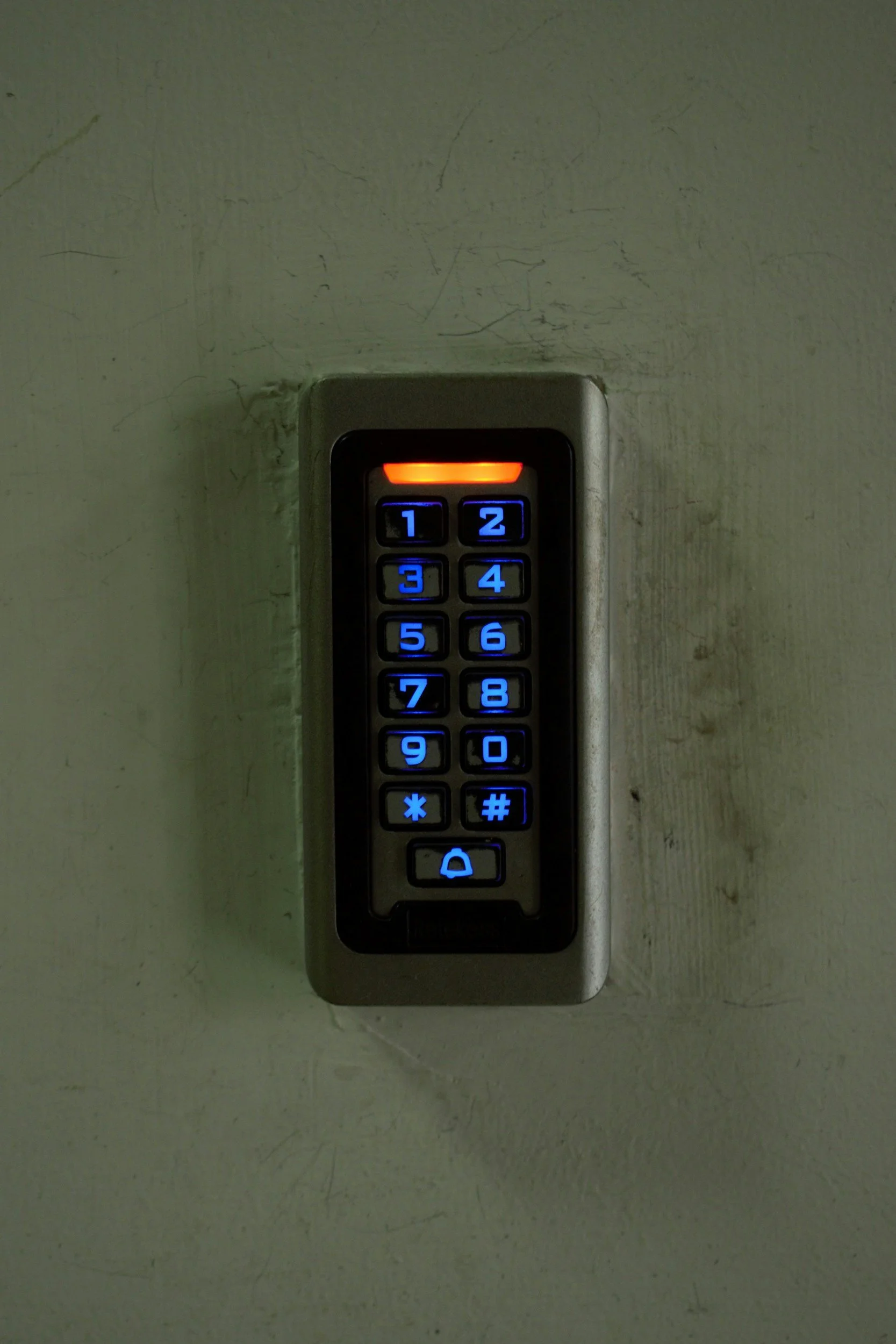
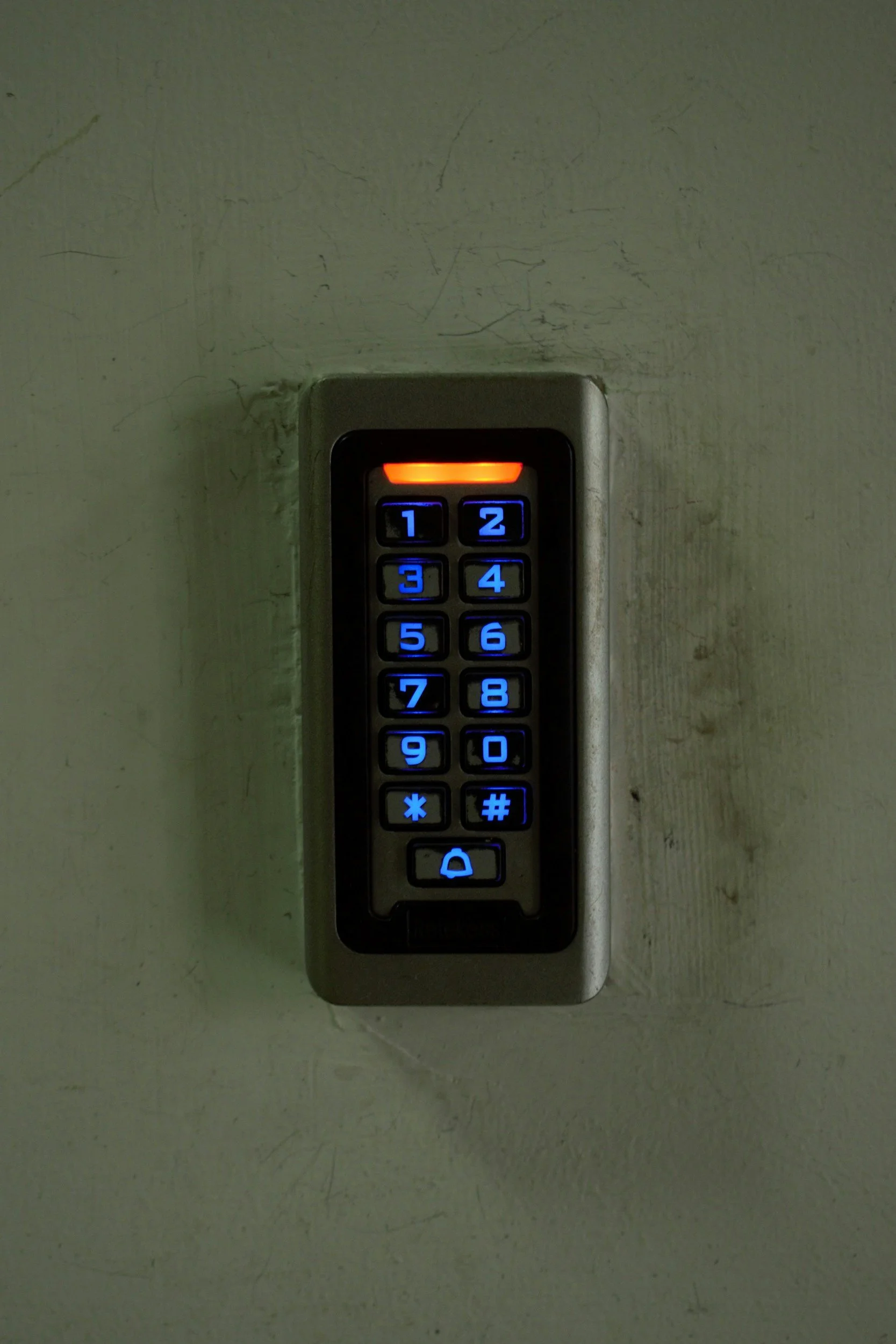
A keypad or biometric reader lets each adult use a personal code or fingerprint to open the safe. Use per-user credentials instead of a single shared combination so access can be revoked or tracked without changing mechanical locks, and give tiered permissions when needed so some users only reach specific internal zones.
Treat code assignment as part of household policy and record who has access, change codes when people leave, and use audit logs where available to verify access. Check batteries seasonally, keep a sealed backup key, and schedule quarterly code reviews as part of routine home maintenance, and document any access changes.
Ongoing Value From One-Time Investment
Long-term value improves when a safe supports reconfiguration without replacement. Modular interiors with adjustable shelves, removable trays, and accessory panels allow storage to shift as priorities change. Dedicated document sleeves, media drawers, and jewelry inserts protect mixed materials while keeping frequently used items accessible. Integrated humidity systems and space for rechargeable desiccants support stable conditions for paper and electronics.
Administrative planning reinforces durability and resale value. Keeping a dated inventory, purchase receipt, and serial numbers inside the unit supports insurance claims and ownership verification. For instance, recording added shelves, upgraded locks, or interior kits allows insurers to assess coverage accurately and helps future buyers evaluate condition. This approach preserves usability and financial value over time.
A well-planned safe setup supports far more than basic storage when key features are chosen intentionally. Appropriate fire ratings, secure anchoring, and dependable lock systems help limit loss from heat, moisture, and unauthorized access. Interior organization, modular shelving, and humidity management protect documents, electronics, and valuables while keeping retrieval simple. Clear access rules and routine code reviews maintain control in shared households. With periodic inventory updates and small interior adjustments, one properly selected unit continues to adapt as needs change, delivering consistent protection, better organization, and long-term value from a single investment.
How to Feel Safer—and Actually Relax—at Home
Let’s be honest: home is supposed to be your safe place. It’s where you can drop your bag at the door, kick off your shoes, and let out that deep sigh you’ve been holding all day. But sometimes, especially in our wild world lately, even home can feel a little unsettled. Maybe the news has you on edge, or maybe your neighborhood’s gotten busier, or you’re just plain tired of that jittery feeling in the back of your mind.
We partnered with a home improvement company for this post. The opinions in the post are honest. All reviews and opinions expressed in this post are based on our personal views. We are excited because we know you will love it.
Let’s be honest: home is supposed to be your safe place. It’s where you can drop your bag at the door, kick off your shoes, and let out that deep sigh you’ve been holding all day. But sometimes, especially in our wild world lately, even home can feel a little unsettled. Maybe the news has you on edge, or maybe your neighborhood’s gotten busier, or you’re just plain tired of that jittery feeling in the back of your mind.
Been there, and you’re not alone. The good news? You don’t have to live with that low-key worry buzzing around all the time. Here are some genuinely doable ways to bring back that feeling of comfort, security, and peace, no matter where you call home.
Start With the Basics—Locks, Lights, and Good Old Common Sense
Before you start looking at high-tech solutions, just give your basics a quick check. Are your doors sturdy? Windows latch well? It’s simple, but you’d be shocked how many people (me included, guilty as charged) forget to lock the back door some nights. A quick walk-through every now and then, especially before bedtime, really does help you sleep easier.
Grab some motion-sensor lights for outside, or just switch the bulbs by your porch and back steps for brighter ones. Most folks would rather skip sneaking around a well-lit yard, and that’s the whole point.
Boundaries Matter—Literally and Emotionally
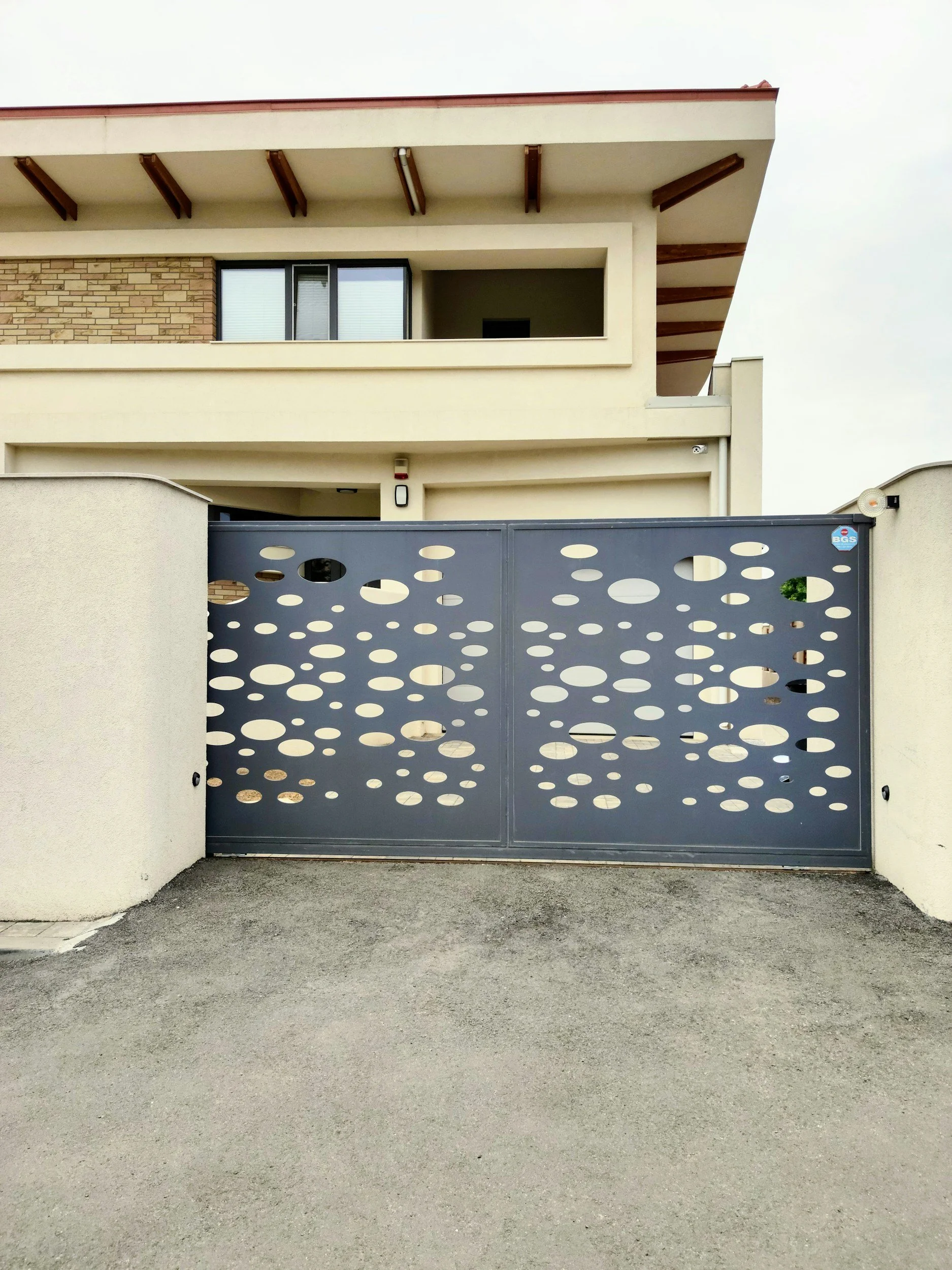
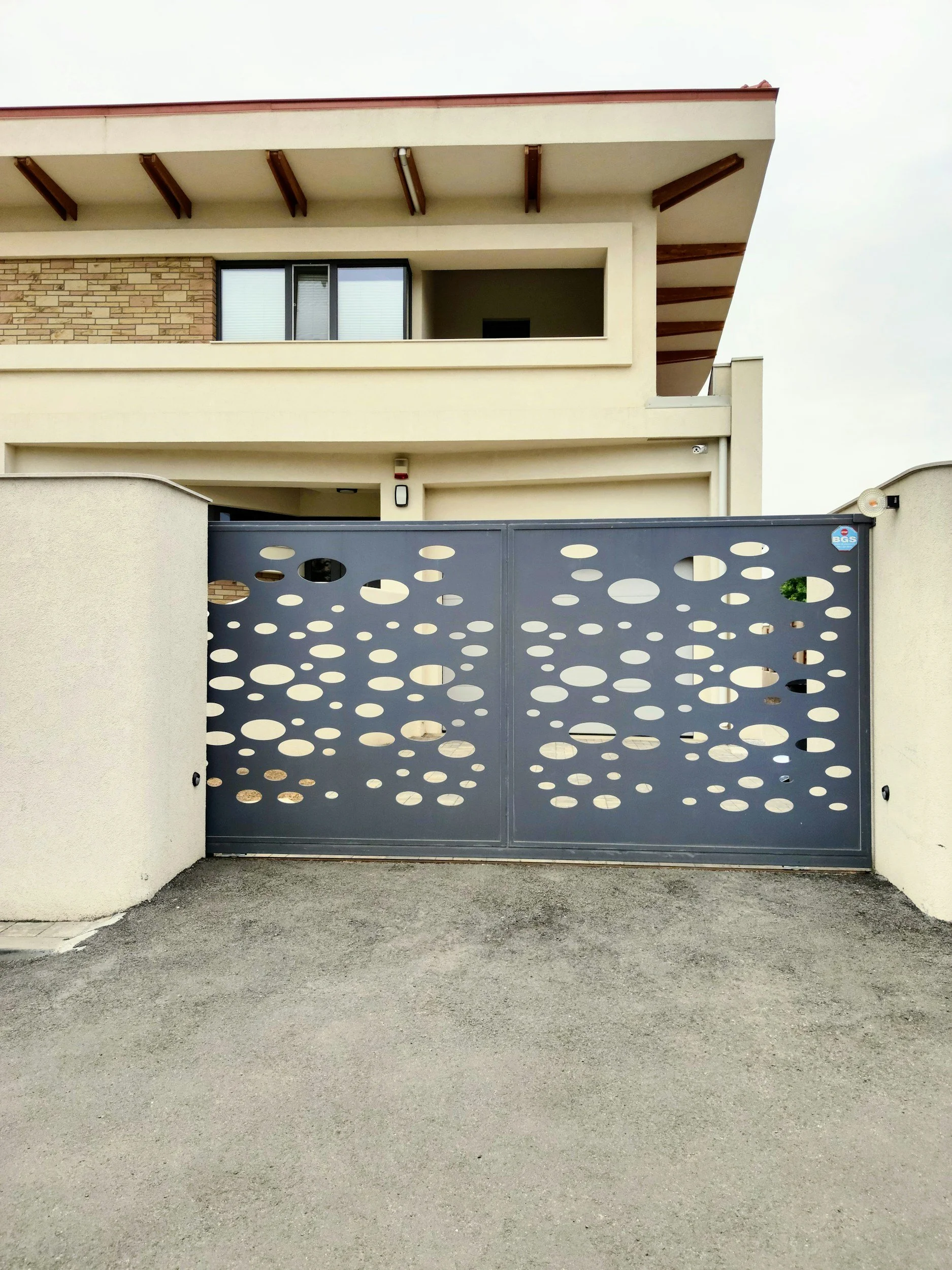
Okay, hear me out—there’s something about a fence or a gate that just makes your space feel more yours. Even in apartments or townhomes, having a little boundary, like a plant screen on your patio or a small privacy fence, changes the energy. If you’ve got a yard, consider a home gate installation to create a true sense of separation from the street. I know a family down the road who added a decorative iron gate—and not only did it boost their curb appeal, but it also made them feel way more tucked-in and relaxed.
Get Smarter With Tech (But Don’t Overcomplicate It)
Not everyone wants to turn their living room into Mission Impossible, but a simple security camera or a video doorbell adds big peace of mind. Most of these gadgets are easy to set up—no IT degree required. Watching that package from your phone or checking who’s at the door before opening up is a game-changer, especially if you live alone or work late.
And hey, don’t forget your Wi-Fi password! Keeping your network secure stops a whole other world of worries.
Create a Peaceful Vibe Inside
Once you feel protected on the outside, focus on what actually brings calm inside those walls. For me, soft lamps, comfy throws, and a playlist of whatever I’m into (sometimes it’s spa music, sometimes it’s Taylor Swift—no judgment) help shift my brain out of “what if?” mode.
Plants, scents, and even a tidy space can nudge you toward peace. Maybe it’s lighting a candle at night, or opening windows on a breezy afternoon. Little rituals matter.
Find Your Safe People and Use Your Community
Safety isn’t just cameras and locks—sometimes, it’s knowing your neighbors or having a group chat with the people next door. Just a quick “Hey, can you grab my package?” or “Did you notice anything weird last night?” makes everyone a little more aware and a lot more connected.
Remember, none of this is about living scared. It’s about doing a few thoughtful things so you get back to actually loving your home—a place where you can relax, laugh, and finally, finally breathe easy.

Why Smarter Storage Locks Are Becoming the Industry Standard
As the self storage industry continues to grow at a record pace, so too do customer expectations. Renters are no longer satisfied with the bare minimum when it comes to security and accessibility—they want efficiency, autonomy, and confidence that their belongings are protected 24/7.
We partnered with a home improvement company for this post. The opinions in the post are honest. All reviews and opinions expressed in this post are based on our personal views. We are excited because we know you will love it.

As the self storage industry continues to grow at a record pace, so too do customer expectations. Renters are no longer satisfied with the bare minimum when it comes to security and accessibility—they want efficiency, autonomy, and confidence that their belongings are protected 24/7.
This shift in expectations is driving a major upgrade across facilities: the adoption of smart locks. More than just a convenience, a smart lock for storage facilities is rapidly becoming the new standard, redefining what it means to offer a secure and user-friendly experience.
From Mechanical Locks to Intelligent Access
Traditional padlocks and keys have served the industry well for decades, but their limitations are increasingly apparent in today's fast-paced, digitally connected world. Physical keys can be lost, copied, or forgotten. Lockouts often require manual intervention. And tracking access—especially in a multi-unit environment—is nearly impossible without supporting technology.
Enter the smart lock: a digital, app-enabled solution that brings access control into the modern era. These locks use Bluetooth, Wi-Fi, or cloud-based systems to offer renters and operators alike a safer, smarter, and more streamlined way to manage entry.
What Makes a Smart Lock Truly “Smart”?
Not all smart locks are created equal. The best solutions offer a full suite of features designed for both convenience and control:
App-based Access: Tenants can unlock their units with a smartphone—no keys or keypads required.
Access Logs: Every entry is time-stamped and tracked, giving operators full visibility into who accessed what and when.
Remote Permissions: Facility managers can instantly grant or revoke access without being on-site.
Integration with Facility Software: Smart locks work with payment and rental systems, enabling automatic lockouts for overdue accounts and reactivations once payment is made.
This tight integration is what turns a smart lock from a cool feature into a core part of a facility's daily operations.
Security That Builds Trust
Renters choose self storage for peace of mind. Whether they’re storing personal valuables, business inventory, or family heirlooms, they want to know their items are safe. A smart lock offers more than just physical protection—it adds layers of digital accountability.
Features like tamper alerts, unauthorized access notifications, and real-time monitoring help prevent theft and address issues before they escalate. For tenants, that peace of mind is priceless. For facility owners, it’s a powerful selling point that can justify premium pricing and build long-term customer loyalty.
Creating a Frictionless Rental Experience
One of the greatest advantages of smart locks is the frictionless experience they offer to both new and returning customers. With a smart lock for storage facilities, a renter can reserve a unit online, receive immediate digital credentials, and access their space—all without ever speaking to a staff member.
This convenience is especially important for busy professionals, weekend movers, and those relocating who need flexibility around the clock. It also reduces the need for large on-site teams, allowing facilities to operate efficiently with leaner staffing models.
Operational Benefits for Facility Owners
While the tenant experience gets most of the attention, smart locks also unlock serious benefits for operators. Here’s how:
Reduced Labor Costs: Fewer manual lock changes, fewer lockouts, and less time spent handling keys.
Improved Turnaround: Units can be vacated and reassigned within minutes, speeding up the rental cycle.
Remote Management: Operators can oversee multiple locations from a central dashboard.
Data-Driven Insights: Understand usage patterns, peak access times, and tenant behaviors to better tailor services.
Over time, these efficiencies add up to real savings—and greater scalability for operators looking to expand.
Standing Out in a Crowded Market
As new facilities enter the market and older ones upgrade, competition in the self storage space is heating up. Standing out requires more than clean units and good marketing. Customers are now comparing features, reading reviews, and evaluating digital amenities.
Smart locks signal that a facility is modern, secure, and committed to offering top-tier service. They’re also a tangible differentiator in an industry where many competitors still rely on outdated infrastructure.
Adapting to Changing Demands
The COVID-19 pandemic accelerated the adoption of contactless solutions across all industries, and self storage was no exception. While the urgency may have subsided, the demand for minimal-contact, digitally accessible services remains strong.
Smart locks provide a permanent solution that meets this demand—not as a temporary fix, but as a long-term strategy. Whether it’s reducing face-to-face interactions or enabling flexible access, they help future-proof a facility against changing expectations and potential disruptions.
More Than a Lock: A Long-Term Investment
It’s easy to view smart locks as a trendy upgrade, but in reality, they’re a foundational investment. Their impact touches every part of a storage business—from customer experience to staff workflow to facility valuation.
With rising customer demands, smarter competitors, and the push toward automation, facilities that adopt smart access now will be better positioned for growth and success in the years ahead.

5 Home Protection Measures That Work While You Sleep
A peaceful night’s sleep starts with knowing your home is safe and secure. Unpredictable events like break-ins, fire threats, and environmental hazards can disrupt that tranquility. Protecting your home while you sleep isn’t just about securing belongings; it ensures the safety of your loved ones and preserves peace of mind.
A peaceful night’s sleep starts with knowing your home is safe and secure. Unpredictable events like break-ins, fire threats, and environmental hazards can disrupt that tranquility. Protecting your home while you sleep isn’t just about securing belongings; it ensures the safety of your loved ones and preserves peace of mind.
In this article, we’ll explore five imperative measures that will keep your home protected during the night, providing solutions that homeowners and families can easily adopt. Let’s dive into them!
Install a Reliable Home Security System
A comprehensive home security system is one of the most effective ways to protect your home overnight. These systems are designed to deter intruders by monitoring entry points and alerting you or the authorities when a breach occurs. Motion sensors, cameras, and alarm systems form the core of most setups, ensuring immediate notification of unusual activity.
Home security systems today, like those from Premier Sound Security & Automation, can integrate with other home automation tools, allowing you to arm or disarm the system, check live feeds, or even set daily security schedules from your smartphone. Current models also include advanced features like facial recognition and emergency response coordination. Investing in a robust system not only safeguards against potential threats but also provides a strong sense of security.
Secure All Entry Points Before Bedtime
Doors and windows are the most common access points for intruders, which makes them a priority when implementing home protection measures. High-quality locks and reinforced doors are essential. Upgrading to deadbolts or smart locks adds an extra layer of safety. Smart locks, in particular, allow you to track activity around access points and even receive alerts if someone attempts to tamper with them.
Don’t overlook your windows. Window locks, security bars, and shatterproof glass can make them far more resistant to break-ins. Another effective option is installing window sensors that trigger an alert if forced entry is detected. Taking the time to secure these critical entry points is a simple yet powerful way to boost security while you rest.
Use Outdoor Lighting and Motion Sensors
Dark spaces surrounding your home can be inviting to potential intruders. Outdoor lighting enhances security by illuminating these areas and removing hiding spots. Motion-activated lights are particularly useful. When movement is detected, the sudden brightness deters prowlers and prompts attention from nearby neighbors or passersby.
Consider installing lights around key areas such as doorways, driveways, garages, and the backyard. Pairing your outdoor lighting system with advanced motion sensors ensures that your property remains well-monitored throughout the night. Modern options also enable remote control and energy-efficient scheduling, making them a practical and sustainable solution for home safety.
Invest in a Wildfire Defense System for Added Safety
If you live in areas prone to wildfires, taking preventive measures is critical. Wildfires can spread rapidly, posing a significant threat to homes, especially during dry seasons. Wildfire defense solutions are specifically designed to protect your property by creating fire-resistant barriers. These systems often include sprinklers, heat sensors, and flame-retardant sprays to help mitigate the risks.
Wildfire defense systems, such as those provided by Sun FireDefense, offer robust solutions to shield your home from fire hazards. There are innovative equipment options that provide protection even in high-risk regions, ensuring peace of mind while you sleep. Proactive measures like these safeguard your family and reduce potential property damage from natural disasters.
Set Up an Emergency Alert and Response Plan
Emergencies often strike without warning, making preparation crucial for safety. An emergency alert system can keep you informed if potential dangers arise during the night, such as fire alarms, carbon monoxide detectors, or flood sensors. These devices are essential and act as the first line of defense, giving you critical time to respond.
Equally important is having a well-thought-out response plan. Discuss exit routes and emergency procedures with your family, ensuring that everyone knows what to do in case of danger. Keeping essential items like flashlights and first aid kits nearby can also make a big difference during a crisis. Combining alert systems with a clear action plan provides a practical way to handle potential risks efficiently.
Home protection while you sleep is about being proactive, prepared, and invested in the safety of your surroundings. Advances in technology and strategic planning make it easier to keep your family and valuables secure throughout the night.
Whether through a state-of-the-art home security system or specialized wildfire defense measures, implementing these steps ensures peace of mind. Begin by exploring reliable options and take that first step toward a safer, sounder night!