

A resource for those seeking information on organizing and transforming spaces.
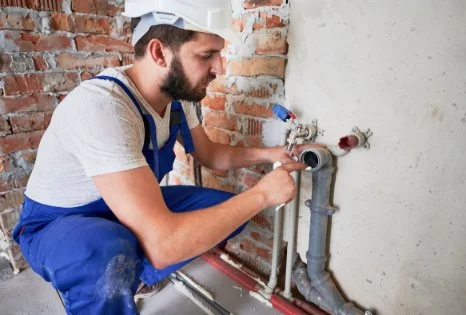
What Homeowners Need to Know About Sewer System Replacement
A functioning sewer system is one of the most critical components of any home, quietly carrying wastewater away from your living spaces every single day. When this system fails, the consequences extend far beyond inconvenience—sewer line problems can cause extensive property damage, create serious health hazards, and lead to expensive emergency repairs. Understanding the warning signs, replacement options, and what to expect during the process empowers homeowners to make informed decisions before a minor issue becomes a catastrophic failure.
A functioning sewer system is one of the most critical components of any home, quietly carrying wastewater away from your living spaces every single day. When this system fails, the consequences extend far beyond inconvenience—sewer line problems can cause extensive property damage, create serious health hazards, and lead to expensive emergency repairs. Understanding the warning signs, replacement options, and what to expect during the process empowers homeowners to make informed decisions before a minor issue becomes a catastrophic failure.
Understanding the Role of Your Sewer System
Your sewer line is the underground pipeline that transports all wastewater from your home to either the municipal sewer system or your septic tank. Older homes often have sewer lines made from materials like clay, cast iron, or Orangeburg pipe. These are materials that can deteriorate over time. Modern installations use durable PVC or ABS plastic designed for longevity. Unfortunately, even the best systems aren't immune to problems. Age, shifting soil conditions, and invasive tree roots are common culprits in sewer line failures, necessitating replacement after decades of service.
Signs Your Sewer System May Need Replacement
Several warning signs indicate your home’s sewer line is failing. Frequent drain clogs or slow drains throughout multiple areas of your home suggest a main line blockage. Sewage backups in bathtubs, toilets, or floor drains are serious red flags requiring immediate attention. Foul sewage odors inside or around your property signal breaks or leaks in the line. Notice unusually lush, soggy patches in your yard? This often indicates wastewater is leaking underground. Gurgling sounds from your pipes when water drains also point to ventilation or blockage issues. When these problems recur despite repairs, more serious structural damage is likely the cause.
Common Causes of Sewer Line Failure
Tree roots are one of the biggest threats to sewer lines. Seeking out moisture and nutrients, roots can penetrate tiny cracks and then expand, eventually crushing or completely blocking pipes. Older metal sewer lines face a different enemy: corrosion. Over time, the material breaks down from the inside out, creating holes and weak spots that eventually fail.
The ground itself can also cause problems. Shifting soil from natural settling, earthquakes, or nearby construction can crack pipes or push them out of proper alignment. Sometimes the issue is simply age—clay and cast iron pipes were built to last, but even they wear out after 50 to 100 years of constant use. In some cases, the original installation was flawed, with improper grading or outdated methods that led to premature failure regardless of the materials used.
From Inspection Through Completion: What to Expect
The process starts with a licensed plumber using a camera to inspect your home’s sewer line from inside. This video inspection reveals cracks, blockages, and root damage, helping determine whether you need spot repairs or full replacement. Your plumber will factor in pipe depth, length, accessibility, and permit requirements when providing your estimate.
Most replacements take one to five days. Contractors protect your property with plywood pathways and carefully preserve your landscaping where possible. They follow safety protocols like properly shoring trenches and marking underground utilities.
After installing the new line, contractors test the entire system with pressure tests and camera inspections to ensure everything works perfectly before restoring your yard.
Traditional vs. Trenchless
Homeowners typically choose between two replacement methods. Traditional excavation involves digging a trench along the entire sewer line path to remove and replace the damaged pipe. While this provides complete visibility and allows total pipe replacement, it's disruptive, time-consuming, and more expensive due to extensive landscaping restoration afterward.
Trenchless methods like pipe bursting or pipe lining offer modern alternatives. These techniques require minimal digging—usually just small access points—and can be completed much faster with significantly less landscape damage. However, trenchless solutions aren't suitable for every situation, particularly when pipes have completely collapsed or are severely misaligned. Your plumber will assess your specific circumstances to recommend the most appropriate method.
Preparing for a Sewer Line Replacement
Before work begins, clear access routes to your yard or basement. Understand local permit requirements, as most municipalities require inspections and approvals for sewer work. Discuss detailed timelines and expectations with your contractor upfront. Plan for temporary disruptions to water use during critical phases of installation, and arrange alternative bathroom facilities if necessary.
Long-Term Benefits of Replacing Your Sewer System
A new sewer line dramatically improves plumbing performance, eliminating chronic clogs and slow drains. It increases your home's value and provides buyer confidence during future sales. Most importantly, replacement reduces the risk of devastating sewage backups and emergency repairs that often occur at the worst possible times. You'll enjoy peace of mind knowing your system meets modern standards and will reliably serve your household for decades.
Addressing sewer issues at the first sign of trouble prevents small problems from escalating into expensive disasters. Schedule a professional inspection with companies like Duvall Plumbing Co - Tulsa when you notice warning signs. A properly replaced sewer system is an investment that protects your home, safeguards your family's health, and preserves your property's long-term value.
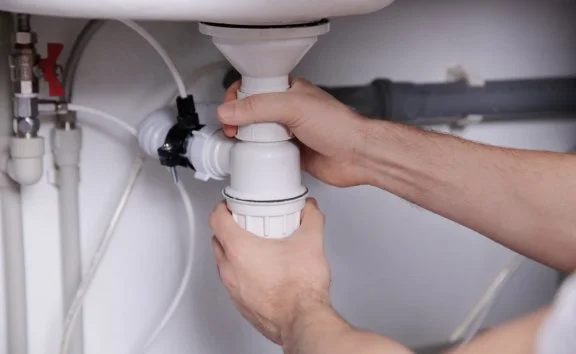
Call a Pro for These 5 Plumbing Fixes
Taking on home repair projects yourself can be a great way to save money while enjoying the satisfaction of improving your space. With the abundance of DIY tutorials online, it can feel tempting to tackle even challenging repairs on your own. However, there are certain cases where it's best to leave the tools to the professionals, and plumbing is a prime example. While some minor fixes may be manageable, attempting complex replacements without the right expertise can lead to significant damage, create safety hazards, and result in costly repairs down the line. When it comes to the following plumbing tasks, calling an expert is the safest, most efficient solution to protect your home and family.
Taking on home repair projects yourself can be a great way to save money while enjoying the satisfaction of improving your space. With the abundance of DIY tutorials online, it can feel tempting to tackle even challenging repairs on your own. However, there are certain cases where it's best to leave the tools to the professionals, and plumbing is a prime example. While some minor fixes may be manageable, attempting complex replacements without the right expertise can lead to significant damage, create safety hazards, and result in costly repairs down the line. When it comes to the following plumbing tasks, calling an expert is the safest, most efficient solution to protect your home and family.
Water Heater Replacement
At a glance, replacing a water heater can look like a manageable task, but this is one job that can quickly spiral into dangerous territory if mishandled. Improper installation can result in serious problems, such as water leaks, electrical failures, or even carbon monoxide poisoning—hazards that could jeopardize both your home and your loved ones. Water heaters involve a mix of gas, electricity, and pressurized systems, which makes careful installation critical.
Licensed plumbers, such as those at Quality Plumbing, ensure that all connections, whether gas or electric, meet local building codes and are installed with complete safety in mind. They also obtain the necessary permits and test the system after installation to confirm everything is working correctly. This isn’t just about efficiency; it’s about providing you with the peace of mind that your water heater is running smoothly and safely, with no hidden risks of future breakdowns or hazards.
Pipe Replacement
Replacing pipes sounds simple on the surface—cut out the damaged pipe and replace it with a new one. But in reality, this task requires detailed planning, precise calculations, and advanced technical skills. It involves selecting the correct materials based on water pressure, temperature, and compatibility, not to mention techniques like soldering, threading, or properly sealing the connections. For DIY enthusiasts lacking this experience, mistakes can easily lead to ongoing leaks, weakened connections, or even burst pipes, all of which can result in expensive water damage and repeated repairs.
Professional plumbers don’t just quickly swap out pipes—they investigate the root causes of the issue, whether it’s corrosion, freezing, shifting foundations, or natural wear. By accurately diagnosing the problem and applying the right solutions, they ensure that the fix is durable and prevents further inconveniences. Hiring a pro not only saves you money over time but also spares you the frustration of recurring plumbing problems.
Sewer Line Replacement
Few plumbing issues are as daunting or complex as replacing a sewer line. This job doesn’t just involve removing old pipes, it often requires specialized machinery like trenchers, pipe-bursting systems, and video inspection cameras. Mistakes here can have serious consequences, including contamination of your water supply, damage to surrounding property, or even environmental hazards.
A licensed plumber is trained to handle a sewer repair job with precision and care. Whether they’re navigating excavation work or safely disposing of old pipes, they adhere to strict regulations to avoid fines or structural damage. Plumbing professionals also have the tools needed to minimize disruption to your yard and ensure the new sewer line functions flawlessly for years to come. Taking this on yourself without access to the right equipment and expertise simply isn’t worth the risk.
Toilet Replacement
Swapping out a toilet might seem like one of the more straightforward plumbing projects, but even here, poor installation can lead to significant headaches. A poorly installed toilet can cause water leaks around the base, rocking or unstable fixtures, and hidden water damage to floors and subfloors—issues that are not only frustrating but expensive to repair.
A professional plumber ensures that the toilet is properly aligned with the drain, securely anchored to prevent movement, and sealed with a quality wax ring to avoid leaks. They will also test plumbing connections to ensure everything flows as it should. While replacing a toilet might seem like a simple DIY task, even small mistakes in alignment or sealing can lead to wasted water and unnecessary repair bills. Trusting a licensed plumber ensures the job is done right the first time.
Gas Line Replacement
Among all plumbing-related tasks, gas line work is perhaps the riskiest as they’re a serious safety concern due to the flammable and volatile nature of the material. Replacing or repairing gas lines without proper tools and expertise can lead to leaks, explosions, or even carbon monoxide poisoning. Mishaps here can have dire consequences not just for your home, but for your neighbors as well.
Licensed plumbers are specially trained to handle gas line repairs and installations with the highest safety precautions. They use advanced tools and follow stringent protocols to ensure every connection is secure and compliant with regulations. Whether updating aging gas lines or installing new ones, professionals provide the reassurance that your system is both safe and efficient while keeping your home in line with local codes.
Hiring a trusted plumber goes far beyond simply fixing the immediate issue, it provides peace of mind that the work is done safely, professionally, and designed to last. Plumbing repairs often involve complex systems, where even a small mistake can lead to costly damages, recurring problems, or safety hazards like leaks and property damage. Attempting these tasks on your own, without the right knowledge or tools, puts both your home and your well-being at risk. By choosing a skilled plumber, you avoid the stress of trial-and-error fixes, costly future repairs, and potential safety issues.

5 Differences of Septic Pumping in the Winter Over the Summer
Managing a septic system effectively requires attention all year round, but the winter months often bring unique challenges that differ from those encountered during warmer seasons. As temperatures drop, issues such as frozen ground, accessibility obstacles, and diminished bacterial activity can complicate routine maintenance. In understanding these seasonal differences, homeowners can better prepare and mitigate potential complications. This blog post delves into the distinct aspects of septic pumping during winter compared to summer, offering insights into how to address these conditions through preparation and professional collaboration.
Managing a septic system effectively requires attention all year round, but the winter months often bring unique challenges that differ from those encountered during warmer seasons. As temperatures drop, issues such as frozen ground, accessibility obstacles, and diminished bacterial activity can complicate routine maintenance. In understanding these seasonal differences, homeowners can better prepare and mitigate potential complications. This blog post delves into the distinct aspects of septic pumping during winter compared to summer, offering insights into how to address these conditions through preparation and professional collaboration.
Frozen Ground and Temperature
During the winter, the frozen ground can create challenges for septic pumping services. Colder temperatures can cause the ground to harden, making it more difficult to access septic tanks buried beneath the surface. This requires specialized equipment that can penetrate the frozen ground, which is often beyond the capacity of standard service tools used in warmer months. Additionally, the cold can sometimes impact the fluidity of the waste materials within the tank, potentially complicating the pumping process. It is important to understand these challenges and the necessity for experienced professionals who have the right equipment to manage such conditions effectively.
Challenges Due to Snow and Ice
Snow and ice accumulation can significantly affect the accessibility of septic systems during winter months. Driveways and paths to septic tank locations may become obstructed, requiring additional effort to clear pathways for service vehicles and personnel. Ice can also form over access points, necessitating careful handling to avoid damage during the uncovering process. This is where the expertise of a professional is invaluable, as they have the experience to safely navigate icy and snow-covered environments to execute the task efficiently. Thus, planning becomes important in the wake of these seasonal access challenges.
Treatment Additives and Their Winter Behavior
Septic systems employ various biological additives to maintain bacterial balance, which is essential for effective waste breakdown. However, cold weather can slow bacterial activity, potentially leading to ineffective treatment levels within the system. Professional septic service providers understand these impacts and may recommend specific winter-specific additives or adjustments to maintain optimal system performance. These adjustments are based on thoroughly understanding how temperature variations influence biological processes. Therefore, a professional’s insight is crucial in ensuring that the septic system continues to operate without interruption throughout the colder months.
Scheduling and Operational Delays
Winter conditions often lead to operational delays in septic pumping services due to unforeseen weather events and shorter daylight hours. Heavy snowfall, icy conditions, and stormy weather can all contribute to the rescheduling of services, which can be inconvenient if routine maintenance is needed. Professionals, like those at Walters Environmental Services, are typically equipped with contingency plans to address these disruptions, allowing them to reschedule efficiently and minimize inconvenience. Having awareness of potential delays can help you manage expectations and communicate effectively with service providers, ensuring that necessary septic services are completed on time.
Insulation and System Protection
Insulation of septic systems becomes particularly significant during winter, helping to prevent the freezing of pipes and the system itself. Many homeowners are unaware of the additional measures needed to protect their systems from low temperatures. Professionals are knowledgeable about various insulation techniques and materials that can be employed to safeguard septic systems during the cold season. Their expertise ensures that all protective measures are applied correctly, preventing damage or operational issues that can arise from freezing temperatures. Engaging professionals offers peace of mind and ensures the septic system's longevity and efficiency.
Successfully managing septic pumping during the winter months involves understanding and addressing the unique challenges posed by the season. Winter preparedness is key to effective septic system maintenance, from navigating frozen grounds and snowy landscapes to implementing weather-specific additives and insulation techniques. Partnering with professionals ensures that your system receives the care it needs, regardless of the weather. By planning ahead and staying informed, homeowners can help ensure their septic systems continue to function smoothly all year round. With thoughtful preparation and expert assistance, winter doesn't have to disrupt the essential operations of your septic system.

Why Regular Crawl Space Sewage Maintenance is Essential for Homeowners
For homeowners, crawl space maintenance is often an overlooked task, yet it plays a crucial role in maintaining a healthy and safe environment. Beneath the surface of many homes lies a crawl space, a narrow area that can house essential components like sewage systems. Neglecting this area can lead to a range of issues, making routine maintenance not just a wise choice, but a necessary one.
Understanding the Basics of Crawl Space Sewage
For homeowners, crawl space maintenance is often an overlooked task, yet it plays a crucial role in maintaining a healthy and safe environment. Beneath the surface of many homes lies a crawl space, a narrow area that can house essential components like sewage systems. Neglecting this area can lead to a range of issues, making routine maintenance not just a wise choice, but a necessary one.
Protecting Property Value with Routine Care
Regular maintenance of the crawl space and its components, particularly the sewage system, directly impacts the value of your property. Homes with well-maintained systems tend to retain their value better compared to those with neglected infrastructures. This proactive approach not only protects your investment but can also enhance the saleability of your home, should you decide to sell.
Enhancing Home Safety through Proper Sewage Management
Safety is a primary concern for any homeowner. A well-maintained sewage system in the crawl space reduces the risk of leaks and contamination, which can lead to hazardous living conditions. By ensuring that the sewage system is regularly checked and serviced, homeowners can protect their families from potential health risks associated with sewage exposure.
Improving Air Quality with Adequate Sewage Maintenance
The air quality within a home can be significantly affected by the condition of the crawl space. Sewage leaks or malfunctions can introduce unpleasant odors and harmful gases into the living environment. Routine maintenance helps prevent these issues, contributing to cleaner, healthier air inside the home. This improvement in air quality is beneficial not just for comfort, but also for the health of the home's occupants.
Preventing Costly Repairs with Routine Checks
Neglecting crawl space sewage maintenance typically leads to more significant problems down the line, often requiring expensive repairs. Regular inspections and maintenance work can identify potential issues before they escalate, saving homeowners from unexpected financial burdens. Investing in regular maintenance is a cost-effective strategy that ensures long-term savings.
Boosting Energy Efficiency with Regular Maintenance
A properly maintained crawl space sewage system can inadvertently contribute to the overall energy efficiency of a home. Issues like leaks or moisture buildup can affect insulation and heating systems, leading to increased energy consumption. By keeping the sewage system in optimal condition, homeowners can also help reduce energy waste, contributing to lower utility bills.
Ensuring Longevity of Home Infrastructure
The longevity of a home's infrastructure is closely tied to the health of its system components, including the sewage system housed in the crawl space. Routine maintenance ensures that each part functions correctly, supporting the overall durability of the home. This longevity protects both the home's structural integrity and the homeowner's peace of mind.
Creating a Healthier Living Environment
A functional and well-maintained sewage system is integral to promoting a healthier living environment. It prevents the spread of bacteria and other pathogens that can flourish in compromised sewage systems. By investing in regular maintenance, homeowners can ensure that their living space remains safe and sanitary for all inhabitants.
Sustaining Home Comfort with Regular Care
Comfort in the home is heavily dependent on the seamless operation of all its systems. Routine sewage maintenance plays a vital role in sustaining this comfort by preventing disruptions that can arise from system failures. This proactive care allows homeowners to enjoy a consistently comfortable living environment without worry.
Supporting Environmental Responsibility
Maintaining the sewage system is not just about personal benefit; it also reflects a commitment to environmental responsibility. Proper maintenance minimizes the risk of sewage leaks that can harm local ecosystems. By ensuring that their systems are running smoothly, homeowners contribute to broader environmental protection efforts.
Facilitating Peace of Mind for Homeowners
Finally, regular crawl space sewage maintenance offers homeowners peace of mind. Knowing that one's home is protected against potential hazards and costly repairs brings a sense of security that is invaluable. This assurance allows homeowners to focus on enjoying their home rather than worrying about what might go wrong next.
Final Thoughts
Routine crawl space sewage maintenance is not merely a helpful suggestion—it's an essential practice for homeowners aiming to protect their property, ensure safety, and promote a healthy living environment. By committing to regular inspections and upkeep, homeowners benefit from improved air quality, reduced costs, and enhanced property value. For those looking to further explore ways to maintain their home's health and efficiency, consulting with professionals from trusted companies specializing in crawl space sewage cleanup like KSA Restore, or joining homeowner maintenance networks is highly recommended.