

A resource for those seeking information on organizing and transforming spaces.
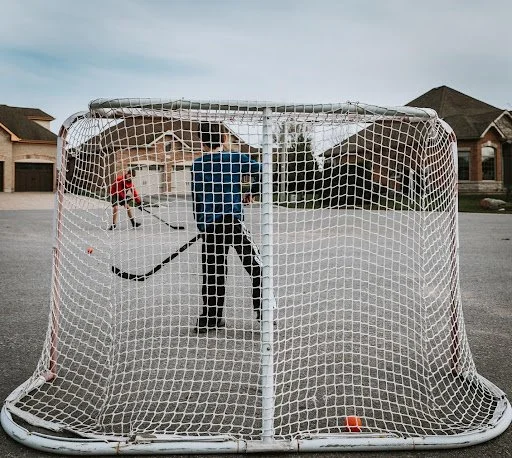
From Rink To Rack: A Smarter Way To Organize Hockey Gear At Home
Hockey equipment has a reputation for being bulky, damp, and difficult to manage. Without a clear system, gear piles up in garages, mudrooms, or bedrooms, creating clutter and lingering odors. A thoughtful organization approach protects equipment, saves time, and keeps shared living spaces functional. With the right storage choices, hockey gear can fit cleanly into a well-run home.
Hockey equipment has a reputation for being bulky, damp, and difficult to manage. Without a clear system, gear piles up in garages, mudrooms, or bedrooms, creating clutter and lingering odors. A thoughtful organization approach protects equipment, saves time, and keeps shared living spaces functional. With the right storage choices, hockey gear can fit cleanly into a well-run home.
Assessing Space and Traffic Flow
Effective organization starts with selecting the right location. Garages, basements, and mudrooms are common options because they provide separation from living areas and allow for airflow. The space should support easy drop-off after practice and quick access on game days. Wall clearance, ceiling height, and proximity to doors all influence how gear can be stored without blocking movement through the area.
Storage Solutions for Bulky Gear
Hockey equipment benefits from vertical storage. Wall-mounted hooks, pegboards, and shelving units keep items off the floor and visible. Helmets, shoulder pads, and gloves dry more evenly when air can circulate them. For smaller items like tape or skate guards, labeled bins or drawer systems reduce searching and prevent loss. Long items such as hockey sticks can be stored upright in narrow racks or secured horizontally along a wall to avoid warping.
Drying and Ventilation Considerations
Moisture control is critical for maintaining equipment condition and minimizing odor. Open shelving and wire racks allow gear to dry naturally. Dedicated drying racks or boot dryers can speed up the process for skates and gloves. If the storage area lacks natural ventilation, a small fan or dehumidifier can make a noticeable difference in air quality and equipment longevity.
Organization for Shared Households
In homes with multiple players, clear organization prevents confusion. Assigning individual zones or color-coded hooks helps each person manage their own gear. Consistent placement encourages habits that keep the system working long term. When equipment has a designated home, cleanup becomes routine rather than a recurring chore.
A well-organized hockey gear setup supports both the sport and the household. By planning storage around space, airflow, and daily routines, families can keep equipment ready for the rink while maintaining order at home. To learn more about hockey equipment, look over the accompanying resource.


Organizing Team Gear: How To Keep Group Uniforms, Pom Poms, And Accessories Tidy
Being part of a team is an important part of healthy development for kids. Studies show that participating in groups such as cheerleading, competitive sports, and clubs helps kids learn to better interact with peers, experience both wins and losses, work out differences, and more. But these fun and healthy activities present some fairly serious organizational challenges for parents and coaches who keep team gear at home.

Being part of a team is an important part of healthy development for kids. Studies show that participating in groups such as cheerleading, competitive sports, and clubs helps kids learn to better interact with peers, experience both wins and losses, work out differences, and more. But these fun and healthy activities present some fairly serious organizational challenges for parents and coaches who keep team gear at home.
Between items such as uniforms, shoes, hair and makeup accessories, and cheer poms, it’s important to get a handle on it so things don’t — literally — start piling up! When you learn to successfully corral everything, you’ll be able to happily take advantage of extra gear and cheer uniforms for sale without worrying about where you’ll store it all once you get home.
Start With a Defined Drop Zone
Choose one space in the house where all team gear will live. That might be a spot near the entryway, a corner of a bedroom, or a section of the laundry room. Keep it small and clearly defined. Use a basket for each child, a set of labeled hooks, or even a cube organizer with bins. Once that zone is in place, it becomes the go-to spot for uniforms, practice clothes, and accessories — no more gear drifting across every room.
Use Clear Storage and Simple Labels
Uniforms and cheer gear tend to include small parts that are easy to lose: bows, socks, hair ties, safety pins. Use clear plastic bins or drawers so you can see what’s inside without digging. Create broad categories such as “Uniform Pieces,” “Shoes,” or “Extras,” and label each one. The goal is quick access and low effort, especially for those many times when you’re heading out the door and don’t have time to hunt for the right socks.
Make Hanging Space Work Harder
Uniforms stay in better shape, and less wrinkly, when hung up, and that also keeps them out of piles. If you’re tight on closet space, consider a hanging rack behind a door or a tension rod in an unused nook. Assign a hanger for each event type (practice, competition, or game day) and keep those outfits laundered, rotated, and ready.
Make a “Go Bag”
Scrambling should take place on the sports field, not in the kitchen. Get your team player their own large “go bag” and stock it with event-day essentials. This would be all the things that your busy child goes looking for at the last minute. Think extra hair ties, safety pins, snacks, and backup uniforms, cheer poms, socks, mouth guards, etc. For extra points, take it a step further and print a checklist and tuck it inside the bag’s front pocket. After each event, restock what’s missing. This small step prevents last-minute rushing.
Reset Weekly to Avoid Pileups
At the end of each week, take 10 minutes to reset the system. Toss dirty items in the wash, put everything back in its labeled place, and clear out any items that snuck into the wrong bin. A weekly reset is more manageable than waiting for the clutter to take over. If kids are old enough, involve them in the process. They’ll be more likely to stick with the system if they help maintain it.
Rotate Seasonally
Once the season wraps up, pack away the gear in a labeled bin. Include everything from uniforms to bows so you’re not digging through offseason items when the next activity starts. Store the bin somewhere accessible, like a closet shelf or under a bed. When the next season begins, you’ll know exactly where to find what you need and what still fits.
A Little Structure Saves a Lot of Stress
Organizing team gear doesn’t require fancy containers or a full closet makeover. It just needs a simple structure that everyone in the household can follow. When uniforms have a place, accessories are easy to grab, and bags are prepped in advance, daily routines run smoother and faster, relieving stress and the need to try and save time getting there in the car or racing onto the field.
Not only will your home feel more organized, but your child will feel more confident heading into practices and events knowing exactly where everything is and that they have all their essentials on hand. And that’s a win for your team!
AUTHOR BIO: Jennifer Cronin is Vice President of Cheerleading Company, Inc., a Dallas-based manufacturer and retailer of custom cheerleading and dance uniforms, apparel, and accessories. With more than 25 years of tenure, Cronin oversees all facets of the company with a customer-centric approach.
Sources:
https://www.varsity.com/news/benefits-of-cheer/
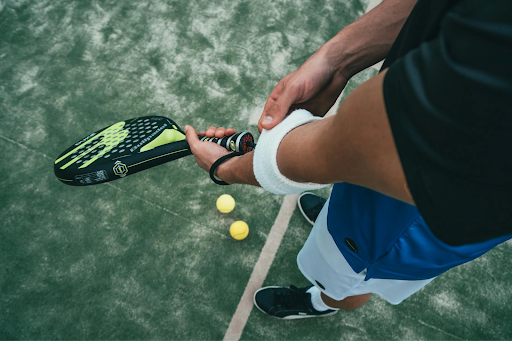
How To Organize A Pickleball Paddle Collection In Your Home
In the past year, I have purchased between 25 and 50 pickleball paddles, but I am getting to the point where I either need to optimize to hide this now “large” equipment or transform my garage showcase the paddles.
In the past year, I have purchased between 25 and 50 pickleball paddles, but I am getting to the point where I either need to optimize to hide this now “large” equipment or transform my garage showcase the paddles.
So, let’s go through how you may also organize your rapidly growing pickleball paddle collection.
And just for your own reference, I decided to use my garage to organize my pickleball paddle collection.
And, this is still very much a work in progress.
1. Sell Unused Pickleball Paddles
If you can get rid of unused pickleball paddles, you may free up space almost immediately.
For example, while I extensively reviewed the Niupipo pickleball paddle I find that I rarely use the paddle when comparing it to my Vatic Pro 14mm vs 16mm pickleball paddle.
So before you begin organizing, you may consider getting rid of unused pickleball paddles or even cheap pickleball paddles.
2. Use Wall-Mounted Racks
One of the best ways to save space is by using wall-mounted racks. I plan to have a few in my garage and they work wonders.
Vertical Storage: Mount the racks vertically to maximize wall space. This keeps the paddles off the ground and easily accessible.
Easy Access: Wall racks make it simple to grab and go. I don’t have to dig through a pile to find the paddle I need.
Protective Holders: Choose racks with protective holders to avoid scratching the paddles. This keeps them in good conditions.
3. Utilize Pegboards
Pegboards are another great option for organizing. They offer flexibility and efficiency.
Customizable Layout: I love how customizable pegboards are. You can arrange hooks and holders any way you like.
Holds Accessories: Pegboards aren’t just for paddles. You can also hang balls, bags, and other accessories.
Affordable Solution: They’re relatively inexpensive. You can find pegboards at most hardware stores.
4. Install Overhead Storage
If you’re really tight on space, look up! Overhead storage can be a game-changer.
Utilize Ceiling Space: Overhead racks make use of otherwise wasted ceiling space. I plan to install a couple in my garage and it’s made a big difference.
Store Less Frequently Used Items: I can keep my less frequently used paddles and gear up there. It’s a great place for off-season storage.
Safe and Secure: Make sure the racks are securely installed to avoid any accidents.
5. Use Shelving Units
Shelving units are versatile and provide ample storage. They can fit in tight spaces and are very practical.
Compact Design: I found a narrow shelving unit that fits perfectly in my garage. It doesn’t take up much floor space.
Adjustable Shelves: Look for units with adjustable shelves. This allows you to customize the height based on your needs.
Additional Storage Bins: Use bins or baskets on the shelves to keep things organized. Label them for easy identification.
6. Create a Dedicated Storage Corner
Sometimes, a small dedicated corner can make a big difference. Here’s how I set up mine.
Corner Shelves: Install corner shelves to maximize the use of space. They’re perfect for holding paddles and gear.
Hooks and Hangers: Add hooks and hangers for bags and other equipment. This keeps everything off the floor.
Compact Storage Solutions: Use compact storage solutions like stackable bins. They’re great for keeping smaller items organized.
7. Keep It Tidy with a Storage Bench
A storage bench is a dual-purpose solution. It offers seating and storage in one.
Multifunctional: You may consider a storage bench. It’s a great place to sit and change shoes, and it holds my paddles and gear.
Hidden Storage: The hidden storage keeps everything out of sight and makes the garage look tidier.
Easy to Access: It’s easy to open and access my paddles. Plus, it’s a comfortable spot to rest after a game.
Final Thoughts
Organizing my pickleball paddle collection in my small garage has been doable albeit difficult.
Selling unused pickleball paddles, wall-mounted racks, pegboards, overhead storage, shelving units, a dedicated storage corner, and storage benches are all excellent solutions.
I am hoping that these tips can keep my paddle collection fresh and fun. Hopefully, these tips can help you make the most of your small garage space too.

Guest Post - 8 brilliant sports to try when moving into a new neighborhood
If you’ve just moved into a new neighborhood, it’s easy to feel like an outsider.
Unless you move to be with friends or family, making new contacts can be daunting.
Sport is the best leveller, no matter who you are, if you can share your love for the sport, you will make new friends without even trying.
The other benefits include:
Finding a new sport you love
Becoming fit and socializing
And even boosting your self esteem
Let's have a look at the best sports to try when moving into a new neighborhood.
If you’ve just moved into a new neighborhood, it’s easy to feel like an outsider.
Unless you move to be with friends or family, making new contacts can be daunting.

Sport is the best leveller, no matter who you are, if you can share your love for the sport, you will make new friends without even trying.
The other benefits include:
Finding a new sport you love
Becoming fit and socializing
And even boosting your self esteem
Let's have a look at the best sports to try when moving into a new neighborhood.
Starting off with…
1. Rugby
Rugby is a great team sport, and the post-match activities are even better! Most people think of Rugby as a male-dominated sport; however, there is a women's league, and more importantly, it's popular with kids, especially those with loads of excess energy.
Boys and girls can play touch rugby from 4 years old and at that age, it's just a lot of running around and playing tag, which leaves parents on the touchline to chat with others. Perfect for networking and if you used to play and want to take it up again, there’s always the veteran’s team.
2. Football
Football is an obvious choice, the local club is family orientated and relies on volunteers to help with kids football and associated activities. It’s just a case of signing up to pay the subs, and you’re part of the team.
With women's football featured on the television every week, football as a sport has become more inclusive and this is true of local clubs, after all, without players and spectators, there is no club.
Another sport you can try when moving into a new neighborhood is…
3. Kayaking
The great thing about kayaking is that you can do it in any weather. All you need to do is take to the water and glide. Kayaking clubs up and down the country have been able to continue through the pandemic as they operate exclusively outside.
You even have the option of pairing up or kayaking in three’s or blissfully alone. All you need is a basic premise of what to look out for when kayaking and the right kit. Most clubs will provide the equipment, but it can be great to have your kayak, take to the water and get some much needed time out.
No sea legs? What about a game of tennis?
4. Tennis
Tennis clubs offer a friendly introduction into the neighborhood. Whether your style is more John McEnroe than Rafael Nadal, it doesn’t matter - although shouting at the umpire is not recommended.
You don’t have to join a club to play tennis; tennis is a game you can play in the park, mixed doubles or singles. Kids love tennis, and the court is easy and inexpensive to hire in your local open space.
5. Golf
If you're lucky enough to live near a golf course, you should consider joining. Golf has moved on from the old stereotype male-dominated sports with men only clubhouses.
Ladies golf is more popular than ever according to Golf Digest; women make up 41% of off-course members. While men dominate the professional game and this is likely to continue. Golf is still a great team sport and excellent exercise as the walk to the 18th hole is about six miles give or take a trip to the bunker.
Always fancied yourself in whites? Try cricket.
6. Cricket
Imagine a sunny day and the local cricket club playing on the green. Cricket is fun for those who play and others who just want to watch.
Team sports need team members and cricket clubs are always looking for fresh talent and back up support, people to make tea, run the bar, or just turn up and clap. Cricket is a laid back way to meet new people.
Do you love the Tour de France? If you do, cycling might be for you.
7. Cycling
Cycling clubs have sprung up all over the country, every Sunday without fail lycra-clad individuals can be seen everywhere.
A unique form of exercise, generally the clubs organize themselves into areas, so if you’re new to the neighborhood, this is a great way to meet new people.
If all this team sport is exhausting and you would like to try something sedate, what about fishing?
8. Fishing
Surprisingly fishing is one of the most popular sports after football and kayaking. Considered by non-anglers as more of a pastime than a sport, fishing is something you can do alone or as a group.
Think about the endless opportunities to talk about the one that got away with all your new friends and neighbors in the local pub.
Author Bio:
Alistair is a writer for Kayak Reviewer and is dedicated to educating, informing, and inspiring users online. He's also an SEO Executive at Breakline! You can follow him on Twitter @AlistairKnight3