

A resource for those seeking information on organizing and transforming spaces.
How to Prepare for Tiny Home Living
Preparing for living in a tiny home isn’t just about hyping yourself up to crawl into a loft bedroom. It’s about downsizing your possessions, organizing them effectively, and living simply. It’s also about learning how to keep clutter to a minimum so you can feel comfortable in your new, much smaller home. If you’re getting ready to downsize to tiny home living, these tips may be helpful:
We partnered with a home improvement company for this post. The opinions in the post are honest. All reviews and opinions expressed in this post are based on our personal views. We are excited because we know you will love it.
Preparing for living in a tiny home isn’t just about hyping yourself up to crawl into a loft bedroom. It’s about downsizing your possessions, organizing them effectively, and living simply. It’s also about learning how to keep clutter to a minimum so you can feel comfortable in your new, much smaller home. If you’re getting ready to downsize to tiny home living, these tips may be helpful:
Don’t Rush the Process
Even if it means investing in onsite storage solutions to house your furniture and other possessions short-term or long-term, don’t rush the downsizing process. Giving up things you’re very attached to or that hold fond memories can be difficult, and it may take time to accept selling or donating them. Many people find it helpful to put their possessions in storage, be away from them for a while, and realize they can live comfortably without them.
Adopt the KonMari Method
The KonMari Method is a tidying method created by Japanese organizing consultant, TV presenter, and author, Marie Kondo. It involves choosing items to keep in your home that spark joy and letting everything else go.
Rather than decluttering and organizing room by room, Marie Kondo recommends organizing and tidying by location. Start with clothes, then books, miscellaneous items, and sentimental items.
Digitize and Simplify
One of the most frustrating aspects of downsizing for tiny home living is realizing you have so much stuff you love and use, but not all of it will fit. Books and movies are a great example. You might spend much of your spare time reading books and watching movies, but you don’t have enough room for a large bookcase and shelves for your collections. In that case, digitize and declutter.
Obtain digital copies of your favorite movies to watch anytime you like. You can also download books on a digital book reader, reducing the need for countless physical books.
Invest in Multi-functional Furniture
There are ways to ensure you can bring as many of your belongings as possible into your tiny home. It involves getting clever with furniture and investing in pieces that can serve multiple purposes.
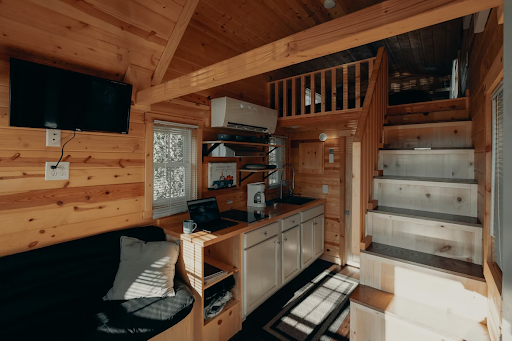
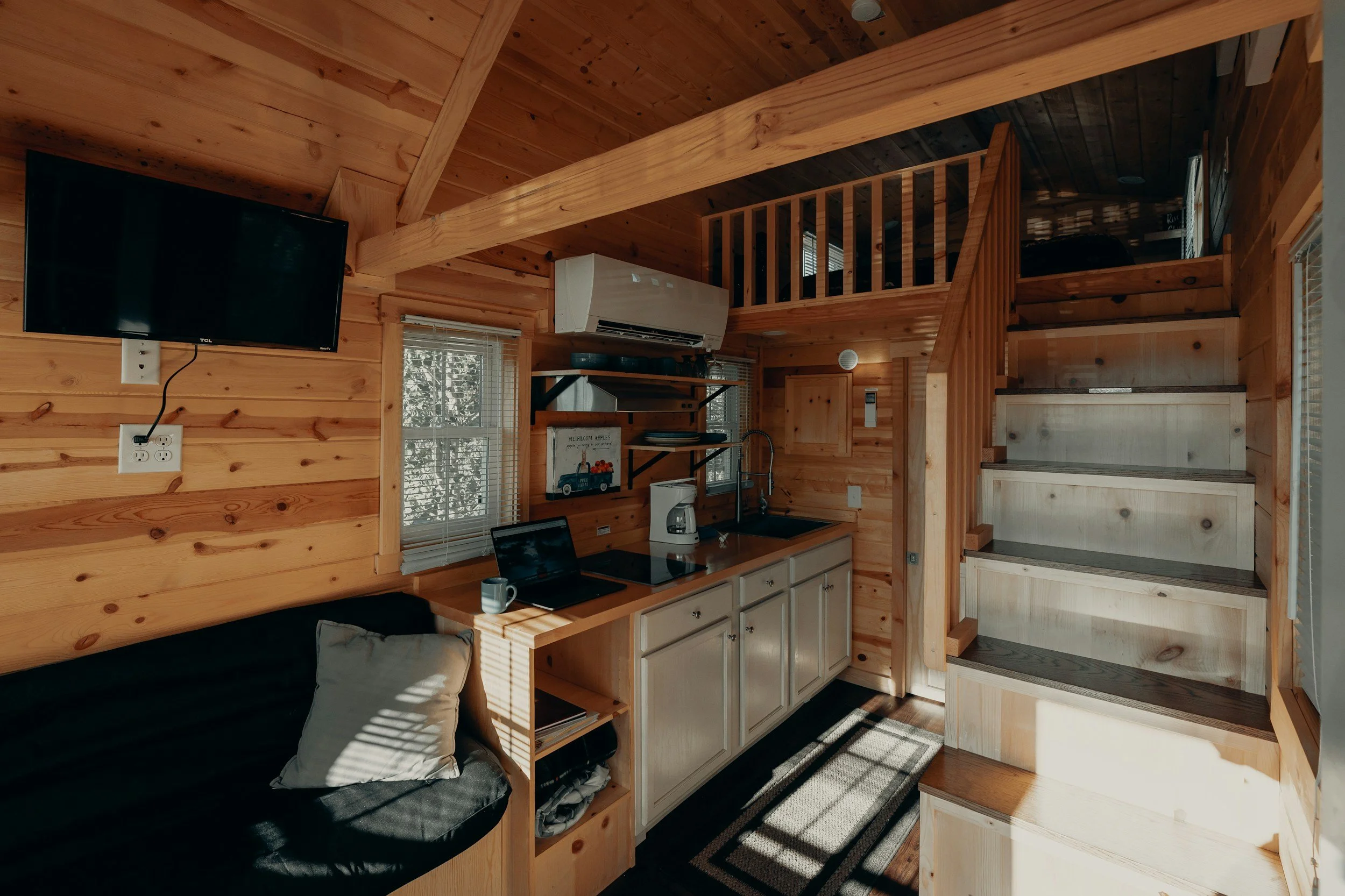
For example, instead of a simple bed base with a mattress, choose one with built-in drawers. Many tiny homes also have sofas built on top of drawers, high shelves, and storage stairs leading to the loft bedrooms. The more innovative furniture you invest in, the more of your valuable possessions you can keep.
Develop Daily and Weekly Routines
Clutter and feeling cramped are two common challenges people face with tiny home living. Even just a few items out of place can become overwhelming in such a small environment.
The average tiny home is only around 37m2, or under 400 square feet. That’s why developing daily and weekly cleaning routines is so important. These routines can involve putting away misplaced items, doing dishes immediately after meals, and making your bed.
You might not be ready for tiny home living yet, but it’s only a matter of time before you are. Start downsizing, decluttering, and investing in multi-functional furniture. Before long, you can be moving into your new tiny home with confidence.

From Cramped to Chic: Unfold the Potential of Your Tiny Abode with Clever Ideas
A tiny abode is like your personalized puzzle. A small space comes with the responsibility to incorporate everything without overwhelming the space with items. For instance, when you return to your house after a long day of work, while going to the kitchen you hit your foot on the leg of the dining table. After you enter the kitchen you have to move the rack near the refrigerator to retrieve a bottle of water. So far, you are physically hurt and frustrated. Therefore, to not encounter any more instances like these you need to evaluate, carefully plan, and design the space to maximize its potential. The experts at Seattle rental property management suggest seamlessly functionally transformed small spaces attract high-paying tenants. If you have a tiny abode that needs transformations and is exploring its untapped potential, we have got you covered. This article will give you ideas on how to reorganize your small space for better functionality.
We partnered with a real estate company for this post. The opinions in the post are honest. All reviews and opinions expressed in this post are based on our personal views. We are excited because we know you will love it.
A tiny abode is like your personalized puzzle. A small space comes with the responsibility to incorporate everything without overwhelming the space with items. For instance, when you return to your house after a long day of work, while going to the kitchen you hit your foot on the leg of the dining table. After you enter the kitchen you have to move the rack near the refrigerator to retrieve a bottle of water. So far, you are physically hurt and frustrated. Therefore, to not encounter any more instances like these you need to evaluate, carefully plan, and design the space to maximize its potential. The experts at Seattle rental property management suggest seamlessly functionally transformed small spaces attract high-paying tenants. If you have a tiny abode that needs transformations and is exploring its untapped potential, we have got you covered. This article will give you ideas on how to reorganize your small space for better functionality.
Ideas to Creatively Reorganize Your Tiny Abode
1. Multi-Purpose Furniture
Organizing a space with limited square footage requires creative solutions that do not waste area. For instance, a sofa that converts into a bed or a dining table that can be folded when not in use. These are a few creative solutions that serve more than one purpose and utilize the same amount of space. The experts in residential property management in Oakland say that houses with spaces that can be re-purposed using furniture attract high-paying buyers. Therefore, investing in multi-purpose furniture can help you switch up your space as and when needed and continue to maintain an uncluttered look.
Did you know?
In July 2024, the median listing price of a house in Oakland, CA, was $699K.
2. Utilize Your Walls with Vertical Storage

When your floor space is maxed out look up. The next thing you know is your answer, to look up and use your walls. Vertical storage solutions like wall-mounted shelves and hanging racks allow you to use walls which are often spaces that are left unused. This will help you store items and declutter your floor space. Not only this, but another benefit of using your walls is that it creates the illusion of a taller and more spacious room, thus balancing both increased storage and well-maintained chicness.
3. Adopt a Minimalist Mindset
The basic step to making any space chic is decluttering. In terms of a small space decluttering also requires keeping things that not only are necessary but also reflect your personality, and style, and elevate your space. Adopting a minimalist mindset will help you in simplifying your choices. Incorporating possessions that mean something to you in the design creates a home that feels comfortable, serene, and uniquely yours. Besides, decluttering can also make your tiny abode feel cleaner and more spacious.
Did you know?
Houses with small spaces that can be transformed and customized attract high-paying tenants. For instance, if you own a 600 sq. ft. one-bedroom apartment in Seattle you can expect a rent of $1,325.
4. Implement Zoning
When you have allotted spaces for particular activities it makes it easier to identify where the items related to the activity should be stored. While in houses with small spaces, you can’t make any constructive separations you can creatively use your furniture or rugs to mark different zones. For instance, you can strategically place your sofa that acts as a divider between the living room and dining area. Implementing zoning makes your space more inviting and seamlessly functional.
5. Incorporate Mirrored and Transparent Element
We all are aware of the property of mirrors to reflect light. You can leverage this property of a mirror to create an illusion of depth and make your space look expensive. To do this you can consider adding wall mirrors, or mirrored backsplashes in the kitchen and bathroom. While mirrors create an expansive look, transparent furniture can add to it as something that takes up visual space but doesn’t add to the bulk of regular furniture. A few transparent furniture options that you can add are glass coffee tables or acrylic chairs. Introducing these elements as a duo in your design adds a touch of elegance, elevates your perception of the space, and maximizes it.
End Note
We have noticed people judging a person or a space by its size. But the above-mentioned strategies and the successful examples of people of different sizes prove them otherwise. It isn’t about the size; it is about your skills and the potential of a house that can make it appealing and functional at the same time. This article will help you enhance your house and your small-space transformation skills.
Maximizing Small Spaces: Smart Solutions for Cozy Living
When you venture out of home for the first time and only have a budget big enough to rent a small space, it can seem discerning. You finally have your freedom, but how can you live with everything in such a small space? You don’t want to feel cramped, but rather have everything you need with space to move.
We partnered with a home maintenance company for this post. The opinions in the post are honest. All reviews and opinions expressed in this post are based on our personal views. We are excited because we know you will love it.
When you venture out of home for the first time and only have a budget big enough to rent a small space, it can seem discerning. You finally have your freedom, but how can you live with everything in such a small space? You don’t want to feel cramped, but rather have everything you need with space to move.
Luckily, you don’t have to feel too disappointed yet. There are some great ways to maximize a small space with creative and practical solutions. We’re here to help you embrace minimalism, while also giving you some ideas on how to have all your essentials in a smaller area.
Let’s get started!
Embrace minimalism
Have you ever gone through your wardrobe and noticed how there are so many things you don’t wear anymore? However, even though you don’t wear them, you keep telling yourself you will again one day, and therefore keep it there. This is the opposite of minimalism. If this is your way of thinking when you’re living in a small space, you need to switch it over and become more minimalist.
Go through everything you own, in every drawer or cupboard, and declutter the area, ensuring you only keep the essentials. The same can apply to furniture. Will you ever use that step ladder or stool again? If the answer is no, then it’s time to get rid.
Optimize vertical space
Not everything you own or all your furniture needs to sit on the floor. You also have walls in your space that can be utilized. For example (if allowed), you can put up wall shelving to help you hold your books, accessories, or even some decorative pieces. There are different types of shelving units to choose from, so go for the one that best suits your aesthetic.
Alongside shelves, some great hanging storage solutions are also available. If your coats are taking up too much space in your wardrobe for other clothes, you can place a number of hooks on the walls to hold them.
Use mirrors and light colors
Sometimes you don’t necessarily need to get rid of items and furniture, but rather just find a way to create the illusion of a larger space. One of the best ways to do this is by installing mirrors around your living area. For example, a bigger mirror above the main seating area in your living room can make it seem like there’s more space than there is.
Mirrors, light colors, and natural light can help give the impression that you have more room. Paint your walls with lighter tones, from white to beige to eggshell. Also, ensure that your windows aren’t blocked so you have enough natural light coming into the area.
Smart storage solutions
As we move into the modern world, we see much more innovative storage solutions being made available. The great thing about these is that they can help people who live in smaller areas make the most of their space. For example, many pieces of furniture come with built-in storage solutions, such as under the bed or within the sofa.
You can create hidden storage spaces if you need more space for your items. For example, if you have stairs, you can always place some drawers under them or consider purchasing some concealed cabinets. It makes it look like there’s nothing there when there is.
Furniture arrangement
You can’t just place your furniture wherever you want anymore. You need to be tactical about it, especially if you want to make the most out of your space. For example, if you have a sofa, you should never place it at an angle against a corner because you’re covering up a large amount of space you could utilize.
Before you even purchase furniture, ensure you’ve measured your space. You never want to buy something bigger than what can fit. Also, create a floor plan before you arrange everything, such as through an app, so you have a better idea before physically moving the furniture.
Flexible and movable furniture
Not every piece of furniture needs to be out at all times, as well. There are so many foldable products out there, allowing you to make more space when you aren’t using them. For example, you can purchase foldable tables and chairs if you don’t have room for a dining room table. Find a place to put them while they aren’t in use where they are also out of sight, giving you more floor space when you need it.
Modular furniture is also a great idea to consider. These are pieces that can be rearranged. For example. If you don’t have space for a bed and a sofa, you can purchase a sofa bed that acts as two things in one. When you aren’t sleeping and have guests around, you can put the bed away, and no one would be wiser.
Underfloor heating
During the winter months, you want to feel as warm and comfortable as possible. Unfortunately, traditional heating methods like radiators can take up a lot of space in the room. This is a place where you could add another piece of furniture or install shelving to give you more storage space.
Luckily, underfloor heating is an efficient alternative that doesn’t take up any space. The system is installed below the floor’s surface, radiating warmth upwards. It gives you more room for other things and keeps the whole room feeling toasty and comfortable, rather than just one space like a radiator. Ensure you have it installed by trained professionals for the best results.
Conclusion
We all have to start somewhere in life, and when we’re on a budget, we might not be able to afford a massive mansion with lots of space for our stuff. But that doesn’t mean you can’t enjoy the best out of your area. By utilizing these tips, you can ensure you’re happy with your living space, have everything you need, and are comfortable at all times.

The Rise of Tiny Homes: Maximizing Style and Function in Small Spaces
Imagine living in a beautifully designed home that’s just a fraction of the size of a traditional house, yet has everything you need. Tiny homes are becoming increasingly popular, with the market expected to grow significantly in the coming years. In 2023 alone, the tiny home market saw a 10% increase in sales compared to the previous year. Nowadays, tiny homes serve as retreats with full-blown bedrooms, as offices where everything is well-thought-out to the detail like office chair covers, and as hobby workstations where you can find everything you need. The secret behind these versatile and stylish small spaces is good layout planning for a small space.
We partnered with afurniture company for this post. The opinions in the post are honest. All reviews and opinions expressed in this post are based on our personal views. We are excited because we know you will love it.
Imagine living in a beautifully designed home that’s just a fraction of the size of a traditional house, yet has everything you need. Tiny homes are becoming increasingly popular, with the market expected to grow significantly in the coming years. In 2023 alone, the tiny home market saw a 10% increase in sales compared to the previous year. Nowadays, tiny homes serve as retreats with full-blown bedrooms, as offices where everything is well-thought-out to the detail like office chair covers, and as hobby workstations where you can find everything you need. The secret behind these versatile and stylish small spaces is good layout planning for a small space.
The Tiny Home Movement
The tiny home movement has roots dating back to the 1970s but gained significant traction in the early 2000s as people sought simpler, more sustainable living solutions. Key influencers like Jay Shafer, founder of the Tumbleweed Tiny House Company, have championed the movement, showcasing the benefits of living with less. The appeal of tiny homes spans various demographics, from young professionals seeking affordable housing to retirees looking to downsize and reduce their environmental footprint.
Design Strategies for Small Spaces
Designing a tiny home requires thoughtful planning to maximize every square inch without sacrificing comfort or style.
Open Floor Plans: Open floor plans create a sense of spaciousness by eliminating unnecessary walls and allowing for flexible, multifunctional spaces. Combining the kitchen, living, and dining areas into one cohesive space can make a tiny home feel much larger.
Multifunctional Furniture: Furniture that serves multiple purposes is essential in a tiny home. Examples include a sofa that converts into a bed, a dining table that doubles as a workspace, or ottomans with hidden storage. These pieces help maximize space without compromising functionality.
Vertical Space: Utilizing vertical space is key in a tiny home. Wall-mounted shelves, hanging storage, and lofted sleeping areas can free up floor space and keep the home organized and clutter-free.
Innovative Storage Solutions
Effective storage solutions are crucial in tiny homes to ensure that every item has its place.
Built-in Storage: Built-in shelves, drawers, and nooks are tailored to the space, ensuring no inch is wasted. Custom cabinetry can provide ample storage while blending seamlessly with the home's design.
Hidden Storage: Furniture with hidden compartments, such as beds with storage underneath or coffee tables with lift tops, offers discreet storage options that keep belongings out of sight.
Minimalism: Adopting a minimalist lifestyle helps reduce clutter. Regularly decluttering and only keeping essential items ensures that the space remains functional and visually appealing.
Style Without Sacrifice
Creating a stylish tiny home involves strategic design choices that enhance the space's aesthetic appeal.
Aesthetic Choices: Opt for clean lines and simple designs that don't overwhelm the space. Incorporate personal touches through art, textiles, and accessories to add character and warmth.
Color Schemes: Light, neutral colors can make a small space feel larger and more open. Accents of bold colors can add interest without overwhelming the room.
Lighting: Proper lighting is essential in tiny homes. Natural light should be maximized through large windows and skylights, while artificial lighting should be layered with task, ambient, and accent lights to create a warm and inviting atmosphere.
Function Without Sacrifice
In a tiny home, functionality is just as important as style. Every square inch must serve a purpose to ensure that the space is livable, comfortable, and convenient. Achieving this balance requires careful planning and a deep understanding of your lifestyle needs.
Home Office: A functional home office is essential. Choose a compact desk, ergonomic office chair, and adequate lighting. Use floating shelves and wall organizers for storage.
Kitchen: Prioritize essential appliances and tools. Consider multi-functional gadgets and maximize counter space with fold-down or pull-out counters. Use vertical storage solutions and custom cabinetry to maximize storage efficiency.
Sleeping Area: Lofted beds or Murphy beds can free up floor space. Utilize under-bed storage for clothing and linens.
Living and Dining Areas: Look for furniture that serves multiple purposes. Consider built-in benches with storage and furniture that can be easily reconfigured.
By thoughtfully planning the layout and selecting multifunctional and space-saving furniture, you can create a tiny home that meets all your functional needs without sacrificing comfort or style.
In summary, tiny homes are a growing trend that offers a unique blend of style, function, and sustainability. By understanding the history of the movement and employing smart design strategies, innovative storage solutions, and thoughtful aesthetic choices, you can create a tiny home that is both beautiful and functional. As the future of tiny homes continues to evolve, we can expect to see even more innovative designs and sustainable living solutions. Consider tiny living or incorporate small-space strategies in your current home to enjoy the benefits of a simpler, more intentional lifestyle.