
A resource for those seeking information on organizing and transforming spaces.
Vacation’s Over… 6 Easy Ways to Unpack, Get Organized, and Reset Your Home
Coming home from vacation is a total slap in the face. You walk through the door, smell stale air, and watch your relaxation vanish before your bags even hit the floor. Suddenly, you’re not lounging by a pool, you’re staring down a pile of dirty laundry, a mountain of mail, and a suspect fridge.
Coming home from vacation is a total slap in the face. You walk through the door, smell stale air, and watch your relaxation vanish before your bags even hit the floor. Suddenly, you’re not lounging by a pool, you’re staring down a pile of dirty laundry, a mountain of mail, and a suspect fridge.
Most of us make it worse by letting a half-open suitcase sit on the bedroom floor for three weeks, stepping over it every morning just to dig out clean socks. Stop doing that. If you want to keep your sanity and avoid living in a chaotic transit lounge, rip the band-aid off immediately. Empty the bag, handle the mess, and reset.
1. Ditch the Suitcase Immediately
Open the bag immediately and empty everything out. Put your toiletries back where they belong, dump your dirty clothes into the laundry room, and shove the empty bag into a closet so you don't have to look at it anymore. If spending a week in a clean, uncluttered hotel made you realize your own place is driving you crazy, resetting your environment straight away will bring your sanity back. Getting the physical luggage out of your line of sight removes half the mental weight of coming home.
2. Attack the Laundry Avalanche
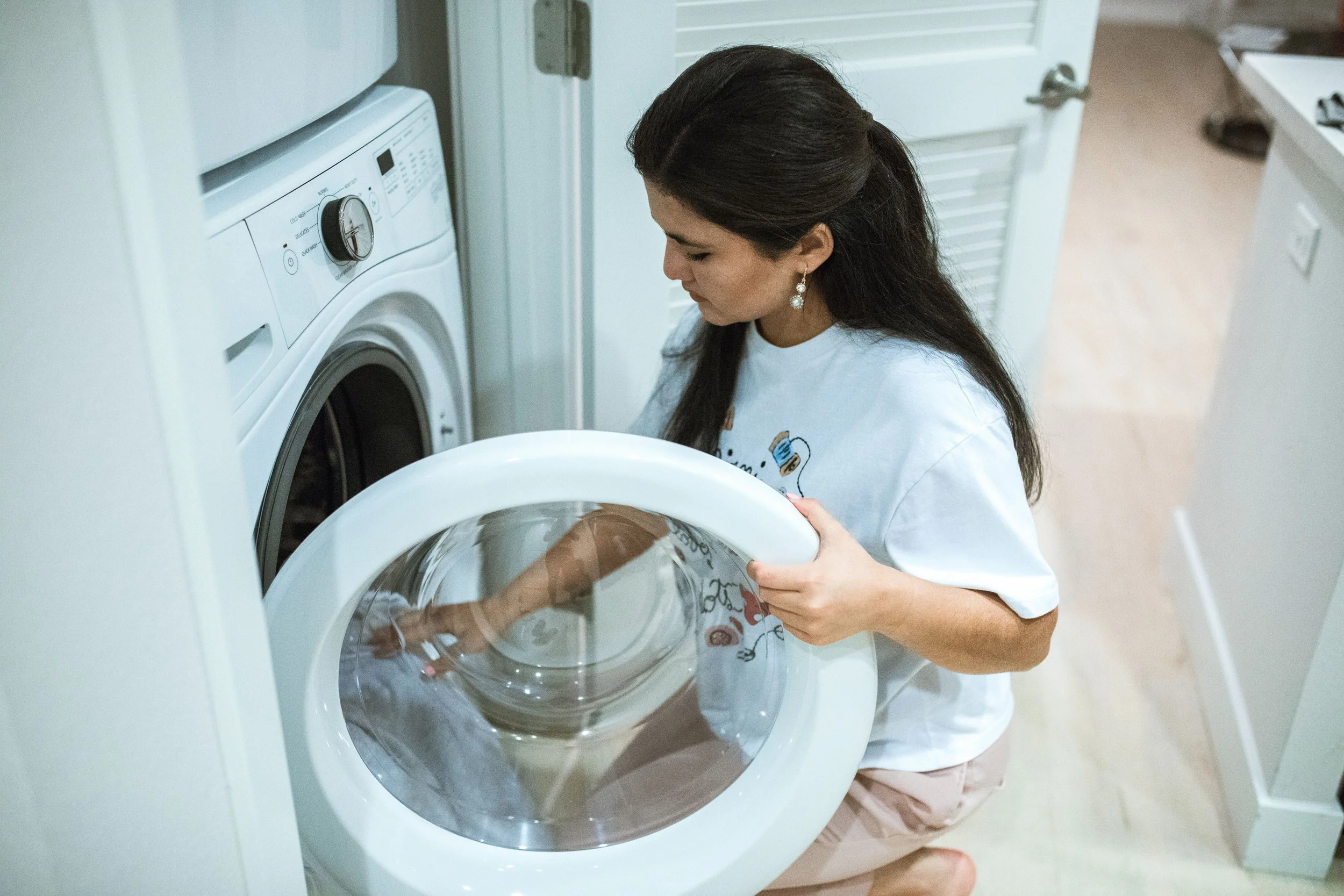
Don't even bother taking off your shoes before you start the wash. Toss that giant bag of damp, sunscreen-scented vacation clothes straight into the machine right away. Getting the first load spinning before you even sit down on the couch builds instant momentum.ini existential crisis. Before you know it, you're lying in bed late at night checking every Brunswick house for sale online, convincing yourself that buying a whole new property is easier than doing three loads of laundry. Keep running loads back-to-back until it’s done, and actually fold the clothes right away instead of letting them live in a laundry basket for a week.
3. Perform a Brutal Fridge Cleanout
There is always a moment of pure dread when you open the refrigerator after being away. Toss out whatever half-empty milk, ancient leftovers, or questionable spinach you left behind without second-guessing yourself. Don't try to smell it or convince yourself it's still good. Wipe down the shelves quickly, and immediately place a small online order for basic groceries. Just get coffee, eggs, bread, and milk. You do not want to wake up on your first morning back to a barren kitchen, zero caffeine, and a ruined mood.
4. Sort the Mail Over the Trash Can
Your mailbox probably overflowed while you were away, and the natural temptation is to dump the whole stack on your kitchen island to deal with "later." Do not let that pile touch your countertops. Stand directly over your recycling bin or trash can while you sort through it. Tear up the junk flyers, local catalogs, and credit card offers on the spot. Only save actual bills or important letters, and put them in one designated spot so they don't get lost in the shuffle.
5. Put Souvenirs and Extras Away Right Now
Deal with the random stuff you brought back before it becomes permanent clutter on your dining table. Put the souvenir mug in the cupboard, throw the local snacks in the pantry, and toss those half-empty travel shampoo bottles straight into the bin. If you bought an impulse item that you realize you don't actually like or need, donate it or get rid of it now. Don't let guilt turn travel impulse buys into permanent household clutter that collects dust.
6. Reset the Air and Environment
A stale, closed-up house makes post-vacation blues ten times worse. Open every window in the place for twenty minutes to flush out the dead, stagnant air. Run a quick vacuum over the main walkways, wipe down the bathroom sink, and light a fresh candle to instantly kill that dusty, empty-house smell. Taking ten minutes to freshen the physical air completely changes how your home feels. Getting back to reality is tough, but handling these quick resets the minute you walk in means you can actually relax in your home instead of living out of a duffel bag all week.
Post-vacation blues are real, but living in self-inflicted chaos makes them ten times worse. So put your phone down, step away from the couch, and unlatch that suitcase right now. Toss that first load of dirty clothes into the wash and grab a trash bag, your future self will thank you tomorrow morning when you're drinking coffee in a clean, quiet house instead of digging through a duffel bag for socks.

Organizing for a Soft Landing: What to Unpack First for Emotional Stability
Discover what to unpack first after a move to stay emotionally stable. Learn how the right choices in unpacking order reduce stress.
Moving can drain your energy. New surroundings, scattered boxes, and daily routines thrown off balance create stress. That’s why knowing what to open first matters. This one decision can set the tone for how well you adjust to your new home. Choosing your first unpacking steps wisely will help you feel grounded faster. You don’t need to finish everything in one day. You only need to start with a purpose. This article explains the best moving tips: what to unpack first for emotional stability and how small steps lead to a big mental shift. By the end, you’ll have a clear list of priorities and a calmer state of mind. Let’s unpack the essentials.
What to UnPack First? An Essentials Box Before Your Move
Before you start packing everything, set aside an essentials box. This box should include the items you’ll need during your first 24 to 48 hours in the new home. Pack toiletries, medications, a change of clothes, basic kitchen items, chargers, important documents, and snacks. If you have kids or pets, include their necessities too. Label this box clearly and keep it with you, not in the moving truck. After a long moving day, you won’t want to search through dozens of boxes just to find your toothbrush or phone charger.
Label this box clearly and keep it with you, not in the moving truck. After a long moving day, you won’t want to search through dozens of boxes just to find your toothbrush or phone charger. Think ahead about how you want to handle this -packing services vs DIY packing—if professionals are packing for you, make sure they know not to seal the essentials box with everything else.
Start with the Bedroom and Sleep Essentials

Your bedroom should be the first room you organize. Sleep is the foundation of emotional stability. Without proper rest, you will feel more stressed, anxious, and overwhelmed. Set up your bed right away because organizing your bedroom for good sleep is essential. Find your sheets, pillows, and blankets—Unpack pajamas and anything else that helps you sleep comfortably. If your bedroom feels peaceful, you will feel in control, even if the rest of the house is in chaos. Place a small lamp or familiar item nearby to help your brain feel safe in this new space. Avoid sleeping in a cluttered room or on the couch. Your mind needs a stable, quiet place to recharge. Once your sleep routine is protected, you will have the energy to handle the rest of the move.
Handle the Bathroom Next
After setting up your bedroom, focus on the bathroom. A clean, stocked bathroom gives you control over your daily needs. Unpack essentials for functionality and comfort: soap, towels, toilet paper, shampoo, and your toothbrush. These simple items reduce stress and bring a sense of order. Your brain registers this space as “ready,” which can help lower your anxiety. The bathroom is also where you start and end your day. If it's functional and familiar, your daily rhythm returns faster. Try to unpack all bathroom items in one session. Avoid jumping between rooms. Finishing one space gives you a small win. That win builds momentum. After all, you want to feel like you’re settling in—not chasing scattered boxes around the home.
Focus on the Kitchen to Feel Grounded

Next, move on to the kitchen. Food gives comfort and structure. To begin, start with plates, cups, and basic utensils. After that, unpack your coffee maker, kettle, or anything that helps you start the day with ease. Your kitchen doesn’t need to be perfect—it only needs to be usable. Once you can prepare simple meals or snacks, you’ll feel more at home.
Instead of relying on takeout every day—especially during the first week—try to cook something small. Home-cooked food, even something basic, creates a sense of routine. If possible, unpack a few non-breakable pantry items first. Seeing your food on the shelf helps your brain feel safe. Emotional stability depends on consistency. In many ways, the kitchen is where that consistency begins.
After the kitchen is functional, don’t wait to create a corner for rest. Set up a small space where you can sit and breathe. This could be a part of your living room, a reading chair, or a spot by the window. You don’t need full furniture or décor. Instead, just add something familiar—a photo, a blanket, a book.
This space acts as your mental reset button. Whenever unpacking feels tiring, return to this spot for a short break. It will help you process change without burning out. Emotional stability doesn’t come from doing everything at once. Rather, it comes from doing one thing with focus, then pausing. A small space of comfort gives you that option.
One Box of Personal Items Can Make a Big Impact

Once your basic rooms are ready, find one box of personal items. This could include photos, journals, or small decorations. These objects carry emotional weight. Seeing them can calm your nervous system. They remind you of who you are and what matters most.
You don’t need to unpack all your décor right away. Instead, choose a few items that make you feel good. Place them in the bedroom, bathroom, or your new resting space. These small steps build emotional safety. You don’t need a perfect home to feel stable. Rather, you need familiar signals that tell your brain, “I belong here.” That’s the real goal of knowing what to unpack first—to create emotional safety through thoughtful choices.
Final Thoughts: What to Unpack First?
The first few days in a new home often feel strange. However, with the right unpacking order, you can reduce that discomfort. Knowing what to unpack first is not about speed. Instead, it’s about emotional support. Start with your bedroom, bathroom, and kitchen. Then, create small areas that feel safe. Give yourself space to adjust. A calm environment builds a quiet mind. With these simple steps, your landing can feel soft—even in a new, unfamiliar place.