

A resource for those seeking information on organizing and transforming spaces.
WHY YOUR DRAIN KEEPS CLOGGING AND WHEN TO CALL A PROFESSIONAL SERVICE
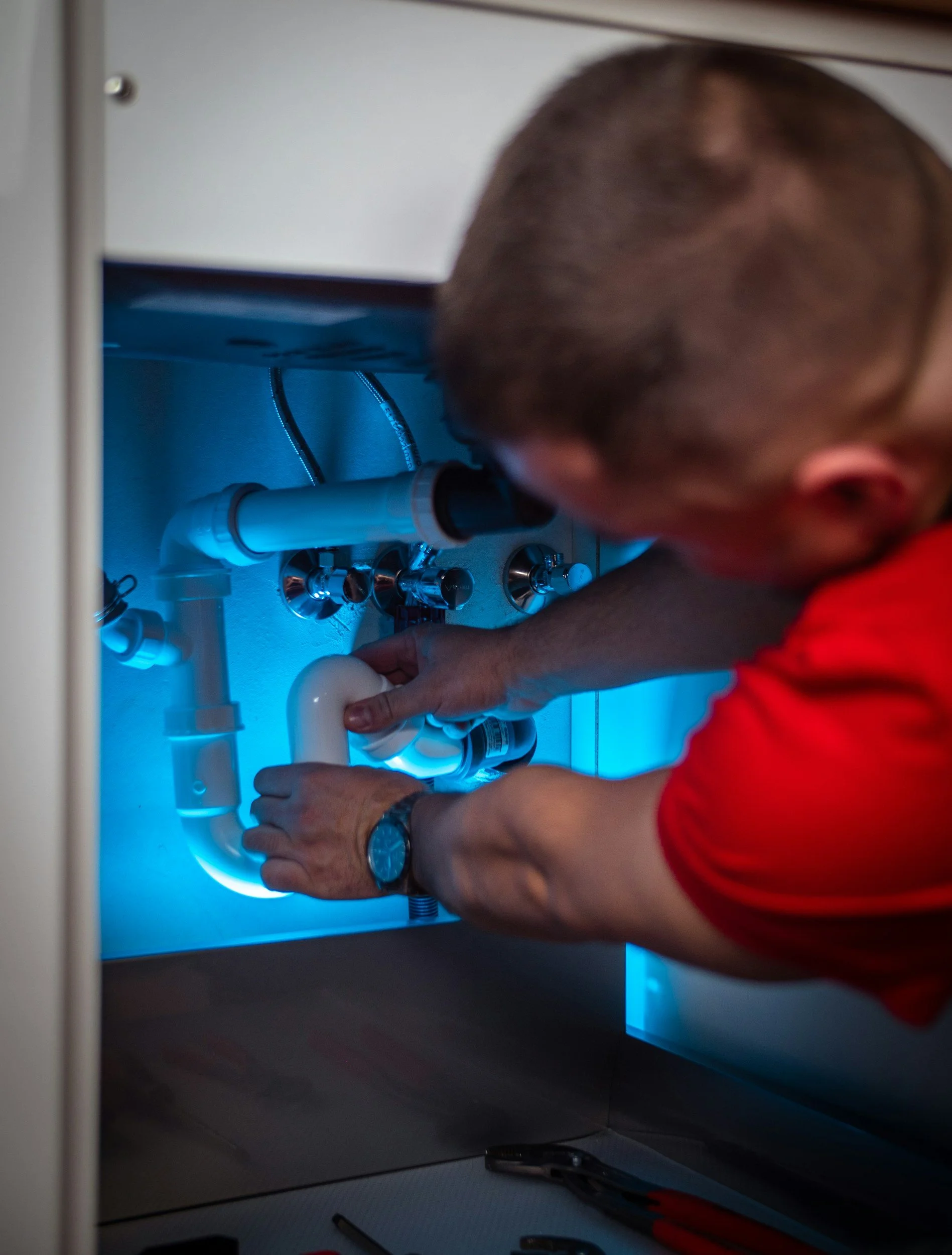
Slow drains are easy to shrug off. You may think the issue will resolve on its own because water may still go down in the end. However, if the same drain continues to back up, the problem could be more serious than a small blockage near the top of the drain.
We partnered with a home improvement company for this post. The opinions in the post are honest. All reviews and opinions expressed in this post are based on our personal views. We are excited because we know you will love it.
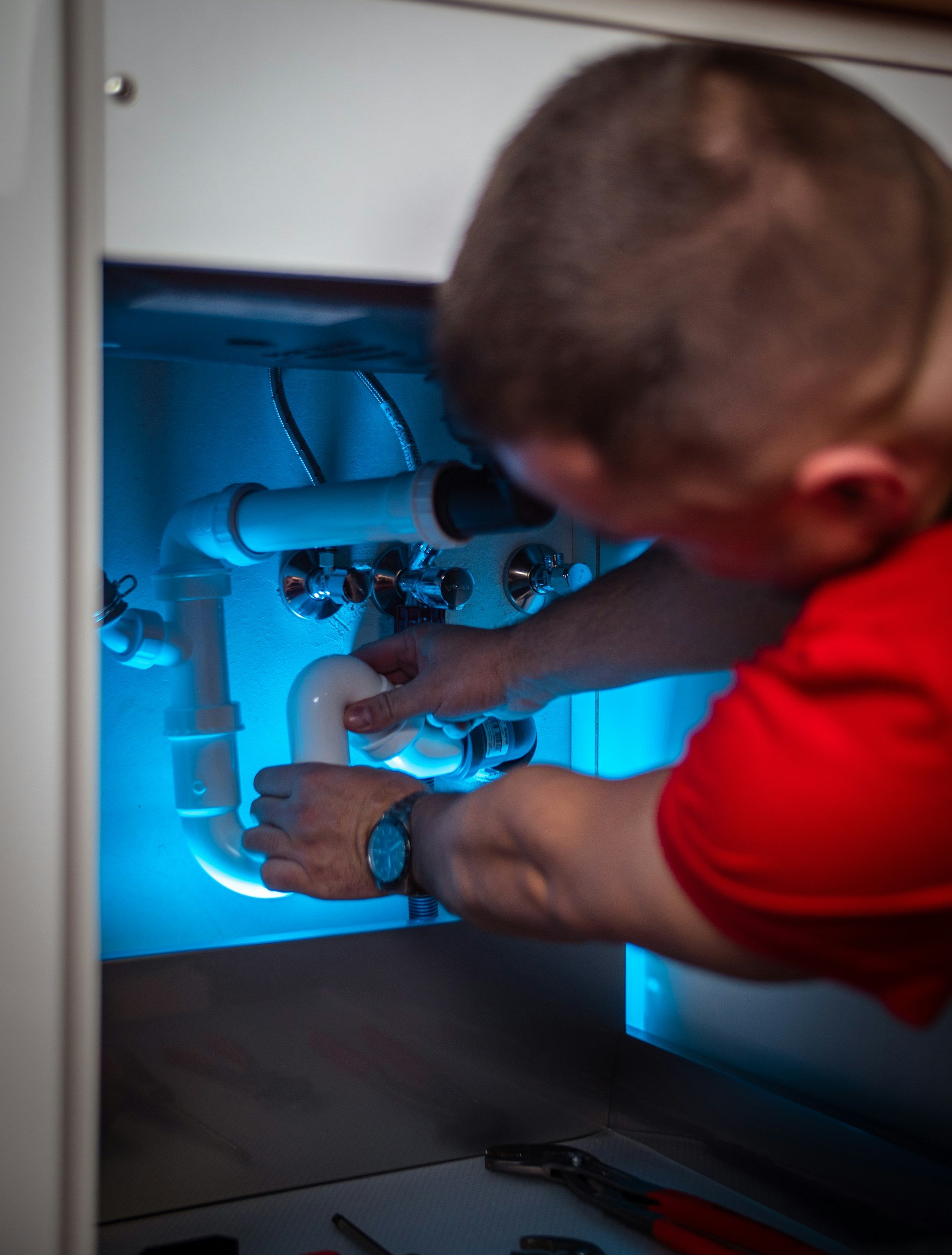
Slow drains are easy to shrug off. You may think the issue will resolve on its own because water may still go down in the end. However, if the same drain continues to back up, the problem could be more serious than a small blockage near the top of the drain.
Understanding the causes of frequent blockages can assist you to know when simple maintenance is sufficient and when you require specialist help.
Food and grease can build up
The kitchen drains typically collect:
Food particles
Grease
Cooking oil.
Even if only a small amount is flushed down the drain, it can build up over time on the pipe's interior. It is still usable in the beginning. But the opening starts to narrow over time and causes the blockage.
Hair is a common bathroom culprit
Hair can mix with soap and other matter to create tight masses in bathroom drains. This is especially prevalent in showers and bathtubs.
Always remove visible hair from the drain cover. If the water still drains slowly after cleaning, the problem is likely deeper in the pipe. In that case, you should seek professional plumbing services.
Flushing the wrong items
Toilets are not meant to accept household products that just fit down the bowl. Some materials should not be flushed, including:
Wipes
Paper towels
Sanitary products
Other unflushable items.
If a toilet keeps clogging even when you use it responsibly, the issue is bigger. It is likely not just a single blockage. Something else is wrong with the overall drainage system.
Tree roots can damage underground pipes
The underground system can cause recurring drainage issues. Tree roots can infiltrate damaged or improperly installed pipes. They do that in search of water, slowly curtailing the flow.
A household drain cleaner won't solve this type of problem. A professional inspection might be necessary to see if the pipe is damaged or if the flow is blocked.
Chemical cleaners are not working
Chemical drain cleaners may be convenient to pour down a drain that keeps clogging. But these chemicals aren't meant to clear all types of blockages. They may also be dangerous if:
Improperly handled
Mixed with other chemicals.
When basic measures fail, seek a professional plumber. They can find out what is causing the clogged drain, instead of just treating the symptom over and over again.
When is it time to call a professional?
Basic measures can address a small blockage. But repeated clogs are stubborn. It may be time to schedule a plumbing service if:
Multiple drains are backing up
Water returns after clearing the clog
You smell foul sewer odors
You hear gurgling coming from the pipes.
Also, professional assistance is needed when a drain issue is accompanied by:
Visible water leakage
Overflowing wastewater
Unusually slow drainage around the house.

Follow The Water: A Homeowner’s Roof Leak Source Map Guide
A brown ceiling stain can tell you that water entered the house, but it rarely identifies exactly where the roof failed. Water can travel along roof decking, rafters, insulation, and other materials before appearing indoors. Finding the entry point requires working backward from the visible damage and paying attention to the roof features above it.
A brown ceiling stain can tell you that water entered the house, but it rarely identifies exactly where the roof failed. Water can travel along roof decking, rafters, insulation, and other materials before appearing indoors. Finding the entry point requires working backward from the visible damage and paying attention to the roof features above it.
Start With the Interior Evidence
Mark where the leak appears inside the house. Note whether it is near an exterior wall, chimney, bathroom vent, skylight, or another recognizable feature. Photograph stains and measure their distance from walls so you can compare their position with the attic and roof above.
Next, inspect the attic if it can be accessed safely. Look for damp insulation, darkened wood, water stains, or moisture along rafters and roof decking. Evidence may extend uphill from the location where water eventually drips into the room.
Map Potential Entry Points Above the Stain
Once you have an approximate location, identify vulnerable roof features above and uphill from it. Flashing around chimneys, skylights, plumbing vents, roof-to-wall intersections, and other penetrations deserve particular attention. EPA moisture-control guidance specifically identifies these areas as important points to check for water infiltration.
Also note valleys, damaged or missing roofing material, loose seams, and areas where debris may interfere with drainage. Water does not always take a straight path downward, so the search area should extend beyond the spot directly above the interior stain.
Connect Leaks With Weather Conditions
Record when the leak occurs. Does it appear during every rainfall, only during wind-driven rain, or after snow begins melting? Those patterns can provide useful clues. A leak associated with certain wind directions may point to flashing or another exposed opening. Problems that appear after snow or ice events could involve different parts of the roof drainage system. Keep dates, photographs, and observations together. This creates a basic source map you can share during a professional roof inspection.
A roof leak source map will not replace a professional diagnosis, but it can make the investigation more focused. Documenting where water appears, tracing moisture through the attic, identifying nearby roof features, and recording weather patterns provides useful evidence. The key is to follow the water rather than assuming the first visible stain marks the original leak. Look over the infographic below for more information.


Home Exterior Water Trouble Map
Water is one of the most common causes of damage to residential properties. While heavy rain and snow are unavoidable, many moisture-related problems develop because water is not directed away from the home properly. Knowing where to look allows homeowners to identify early warning signs and address small issues before they become major repairs.
Water is one of the most common causes of damage to residential properties. While heavy rain and snow are unavoidable, many moisture-related problems develop because water is not directed away from the home properly. Knowing where to look allows homeowners to identify early warning signs and address small issues before they become major repairs.
Start at the Roof
The roof is the home’s first barrier against the weather. Missing shingles, damaged flashing, or worn roof vents can allow water to enter the attic and eventually affect ceilings, insulation, and interior walls.
After storms, homeowners should visually inspect the roof from the ground for obvious damage. Any signs of loose materials or sagging areas deserve prompt professional evaluation to prevent leaks from spreading.
Follow the Path of Rainwater
Water should move efficiently from the roof through gutters and downspouts before draining safely away from the foundation. Overflowing gutters, standing water, or downspouts that discharge too close to the house increase the risk of foundation moisture and soil erosion.
Many homeowners schedule seasonal inspections with experienced gutter companies to help keep drainage systems functioning properly throughout the year. Removing leaves, twigs, and other debris also reduces the chance of water backing up during heavy rainfall.
Check the Foundation and Landscaping
The ground surrounding a home should slope gently away from the foundation. Low spots where water collects may eventually contribute to basement moisture or crawl space problems.
Cracks in exterior foundation walls, peeling paint, or white mineral deposits can indicate that excess moisture has been present. Landscaping should also be monitored because large shrubs planted too close to the home may trap moisture against siding and reduce airflow.
Inspect Windows and Exterior Walls
Windows, doors, and siding have joints that rely on caulk and weatherstripping to block moisture. Cracked sealant, warped trim, or damaged siding panels create opportunities for water intrusion.
Regular inspections and timely repairs help preserve these protective barriers while improving energy efficiency. Looking for discoloration, soft wood, or peeling finishes around openings can reveal problems before interior damage develops.
Protecting a home’s exterior from water damage depends on consistent observation and preventive care. Inspecting the roof, drainage system, foundation, landscaping, siding, and windows throughout the year helps homeowners detect concerns early. Addressing small maintenance issues promptly reduces repair costs while supporting a drier home. Check out the infographic below for more information.

What to Do Immediately After a Pipe Bursts in Your Home
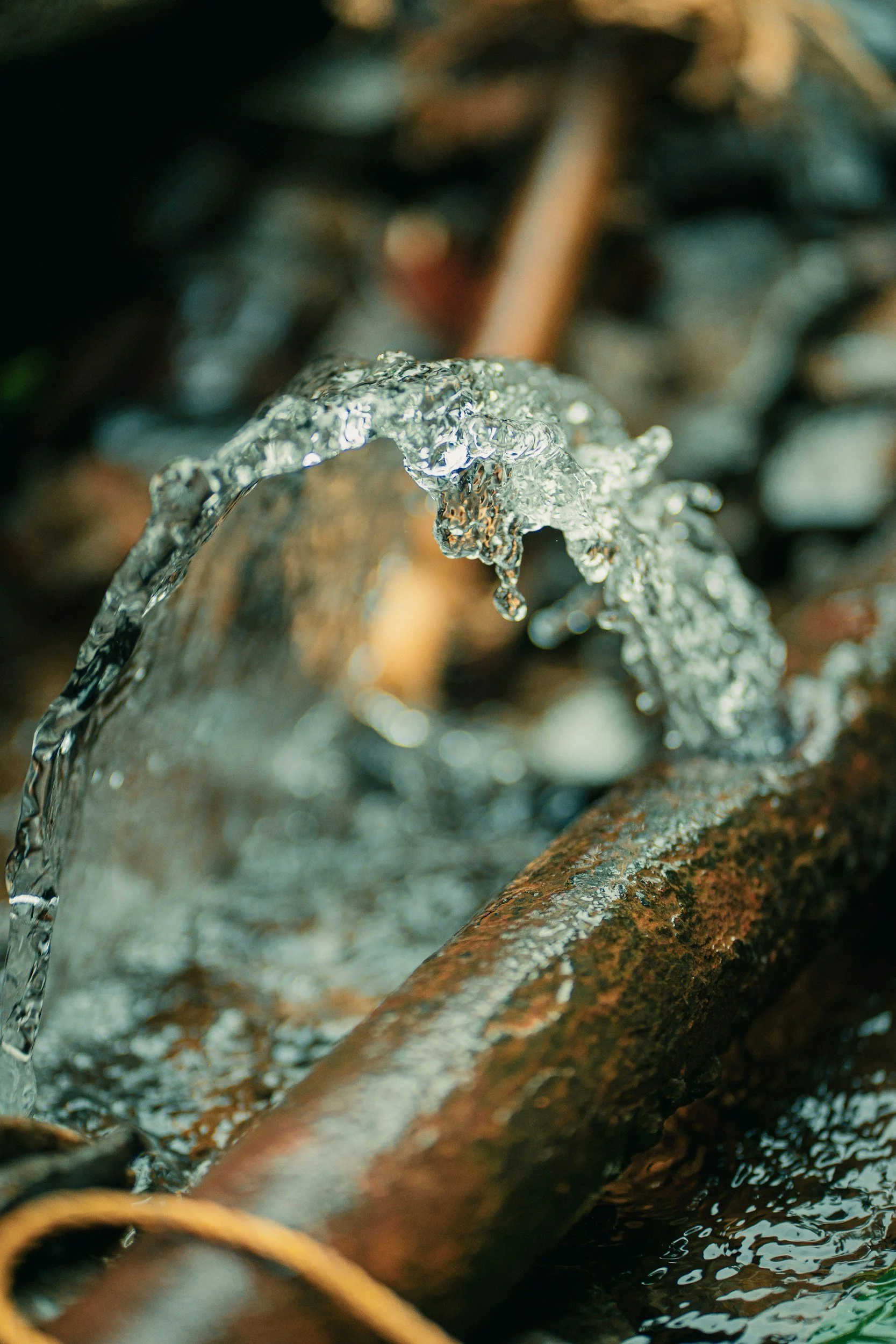
A burst pipe rarely announces itself politely. One moment the house is quiet, and the next, water is spreading across a floor faster than anyone expects. The first few minutes after that happen matter more than almost any other point in the recovery process, because what a homeowner does right away often determines whether the damage stays contained or spreads into something far more costly.
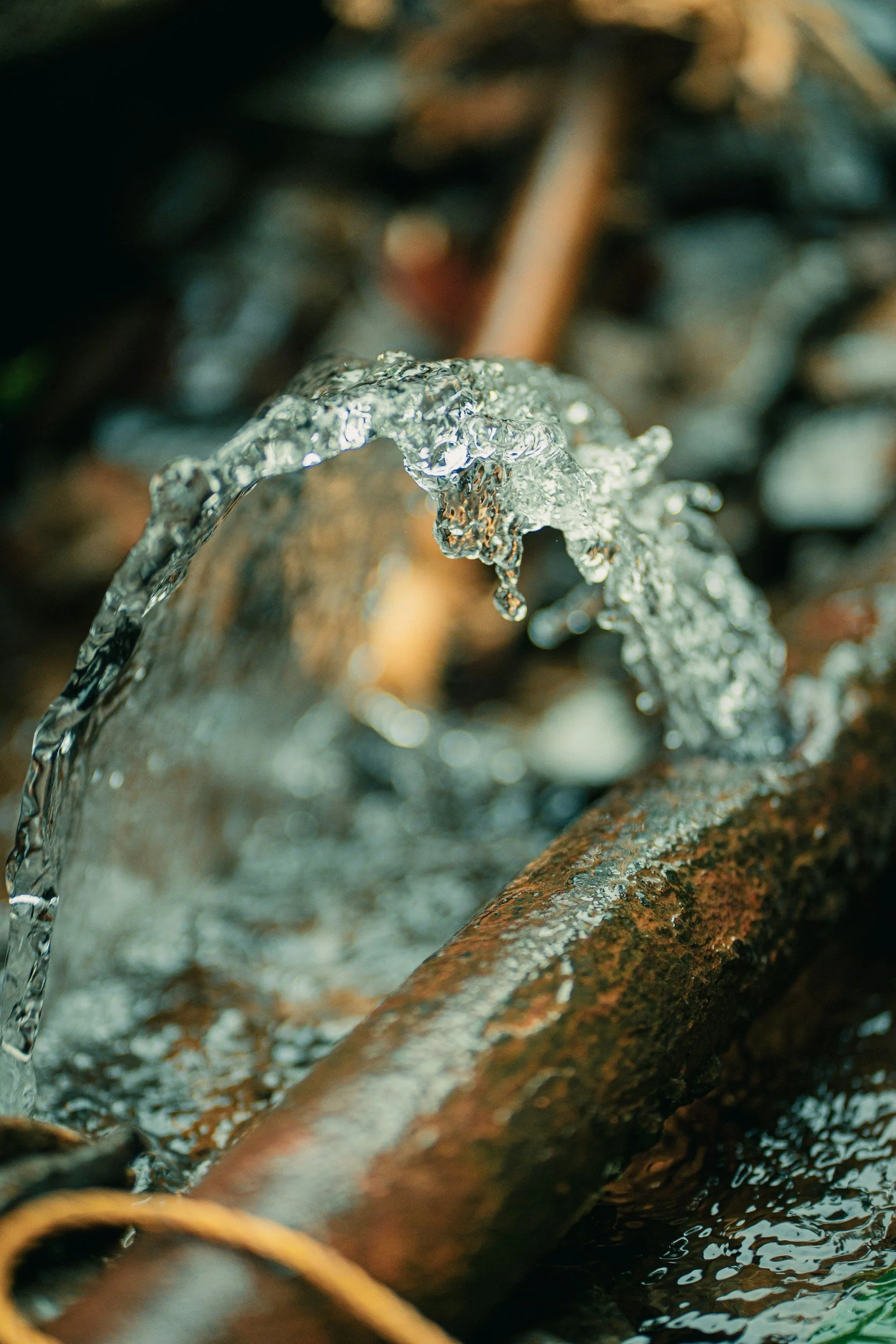
A burst pipe rarely announces itself politely. One moment the house is quiet, and the next, water is spreading across a floor faster than anyone expects. The first few minutes after that happen matter more than almost any other point in the recovery process, because what a homeowner does right away often determines whether the damage stays contained or spreads into something far more costly.
Stop the Water at the Source
The first move is always the same: find the water and stop it. Every home should have a main shutoff valve, typically located near the water meter or where the main line enters the house, and turning it off halts the flow immediately rather than waiting for a plumber to arrive. Anyone unsure where that valve sits should locate it now, long before an emergency forces a frantic search through the basement.
If the burst happens near a single fixture, such as under a sink or behind a washing machine, a local shutoff valve may stop the leak without cutting water to the entire house. Either way, speed matters far more than precision in that first moment. A flooded hallway only grows worse with every passing minute the valve stays open.
Cut Power to Affected Areas
Water and electricity make a dangerous combination, and a flooded room is not a safe place to leave outlets or appliances powered on. If water has reached an electrical panel, an outlet, or any plugged-in device, and it can be reached without stepping into standing water, shutting off power to that area or the whole house is a necessary next step. When the panel itself sits in or near the flooding, the safer choice is to leave it alone and call an electrician rather than risk a shock.
This step often gets overlooked in the panic of the moment, but it deserves the same urgency as shutting off the water. A submerged outlet or a soaked appliance left running is one of the more preventable hazards in a flooding situation, and a few extra seconds spent flipping a breaker can prevent an injury far more serious than the water damage itself.
Document the Damage Immediately
Once the immediate danger is under control, it helps to slow down just enough to record what happened. Photos and short videos of the flooding, the source of the leak, and any damaged belongings create a record that will matter later, whether for an insurance claim or simply for tracking what needs attention first. This does not need to be elaborate. A phone camera and a few extra minutes are enough.
Homeowners should also start moving valuables and easily damaged items, such as electronics, rugs, or furniture, away from standing water where it is safe to do so. Acting quickly here can preserve items that would otherwise be lost to prolonged water exposure, particularly anything made of wood or fabric that begins absorbing moisture within hours.
Call a Restoration Team Fast
Perhaps the most important decision in the entire process is how quickly a professional restoration team gets involved. Water that sits for even a day can seep into subflooring, drywall, and insulation, creating conditions for mold growth and structural weakening that are far more expensive to fix than the original leak. A company available around the clock, such as Midwest Restoration, can respond before that damage has a chance to set in, using extraction equipment and drying techniques that go well beyond what a homeowner can manage with towels and fans.
Calling early also tends to simplify the insurance process. A documented, fast response gives an adjuster a clearer picture of the original damage, rather than a murkier situation shaped by days of additional moisture. Homeowners who wait, hoping the damage looks manageable enough to handle alone, often find the opposite is true once walls and flooring have had time to absorb what first appeared to be a contained mess.
A burst pipe is stressful by nature, but it does not have to become a prolonged ordeal. Shutting off the water, securing the electricity, documenting what happened, and getting a trusted restoration team on site quickly gives a home its best chance at a full and reasonably swift recovery.