

A resource for those seeking information on organizing and transforming spaces.
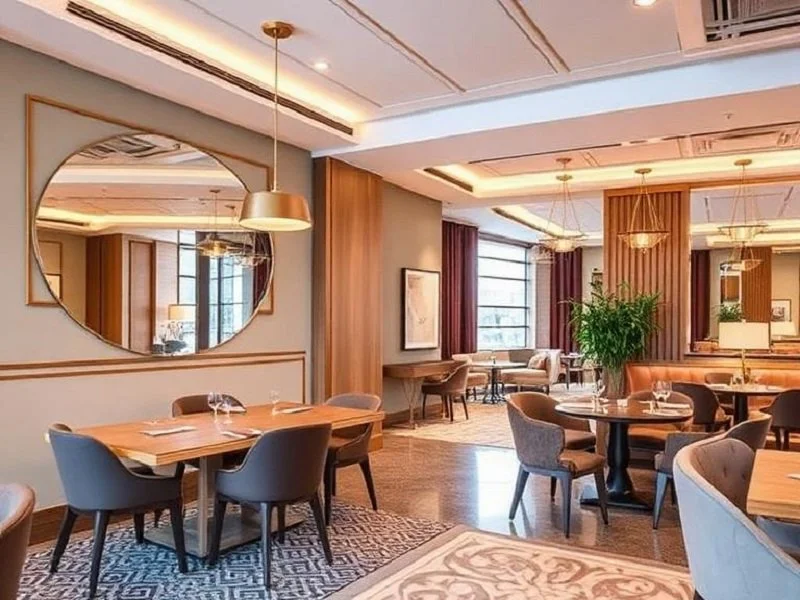
Hospitality Fitouts: Complete Guide to Designing Spaces That Impress & Perform
Have you ever walked into a café and instantly felt at home? Or perhaps you've stepped into a restaurant where something just fell off, even though you couldn't quite put your finger on it? What makes some hospitality venues absolutely magnetic while others struggle to attract repeat customers?
Have you ever walked into a café and instantly felt at home? Or perhaps you've stepped into a restaurant where something just fell off, even though you couldn't quite put your finger on it? What makes some hospitality venues absolutely magnetic while others struggle to attract repeat customers?
The answer often lies in the fitout. Your hospitality space is so much more than walls, floors, and furniture. It's the physical embodiment of your brand, the silent salesperson working around the clock, and the backdrop to countless customer memories. In Australia's competitive hospitality scene, getting your fitout right isn't just nice to have—it's absolutely essential for survival.
In this guide, we'll explore everything you need to know about hospitality fitouts. From understanding the basics and costs involved to navigating current design trends and avoiding common pitfalls, you'll walk away with a thorough understanding of how to create spaces that truly deliver results. Whether you're opening a new venue or refreshing an existing one, this is your roadmap to success.
What Is a Hospitality Fitout? Understanding the Basics
A hospitality fitout involves transforming an empty or existing space into a fully functional venue ready to welcome guests. This includes everything from structural modifications and electrical work to installing kitchen equipment, furniture, and decorative elements.
The Difference Between Fitouts, Refurbishments, and Renovations
These terms often get thrown around interchangeably, but they mean different things. A fitout typically starts with a bare shell and builds everything from scratch. A refurbishment updates existing elements without major structural changes—think new paint, furniture, or fixtures. Renovations involve more significant structural alterations to the building itself.
Types of Hospitality Spaces That Require Professional Fitouts
Professional fitouts are essential for cafés, restaurants, bars, hotels, pubs, nightclubs, and food courts. Each venue has unique requirements. A fine dining restaurant needs an entirely different approach compared to a casual beachside café or a bustling hotel lobby.
Why Do Hospitality Fitouts Matter for Business Success?
Your fitout directly impacts on your bottom line. It's that simple. But let's break down exactly why.
First Impressions and Brand Identity
Guests form opinions within seconds of entering your venue. Your fitout communicates your brand values, target market, and quality standards before a single word is spoken. A mismatched or poorly executed design creates doubt, while a cohesive aesthetic builds immediate trust.
The Link Between Interior Design and Customer Spending
Research consistently shows that thoughtfully designed spaces encourage customers to stay longer and spend more. Comfortable seating, appropriate lighting, and pleasant acoustics all contribute to an experience worth paying premium prices for.
Staff Efficiency and Operational Flow
A well-planned fitout makes your team's lives easier. When the bar is positioned correctly, when storage is accessible, and when service pathways flow naturally, everything runs more smoothly. This is due to faster service, happier staff, and ultimately, satisfied customers.
Key Elements of a Successful Hospitality Fitout
Getting your fitout right requires attention to multiple interconnected elements.
Space Planning and Layout Optimisation
Every square metre counts. Smart space planning balances customer capacity with comfort, ensures clear circulation paths, and maximises revenue-generating areas. Back-of-house spaces need equal attention—efficient kitchens and storage areas keep operations running seamlessly.
Lighting Design: Setting the Right Mood
Lighting transforms atmospheres. Natural light energises daytime venues, while warm ambient lighting creates intimacy for evening dining. Task lighting in service areas ensures staff can work effectively. The best designs layer multiple lighting types for flexibility throughout the day.
Material Selection for Durability and Aesthetics
Hospitality environments cop serious wear and tear. Materials must look stunning while withstanding constant use, spills, cleaning chemicals, and heavy foot traffic. Balancing durability with aesthetics requires careful consideration and often specialist advice.
Furniture and Fixtures That Balance Form and Function
Your furniture needs to support your service style, fit your space proportions, and withstand commercial use. Cheap domestic furniture rarely survives in hospitality settings. Investing in quality commercial-grade pieces pays dividends over time.
Acoustic Considerations for Guest Comfort
Nobody enjoys shouting over background noise. Acoustic design—through ceiling treatments, soft furnishings, and strategic layout—creates comfortable sound levels that encourage conversation and repeat visits.
How Much Does a Hospitality Fitout Cost in Australia?
Let's talk about numbers. Fitout costs vary enormously depending on your venue type, location, and finish level.
Factors That Influence Fitout Pricing
Key cost drivers include venue size, complexity of services (plumbing, electrical, gas), material quality, custom joinery requirements, kitchen equipment, and labour rates in your area. Heritage buildings or spaces requiring significant remediation work typically cost more.
Budget Breakdown: Cafés, Restaurants, Hotels, and Bars
As a rough guide, basic café fitouts might start around $1,500-$2,500 per square metre. Mid-range restaurants typically fall between $3,000-$5,000 per square metre. High-end venues and hotels can exceed $8,000 per square metre or more. These figures exclude furniture, kitchen equipment, and professional fees.
How to Get the Best Value Without Compromising Quality
Work with experienced fitout specialists who understand hospitality requirements. Get multiple detailed quotes, check references thoroughly, and be realistic about your budget from the start. Cutting corners on critical elements often costs more in the long run.
How Long Does a Hospitality Fitout Take?
Timing is critical when you're paying rent but not yet trading.
Typical Project Timelines by Venue Type
Small cafés might take 8-12 weeks from design to completion. Medium-sized restaurants typically require 12-20 weeks. Large venues and hotels can take six months or longer. These timelines assume smooth approvals and no major complications.
What Can Cause Delays and How to Avoid Them
Common delay culprits include slow council approvals, unexpected site conditions, supply chain issues, and design changes mid-project. Thorough planning, early engagement with authorities, and decisive decision-making help keep projects on track.
Current Hospitality Design Trends in Australia
Australian hospitality design continues to evolve, reflecting changing customer expectations and values.
Sustainable and Eco-Friendly Fitout Solutions
Sustainability isn't just trendy, it's increasingly expected. Recycled materials, energy-efficient systems, and waste-reducing designs appeal to environmentally conscious customers while often reducing operating costs.
Biophilic Design: Bringing Nature Indoors
Plants, natural materials, water features, and natural light create calming environments that guests love. Biophilic design improves wellbeing and creates Instagram-worthy backdrops that generate free marketing.
Flexible and Multi-Use Spaces
Venues that can adapt for different purposes throughout the day—from morning coffee to evening cocktails—maximise revenue potential. Moveable furniture, adjustable lighting, and clever zoning support this flexibility.
Local and Indigenous Design Influences
Australian venues increasingly celebrate local identity through Indigenous artwork, native materials, and regional design references. This creates authentic experiences that resonate with domestic and international visitors alike.
Choosing the Right Hospitality Fitout Company
Your fitout partner significantly impacts your project's success.
What to Look for in a Fitout Specialist
Seek companies with proven hospitality experience, strong portfolios of completed venues, and positive client testimonials. They should understand compliance requirements, have established supplier relationships, and communicate clearly throughout the process.
Questions to Ask Before Signing a Contract
Ask about their experience with similar venues, typical timelines, how they handle variations, their approach to project management, and who specifically will manage your project. Request references and actually call them.
Red Flags to Watch Out For
Beware of quotes significantly lower than competitors, reluctance to provide references, vague timelines, and poor communication during the quoting stage. If they're difficult to reach before signing, imagine how they'll be during construction.
Common Hospitality Fitout Mistakes and How to Avoid Them
Learn from others' expensive errors.
Underestimating Budget and Timeline
Add contingency—typically 10-15%—for unexpected costs. Build buffer time into your opening plans. Rushing to open before the fitout is properly complete creates ongoing headaches.
Ignoring Workflow and Back-of-House Needs
Beautiful front-of-house areas mean nothing if your kitchen is dysfunctional. Ensure adequate storage, logical service flows, and comfortable staff areas. Your team works there every day.
Choosing Style Over Substance
Trendy design choices can date quickly. Prioritise timeless quality and practical functionality over fleeting fashions. Your fitout should remain relevant for years, not months.
Do You Need Council Approval for a Hospitality Fitout?
Short answer: almost certainly yes.
Understanding Australian Building Codes and Permits
Hospitality venues require development applications, building permits, food premises registrations, and potentially liquor licensing approvals. Requirements vary by state and local council. Non-compliance can result in costly delays or forced modifications.
Working with Certifiers and Local Authorities
Engage early with relevant authorities to understand requirements. Many fitout companies include approvals management in their services, streamlining this often complex process.
Creating Hospitality Spaces That Deliver Results
Your hospitality fitout represents one of the biggest investments you'll make in your business. Getting it right requires careful planning, experienced partners, realistic budgets, and a clear understanding of your brand and customers.
The most successful venues balance stunning aesthetics with practical functionality. They create memorable first impressions while supporting efficient operations. They reflect current design trends without sacrificing timeless appeal.Whether you're launching a new venture or refreshing an existing space, take the time to get your fitout right.
To ensure long-term success, consider working with professionals who specialise in hospitality fitout in Melbourne, helping you create spaces that balance design and functionality.
The effort you invest now will pay dividends for years to come—through increased customer satisfaction, improved staff efficiency, and a stronger bottom line. Your space should work as hard as you do—make sure it's set up for success.

What to Do With Furniture and Belongings When You Sell As-Is
Selling a home as-is often means moving quickly and avoiding repairs or upgrades. Many homeowners choose this route when they want a simple and direct sale. While the focus is usually on the property itself, another important question comes up during the process. What should you do with all the furniture and belongings inside the home?
We partnered with a real estate company for this post. The opinions in the post are honest. All reviews and opinions expressed in this post are based on our personal views. We are excited because we know you will love it.
Selling a home as-is often means moving quickly and avoiding repairs or upgrades. Many homeowners choose this route when they want a simple and direct sale. While the focus is usually on the property itself, another important question comes up during the process. What should you do with all the furniture and belongings inside the home?
This part of the process can feel overwhelming at first. Years of accumulated items can make it difficult to decide what stays and what goes. A clear plan helps you stay organized and reduces stress during the transition. Whether you are downsizing, relocating, or clearing out an inherited home, knowing your options makes the process smoother.
Start with a simple plan before you move
Before making any decisions, take time to assess everything inside the home. Walk through each room and make a general list of items you own. This step helps you understand the scope of what needs to be handled.
Break your belongings into clear categories such as keep, donate, sell, or discard. This method keeps the process structured and easier to manage. Instead of trying to handle everything at once, work room by room and stay consistent with your plan.
Setting a timeline also helps. Even a short schedule can keep you focused and prevent last-minute stress. A steady pace allows you to make thoughtful decisions without feeling rushed.
How can a direct buyer simplify your options?
When working with a direct buyer like Easy Sell ATL, you may have more flexibility with what you leave behind. Many cash buyers purchase homes in as-is condition and may accept properties with furniture still inside.
This can be helpful if you are dealing with a large number of items or a limited time. Instead of clearing everything out, you can discuss which belongings can remain in the home. Even with this flexibility, it is still a good idea to remove personal items and anything of value. Keeping important belongings with you ensures nothing is lost during the transition.
Decide what is worth keeping
Not everything needs to move with you. Start by identifying items that have personal or practical value. These may include family heirlooms, essential furniture, or items you plan to use in your next home.
Ask yourself if each item fits your future space and lifestyle. If you are downsizing, large or bulky furniture may not be practical. Keeping only what you truly need helps reduce clutter and makes your move easier.
This step also gives you a chance to refresh your living space. Letting go of unused items can create a clean start in your new home.
Selling items that still have value
Many belongings can still bring in extra cash. Furniture, appliances, and home décor in good condition can often be sold online or through local marketplaces.
Listing items for sale allows you to recover some value while reducing what you need to move. Clear photos and simple descriptions can help attract buyers quickly. Pricing items fairly increases your chances of selling them within your timeline.
Garage sales are another option if you want to sell multiple items at once. This approach works well when you prefer a quick and simple way to clear out belongings.
Donating items to help others
Donation is a practical option for items that are still usable yet not worth selling. Many organizations accept furniture, clothing, and household goods.
Donating helps reduce waste and supports people in need. It also allows you to clear out your home without the effort of listing items for sale. Some organizations even offer pickup services, which can save time and effort.
Keep a record of your donations. In some cases, donated items may provide a tax benefit, depending on local guidelines.
Handling items that need to be removed
Some belongings may not be suitable for donation or resale. Broken furniture, outdated items, or unusable materials should be disposed of properly.
Hiring a junk removal service can make this step easier. These services handle heavy lifting and ensure items are removed efficiently. This is helpful if you are on a tight schedule or dealing with a large volume of waste.
Local disposal guidelines should always be followed. Certain items may require special handling, such as electronics or hazardous materials.
Leaving items behind in an as-is sale
One of the advantages of selling as-is is the option to leave certain items behind. Some buyers are open to taking on furniture or miscellaneous belongings as part of the purchase.
This can save time and effort if you are unable to clear everything out. It is important to communicate clearly with the buyer about what will remain in the home. Having this agreement in writing avoids confusion later.
Leaving items behind works best for non-personal belongings. Always remove important documents, valuables, and sentimental items before closing.
Organizing your move for a smooth transition
Once you decide what to keep, focus on packing and organizing your move. Label boxes clearly and group similar items together. This makes unpacking easier when you arrive at your new home.
Consider packing essential items separately. Having easy access to daily necessities helps you settle in quickly. Planning your move reduces stress and keeps everything on track.
If needed, professional movers can assist with packing and transportation. This can save time and ensure your belongings are handled with care.
Closing thoughts on managing belongings during an as-is sale
Selling your home as-is offers convenience and speed. Managing furniture and belongings is an important part of the process that should not be overlooked.
By creating a clear plan, deciding what to keep, and exploring options like selling, donating, or leaving items behind, you can handle this step with confidence. Each choice helps simplify your move and reduce unnecessary stress.
A thoughtful approach ensures that nothing important is lost while making the transition smoother. With the right preparation, you can move forward with a clean and organized start in your next home.
Common Questions
1. Can I leave furniture in the house when selling as-is?
Yes, many buyers accept homes with furniture still inside. It is important to confirm this with the buyer and include it in the agreement.
2. Should I sell or donate my belongings before moving?
It depends on your timeline and the value of your items. Selling can bring extra cash, while donating is faster and helps others.
3. How can home sellers help with belongings left in the home?
Cash buyers like Easy Sell ATL often allow sellers to leave certain items behind, making the process easier when time or resources are limited.
4. What items should I always take with me?
You should always keep personal documents, valuables, sentimental items, and anything essential for your daily life.
How Texture Brings Depth And Comfort To Your Home
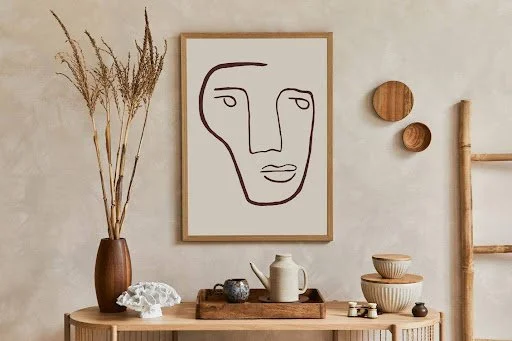
Texture plays a quiet but powerful role in home design. It affects how a space feels, even more than color in some cases. A room with varied textures can feel warm, balanced, and inviting. Without it, even well-decorated spaces may feel flat or unfinished. Using texture well does not require major changes. Small updates can create a noticeable shift in how a room looks and feels.
Texture plays a quiet but powerful role in home design. It affects how a space feels, even more than color in some cases. A room with varied textures can feel warm, balanced, and inviting. Without it, even well-decorated spaces may feel flat or unfinished. Using texture well does not require major changes. Small updates can create a noticeable shift in how a room looks and feels.
Mixing Materials for Visual Interest
One of the easiest ways to add texture is by mixing materials. Wood, metal, glass, and fabric each reflect light and feel different to the touch. Combining them creates contrast and depth.
For example, a wooden table paired with metal lighting or soft fabric chairs can make a space feel more dynamic. Smooth and rough surfaces work well together when balanced properly. Many residential interior designers use this approach to keep rooms visually engaging without adding clutter.
Soft Textures for Comfort
Soft textures make a home feel more comfortable. Items like rugs, throw blankets, and cushions add warmth and help soften hard surfaces. These elements are especially useful in living rooms and bedrooms.
Layering fabrics can also improve the overall feel of a space. A sofa with mixed pillows or a bed with different fabric layers creates a more inviting look.
Hard Surfaces and Structure
Hard textures provide structure and balance. Surfaces like stone, tile, and wood help ground a room and define its layout. These materials are often used in flooring, countertops, and walls.
Using a mix of finishes can add subtle variation. Matte and polished surfaces reflect light differently, which can change how a room appears throughout the day.
Adding Texture Through Decor
Decor items can introduce texture without large changes. Woven baskets, ceramic pieces, and wall hangings add detail and character. These elements can be updated easily as styles or preferences change.
Plants also contribute to texture. Leaves and natural shapes bring softness and movement into a space. They can break up rigid lines and add a fresh feel.
Texture is an essential part of creating a well-balanced home. By combining materials, layering fabrics, and adding simple decor, any space can feel more complete and inviting. Thoughtful use of texture helps turn a house into a comfortable and visually appealing home. Look over the infographic below for more information.

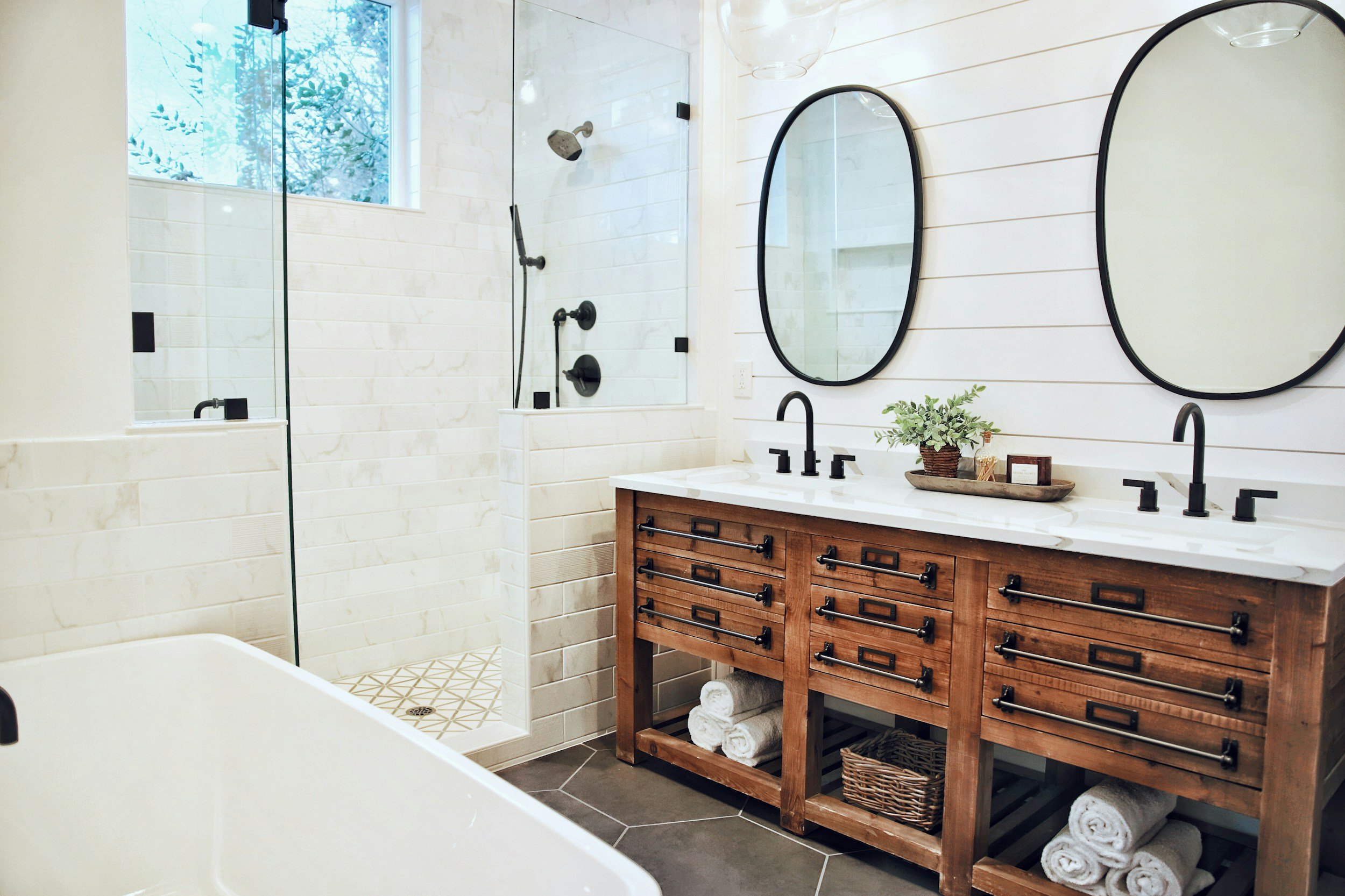
Bathroom Remodeling in Tarzana: What Every Homeowner Should Know Before Starting
Bathroom remodeling in Tarzana is often the upgrade homeowners put off until daily inconveniences become impossible to ignore.
We partnered with a home improvement company for this post. The opinions in the post are honest. All reviews and opinions expressed in this post are based on our personal views. We are excited because we know you will love it.
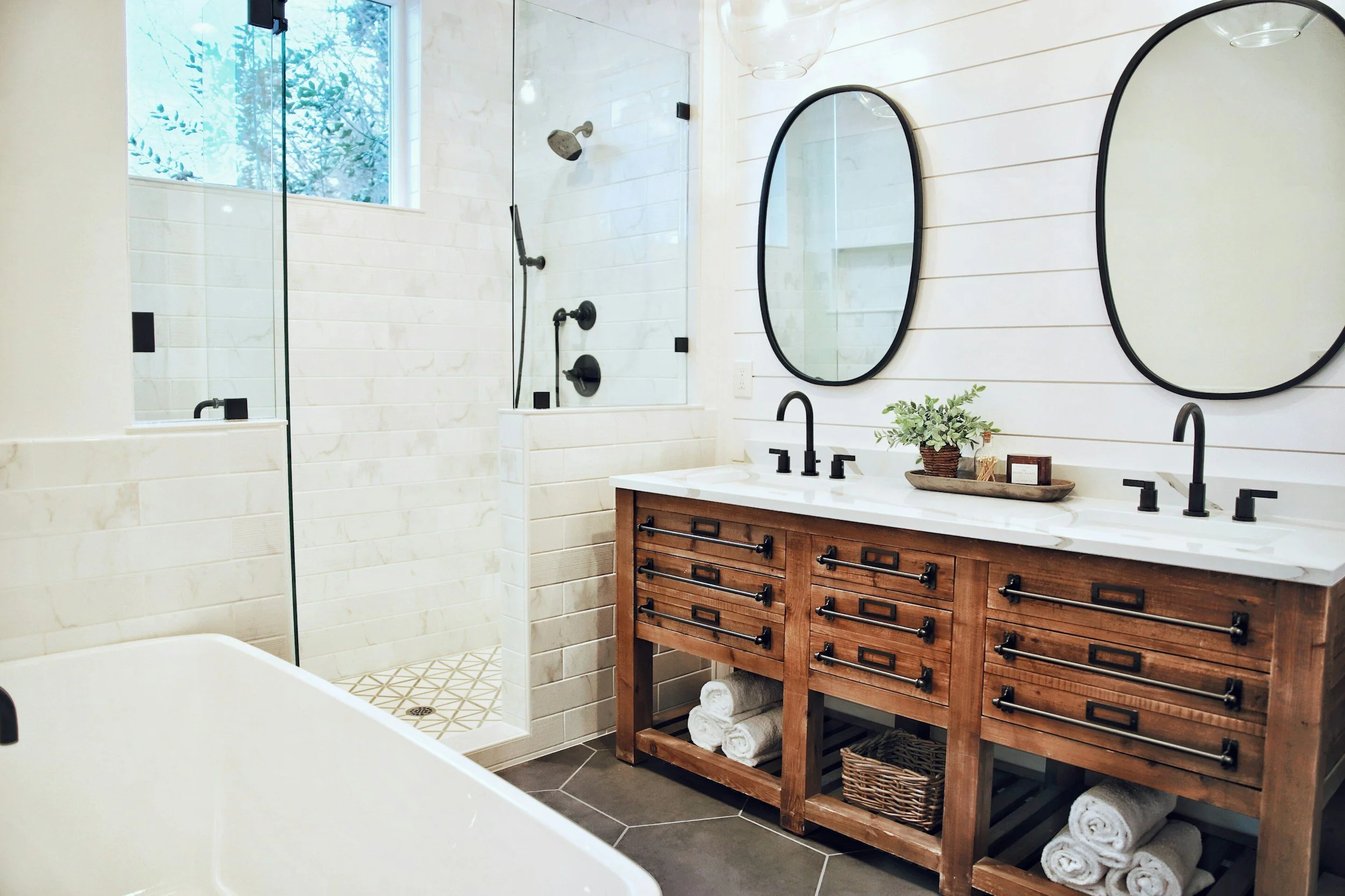
Bathroom remodeling in Tarzana is often the upgrade homeowners put off until daily inconveniences become impossible to ignore.
I remember visiting a friend who kept saying, “It still works, so why fix it?”
A few months later, a small leak turned into water damage behind the walls.
What could have been a simple update quickly became a costly emergency.
That’s how most renovations begin.
Not with inspiration, but with frustration.
Why Upgrading Your Bathroom Matters More Than You Think
A bathroom isn’t just another room.
It’s where your day begins and ends.
When I updated my own space, I expected a visual change.
What I didn’t expect was how much easier my routine became.
Better lighting made mornings quicker.
More storage reduces clutter instantly.
And improved airflow eliminated that damp feeling that never seemed to go away.
The real value isn’t just how it looks.
It’s how it functions every single day.
Common Mistakes That Cost Homeowners Time and Money
Most remodeling problems don’t come from bad intentions.
They come from rushed decisions.
A neighbor of mine chose trendy finishes without thinking long-term.
Within a year, they were dealing with scratches, stains, and constant maintenance.
Here are mistakes you should avoid:
Prioritizing trends over durability.
Ignoring plumbing and layout constraints.
Underestimating the total cost.
Skipping ventilation upgrades.
Each of these can turn a simple renovation into an ongoing headache.
Planning Is the Step You Can’t Afford to Skip
Skipping planning, however, leads to budget overruns and unnecessary stress, which is why reviewing expert guidance on bathroom remodeling in Tarzana can help you stay on track from the start.
Before any work begins, you need clarity.
What do you want to fix?
What matters most to you?
I once helped redesign a small bathroom where the biggest issue was storage.
Instead of expanding the space, we added recessed shelves and a smarter vanity layout.
The result felt like a completely new room without major construction.
That’s what proper planning does.
It solves problems efficiently.
Choosing Materials That Last
Materials define both the look and lifespan of your bathroom.
In Tarzana homes, durability is key because of moisture and daily wear.
Here are reliable choices:
Flooring
Porcelain tile remains one of the best options.
It handles moisture well and requires minimal upkeep.
Countertops
Quartz is durable and easy to maintain.
It doesn’t need sealing like natural stone.
Fixtures
Chrome and brushed nickel finishes hold up better over time than trend-based options.
I once installed natural stone countertops thinking they would elevate the design.
They did visually, but the maintenance became overwhelming.
That experience completely changed how I approach material selection.
Making the Most of Your Space
You don’t always need a bigger bathroom.
You need a better layout.
Many homes in Tarzana have limited bathroom space.
That makes smart design essential.
Effective upgrades include:
Floating vanities for a more open feel.
Walk-in showers instead of bulky tubs.
Built-in shelving for storage.
Sliding doors to save space.
I worked on a project where we replaced a traditional vanity with a wall-mounted one and added under-lighting.
The transformation made the room feel larger and more modern instantly.
Budgeting Without Surprises
Unexpected costs are one of the biggest challenges in remodeling.
The best way to avoid stress is to prepare for them.
Set aside an extra 10–20% of your budget for hidden issues.
Older homes often reveal plumbing or structural problems once work begins.
Break your budget into clear categories:
Labor.
Materials.
Permits.
Emergency buffer.
I’ve never seen a renovation go exactly as planned.
But having a financial cushion makes all the difference.
Hiring Professionals You Can Trust
Choosing the right contractor can make or break your project.
Take your time with this decision.
Look for:
Proven experience in similar projects.
Clear communication from the start.
Detailed estimates.
Realistic timelines.
A homeowner I know chose the lowest quote available.
The project dragged on for months and required multiple fixes.
Paying for quality upfront usually saves money later.
Understanding the Timeline
Bathroom renovations take time.
Rushing the process often leads to mistakes.
A typical timeline looks like this:
Planning and design: 1–2 weeks.
Demolition: a few days.
Plumbing and electrical work: several days.
Installation and finishing: a few weeks.
Delays can happen, especially when custom materials are involved.
Patience is part of achieving a good result.
Increasing Your Home’s Value
An updated bathroom adds real value to your home.
Buyers notice the details immediately.
Features that stand out include:
Modern fixtures.
Clean tile work.
Functional layouts.
Good lighting.
Even smaller upgrades can make a strong impression.
I once saw a home sell faster than others nearby simply because the bathroom felt fresh, clean, and easy to use.
Final Thoughts Before You Begin
Bathroom remodeling in Tarzana isn’t just about aesthetics.
It’s about improving your everyday experience.
The best renovations focus on solving real problems.
Not just following design trends.
Take time to plan.
Choose materials that last.
Work with experienced professionals.
And create a space that actually works for your lifestyle.
Because in the end, a well-designed bathroom doesn’t just look better.
It makes life easier every single day.

