

A resource for those seeking information on organizing and transforming spaces.

Guest Post - New Ideas for Creating a Bedroom for Your Kids This 2020
Creating your kids’ bedroom can be quite tedious but on the other hand, it can be fun, especially for your child. Their surroundings can have a significant impact on how they grow and develop. Hence, as a parent, you would want to build an atmosphere conducive for your child’s development, which includes playing and studying.

Creating your kids’ bedroom can be quite tedious but on the other hand, it can be fun, especially for your child. Their surroundings can have a significant impact on how they grow and develop. Hence, as a parent, you would want to build an atmosphere conducive for your child’s development, which includes playing and studying.
Running out of ideas that will fit your budget? You have come to the right place. Below are some great, new ideas for creating your kids’ bedroom:
Fitted furniture
Flexibility is key for people that are on a budget. Fitted furniture is designed to grow with your child. Sustainable designs goes a long way, provided that it will be handled with care.
Lights on
There are a variety of things you can do with the lighting inside your child’s bedroom. You can stick glow-in-the-dark stickers on the ceiling or their headboard for a dreamy vibe. For night lights, you can put fiber optics with designs for your own kids’ starry night that should provide relief when they can’t see well during nighttime.
Color coordination
Colors make things look nice that is why it appeals to kids. Try a color-coordinated closet. Different colors serve as the label for their clothes. It makes it more fun for them to organize and it will be easier to teach them how to practice neatness.
Reading nook
Place your kids’ books nearer to them by placing reading nooks. Nooks basically serve as a stand for the books to be displayed on. This way they’ll be more inclined to read. A good thing is, a hardware store near you most likely have good ones, not just for books but for towels and pieces of clothing as well.
Freedom wall
Leave a blank space on the bedroom wall for your child to do creative stuff in. String together pictures and put them up on it, have them draw scribbles, or even hang framed pictures of their artworks.
Storage under the bed
As kids grow up, they continue to accumulate more toys and other stuff like crayons and all the art stuff. Have built-in storage drawers on their beds for additional storage and for a quicker clean-up. It is where you can fit their smaller toys in to. You can also use casters to avoid clutter.
Re-use old furniture
Got any old furniture in storage? Maybe it’s time to clean and refurbish them so your children can use them in their room. For instance, an old dresser. It can be transformed into a table where you can place a lamp or a clock.
Cozy bed
Of course, your kid’s bed has to be comfortable. Think about the fabric and what kind of style you would want it to be. Upholstered ones can be cozier and easy to clean.
To wrap it up, whichever idea you would want to consider will depend on the scheme you decide to implement. Keep in mind that your top priority is your child’s comfort and growth.
Author’s Bio:

Angelo Castelda works as a contributor for a news magazine in Asia. He loves to learn and understand diverse cultures and aims to share through his writing his experiences around the world.

Guest Post - Eco Friendly Windows and Doors
Windows and doors attribute to roughly 35% of your home’s combined energy loss each year. Upgrading to more eco-friendly solutions can lower energy bills substantially and put more green in your pocket while also working to build a greener environment. Decreasing our carbon footprint plays a huge part in energy conservation. For homeowners this means minimizing the use of electricity, increasing insulation, and installing sustainable doors and windows.
Windows and doors attribute to roughly 35% of your home’s combined energy loss each year. Upgrading to more eco-friendly solutions can lower energy bills substantially and put more green in your pocket while also working to build a greener environment. Decreasing our carbon footprint plays a huge part in energy conservation. For homeowners this means minimizing the use of electricity, increasing insulation, and installing sustainable doors and windows.
Windows

If you are considering new windows, you will have to make a decision as to which frame and/or glass is most beneficial for your home, your wallet, and Mother Nature.
Framing
Wood is the best eco-friendly option but will likely put the biggest dent in your bank account. These frames require regular maintenance to keep them functioning so paint and sealer will add to the overall cost.
Aluminum is the least expensive option for framing, but because it’s a heat conductor, it’s also the least energy-efficient choice.
Fiberglass frames are relatively low maintenance and rank high where efficiency and longevity is concerned, but they can be costly. The biggest con with this type of frame is that it is not easily recyclable.
Glass
Low-emissivity (also known as low-e) coating is a transparent layer of metallic oxide that when applied to glass minimizes the ultraviolet and infrared light that passes through the glass without affecting the amount of visible light being transmitted. This means, you will have direct sunlight coming through the glass but minimal UV damage, which is responsible for fading furniture and damaging carpet. This coating can significantly reduce utility costs by keeping the heat in during the winter and keeping it out during the summer, depending on which type of coating you choose. There are two types of low-e coatings available:
Passive coatings keep interiors warmer in the winter and reduce heating costs.
Solar control coatings keep the cool air inside while reducing cooling costs.
Insulated glass has an insulated air space sandwiched between two pieces of glass, which keeps your home warm in the winter but cool in the summer. It’s a win-win situation year round. This type of glass also reduces condensation resulting in more consistent thermal performance.
Argon gas is added to double-pane windows where it actually replaces the air in between and creates a thermal insulation that greatly improves energy efficiency.
Doors

Doors that are sustainable have two common denominators. One is the material the door is comprised of and the other is its ability to form a tight seal around the frame. A great part of conserving energy comes from reducing the heat and cold exchange with the outdoors. In other words, keeping the heat inside during winter and outside during summer. No surprise that the most eco-friendly doors are made from some of the same materials as environmentally-friendly window frames.
Wood doors are a great option because of their bold statement and classic beauty, but it’s important to consider type and source when purchasing. Geographical region is a huge factor in the type of wood door you should select. Was the wood locally milled by a forest being properly managed? Is there additional formaldehyde added? Will this particular wood stand up to the elements (snow, rain, storms, excessive heat)? The best wood door choice for various climates is Mahagony. But guess what? You will still have to seal and paint it to prolong its life.
Aluminum or steel is a durable and strong choice for a door. Both these attributes are a must for sustainability. The secure door of choice for harsher climates, they still run the risk of being dented and scratched. They are generally cost-effective and designed with an insulated core but keep in mind that aluminum conducts heat so depending on where you live, they may not be the most energy efficient. One great thing is that many aluminum door companies sell doors made from 100% recycled materials.
Fiberglass doors are lightweight and incredibly energy efficient. They also come in a variety of textures and styles. Homeowners can have the look of wood with the addition of added security they provide. Similar to the window frames of the same material, fiberglass doors are not as easy to recycle as say wood or aluminum.
Sliding glass doors are often chosen by homeowners because the large panels of glass let in a significant amount of light. This is also the reason they were once considered the worst offender in energy efficiency. Not the case, anymore, however. With the advances in low-emissivity coating and Argon gas, you can let the light in without letting the heat or cool out.
MDF (or Medium Density Fiberboard) doors are made from engineered wood fibers and are suited best for the interior areas of your home. For example, the door that leads from the den to the garage, otherwise known as the wind-tunnel. Not only is MDF a cost-effective choice, it is incredibly easy to maintain. Its smooth surface is receptive to many paint finishes, including faux wood. The great thing about these doors is that though they have the sturdiness and strength of wood, they are resistant to rotting and splintering. Also, since these doors are made from left-over wood, they rank high in regards to sustainability.
Replacing doors and windows in your home with more eco-friendly choices will help you cut costs, conserve energy, and leave a smaller carbon footprint in a world where a little more green is always welcome.
Author Bio: Tal Hassid, founder of ETO Doors, is a home decor and door design expert in the industry for 15 years. ETO Doors, one of the largest online marketplace for doors, carries solid wood and fiberglass doors including Interior, Exterior, and French doors.

Guest Post - Money-Saving Methods for Decorating Your New Home
Moving in with a significant other is a big milestone. There’s a sacrifice of personal space and independence, but you gain so much more: a domestic partner to share living expenses and domestic duties, a step up in the relationship, and a commitment that says more than words could express. Like all major life changes, moving in together comes with bumps in the road. Besides compromises and agreeing on decisions for your living space, the cost of moving can be a challenge to overcome.

Moving in with a significant other is a big milestone. There’s a sacrifice of personal space and independence, but you gain so much more: a domestic partner to share living expenses and domestic duties, a step up in the relationship, and a commitment that says more than words could express. Like all major life changes, moving in together comes with bumps in the road. Besides compromises and agreeing on decisions for your living space, the cost of moving can be a challenge to overcome.
Moving isn’t cheap. First, you have deposits and down payments, and on top of that, the cost of moving averages out to $1,250 locally and $4,890 long distance. The numbers vary based on the size of your home, distance traveled, and services hired, but every move has a cost. Once you arrive at your new home, you’re faced with even more expenses that come with getting settled into the new space. To help alleviate the move-in decorating costs, try some of these budget-friendly suggestions to make your first home together feel like it belongs to both of you.
Shop Wisely
Save the fancy items for your wedding registry, and stick to more affordable methods when paying out-of-pocket for your home goods. Need more hangers? Bigger sheets for your new bed? A shower caddy to accommodate the extra bottles? A set of wine glasses for date nights? Many retailers offer countless options for the things that you’ll need to fill your place and make it livable. Shopping online can provide more discounts and money savings, like using a Bed Bath & Beyond promo code to keep purchases within your budget, as well as give you access to a full range of products.
Thrifting
When shopping for furniture, thrift stores could be a great option for high-quality pieces at steeply discounted prices. You can find solid wood dressers and tables for less than you’d pay for flimsy particleboard, but what you’d be getting is more reliable and sturdier. Secondhand shopping can bring a treasure trove of goods for decorating as well. If you dig deep enough, you could score a deal on cool lamps or vintage artwork to hang on the walls and adorn your shelves.
Shop Locally
Some of the same deals that you’d find at Goodwill can also be found in person at a swap meet or flea market, as well as online at resale sites like OfferUp or Facebook Marketplace. Vendors often sell off their old goods, so you never know what you’ll come across! You could even utilize these secondhand markets to sell things that you don’t want in exchange for extra cash to buy new “used” items for the home.
DIY and Crafting
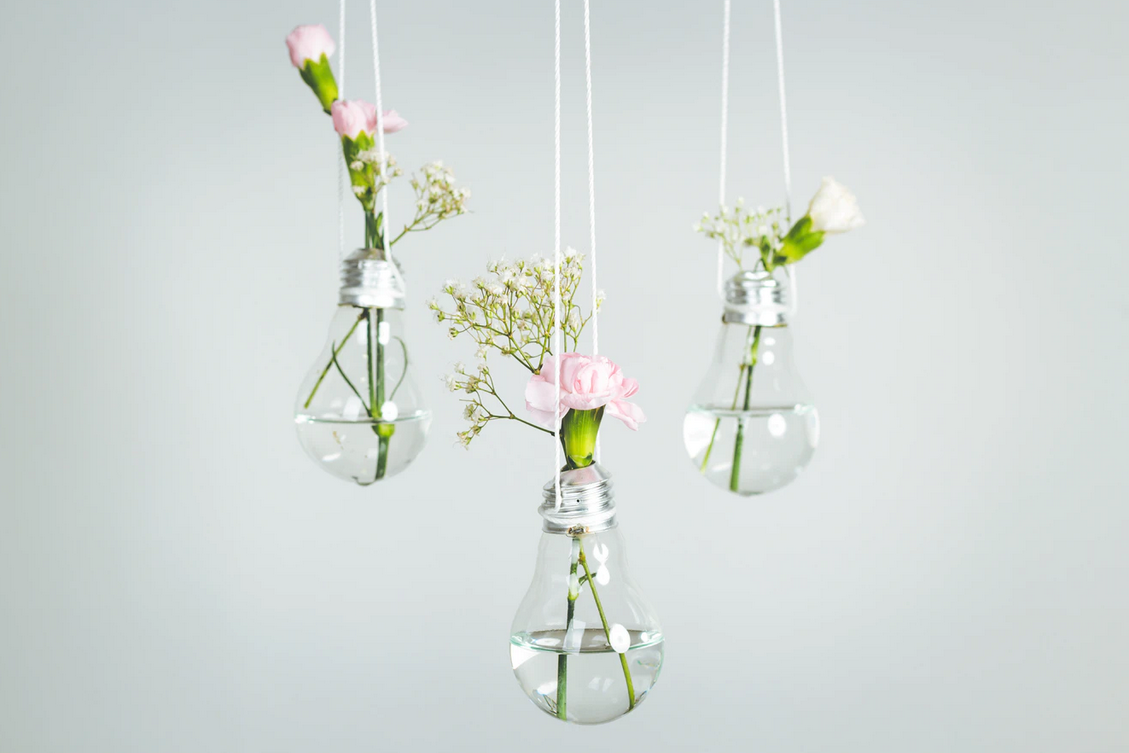
The most economical way to decorate is to make it yourself. Sometimes the cheapest place to find decorations is at Michaels, where you can buy the crafting supplies and create your own artwork. Think cross stitch wall art, hanging plants, and homemade door wreaths. Another option is to print your own high-quality photos on acrylic, metal, or canvas to hang on the wall in lieu of paintings. Photos of you or taken by you will add a personal touch to your interior décor. You can DIY painting as well. When painting your home, consider using cool colors (e.g., shades for blue and green) to create the illusion of space.
Repurposing
Surely, you and your partner are moving in together with some things from your former homes. Even if what you owned individually doesn’t fit in with the theme of the house, you can still find a way to repurpose it in your new home. Your first IKEA desk from college might not be the ideal office furniture for your new home office, but it doesn’t mean that you can’t use it to create a new piece of furniture. Perhaps it can be used as an entry table or bench in the foyer.
If you’re trying to pinch pennies as much as possible, then consider asking for hand-me-downs from friends and family members. Perhaps put off decorating for the time being — at least until you fill your home with the essentials first. At the very least, you can simply reuse your old things until save up enough to start fresh. Even if your individual styles clash, the mismatched home would be a unique representation of your relationship and your life together.
Author bio: Natalie enjoys writing about homebuying and hopes to inspire homeowners of all stages enjoy the perks of homeownership!

Guest Post - Less Is More: Guide For A Minimalistic Eco-friendly Home
Nowadays, there’s a lot of talk about climate change and the future of our planet. Different people propose different solutions, and a lot of them sound too difficult or drastic, so ordinary people can actually relate that much. But, turning your home into a minimalist and eco-friendly place can surely have a positive effect on a planet, while also bringing you peace of mind. First, you’d be less concerned with trivial things, and chances are, your home will look better and smell nicer. So, in order to show you how it works, here’s a mini-guide for a green and minimalistic home:

Nowadays, there’s a lot of talk about climate change and the future of our planet. Different people propose different solutions, and a lot of them sound too difficult or drastic, so ordinary people can actually relate that much. But, turning your home into a minimalist and eco-friendly place can surely have a positive effect on a planet, while also bringing you peace of mind. First, you’d be less concerned with trivial things, and chances are, your home will look better and smell nicer. So, in order to show you how it works, here’s a mini-guide for a green and minimalistic home:
Try not to use house appliances that much

We live in an era where house appliances are considered a norm, so it’s only logical that some people use it whenever’s convenient, without realizing that using too many electrical appliances can increase one’s carbon footprint. Now, if you find this suggestion a bit hard, here’s a different perspective: there are efficient ways to use your house appliances. You actually don’t need to use your dishwasher all the time, instead, you can manually wash those couple of dishes you have left. The same can be said for any device in your home that requires to be plugged in and turned on. Therefore, turning off your appliances and devices when not using them is an excellent way to make your home more eco-friendly.
Use rugs to conserve heat
Conserving heat can be a life-saving move, especially if you’re struggling to pay heating bills. Insulating your home, double-glazing your windows and using thick curtains are all very helpful (and eco-friendly) tips. But, there are other ways to make your home stay warm, such as using rugs to retain heat. This is great news since in that case, you can use a decor item for something that’s quite helpful and purposeful. Still, it’s important to choose quality and well-fitted rugs, such as rugs made from natural materials from Miss Amara, since they are elegant and environmentally-friendly at the same time. Conserving heat and being careful with your energy consumption is one of the simplest ways to turn your home into your little green refuge.
Don’t forget to declutter your space
Keeping your home clean and free of any unnecessary stuff is the first step toward greener and cleaner living. You might be emotionally attached to some of your old things, but keep in mind that there are ways to keep them, only in a different place. Renting a storage unit for all unneeded things is a sure way to keep your home clutter-free and tidy. Additionally, using well-designed and elegant storage boxes can make your place look organized, which means you won’t have to spend hours looking for misplaced items. So, if you opt for label stickers, you can bring an extra layer of tidiness into your day-to-day life, which is always a great thing.
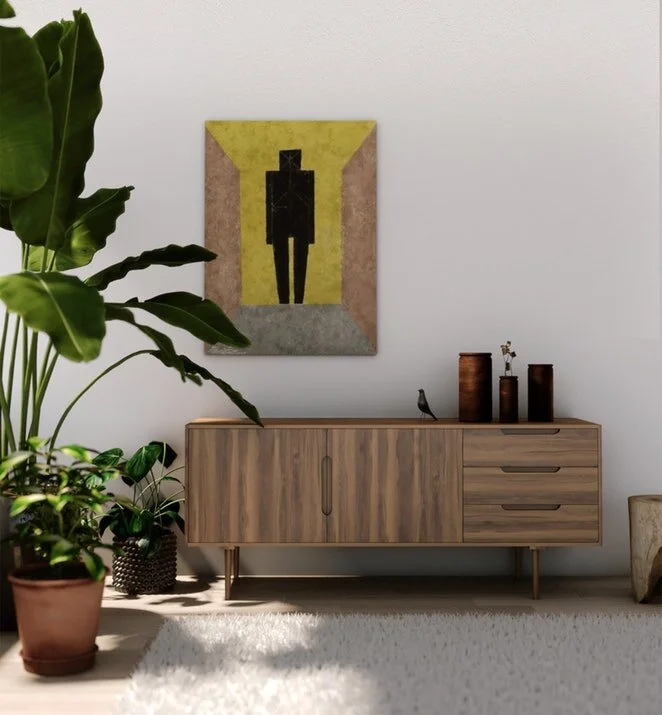
Value quality over quantity
Some people prefer to shop for new clothes every week, which isn’t surprising, considering that there are malls everywhere with attractive offers and good-looking stores. But, a lot of these low-end fast fashion has a negative impact on the planet, especially when it comes to plastic and textile waste. So, if you’re looking to go for a more eco-friendly lifestyle, then valuing quality over quantity is a great place to start. Instead of looking for cheap clothes that will get torn after a couple of washes, it’s better to pay a bit more for something that will last you for a long time. That way, you’re actually wearing something of higher quality without wasting your hard-earned money on cheap and low-grade clothes.
Change the way you use cleaning and cosmetic products
If you turn on your TV, you’ll see a lot of ads for various cleaning products, and the truth is, they’re all pretty much the same, except that we’re so programmed to buy them without even questioning our reasons. A lot of these products have quite toxic and harsh chemicals which also makes them dangerous, especially for kids. Instead of buying these overpriced cleaning products, you can actually make your own out of the ingredients that you probably own already. Using multipurpose DIY cleaning products can make your home safer and more eco-friendly. Also, using homemade body scrubs and face masks can make your skin look clear and radiant without requiring any harsh ingredients.
Less is more principle can be an excellent way to start your eco-friendly journey and transform your house. Getting rid of unwanted stuff, buying fewer, but more quality clothes and shoes and using homemade cleaning products will help you live a more balanced, and much greener lifestyle.
Lana Hawkins is a young architect and a home décor blogger on Smooth Decorator. She enjoys writing about interior decoration and landscaping. Lana is interested in sustainability and green building, and that's where she gets most of her inspiration from.

