

A resource for those seeking information on organizing and transforming spaces.
Best Types of Versatile Furniture for Small Spaces
urnishing small spaces is no easy feat. It’s often hard to fit everything you need into one area without making the space feel cramped and claustrophobic. As such, it’s important to make smart choices about your furniture. One of the best ways to optimize limited space is by opting for furniture that can be used in multiple ways. Here are some of the best types of versatile furniture for small spaces.

Furnishing small spaces is no easy feat. It’s often hard to fit everything you need into one area without making the space feel cramped and claustrophobic. As such, it’s important to make smart choices about your furniture. One of the best ways to optimize limited space is by opting for furniture that can be used in multiple ways. Here are some of the best types of versatile furniture for small spaces.
A sleeper sofa
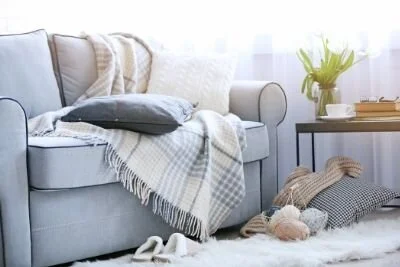
If you feel bad about having company crash on the couch but don’t have room for an extra bed, the sleeper sofa is the solution for you. A sleeper sofa can instantly turn your living room into an extra bedroom. While it looks like a normal couch, beneath its seat cushions is a metal bed frame and mattress. All you have to do is unfold or open up the frame and—ta-da!—you have an additional bed and a comfortable place for your guests to sleep.
Ottomans that double as storage
If there’s one thing that you can never have enough of in a small space, it’s storage. To increase the storage potential of your space in a way that adds functionality to your room, purchase a storage ottoman. Storage ottomans are incredibly versatile pieces of furniture. In addition to serving as a discrete container for excess items, they can also function as a chair, coffee table, or footrest.
A storage bed
Another one of the best types of versatile furniture for small spaces is a storage bed. As we said, you can never have enough storage in a small space. If you have limited closet space but don’t have enough room for a dresser, don’t worry—you don’t have to get rid of half of your clothing. Instead, simply opt for a storage bed. This versatile piece of furniture functions as a normal bed but is raised and has built-in drawers beneath it where you can store your clothing. As such, it allows you to maintain both your style and your sanity.

The Most Important Elements in a Home
Every home has a few necessities that it just wouldn’t be the same without. There are some things that transform a house into a home. Check out this list of the most important elements in a home.

Every home has a few necessities that it just wouldn’t be the same without. There are some things that transform a house into a home. Check out this list of the most important elements in a home.
A cozy and relaxing space to sleep
This goes beyond simply having a mattress you can sleep on. A cozy and relaxing space for sleeping takes more than just a bed. To fulfill this important element, you’ll need soft sheets, a warm comforter or quilt, supportive pillows, and an overall calming environment. Many people add bedside tables with soft smelling lotions, a place to charge electronics, and a lamp for low, calming light. A big part of keeping your sleeping area relaxing is ensuring that it’s organized and neat. Disorganization creates a sense of chaos and stress. Implement a strict organization system in your bedroom to keep it calming.
A place to be with nature
A place to simply be outside and get some fresh air is essential in a home. Whether this means a yard, a porch, a balcony, or even a neighborhood park, it’s important to have a place you can access with ease to spend time outside. Outdoor time is beneficial to both physical and mental health, and it prevents the feeling of being “cooped up” inside. The benefits of outdoor living spaces are endless and include extending your home and providing the advantages of fresh air. Plant some flowers, invest in outdoor seating, and enjoy your outdoor living space.
A place to socialize
Whether you regularly have guests over or not, it’s essential to have a social space in your home. You don’t need to have a full party hall prepared, but a cozy place to sit and enjoy time aside from where you sleep is important. Even if your at-home socialization time is mostly virtual, it can be nice to have an active place completely separate from your sleeping space. In a socialization place, you need comfortable seating set up for conversation and pretty decor that reflects the personality of you and your space. Having items on the walls really transforms a house into a home.

Guest Post - 6 Tips On Properly Lighting Your Study
All rooms need to have some sort of light for you to function in, especially when it comes to the place where you study, or just relax from a hard-day’s work and dabble on a hobby. In that case, study or work rooms should be well-lit at all times, so that you won’t strain yourself from having to squint in a dim or dark setting, and cause you to have headaches.
Here are six tips for lightening up a study or work room properly.
All rooms need to have some sort of light for you to function in, especially when it comes to the place where you study, or just relax from a hard-day’s work and dabble on a hobby. In that case, study or work rooms should be well-lit at all times, so that you won’t strain yourself from having to squint in a dim or dark setting, and cause you to have headaches.
Here are six tips for lightening up a study or work room properly.
Table/Desk Lamps

“There are many table and desk lamps on the market that are both fashionable and functional,” says Tyrone Fish, a lifestyle blogger at Essayroo and State of writing. “Choosing a lamp depends on what kind of study or work room that you want to put it in. In other words, whatever acquires your personality and taste, go with it.”
As an added bonus, most lamps let you adjust the lighting, depending on what you’re doing.
“Some lamps are adjustable to where you can move the neck or head in almost any angle that you want to illuminate in your room,” adds Fish. “Or, some lamps let you lower the light to where it doesn’t interfere with sleep. Remember – only you know your preferred lighting; and, reputable sites like BlackMango can help you find the right lamp for you.”
Installing A Cool, Overhead Light
When the sun is out during the day, it can be really bright; but at sundown, the sunlight isn’t as bright, naturally hinting that your body has to go to bed. This is especially true with room lighting – you’ll need to have the place bright in order to work, or else the low lighting will make you fall asleep. And yes, low lighting will cause you to fall asleep, when you try to cram a few extra hours of studying before a big test, or typing up an essay at night.
Therefore, a cool, overhead light is what you need. “Cool” bulbs light up bright and white, while old bulbs give off “warm” light, which is yellowish like sunset in the evenings.
Minimal Interior Design
Oddly enough, a clean and tidy workspace makes the room appear brighter and larger, in comparison to a crammed room which can make it look dingy and tight. In other words, it’s best to have good housekeeping practices for your study or work room to make the place look brighter. Even minimizing the litter of papers and books can make a huge difference in your room.
Have Wall Lamps

Wall-mounted lamps are ideal for people who love to read books and magazines in bed, or for those who can’t have a desk or table in the room. A mounted lamp will not only save you space in the room, but can also give you light in places where you would love to have it at (like the bed example).
All you have to do is install the wall lamp on either the headboard or the wall, and it can be adjusted to target light in the direction of your magazine or book, or bedside table.
Have Soft Colors
Soft colors can make your room brighter, making it ideal for study and work rooms. However, if you’re into dark colors, be prepared to accommodate for the lack of brightness with lamps or other artificial lighting. The takeaway here is that soft colors, with their bright appearance, may help you to stay awake longer than dark colors.
Natural Light
“Natural lighting is considered the best type of lighting for almost any room,” says Jeremy Camm, a design blogger at Australian help and Paper fellows. “And, the best part is that it doesn’t cost you anything. Natural light gives you that needed sense of positivity, and doesn’t strain your eyes as much as artificial lighting does whenever you read or writing. Although this is a huge benefit for daytime people instead of night owls, it still doesn’t hurt to have your desk next to the window, and sit in natural lighting every once in a while.”
Conclusion
So, why suffer from reading in a dim setting, when you can treat yourself to a well-lit study? Instead of having eyestrain and headaches, why not incorporate appropriate and adequate lighting in your study? Trust us – your body and mind will thank you for it.
Author Bio: Molly Crockett writes amazing articles for UK writings and Boom essays. In her spare time, she is an online writing consultant for Academized. As a marketing writer, she shares her unique lifestyle tips and personal development advice with her audience.

Guest Post - 8 Colors to Make a Room Look Big
When it comes to making real estate choices, we often find this task most challenging. But then comes another problem of choosing the right design for your home. If your rooms are small, it will make the task even harder. Furniture selection alone is daunting. Then you have to plan for traffic flow. Of course, the most difficult chore is the most obvious. How do you make that space look bigger? One way is to go back to basics and use paint selection to make your small room look bigger. Here are eight paint colors to do just that.
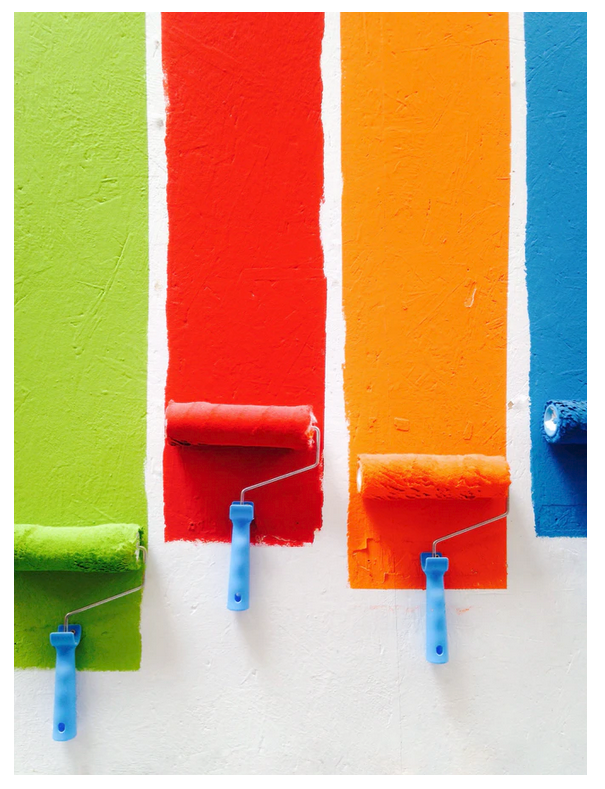
When it comes to making real estate choices, we often find this task most challenging. But then comes another problem of choosing the right design for your home. If your rooms are small, it will make the task even harder. Furniture selection alone is daunting. Then you have to plan for traffic flow. Of course, the most difficult chore is the most obvious. How do you make that space look bigger? One way is to go back to basics and use paint selection to make your small room look bigger. Here are eight paint colors to do just that.
1. Charcoal or Soft Black
If you are decorating a room that gets very little natural light, consider going against your instinct a bit. Most people would want to use a lighter color, but use charcoal or soft black instead. This color will contribute to the intimate feel of the space. At the same time, it adds a bit of immenseness to space.
2. Blush
If your room opens to the west, you can use a soft shade like blush pink. It will brighten the room. Even better, you’ll enjoy an enhanced view of the sunset. Use this hue in a room that gets plenty of natural light. Add neutral tones to make this soft color stand out. Use the same color on the ceiling for a particularly impactful effect.

3. Light Gray
Light gray adds a cool, open look to your room. It’s a fresher, brighter color that adds the appearance of more light. This opens up space a bit. Light gray works very well in a smaller room with moderate lighting.
4. White
White is a bit of a ‘go-to’ color when it comes to creating spaciousness. That’s for good reason! Don’t ignore the possibilities of this classic color. It’s a crisp color, yet warm at the same time. White works well in rooms with plenty of natural light. What’s more, George Bernard Shaw believed that white space helped him to concentrate and many professional writers tend to share his opinion.
5. Light Taupe
Light taupe shade is a great alternative to people who want a neutral that will open up their space, but prefer to avoid white. It’s light, yet warm at the same time. The slightly grayish background in taupe also creates a slightly modern feel.
6. Navy Blue
Brightness and light aren’t the only elements that add space. Shadow can as well. A powerful color like navy blue can add a certain depth to a small space. This will make space appear to be larger than it is. This classic hue is also elegant and stately. You can mix navy blue paint with furniture of the same color for an effect that creates very interesting shadows.
7. Light Yellow
Yellow reflects light. It’s bright and cheerful. Both of these elements create a sense of space and openness in a smaller room. For an especially bright and open look try combining a natural yellow shade with a bright white. This color works particularly well in kitchens. Yellow walls with white cabinets is a very classic look.
8. Sage
This earthy, green shade works particularly well near windows that open up to a natural setting. The color blends well with any foliage that can be seen out the window. The result can be described as bringing the outdoors inside.
Final Thoughts
If you have a small space to decorate, your creativity is your best asset. Consider any of the colors listed above, but don’t limit your ideas to wall colors. You can also use color on your floors, ceiling, furnishings, and another decor to create the illusion of space. Finally, don’t forget other tricks to make your room look bigger. For example, you can avoid clutter with a minimalist design, and use mirrors to create a roomier look as well.
Author’s bio. Daniela McVicker is a contributor to Essayguard. She is also an experienced writer with a degree in social psychology from Durham University. Daniela is primarily focused on writing about self-improvement. She has authored a number of insightful and motivating articles like “Making The Right Choices Every Day” and “7 Steps To Open Yourself To New Opportunities & Possibilities”. You can also check her last Trustmypaper review.

