

A resource for those seeking information on organizing and transforming spaces.
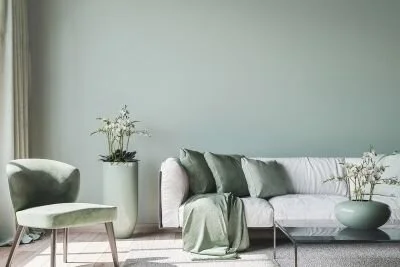
How To Choose the Right Type of Furniture for Your Home
Picking out the furniture for your brand-new abode is an exciting but stressful experience.
Furniture is expensive, and there's a huge pressure put on selecting the “perfect” fit. If you decide you're not too fond of your new couch, returning it and picking out a new one is a hassle—and it’s something you likely don't have time for.
If you're wondering how to choose the right type of furniture for your home, these quick and easy tips will help.
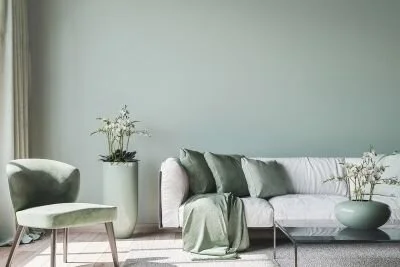
Picking out the furniture for your brand-new abode is an exciting but stressful experience.
Furniture is expensive, and there's a huge pressure put on selecting the “perfect” fit. If you decide you're not too fond of your new couch, returning it and picking out a new one is a hassle—and it’s something you likely don't have time for.
If you're wondering how to choose the right type of furniture for your home, these quick and easy tips will help.
Pinpoint Your Style
Narrowing down your options is a crucial but simple step. Think of your personal preferences and the aesthetic you want your interior design to reflect.
If you're fond of a sleek, modern style, you can take older, traditional-looking furniture off your list. A preference for the rustic, cottage-inspired look suggests you should focus on pieces that are wooden, distressed, and natural. Having a sense of direction makes it easier to find that perfect piece of furniture.
Considering your home's interior is important, too. What color are your walls? Is the flooring carpet, tile, or hardwood? Do your thresholds have a natural, wooden trim, or are they metallic? If your furniture clashes with the room’s overall interior, it can look odd.
Choose the Right Material
Another tip for choosing the right type of furniture for your home is to consider its material.
The right material will set your home's mood. Metal furnishings are clean, modern, and attractive—but if there's too much of it, your room can appear cold and unfriendly.
Glass is bright, delicate, and airy. It gives your home a gentle look and makes rooms appear lighter and more spacious. The material's fragile nature can make your guests feel like they need to walk on their tiptoes, so be cautious about going overboard.
Leather is sleek and sophisticated, and it gives your home a professional flair.
Fluffier materials give off the illusion that you're walking on clouds. These materials exude a warm-hearted aura.
Wood is the preferred material for most individuals. It's versatile and has several advantages over metal, leather, and glass. If you're aiming for a natural, familiar aesthetic, wood is the way to go.
Consider the Space
The amount of space you have available is a necessary consideration.
If you live in a compact apartment, steer clear of larger furniture items. They'll pack your rooms to the brim, making them difficult to navigate and cluttered. Conversely, don't fill larger rooms with small, dainty objects; if you do, you'll be left with tons of unused space.
For smaller rooms, use what's available to you in a creative way. Seek out furniture items that offer built-in storage. Tables with drawers, storage compartments, and ample shelving are good ways to keep your home organized without taking up excessive amounts of valuable space.

10 Tips for Making a Living Room Feel More Livable
Bored in the house? In the house bored? Fix up your living room, you’ll be glad you did!
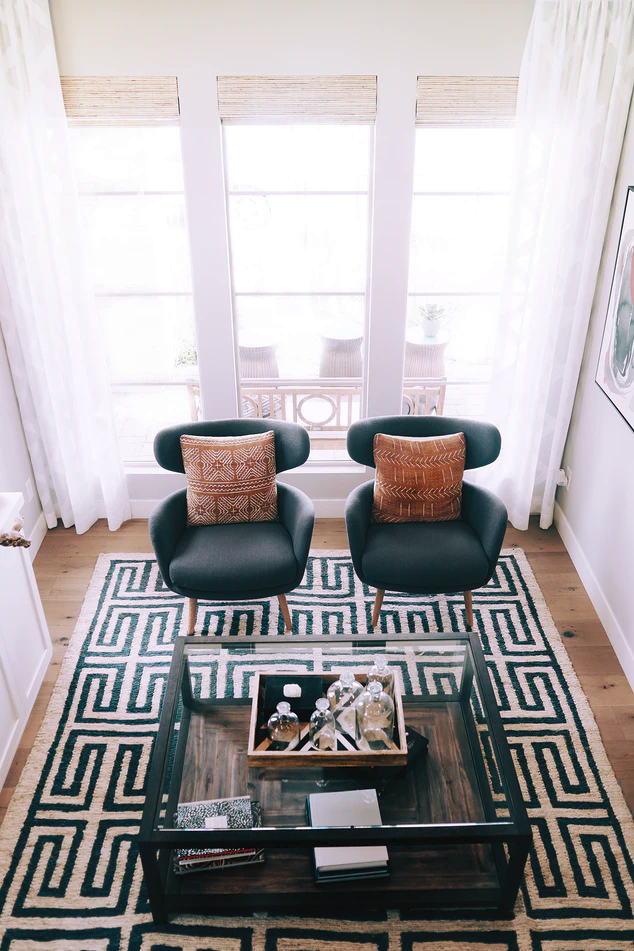
In the age of COVID-19, we’re all spending a lot more time at home. Large gatherings are becoming small gatherings, and our living rooms are seeing a lot more use. So, it pays to spruce up our living space, particularly our living rooms. Check out some of our top picks to make your living room feel more livable below!
1. Let in the Light
A few layers of light can make any room shine. Whether you get your light from natural sources, like a skylight or large windows, or recessed lighting, such as a chandelier or overhead placement, or a wall-mounted light source like a sconce, a few different layers of light are essential for a living room and can also perform a variety of decorative functions. It’s important to vary your light sources. Don’t make it all-natural, and don’t make it all artificial. Mix and match for the best aesthetic and ambiance for your living room space.
2. Keep Seat Height Consistent
You shouldn’t have a variety of seating options at different heights. A high-backed chair next to a low sofa doesn’t look good. Vary the seating (see Tip #3), of course, but also be sure to keep height and scale somewhat consistent to avoid a jarring, off-putting aesthetic.
3. Mix It Up
What we said about height aside, your chairs and sofas don’t need to match each other (and really, they shouldn’t, unless you want your living room to look like a brand catalog). Mix and match styles, from L-shaped sofas to futons to traditional sofas, and incorporate a variety of chairs to create a unique space that you want to call home.
4. Go Green
A holistic approach to design can go a long way. Incorporate healthy, natural materials to craft a healing space. Eco-friendly furnishings, organic textiles, and raw fibers are excellent ways to make any space feel a bit more natural. Add a few plants, and even try some biophilic designs, perhaps hanging succulents, a living wall planter, or something else!
5. Conversation Circle
This furniture-arranging trick has worked for hundreds of years. Basically, arrange your chairs and sofa around a central point, a table, for example. That said, you can try a few variations, too! Instead of a traditional sofa-and-chair layout, try a series of upholstered swivel chairs, or opposing couches, to create a casual, laid-back conversation circle.
6. Use Natural Wood
Natural wood is an excellent choice to make a spacious, open living area inviting and cozy. Natural wood isn’t just decorative or functional, it can balance out a living space by increasing texture and warmth. The organic element elicits the allure of nature and harkens back to a more cozy, visceral time, even in the most contemporary of homes. Ceiling beams, plank walls, and raw oak floors are excellent large-scale ways to incorporate natural wood, but handmade wood tables and chairs work well too!.
7. Bring Out the Books
Bookshelves aren’t just an excellent wall space decoration, they’re a great place to… well, store your favorite books. Artwork and family photos also fit right in on a bookshelf. These additions all give a more personal, individualized ambiance to a living space, making it feel “lived in.” What’s more, they give guests something to look at while you prepare to make your grand entrance!
8. Rugs, Rugs, Rugs!
While most designers would say that any rug should take up around two-thirds of floor space and all the legs of the furniture should sit atop the rug, we wouldn’t hold ourselves to that standard. Try different things. Shag carpet, cool designs, whatever you like! Layering rugs is also a great idea, creating multiple spaces and a more intimate atmosphere. A good rug is a perfect accent piece, too. In many cases, “It really ties the room together” (The Big Lebowski, anyone?).
9. Cater to the Occupants
In other words, read the room! Regardless of the size or layout of your living space, you want to craft a living room design that caters to the people living there. Keep in mind who will be using the room and how they’ll be using it. If you have three kids, keep that in mind. If you’re single, live alone, and only want your living room to be a showpiece, keep that in mind. That said, in general, durable and comfortable fabrics and disaster-proof finishes are integral to making a living room both long-lasting and welcoming.
It’s quite hard for guests (or yourself) to feel comfortable if they’re worried about ruining furniture or breaking things. Don’t make it a child’s playroom, of course, but keep things simple and durable. It will go a long way towards making your space more welcoming. That way, when guests come over, they can put their feet up and relax.

10. Add Awesome Art
Art is always good. Incorporate your favorite paintings, sculptures, or tapestries to give a room a unique vibe that’s all your own. There’s no right way to add art to a room, but just remember to cater it to your own personal space, keeping your intent in mind at all times. Art is also a great conversation piece!

How To Use Color-Coding To Organize Your Home Office
Even neat-desk types can benefit from quick visual clues about what goes where and what’s inside a folder. Learning how to use color-coding to organize your home office will save time and ease frustration when you’re looking for documents and supplies.

Even neat-desk types can benefit from quick visual clues about what goes where and what’s inside a folder. Learning how to use color-coding to organize your home office will save time and ease frustration when you’re looking for documents and supplies.
Use Colors According to What They Mean to You
Green means go; red means stop; yellow means caution—we learn this from the earliest days of crossing the street. In addition to traffic lights, color codes have been used to indicate threat levels, such as the prevalence of infection in geographic areas. They’ve even been used to label states by their predominant political persuasions.
When you’re deciding how to use color-coding to organize your home office, pay attention to your most immediate associations with individual colors: green may mean money to you, but it could also indicate a folder with a project that has been green-lit. Red could mean work that has stopped, or it could mean work that’s extremely urgent (“code red”). Yellow could mean happy or hazardous. Your system will be successful if there’s no confusion about what the colors mean in your individual color-coding scheme.
Code Consistently
Once you’ve decided which colors you’ll associate with what—types of work, urgency of work, client, or subject—be consistent with your color code across all applications. This means the colors on your calendar should correspond to the colors of your file folders. You can even fasten documents with staples in different colors that correspond to the hanging folder in which you’ll keep them or that signify the creator or the subject of the document.
If you use a physical planner or bullet journal, use the same color-coding system when you write in them, and do the same for sorting e-mails.
Don’t Overthink It
Color-coding works best if you keep it simple. Office supplies may keep expanding the number of colors and shades of colors available, but using a complicated palette of colors will create more confusion than organization. Purchase file folders, hanging files, staples, and pens or markers in the fewest number of colors you need to divide your work by subject, urgency, stage of completion, or client. Three-ring binder colors and their tab separators will also give you fast ways to get at the information you need to keep your work flowing.

7 Hacks to Become a Successful Interior Decorator
Do you have that flair for designing and decorating the furniture?
Do you keep on suggesting to people how they should decorate their house's interior whenever you visit them?
If yes, then the career of being an interior decorator is the best choice for you.
We partnered with a design company for this post. The opinions in the post are honest. All reviews and opinions expressed in this post are based on our personal views. We are excited because we know you will love it.
Introduction
Do you have that flair for designing and decorating the furniture?
Do you keep on suggesting to people how they should decorate their house's interior whenever you visit them?
If yes, then the career of being an interior decorator is the best choice for you.
But is it only the interest that matters or you need some additional skills?
Indeed, to excel in this field, you have to customize the designs sometimes according to your unique plans or according to the customer's needs. You can’t use those old designs you learned during your college days or even those that you read a year back in a magazine! Requirements change with time, and so do the expectations of the customers.
For starting your career in this field, taking up freelance interior designing gigs can also be beneficial for you. This article will discuss seven hacks that can help you to stand apart from other interior decorators in the market.
1. Get An Education.
You might be very good at designing and can think out of the box ideas, but people generally look for professionals with a degree in interior designing in their hands. Also, there is no harm in getting a formal degree in this field as it will eventually increase your job prospects.
You can mention it in your portfolio and internships/training. It will add more value to it. Additionally, you can discuss your designs with your professors and friends. There are chances that you might open a start-up business or become a freelancer.
To pursue this career, there are some license exams that are compulsory to pass like NCIDQ (National Council For Interior Design Qualification) or CCIDC (The California Council For Interior Design Certification), etc. Thus, getting a certificate should be the first and foremost step in becoming a successful interior decorator.
2. Build A Portfolio.
Experience matters the most. You can’t expect big firms to hire you directly; for that, you must do some projects. The best way to begin is to start with some free projects or work for NGOs (Non-Governmental Organisation) at a very less price.
Capture those moments and designs and post them on your social media pages. On professional platforms like LinkedIn, ask people for internships and projects. Market your work through social media. This will help you land at your dream company.
3. Start Your Own Business.
After you have spent a lot of time working with big firms and gained experience, it can be the right decision to open your interior designing company. Make a unique business plan that will solve all the bottleneck issues you have observed in this industry over the past few years.
Try to address every issue, for eg., providing services online, social media marketing, making an app and website, hiring the best decorators for your projects, etc.
4. Start Virtual Decorating.

You can ask your customers to click pictures of the parts, which they want to be decorated, and send them to you. Without stepping outside, you can send them designs and charge a fee for it. Using various software, you can do this task and earn a good number of bucks.
5. Keep Your Knowledge Up To Date.
Get a copy of every magazine, read all the trending blogs and articles on interior designing to keep yourself updated. Keep on searching the web for new ideas and tips to scale your skills and business. Networking will also help you. Start meeting experienced people and participate in discussion forums.
6. Network Is Net Worth.
The more you know people, the more your reach will expand, and the more you will become popular. If you have a business, then the same network will help you get customers. Business cards, a website, a blog, an app, and social media will help you grow your network.
7. Design According To The Location.
Implement the designs which suit a particular location, climate, and local taste. Giving a pinch of modern trends to the old antique looks can work for those people who don’t want to lose their old memories.
Conclusion
Interior designing and decorating require patience. If new ideas don’t strike your mind, keep calm, and discuss with your seniors or friends for suggestions. Be empathetic and think about how a room makes you feel.
Inspiration and enthusiasm are the two doses that you have to take every day before starting your work. Never get demotivated even if your designs get rejected multiple times. This career is about trying new things with various combinations.
Don’t overspend on any room to match your needs. Concentrate on getting new projects and gaining experience. Advertise your work as much as possible. Contact more and more people through podcasts, blogs, and live video sessions. If there is any workshop being conducted, do attend that. With all the above hacks, you can surely become a successful interior decorator.

