

A resource for those seeking information on organizing and transforming spaces.
Tips for Furnishing Your First Home
Decorating your new home can be a daunting task for those attempting it for the first time. Here are some tips that will make the process easier.
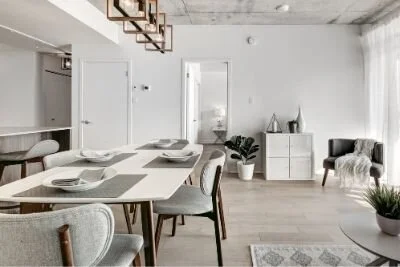
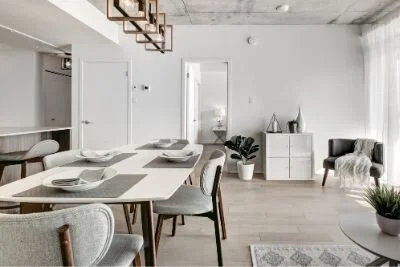
Striking out on your own by moving into a new home is a rite of passage for many. Whether you’re moving into a new house, apartment, condo, or any of the other types of residences, you will need to decorate your new place to reflect your style. But it can be hard to know what to do with all your new space. Here are four tips for furnishing your first home that will transform your new place into your favorite space in no time.
A Fresh Coat of Paint
When starting any new project, it is best to begin with the basics: the walls and floors. Painting any walls or replacing any flooring will be much easier if you do it before you bring in any furniture or decor. Keep a list of any changes that you want to make to figure out what projects are higher on your priority list than others.
Where To Use Furniture
Just like real estate, furniture is all about location. The design style of your home will play a big part in where you put your furniture. While there are many reasons design is important, try to remember that function should always win the day.
Organization Is Key
Throughout the moving process, keeping your possessions organized might be the most important tip for furnishing your first home. Start your move by deciding what pieces of furniture you want to keep and what to get rid of. The less you have, the less you’ll need to keep track of. When you are unpacking, try to keep similar items together. Labeling boxes with the appropriate room, as well as specific contents, will help you find things when you are looking for them.
Prioritize Your Purchases
Decorating your home can quickly become expensive if you decide to purchase all the furniture at once. It’s more practical to spread out your purchases. Prioritize the rooms that get the most use, typically the living room and the bedroom.
4 Simple Ways To Improve Your Bedroom’s Look and Layout
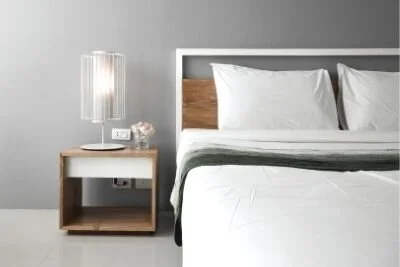
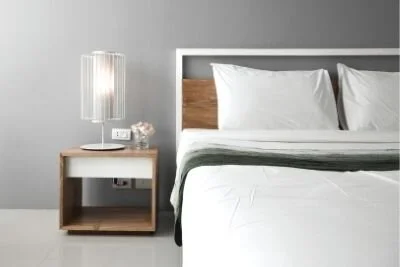
Our bedrooms are at the heart of our relaxation and rejuvenation efforts. However, if they remain cluttered and visually unappealing, it can affect how we unwind and, ultimately, rest. Fortunately, there are various things that you can do to update this space and ensure it meets your needs. These are some simple ways to improve your bedroom’s look and layout so that you can turn it into the organized sanctuary you deserve.
Our bedrooms are at the heart of our relaxation and rejuvenation efforts. However, if they remain cluttered and visually unappealing, it can affect how we unwind and, ultimately, rest. Fortunately, there are various things that you can do to update this space and ensure it meets your needs. These are some simple ways to improve your bedroom’s look and layout so that you can turn it into the organized sanctuary you deserve.
Remove the Clutter
The first step to any successful bedroom makeover is to purge the area of any unnecessary items, such as old clothes, books, and even dingy sheets. This is the best way to ensure that, no matter how you decide to rearrange the space, it will be neat and organized. Decluttering will also make the room easier to clean in the future and, overall, make it appear more put-together. So make sure that you devote some time to going through the belongings you keep in the bedroom and deciding whether they’re worth keeping.
Paint It a New Color
Giving your walls a new splash of color is also a simple way to improve your bedroom’s look. Though it might not seem like a large change at first, color can have a variety of effects on the body—like providing us with more energy. Since this specific area of the home should promote relaxation and rest, consider using one of the best colors for sleep. Depending on your design preferences, your choices may include blues, yellows, greens, and even whites.
Rearrange Your Furniture
Once these steps are complete, you can then provide your bedroom with a more organized layout by experimenting with furniture arrangements. It’s common for us to want to stick with the same floorplan we’ve become so familiar with. But by switching things up once in a while, we can discover new and creative ways to use that space. The right configuration may even offer a few extra feet of room and more options for what you can do with it.
Add Some Artwork
Like a new wall color, the addition of wall art can infuse a room with a calming atmosphere. This is essential to ensuring our minds stay clear of worry—allowing us to get a quality night’s sleep. When choosing these pieces, make sure that they suit your overall design tastes. However, you won’t want to hang anything that’ll become a distraction to you or remind you of outside stressors.
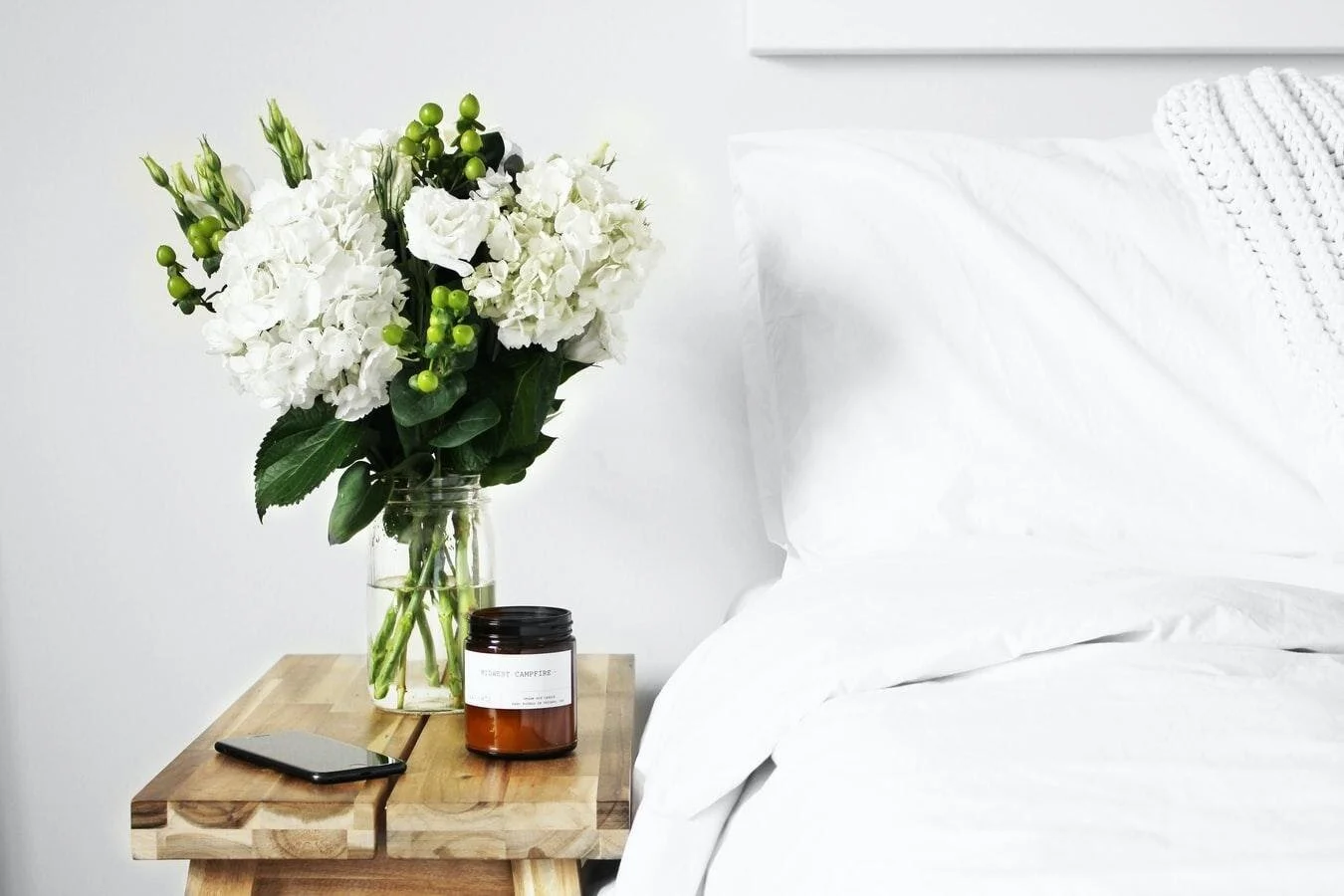
Guest Post - 8 Decorating Ideas To Increase Your Home’s Selling Value
The COVID-19 pandemic has put the global economy into a standstill. It’s not really the best time to put anything for sale - much less your own home or any piece of real estate for that matter. However, if you’ve been meaning to put your home up for sale, there’s no better time than now to stay put, stay safe, and start on some easy, low-cost, DIY decorating projects that can increase its selling value.
In this article, we’ll talk about practical decorating ideas such as picking the right mattress to upgrade guest rooms, updating furniture and fixtures, repainting projects, sprucing up your personal space by choosing the best mattress for your bedroom, and more.
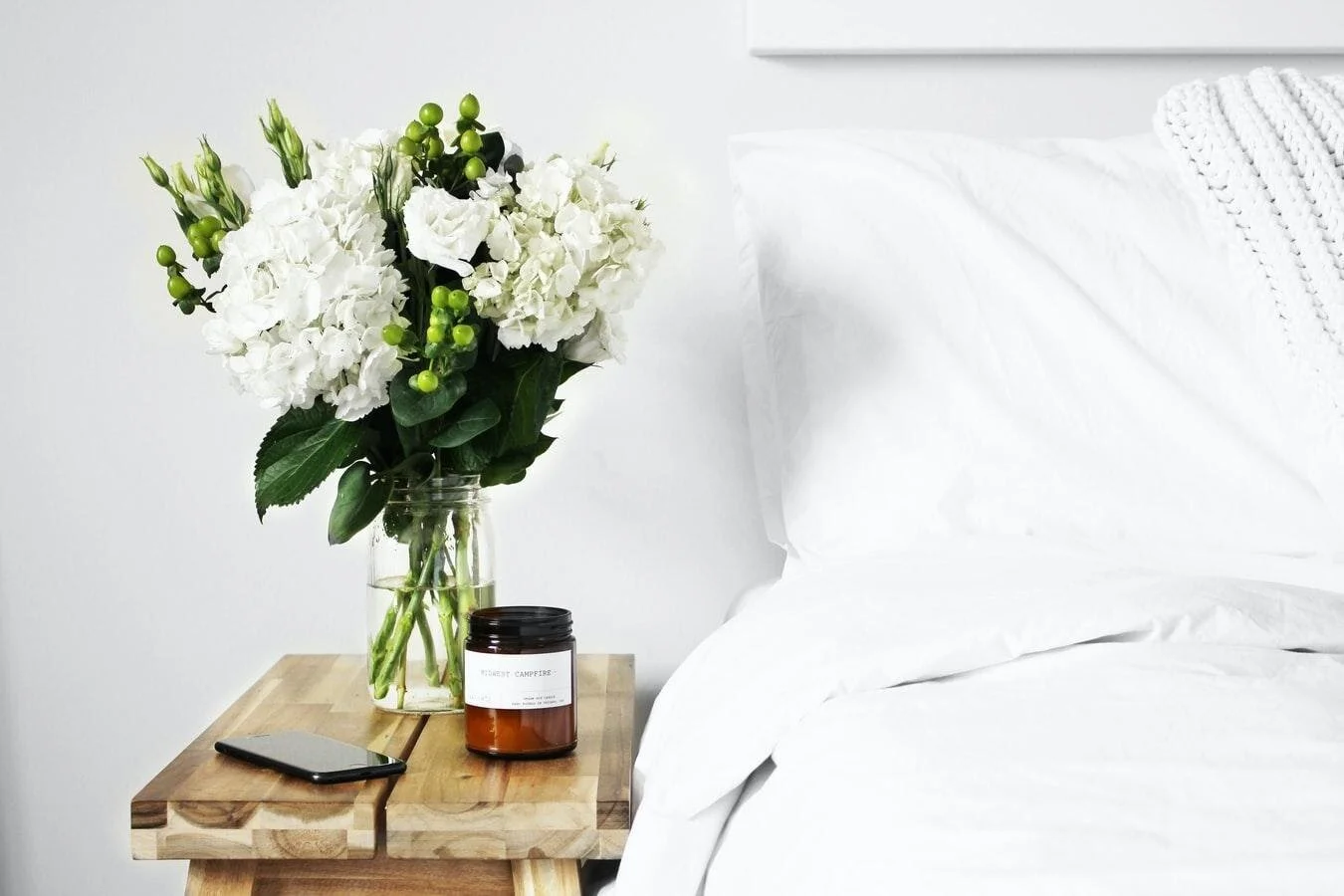
The COVID-19 pandemic has put the global economy into a standstill. It’s not really the best time to put anything for sale - much less your own home or any piece of real estate for that matter. However, if you’ve been meaning to put your home up for sale, there’s no better time than now to stay put, stay safe, and start on some easy, low-cost, DIY decorating projects that can increase its selling value.
In this article, we’ll talk about practical decorating ideas such as picking the right mattress to upgrade guest rooms, updating furniture and fixtures, repainting projects, sprucing up your personal space by choosing the best mattress for your bedroom, and more.
8 Decorating Ideas To Increase Your Home’s Selling Value
1. Find inspiration & then make a plan.
This is the first thing you should do. Especially if you haven’t done any decorating or updates to your home in recent years. You can hire an interior designer but this can be costly. But, unless you’re planning a bigger, more expansive remodeling project, finding inspiration for decoration ideas should be easy. You can find great design sources from the internet or, you can scan through interior design magazines.
Once you’ve figured out what you want, then the next step should be to make a plan. Focus on one room at a time. You can start with smaller rooms like the kids’ bedroom and then make your way to the living room.
Here are some easy 2020 design trends to add to your inspo list:
Navy blue accents
Vintage accessories
Floral wallpaper
Kitchen cabinets with primary colors that pop
Antique art
Wicker furniture
Rattan accessories
Wooden plant holders
Soft, cozy fabrics
2. Paint!

Simple, cost-effective yet absolutely changes the overall look of any room, a fresh coat of paint can do wonders. The important thing to remember is to think about the right color and shade for the specific room you’d like to repaint. Even if you’re not selling your home anytime soon, freshly painted rooms will still look clean and updated for the next 3 - 5 years.
Here are some interior designer-approved paint combinations that are popular this year:
Warm Creams & White
Olive Green & Beige
Navy Blue & Gray
Ocher & Magenta
Blue & Gray
Avocado Green & Cream
Black & White
Green & Gray
If you’re thinking about repainting the exterior of your home but do not have the time or budget for it, you can try power washing the exterior and it will look good as new. Closer to your sale date, you can power wash again to ensure it still looks fresh.
3. Plant a tree or a low-cost, low-maintenance garden.
Trees can cut down on cooling costs to as much as 40% and some low-cost landscaping can make your home more attractive, and therefore adding more value. Not to mention plants and trees are great for the environment and improving air quality.
If you don’t have space for a yard or garden, not to worry. You can make your interiors feel warm and serene with some indoor plants. 2020 has seen a spike in plant decorating trends. Here are some great varieties that you can tastefully include in the interior of your home:
Tropical plants (bird of paradise)
Olive trees (both potted for indoors or planted outside)
Trailing/Hanging Pothos
Succulents
If you’re unsure about what type of plants are best for your local climate, consult a gardener to ensure you plant varieties that are not poisonous or dangerous to your health.
4. Make bedrooms look updated and pick good, durable sleep products
Tastefully decorated bedrooms certainly attract potential buyers. It will allow them to imagine how warm and comfortable your home is to sleep in. Usually, bedrooms should be emptied out of furniture once it’s sold to someone else but, if you can find it possible to leave a few durable yet attractive pieces, then this would be a great plus.
For example, if you can leave a bed frame or canopy bed in the master bedroom for the new homeowners then this will certainly add value to your home. Paint it white and make it look clean and updated.
This isn’t actually a decorating idea, per se, but aside from the bed frame, picking the right mattress that’s durable and comfortable is also ideal. Buy fresh, new bedding and drapes to match and you’re all set. Your potential buyers will find it a thoughtful and pleasant surprise that your home is ready to sleep in!
5.Small bathroom updates.
Clean, functional bathrooms are one of the main considerations for people thinking of buying a new home. That’s why it’s a smart move for you to think about updating your bathroom. Easy projects would include:
Repainting
Changing wallpaper that may look dated/old
Updating lighting
Installing a new, low-cost vanity table (even an Ikea would look great)
Small additions like a potted plant or wooden towel rack
Changing faucets, shower handles, etc.
New bathroom grout
6. Small kitchen updates
New homeowners, especially those who love to cook and entertain or have small kids, will usually want to see your kitchen first. That’s why it’s a good idea to make some small kitchen updates that will make a big impact to the overall look and feel of your kitchen.
There are many ways to update a kitchen without a full, expensive remodeling project. Here are some ideas:
Change all cabinet hardware
Repaint cabinets with colors that pop or contrasting colors (dark colors for bottom cabinets, white for top cabinets)
Add drawers in your cabinets for better organizing
Install magnetic storage (magnetic knife holder, for example)
Replace your sink
Choose a tasteful peel-and-stick kitchen backsplash
Add open shelves
Start a small, windowsill herb garden
Use old cookbooks as charming decorations
7. Improve indoor lighting.
Good lighting can certainly set the mood, but more importantly, it can increase your home’s value. The fact is, flipping on a light switch is one of the first things people do during evenings - may it be flipping on the porch light or a reading lamp, lighting is important in every home.
Have a look at your own lighting. Does it need improvement? Does it make your home look warm or does it look too stark and bright? If you don’t have time for a full lighting remodel project, then here are some easy things you can do:
Consider wall sconces to add warmth
Make sure lighting around mirrors do not have side shadows
Add vintage lamps/lighting
Consider purchasing a small, living room chandelier
Change ceiling light fixtures
A word from the experts:
Lighting can be a tricky thing to tackle especially for us novices in interior design. If you are planning on improving your home with some good lighting, this would be a good time to consult an expert. They can come in and inspect your home for lighting options that are suited for you. They will also inspect ceilings and wirings to ensure safety of any newly-installed lighting.
8. Update your patio/porch.
Finally, it’s time to have a look outside. Do you have a patio or a porch? If you do, chances are, this may have been slightly neglected over time. Deciding to put your home on sale may just be the perfect inspiration for you to update your patio or porch.
Aside from some cleaning, low-maintenance landscaping and some outdoor lighting, you can also add a comfortable outdoor seating area. This would be great for cold drinks on a warm summer night. For cooler nights, then you can install a fire pit. It’s a great way to encourage family and friends to gather round on a fall, evening and keep warm while you catch up.
What if you need to do more than a bit of decorating?
Sometimes your home requires bigger remodeling projects to help increase its value. So, if our decorating ideas above are not enough for you and would like to take on bigger home improvement projects then before you go about pouring hard-earned money on splurging on a full kitchen remodel project, it’s best to set the proper expectations.
Things to Consider If You’re Planning Big Home Improvement Projects
Take it from the experts -
According to the 2019 Remodeling Impact Report by the National Association of Realtors or NAR, only 3 out of 20 home improvement projects actually recouped the cost of investment when it was time to sell.
With that in mind, here are some factors you need to consider before starting any type of big home remodeling project:
It takes time.
Sprucing up your home with small decorating projects may take you a short week, sometimes two. But bigger remodeling projects can sometimes take months. Before starting anything, figure out how much time you need and a proper start & end date. This way, you’ll reduce the chances of unfinished projects.
It’s expensive.
Even fully remodeling just one part of your home like the kitchen, for example, could set you back anywhere from $5,000 to $8,000. Even with cost-saving measures like upcycling old furniture, every dollar amount counts. It’s best to think about your budget and how much you’re willing to spend before you go about starting any remodeling.
You will need to consult with a professional down the road.
From real estate assessors, termite inspectors, and interior designers, unless you are a home improvement expert yourself (maybe you are a licensed architect?), you will need to consult with a professional to ensure that you are doing everything correctly. Professional fees add to the time, effort, and expense needed for remodeling. Alternatively, you can consult with a friend or family member who has taken on an intensive home renovation project before or you can also find helpful Youtube videos. These can cut back on costs for consulting with experts.
Not all home improvement projects will be a winner
Let’s say you’ve invested in building an in-ground swimming pool in your house. At the time, you thought it was a great idea and that it may increase your home’s value. And yes - to the right buyer, it does. But, studies have shown that families with small children tend to stay away from homes with swimming pools for obvious safety reasons. If your home improvement project rules out families as possible buyers for your home, then you have greatly reduced potential clients who are willing to buy your home. So, it’s best to think carefully about what sort of projects are best both for you and for future buyers.
The Takeaway
Sprucing up your home’s overall look is fairly easy and affordable. With the right planning and some strategic additions like upgrading your bedroom by picking the right mattress or adding some window treatments, you can greatly increase the value of your home without breaking the bank.
Did you find these suggestions helpful? Give us your feedback and let us know in the comments.
Author Bio:
Erick is a writer at ID-MAG. An enthusiast and expert when it comes to sleep products, Erick dedicates a lot of his time reading, researching, and reviewing about both traditional and emerging sleep brands that manufacture varied types of sleep products – from eco-mattresses, smart pillows to cooling sleep systems, Erick has probably reviewed them all. Erick also finds sleep especially important since he juggles a small business which he runs from home, makes sure he spends time with his daughter and he also writes during his spare time – you can definitely see that he needs a great forty winks all night, every night so he’ll make sure that you get great sleep, too!
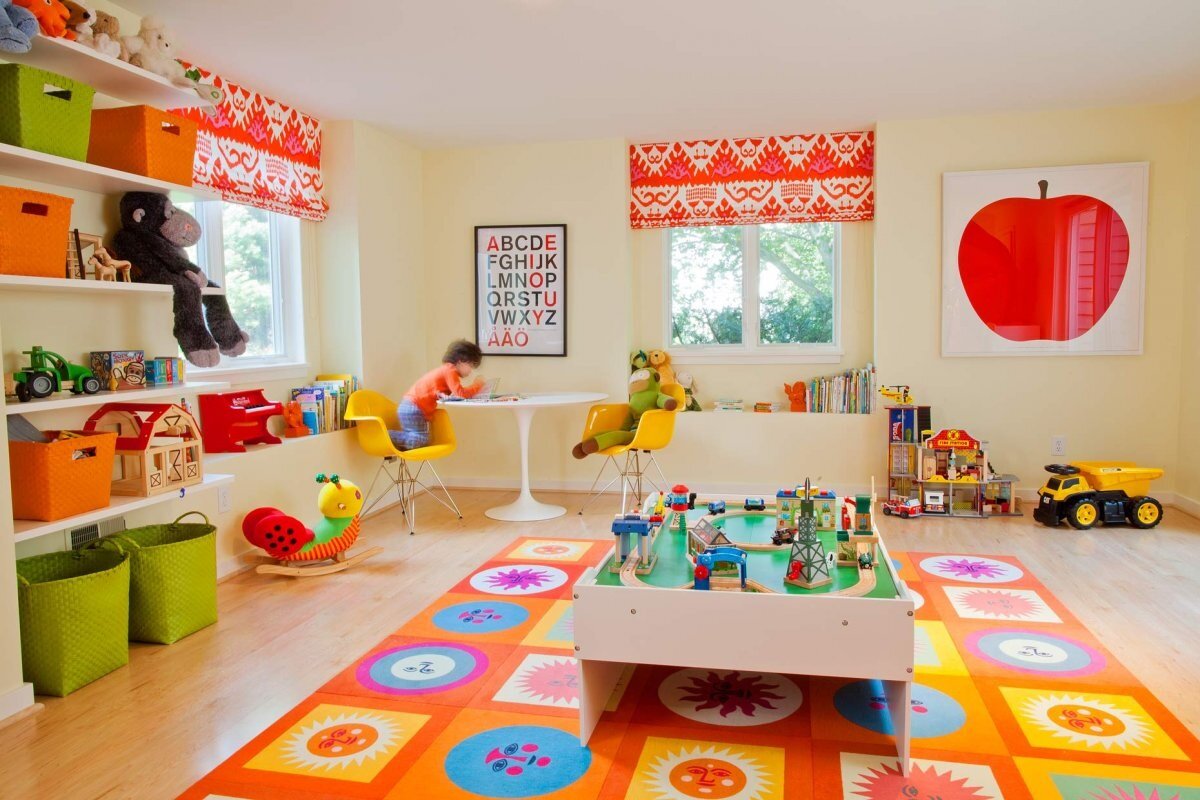
Kids Room Decorating Ideas on a Budget - Tips & Techniques
As parents, everyone dreams of creating a nurturing environment for your little one to learn, play, grow, and thrive. Naturally, the development of this personal space starts from the very first day when you design their nursery. However, until they take over the task of decorating their own rooms as teenagers (let’s face it, everyone goes through this face of “self-expression”), it can be tedious to create a functional yet beautiful room that your child appreciates. And achieving this feat on a tight budget becomes even tougher!

As parents, everyone dreams of creating a nurturing environment for your little one to learn, play, grow, and thrive. Naturally, the development of this personal space starts from the very first day when you design their nursery. However, until they take over the task of decorating their own rooms as teenagers (let’s face it, everyone goes through this face of “self-expression”), it can be tedious to create a functional yet beautiful room that your child appreciates. And achieving this feat on a tight budget becomes even tougher!
Fortunately, here are some excellent tips and techniques to make your kid’s room swoon-worthy:
Work Hard, Play Harder
When thinking of the decor for your child’s room, less is more. With minimum furnishing and less decorative elements, you offer them ample room to indulge in something that they all love - have fun and play. Pair the dedicated play zone with some accessible, floor-level shelves where they can store their beloved toys.
The open space also leaves room for you to include and update the furniture and decor as your child grows (more on that later). In fact, it is always a smart move to maintain this negative space even after every redecorating cycle. Hence, even if you do include furnishing, use items like a swivel TV mount to keep it compact and functional.
Colors Them Impressed
Deciding on the color theme and palette for the room can be a daunting task. You would naturally want something that screams “fun” but would not be too keen to give in to the child’s wishes of painting it shocking fluorescent orange (kids can make the strangest choices!)
In this case, settling for the classic primary colors in pastel shades would be a smart move. These colors bounce light off of them and accentuate natural light. And when you have a kid at home, you would want them to bask in this natural light! In addition to splashing the room in peppy colors, you could also color coordinate the bedding, rugs, and panels to amp up the aesthetics. Alternatively, you could also choose an adult-feeling vibe for painting and decorating the room, especially if you intend to keep it such in the long run.
Play With Patterns and Textures
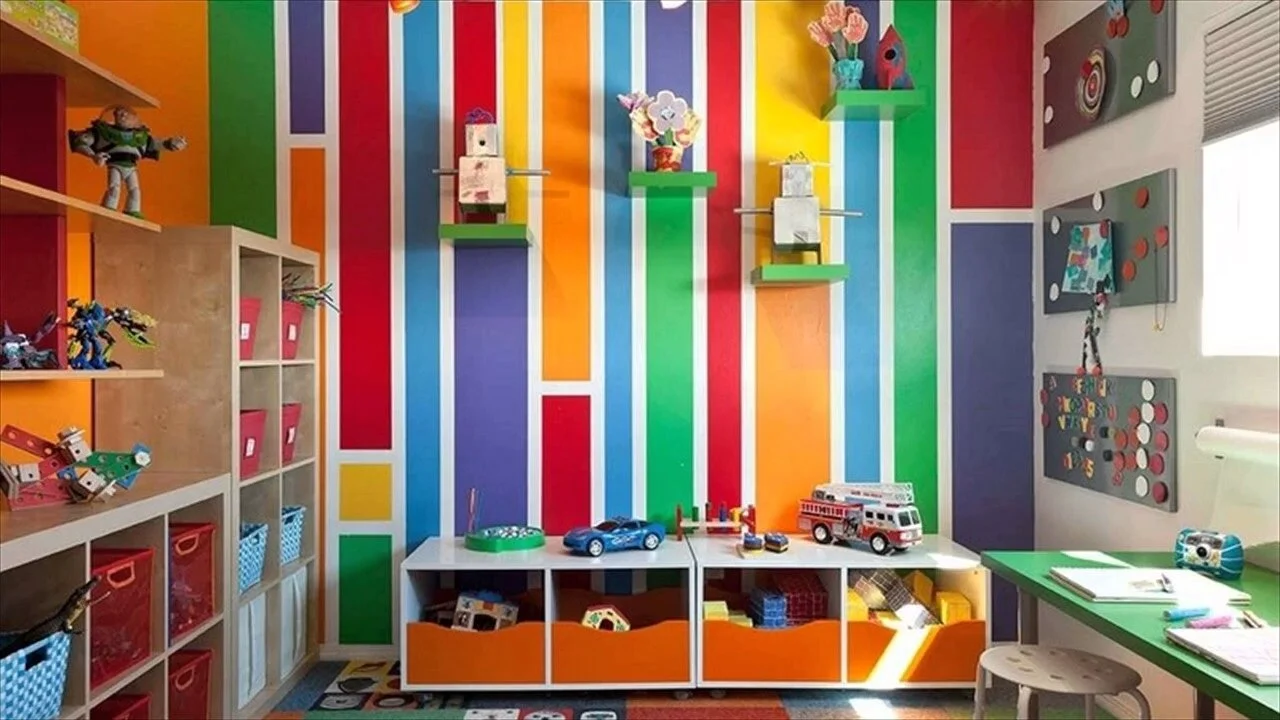
If repainting the room is not on your list, you can always use wallpaper, decals, and art pieces to give their room a pocket-friendly makeover. Make use of graphics, patterns to spice up the room and reflect your child’s likes and dislikes.
However, be mindful that kids may soon grow out of this phase, and something they loved dearly once can turn into an embarrassment. In this case, you could start with basic foundations and layer on some color, vibrancy, and pizzazz to make it more appealing to your child’s transient needs. When the time comes, strip these elements off and swap them with something more age-appropriate.
Storage, Storage, Storage
From toys and games to books and wardrobe - as your child grows, their possessions will also expand proportionately (if not by leaps and bounds). Therefore, you need to plan in advance to organize all the clutter. One needs to get creative with storage options to envision practical ways to accommodate all the belongings.
To double up your storage, you can start with the basics - hooks, under-the-bed storage shelves or drawers, take-apart crates, wall-hugging book rails, and furniture with built-in storage. Aside from picking out sleek and moveable storage elements, you can also decorate these to match the theme, allowing them to blend in with the surroundings.
Keep ‘Em Busy
If your child’s room allows for it, have a dedicated work area to keep their minds and little hands busy. Activities like coloring, playing with play dough, reading, etc. encourage the physical and mental development of a child. So why should you hold back in inculcating such valuable habits?
Set up a reading corner or a workstation in a quiet nook where the child can indulge in these hobbies. It also gives them space to spend some quality time with themselves and get away from things. In due time, you can transform this area into a homework station.
Leave Room in Rooms
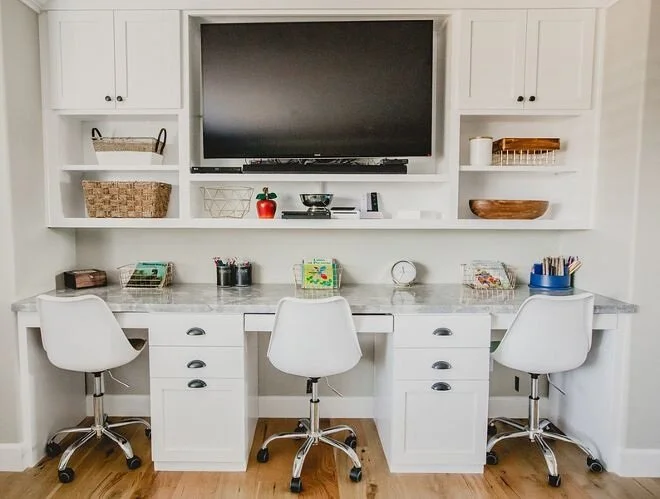
As you may have fathomed by now, decorating your child’s room requires several changes and upgrades that happen over time. The room will grow just as your child would and change as per their needs, habits, and preferences. With this in mind, it would be sensible to leave room to change the decor, the scheme, or accessories. Make use of elements that you can uninstall and remove without any hassles to accommodate these long and short-term changes.
Conclusion
Every child is unique, and decorating their room that reflects their personality and style will make them feel seen and acknowledged. Hence, involve them throughout the process and incorporate their ideas while decorating the room. It will hone their individuality and offer you a great opportunity to bond and spend time with each other!

