

A resource for those seeking information on organizing and transforming spaces.
How to Design Your Home with Self-Care in Mind
Designing your home is a very exciting process. There are many aspects of home design to think about, but with good planning, it can all go seamlessly. In this day and age, we are running around all the time. We are trying to fit in all of our responsibilities into a working day. Your home should be a safe space for you after a busy day. If you design your home with self-care in mind, it will help you wind down after a busy day. If you want to know how to design a self-care home, read on.
Designing your home is a very exciting process. There are many aspects of home design to think about, but with good planning, it can all go seamlessly. In this day and age, we are running around all the time. We are trying to fit in all of our responsibilities into a working day. Your home should be a safe space for you after a busy day. If you design your home with self-care in mind, it will help you wind down after a busy day. If you want to know how to design a self-care home, read on.
Keep Your Environment Clean
Before you start designing your home with self-care in mind, you should take time to clean it properly. A clean environment will help you relax and be at ease. It can be very stressful to come home to unwashed dishes, and clutter all around. The last thing you want is to clean after a long day. If you are redesigning your home, clear out any clutter and deep clean your home. It will allow you to see a clearer picture and come up with better design solutions. Minimalism and a clean home will help you reduce stress, and allow you to relax properly.
Create a Relaxing Spot
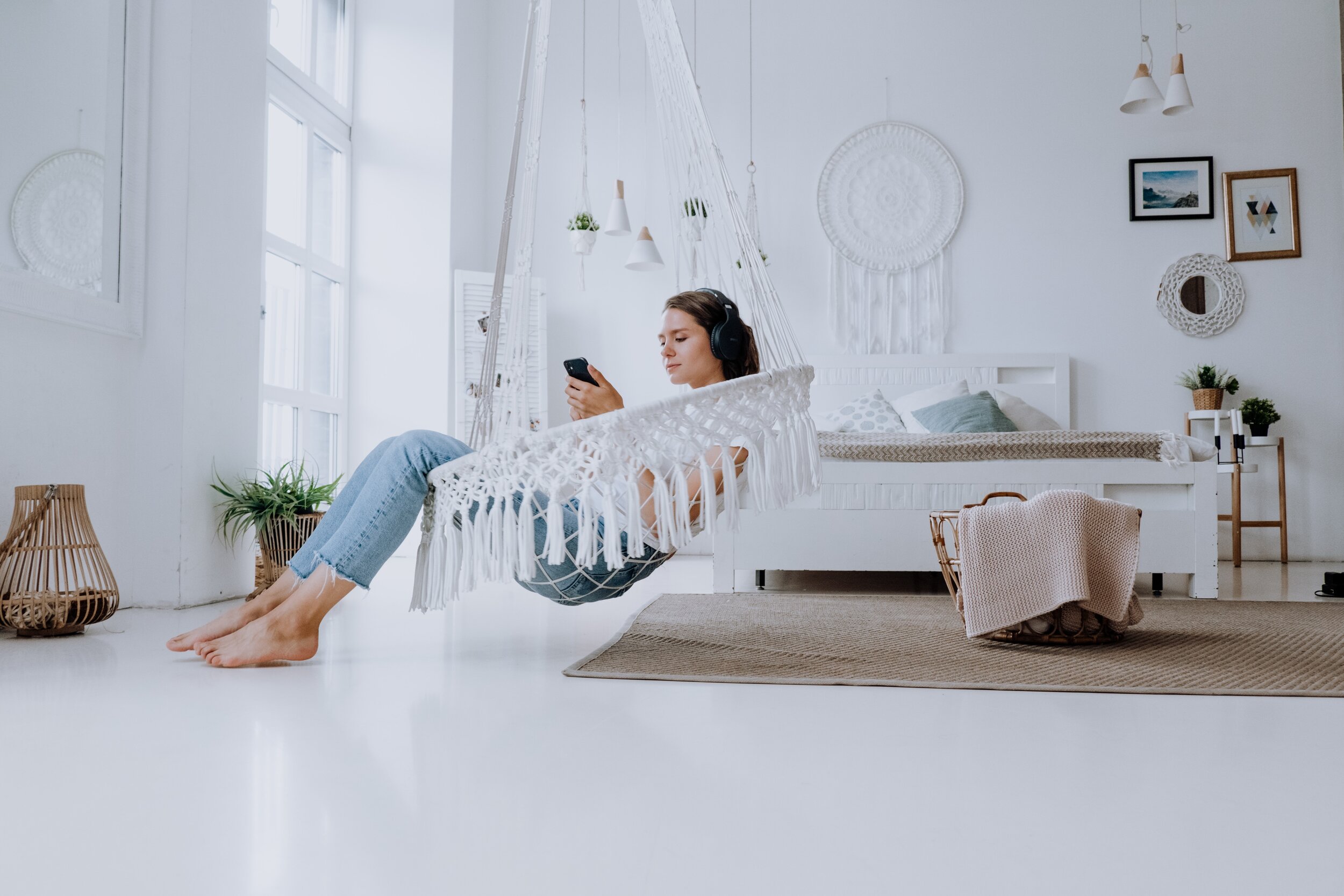
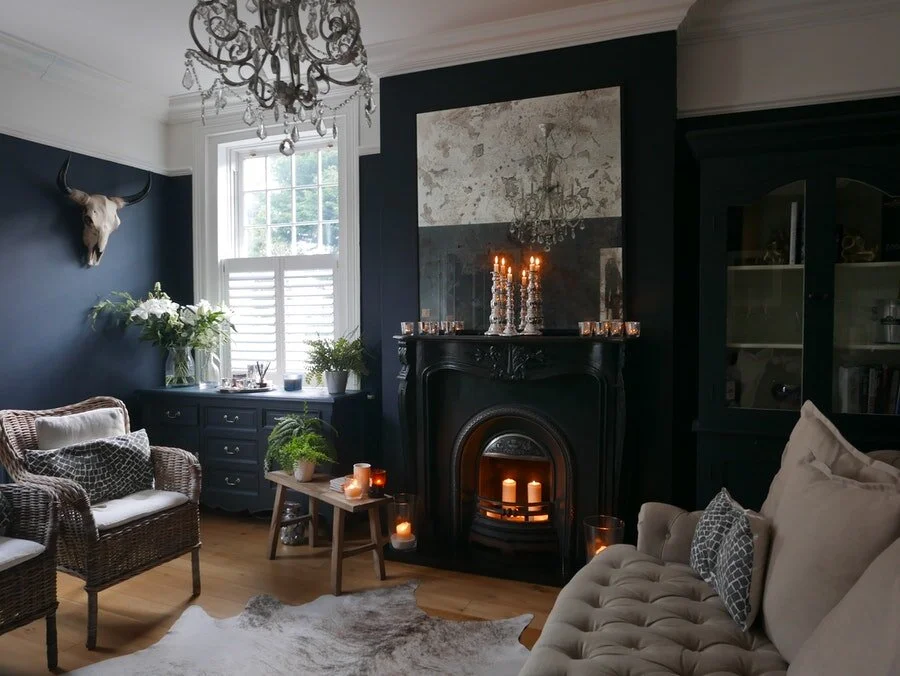
A relaxation spot is important for a self-care designed home. The best solution would be to dedicate a room for relaxing. But even if you live in a small apartment, one corner is all you need. For many people, the bathroom is a very calm and distraction-free space. So, you can take relaxing baths and spa-days. Place some scented candles to set a relaxing mood, and enjoy your night. If you only have a free corner, you can place a cozy chair in it. Pair with a side table with flowers or candles on it, and you have a relaxing corner just for you.
Dedicate Space for a Hobby
Self-care time includes many different activities, and it should leave you feeling relaxed, but recharged and inspired as well. This can be achieved by dedicating space for your hobby. Art and creativity are great for mental health and self-care. Any kind of art can be a very relaxing activity that will leave you fulfilled and inspired. To spark creativity, place your equipment in a visible spot to motivate you. If you have any art that you like, place them all-around your home. It can bring a lot of creativity and motivation to sit down and do art.
Add Relaxing Lights
Lights play a big part in decorating your home. There are different lights for different effects and moods you want to achieve. This goes for a self-care home as well. Lights in your home should be soft and warm. Try to stay away from harsh white overhead lights. They can be very stress-inducing and stop your natural sleep cycle. Focus on dimmer, softer lights throughout your home. Instead of overhead lights, use hanging string lights, corner lamps and small floor lamps. They can help you create a light, relaxing feel in your home. If you want to add a pop of color, you can use a lampshade in other colors than white. You can even use lights in different colors. But usually warm white is the most relaxing color. Candles are also perfect for self-care.
Decorate for a Relaxing Home
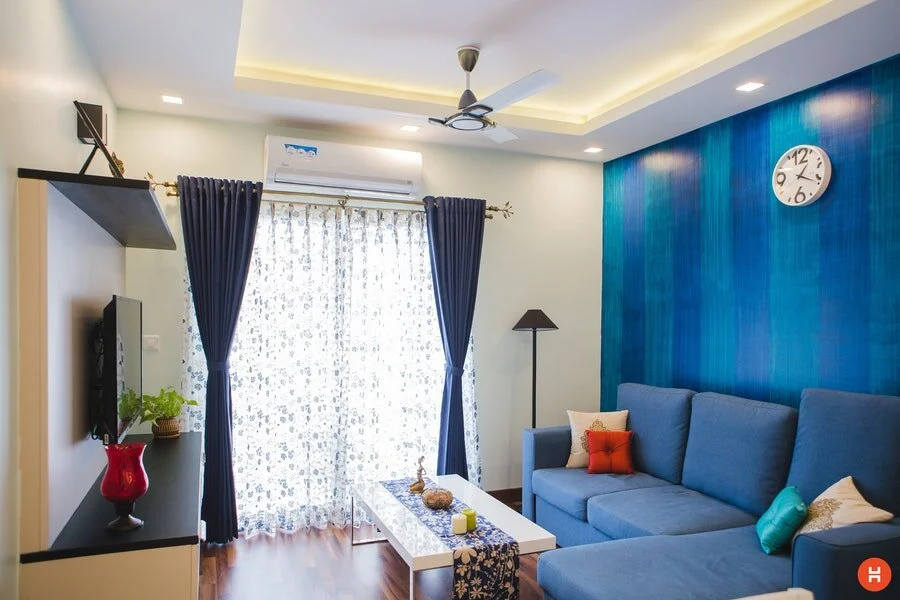
Decorations are sometimes essential to achieving the perfect self-care home. A lot goes into decoration and general design of your home. For your cosy, relaxing spot, pick neutrals, with small pops of color in décor. This can be a colorful vase, a candle, magazines, etc. An important part of self-care is being cosy, so place some throw blankets and pillows on the couch. They are perfect when you need to cuddle up while reading a book or watching your favorite TV show. For a larger design with self-care in mind, room space, windows and flooring play a big part. If you want a relaxing and timeless solution, timber flooring Sydney service can help you choose.
Bring in Nature
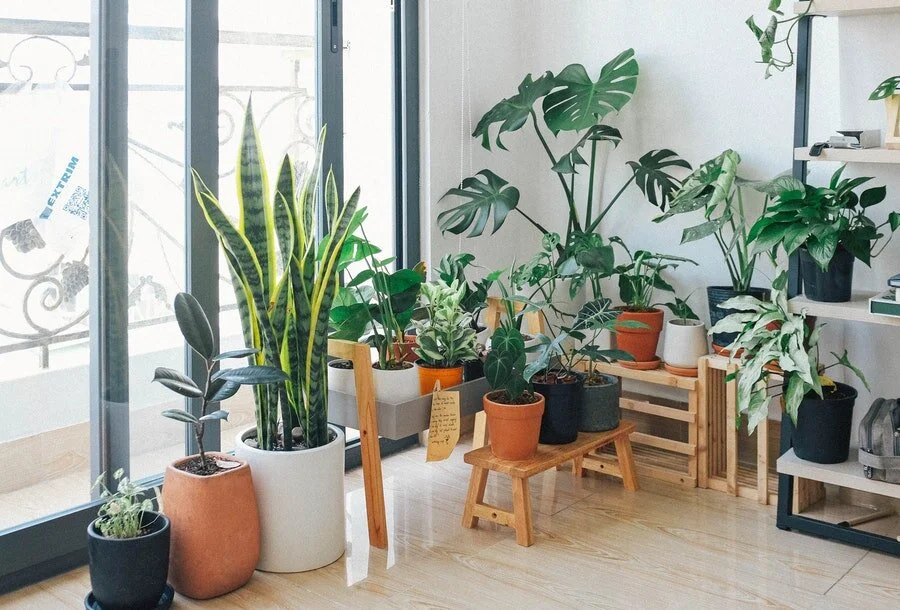
Being outside in nature is one of the highest forms of self-care. If you live in the city, and can’t find time to visit nature as often as you’d like, bring nature inside. Fill your home with plants and flowers to enhance your self-care home. If you are not a green thumb, cacti and succulents are easy to care for. Greenery and colorful flowers will help you relax and ease your mind. Swap out the flowers every week or so to keep a fresh look. Cacti thrive in the sun, so keep them near the window or source of light. Plant herbs like basil in your kitchen for a fresh addition for your meals every day
Designing your home with self-care in mind doesn’t have to be a difficult task. Focus on lighter pieces of furniture and softer shapes. Dedicate a relaxing space just for you, and enjoy your day.
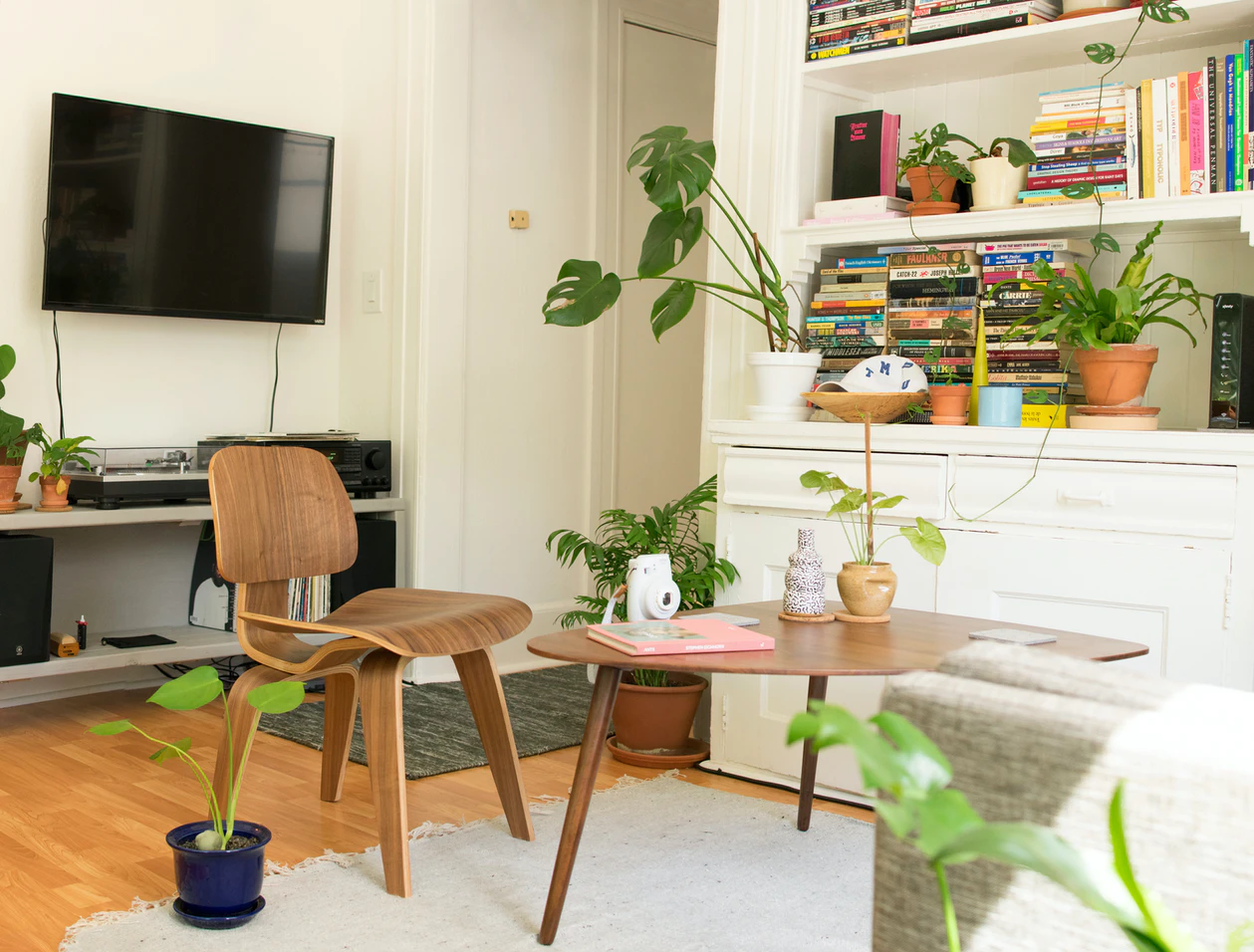
Making Your Small Place Feel Like A Big Space
Few of us are fortunate enough to live in the home of our dreams. Meaning that most of us have to make the best of what we can afford for our living situation. In many cases, this means living in a space that may be a bit smaller than we’d prefer. But unless you have serious space issues like sharing 1 bathroom between 8 people, coping with a small living space can be done with a few easy to follow steps!
Few of us are fortunate enough to live in the home of our dreams. Meaning that most of us have to make the best of what we can afford for our living situation. In many cases, this means living in a space that may be a bit smaller than we’d prefer. But unless you have serious space issues like sharing 1 bathroom between 8 people, coping with a small living space can be done with a few easy to follow steps!
No matter your space or place, there are a lot of simple yet effective techniques that you can make to make your place feel that much bigger. Though you won’t be gaining any square footage, you’ll find yourself feeling less cramped and claustrophobic.
One way to take control of your spot is to alter the color, textures and patterns. Changing this part of the design is a fundamental way to affect how you and others feel while living in it. For example, going with a monochromatic color palette will help a room feel more open and airy. Something that can’t be said for a room with lots of contrast.
Accenting your place with things like curtains with lighter fabrics and furniture with long, thing legs can too contribute to the impression that the space is a lot larger than it truly is. Floors and walls can be accentuated with striped elements that trick the eye horizontally or vertically, creating the feeling of additional height or width.
Mastering these simple elements of design and using the psychology to your advantage will make your space feel bigger, ultimately making you more comfortable. The guide, found below, has even more ideas for making your small space feel bigger. Apply these to your home to make it feel closer to the home of your dreams.
Beyond the Bedroom: Unique Places To Put Your Dresser
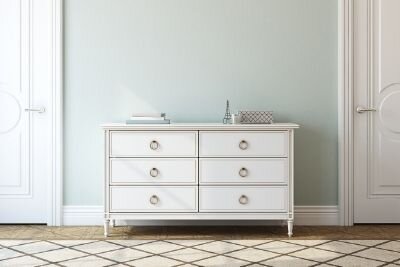
When people imagine a dresser, they typically imagine it in a bedroom. After all, you need somewhere to store and organize your clothes; the bedroom is the most logical spot for it. However, the bedroom isn’t the only spot in need of storage and organization, so why should dressers be confined there? These unique places to put your dresser will bring stylish organization to other corners of your home.
When people imagine a dresser, they typically imagine it in a bedroom. After all, you need somewhere to store and organize your clothes; the bedroom is the most logical spot for it. However, the bedroom isn’t the only spot in need of storage and organization, so why should dressers be confined there? These unique places to put your dresser will bring stylish organization to other corners of your home.
Home Office
With all the mountains of important paperwork, home offices are the space most in need of good organization. Though most desks have drawers, it’s easy for them to become cluttered as paperwork accumulates. Usually, a file cabinet is used to solve this issue, but they tend to have an austere look that subtracts from a room’s aesthetic. Transferring old paperwork into a dresser gives you both space and style. It has enough room to store other items, such as computer parts or office supplies.
Play Room
If there is one space most prone to chaos, it’s a children’s play area. Dressers are an easy way to store toys, books, arts and crafts supplies, and other playtime necessities in one compact area. Not only that, but the dresser front can offer a perfect canvas for bright colors, patterns, and drawings, adding a spot of bright, imaginative fun to the space. The only caveat is that the dresser needs to be anchored to the floor in these areas to prevent tip-overs.
Dining Room
Most dining rooms have some form of hutch to help store fine china, napkins, placemats, and other serving needs. Dressers can act as a slimmer alternative to hutches, able to fit into smaller spaces with more ease. Using a shorter dresser also allows you to use the top to display lamps, photographs, or other decorative odds and ends. And when you entertain for the holidays, you can use the spot for holiday displays.
Kitchen
The kitchen may be one of the most unique places to put a dresser. Since space is usually tight, most people wouldn’t think of it. However, a smaller dresser tucked into a corner can help remove many storage difficulties that arise in the kitchen. It’s the perfect place to store cutlery, extra baking supplies, or pantry goods. You can even keep cookbooks there for ready access at dinner.
Incorporating a dresser into your space is a great way to declutter, add visual interest to a space, or to give you an excuse to upcycle the old dresser that’s been sitting in your basement or garage. The next time you think of dressers, maybe your imagination will travel a bit further than your bedroom.
How To Lower Heating Costs During the Winter
If your energy bill tends to skyrocket during the colder months of the year, take a look at these tips on how to lower heating costs during the winter.

If you live in a cold climate, your heating bill is likely to shoot up during the winter—that is, unless you choose to sacrifice comfort and spend the entire season shivering. For most people, however, the idea of being cold for months on end isn’t ideal—but neither is spending a ton of money on heating their homes. Fortunately, we have a few solutions. Here are some effective tips on how to lower heating costs during the winter.
Invest in an Energy-Efficient Temperature Control System
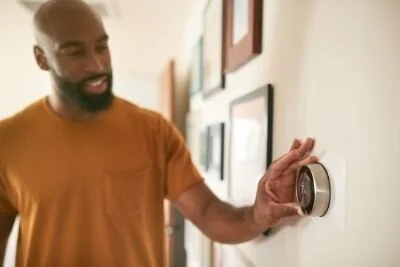
Investing in an energy-efficient temperature control system may have a steeper up-front cost, but it can end up saving you a lot of money in the long run. Because heating systems are some of the largest consumers of energy in homes, reducing the amount of energy your heating unit consumes can greatly reduce your monthly utility bill.
To purchase an energy-efficient temperature control system, pay close attention to the unit’s SEER rating. SEER stands for “seasonal energy efficiency ratio,” and the rating will provide insight as to how energy-efficient the unit is. The higher the SEER rating, the eco-friendlier the temperature control system will be.
Clean or Replace Your Filters
Another tip on how to reduce your heating costs during the winter is to clean or replace your heating system’s filters. If these filters become clogged with dust and other particles, the airflow throughout the vents will become blocked. As a result, your heating system will have to use more energy to properly heat your home. To ensure heated air is able to circulate effectively throughout your home, make sure to clean or replace your filters on a regular basis.
Improve Your Home’s Insulation
Improving your home’s insulation does have a fairly significant up-front cost. However, properly insulating your home is essential to keeping it warm and reducing energy costs. If your home isn’t well-insulated, heated air will continuously escape from your home, and your heating system will have to work extra-hard to keep the space warm. In addition to increasing your energy bill, this can also shorten the system’s life, which will result in repair and replacement fees. As such, it’s often financially advantageous to improve your home’s insulation.

