

A resource for those seeking information on organizing and transforming spaces.

Sleep in Style: How To Personalize Your Bedroom
Whether you just got a new place or need to remodel your childhood bedroom into a more sophisticated space, it can be hard to decide which direction to go. If you’re eccentric and have many hobbies, you might find it difficult to focus on one theme. Maybe you love warm colors but don’t want bright yellows and oranges to keep you up at night. Keep this guide for how to personalize your bedroom nearby for all your remodeling projects.
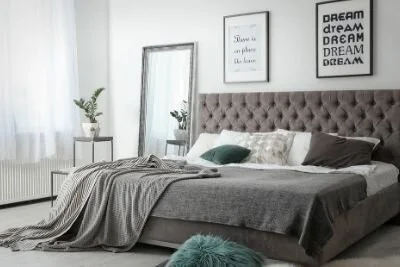
Whether you just got a new place or need to remodel your childhood bedroom into a more sophisticated space, it can be hard to decide which direction to go. If you’re eccentric and have many hobbies, you might find it difficult to focus on one theme. Maybe you love warm colors but don’t want bright yellows and oranges to keep you up at night. Keep this guide for how to personalize your bedroom nearby for all your remodeling projects.
Decide Your Room’s Theme
Before you begin arranging your bedroom, you may want to consider a theme. Having a theme in mind will guide you when considering what bedroom furniture to choose and how to decorate your room. If you follow a fandom, collect pieces from a historic period, or enjoy any other hobby, you could include it in your theme.
Let your theme guide you when picking paint colors or wallpaper. While it’s best to keep bedroom furniture to a minimum, your theme can guide you toward decorative pillows, ottomans, and lamps you can mix and match. Even if you don’t have a major theme in mind, choosing cool colors—such as shades of blue, green, and purple—are ideal for bedrooms due to their soothing effects.
Pro Tip: When you have two themes you want to showcase, use the 80/20 rule! Eighty percent of your room should follow your main theme while 20 percent of the room should be modeled after your secondary theme.
Hang Art in Your Bedroom
You can display your personality in any room with a favorite piece of artwork. Display your sophisticated and serious side with functional wall décor such as calendars, clocks, and mirrors that are available in a plethora of designs. Bedrooms are a great place to display personal and meaningful items, such as family photos. Art and other framed images should be hung at eye level—also known as gallery view—to make the ceiling seem higher and your room look bigger. Hanging smaller pieces of art on your bedroom walls will exaggerate the size of the walls.
Pro Tip: Decorative mirrors can add space to a room! You can provide the illusion of double windows by hanging a mirror across from one.
Lay a Rug in Your Room
A simple way to personalize your bedroom is with a rug. Rugs instantly transform any space and are especially good for small rooms. They add texture, pattern, and color—and can protect your feet from a cold floor in the morning if you don’t already have carpet.
Make Your Bedroom Smell Good
When considering how to personalize your bedroom, you may want to consider all the senses. An often-overlooked sense is smell. Add a candle, plant, or potpourri to your room with your favorite scent. Rose, lavender, and vanilla are popular scents soothing for nighttime. Be aware of what scents you have, though, to ensure they don’t clash and result in something unpleasant.
You can personalize your bedroom in multiple ways. Whether you add some new decorations to freshen up the place or refurnish your room with all new furniture, paint, and flooring, let your bedroom represent you.

How To Wabi-Sabi Your Apartment
The way you design your apartment can make an impact on your overall well-being. So, sometimes it’s necessary to change up your style and incorporate new things into your life and living space.
The way you design your apartment can make an impact on your overall well-being. So, sometimes it’s necessary to change up your style and incorporate new things into your life and living space.
To start, keeping your home clean, organized and clutter-free is essential to making positive changes in your life. Not only that, but it makes your apartment feel homey and stress-free. Next, try a style or practice that helps you keep your home clear and organized. You may have heard of practices such as feng shui and hygge, but have you heard of wabi-sabi?
Wabi-sabi is a term that merges two Japanese words and concepts that represent both an aesthetic and philosophy. On one hand, we have ‘wabi’ which alludes to nature, simplicity, rustic, and humility. On the other hand, we have ‘sabi’ which refers to longevity and the beauty that comes with age. When you put the two words together, you have a concept that is centered on the acceptance of transience and imperfection.
When it comes to decorating, wabi-sabi is the opposite of sleek and contemporary. It’s all about the beauty in imperfection. Check out these helpful tips to incorporate wabi-sabi in your apartment so you can achieve the beauty and appreciation this kind of space provides.
Use Organic Textures
The textures that you incorporate into your wabi-sabi design should be organic and inspired by nature. Organic textures include to incorporate into your design include:
Wood
Wool
Clay
Flax
Wicker
Make your own clay planter pots or carelessly drape your flax linens over your couch to create that wabi-sabi style for your apartment.
Incorporate Nature-Inspired Colors
Since ‘wabi’ alludes to nature, use colors that resemble nature like earthy tones and neutrals. Some colors to implement include black, brown, gray, green or cream since they are soothing and create a calming and natural ambiance. Essentially, you want to use any pared-down color that gives you a relaxing and content feeling.
Use One-of-a-Kind Decor
Since ‘sabi’ refers to the beauty that comes with age, incorporate furniture and decor that has a bit of character to it. This could be something weathered from a flea market or even a family heirloom that’s been passed down for generations. Whatever it may be, you’ll know it’s wabi-sabi if it has a story to tell.
Avoid Perfect Lines
In the case of a wabi-sabi apartment, the ‘careless’ look works really well. By that, we don’t mean it’s okay to have a dirty and cluttered apartment. We mean that avoiding sleek and perfect lines is encouraged. This can range from a slept in bed that wasn’t perfectly made or a pair of worn out boots by the door. This provides a healthy balance between function and form – giving your apartment that sense of living.
A wabi-sabi home emanates serenity while incorporating sentimentality at the same time. To help guide you create the perfect wabi-sabi apartment, check out ApartmentGuide’s infographic below.


Guest Post - 5 Factors to Consider Before Starting a Home Remodeling Project
Thinking about embarking upon a home remodeling project can be so exciting! Whether it's turning an unfinished basement into a home movie theater, transforming an outdated bathroom, or renovating a kitchen, home remodeling can add extra comfort and usability to your living space.
But remember, remodeling projects can often go awry or way over budget, so before you start, be sure to consider these five factors. Understanding these now can save you time, money, and stress later on.

Thinking about embarking upon a home remodeling project can be so exciting! Whether it's turning an unfinished basement into a home movie theater, transforming an outdated bathroom, or renovating a kitchen, home remodeling can add extra comfort and usability to your living space.
But remember, remodeling projects can often go awry or way over budget, so before you start, be sure to consider these five factors. Understanding these now can save you time, money, and stress later on.
1. Will Your Home Remodeling Project Be a Sound Investment?
There's no doubt that remodeling projects often add a touch of beauty and glamour to your home, but even the smallest of projects could have a large price tag. Will the cost of what you'd like to have fit within your current budget? It'll be hard to enjoy the new space if you're worried about paying off your loan or credit card bills. Also, consider your home's current value and the value of the homes in your neighborhood. If you're remodeling because you'd like to put your home up for sale soon, this information will be helpful since you may not want to spend money on a remodeling project if it doesn't increase the property's value.
2. Consider the Timing and Space
Before moving forward with a home remodeling project, you need to make sure you have sufficient space for what you'd like to accomplish. For example, if you want to transform your basement into an in-law’s apartment, you first need to make sure there is ample space for a family member to live comfortably.
Timing your remodeling project is also an important factor. Depending on where you live and the nature of the project, some work may depend on the weather and the season. Outdoor projects such as building a deck or a garage may need to be done during a warm and dry time of the year.
3. Set a Realistic Timeline
Be sure to allocate ample time for every step of your remodeling project. The fact is that for nearly every large-scale project, you will likely come up against at least one unexpected delay. Delay-causing events can range from discovering unknown structural problems with your house to delays in shipping for appliances to unpredictable, lousy weather.
Some time may also need to be spent moving displaced furniture or belongings. Dealing with these problems is made easier with the use of units at a long and short-term storage facility (depending on the duration of your work). Rather than cluttering up other rooms for weeks or months, moving those items into a climate and access-controlled space can make life easier for everyone in your home.
4. Understand the Work that Happens Before the Remodeling Process

Before the contractors and remodeling professionals (if you’re outsourcing labor) start to work, you'll need to make sure the space being remodeled is ready for them. As you’re packing up belongings and small items, use the time to declutter and get rid of things you haven't thought about or used in years. Donate items that are in good condition to a local charity for those in need. Items that can't be donated can be recycled or put out with the trash.
You'll also want to do some research and understand what types of building permits and inspections your city or town requires. Laws differ from one municipality to the next, but typically, more extensive projects such as building an addition, garage, or installing a new HVAC system will require a permit. Smaller remodeling jobs such as painting interior rooms, or changing fixtures and appliances do not. Your local permit office will be able to tell you what is required.
5. Take the Time to Contract Reputable Remodeling Experts and Quality Building Suppliers
Nothing can ruin remodeling plans faster than fly-by-night contractors or poor-quality building supplies. Take the time to ask friends and co-workers for references for reputable remodeling experts in your local area. Interview several different companies before making a decision. Evaluate each on qualities such as the satisfaction of previous customers, how they will communicate with you, and the clarity of their explanations. Look at photos of remodeling projects that have been completed in the past to identify their level of craftsmanship and get their feedback on your budget for the project. You want to make sure you have 100% trust and confidence in the team you hire.
When it comes to your project's building supplies, fixtures, and appliances, you also want to invest in the best quality that your budget will allow for. Ensure you or your contractor source all materials from vendors that sell products meeting the highest quality standards. Also, be aware of your state's warranty regulations for all purchased goods. These laws vary, but they'll offer you a certain degree of protection in the event something malfunctions or breaks through no fault of your own.
Finally, if your remodeling project is substantial and will involve multiple contractors, workers, and interior designers coming to your home, you may want to consider purchasing and installing a key lockbox or "smart" door hardware. This way, you don't have to wait at home to let every person in and out of your house whenever they come by to work.
Starting a home remodeling project can be a fantastic way to freshen up a tired or outdated living space. When you take the time to plan your project, you'll be prepared for every step of the process. In no time at all, you'll be enjoying your new space – and thinking about the next project you want to tackle.
About the Author: Carolyn Mitchell is a freelance writer and content strategist with a passion for home décor and maintenance. She can often be found re-painting and updating the furnishings in her home, and she is also a dedicated cat mom to two adorable kitties.

Shaker Kitchens: A Timeless Trend
Combining sleek elegance and functional simplicity, Shaker style kitchens have stood the test of time for over two centuries. An emphasis on quality craftsmanship and classic style cements these kitchens as a firm favorite among kitchen designers. In our latest article, we take a closer look at the Shaker kitchen trend and what makes it so enduring.

Combining sleek elegance and functional simplicity, Shaker style kitchens have stood the test of time for over two centuries. An emphasis on quality craftsmanship and classic style cements these kitchens as a firm favorite among kitchen designers. In our latest article, we take a closer look at the Shaker kitchen trend and what makes it so enduring.
A History of Shaker Style
The Shaker style originated in the mid 18th century. Its creators were a small religious sect which emerged from the Quakers. The group, known to many as ‘Shakers’ prized honesty, simplicity and utility as core values amongst their community. Many embraced communal living and self sufficient practices, growing their own food and making their own furniture.
‘Beauty Rests on Utility
A popular Shaker maxim, ‘beauty rests on utility’ depicts the Shaker belief that simple is stylish. And that too much adornment is a show of ‘pride’. Instead of lavish ornamentation, Shakers focused on function and the belief that all things should hold a purpose. Their lifestyle avoided unnecessary waste. Off cuts of wood would be used for kindling or making matches.
Shaker Signature Style: Shaker Cabinets
Perhaps the most well known element of Shaker style is their cabinets. Renowned for their solid, well built cabinets, in particular their doors, these are a key feature in any Shaker kitchen.
Shaker style cabinet doors will typically comprise a square frame, with panels and rails. Made from robust, locally sourced wood, they are truly built to last.
Rather than importing wood for their cabinets, Shakers opted for locally sourced materials, preferring woods such as cherry, oak and maple. These woods have the added benefit of the grain showing through paint layers to give that traditional look.
While the Shakers were known for their love of function and simplicity, their choice in color schemes was certainly not lacking in aesthetic appeal. The original Shaker kitchens used primary colors such as red, yellow, green or blue. Shakers used natural plants and dyes to mix their palettes, which created beautiful naturally inspired tones, providing a welcome contrast to the traditional plain white walls.
The Importance of Storage
With their desire for function came the importance of adequate storage. They believed that space should be uncluttered (a common theme in modern day minimalism design trends), with everything in its place. Within Shaker design you will find plenty of functional storage. Tables with drawers for cutlery, peg hooks or rails for displaying utensils, dried herbs and cookware and large dressers all feature. In modern day Shaker kitchens, designers use kitchen islands to provide additional storage.
The beauty of the Shaker style kitchen is that it is perfect for both period and modern style properties. The sleek, modern minimalism reminiscent of the contemporary kitchen combined with traditional values and natural materials is the ideal mix. If you are a lover of minimalist or Scandinavian style design, both of these have been heavily influenced by Shaker style.
Key Elements of a Shaker Kitchen
Neutral Colors
To start with, a Shaker kitchen needs a neutral color base on which to build. Most designers prefer classic or warm white, as it perfectly complements the overall style and makes the most of natural light. However, others have been known to opt for darker colors such as navy for their kitchen backdrop.
Sturdy Cabinets
At center stage should be solid timber cabinets, with the classic Shaker style structure. Oak is a sturdy, reliable wood that will stand the test of time, while acting as a perfect base for your chosen color scheme.
Color Contrast
Many Shakers chose to leave their cabinets unpainted, instead just oiling them. However, if you desire a little more color, be sure to pick a contrasting shade to your white walls. Opt for earthy tones, like the Shakers themselves. Alternatively, go bold with a darker, more dramatic shade. Deep navy and forest green are popular seasonal color trends.
Natural Materials
When it comes to worktops, solid, natural materials are best. Stone, marble or granite are all popular choices. While another stylish option is wood such as oak or walnut.
Simple living and beauty in functionality. Shaker style is sophisticated and timeless - built to last.