

A resource for those seeking information on organizing and transforming spaces.

8 Simple Ways To Add Style To Your Home
Getting a high-end house can be difficult for many, especially when they have a limited budget. But that doesn’t mean one shouldn’t add style to their home especially when they have the ideas and resources available.
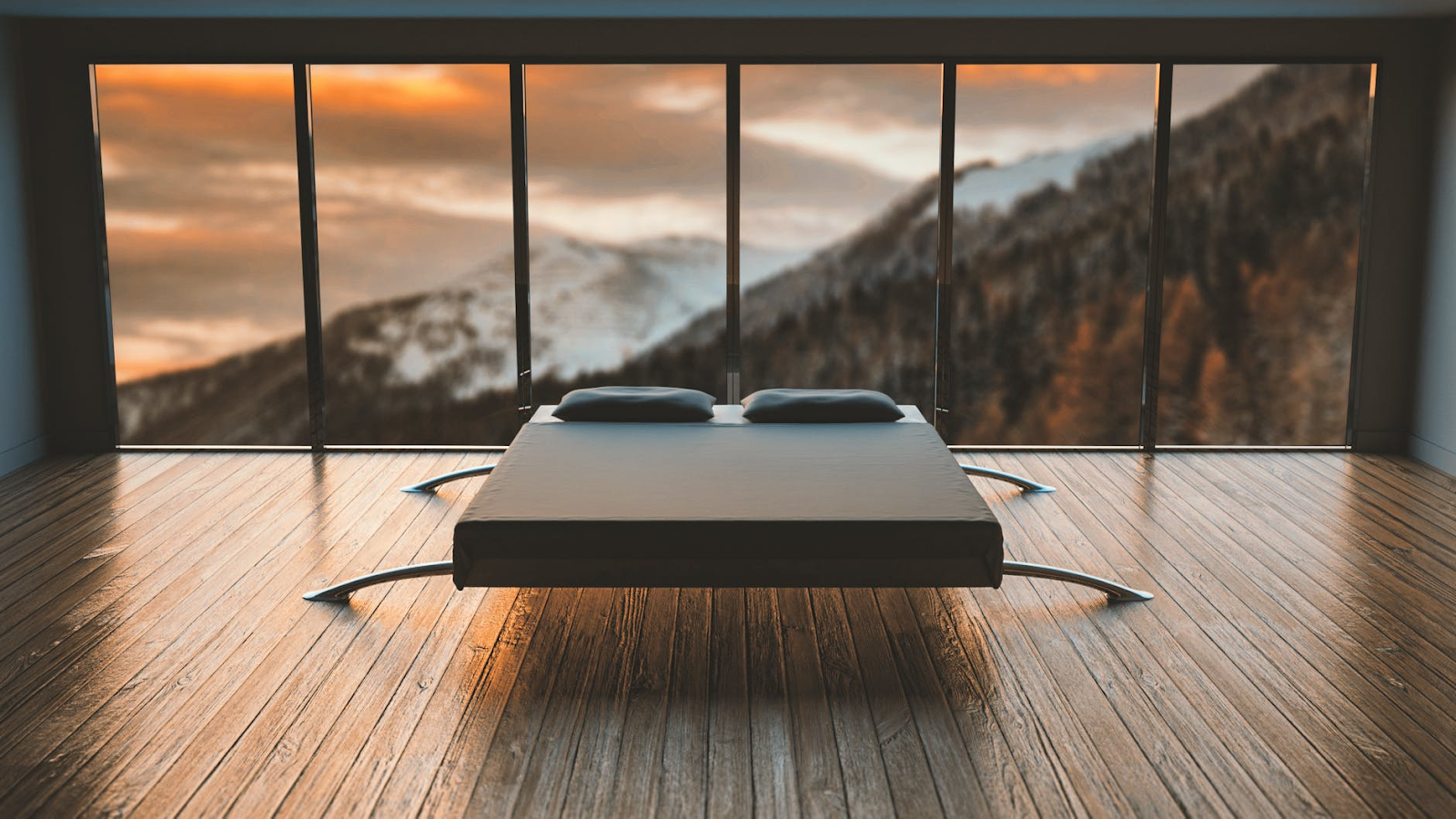
Getting a high-end house can be difficult for many, especially when they have a limited budget. But that doesn’t mean one shouldn’t add style to their home especially when they have the ideas and resources available.
Interior designing ideas available online have made it a lot easier for anyone to create a stylish home layout without hiring any expert home decorator.
These interior designing ideas can be anything. From changing wallpapers, to adding a new coat of paint, to replacing the wooden floorboards. Home owners can make a lot of noticeable changes in their houses without breaking the bank.
Let’s discuss some of the simplest and the most affordable ideas to make your home look elegant and stunning.
1. Let Wallpapers Redesign Your House
Although wallpapers are one of the easiest things to think of when revamping your house, they still require an expert vision to completely redesign the look of the house. What designs will suit which walls, and how these designs will connect with the rest of the walls of the house, all these things require what we call a ‘design sense.’
One can also go with paint, but paint is costly, and designing with paint again requires an expert. However, wallpapers come pre-designed. Simply order the colors that you like from Walmart or Amazon and DIY the house renovation.
Just make sure to check home color palettes online and buy a mix of those colors for your home revamping.
Creating contrast is the best way to create a vibrant home ambience. If you are not a big fan of contrasting colors, you can play with bright and dull colors that suit the wall paint.
2. Choose Vibrant and Contrasting Window Treatments
Windows play a crucial role in creating the look of the house. If the windows are rusted, unfinished, or not having a glossy finish, they are less likely to look appealing. One thing to note here is that windows can make or break a deal when selling a house. So, if the windows are not properly treated or lack any appealing paint, they will decrease the overall value of the house
When deciding on the windows, see if you would want to place curtains or shades on them, or you will keep them as they are. The color of the windows will highly depend on the setting you choose. Windows of the main rooms should have blinds as they look elegant and are easier to maintain. Inner rooms or the bedrooms can have shades or curtains, whatever suits you.
The color of curtains should be similar to that of the door as these will create a contrast with the wall colors and give a vibrant appeal to the whole place.
You can try the simple steel shades or bamboo shades if you want a laid back environment inside.
3. Wooden, Tiled, or Carpeted Floorboards?
First thing one notices when they walk into a house is the floorboard. Whether tiled or wooden, floorboards set the precedence for how the whole house would look. Usually all this starts from the porch section. So, to add a style to your home, make sure that floorboards are well selected. In North America and Europe, wooden floorboards are mostly used for insulation. Easter Europe has marble and tile floors because of the weather conditions. Wooden floors boards can also have floor papers. Or they can be carpeted to reduce noise. Selecting the design of the floorboards mostly depends on your choice.
Usually, Costco and Home Depot, both have a special flooring section where you can find numerous varieties of floorboards.
4. Lighting Makes all the Difference
If you want to make your house look lively, you need to invest in a quality lighting setup. Most houses have standard lighting fixtures. These are pre-added by the contractors and they make the house look plain and generic.
The best place to find creative lighting ideas is the flea market. There you can find everything from uniquely designed light bulbs to standard chandeliers. Second hand stores offer a lot more budget friendly options. Although the products are used, you can make them look as good as new by cleaning them at home.
Have multiple light sources such as lamps, floor lamps, side lights, blind lights, and chandeliers, to make the space look lively and bright. If you are unsure how to install them, you can get help from roofers in Beverly.
5. Adding Furniture to House
What do you want your house to look like? Minimalistic, Cozy, Traditional, Modern? There are many other ideas that you can choose from. If you are not sure how furniture will look inside the house, then use furniture-specific 3D apps and see for yourself. Most furniture ideas can be found online.
Bean bags are now replacing sofas. Most bean bags are cheap and you can even design your own bean bags.
Since Work From Home (WFH) is now becoming a norm, everyone wants to have a desk and an office setup at home. You can get bean bags and cushions and create your own cozy working space.
Or, you can get chairs and tables and create a traditional dining room environment.
When looking for furniture, choose flea markets where second hand furniture is being sold. If the furniture is available in normal condition, you can polish it at home and make it look new.
6. Keep Your House Clean
Dust is the biggest killer of fancy and style. So, invest in a good air humidifier and a vacuum cleaner. Most households now have central vacuum cleaning because it is easy to manage and clean the whole house.
Keep the windows of all rooms that you don’t use often closed. This way dust won’t settle inside and you won’t get embarrassed when you open them in front of the guests.
7. Focus on Color Tone & Matching
Finally, make sure that your furniture has a proper color tone. If there is too much furniture in the room with a mismatched color tone, it looks unfinished and gives a hazy feel. So, make sure that the color tone of all pieces of furniture is similar.
8. Give Your Personal Touch
A home is never a home until and unless it has your personal touch. Make it a beautiful place where you are more likely to spend time. If you like bean bags instead of sofas, then add them. If you want a minimalistic house with rugs, carpets, and hammocks, then that is fine as well. Add a few photo frames of yourself and your family and also your favorite plants in your home. In the end, it is all about how and what you want. After all, it is your home. So, give it a style that you love!
Bottom-line
Don’t indulge too much in impressing others by adding a style that doesn’t blend with you. Because it will be you who will be using the home the most. So, create a setting that makes you feel comfortable and cozy.

Guest Post - 4 Clever Ways to Create a Good Design Flow Between Rooms
If you’ve decided to decorate your home and perhaps change some things drastically, you’ll most likely want each of your rooms to have a distinct feel to it. This may seem rational, as some rooms are supposed to make you more active, while others should help you calm down. However, although you might be considering a variety of styles and colors for separate parts of your home, you’ll surely want to make the transition from one area of your living space to another make some sense.
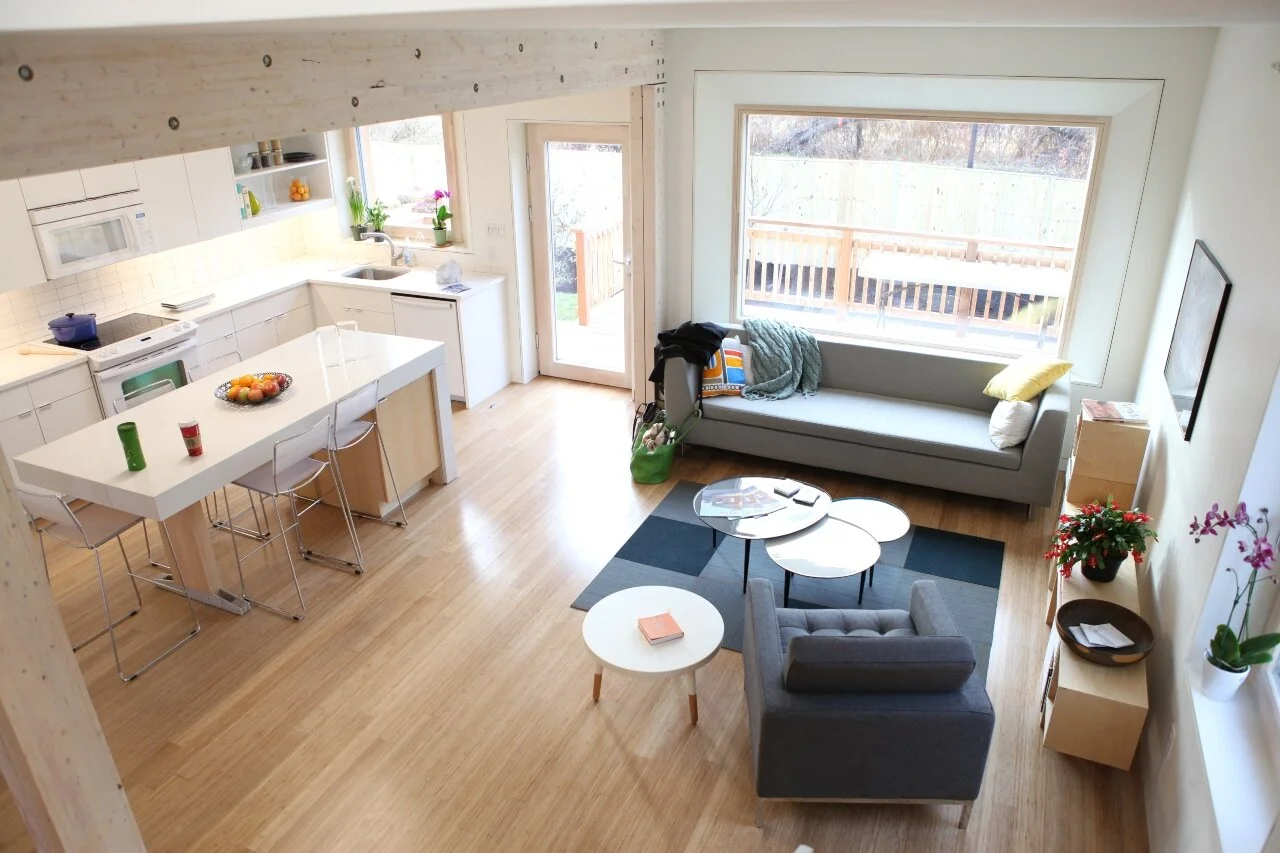
If you’ve decided to decorate your home and perhaps change some things drastically, you’ll most likely want each of your rooms to have a distinct feel to it. This may seem rational, as some rooms are supposed to make you more active, while others should help you calm down. However, although you might be considering a variety of styles and colors for separate parts of your home, you’ll surely want to make the transition from one area of your living space to another make some sense.
Having all of that in mind, here are some excellent ways to create a design flow between the rooms of your home, which will suit your needs, preferences and sense of style, while being inviting to you, your family and any visitors you could have.
Follow a Theme
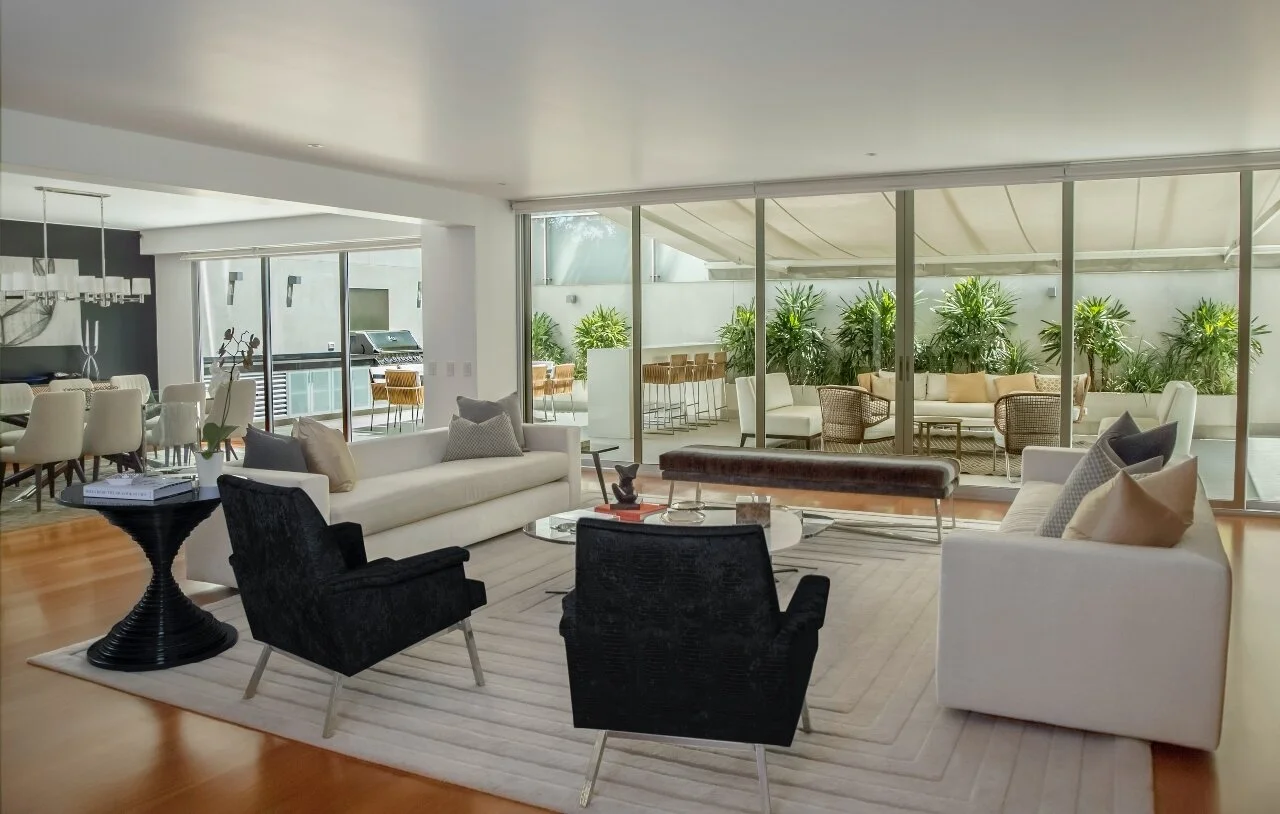
While there are those rare people who can pull off completely different styles in different parts of their home, in most cases, it just makes the place look hectic, disconnected and even messy. As this is something you probably want to avoid, the first thing to do is to identify a theme, a style you want for your entire home and decorate every room following it.
Whether you’re a fan of the boho, industrial or Victorian style, you can make things work wonderfully by adding a diversity of details into separate parts of your home, while staying truthful to the style of your choice. You want a modern home, but your fireplace looks ancient? You can update it to be modern as well. You can have somewhat mismatched fabrics, colors and even art in your living room, bedroom or kitchen, but they should all belong to the same style or era to keep your home symmetrized in a way.
Stick to the Same Materials and Finishes
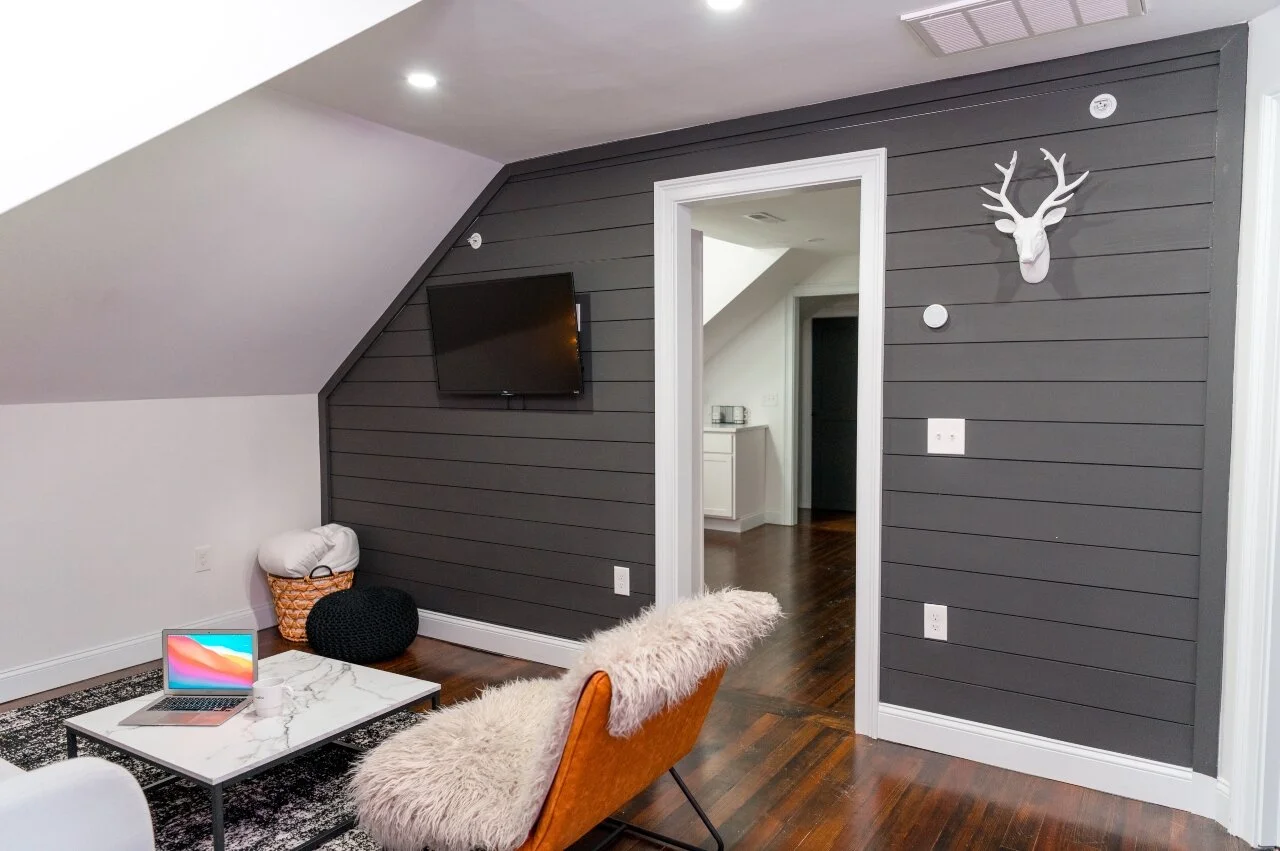
Another thing that can make your living space appear more logical and connected is the consistency when it comes to materials and finishes. For instance, if the light fixtures in your kitchen and dining room have a silver finish, you might create a thematic disbalance by making the faucet bronze and the doorknobs golden.
Similarly, if you choose wood, brick, stone or metal as prevailing materials for furniture pieces or decorative elements in your home, then feel free to repeat them throughout the rooms, as matching materials this way will make your interior and even exterior more appealing and coherent. If you’re indecisive with regards to picking the right materials and finishes for your home, you might want to stay informed about the 2021 design trends, so that your kitchen, bedroom or bathroom are as contemporary as possible.
Introduce Common Elements
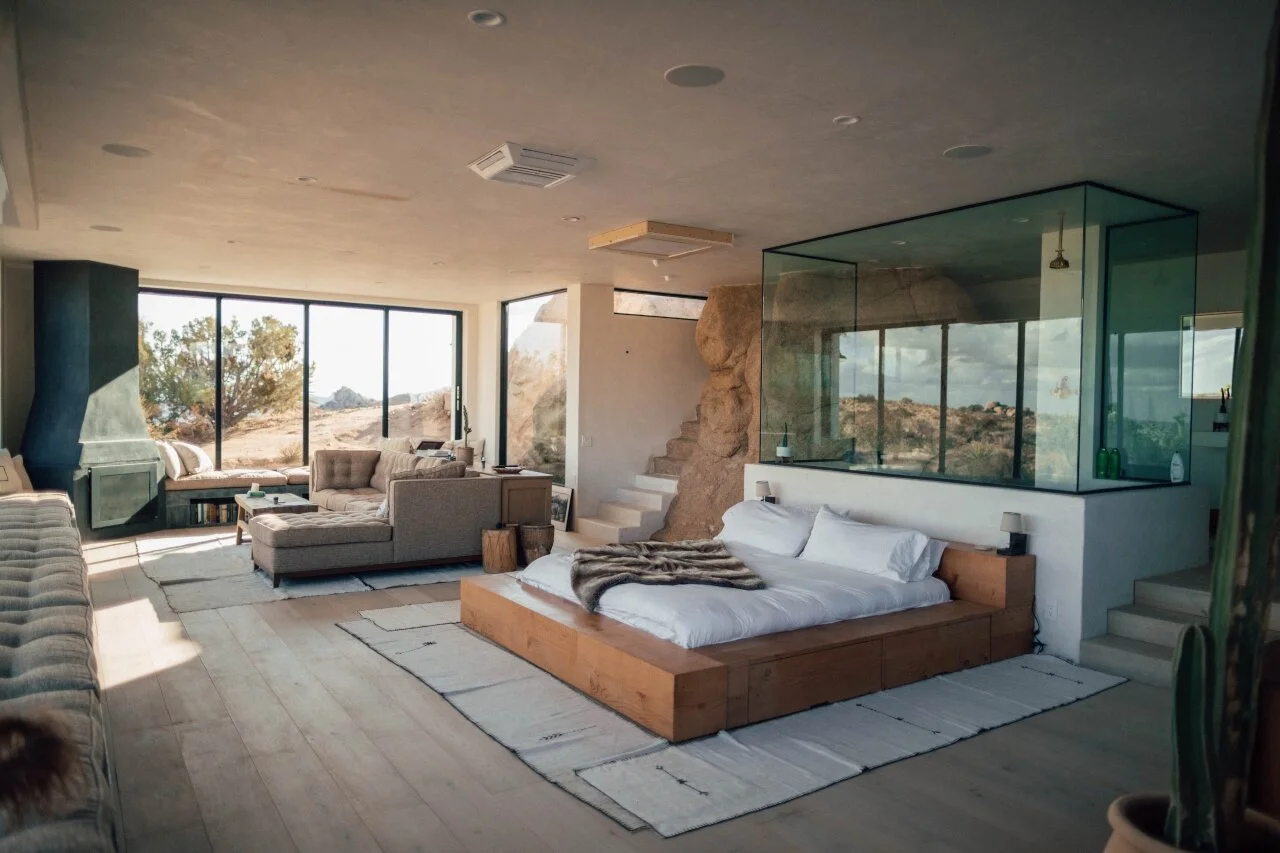
For a place to stay compatible as you move from one room to another, there’s always the option of bringing in some common elements to it. For instance, you should keep the flooring in your home uniformed in a way by opting for the same type of flooring for the main areas of your home. Same wood tones are one way to go, while using rugs to achieve a well-thought-out look is another.
An excellent idea would be finding some premium Miss Amara rugs in such natural materials as jute, hemp, cotton and wool, so that you add an extra touch of warmth and coziness to your home, while providing some subtle repetition to connect separate parts of it. You can even find rugs in similar colors and shapes to make it all even more consistent. The same system applies to decorative objects like lamps, cushions or curtains, but also to furniture. Repeat the element you choose up to three times in a room, so that the place doesn’t seem cluttered.
Let Colors Work for You
You want to upgrade your home or improve your rental property to make it more appealing to tenants, but you aren’t exactly swimming in money right now? The flooring is mismatched, the finishes are all over the place and you can’t afford to make any high-price changes, but you want to bring some sense into the residence? Use colors to your advantage. Colors can be tempting to play with and you might want to bring in some diversity into your rooms by painting each of them a completely different color. However, bear in mind that this sort of creative outburst can create a feel of conflict between your rooms.
So, choose one color for your walls or the biggest pieces of furniture and perhaps just change the shades of it somewhat for some variance. This will create a compelling and natural flow throughout your home and allow you to achieve the look you were aiming for.
You want your home to be a pleasant place, where you’ll be able to be yourself and enjoy both the frenzy and the calmness of everyday life. So, decorate it that way and keep it systematic in every sense of the word. The design flow between rooms is essential for this. In the end, no matter how different the parts of your home might be, you want it to be clear that they are a part of a bigger and a logical whole, where you can shelter your body and mind and be happy and content about it.
About the author: Mike Johnston is an avid blogging enthusiast and experienced freelance writer. He’s a regular contributor to the “Smooth Decorator” blog and numerous other online publications where he writes about home improvement, interior design, construction, and real estate.

Facade Fix-Ups: How to Increase Your Home’s Curb Appeal
If you’re hoping to sell your home, then you’ll have to make the property look good from the road. Potential buyers will make their first judgements the moment they arrive at your address, and that initial impression will linger long after they’ve walked through the door. Even if you’re not planning on selling, it still makes sense to boost your curb appeal. After all, your neighbors might like you a lot better if you do your part to keep the street looking its best. Here’s how you can take your house’s curb appeal to the next level.
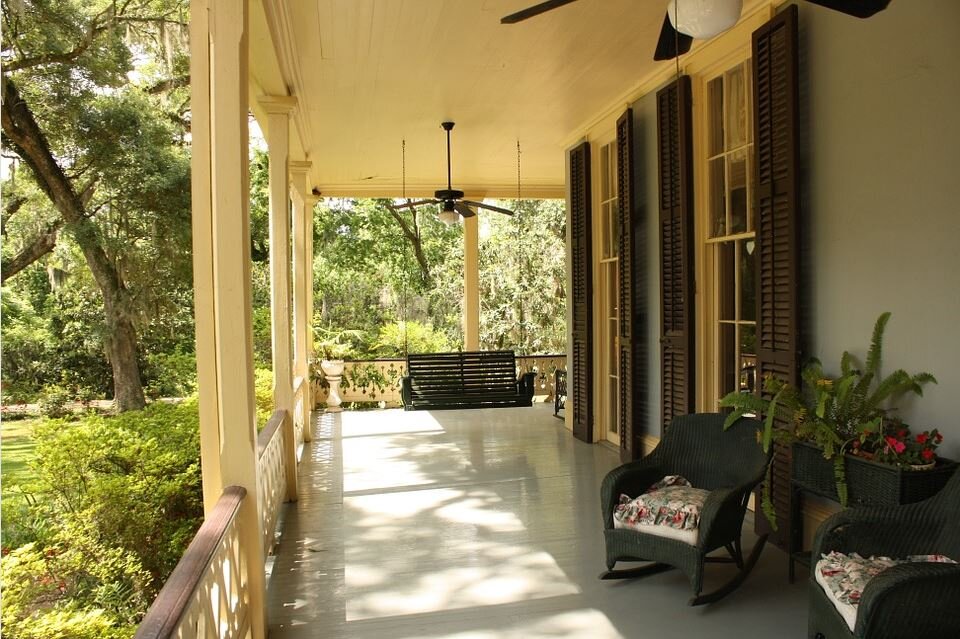
If you’re hoping to sell your home, then you’ll have to make the property look good from the road. Potential buyers will make their first judgements the moment they arrive at your address, and that initial impression will linger long after they’ve walked through the door. Even if you’re not planning on selling, it still makes sense to boost your curb appeal. After all, your neighbors might like you a lot better if you do your part to keep the street looking its best. Here’s how you can take your house’s curb appeal to the next level.
Paint the Exterior
After years of exposure to the elements, the outside of your house is bound to look a little worse for wear. Even if the paint itself is still intact, the colors have likely faded. This gives your entire home a tired, sullen appearance. You’ll be amazed at how a simple painting can reinvigorate the exterior and improve your home’s curb appeal.
Touch up Your Landscaping
While many homeowners focus on the physical structure of the house, it’s vital to remember that your yard is just as important when it comes to curb appeal. If your property is filled with overgrown grass and dying plants, people are going to assume the interior of the home has been similarly neglected. You don’t have to spend a lot of money or invest hours of your time to rectify the situation. A single afternoon mowing the lawn, pulling weeds, and laying down mulch should make the yard look a whole lot better.
Clean and Repair Your Gutters
Fallen leaves can get into your gutters and slowly turn into dirt. Not only does this prevent your roof from draining the way it should, but it also creates an eyesore that’s clearly visible from the road. In the worst cases, plants can even be seen sprouting from the detritus. Getting up there and cleaning the area is the best way to restore the home to its normal appearance. If you’re not comfortable using a ladder, you could set up some scaffolding. Alternatively, you could hire professionals to do the work.
Your house will never look its best if you don’t keep up with standard maintenance. Tackling the three projects listed above is a great way to transform your home in a single season. By the time you’ve finished, your curb appeal will be greater than ever before.

Nine Top Architectural Styles
Understanding various architectural styles helps foster a general appreciation of the built world. And the built world is all around us. So, whether you’re looking to buy, you are in the midst of a remodel, or you’re simply eager to know a little more about that beautiful house up the street, this rundown of top architectural styles will help you experience and understand prominent architectural styles on a deeper level.

Understanding various architectural styles helps foster a general appreciation of the built world. And the built world is all around us. So, whether you’re looking to buy, you are in the midst of a remodel, or you’re simply eager to know a little more about that beautiful house up the street, this rundown of top architectural styles will help you experience and understand prominent architectural styles on a deeper level.
Art Deco
Art Deco style was born in early-20th-century France and became a force in American architecture by the 30s. It’s a style that strives to catch your eye. As the Pennsylvania Architectural Field Guide notes, Art Deco “... was an intentional break with past precedents in an effort to embody the ideas of the modern age. It was the first American architectural style to look forward rather than back.” Art Deco public buildings often feature smooth facades and elaborate tile designs. When do-it-yourselfers are remodeling their homes in Art Deco style, they often break out their tile tools and throw down some funky penny round tile.
Cape Cod
Puritan craftsmen brought the Cape Cod style to America; hence, the relatively spare original incarnation of the design. They were small one-story homes. And, of course, they became all but ubiquitous in New England—they’re named for Cape Cod, Massachusetts. Over time, the style gradually became more elaborate. They were among the most popular styles during the boom in American construction after World War II.
Victorian
Victorian style homes are generally large, asymmetrical, and imposing, with ornate gables and steep roofs. The ornate exterior generally extends to the interior as well. It’s a showy style that was widely popular during the six-plus decade reign of Queen Victoria from 1837-1901; hence, its name. The style is often thought of as grim in popular culture, but the homes in San Francisco’s famous row of jubilantly colored “painted ladies” are also Victorian.
American Craftsman
The warm craftsman style was a response to the showiness and industrialism of Victorian design. It focused on simple celebration of “craft” and functionality over the unnecessarily intricate, ornamental presentation rampant in Victorian architecture. A craftsman home is a display of no-frills, yet expertly built sturdiness. It’s a home for the everyman, unlike the Victorian homes and their air of haughty regality. That was the idea, at least, originally put forth by William Morris, champion of craftsman style.
Tudor
In popular culture, Victorian homes are often the backdrop for stories about hauntings and other ghoulish things. Tudor style, though, quite the opposite. Tudor is the stuff of Old World romance and children’s fairy tales. Generally featuring stucco, half-timbered exteriors, and steep, gabled roofs, Tudor style originated in 15th-century Europe and flourished in the United States from the early-to-mid 20th century. As Southern Living notes, the style fell out of favor after World War II during a shift to more affordable housing that needed to go up quickly to accommodate the post-war baby boom.
Neoclassical

Neoclassical style conveys a certain strength and splendor. The movement was born in 18th-century Europe and epitomizes Western architecture. The style is common in government buildings, banks, churches, and other structures that seek to inspire and exude fortitude. The United States Capitol and Supreme Court buildings are prominent examples of the style. And, with their massive columned porches and air of sophistication, antebellum plantations are generally good examples of homes built in the neoclassical tradition.
Brutalist
The hallmark of brutalist design is spare concrete. It’s often seen in large public housing structures and government buildings. The style, which exploded after World War II, allows for relatively quick and inexpensive construction. There is renewed interest among homeowners in the brutalist style, but architects whose work could be classified as brutalist tend to flee from the distinction.
The term itself isn’t exactly charming, and the style can come off as cold and uninviting, but, nonetheless, it does seem as though brutalism may be making something of a comeback.
Mid-Century Modern
Mid-Century modern design is a sleek, sophisticated look that generally features open spaces and large windows. The houses are often built to complement their surroundings, the design and large windows creating a sense of openness and transparency, typified by the Glass House in New Canaan, Connecticut.
Contemporary

Contemporary architecture is something of a catch-all term that describes new construction that doesn’t quite conform to traditional styles. Whether they are trendy tiny houses that maximize livability in small spaces or buildings focused on sustainability, if you see a building that looks wildly out of place among its neighbors, you’ve probably happened upon a contemporary structure.
This collection of prominent architectural styles will give you a better sense of the buildings around you. Keep in mind that styles change and adapt. There is absolutely variation within traditional architectural approaches, but a basic framework of style will give depth to your appreciation.