

A resource for those seeking information on organizing and transforming spaces.
Design Elements That Elevate Your Guest Bedroom and Make It a Hotel-Quality Experience
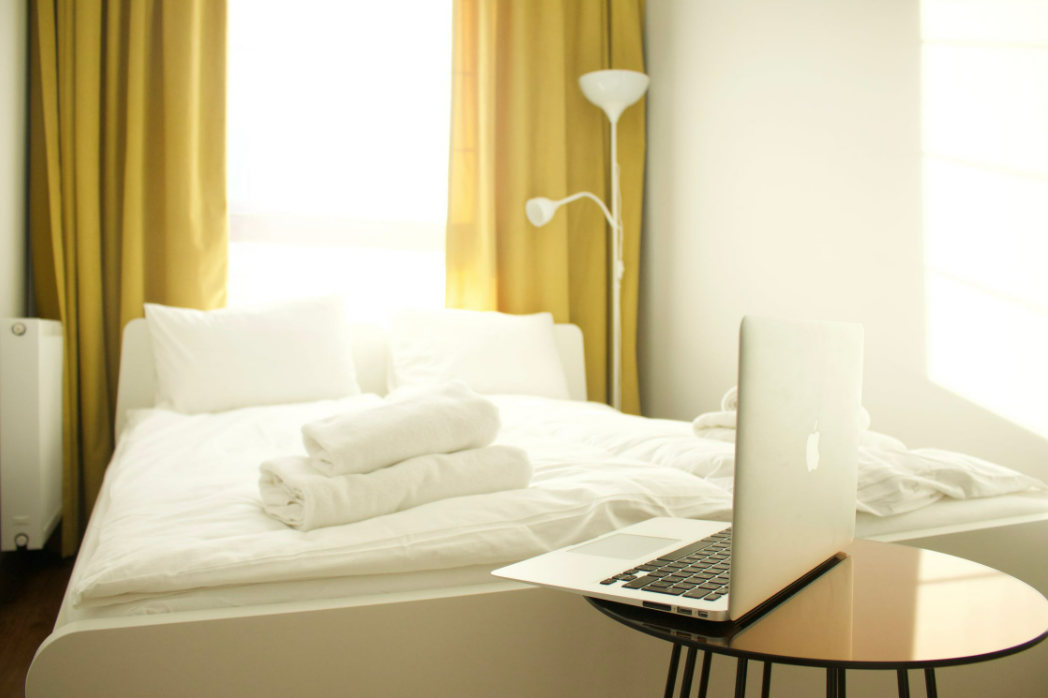
Hosting family or friends under one roof can seem like a stressful idea, especially when you worry about making your guest space comfortable for other people. Regardless of whether you have a dedicated guest room or an inflatable mattress in the family room, you can make your guests comfortable. However, there are some simple things you can do to create a hotel-quality experience.
We partnered with a houseware company for this post. The opinions in the post are honest. All reviews and opinions expressed in this post are based on our personal views. We are excited because we know you will love it.
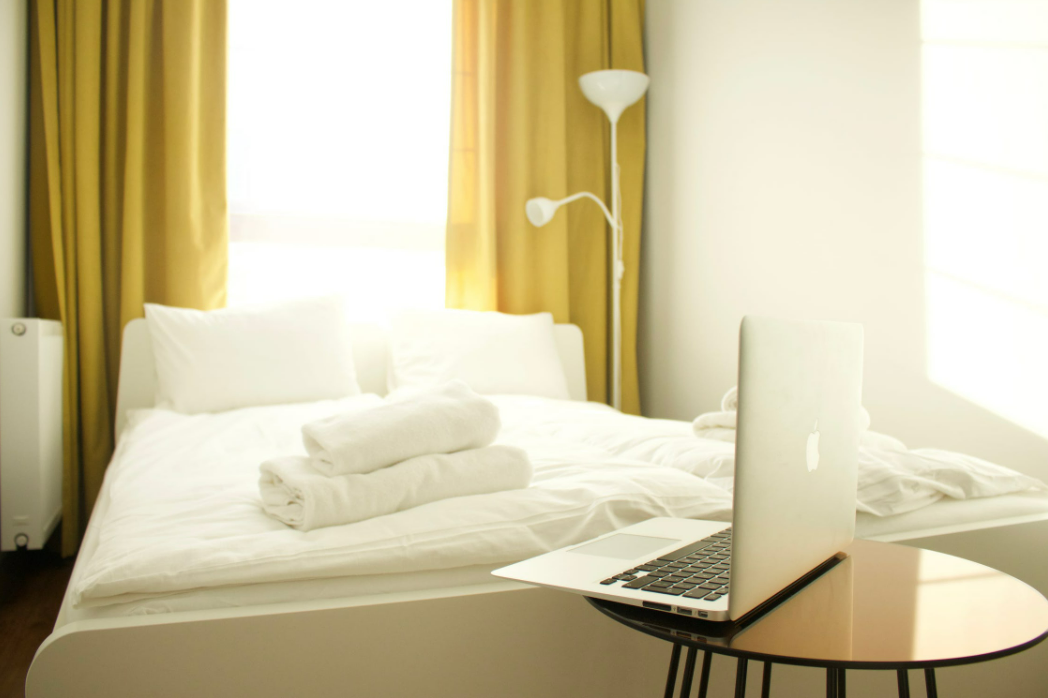
Hosting family or friends under one roof can seem like a stressful idea, especially when you worry about making your guest space comfortable for other people. Regardless of whether you have a dedicated guest room or an inflatable mattress in the family room, you can make your guests comfortable. However, there are some simple things you can do to create a hotel-quality experience.
Scents
Choose scented candles, diffuser oils, and sprays that are refreshing and do not overwhelm the room. Fill small mesh bags with scented dried flowers and place them in drawers in the guest room. Arrange candles around the room so that your guests can choose how many to light and how much scent they would prefer. Vanilla, lavender, and chamomile are good choices to create a relaxing atmosphere. Just remember not to add too many scents to a small space. This can have the opposite effect and could even give more sensitive guests headaches.
Bedding
Step up your bedding game. Choose crisp, soft sheets and provide plenty of layers. Provide quilts of various weights in addition to a duvet cover and a light blanket underneath. Quilt weights can be varied from light to heavy depending on the season. Lighter quilts can be used in warmer months and heavier weighted quilts can be provided for colder months. Remember, visit a few mattress stores and make sure you have a comfy option for your guests as no bedding in the world can save an uncomfortable mattress!
Necessities and Decor
Think about things that your guests might have forgotten when packing for their stay. Provide extras like soap, shampoo, and toothbrushes. Throw in some extras such as bath bombs or bath oils and a comfy bathrobe. Choose plush, oversized towels and washcloths. Consider tucking these bonus items into a basket or organizing them on a decorative tray. Faux flowers and small pots of faux green plants provide a hypoallergenic way to bring a touch of color and the outdoors to the room. Finally, choose blackout curtains or shades, and add plenty of easily accessed lighting options around the room.
Water, Tea, Coffee
Give your guests the option to have tea, coffee, and a water carafe in their room similar to what many hotels provide. Create a station on a small table. Provide an assortment of different tea bags, single packets of sugar and creamer, and even single packets of coffee. Finish the spread with a few decent sized mugs and spoons for stirring.
With just a few simple things, you can make your guests feel like they’ve walked into a lavish hotel room. Hosting guests does not have to bring feelings of panic and dread. Your guests will be comfortable and enjoy the serene atmosphere that you have provided.

Guest Post - 5 Key Features and Considerations When Selecting a Modern Home Design
Designing a modern family home is an exciting process, but it also comes with its own list of challenges. There are a lot of decisions that need to be made, and many homeowners simply don’t know where to begin when planning home design. To help you out, we’re listing five things to keep in mind when selecting a modern family home design.

Designing a modern family home is an exciting process, but it also comes with its own list of challenges. There are a lot of decisions that need to be made, and many homeowners simply don’t know where to begin when planning home design. To help you out, we’re listing five things to keep in mind when selecting a modern family home design.
Take an intentional approach to floor planning

First and foremost, when planning a modern family home design, it’s important that you take an intentional approach, especially when it comes to floor plan. Organized, well-thought-out, and logical room layouts are hallmarks of modern family home design. This is opposed to traditional family home design whose floor plans aren’t as intentional.
For instance, in a traditional home design, the rooms’ shape may be irregular. While some rooms may be connected logically, others may end up being located in awkward positions (e.g. laundry room close to nursery/kids’ room, powder room not being connected to either a bedroom or a bathroom).
Instead of using the rooms to simply fill in the gaps in your floor plan, be intentional with each and every room. You can do this by factoring in your family’s needs, creating balance between space and style as well as making sure that every inch is used efficiently.
Implement adequate storage solutions for a clutter-free home

Speaking of putting every nook and cranny to good use, another important characteristic of modern family homes is the abundance of storage space. This is a must-have for most modern families, and a prerequisite for a tidy and clutter-free home.
To keep your home well-organized, functional, and easy to maintain on a daily basis, aim to introduce storage solutions that correspond to the room’s style, design, and color scheme. Freestanding, vertical, built-in, or modular? It’s up to you to decide.
As for the decor, it’s important that you accessorize sparingly if you want to maintain that contemporary vibe. Think about it this way: If it doesn’t add value to the room’s design or hold any sentimental value, you’re better off storing it instead of putting it on display.
Take advantage of custom building design opportunities
One of the biggest perks of opting for a modern family home design are the endless customization opportunities. Being able to build a home according to a custom plan allows more room for both creativity and flexibility which is why these homes are such an attractive option for homeowners around the globe and particularly in Australia.
This may not come as a surprise since Aussies are a house-proud nation, and while they’re in love with all things DIY and renovation, when it comes to building their homes, they’ll often turn to a reputable building designer in Sydney to help them with the construction process and ensure their finished project is beautiful and functional. By breaking down the process into actionable steps, builders make the process seamless and simple for their clients. That way, all that’s left for homeowners to do is to figure out the features that matter most to them.
Simplify your design

Customizing your modern family home design is the best way to create a home that’ll fit your individual needs, and aesthetics play a vital role in the design process. Modern family homes appear to be rather simple in design, often embracing minimalist interiors that boast sleek lines, streamlined furnishings, and of course, a neutral color palette.
The key to creating such interiors lies in simplifying the approach to both design and decor. To do that, try to minimize any additions that feel unnecessary, incorporate aesthetically pleasing elements, add homely touches to warm up a neutral palette, and most importantly – aim for cohesiveness. Ideally, the overall look will be pleasing to the eye while allowing for complete comfort and efficiency for everyday living.
Consider including different eco-friendly features
Last but not least, another thing worth mentioning when it comes to building modern houses is that they are focused on minimizing environmental footprint. Energy usage is something that many homeowners are actively working on reducing, and builders and architects are taking notes.
As a result, many modern family home designs are centered around increasing energy-efficiency, and this is usually achieved by implementing a variety of eco-friendly features. These include installing sustainable flooring (e.g. bamboo), using recycled materials in the building process, and maximizing natural light.
Additionally, homeowners should consider going solar as well as making smaller, yet equally effective green investments such as choosing LEDs over traditional bulbs and purchasing efficient, Energy Star certified appliances over conventional ones.
Wrapping up
Choosing a modern family home can be challenging – you need to find a place that meets your requirements, fits into your budget, and is situated in an ideal location.
While this is something that’s easier said than done, if you keep in mind these key considerations, you’ll manage to design a modern family house that ticks all the right boxes and build a home you’ll love coming back to.
About the author: Mike Johnston is an avid blogging enthusiast and experienced freelance writer. He’s a regular contributor to numerous online publications where he writes about real estate, construction, home improvement, and interior design.

Vintage furniture is making a comeback in 2020/2021
The retro furniture trend is becoming more popular, thanks to nostalgia!
The retro furniture trend is becoming more popular, thanks to nostalgia!

With environmental issues being a hot subject in the media these days, demand for sustainable furniture and accessories is on the rise. Promoting healthy environmental behavior within the home has progressed beyond discussions about pesticides and food, and now includes artifacts, fabrics, and paints. As the industry explores new manufacturing technology and encourages sustainability, the Millennial generation's increasing interest in antique furniture and decor is paving the way.
There are a few reasons why vintage furniture is becoming a go-to option for many people when remodeling their homes, and because this trend is only predicted to intensify in the future, we've compiled our thoughts on the vintage furniture trend's future.
Environmental issues are being addressed.
We've seen swift furniture take over the business landscape over the last couple of decades. Disposable flatpacks eventually filtered into our lives, offering easy and worry-free alternatives to our evolving lifestyle requirements.
With the increase of versatility, it's easy to think about furniture as a temporary alternative - functional items designed to last a few years before being discarded.
However, the environmental pressures that this mentality has generated over time are mounting. We should no longer turn our backs and pretend that this is a long-term strategy.
The sources of the ingredients used in the manufacturing process is also being investigated. While environmentally friendly processes and recycled materials may increase the cost of furniture, shoppers seem to be willing to pay brands for their responsible behavior.
Vintage is environmentally friendly.
Yet, no matter how hard we try to do the right thing to use only environmentally friendly goods and processes, new technologies continue to fuel the consumerist beast.
Choosing antique, on the other hand, means using what is still available. It entails paying tribute to the craftsmanship of the past and accepting consistency that has stood the test of time.
We are not only recycled, but we are also keeping our hands on furniture that will last for decades, putting less strain on landfills.
Personal expression is aided by vintage products.
Our personal aesthetics began to disappear as mass-produced furniture shaped the business landscape. But we had no idea how uniform our homes had been until we opened our doors to social media.
Vintage furniture can be a valuable partner in the war against monotony. These pieces are not only uncommon (and occasionally sometimes one-of-a-kind), but they also make for personalization and innovation. You can transform a drab thrift find into a collectible with a little paint or a basic upholstery work.
It’s all about the story and the relationship
Every piece of vintage furniture has a story to tell. Discovering the object's fascinating past adds to the excitement and helps one admire it even more. Exploring the motives for our insatiable need for stories can be a depressing journey, but one thing is certain: we will continue to favor home decorating styles that emphasize realism and imperfection. For example, Biedermeier furniture and interior design are considered the first major flowering of chic bourgeois taste in interior design today. Biedermeier is a style that spans the spectrum from austere to opulent, but it is never grandiose in its celebration of comfort, domestic intimacy, and usefulness.
Vintage evokes a sense of peace and coziness.
We feel at ease in our homes as we see worn parts of patina and tiny bruises. They offer ease and understanding of the inevitable deterioration of objects by reminding us that nothing is too fragile.
Cookie-cutter interiors quickly lose their appeal, but homes that require time to unravel by layering antiques with modern items retain their appeal because they look timeless, original, and highly personal.
It is beneficial to one's financial situation.
Vintage and antique items will range in price from a penny to a fortune, depending on what you're searching for and how careful and committed you are in your quest. But one thing is certain: they retain their importance and the excellent efficiency of their construction.

Guest Post - Top Mistakes to Avoid When Building Your Own Home
Finding the right residence can be tricky. Often houses on the market don’t have everything you’re looking for, which is why building your dream home can be so appealing. However, you want the project to be done right. Here are some common mistakes people make when building their own homes.

Finding the right residence can be tricky. Often houses on the market don’t have everything you’re looking for, which is why building your dream home can be so appealing. However, you want the project to be done right. Here are some common mistakes people make when building their own homes.
1. Choosing the Wrong Homebuilder
You want to find the right person for the job. Remember, they are responsible for all aspects of the project. You want to find someone who is communicative and responsive. You also want to make sure they understand your vision clearly. That’s why it’s vital to check reviews online before choosing a builder and compare multiple contractors to ensure you’re getting the best deal.
Once you narrow down your choices, you should interview them to get answers to all your important questions.
Here are some questions to get you started:
Can you give me references from your recent buyers and occupants?
Do you have a financing plan established?
Are there any options in the floor plan?
Can appliances be up- or downgraded?
2. Picking the Wrong Location
Before you start construction, familiarize yourself with the surrounding area. Walk around the town and take pictures to get a better sense of the community, and be sure to visit at different times of the day to get a broader perspective. Also, consider other aspects of the site, such as the slope of the land, sun exposure and views.
3. Choosing the Wrong Material
When considering interior features for your home, it may be tempting to go for higher-end material, like granite countertops or wood floors. However, these can be more expensive. Before making any purchases, consider how often you will use it, how durable it is and how easy it is to clean.
Also, keep in mind the importance of your home’s exterior foundation when deciding which materials to use. Consider using precast concrete for its durability and weather resistance.
4. Not Doing Your Research
When building a home, you want to know what your vision is. Browse magazines, visit home improvement stores and attend open houses to get inspiration. Create a list of features you want in your dream home.
You can get tips from your designer, but you have the final say. Doing some research can help you make more confident decisions.
Figuring out what interior design ideas you like can be tricky. Here are some features to consider adding to your new home:
Steam shower
Impact-rated windows
Outdoor theater
Stair shelves
5. Not Being Realistic
You want your space to be comfortable for you. However, be practical about the costs and time expectations. Before starting the project, create a budget and try to stick to it, and be realistic about how long the process will take. It can take about six months to build your home with no delays. Also, be aware of any building restrictions or zoning laws that may limit what features you can add to your property.
Things to Consider When Building Your Dream Home
You want your dream home to have all your desired features. Building your own house allows you to get more of what you want. However, you need to do some research before diving into the project. Keep these common mistakes in mind when creating your ideal abode.
Author bio: Rose Morrison is the managing editor of Renovated, where she offers advice on home renovation, maintenance, and organization.

