

A resource for those seeking information on organizing and transforming spaces.

How to Brighten Your Yard With Landscape Lighting
For most of us, a yard is more than just some extra space tacked onto the back of our house. It’s a safe haven, where we can tend to our garden, socialize, and relax in tranquil, beautiful surroundings.
However, especially for those who are lucky enough to have large yards, lighting can become an issue once the sun goes down. Sitting on the decking isn’t quite as fun when it’s pitch black outside.
So, you have two choices. You can go inside when it gets dark, or you can highlight your beautiful yard with carefully chosen landscape lighting.
Depending on the size and features of your yard, you may need only a few simple lights. Let’s discuss how to choose what to highlight, and what types of yard lighting are best for you.
Choosing Features to Highlight
It’s easy to go overboard with landscape lighting. It’s better to adopt a “less is more” attitude to lighting up your yard. Yard lighting is more about highlighting features of your garden than anything else, so if you overlight, nothing will stand out.
So, the key is to prioritize the features you think should be emphasized. Let’s take a look at some popular features and how you can highlight them.
Yard features
This could include water features, statues, or any other kind of notable decoration. Focus on beauty spots in your yard. Feel free to experiment, since playing around with lights and shadows can give a yard a completely different look at night.
Pathways and driveways
While yard lighting is usually a decorative aspect, don’t overlook a safety element. Some lights can sit unobtrusively along pathways, steps, and driveways. This lights up traffic areas and means you can move safely around your garden at night.
Decking or patios
Chances are, the patio or decking area is where you’ll spend most of your time in the garden at night. Spotlights can work well to illuminate the area, but they can be a little too bright, and leave harsh shadows. Some flat lights can be built into the area around the borders of the decking or patio, giving a relaxing, low-level light.
Texture areas
Lights can add detail and texture to an area, for example, a stone wall. Setting lights at intervals along a wall can keep the area gently lit while highlighting the textured area of the wall. This can also be handy to illuminate signs.
There are endless possibilities of features and areas to light up in your yard. The goal is to get your yard to look completely different during the night.
Types of Lighting

Yard lighting can vary from soft, subtle fairy lights, to harsh spotlights. The amount of lighting and the kind you use will depend on the size, shape, and style of your yard. For example, if you have a large yard, you’ll need strong lights and you may need more of them.
You can use just one style of light, but it’s more common to use a variety.
Spotlights and floodlights
Especially if you have a large yard, spotlights provide a good way to illuminate a large section at once. Motion-activated spotlights can add an extra layer of security. Spotlights can also be trained onto a feature element, creating interesting silhouettes and shadows. They can also draw attention to a feature you’re particularly proud of.
Post or in-ground lighting
Ideal for lighting up driveways or pathways, these lights can be built into the path itself, or can easily be placed alongside.
Water feature lights
Submerged lights in a water feature are exceptionally popular. Water feature lights make the water look as if it’s glowing from the inside, and you can even use colored lights to give an ethereal effect.
Uplights, or accent lights
These types of light shine directly onto a feature, drawing the eye. You can use these types of light around decking or patios, but you can also use them to highlight your favorite garden features.
This is by no means an exhaustive list of possible lighting ideas. The age-old method of stringing fairy lights in trees and shrubs can give your yard a sparkling, mischievous look. However, if you’re planning to light up your yard with large-scale landscape lighting, you may want to consult a professional.
Properly setting up landscape lighting is very important, if you don’t want your lights to flicker and die halfway through a late-night barbeque! Professional landscape lighters can give you helpful advice and may even give you a preview. Remember, the reality of the lighting may look different from how you imagine it in your head.
Benefits of a Well-Lit Yard
A well-lit yard can greatly enhance the beauty of your garden. Aside from allowing you to spend more time in your yard, landscape lighting makes yard space safer. Highlighting paths and driveways is a sensible choice to prevent tripping, and motion-activated spotlights can be a huge deterrent for prospective intruders.
Of course, landscape lighting gives you the chance to express your individuality, allowing you to style your space in a way that suits your taste. You can add as much or as little lighting as you like. Now, sit back and enjoy your revamped yard!

Elements That Can Make a House Seem More Beautiful
Making your home beautiful is important both from the perspective of quality of life and the resale value of the place. Namely, a luxurious-looking home can be much more valuable than a place with the same square footage in the same neighborhood. Still, does one have to invest so much money to make their home look elegant and luxurious? Of course not. Here are several ways in which you can make a house seem much more beautiful, even on a budget.

Making your home beautiful is important both from the perspective of quality of life and the resale value of the place. Namely, a luxurious-looking home can be much more valuable than a place with the same square footage in the same neighborhood. Still, does one have to invest so much money to make their home look elegant and luxurious? Of course not. Here are several ways in which you can make a house seem much more beautiful, even on a budget.
1. Crown mold
The first thing you need to consider is using the crown mold as an inexpensive way to make any room look regal. Crown molding is great for open-concept homes, living rooms, dining rooms, and hallways, while some suggest that this can also look quite good in a kitchen. While this element is often associated with something vintage, the truth is that there are a lot of modern interior design trends that use crown mold. Still, for contemporary design, traditional molding, cove molding or transitional molding are much more popular options.
2. Monochrome rooms
There are several reasons to make your rooms monochromatic. First of all, it helps set a theme for the area. It also allows you to choose the right furniture, seeing as how you can narrow down your search to the items that go well in that particular color. Sometimes having too many options to choose from can be quite problematic. Then again, going with light and dark tones of a single color adds more challenge to the project. It pushes your creativity to its limits. Still, it ensures that the place looks elegant no matter what. It’s quite hard to imagine something seeming out of place in a monochrome setting (as long as it’s of the matching color).
3. ceiling-to-floor drapes
Hanging drapery is one of the best ways to control the influx of natural light through the place. It is a great way of organizing the place and erecting physical barriers to restrict the place and create focal points. According to a veteran buyer's agent from Sydney, the natural light in your home is one of the key features when it comes to making a great impression on a potential buyer. Therefore, it’s also pivotal for the resale value of the place. Apart from this, keep in mind that this is a major surface in any room, which is why, thematically, it’s able to replace the need to paint an accent wall. Whether or not the curtains are see-through is up to you.
4. Hardwood and hardwood-like materials
Natural materials are always elegant-looking and hardwood is at the very top of this list. The biggest problem with hardwood is that it’s expensive and if you’re planning to increase the resale value of the place to sell it better, this is not a cost-effective idea. Instead, you should look for hardwood-like materials. Vinyl flooring, laminate, and tiles can be incredibly hardwood-like if you choose the right texture and color. Sure, it’s not the same thing but in some areas of the house, they can be even superior to the original. Both tiles and hardwood are more water-resistant than wood, which makes them better in kitchens and bathrooms.
5. Fresh flowers
This is a method that requires more work and dedication on your part but it’s worth it. Picking some fresh flowers and displaying them in a (carefully selected) vase can completely change one’s perception of the place. First of all, it creates both visual and aromatic refreshments for the area. Second, it shows that someone is investing a tremendous amount of effort into the maintenance of the place, seeing as how these flowers need to be changed every couple of days. Keep in mind that an indicator of great maintenance encourages a potential buyer.
6. Door trim painting
Even if you’re living in an open space area with no doors acting as barriers, it might still be worth your while to paint the door trims. You see, a transition from one area of the place to another needs to be felt as if the place was indeed divided by walls. This helps you get the best of both worlds. Open space gives you a chance to save some room by eliminating the thickness of internal walls but you still want different areas of the floors to act as different rooms. If you have the option, you should achieve this either by placing rugs or painting door trims. The latter is a cheaper option.
7. Pay attention to details
There are so many details around the place that can massively affect the resale value. For instance, the dining chairs, on their own, have the power to impress a visitor and allow the occupant to immerse in the place a lot easier. The organization of the closet is also essential. A lot of people try to cram as many dividers as to increase the functionality but by leaving enough gaps between shelves and hangers, you’re upping the elegance of the area. All in all, improving the aesthetics of your home takes attention to detail.
In conclusion
In the end, you need to keep in mind that increasing value is a subjective thing. So, if you want to find something that will boost the value of your home and its appeal to a potential buyer, you should probably talk to a professional. Getting a quote from a buyer’s agent or a real estate agent can help stir you in the right direction. On the other hand, if you’re looking for a quality-of-life improvement, you can just choose based on your personal preferences.

How to add a Personal Touch to your New Place
What does it mean to personalize something? How do we make something our own? The answers might be more complicated than you think because every human being is different. Who we are and what we do often reflect in our living spaces. Sometimes, we are not aware that we follow fashionable styles instead of finding what best works for us. Things like having a favorite color, type of outfit, historical period, interior design style, movie genre all define us and give us certain uniqueness. Thus, to add a personal touch to your new place, ask yourself what you want to achieve with this project? Is it to make it more visually appealing or to make it comfortable? And even though these two can come together, achieving balance can be a little more complicated than you think.
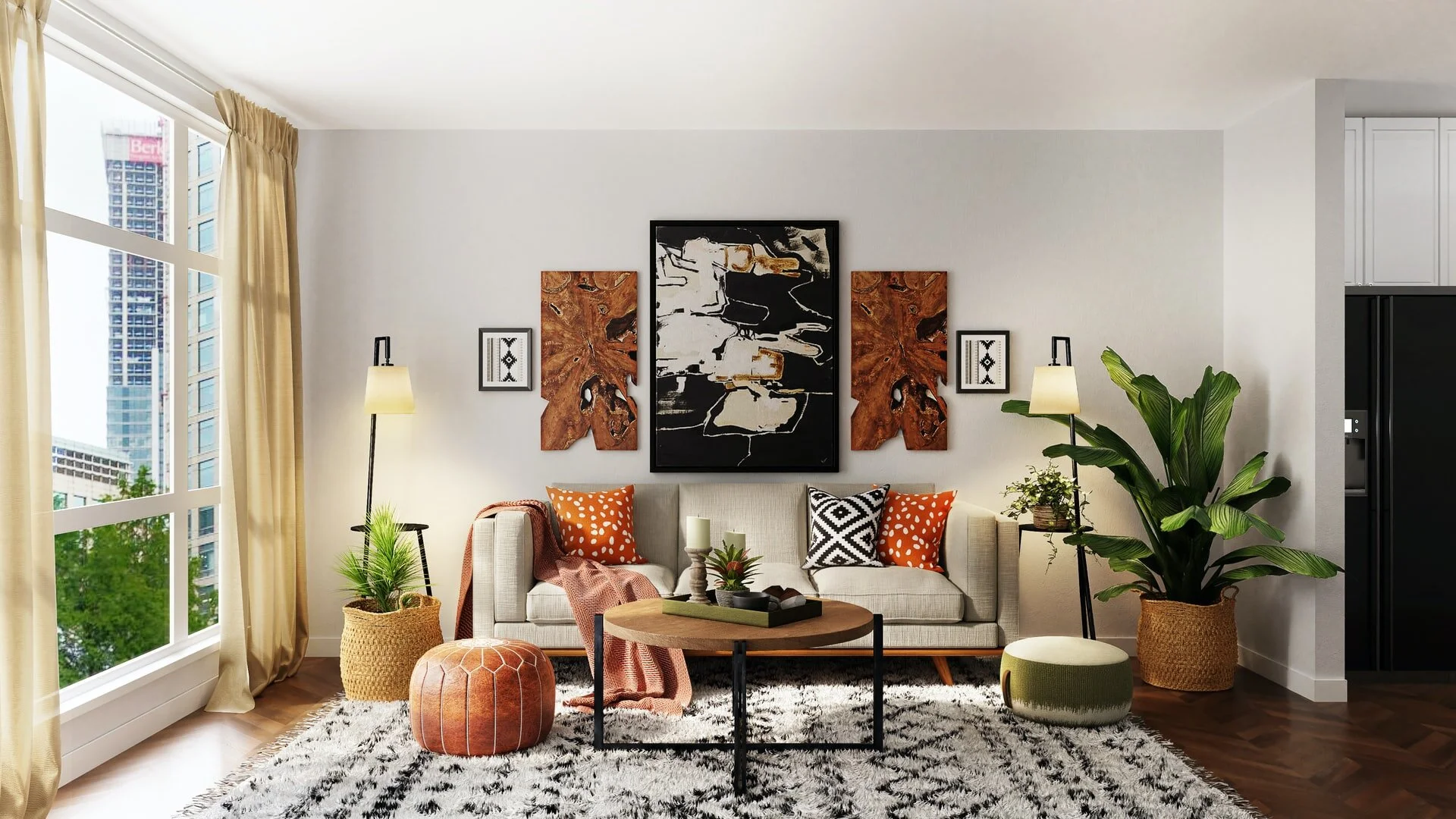
What does it mean to personalize something? How do we make something our own? The answers might be more complicated than you think because every human being is different. Who we are and what we do often reflect in our living spaces. Sometimes, we are not aware that we follow fashionable styles instead of finding what best works for us. Things like having a favorite color, type of outfit, historical period, interior design style, movie genre all define us and give us certain uniqueness. Thus, to add a personal touch to your new place, ask yourself what you want to achieve with this project? Is it to make it more visually appealing or to make it comfortable? And even though these two can come together, achieving balance can be a little more complicated than you think.
Follow your interior design style
If you want to stay within the limits of tastefulness, it's essential to pay attention to the home interior while expressing your personality through it. For example, if your apartment follows minimalistic interior design standards, the amount of accessorizing the space will be limited. This style has variations, but it often seems detached and depersonalized because nothing in this concept should stand out. Now, some designs allow playfulness and combination, but everything should be meaningfully assembled. Unlike minimalist, boho, and southern style interior designs are all about the personal touch. Their aesthetic allows playfulness and expression of your tastes. When it comes to living spaces, they should never blindly follow fashion. Just because it's in, it doesn't mean it's the right fit for everyone.
Memorabilia and hobby decor display

And while following standardized design traits might make it easier to furnish our apartments, we need to figure out how practical it is and how spending time in it makes us feel. To have everything you need in your new home, you shouldn't only focus on functionality but also overall aesthetics. Things around us can trigger many good and bad emotions that subconsciously affect our thoughts and memories. In the era of fast living and unhealthy lifestyles, our homes are sanctuaries for our minds and bodies. The basic furnishing will make the skeleton of the house, and by decorating it, you will add meat to the bones. Still, only after displaying some memories will your new home gain a heart. Add a personal touch to your new place by expressing your tastes, preferences, emotions, and memories. Nothing makes it feel more like home than that.
Decorating a place with natural elements
For those who like spending a lot of time in nature and those that wish they could do the same, decorating a home with natural textures and elements might be just the right thing. Wooden pieces are incorporated in many interior home designs, so combining them with rock, leather, or wicker details can be a good combo. Also, adding plants to your home is a great idea. But if you haven't had experience in growing plants before, start with the beginner houseplant kit. Focus on plants from Ficus, Cactus, and Succulent family. They are very decorative plus easy to maintain. However, if your home design doesn't allow that much experimenting, or you don't feel like taking care of plants, there are always temporary solutions. You can refresh the space by adding some vase flower decor.
Adding elements to achieve a "warm vibe"
Warmth is something every home needs. And the best way to achieve it is by dedicating some time to wall colors, textiles, and accessories. If you don't plan to change the colors of your walls to brighter, eye-soothing tones, other things can help you bring coziness into your apartment. Whether it comes to the palettes and textures of your furniture, bed covers, cushions, wall decor, or adding rugs and carpets to your home, textile elements are always game-changers.
Use originality and creativity to add a personal touch to your new place
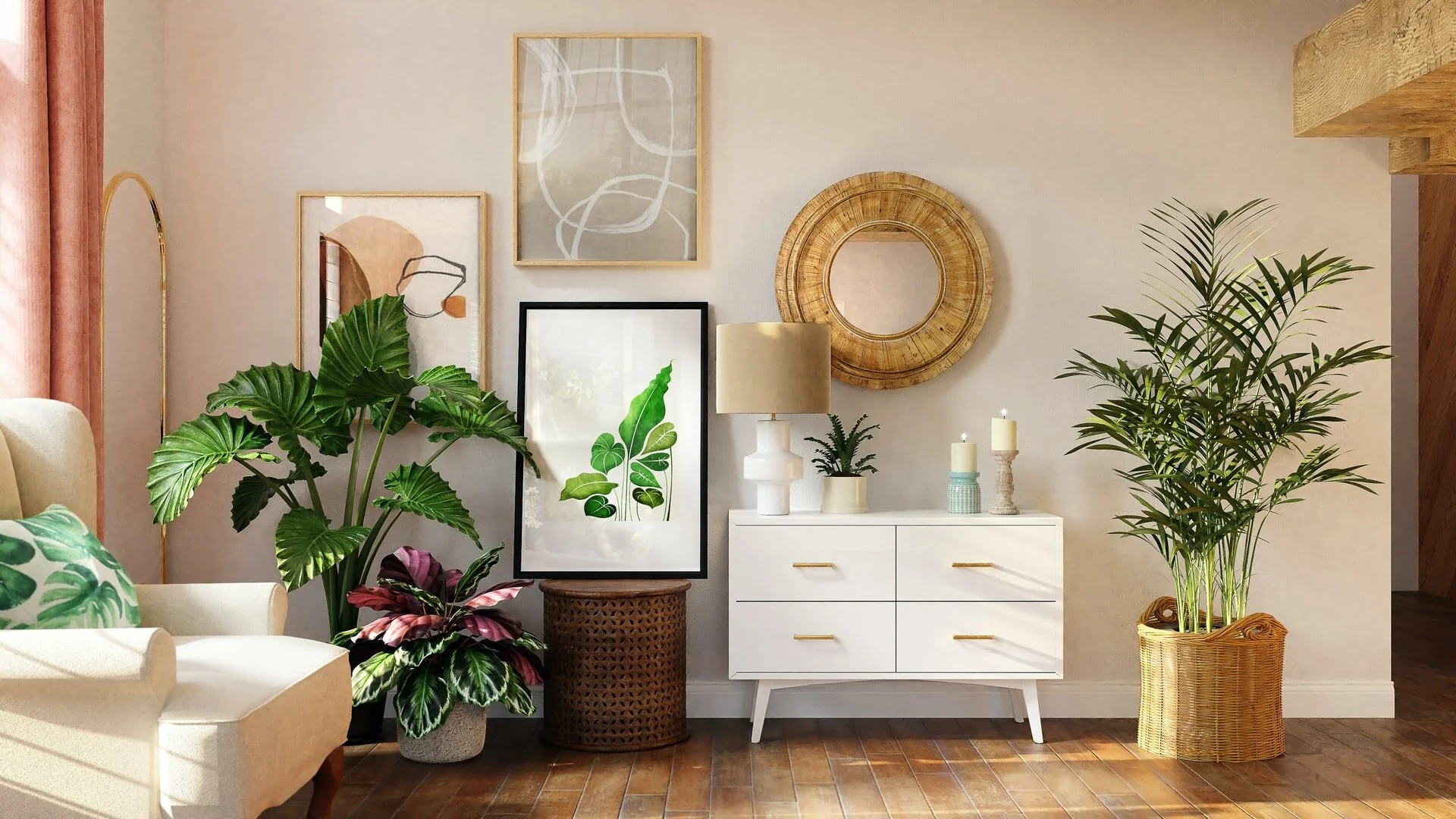
With moving to a new place, you have the perfect excuse to "feather the nest" and make it feel like your own. Naturally, this will come much easier for you if you are an artistic and crafty person. There are plenty of DIY projects you can engage in, expressing your true self. From making collages to refurbishing the furniture, everything is easily and affordably done with a bit of will and creativity. And even if you're using someone else decor ideas to enhance the features of your place, add something new to make it original and yours.
Light brings the best features of any living space
Natural light is one of the most important features of every room. It provides brightness while emphasizing the details and colors, making the place more welcoming. But if your home cannot give enough of it, solve it with creative lighting ideas. Traditional fixtures can be dull. Thus, adding unique and trendy lighting solutions will transform the place. Ways to do it are plenty, but before making these changes, decide on their function and style. Installing recessed lights, decorative wall sconces, or chandeliers will provide ambient light, while lamps, swag lights, swing-arm lamps, up-lights, and spotlights can help with the task and accent lighting.
Personalizing your home will help you adapt faster
There is nothing worse than feeling unfamiliar in your own home. After the move, we are overwhelmed with a mix of emotions because changing homes is never easy. The break of routine, nostalgia, stress, caution towards the new environment make it harder to adapt to your new place. And even though we might not be able to accept all new things at once, we can start embracing the changes by making our house feel like a home. The best way to do that is to discover your taste if you haven’t already and add a personal touch to your new place.

Design Elements That Elevate Your Guest Bedroom and Make It a Hotel-Quality Experience
Hosting family or friends under one roof can seem like a stressful idea, especially when you worry about making your guest space comfortable for other people. Regardless of whether you have a dedicated guest room or an inflatable mattress in the family room, you can make your guests comfortable. However, there are some simple things you can do to create a hotel-quality experience.
We partnered with a houseware company for this post. The opinions in the post are honest. All reviews and opinions expressed in this post are based on our personal views. We are excited because we know you will love it.
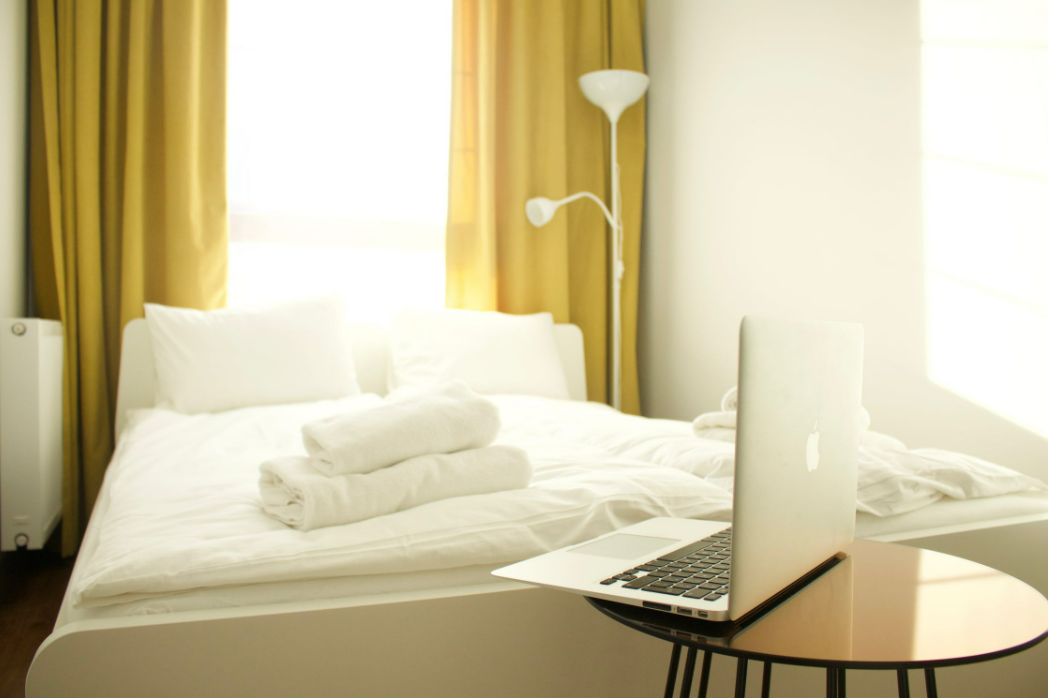
Hosting family or friends under one roof can seem like a stressful idea, especially when you worry about making your guest space comfortable for other people. Regardless of whether you have a dedicated guest room or an inflatable mattress in the family room, you can make your guests comfortable. However, there are some simple things you can do to create a hotel-quality experience.
Scents
Choose scented candles, diffuser oils, and sprays that are refreshing and do not overwhelm the room. Fill small mesh bags with scented dried flowers and place them in drawers in the guest room. Arrange candles around the room so that your guests can choose how many to light and how much scent they would prefer. Vanilla, lavender, and chamomile are good choices to create a relaxing atmosphere. Just remember not to add too many scents to a small space. This can have the opposite effect and could even give more sensitive guests headaches.
Bedding
Step up your bedding game. Choose crisp, soft sheets and provide plenty of layers. Provide quilts of various weights in addition to a duvet cover and a light blanket underneath. Quilt weights can be varied from light to heavy depending on the season. Lighter quilts can be used in warmer months and heavier weighted quilts can be provided for colder months. Remember, visit a few mattress stores and make sure you have a comfy option for your guests as no bedding in the world can save an uncomfortable mattress!
Necessities and Decor
Think about things that your guests might have forgotten when packing for their stay. Provide extras like soap, shampoo, and toothbrushes. Throw in some extras such as bath bombs or bath oils and a comfy bathrobe. Choose plush, oversized towels and washcloths. Consider tucking these bonus items into a basket or organizing them on a decorative tray. Faux flowers and small pots of faux green plants provide a hypoallergenic way to bring a touch of color and the outdoors to the room. Finally, choose blackout curtains or shades, and add plenty of easily accessed lighting options around the room.
Water, Tea, Coffee
Give your guests the option to have tea, coffee, and a water carafe in their room similar to what many hotels provide. Create a station on a small table. Provide an assortment of different tea bags, single packets of sugar and creamer, and even single packets of coffee. Finish the spread with a few decent sized mugs and spoons for stirring.
With just a few simple things, you can make your guests feel like they’ve walked into a lavish hotel room. Hosting guests does not have to bring feelings of panic and dread. Your guests will be comfortable and enjoy the serene atmosphere that you have provided.