

A resource for those seeking information on organizing and transforming spaces.
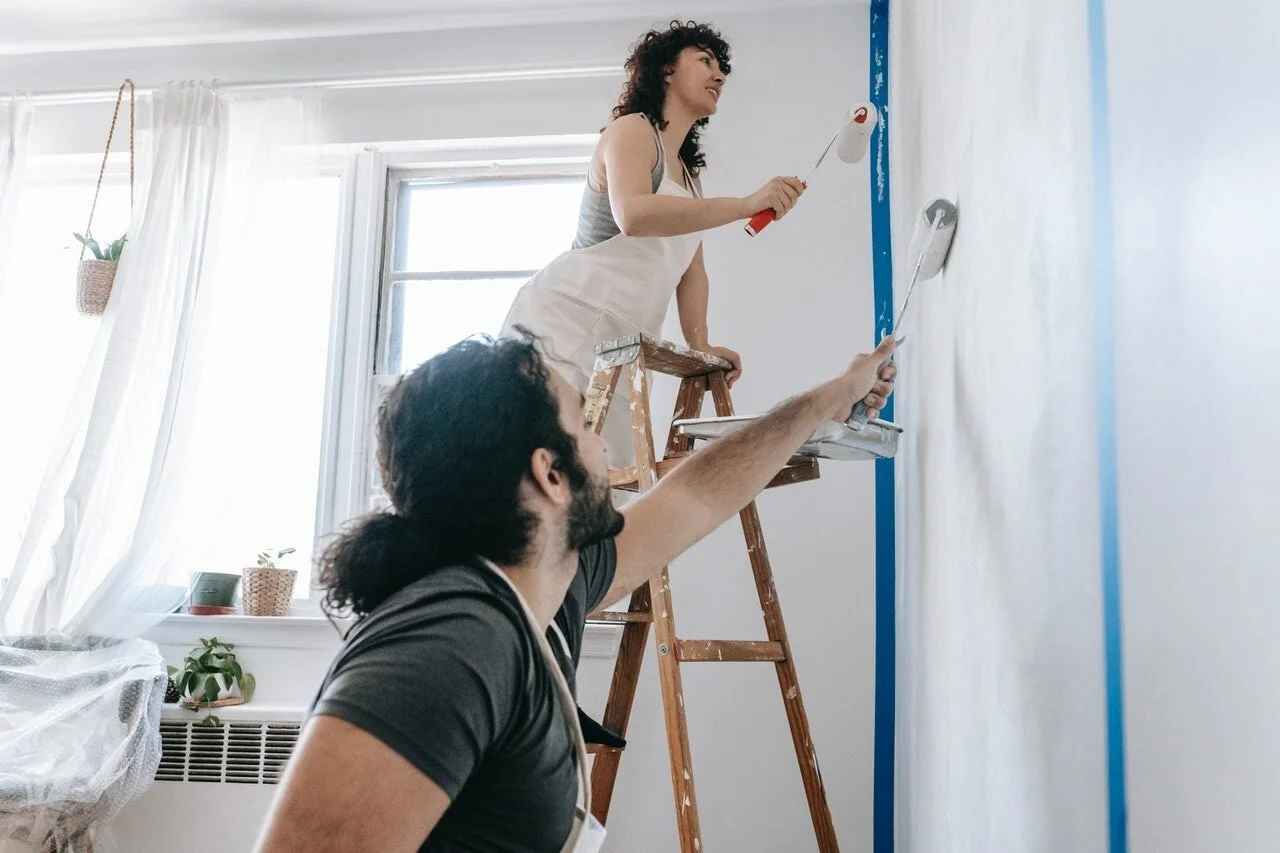
Guest Post - How to paint a room on a budget within a day
Your walls feel a bit drab and ready for a new spice of life. This is something you should be able to take on. But while painting can be a relatively accessible and affordable project for a newbie, it takes time.
You need to come prepared and understand some tricks of the trade. This article will show you how to paint a room on a budget in a short time.

Your walls feel a bit drab and ready for a new spice of life. This is something you should be able to take on. But while painting can be a relatively accessible and affordable project for a newbie, it takes time.
You need to come prepared and understand some tricks of the trade. This article will show you how to paint a room on a budget in a short time.
Plan
To paint a room within budget and within time constraints, some planning is necessary. The first step in this process is to decide what color you would like the walls in your space to be.
Keep in mind that paint colors can drastically change the mood of a room. For example, blue creates a sense of calm and softness. Importantly, make sure that whatever colors are chosen for furniture will balance the wall colors.
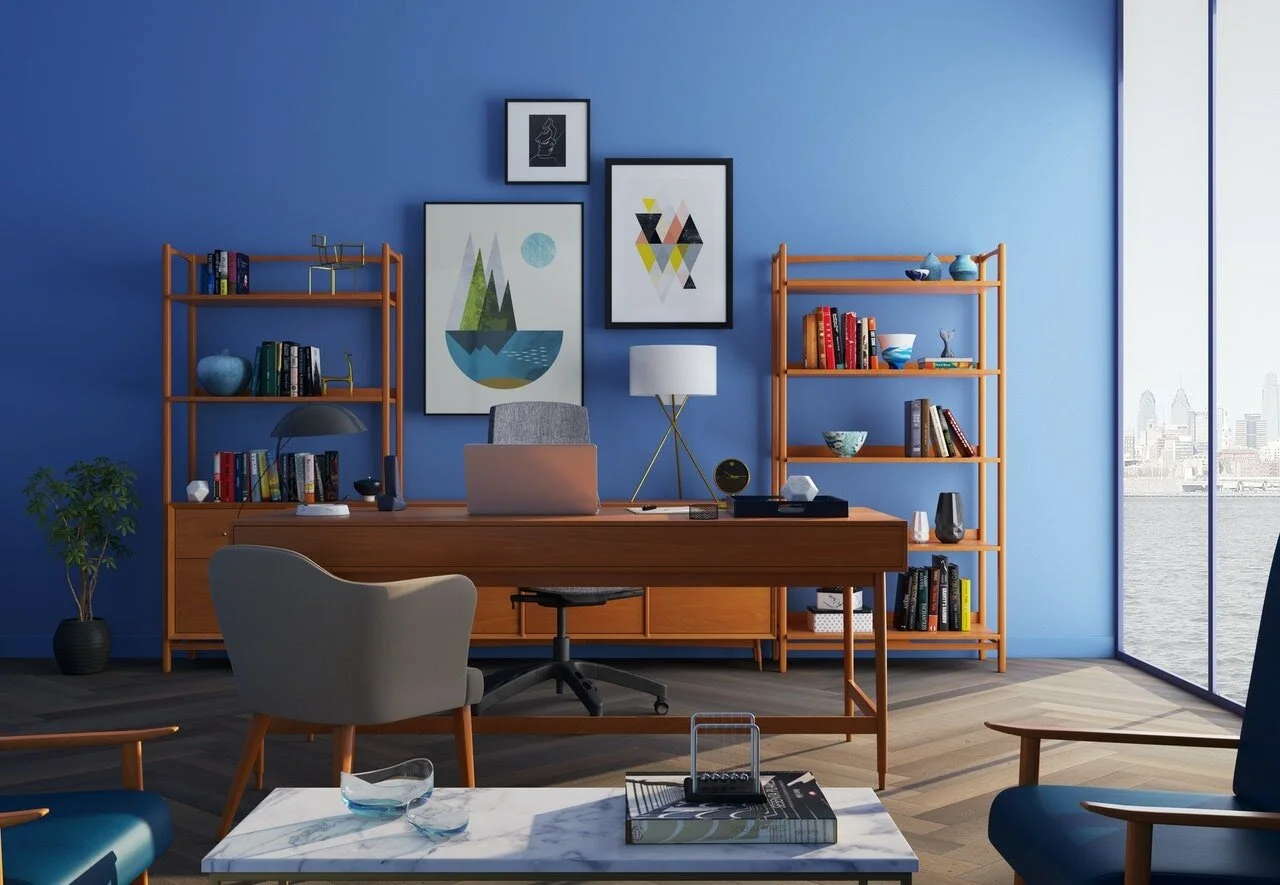
Use the 60-30-10 interior design equation when deciding on colors. You don't need to create overwhelm in your room by choosing a variety of colors. The 60% in the equation represents the dominant colors (ideally, the color of your wall).
30% represents the secondary color, used for accent walls, painted bookcases, wainscoting, or furniture such as the sofa. Art and accessories should make up the remaining 10% of the color scheme.
You should also plan for room prepping. As you paint, where do you plan to move furniture? Do you think they can be moved to the center and covered with drop cloths? Keep track of your tasks with a checklist.
Select the right color

When trying to evoke a specific mood, color can make all the difference: red might evoke feelings of warmth and love, whereas blue might promote relaxation. For example, if you are painting a bedroom and want it to be both relaxing and inspiring, the color palette below might work well.
Instead of going all out and painting a room and then having to redo the whole job, it always pays to play around with different shades before deciding. You can purchase color swatches or paint samples for your interior design project.
Once the paint dries, check how it looks during the day and at night. You may be able to get some new ideas and eliminate some colors that don't fit together.
Aside from the effect of the right color on the mood of your space, choosing the right color can significantly increase your home's value. Based on Zillow's research, powder blue and periwinkle blue bathrooms can boost the value of your home by $5,000 over average, whereas white or off-white bathrooms tend to sell for $4,000 less than average.
There is an increase of about $2,600 in the price of houses with blue kitchens compared to houses with yellow kitchens. The price of a home can increase by $1,800 when a brown living room is chosen. Finally, many buyers prefer the "greige" exterior (a mix of light grey and beige shades) over brown or taupe.
Gather painting materials
Here are the tools you'll need.
1. Paint. You can choose from high-gloss, eggshell and matte paint finishes. While high-gloss is easier to clean (suitable for bathrooms and high-traffic locations), they easily highlight imperfections. On the other hand, matte paint hides imperfections but is easily damaged. In most cases, eggshell finish is the best choice, as it balances the qualities of gloss and flat finishes.
Yulanda Harris, owner of Harris Interior design studio recommends choosing paint type based on the amount of natural light the room will receive. “The more light a wall gets, the faster the paint color will fade. You should use oil-based paint if you can't find one that's UV-resistant”. To see how much paint you'll need, use a paint calculator like this one provided by Benjamin Moore.
2. Paint roller. You want to use a 9-inch roller for general painting, a 14- or 18-inch roller for quickly coating large walls and ceilings, and a small foam roller on door panels and wainscoting
3. Paint roller extension pole. For walls up to 8 ft and low ceilings, a pole with a diameter of 2 — 4 ft is suitable. For ceilings, a pole 4-8ft long is a better choice, which allows for a greater reach over furniture. For tall walls, ceilings, and exterior painting, 6 ft to 12 ft is the ideal size
4. Paintbrushes. Although they cost a little more, you want to go for high quality paint brushes.
5. Sandpaper
6. Drop cloths
7. Paint tray
8. Rags
9. Putty knife
10. Painter's tape.
11. Primer
12. Paint can opener
13. Gloves
14. Nose mask
Prep the space
Of course you're ready to roll. But wait, painting is a delicate job. It’s essential to know the importance of prepping a space when learning how to paint a room. Neglecting a simple task such as wiping down walls before painting could make your efforts fruitless as dirt wouldn't allow paint to stick to the walls. Here are some steps to take to prepare your room for painting.
How to prep a room for painting
1. Choose the right time for painting. According to a Realtor.com article, "paint dries quickest at 70 degrees Fahrenheit, so if you have to paint when temperatures are less than ideal, it’s a good idea to set your thermostat… While higher temps can help paint dry, humidity can undo all that work and actually slow down the process".
2. Remove furniture from the room altogether, if you can. If you don't have enough space to keep large furniture in, shift these to the center.
3. Ensure to use a nose mask when painting. Also, you want to opt for low VOC (volatile organic compound) paints or even zero VOC paints as the scent of regular VOC paint is very toxic. If not, you should consider vacating your house for a week after painting.
Cleaning walls with ammonia-based cleaners is not recommended if you use non-VOC paint. In addition, you shouldn't clean the walls for 30 days after application.
4. Put on safety goggles and old clothes in case of paint splatter. Use drop cloths to protect floors.
5. Using a towel or a vacuum cleaner, dust and clean the walls. Before painting a bathroom or kitchen, wash the walls with a solution containing 3 tablespoons of laundry detergent in a gallon of water.
6. Smooth imperfect areas on walls with sandpaper, using an electric sander or a piece of sandpaper stapled to a sanding block. Fill nail holes in walls with spackling or caulk and let them dry before you proceed.
7. Use painter's tape to protect outlets, wall trims and light switches from paint drips.
Prime the wall
When you prime a wall, the paint adheres to the primer and this creates a smoother finish than applying paint directly. In addition, you only have to repaint twice once you have applied a primer. A water-based latex primer should be applied to new drywall. If the wall has water or smoke damage, or if it has paneling, use an oil-based primer.
Mix the paint
Each can of paint includes a stirrer because paint ingredients separate. Stir the paint before you start painting. And stir continuously as you work. This ensures that the finish has a uniform appearance.
Start rolling
While using rollers helps you cover more area with paint, you will still need to use a brush. Paint about an inch from corners, ceilings and baseboards with a high-quality brush. A roller can't reach these areas.
How to paint a wall with a roller

1. The first step in painting a wall with a roller is to use the long, thin end of it on all four corners and at least an inch into each side from your desired paint line. This will help prevent that dreaded "bald spot" between two coats.
2. Next roll out horizontally across the entire surface- make sure you overlap as much as possible when doing this so there are no gaps or bare spots left behind by not getting enough coverage during one pass (which would only get worse if you don't do another coat).
After covering everything once, go over any areas where there might be significant problems like bumps or crevices for example using smaller motions to fill them in even more thoroughly than before.
DIYnetwork recommends using a "W" pattern; "start in the corner of a wall and roll on a 3' by 3' "W"; then fill it in without lifting the roller. Repeat until the section is finished. This helps hide seams and any places where the roller has been lifted and put back on the wall again".
3. Usually after four to six hours of your first coat of paint drying, you can recoat. It's a good idea to wait at least three hours before recoating water-based paint or primer. In the case of oil-based paints and primers, waiting 24 hours is best.
However, oil paints do not dry. Instead they harden due to oxidation. Ideally, this happens in two weeks and sometimes it takes months. So you don't need to wait too long to apply a fresh coat of paint.
You now know how to paint a room like a pro. Big ups to you. Next, ensure to clean up - don't leave paint cans open or brushes in water; clean your tools with soap and hot water immediately after use; dispose of old paint properly (i.e., do not pour it down the drain).
Make sure your paint is stored at the optimum temperature range of 55 to 90 degrees. If you're storing leftover paint, close the lid firmly (use a hammer to be sure it's sealed), and then flip the can upside down.
How much does it cost to paint a 12 by 12 room?
The US uses about 1.57 billion gallons of paint per year, based on data from the EPA. This means a lot of painting projects go on each year. Based on data from Homeadvisor, Painting a room measuring 10 by 12 feet can cost between $200 and $800. But as with any home improvement cost, you should be prepared to spend a bit more than you budgeted for.
AUTHOR BIO
Agnes A Gaddis is a writer for Inman News, Influencive and the TSAHC (Texas State Affordable Housing Corporation). She has over 7 years experience writing for the real estate industry. Connect with her on Twitter @Alanagaddis

Guest Post - Getting the Most Out of Your Small Space
The average house size in the U.S. is growing. In the early 1970s, the average size was 1,660 square feet. As of 2015, that had jumped to 2,687 square feet for newly-constructed homes. But, many people are still moving into smaller, pre-existing homes. Some are even downsizing and jumping on the tiny house trend.

The average house size in the U.S. is growing. In the early 1970s, the average size was 1,660 square feet. As of 2015, that had jumped to 2,687 square feet for newly-constructed homes. But, many people are still moving into smaller, pre-existing homes. Some are even downsizing and jumping on the tiny house trend.
If you’re one of those people, getting the most out of your small space is important. Living a minimalistic-yet-functional lifestyle is completely possible, even if you’re short on space.
To make the most of your space, there are a few tips and tricks to keep in mind. Thankfully, you don’t have to be a design expert to bring these tricks to life. With a bit of time, effort, and creativity, you can get more out of your small space – and may even make it feel bigger.
So, what can you do to maximize your minimal space?
Making Your Space Functional
To get the most out of your space, it needs to be both a functional and stylish reflection of your personality. This means choosing the right way to arrange your furniture and decorate. One of the best ways to do that is to consider the natural flow of each room.
Consider practicing Feng Shui for your small rooms. The principle of this practice focuses on the connections between people and their spaces. The idea is that the way you arrange a room can affect things like:
Your relationships
Creativity
Prosperity
Wealth
Some people don’t necessarily believe in those principles, but the practice of Feng Shui can make a room more functional. For example, putting your dining table in the center of the room can add a more open, flowing feel. Turning the backs of the chairs in your living room away from doors can allow people to see a bigger space with more open opportunities when they walk in.
In addition to organizing your furniture and decor the right way, the colors and designs you choose for each room can make a difference. Using different shades of the same color in a room can make it seem bigger. Painting your ceiling a darker color will draw people’s attention upward and make the room feel higher.
When you allow your design preferences to mesh with functionality, you can create more inviting, open spaces throughout your home – even if some of those “tricks” only provide the illusion of more space.
Setting Up a Successful Storage Space
The last thing you want is a small space that is cluttered and disorganized. Having things on the floor or out of place can make any room seem smaller and doesn’t allow you to utilize it to its full potential. Even your basement can quickly become a more functional area of your home if you choose to rethink the way you store things.
When you know how to store things the right way, you can continue to make smart purchases that bring you joy. You don’t have to give up everything just because you’re dealing with a small space. Instead, consider where you’ll put new items and how they’ll contribute to your existing space. Practice mindfulness with your purchases, especially if you are a collector, and ask yourself a few questions, including:
Am I getting a good deal?
Will this item increase in value?
Will it bring me joy?
Where will I put it?
What will I have to get rid of to make room for it?
By purchasing things that are valuable to you in some way, you’re more likely to store them practically. That might include building shelves or cupboards. You might even have an organization system somewhere with bins and boxes that are neatly hidden away to free up more space. It’s also a good idea to think outside the box – literally. When you don’t have much space, getting creative with your storage solutions can be a lifesaver. Try things like:
Hanging items on walls
Making vertical cabinets
Using “hidden storage” furniture
Sliding things under furniture
You don’t have to give up a certain lifestyle or things that you want just because you have a small space. When you’re willing to make a few changes and be creative about your storage, decor, and design, you can get the most out of your small space and be perfectly content with what you have.
Author Bio: Noah Rue is a freelance writer.
Roofing Trends Gaining Popularity in 2021
Roofing trends are all about to change in the next few years. Whether you’re building a new home or looking to update your roof, be sure to check out some of these new trends and technologies to see which look is best for you!

Roofing trends are all about to change in the next few years. Whether you’re building a new home or looking to update your roof, be sure to check out some of these new trends and technologies to see which look is best for you!
Solar Energy
Many families are moving toward solar energy roofs that will power homes. Solar panels can work for many homes, but they are especially great for areas with high levels of sunlight or hot climates. They can heat water and even cool down your home on hot summer days!
Green Roofing
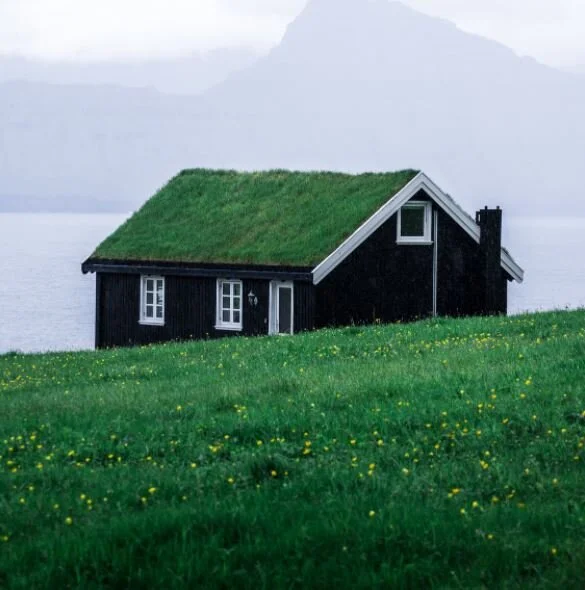
Green roofing is a popular choice for homeowners in 2021. This style of roofing involves covering your existing roof with vegetation. The plants can grow in the strong layer of your roof and get all of the sunlight they need.
Green roofs are very sturdy and can withstand quite a bit of weight. They are also very aesthetically pleasing and can add value to your home. If you’re looking to build a new home or update your roof, consider green roofing!
Metal Roofing
Metal roofs are already popular with homeowners. However, in the next five years, we’ll see an even greater demand as they become more accepted. Thanks to their durability and innovative designs, metal roofing has been used across all styles of homes for several decades.
They are a stylish and more energy-efficient option for those who want a roof that lasts longer than many other roof materials. Consider looking into this if you want a unique roof for your home.
Asphalt Shingles
Asphalt shingles have been popular for years and are still going strong. Since they’ve been around for a long time, roofers are getting more creative with these to make them a little different every year. According to experts, new asphalt shingle products will be water and mold-resistant with added durability as well.
These shingles won’t only reduce wear-and-tear, but they’ll also stay beautiful longer than ever before. We can expect to see even more innovative designs of asphalt shingles in 2021 and beyond.
Cooling Technology
Cooling roofs are becoming very popular in 2021. If you’re building a home or hoping to update your roof, consider this new technology. The cooling effect comes from a special material that can block infrared rays and absorb sunlight. This factor makes your roofing surface cool and allows your AC to run less, thus saving you money!
There are a lot of exciting new roofing innovations on the horizon. If you’re building or remodeling your home, be sure to plan for these trends, as they will surely change how we approach roofing in the future.
Want a New Look for Your Home? How to Switch Up Your Roofing
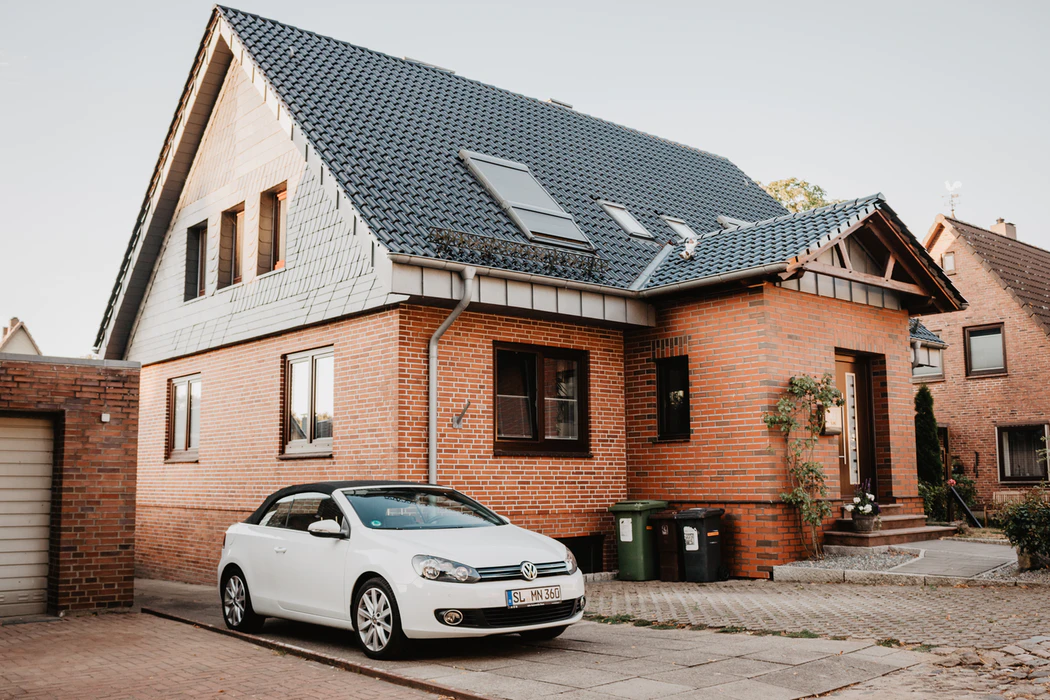
You realize that the roof of your home is one of the first things that people notice about the home when they drive up to it. If you are interested in giving your home a new look, you should know that simply changing the roof can affect the look of the whole place.
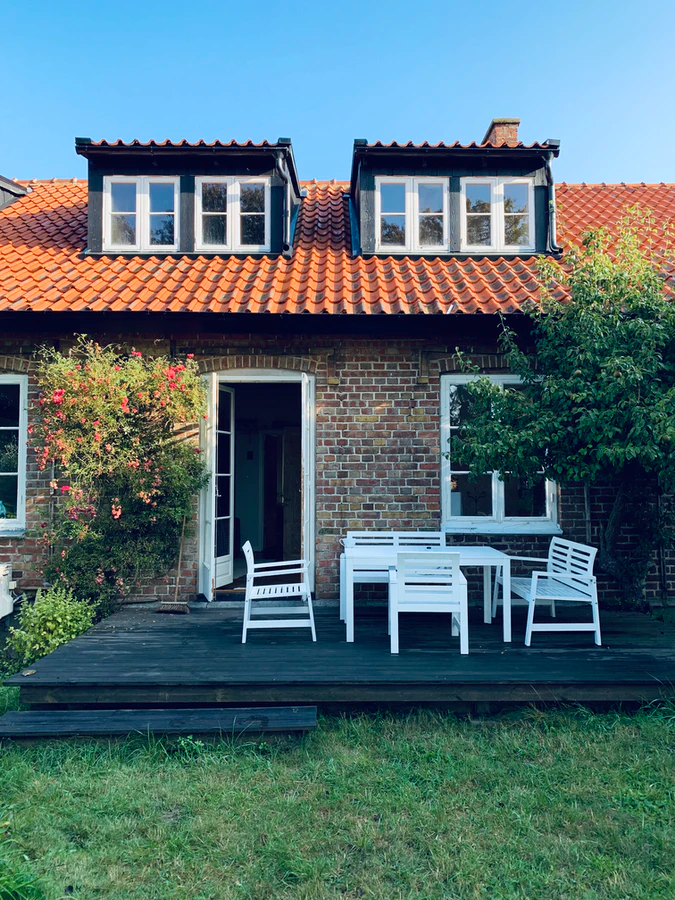
You realize that the roof of your home is one of the first things that people notice about the home when they drive up to it. If you are interested in giving your home a new look, you should know that simply changing the roof can affect the look of the whole place.
Consider New Shingles for the Roof
If you are thinking that you might be selling your home soon and you want to change the look of the place first, simply changing out the color of shingles on your roof can help with things. Whether you are changing your home for yourself or potential buyers, purchasing shingles in a color that is different from the one currently on your home can make the home look like a new place.
Consider a Metal Roof Option
There are many metal roofing options, and metal roofs not only change the way that a home looks but they are durable and easy to maintain. You might consider putting a metal roof on your home to give it an updated look, and you can choose from different colors and materials when it comes to the metal roof option that you use.
Look Into Clay Roof Tiles
If you want your home to stand out from all others in your neighborhood, you might consider putting clay tiles on the roof. This is a roofing option that gives a home a look that is unique, and clay tiles come in reds, browns, and grays. You can find tiles that will look right with the siding on your home, and you should know that clay tile roofing can help regulate the temperature inside your home.
Make Sure You Are Using the Right Roofing Team
If you have decided that you want to give your home a new look by changing up its roof, you need to make sure that you have found the right team to handle the job. You need to make sure that the new roof will be installed correctly and that those you are hiring know how to use the specific roofing material that you have chosen for your home.
A new roof is a good idea when your old roof has started to get worn out or when it is damaged, but a new roof is also a good idea when you simply want to change the look of your home.

