

A resource for those seeking information on organizing and transforming spaces.

Guest Post - The Influence Technology is Having on Interior Design Trends
Interior design specialists have always possessed a keen eye for detail, and they are capable of keeping one step ahead of the latest trends. While these are both undeniable talents, we also need to remember that technology is now beginning to transform the entire industry. What types of changes are taking place? How might these impact current approaches to home décor and why is this great news for the average homeowner? These interesting questions deserve a bit more attention.

Interior design specialists have always possessed a keen eye for detail, and they are capable of keeping one step ahead of the latest trends. While these are both undeniable talents, we also need to remember that technology is now beginning to transform the entire industry. What types of changes are taking place? How might these impact current approaches to home décor and why is this great news for the average homeowner? These interesting questions deserve a bit more attention.
The Notion of Smart Homes
While intelligent homes may be associated with classic cartoons such as The Jetsons, the fact of the matter is that this notion has now become a reality. Not only do smart homes provide a more user-oriented experience, but they tie traditional design concepts together with cutting-edge technology. Examples include biometric locks, seamless smartphone connectivity, and lights that automatically deactivate when a room is unoccupied.
A Focus Upon Sustainability
As climate change continues to rear its ugly head, average consumers are now placing greater importance upon developing design concepts that help to ensure sustainable earth. The good news is that technology is capable of playing an important role. Eco-friendly materials are replacing traditional substances and thanks to ongoing research, it is much easier to appreciate how these approaches will benefit the consumer from a long-term perspective.
Computer-Aided Design

To be clear, computer-aided design (CAD) has existed for well over 20 years. The main difference is that this technology has advanced to the point where it is capable of providing clear representations of how a structure will appear well before the foundations are ever poured. Not only will this save both time and money, but it helps to streamline the overall design process while offering architects a level of digital flexibility that would not have been possible in the past.
Augmented Reality
In some ways, augmented reality (AR) is another branch of computer-aided design. The main difference is that AR is more intended for customers as opposed to interior designers. Here are some of the ways in which augmented reality can be used when envisioning a home, office, or retail center:
Users can digitally select what type of furniture they desire.
AR can provide real-time views of a specific location.
360-degree walkthroughs are possible; offering a first-person view of how the final design will appear.
Changes can be made with the simple click of a button.
Augmented reality can offer amazing levels of insight and we are only beginning to realize its full potential.
Three-Dimensional Models
It can sometimes be difficult for an interior designer to convey his or her vision to the customer. As opposed to sketches and mock-ups three-dimensional models are now possible. We are not only talking about digital images in this sense.
Thanks to 3D printing, rooms or even entire homes can be physically created from scratch. These options provide a much more hands-on appeal that is often required before making a final decision. From individual items such as furniture and ornaments to illustrating the layout of a modern kitchen, the possibilities are virtually limitless. As the cost of printing models continues to plummet, even average consumers can take advantage of what is in store.
Redefining the Office Environment

Let's remember that interior design is also associated with the business sector. Just as the importance of recycling outdated equipment is becoming realized, owners are equally keen to develop "green" workplaces. In this sense, bigger is not necessarily better.
One interesting interior design trend involves downsizing contemporary office environments in order to place a greater focus upon functionality. After all, massive spaces will inevitably contribute to the carbon footprint of any business. By incorporating technologies such as energy-efficient lighting systems and relying upon sustainable sources of power, companies are now able to adopt eco-friendly solutions.
Digital Collaboration
It is now possible to speak with a friend or family member who may be located thousands of miles away within seconds. So, it only stands to reason that this very same trend applies to the world of interior design. Professionals can collaborate with colleagues via webinars, VoIP meetings, and video conferences. Information (such as floor plans) can be shared within milliseconds.
These capabilities have served to streamline the entire design process while providing customers with more options than ever before. Millennials are particularly keen to leverage such benefits, as they can provide a sense of flexibility that would not have been possible only a handful of years ago.
Looking Toward the Digital Horizon
Keep in mind that the observations highlighted above could very well represent nothing more than the tip of the proverbial iceberg. As computers and digital technology continue to advance at a breakneck pace, the interior design sector will continue to evolve. This is great news for industry professionals as well as for the average property owner. Regardless of what may come to pass, there is no doubt that these trends will continue to reshape the world around us.
Author Bio: Eoin Pigott is a Business Development Associate for Wisetek, a global leader in IT Asset Disposition, Data Destruction, & IT Reuse.

How to Incorporate Art Deco in Real Estate Style
When we consider artistic movement, we have a tendency to in real time consider F. Scott Fitzgerald's classic novel "The nice Gatsby." We have a tendency to imagine gleaming metal finishes, lavish pieces of furniture and interior decoration, and extraordinary design.
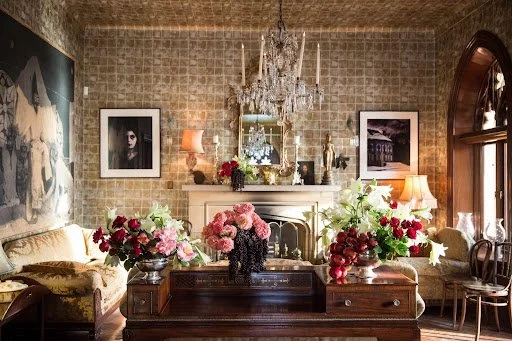
When we consider artistic movement, we have a tendency to in real time consider F. Scott Fitzgerald's classic novel "The nice Gatsby." We have a tendency to imagine gleaming metal finishes, lavish pieces of furniture and interior decoration, and extraordinary design.
It's no surprise that our thoughts intercommunicate “The nice Gatsby,” which was revealed in 1922 throughout the Roaring Twenties. artistic movement was the foremost common design|type of architecture|art form} at the time, and it remained fashionable well into the Thirties.
It was primarily meant to reason visual arts, architecture, and design, furthermore as fashion and piece of furniture. it is a vogue with an advanced meaning, however distinct characteristics.
Furthermore, will this pattern be incorporated into your home? To help you, we've noncommissioned the help of seasoned interior designers and gifted decorators.
What specifically Is Art Deco?
There was a way of hope and prosperity between the 2 World Wars, that was expressed in creative expression. The artistic movement was born, and it quickly spread to home furnishings, because of advancements in technology and machinery.
The artistic movement vogue is deliberately eclectic. Art Deco, in distinction to a real eclectic style vogue, prefers embellished, opulent, and extraordinary options by design. It's all concerning victimisation statement items to elevate the kinky and opulent.
Shortly after war II, this classy and typically chaotic ornamental vogue was phased into favor of modernism, a lot of realistic and purposeful vogue.
For those that stay soft on the artistic movement theme, there are ways to integrate it into your home by strategic decorating and tokenish home updates.
What are Some ways to include artistic movement in Your Home?
Adopting an associate degree artistic movement interior decoration theme in a very up to date home may be difficult. After all, if titled incorrectly, the options of this trend might seem aged or out of place.
Since artistic movement has continually been a combination of recent and ancient, drawing from a spread of designs, there is no reason why little details cannot be accessorial for barely of gaudiness and magnificence.
Start little by incorporating artistic movement components into strategic areas of your home, like painting an area dark or adding an outsized, ornamental mirror to your bedchamber.
Simple changes, like dynamic your toilet tile to a geometrical pattern or substitution your steps railing with sleek atomic number 13, are counseled. The simplest way to begin organizing is to try to do the maximum amount of preparation as potential.
Let's see however you'll be able to incorporate these delicate changes into your home interior decoration to attain an associate degree artistic movement look.Candles make the interior look so special along with taper candles.
Dramatic Walls
Art Deco vogue is all concerning suspense, and zip makes a much bigger statement than dark interior paint. it is also a designer trick for creating your space seem larger.
To make a robust statement, use colors like navy, dark green, or black. Dark, made wall colors will support even little rooms. strive for tabby wallpaper in a very large-scale print if you are feeling further brave.
Adding ornamental gold accent items to your walls and different specifics of the house, whether or not you opt for an entire new paint job or a project that needs less effort, like removable wallpaper, can bring out the color of the walls. We'll think about that in additional detail later.
Metals that are polished
The fulminant convenience of tinny ornamental components in home interior decoration was a signature feature of the Twenties. It's no marvel, then, that this polished look found its method into artistic movement style.
Designers at the time were joyous to possess access to factory-made metallics, which explains why we have a tendency to see numerous reflective materials in their work.
Begin by adorning your walls with an enormous statement mirror and ornamental gold lighting fixtures. To tie the area along, replace your light-weight switch covers, register covers, and retailers with ornate tiny bits, or just install an outsized lamp.
Checkered carpet
The artistic movement is enclosed with bold tabby flooring in areas like the room and loo, kind of like the with bold colored paint. The dramatic distinction between the white and black checkered tile created a degree, thus black and white tiles were notably common.
There are still ways to integrate this look at your home if you are not coming up with substituting your flooring anytime before long. Think about using checkered tile for your room backsplash or subway tile for the inside of your toilet.
Fabrics of the very best quality
To offer the impression of wealth and sophistication, associate degree artistic movement designers can use luxurious materials and materials to reinforce the planning and feel of home interior decoration. it had been how to bring each magnificence and luxury into the house.
You can get this look in a very cheaper and open method lately. Use velvet in your piece of furniture and curtains to feature barely of luxury. Add fake fur pillows and throws to your couches and accent chairs to bring out your wild facet.
Furniture with a grip
It may appear forced and out of place to fill a contemporary, industrial house with 20th-century interior decoration, however the trick to integrate artistic movement pieces of furniture into your house is to require some time and begin little. Replace many bits at a time and request inspiration from artists.
In Twenties America, the piece of furniture found in most artistic movement homes would be thought of as traditional. it'd appear kinky and over the highest these days, with art movement and middle century trendy interior decoration on the increase. There are, however, delicate ways to include it into your home.
To begin, use little details like an associate degree ornate panel in your main bedroom or an ornamental table in your front room to include an air conditioner with Best MERV 16 filters. Once done properly, it will mix in seamlessly with the remainder of your room's interior decoration. do not overlook the finer points! to create a degree, think about adding associate degree animal print space furnishings.
Designers had access to a good variety of exotic written materials throughout the artistic movement era, thus animal print rugs and different uncommon patterns were commonplace.

Upgrades to Make in Your Home That Will Add Value Over Time
Home upgrades help you add functionality to your residence, so it keeps meeting your needs. However, certain home upgrades can also add value over time. That can let you space out the expense of upgrades that boost resale value over a longer span of time. Even if you don't plan on selling anytime soon, boosting your home value can increase your total net worth and possibly even unlock more money through a mortgage refinance.

Home upgrades help you add functionality to your residence, so it keeps meeting your needs. However, certain home upgrades can also add value over time. That can let you space out the expense of upgrades that boost resale value over a longer span of time. Even if you don't plan on selling anytime soon, boosting your home value can increase your total net worth and possibly even unlock more money through a mortgage refinance.
Open-Concept Living
The trend towards open-concept floor plans for the main living space has been around for a while, and it shows no sign of letting up in the coming years. If you can knock out any walls or awkward junctions to turn a kitchen, dining room, and living room into one continuous space, then you should do so.
Home Office
Remote work is here to stay. Freelancers already work from home a lot, but even many full-timers working for corporations are starting to do a lot of work from home. Many people that still report to an office or location still want a private space to work on personal projects and hobby income. Home office spaces are very valuable commodities and an expectation in many modern homes.
Swimming Pool
Most people love swimming, or at least playing in the water. Families enjoy having a space for the kids to have an outdoor activity while in the safety of their own yard, and nearly any homeowner loves having a place to gather up friends and family for a BBQ or party.
Improve the Bathrooms
The older your home is, the more your bathrooms have room for improvement. Think bigger, and think more. Adding an on-suite to any bedroom is a great move, and just putting in an extra bathroom can help the whole home. Have a powder room with a linen closet? See if you can knock out the closet to add a standalone shower and make it a full washroom.
Add More Space
Whether you finish an attic or basement as a bonus room or put a new hardwood floor on a deck or patio out back for enhanced entertaining and relaxation, anything you can do to add more functional square footage will also add to the value of your home.
In conclusion, there's no guarantee that any of these home improvements will absolutely boost home value over time, especially if your local market makes a downturn. Having said that, there are reasons why prospective home buyers look for features such as these, so consider them as good gambles.

Steps for Turning Your Unfinished Basement Into a Living Room
Your unfinished basement represents a ton of potential. Turning it into a liveable area where you can relax and entertain might be easier than you think. Follow these steps, and you'll be lounging around down there in no time.

Your unfinished basement represents a ton of potential. Turning it into a liveable area where you can relax and entertain might be easier than you think. Follow these steps, and you'll be lounging around down there in no time.
Conduct a Preliminary Damage Assessment
First, you've got to check for any potential damage. A lot of times, there might be a crack in the foundation. Foundation repair is crucial if you want to turn your basement into a living room. Otherwise, all your hard work could be lost. Repairing the foundation doesn't take too long, and it'll make the rest of the work worthwhile.
Properly Seal the Room
After checking for damage, it's time to think about sealing the basement properly. Most unfinished basements aren't entirely waterproof. As such, small amounts of moisture might find their way inside. Applying an industrial-grade sealant to the corners should solve the problem, though. After this important step has been completed, you can move on to other projects.
Think About Floors
Flooring would be the next project on your list. Don't fall for the wooden floors, though. Those tend to wear down a lot faster than other options. We'd suggest tile for the easiest solution. Tile doesn't need a whole lot of attention. Plus, you could always throw a rug on top of it. You can also choose to install carpet if you want something more warm and cozy. Carpets can require more cleaning, especially in a dusty basement, but it can be worth it if you want the warmth. Concrete can be another option. This is an inexpensive option, but isn’t very comfortable. However, you can add rugs to make it more cozy and warm. Concrete flooring is becoming more popular, so it can be a good option if you want your basement to look trendy and modern.
Get Creative With the Walls
Have you thought about what you're going to do with the walls? For a truly sublime experience, start by hanging up some drywall. Make sure there is a little space between the basement's walls and the drywall. Once the drywall is in place, the space will start feeling livable instead of feeling like a dingy basement. After drywall is installed, you can start decorating. Wallpaper tends to be pretty easy to work with, especially if it is peel and stick. So, you might want to use some of that. Nevertheless, there's always something appealing about good old-fashioned paint. You might want to purchase some wall decor too. Unique paintings can start to give your living room character. Don’t underestimate the importance of focusing on designing and decorating your walls.
Choose Lighting
Next, it's time to think about how you'd like the lighting to look. Most basements don't have a ton of windows, and some of them don't have any at all. So, how you plan your lighting will make a huge impact. Blue lights might not feel super relaxing. So, if you want it to feel like a living room, you might want to use something with a reddish hue. You might also want to purchase a few lamps if you don’t want the lighting to be too harsh at night. It will lighten up the room, without being too bright while you are relaxing.
Purchase Furniture
The last thing you will want to do is purchase furniture for your new living space. Think about how much space you have to work with. If you have a large living room, a large sectional sofa can be a great option. If you don’t have enough space for a sectional, a loveseat and some chairs will work great too. Choose a furniture style that you know you will love for years to come. Don’t go with anything too trendy, but also don’t be afraid to show off your personality and taste through furniture. Furniture will tie the whole room together and can create a focal point for the room. Make sure you take enough time to make a decision before purchasing the furniture.
Turning your unfinished basement into a living room is pretty straightforward. Follow the tips in this guide, and you'll be done soon. Then, you can focus on enjoying it.