

A resource for those seeking information on organizing and transforming spaces.

Quick Guide To Start a Home Decor Project
Starting a home decor project can be both exciting and scary. This depends on your budget, experience, taste, and how far you are willing to go to get it done. If you have never done a home decor project, you might not know where to start.
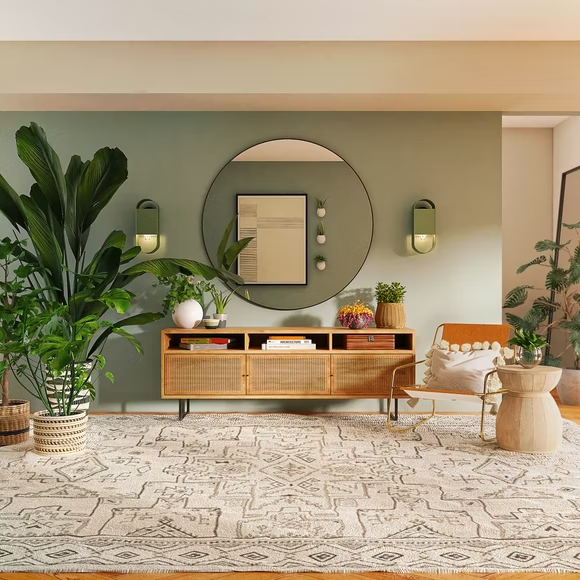
Starting a home decor project can be both exciting and scary. This depends on your budget, experience, taste, and how far you are willing to go to get it done. If you have never done a home decor project, you might not know where to start.
The truth is, everyone with a taste in decor has potential for interior design. Even if you have never worked on such a project, you can quickly get started and execute the plan excellently. To help you get started, here are tips on how to do a home decor project.
Pen Down Your Plan
Do you have a plan for your home decor project? Like a business plan, your home decor project needs a plan.
Draw up the plan and keep it ready for execution. If you don't have a plan, start by identifying your style. Then, you can settle on a color scheme that suits your preferences.
Whether you prefer a sleek contemporary decorating scheme or a garden-style approach, put it in writing and stick to it. Doing so will increase your potential for interior design and help you remain on course.
Start With What Is Available
Not everyone can start with an empty, fresh room when it comes to decorating. In fact, even the most established interior designers start with something. You are likely to have pieces of furniture in your home, and that is what you should start with.
Work with the available tile floors, carpeting, countertops, or floors. Besides, you should incorporate any architectural features you find usable in the process.
Even if you might not be highly experienced in decorating, there are things in your home you like. You should focus on such things and make them essential.
Similarly, if there are things you don't want in your home, you can downplay them or find a way to camouflage them. This will help bring out the best in your design.
Include Decorative Pieces
Having decorative pieces is a significant step in this process. If you have a collection of delicate china, beautiful crystal, or rustic birdhouses, you can base your decorating plan on them. Use these unique pieces to identify the start of your decorating project and base the design on the formality of your collection, decorative themes, or color schemes.
Remember that you don't have to be a skilled designer to start a home decor project. This is the case because there are many places you can look for ideas, themes, and color.
Start With Art
The art you choose to have in your home reflects your likes and preferences. You probably like a formal or traditional interior if you fancy beautiful oil paintings.
On the other hand, if you choose sepia or black and white-toned photographs, you will want to go for a more contemporary design. The secret is going for the art you like and one that reflects your preferences.
Plan Your Home Decor Project
Even though starting a home decor project sounds tedious, having a plan and executing it diligently will get you over the line. You should know what you want and what suits your preferences regarding home decor.

How to Properly Maintain Your Carpet and Area Rugs
Soft carpet or rugs can feel great under your feet, especially after a long day of running around. There’s nothing like a beautiful rug or new carpet to really tie a room together and add value to your home. They can be great statement pieces, but what they end up saying about your home can be the wrong thing if they’re not properly maintained. Stains, wear and tear, or just poor quality materials can all have a negative impact on what you might be trying to accomplish by adding carpet or rugs to your home unless they’re properly maintained. Below are some tips that might help you with rug and carpet maintenance to make sure you're doing all you can to keep your home looking great.

Soft carpet or rugs can feel great under your feet, especially after a long day of running around. There’s nothing like a beautiful rug or new carpet to really tie a room together and add value to your home. They can be great statement pieces, but what they end up saying about your home can be the wrong thing if they’re not properly maintained. Stains, wear and tear, or just poor quality materials can all have a negative impact on what you might be trying to accomplish by adding carpet or rugs to your home unless they’re properly maintained. Below are some tips that might help you with rug and carpet maintenance to make sure you're doing all you can to keep your home looking great.
Consider a Shoe Ban
Shoes can be quite destructive to carpet and area rugs. The tread on the bottom of a shoe can get caught on the fibers, and the extra weight that shoes add tends to help grind dirt deep into your carpet or rug. Therefore, to protect your carpet, it may make more sense to just put a shoe ban in place in your home. You can designate a specific area by the front door for everyone to put their shoes to help keep your entryway tidy and your carpets looking great.
Vacuum at the Correct Height
Vacuums are a great ally in keeping your carpet and area rugs clean. However, you need to use your vacuum correctly to protect your carpet while you're cleaning it. Pay close attention to the height selection on the vacuum so that you don't set it too low. It should be at a height that fluffs up the pile of the carpet without digging so deep as to damage the base of the fibers.
Deep Clean Regularly
For many people, deep cleaning their carpets is an afterthought at best. Some people might never even get around to it since it’s recommended you deep clean annually. It’s easy to forget it needs to be done at all, or becomes difficult to find a time to get it done. This is a shame because removing ground-in dirt from your carpet and area rugs will help prolong their life and beauty in your home. Since deep cleaning can be a large job, it's best to have cleaning services, ones like ServiceMaster Restore, on hand to take care of the job for you so that you remain motivated to stay on a consistent cleaning schedule.
Respond to Spills Quickly
Even if you're careful with liquids on your carpet and area rugs, there's still bound to be a spill or two at some point. The key to taking care of spills properly is to respond quickly and use the correct cleaning chemicals. The longer you let a spill sit on the fibers in your carpet, the more difficult it will be to remove the remnants of that spill. You may want to keep a reference guide in your utility area so that you know exactly which cleaners to grab when responding to various types of spills.
Start With Quality
Even the best maintenance regimens won't do much to prolong the life of low-quality carpet. If you're replacing your carpet or area rug, make sure to go with the best option that you can afford. This will help provide lasting beauty and make normal maintenance tasks easier.
There are a lot of things you can do to help keep the rugs and carpets in your home nice. The most important tactic is to try and keep them as clean as possible, whether that means banning shoes on your carpets and rugs or scheduling deep cleans to get at the ground in dirt. You want to make sure you take proper care of your carpets and rugs by vacuuming at the correct height so as to avoid damaging the fibers, and responding to spills as quickly as you can so they don’t have time to set. In practice, it should be incredibly easy to keep your carpets as clean as you can, with the occasional mishap or deeply in-set dirt being the only thing to worry about.

Guest Post - HDPE vs Stainless Steel Cabinets
Outdoor kitchen cabinets are an addition to your home that increases curb appeal and that provides a beautiful space for those spring and summer gatherings (and in colder weather too, if you design well). To make the most of your outdoor space, you’ll want to choose materials that are long lasting, easy to clean, attractive, and that stand up to wear and tear.
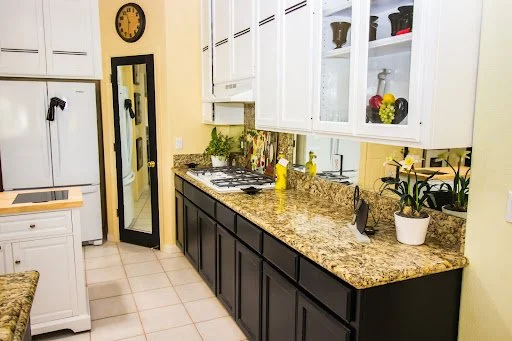
Outdoor kitchen cabinets are an addition to your home that increases curb appeal and that provides a beautiful space for those spring and summer gatherings (and in colder weather too, if you design well). To make the most of your outdoor space, you’ll want to choose materials that are long lasting, easy to clean, attractive, and that stand up to wear and tear.
Two of the most popular materials used in producing cabinets for an outdoor setting are stainless steel and high density polyethylene, often called HDPE. Stainless steel is certainly an elegant option that provides strength and longevity, but at its higher price point, it does have some drawbacks. Stainless steel is more prone to rust and corrosion, which means it has to be more frequently maintained to prevent spotting and gaps in the finish. It also tends to get hot in the sun and can be uncomfortably hot to the touch. Furthermore, its reflective surface often intensifies bright sunlight, which can be hard on the eyes.
An equally elegant, but less expensive option is HDPE. HDPE is a UV-stabilized marine grade polymer that has been tested in the most extreme conditions, including the harsh winter conditions of Alaska and the extreme heat of the desert. The UV stabilizers in HDPE mean it can stand up to sunlight, cold, wind, and heat without losing its color.
What makes HDPE so appealing is its incredible durability while maintaining its aesthetic appeal. HDPE cabinets do not corrode or rot and come in a variety of colors and textures. They do not stain from food and drink spills and even glues and other adhesives leave no residue once washed away. In fact, HDPE is so durable that it can be cleaned with a pressure sprayer without causing damage. Even if a scratch or gouge occurs, HDPE maintains its beauty because there are no layers to be exposed.
While stainless steel comes in a limited variety of color choices that often don’t fit with a bolder color palette, you can match your HDPE cabinets to any style. And they are virtually maintenance free. It’s worth considering whether to bother with the hassle of keeping stainless steel free of smudges and dirt. The documented environmental impacts that can cause corrosion and rust do cause pause for some. An HDPE produced cabinet allows you to enjoy your outdoor kitchen without a number of these stressful factors.
Written by Ivan Young

Guest Post - What Types of Doors Are Best for Modern Homes?
Every newly-built home needs several types of door. While it might not seem like a design feature that requires a lot of your attention, your doors are critical to the overall feel of your home.
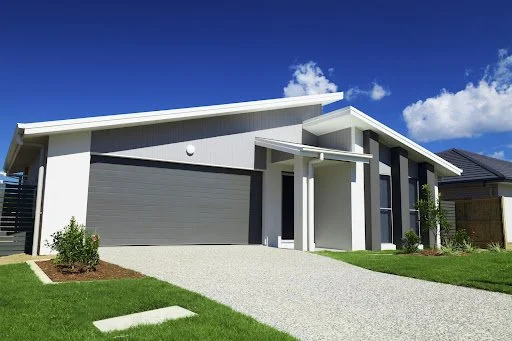
Every newly-built home needs several types of door. While it might not seem like a design feature that requires a lot of your attention, your doors are critical to the overall feel of your home.
Most notably, your front door marks the entrance to your home and gives you privacy. It is the first thing that newcomers to your home will notice, so it should represent you! Traditionally, a front door was always made from wood because it is secure, durable and can easily be painted. However, if you’re looking for something a little more modern, consider insulated steel or fiberglass front doors.
Why pick a fiberglass front door?
Fiberglass is a great material for modern front doors because they offer increased light and a rich color without much upkeep. The color of the door is worked into the glass, so there is no need for painting.
Also, having a fiberglass door gives you peace of mind because they are highly-resistant to rot, rust and dents. It will always maintain its pristine looks!
Why pick a solid steel front door?
For even more security, a steel door provides extra reinforcement. Its ability to keep more heat inside your home will also be reflected in your energy bills! Steel doors are also very resistant to any form of rot or moisture, and are a stylish addition to any home.
How about interior doors?
A typical interior door is made from pressed board or veneered wood which does a great job of defining different rooms throughout the home, but comes with its disadvantages. Firstly, they are easily damaged (by accidentally hitting them against a wall or with an object), and they create muffled acoustics.
If you are interested in getting rid of these drawbacks, you are looking at investing in hard-core glass doors which are higher-end, but could cost around triple the price.
For a stylish door that leads out to your backyard, French doors are a timeless classic that fit into any modern home. These double doors are made mostly of glass, which means they let plenty of light into the connecting room. If you live in a particularly hot or cold climate, you might want to reconsider French doors because their glass composition makes it difficult to regulate the temperature of the connecting room.
Jack Vale is a writer in partnership with wrought iron door manufacturers Abby Iron Doors.