

A resource for those seeking information on organizing and transforming spaces.
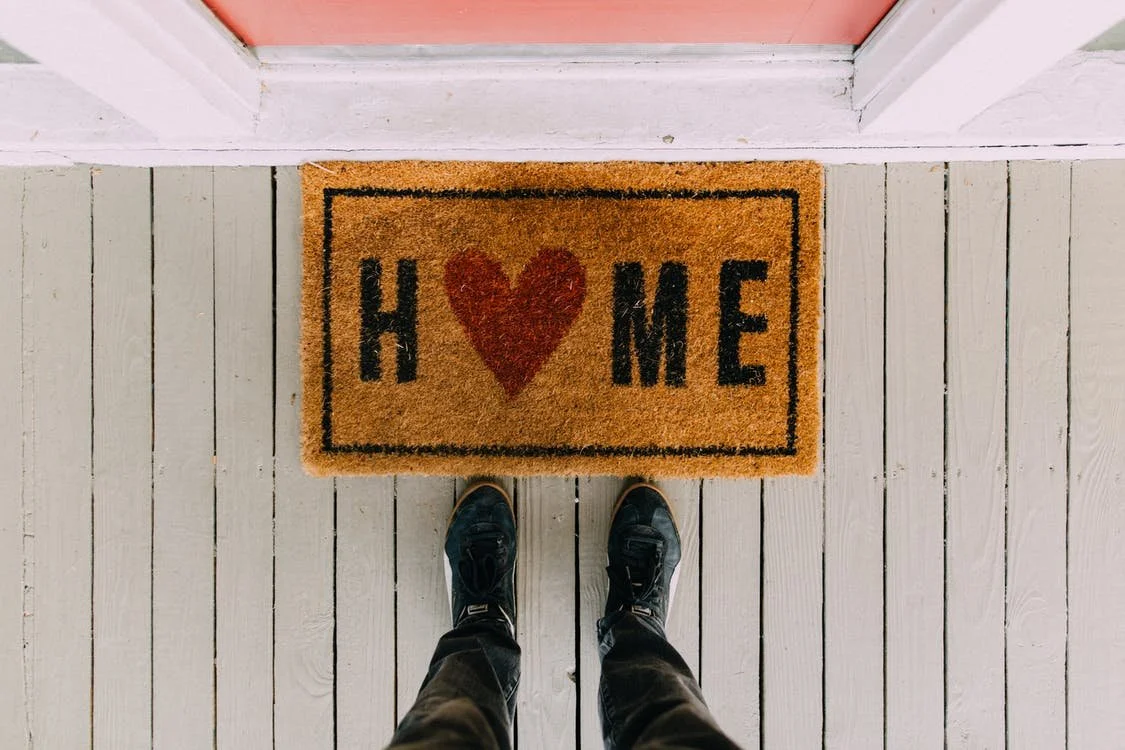
Home Decorating Tips For the DIYer in You
Part of the fun of doing things yourself is the opportunity to learn. So, this list of home decorating tips is specifically focused on your inner DIYer. You may be itching for a project after a hiatus, yearning for that feeling of satisfaction you get from doing your own work. I hope this list serves to inspire you!
Part of the fun of doing things yourself is the opportunity to learn. So, this list of home decorating tips is specifically focused on your inner DIYer. You may be itching for a project after a hiatus, yearning for that feeling of satisfaction you get from doing your own work. I hope this list serves to inspire you!
Home decorating isn’t overly concerned with fashion. Rather, it adds to the comfort of home with aesthetic elements that raise comfort to an art form. Let’s review a list of home decorating tips for the DIYer in you.
Produce a Critical Path
Sometimes, DIY enthusiasts bite off more than they can chew. Being realistic about your bandwidth is your best friend, but your second best friend is the critical path. Used in project management, the critical path creates a site of accountability for members of a team. In your case, that’s you. The document supports timely fulfillment of project deliverables, ensuring you don’t get stuck.
The critical path document keeps you honest by keeping you moving. By putting firm delivery dates on every stage of your planned project, you stay on track and when you’re done, on to the next project!
Master Color Expression

We all have our preferred colors. That doesn’t mean they should be on your living room walls. Sometimes the colors we like are overwhelming on the walls of rooms we want to relax in. Einstein said that everything is made of energy. Spending some time thinking about the energetic quality you’re hoping to achieve with color helps you decide on a theme.
Examine and learn from the color wheel, read about the psychology of color, and combine your personal preferences and instincts with new information for the win!
Practice Self-Expression
DIY and crafts aren’t the only way to put your personal fingerprint on your home habitat. Objects infused with personal meaning, family history, and milestone memories are the decor backbone of family homes everywhere. But your fingerprint is unique, so get personal as you express yourself.
The highly-personal art of paint by numbers is one way the whole family can get involved in contributing to your home decorating fingerprint, personalizing your home even more. Every member can choose a meaningful image, paint it, and add it to the walls of your home, gracing it with family solidarity.
Give New Life to Old Friends
Even in our disposable world, there are some pieces of furniture we can’t seem to quit. So, giving new life to old friends is a DIY labor of love and an act of environmental responsibility. If you choose to dig up that curved upholstery needle and staple gun, have at it. Reupholstering work can be a worthy teacher. But there are more ways than one to get it done.
Before you do anything though, have the piece cleaned or steam clean it yourself. You’ll be glad you did because you’re removing years of dirt and oils you don’t want around anymore. You may choose to reupholster by hand or you may be happier with a DIY slip cover as you breathe new life into old friends.
Telling Your Story
It’s said that every picture tells a story but the objects we fill our homes with do too. Every home decorating scheme should be held together with a strong sense of your story. It doesn’t matter whether you’re decorating your first apartment or your family home.
Objects of significance in your life story—anything from a ship in a bottle to a tribal mask from your travel adventures—are to be honored. Think about highlighting such heirloom decor items with recessed or LED lighting on a feature wall for maximum impact. Items might also be placed on console tables, making them stand out, start conversations, and tell your story.
Creativity is nothing new to DIYers but a little inspiration can become something beautiful. Build on your skills with some new ideas and approach these home decorating tips as a creative challenge. When you open your door to visitors, you’ll have that proud smile on your face that says, “I made this!”
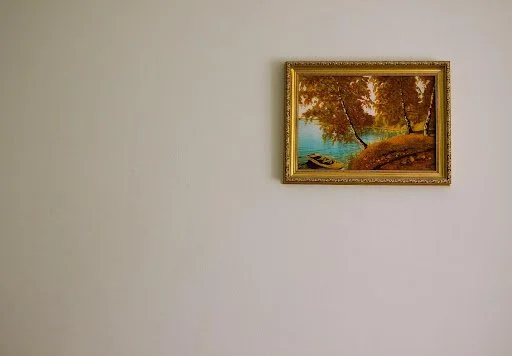
Trends in furniture: The vintage is making a comeback
Selecting an interior design aesthetic for your house is one of the enjoyable aspects of decorating. Your choice of style may reveal a lot about who you are and how you want to express yourself, whether you like classic, contemporary, rustic, or trendy. Finding a style that suits your personality is important, but sometimes it's also important to take care of an antique item that has special meaning for you.
Selecting an interior design aesthetic for your house is one of the enjoyable aspects of decorating. Your choice of style may reveal a lot about who you are and how you want to express yourself, whether you like classic, contemporary, rustic, or trendy. Finding a style that suits your personality is important, but sometimes it's also important to take care of an antique item that has special meaning for you.The retro furniture style is becoming more and more popular, driven by nostalgia!The demand for sustainable furniture and design is soaring as environmental issues gain popularity in the general public. Promoting environmentally conscious behavior within a house has long gone beyond discussions of foods and chemicals and is now focusing on things like materials, paintings, and furniture. The Millennial generation's rising interest in antique furniture and décor is illuminating the future while the industry investigates various production processes and encourages recycling.
Don't get rid of anything in your home that has been handed down through the generations or something you just adore but that no longer exactly fits your current design. Try one of the suggestions for retro design we've provided below!
There are a few reasons why antique furniture is becoming a popular choice for many people, and because this trend is predicted to continue growing in the future, we share with you our predictions for its development.Addressing environmental issues
Over the past couple of decades, we’ve witnessed quick furniture sweeping over the business landscape. The disposable flatpacks slowly crept into our lives, cheap and convenient, promising easy and uncomplicated answers to our shifting lifestyle demands.
It is easy to view furniture as a temporary fix—functional items made to endure a few years before being thrown away—with mobility on the increase.But the strain this way of thinking has put on the environment over time is growing. We can no longer turn our heads away and pretend like this is a sustainable practice.
The source of the production materials is also being investigated. Although environmentally friendly manufacturing methods and renewable resources may increase the cost of the furniture, consumers are willing to pay a premium to reward the businesses for their ethical practices.Vintage is good for the environment.But despite our best efforts and use of only responsible materials and procedures, new items continue to feed the consumerist beast.
But choosing vintage means utilizing what is already in place. It entails paying respect to the craftsmanship of the past and appreciating excellence that has lasted the test of time.
By choosing vintage, we reduce waste and increase our access to long-lasting furniture, which relieves strain on landfills.Older objects encourage individual expression.Our individual styles started to fade as mass-produced furniture altered the market landscape. But we were unaware of how identical our houses had become until we exposed them to social media.
Using vintage art deco furniture can help combat the uniformity. These items allow for experimentation and personalization in addition to being uncommon (and occasionally even unique). You may transform a plain thrift store purchase into a treasure with a little paint or some straightforward upholstery work.It focuses on the narrative and the connection.Old furniture has a backstory. The joy of learning about an amazing object's past increases our appreciation of it. We may find it difficult to understand why we crave stories so much, but one thing is certain: we will continue to embrace home decoration trends that emphasize authenticity and flaws.
Vintage creates a peaceful, comfortable atmosphereWe feel at ease in our homes when the furniture is used and has little scratches and rust. They help us accept and feel at ease with things' inevitable degradation by serving as a constant reminder that nothing is too valuable.
Interiors that are too uniform quickly lose their appeal, while houses that take time to develop by layering old and new items keep people interested because they seem timeless, one-of-a-kind, and very personal.It benefits your wallet.Vintage and antique items can cost anything from a dollar to a small fortune, depending on what you are looking for and how persistent and committed you are in your quest. However, it is obvious that they do maintain their worth and exceptional build quality.Conclusion: The trendiest house décor is vintage. But it might be difficult to get started with so many options available. This article strives to make this process easier by providing examples and suggestions for anything from picking the ideal hue to finding vintage pieces that will stand out.

4 Common Mistakes To Avoid When Buying Furniture
Buying furniture is fun, but it can also be stressful. To help you avoid committing a furniture faux pas, here are four common buying mistakes to watch out for.
Picking out new furniture for your home is fun and exciting, but it can also be hectic. There are so many things you have to keep in mind and so many ways things can go wrong. By familiarizing yourself with these four common furniture buying mistakes and how to avoid them, you can keep your next furniture shopping trip as stress-free as possible.
Not Measuring
You should never guesstimate when it comes to furniture. Before you buy, measure the room you plan to place the piece in, plus the dimensions of your doorways and any stairs to ensure you can fit the furniture in your home and into its intended space.
Not Considering Your Lifestyle
You should always consider your way of life when purchasing furniture. Do you have kids or pets? Make sure you look for easy to clean, stain-resistant pieces. Love to host parties? Ensure the sofa and dining table can seat all your family members and friends. Essentially, before you buy a new piece, ask yourself how you will use it and whether it will work with your circumstances.
Not Considering the Maintenance
That silk accent chair looks lovely, but have you considered how much time you'll need to spend maintaining the upholstery? Before you buy a piece, consider the materials and how much care they need. If you don't have the time to spend on that care, you should move on, as hard as it may be.
Buying Big Online
Online shopping is convenient, but it also comes with its fair share of downsides. You can never tell if the posted pictures are real, nor can you accurately gauge size or quality. For these reasons—plus more—we recommend viewing big-ticket items in person to ensure they meet your needs and standards. In-person furniture viewing may seem outdated, but it's more crucial than you think!
Fortunately, most of these common furniture buying mistakes are perfectly avoidable if you know what to look for. Don't fear furniture shopping—with your new knowledge, you can go about it confidently.
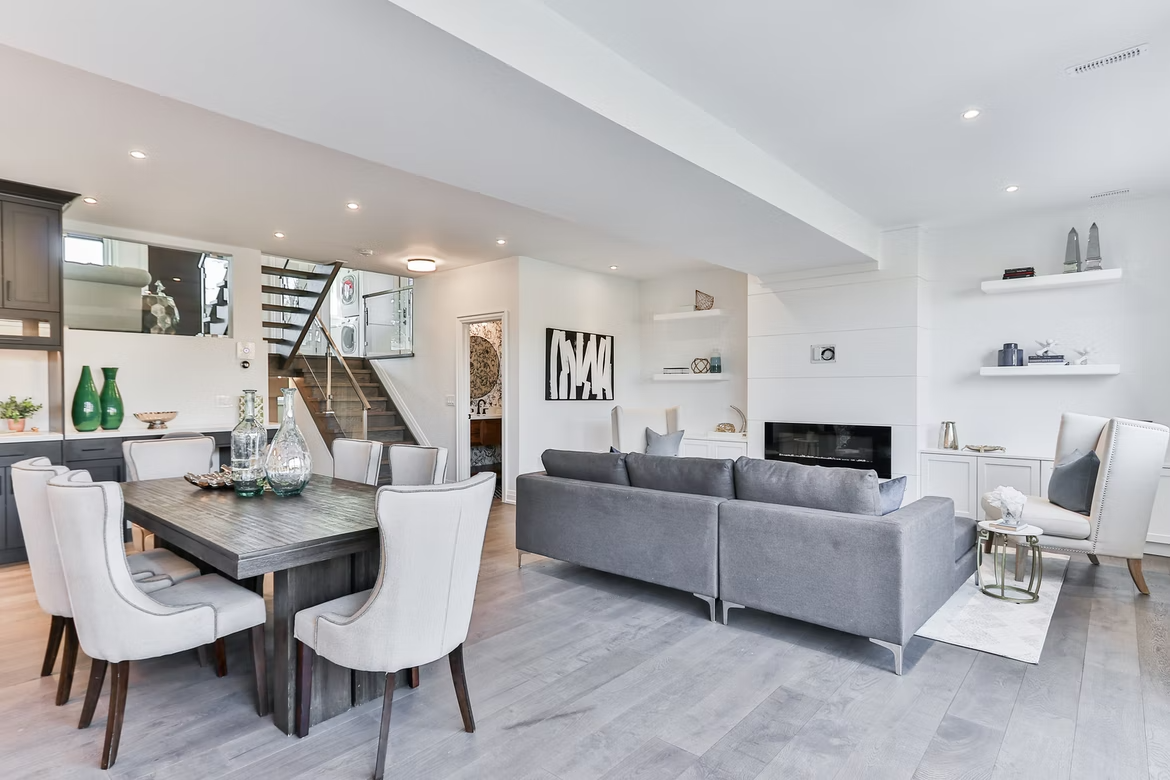
14 Design Do's and Don'ts to Make Your Airbnb Stand Out
It's easy to neglect careful planning when rushing to prepare your house for visitors. Many Airbnb hosts make the mistake of assuming their guests won't care if the place looks a little sloppy because of the photos, or maybe they're more concerned about the location and the price.
It's easy to neglect careful planning when rushing to prepare your house for visitors. Many Airbnb hosts make the mistake of assuming their guests won't care if the place looks a little sloppy because of the photos, or maybe they're more concerned about the location and the price.
When renters see how much care you took in furnishing your property, they are more likely to treat it respectfully. Care for your guests' comfort through thoughtful design. They will respect your personal space more because of it.
Are you confused about how to get started? Here are 14 simple ways to improve the design of your Airbnb. Read on if you want some do’s and dont’s ideas for a small change or a major overhaul of your home.
The Do's
1. Do Establish a Firm Base
A strong base is the cornerstone of any successful design. Most of your financial resources should be allocated there as well. Invest in high-quality flooring and furniture in neutral tones to lay the groundwork for your design; they will stand the test of time and complement any future color additions.
2. Create a Cozy Atmosphere At Home
Start adding color and warmth once the framework is in place. Throw pillows, cozy blankets, rugs, table lamps, plants, etc. One or two of those additional elements can dramatically improve the visual appeal of a room. If you're adding little details, ensure they fit in with the overall aesthetic and color scheme.
3. Do Design With Comfort In Mind
The area must give visitors the impression it was created specifically for them. Making something with more care and attention doesn't have to break the bank. Put coat hooks in the entryway and a chalkboard in the kitchen with a few quick recipes written.
Ensure sufficient towel pegs are in the bathroom and provide an ottoman in the lounge for weary feet after a day of sightseeing.
4. Do Create Thoughtful Design Moments
Invest in a bar cart and equip it with essentials like a cocktail shaker. You could also set up a coffee station in the kitchen by placing a coffee maker, jars of coffee beans or tea bags, and a prominent sugar bowl. Vinyl records can be showcased on a credenza next to a record player; featuring local musicians is a bonus.
5. Do Decorate Your Walls With Local Touches
Not having access to family portraits does not mean you have to have bare walls. Display local photographs of the outdoors, vintage postcards, or a travel poster from a popular attraction. Or, you could hang a gallery wall of Chicago-area artwork.
6. Do Choose Well-Constructed Pieces That Will Last A Long Time
Many hosts make the mistake assuming that their guests share their taste in entertainment and food. More people will visit your rental, so investing in high-quality pieces that can withstand heavy use will save you money in the long run.
It will improve in appearance over time and save you a significant amount of money compared to the cost of buying brand-new furniture every few years.
7. Do Think About How Well It Works and How Long It Lasts
Furniture for a rental property needs to be durable enough to withstand frequent use. Choose pieces of furniture that are appropriate for the number of people staying at the property. There shouldn't be a shortage of couches and dining chairs.
Consider using a commercial rating when making your fabric selection. To increase your earnings, replace your regular sofa with a sofa bed.
The Dont's
1. Don't Make Your Guests Do Work
Having a strategy for watering your plants is a must if you intend to cover your property in greenery. However, it is unrealistic to expect visitors to maintain the garden. Go with succulents, which can go longer without being watered, and incorporate plant maintenance into the responsibilities of your cleaning crew.
2. Don’t Photograph At Night
No one will know that your Airbnb is a work of art if all your photos were taken at night and the rooms look like caves. Unless, of course, your home is literally a cave.
3. Don't Exaggerate The Number Of Available Services To Customers
However, if you advertise a record player but then lock up all of your vinyl when guests arrive, they will be disappointed. Do not show any more than you are willing to share with your audience.
4. Don't Share Photos That Include Other People
You want guests to be able to visualize themselves in your home. Don't ruin it by revealing that you and your loved ones are actually living the good life. Because of this, pictures of people should be avoided when advertising goods online.
Similarly, avoid making the house a museum of your life by displaying countless photos of your loved ones. Whether staying for a week or just a few nights, visitors to a home should sense that it is theirs for their stay.
5. Don't Make The Space Too Focused On One Thing
There's a fine line between hip and kitschy or bonkers. Consider the locations of your events where guests would appreciate a theme. Your lake house's hallway will look stunning with its collection of vintage fishing lures. Smallmouth bass toilet paper holders are cute, but they might get old.
6. Don’t Leave Any Of Your Belongings
Don't take this as a green light to start piling clutter in your living quarters. Guests may feel uneasy if too many family photos or personal items are displayed. It's a security risk.
7. Don't Buy Furniture Sets
Choose a variety of statement furniture pieces and one-of-a-kind secondhand pieces to create an intriguing listing. If you want to make an experience and a layout that tells a fascinating story, a furniture set is not the best purchase you can make.
This is the perfect excuse to spend an afternoon browsing through your town's thrift shops, searching for unique and intriguing finds.
Conclusion
You shouldn't let things like unanswered messages from guests or a lack of cleanliness detract from the time, money, and effort you put into decorating your Airbnb. Guests can have a more enjoyable stay if they take the time to do interior design work. We hope you enjoyed the above tricks and found them useful.

