

A resource for those seeking information on organizing and transforming spaces.

How To Paint A House Exterior Yourself?
Few aspects of your home have such a strong visual impact right away as the exterior paint job. A well-done painting demonstrates your pride in your home and contributes to its personality.
Few aspects of your home have such a strong visual impact right away as the exterior paint job. A well-done painting demonstrates your pride in your home and contributes to its personality.
How to Paint Your Home's Exterior
This guide shows you how to paint your home's exterior step by step - Prep work to painting
Cut or Tie Back Bushes and Branches
The evaluation of the home's surroundings occurs before exterior house painting begins. Make sure you have easy access to every area of the home's exterior surfaces before you start.
First, circle the house and note any potential obstructions like bushes and tree limbs. When required, trim back bushes or tree limbs to make room for an extension ladder. You can also use a gardener's twine to tie them back.
It’s a prudent idea to turn off any air conditioning units. If necessary, cover with plastic and tape.
Painting Trim and Siding & Cleaning Vinyl/Aluminum siding
The siding or trim of the house may accumulate dirt, mold, mildew, and other pollutants over time. Therefore, removing these elements from the existing paint is the first step in painting the house exterior.
Cleaning the house's exterior surface requires the use of a pressure washer. Alternatively, you can rent one if you do not own one.
Keep in mind: Be cautious when handling lead paint. EPA guidelines apply if you are about to paint a house or surface built before 1978. Following these recommendations will ensure your protection and your neighbors' safety when painting the exterior of your home.
Exterior vinyl and aluminum surfaces can be cleaned with a pressure washer using a TSP solution or a TSP substitute cleaner. Run the washer gently to avoid scratching any surfaces. Observe the manufacturer's mixing recommendations. This will provide for a nice clean siding.
Be careful not to force water into gaps between the siding planks when using a pressure washer. When using paint cleaner and chemicals, wear gloves and safety glasses.
Let the detergent handle the bulk of the cleaning. Before rinsing it off, let it sit for about 10 minutes. Use a scrub brush and a little elbow grease on grimy areas and the spots near windows and doors.
After cleaning, let the house completely dry before continuing. The weather forecast and your climate will determine the exact timing. Rub your hand over the surface in different areas of the house to ensure it is dry.
Prepare the Exterior Surface
While it may be tempting to start painting immediately, careful preparation is necessary for a polished result.
Powerwashing (you can rent or buy from a local Home Depot, Lowes, ACE or many other stores) the exterior of your home is a must to remove the loose & flaking paint, dirt, dust and debris. Scraping the loose and flaking paint is also important, as you want to create the best surface to maximize the adhesion of your paint
Caulk and Repair
Grab a quality tube of caulk before picking up a paint roller. Sealing cracks and joints where one type of exterior material meets another is critical. The fascia boards, molding, and window and door frames fall under this category.
Patch any chips or pits in an old stucco surface with fresh stucco and let it cure. If your fascia boards or wood siding exhibit rotting, replace them.
To prepare a surface that will take paint well, lightly sand wood doors and trim.
Prime Work Takes Time
Use a high-quality primer on all bare surfaces. Primer seals everything in place and provides a solid surface for the new paint to stick.
Remove any chalky areas on any surfaces being painted, as unprepped surfaces will not allow the paint to adhere and will eventually fail and peel.
Regarding new construction, vinyl (it is best to try to avoid painting vinyl and just cleaning it, as once you start painting vinyl siding, it must be painted again when any peeling occurs for aesthetic purposes) and most wood sidings work nicely with latex primer. Stucco that hasn't dried needs to get primed with a hot stucco primer.
Paint can be applied immediately after the primer dries..
The stucco should, however, be allowed to cure according to the recommended period for best results. Your primer or sealer's label will tell you how long you should wait before painting.
Pick Durable Exterior Paint
An excellent exterior paint is made entirely of acrylic latex. The three main parts of the formula are as follows:
Pigments are responsible for color.
Binders are what keep the color pigment adhered to the wall.
Solvents that enable the paint to disperse. Nowadays, water is the primary ingredient in most exterior paints.
The solvent evaporates as the paint dries, leaving only the pigments and binders. These are called volume solids.
The volume solids of higher-quality paints are typically higher. They could also have better binders to keep the pigments in place for long and enhance durability.
Check the manufacturer's website or ask your local distributor for a Technical Data Sheet to find out how much volume solids a particular brand of paint contains. Premium and super-premium typically have more volume solids than less expensive brands.
Choose Colors to Enhance Curb Appeal
There are so many options when choosing a color that the process can be challenging. Spend some time driving around your neighborhood to see what appeals to you if you have no idea where to begin. Keep in mind that vivid colors fade faster than subtle tones.
Make sure to assess the architectural features of your house; favor a color that goes well with the type of roofing you have and any brick or stone tones. Paint sample swaths on a portion of the exterior of your home if you're having trouble choosing between two hues. Examine the outcome at various times of the day to determine which you prefer.
Check with your neighborhood association and local building department to see if there are any paint color restrictions in your area before settling on a specific shade.
Spraying and Rolling
Painting exterior walls using a combination of spraying and back-rolling is the best method. This technique calls for two people to do the job.
If you want to quickly and uniformly apply paint to a surface, use a sprayer. The other person follows behind and applies paint with a roller to the freshly sprayed surface. On textured surfaces like stucco, it produces an even finish.
You obtain both the evenness of the roller and the sprayer's speed. Before you start spraying, protect your windows with plastic to cover them. You can also use a sprayer with a shield.
Apply a second coat if money permits after the suggested drying period. Compared to muted colors, bright colors don't cover as well. You might need a second coat of vibrant shades to achieve the full color.
Touch-up
The finishing touch is painting the doors, fascia, molding, shutters, and other ornamental details. The best tools are a good hand and a decent brush" Especially along the length of the fascia, you can expedite the painting process by using 6-inch "hot dog" paint rollers. But, to achieve a professional finish, there are no shortcuts; you must invest the necessary time.
Final Thoughts
A top-notch paint job made with premium materials can last 7-10 years, depending on your climate. Providing you apply them carefully and, more importantly, prepare all surfaces.
Get a free estimate or contact us if you need a contractor to paint the exterior of your home. Our experts will make sure the work is of the highest caliber.
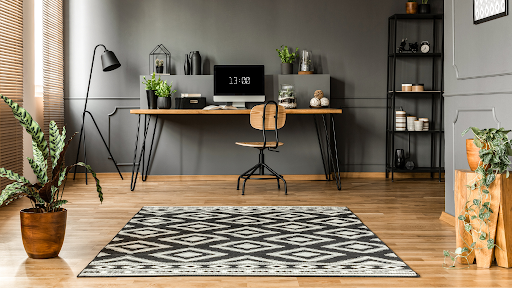
Design ideas to create a productive home office
For many people working from home is the new norm. Whether you work from home full-time or part-time, the need for a home office in recent years has skyrocketed. With so many now working from home, the need for creating a productive work environment has never been greater.
For many people working from home is the new norm. Whether you work from home full-time or part-time, the need for a home office in recent years has skyrocketed. With so many now working from home, the need for creating a productive work environment has never been greater.
If you work from home you’ll need a working space that you can control. But what’s the best way to create a productive home office environment? Read on for some ideas.
Check out these 7 ways to make the most of vertical spaces
Keep your workspace well lit

A top design tip for creating a productive home office is to keep your workspace well lit. An office with plenty of lighting ensures your eyes don’t become tired or strained. Whether it’s adding lamps by a desk or making use of windows, there are lots of ways to provide light in your home office.
One way to try and keep your home office well lit is with natural light. Placing your desk or workstation near a window is a great way to provide proper lighting with all the benefits natural light provides. Setting up next to a window also helps you to focus better and can lift your mood too.
If you don’t have access to any windows, consider using overhead lighting when a room is dark. Alternatively, you could look at adding a desk lamp or wall lights to help brighten up a home office space.
Indoor plants

Indoor plants are another great option to supplement your home office space. As well as the aesthetic appeal, indoor plants can also provide you with health benefits too. A top reason to consider adding indoor plants is that they absorb toxic chemicals from the air.
Research has also found indoor plants can reduce dust levels by 20%. Alongside the improvement in air quality, indoor plants can minimise headaches, help with respiratory issues, and relieve allergies.
But another great reason you should add indoor plants to your home office space is the many benefits it provides to boost your productivity. Indoor plants can help to:
Reduce stress levels
Boost productivity, work performance, and concentration
Improve your mood
Reduce fatigue and tiredness
Even adding a small number of indoor plants can benefit you. But the more plants you add, the greater you will feel the benefits. With the strong connection that we have to nature, bringing a little of the outdoors indoors will allow you to benefit from a natural mimicking design.
Consider your flooring
You may not realize it, but the flooring you choose can have an impact on your productivity. Apart from having flooring that looks aesthetically pleasing and is easy to move around on, you also need flooring that is easy to clean.
Flooring is one of the first considerations you should make when setting up a home office, as it can affect your productivity, creativity, and comfort. With so many flooring options available on the market it can be difficult to choose a flooring that is conducive to productivity.
Luxury vinyl tiles are one choice to help boost office productivity. LVT have several benefits that make them ideal for a home office:
Easy to clean and maintain
Soundproofing abilities to minimise noise distractions
Durable and scratch proof helping retain the aesthetic design
Stylish natural looking designs
Carpet is another flooring choice to consider, including carpet tiles. Carpet tiles are renowned for their benefits, including versatility, durability, soundproofing abilities, and underfoot comfort.
While carpet tiles have traditionally been used in commercial premises, they are becoming increasingly popular in domestic spaces too. With the carpet tiles and their many advantages, you can benefit from a much more productive home office space.
Color choices

The color scheme and design choices you make for your home office can also impact your productivity. Here are some of the ways the choice of color can affect how productive you are:
White leads to quicker burnout and mental fatigue
Red helps increase stimulation and boosts productivity
Yellow improves decision making
Orange helps brighten your mood
Blue increases your creativity
Green boosts concentration
Pink helps soothe the mind and reduces stress
Consider these effects when choosing a colour scheme and design for your home office to help improve your productivity.
Décor

Another design idea for creating a productive home office is the décor you place in the room. We’ve already covered indoor plants, but how you choose to decorate your home office will also affect your productivity.
Anything from an uncomfortable chair to a cramped desk, the lack of personalisation to the furniture present can all affect your productivity. The décor you include in your home office should find the balance between helping you to focus and feel more comfortable, but not distracting. Decluttering your workspaces is another recommendation for a more productive working environment.
By personalising your space or desk, you feel a stronger emotional connection to your work. Whether you place pictures up on the wall or a photo on your desk, they can all help to boost your productivity.
Finding furniture that is comfortable will also help boost your productivity and avoid the feel of a depressing environment. By doing this, you can be comfortable, happy, and productive while you work.
Thinking of buying new furniture for your home office? Avoid these 4 common mistakes when buying furniture.
Everybody has their own styles and preferences. But with these 5 design ideas in mind, you can create a home office environment that is comfortable, aesthetically pleasing and productive. It may take some time for you to get your working environment just right, but the benefits will be worth it.
Home Decorating Tips For the DIYer in You
Part of the fun of doing things yourself is the opportunity to learn. So, this list of home decorating tips is specifically focused on your inner DIYer. You may be itching for a project after a hiatus, yearning for that feeling of satisfaction you get from doing your own work. I hope this list serves to inspire you!
Part of the fun of doing things yourself is the opportunity to learn. So, this list of home decorating tips is specifically focused on your inner DIYer. You may be itching for a project after a hiatus, yearning for that feeling of satisfaction you get from doing your own work. I hope this list serves to inspire you!
Home decorating isn’t overly concerned with fashion. Rather, it adds to the comfort of home with aesthetic elements that raise comfort to an art form. Let’s review a list of home decorating tips for the DIYer in you.
Produce a Critical Path
Sometimes, DIY enthusiasts bite off more than they can chew. Being realistic about your bandwidth is your best friend, but your second best friend is the critical path. Used in project management, the critical path creates a site of accountability for members of a team. In your case, that’s you. The document supports timely fulfillment of project deliverables, ensuring you don’t get stuck.
The critical path document keeps you honest by keeping you moving. By putting firm delivery dates on every stage of your planned project, you stay on track and when you’re done, on to the next project!
Master Color Expression

We all have our preferred colors. That doesn’t mean they should be on your living room walls. Sometimes the colors we like are overwhelming on the walls of rooms we want to relax in. Einstein said that everything is made of energy. Spending some time thinking about the energetic quality you’re hoping to achieve with color helps you decide on a theme.
Examine and learn from the color wheel, read about the psychology of color, and combine your personal preferences and instincts with new information for the win!
Practice Self-Expression
DIY and crafts aren’t the only way to put your personal fingerprint on your home habitat. Objects infused with personal meaning, family history, and milestone memories are the decor backbone of family homes everywhere. But your fingerprint is unique, so get personal as you express yourself.
The highly-personal art of paint by numbers is one way the whole family can get involved in contributing to your home decorating fingerprint, personalizing your home even more. Every member can choose a meaningful image, paint it, and add it to the walls of your home, gracing it with family solidarity.
Give New Life to Old Friends
Even in our disposable world, there are some pieces of furniture we can’t seem to quit. So, giving new life to old friends is a DIY labor of love and an act of environmental responsibility. If you choose to dig up that curved upholstery needle and staple gun, have at it. Reupholstering work can be a worthy teacher. But there are more ways than one to get it done.
Before you do anything though, have the piece cleaned or steam clean it yourself. You’ll be glad you did because you’re removing years of dirt and oils you don’t want around anymore. You may choose to reupholster by hand or you may be happier with a DIY slip cover as you breathe new life into old friends.
Telling Your Story
It’s said that every picture tells a story but the objects we fill our homes with do too. Every home decorating scheme should be held together with a strong sense of your story. It doesn’t matter whether you’re decorating your first apartment or your family home.
Objects of significance in your life story—anything from a ship in a bottle to a tribal mask from your travel adventures—are to be honored. Think about highlighting such heirloom decor items with recessed or LED lighting on a feature wall for maximum impact. Items might also be placed on console tables, making them stand out, start conversations, and tell your story.
Creativity is nothing new to DIYers but a little inspiration can become something beautiful. Build on your skills with some new ideas and approach these home decorating tips as a creative challenge. When you open your door to visitors, you’ll have that proud smile on your face that says, “I made this!”
Trends in furniture: The vintage is making a comeback
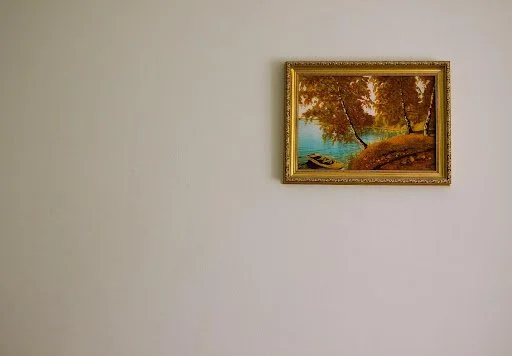
Selecting an interior design aesthetic for your house is one of the enjoyable aspects of decorating. Your choice of style may reveal a lot about who you are and how you want to express yourself, whether you like classic, contemporary, rustic, or trendy. Finding a style that suits your personality is important, but sometimes it's also important to take care of an antique item that has special meaning for you.
Selecting an interior design aesthetic for your house is one of the enjoyable aspects of decorating. Your choice of style may reveal a lot about who you are and how you want to express yourself, whether you like classic, contemporary, rustic, or trendy. Finding a style that suits your personality is important, but sometimes it's also important to take care of an antique item that has special meaning for you.The retro furniture style is becoming more and more popular, driven by nostalgia!The demand for sustainable furniture and design is soaring as environmental issues gain popularity in the general public. Promoting environmentally conscious behavior within a house has long gone beyond discussions of foods and chemicals and is now focusing on things like materials, paintings, and furniture. The Millennial generation's rising interest in antique furniture and décor is illuminating the future while the industry investigates various production processes and encourages recycling.
Don't get rid of anything in your home that has been handed down through the generations or something you just adore but that no longer exactly fits your current design. Try one of the suggestions for retro design we've provided below!
There are a few reasons why antique furniture is becoming a popular choice for many people, and because this trend is predicted to continue growing in the future, we share with you our predictions for its development.Addressing environmental issues
Over the past couple of decades, we’ve witnessed quick furniture sweeping over the business landscape. The disposable flatpacks slowly crept into our lives, cheap and convenient, promising easy and uncomplicated answers to our shifting lifestyle demands.
It is easy to view furniture as a temporary fix—functional items made to endure a few years before being thrown away—with mobility on the increase.But the strain this way of thinking has put on the environment over time is growing. We can no longer turn our heads away and pretend like this is a sustainable practice.
The source of the production materials is also being investigated. Although environmentally friendly manufacturing methods and renewable resources may increase the cost of the furniture, consumers are willing to pay a premium to reward the businesses for their ethical practices.Vintage is good for the environment.But despite our best efforts and use of only responsible materials and procedures, new items continue to feed the consumerist beast.
But choosing vintage means utilizing what is already in place. It entails paying respect to the craftsmanship of the past and appreciating excellence that has lasted the test of time.
By choosing vintage, we reduce waste and increase our access to long-lasting furniture, which relieves strain on landfills.Older objects encourage individual expression.Our individual styles started to fade as mass-produced furniture altered the market landscape. But we were unaware of how identical our houses had become until we exposed them to social media.
Using vintage art deco furniture can help combat the uniformity. These items allow for experimentation and personalization in addition to being uncommon (and occasionally even unique). You may transform a plain thrift store purchase into a treasure with a little paint or some straightforward upholstery work.It focuses on the narrative and the connection.Old furniture has a backstory. The joy of learning about an amazing object's past increases our appreciation of it. We may find it difficult to understand why we crave stories so much, but one thing is certain: we will continue to embrace home decoration trends that emphasize authenticity and flaws.
Vintage creates a peaceful, comfortable atmosphereWe feel at ease in our homes when the furniture is used and has little scratches and rust. They help us accept and feel at ease with things' inevitable degradation by serving as a constant reminder that nothing is too valuable.
Interiors that are too uniform quickly lose their appeal, while houses that take time to develop by layering old and new items keep people interested because they seem timeless, one-of-a-kind, and very personal.It benefits your wallet.Vintage and antique items can cost anything from a dollar to a small fortune, depending on what you are looking for and how persistent and committed you are in your quest. However, it is obvious that they do maintain their worth and exceptional build quality.Conclusion: The trendiest house décor is vintage. But it might be difficult to get started with so many options available. This article strives to make this process easier by providing examples and suggestions for anything from picking the ideal hue to finding vintage pieces that will stand out.