

A resource for those seeking information on organizing and transforming spaces.
4 Ways to Update Your Home on a Budget
As a homeowner, you want to ensure that your home is a great investment for your future. Over time, you may desire various upgrades for your home to enhance your quality of living and boost your overall property value. If you're trying to upgrade your home on a budget, here are four different ways to do so.
As a homeowner, you want to ensure that your home is a great investment for your future. Over time, you may desire various upgrades for your home to enhance your quality of living and boost your overall property value. If you're trying to upgrade your home on a budget, here are four different ways to do so.
Paint
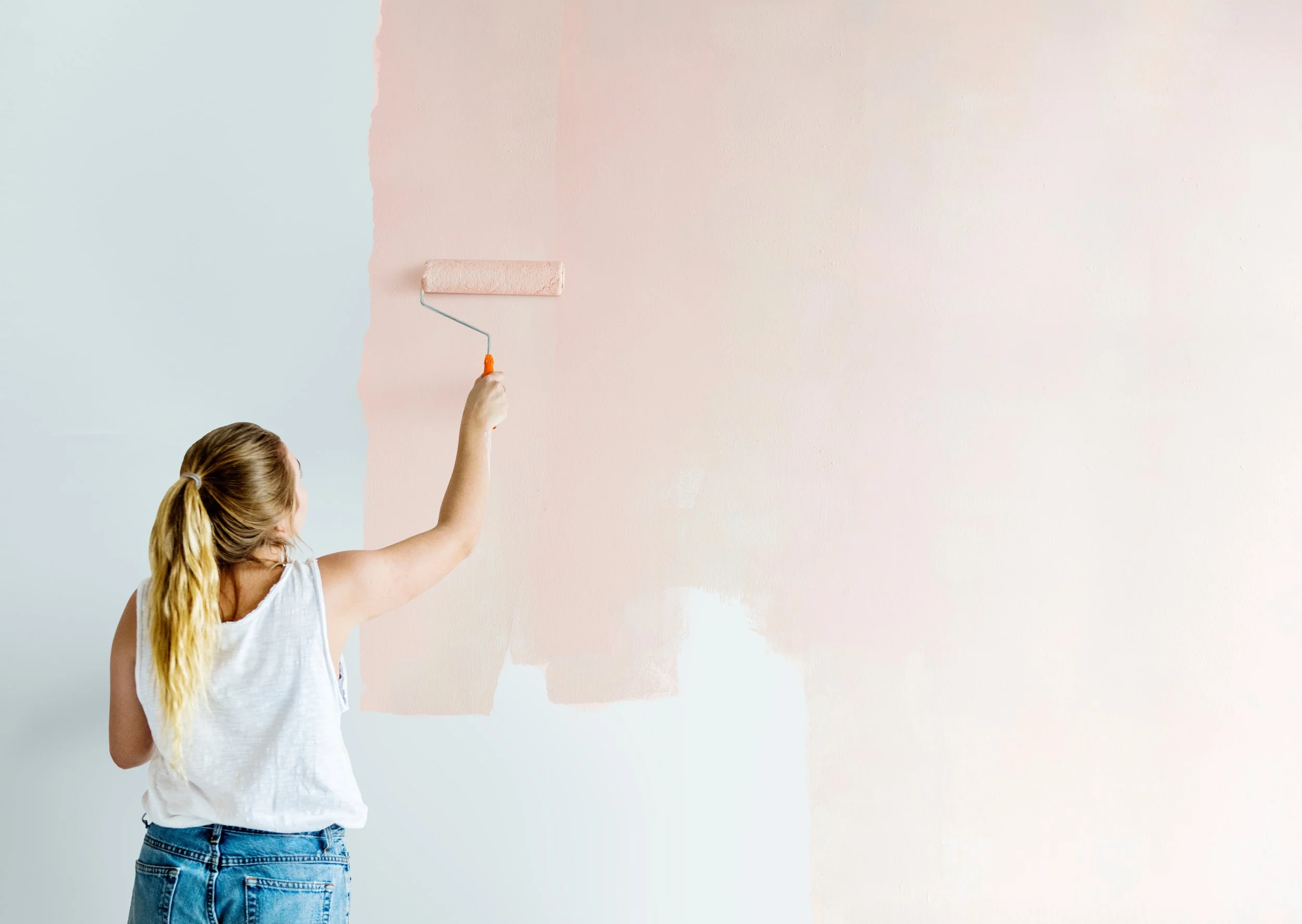
Painting is one of the most underrated methods for updating a house. Just choosing more modern paint themes and getting rid of unpopular wallpaper or pastel colors can bring a house into the 21st century. The best part about this update is that it's relatively inexpensive for your budget. Just be sure to invest in quality paint that will last for many years to come.
New Roofing
One of the most obvious signs of an outdated house is a rundown roof. If your roof is over 20 years old, it's time to think about a replacement. A professional team, such as those at Raber Roofing Systems, can offer a variety of roofing materials to choose from, like asphalt and metal. Many roofing contractors will offer to finance or refer you to a lender that will help so that your new roof can fit nicely within your existing budget.
Update Outlets and Light Covers
Another item that instantly ages a home is the color of its outlets and light covers. Older homes tend to have yellow to cream-colored outlets, light switches, and covers. By simply installing new white covers, outlets, and switches, you can achieve a more modern, updated look. If you still have outdated toggle switch lights, consider updating to the new soft-touch light switches. Other options include dimmers and built-in USB ports in receptacles.
Lighting
Lighting makes a big impact on any home. The more light that you can add to a room, the more inviting it's going to be. Consider upgrading old dome lights for recessed lighting. Switching out old incandescent light fixtures for new modern LED light fixtures is another great option. Some finishing touches that can really improve the value of your home are adding under cabinet lighting and hallway floor lighting.
Updating your home doesn't have to cost an arm and a leg. Rather, the above are some great ways to provide a more modern look for your home while still being mindful of your budget. We're sure the more items you upgrade, the easier it will be to find more budget-friendly upgrades that you can do to boost the value of your home.

5 Ways to Beautify Your Home With Light Fixtures
Your home is a reflection of your personality. It's where you relax after a long day, where you entertain guests, and where raise your family. You want your home to be beautiful and comfortable - and what better way to achieve that than with light fixtures? Here are five ways to beautify your home with light fixtures.
Your home is a reflection of your personality. It's where you relax after a long day, where you entertain guests, and where raise your family. You want your home to be beautiful and comfortable - and what better way to achieve that than with light fixtures? Here are five ways to beautify your home with light fixtures.
Allow in Natural Light
Natural light is the best light. Not only is it free, but it also has health benefits. So, let in as much natural light as possible if you can. But sometimes that's not possible - especially if you live in an urban area or have large windows that let in too much heat. In those cases, light fixtures are the next best thing.
Choose light fixtures that mimic natural light, like wall sconces or chandeliers. And when it comes to bulb type, LED bulbs are the most energy-efficient and longest-lasting - perfect for those hard-to-reach places. You can also buy daylight bulbs to mimic the brightness of the sun in your home. Just be cautious when utilizing these bulbs in rooms meant for relaxation, such as the bedroom.
Implement Dimmers
Dimmers are a great way to set the mood in your home. Whether hosting a dinner party or just relaxing with a good book, dimmers allow you to adjust the light level to create the perfect ambiance. When choosing a dimmer, make sure to get one that is compatible with your light fixture and bulbs. Always do a home electrical safety check when installing a dimmer to avoid potential hazards.
Use Ambient Lights
Ambient lights instead of overhead lights for a more relaxing and comfortable feel in your home. Overhead lights can be harsh and unforgiving, whereas ambient lights are softer and diffused. You can use ambient lights in any room, but they're especially well-suited for bedrooms and living rooms. Wall sconces, table lamps, and floor lamps are all excellent choices for ambient lighting.
Layer Lighting
Layers of lighting create a balancing effect. Use a combination of ambient, task, and accent lights to achieve the perfect balance in your home. Ambient lights provide overall illumination, while task lights are focused on a specific area - like a desk or kitchen counter. Accent lights highlight particular features, like paintings or architectural elements.
Consider Scale
Lighting fixtures come in all shapes and sizes. When choosing a light fixture for your home, it's important to consider scale. A small fixture in a large room will get lost, while a large fixture in a small room can be overwhelming. The best way to choose the right-sized fixture is to measure the space first. Ensure you leave some breathing room - you don't want your light fixture too close to any furniture or walls.
Light fixtures are a great way to add beauty and comfort to your home. Proper planning allows you to use light fixtures to create the perfect ambiance for any occasion. So don't be afraid to experiment; you could be surprised at the difference the right light fixture can make.
Factors That Make Fall the Best Season for Exterior Painting
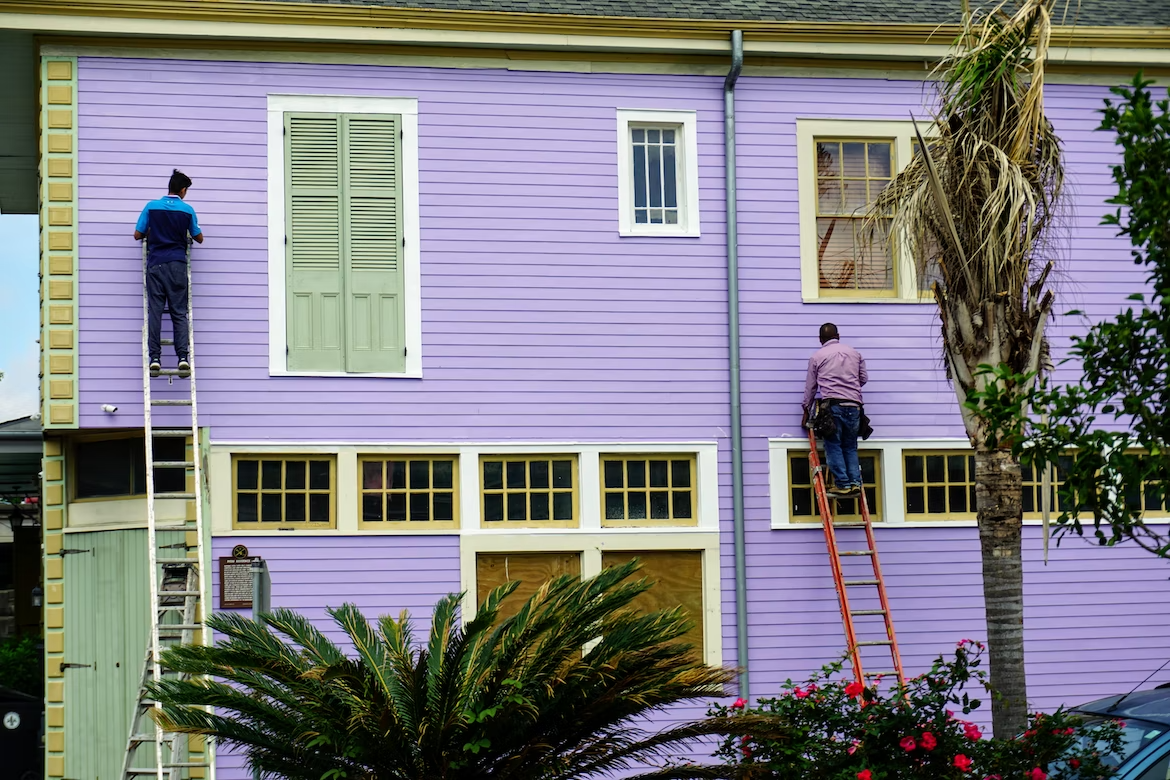
As a homeowner, you have many decisions to make prior to listing your home for sale. One of those decisions may be whether or not to paint the exterior of your home. While it may seem like a big task to paint your home it is worth the extra time and money spent. Painting the exterior of your home will cost around $3,000. However, it will add over $7,500 to your home’s value. That’s a return on investment of 152%! With such a high return on investment exterior painting should be at the top of your list of repairs before listing your home.
As a homeowner, you have many decisions to make prior to listing your home for sale. One of those decisions may be whether or not to paint the exterior of your home. While it may seem like a big task to paint your home it is worth the extra time and money spent. Painting the exterior of your home will cost around $3,000. However, it will add over $7,500 to your home’s value. That’s a return on investment of 152%! With such a high return on investment exterior painting should be at the top of your list of repairs before listing your home.
A fresh coat of paint will only increase your home’s value if it is done correctly. Painting the exterior of a home is not as easy as slapping on a coat of paint whenever you feel like it. Exterior paint can be difficult to apply or will dry unevenly in the wrong environment. So when is the best time to paint your home’s exterior? According to professionals, the best season to paint is during the fall. Here are the top factors that make fall the best season to paint the exterior of your home.
Average Temperatures
Some would assume that painting when it is very hot out will cause the paint to dry quicker and make exterior painting less time consuming. However, excess heat is actually a downside to painting in the summer. Excessively high temperatures (those above 90 degrees Fahrenheit) can cause paint to cure improperly. This can result in visible brush strokes or blisters in the coating of paint. In addition, paint may not even stick properly in excess heat and will cause flaking at a later date.
Fall temperatures are perfect for exterior painting. There are fewer temperature spikes and daytime temperatures average between 40 degrees Fahrenheit and 90 degrees Fahrenheit. This range is the best for proper curing and for accurate drying time.
Moisture and Humidity in the Air
Summers are known for high humidity, especially in the South Atlantic region. While high humidity may make this region feel like a tropical paradise, it is less than ideal weather for exterior painting. Too much humidity can interfere with the paint’s curing process. If humidity levels reach 85% or above the paint will turn tacky and will not solidify after applied. Since some degree of moisture in the air helps slow the drying rate which allows the paint to dry while preventing brush marks, it is best to find a day when humidity is around 40% to 50%.
Direct Sunlight
Beautiful sunny days are perfect for sunbathing and relaxing by the pool. But when it comes to painting the outside of your home, excess sun can work against your painting efforts. Direct sunlight will prematurely cure paint and cause it to dry too quickly. Direct sunlight will also make the siding very hot which will make applying paint very tricky. While the sun is still shining during the fall season it is not nearly as strong as during the spring and summer. This means you can still work during the height of the afternoon but worry less about the direct rays affecting your paint.
Less Chance of Extreme Weather
There is nothing worse than preparing to paint your home and suddenly the sound of thunder rolls in the distance. Obviously you can’t paint your house when it is raining, but did you know you should wait 4 hours or longer after it rains before painting. Paint is generally waterproof within 2 to 4 hours. Rain isn’t the only weather that can ruin your fresh coat of paint. High winds can blow leaves and debris onto wet paint and completely ruin the finish. The fall has less extreme weather, which means less chance for wind and rain to damage or deter exterior painting.
Cost of Painting
The cost of painting a house probably won’t change that much from season to season. However, the cost of labor will change. Pricing falls as painters move into a slower season due to fewer customers. Painters are more than willing to allow for discounts and deals when they are running low on customers.
Before you call a professional painter or bust out your paint rollers, talk to a top rated real estate agent. He or she can assist you in choosing the most popular home color among buyers in your area as well as direct you toward reputable painters. With a fresh coat of paint on the exterior of your home, you will be one step closer to selling your home quickly and for a great price when spring arrives.

Types of Blinds and Which Is Best for You
It can be difficult finding the right window blinds that match your decor while also providing you with adequate privacy and shade. They are one window treatment that comes in various styles and sizes, so it can hard to know which one is best for your window. As such, the following list should help you to understand the differences between the different types of window blinds:
We partnered with a window company for this post. The opinions in the post are honest. All reviews and opinions expressed in this post are based on our personal views. We are excited because we know you will love it.
It can be difficult finding the right window blinds that match your decor while also providing you with adequate privacy and shade. They are one window treatment that comes in various styles and sizes, so it can hard to know which one is best for your window. As such, the following list should help you to understand the differences between the different types of window blinds:
Venetian Blinds
These are the typical horizontal blinds that many picture immediately when talking about these window treatments in general. They are the most popular type of blinds and are usually crafted from plastic, metal, and even wood and fabric. They have slats that can be easily tilted to control how much light you want to let in and you can pull them up or down using an attached string.
Mini Blinds
These are micro forms of traditional Venetian blinds that are typically made from aluminum slats. These slats are usually only a half of an inch wide, so more light is able to filter through. They also tend to be on the more affordable side.
Cordless Blinds
These are Venetian blinds that don’t come with an extraneous cord which may pose a choking hazard to pets and small children. Going cordless also gives your window a cleaner, more put-together look.
Honeycomb Blinds
These are hybrids between shades and blinds and are truly the best of both worlds. They get their moniker because they appear like honeycombs from their side view.
These window treatments look louvered like blinds, but they pull down like the pleated shades they really are. They are usually manufactured from polyester fibers. And, though they lack slats that you can tilt to allow light in, their solidified front can insulate a room, allowing it to become more energy efficient.
Vertical Blinds
These are simply blinds with vertical slats instead of horizontal ones. It is similar to what you’d see from a company that provides window shutter installation for Franklin homeowners. They hang up and down rather than left to right. Though they are not common, they work well for oddly-shaped and larger windows. They can be made from PVC, fabric, or decorative wood.
Panel Blinds
These are wide fabric panels that hang vertically from a track placed above the window. These tracks can be tricky to hang, so you may need help. Ask your local blind retailer if they offer window blind installation along with the product.
You may see these commonly used on large sliding glass doors, such as those that open up to a porch or patio. They block the sun well enough to cover a large area and still be considered room-darkening.
In conclusion, there are so many types of blinds out there that it is easy to feel overwhelmed. However, if you do your research, you are sure to gain a better understanding of what each type is designed to accomplish.