

A resource for those seeking information on organizing and transforming spaces.
Top 7 Ideas for Designing Windows in Different Rooms and Spaces
Windows are an important element in any room or space design, and choosing the right design impacts the entire look and feel of an interior. Although windows provide natural light, they also regulate temperature, providing privacy and allowing for ventilation.
Windows are an important element in any room or space design, and choosing the right design impacts the entire look and feel of an interior. Although windows provide natural light, they also regulate temperature, providing privacy and allowing for ventilation.
With numerous options available, choosing the right design for your home can be overwhelming. So, if you select the right design complex, you will surely find inspiration in this article.
This article provides the top seven ideas for designing windows in different rooms and spaces, helping you to make an informed decision and create the perfect living environment. Let's examine the factors to consider when designing windows in rooms and spaces.
4 Must-know Factors to Consider When Designing Windows in Rooms and Spaces
When designing windows in rooms and spaces, you must consider several factors, including:
1.Window Replacement
Window replacement is an important concern when designing windows in rooms and spaces. It provides an option to upgrade the appearance, functionality, and energy efficiency. Home window replacement involves changing old, drafty windows with new, energy-efficient ones that can improve your home's comfort and energy efficiency.
It is also a remarkable way to liven the look of your rooms and spaces, providing a comfortable living environment for you and your family.
When choosing new windows, consider factors such as the
window type
materials
glazing options
and size to match the style and needs of your home.
1. Functionality
You must consider the room's intended purpose and the desired level of ventilation, privacy, and natural light. This intended purpose dictates the appropriate window type. For instance, large picture windows allow natural light into a space. Awning windows are ideal for bathrooms or kitchens where ventilation is important.
2. Style
Ensure you choose a design and material that complements the architectural style of your home and enhances the look of the room or space. The design and material of windows greatly influence the overall look of a room or space.
3. Size
The size of windows in balance with the room and the surrounding architecture is important for both aesthetic and functional reasons. If windows are too small, they may not provide enough natural light or ventilation. Also, if they are too large, they may overpower the space or cause glare and heat gain.
Top 7 Ideas for Designing Windows in Different Rooms and Spaces
Designing windows can be both a challenging and rewarding task. Choosing the right design can make a big difference in a space's appearance and functionality. Here are the top ideas for designing windows in different rooms and spaces.
1. Large Windows in Living Rooms
Large windows in living rooms provide an abundance of natural light and enhance the prevailing aesthetic of a room or space. Consider installing floor-to-ceiling windows to take advantage of the full height of the room and maximize the amount of natural light. You can also choose to add a window seat or bay windows to create a cozy and inviting space.
2. Picture Windows in Dining Rooms
Picture windows are a great way to bring the outside in and create a stunning focal point in a dining room. They provide a beautiful view and allow natural light to flood the space. Thus, making it perfect for dining and entertaining. So, consider adding a set of sheer curtains to filter the light and provide privacy.
3. Bay Windows in Kitchens
Bay kitchen windows are a great way to create a cozy and inviting space. Not only do they provide ample natural light, but they can also serve as a seating area for casual meals. They also display plants and other decorative items. Additionally, you can also use bay windows as a place to install a sink or work surface for food preparation.
4. Casement Windows in Bathrooms
Casement windows in bathrooms are a great way to provide natural light and ventilation. They are easy to open and close, making them a great choice for a bathroom. Also, you can install frosted or privacy glass to ensure privacy while letting in natural light.
5. Skylights in Bedrooms
Skylights in bedrooms are a great way to create a peaceful and calming space. They provide natural light and are used to create a cozy reading nook or a place to relax. Are you looking to get this? Then ensure you install a skylight with a remote-controlled blind or shade to control the amount of light that enters the space.
6. Tilt and Turn in Sunrooms
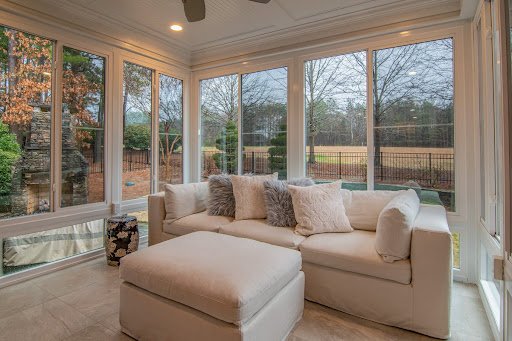
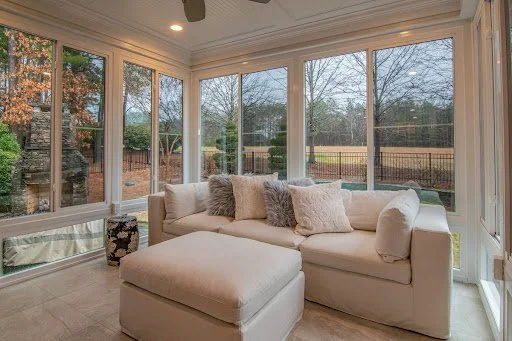
Tilt and turn windows in sunrooms are ideal for bringing natural light into the space and creating a cozy or inviting atmosphere. These windows are easy to open from the top for ventilation or from the side for easy cleaning. Additionally, they provide ample natural light and create a warm and inviting atmosphere in the sunroom.
Tilt and turn windows are also energy-efficient, helping to regulate the temperature in the space.
When choosing tilt and turn windows for your sunroom, consider materials such as:
wood
vinyl
or aluminum.
7. Sliding Windows in Hallways
Sliding windows in hallways are an incredible way to provide natural light and ventilation to an often-overlooked space. They are also a great option for connecting indoor and outdoor spaces, making it easy to move between the two. To install one, consider putting in a set of sheer curtains or blinds to control the amount of light that enters the space.
Conclusion
Windows play a significant role in the general look and feel of a room, and choosing the right design can make a big difference in a space's appearance and functionality. So, whether you are looking for large windows in the living room, picture windows in the dining room, etc., there is a design that suits your needs and style.
When selecting windows for your home, consider the mentioned factors first. With the right design and material, any window design idea can enhance the beauty of your home and provide a comfortable living environment for you and your family.

Guest Post - Painting Techniques to Maximize Your Space
Paint is an amazing tool for transforming the look and feel of a room, and the right color and application can make all the difference. Whether you're looking to create a focal point, establish a color scheme, or improve the mood of a space, a skilled painter can help you achieve your desired result. In this listicle, we will explore 10 ways paint can help with the organization and flow of a room, and how a painter can bring your vision to life. So if you're ready to give your home a fresh new look, keep reading!
Paint is an amazing tool for transforming the look and feel of a room, and the right color and application can make all the difference. Whether you're looking to create a focal point, establish a color scheme, or improve the mood of a space, a skilled painter can help you achieve your desired result. In this listicle, we will explore 10 ways paint can help with the organization and flow of a room, and how a painter can bring your vision to life. So if you're ready to give your home a fresh new look, keep reading!
Creates a Focal Point
One of the simplest yet most impactful ways to use paint in a room is to create a focal point. By painting one wall a bold or contrasting color, you can draw the eye to that specific area and establish a sense of hierarchy in the space. This is especially effective in large, open spaces where you may want to define separate areas, such as a living room and dining area or a kitchen and breakfast nook. The focal wall can serve as a backdrop for furniture arrangements, artwork, or other decorative elements, and can help to create a visual anchor in the room.
The choice of color is key to creating an effective focal wall. You can choose a color that contrasts with the other walls, such as a deep red in a room with light gray walls, or a shade that complements the rest of the room, such as a deep blue that picks up the hues in a patterned area rug. Whatever color you choose, make sure it's one that you love and that enhances the look and feel of the space.
Establishes a Color Scheme:
Choosing a color scheme for a room is an important step in creating a cohesive and harmonious look. The right color combination can help to bring the various elements of a room together and create a sense of flow and unity. Whether you prefer a monochromatic look with a single color used on the walls, trim, and accessories, or a more eclectic approach with multiple colors that complement each other, the right color scheme can help to elevate the look of any room.
To achieve a cohesive color scheme, it's important to consider the existing elements of the room, such as the flooring, furniture, and accessories. You may want to choose colors that complement these elements, or to select a neutral palette that will allow you to easily change out accessories and decor as needed.
Another option is to paint the walls and trim the same color. This can help to create a seamless look and make the space feel larger. If you prefer a more subtle approach, you can use a slightly lighter or darker shade of the same color on the trim to add depth and interest.
Makes a Small Room Feel Larger:
The use of light colors in a small room can be a powerful tool for making the space feel more spacious and airy. Light colors, such as white, cream, or pale blue, reflect light and help to create the illusion of more space. By painting the walls and ceiling in a light color, you can visually expand the boundaries of the room and make it feel larger.
In addition to reflecting light, light colors can also help to create a bright, airy feel in a small room. A well-lit room with light-colored walls and ceiling can feel more welcoming and inviting, and can help to make the space feel more comfortable and relaxed. This is especially important in small rooms, where limited natural light can make the space feel cramped and dark.
Jenn Walker is a freelance writer, blogger, dog-enthusiast, and avid beach goer operating out of Southern New Jersey.
Adding a Bathroom to Your Home: Where to Start in 2023
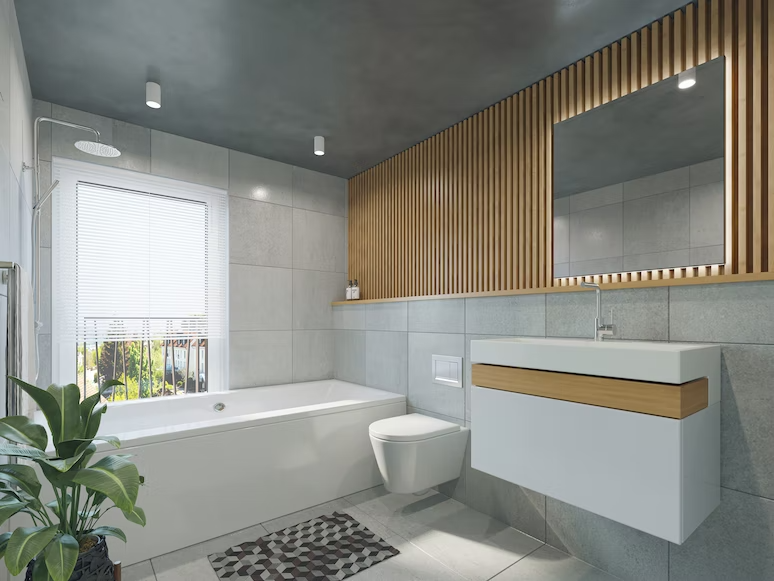
In 2023, adding a new bathroom into your home can be a great way to boost the value of your house while also adding much-needed comfort. Whether you want to make better use of your space or simply want a little more luxury, installing a new bathroom in your home will undoubtedly improve your quality of life.
In 2023, adding a new bathroom into your home can be a great way to boost the value of your house while also adding much-needed comfort. Whether you want to make better use of your space or simply want a little more luxury, installing a new bathroom in your home will undoubtedly improve your quality of life.
Why Is It Important to Add a New Bathroom?
While having one or two bathrooms in a home was the norm decades ago, current homeowners frequently prefer to have additional bathrooms. Few people will argue the advantages of putting a second bathroom in their house. It may seem like there is always someone in the bathroom when you need it if you don't live alone, so in order to use the restroom, you basically need to make a timetable, even though your needs don't always match the schedule. The best solution to all of this mess is to start planning on adding a new bathroom right away.
Steps You Need to Take Before Adding a New Bathroom
Preparation Before Installation
Researching local building rules is one of the first and most crucial activities you must do when adding a bathroom to your house.
Choosing and Designing the Bathroom
A Variety of Bathroom Types Are Available
There are many alternatives when it comes to selecting the sort of bathroom for your house. You can choose the ones that meet your space and budget, from traditional bathrooms with sinks and tubs to wet rooms with showers and even composting toilets.
Choosing the Size and Design
Planning out the size and design of the bathroom you want to add to your house is one of the most crucial and stressful processes.
Accessibility
It's important to make a bathroom accessible for anyone who might need to use the restroom, including people with physical disabilities or mobility concerns.
Installing the Plumbing and Electrical Systems
Necessary Plumbing and Electrical Requirements
It's crucial to determine the plumbing and electrical needs when a bathroom is added to a house. The infrastructure of your home must be capable of supporting new fixtures and services, like electrical outlets and water lines. So, it is always best to speak with a qualified contractor to determine the precise requirements for your unique project. They will clarify the laws and standards that must be followed in order to guarantee that everything is fitted properly and safely. They can also offer helpful guidance on the optimal materials for top performance.
Working With a Contractor or Doing It Yourself
You can choose to go the professional route and hire a contractor to handle all the work for you, or you can do it yourself. But a professional contractor will handle every aspect of the project, including designing the bathroom, securing the required permits, and installing all essential utilities. In the California area, Sacramento bath remodel company is the perfect choice for installing or remodeling new bathrooms in your homes, and hiring such a professional company will save you the time and all the troubles mentioned.
The Most Common Areas For a New Bathroom
There are many areas in your current home that can be converted into a good bath space.
Closet
The closet works as a space-friendly substitute for an additional bathroom if your home isn't big enough to accommodate one.
Hallway
A hall bathroom can be perfect if your property has a long hallway with a lot of open space between rooms.
Bedroom
Since master bedrooms are frequently created with more space than is actually needed, this is another common option.
Garage
The majority of garages have adequate area for two cars, therefore there is also room to add a bathroom if necessary. A garage bathroom wouldn't have many problems connecting to the power and water because it is on the ground level.
Basement
A basement installation would be below ground, much like a garage layout.
Beneath a Stairway
Another position for your bathroom that is similar to a closet space bathroom is under or outside a staircase.
Extending a Current Bathroom
As you would simply be increasing the size of your prior bathroom, the advantage of this would be that you get to preserve your current bathroom design.
Conclusion
Adding a bathroom to your house may be a fun and worthwhile project. Having another bathroom nearby would not only increase the value of your home but also improve your comfort and convenience. A bathroom that is properly planned and carried out will be practical and aesthetically pleasant for many years to come. You can make sure that your new bathroom appears as a wonderful addition to your house by carefully considering every detail of the project, and if doing so, you will thank yourself later.

Tile Textures: Adding Dimension to Your Space
Adding dimension to your space with tile textures is a great way to make a room look more interesting and inviting.
Adding dimension to your space with tile textures is a great way to make a room look more interesting and inviting.
Tile textures can be used in various ways to create a unique look, from adding texture to walls and floors to creating an accent wall or backsplash.
In this article, we will explore six ways to add dimension to your space with tile textures, including using different colors, shapes, and sizes of tiles, adding texture with mosaics, and using patterned tiles.
By the end of this essay, you will better understand how to use tile textures to create a unique and eye-catching look in your home.
How to Add Dimension to Your Space with Textured Tiles
1. As a Backsplash
One way to use textured tiles to add dimension to your space is to use them as a backsplash. Textured tiles can create a unique look in the kitchen or bathroom.
For example, luxury vinyl tiles are a great way to create a stylish backsplash and add a touch of personalization to your space.
Not only is an lvt flooring stylish, but it’s also very durable and easy to install. With the right tools and patience, you can easily create a beautiful backsplash that will last for years.
2. Using Different Shapes and Sizes
By using different shapes and sizes of tiles, you can create a unique look that will draw the eye and add interest to your space.
You can use a variety of shapes, from squares and rectangles to hexagons and octagons. You can also use different sizes of tiles, from small mosaic tiles to large format tiles.
By mixing and matching different shapes and sizes of tiles, you can create a unique pattern or design that will add dimension to your space.
3. Use Textured Tiles as an Accent Wall
Textured tiles can also be used as an accent wall. Accent walls are great for adding interest and dimension to any room. Textured tiles come in various colors and textures, so you can choose the one that best suits your space. For example, mixing and matching different tiles could create an interesting pattern.
4. Using Different Colors
One way to add dimension to your space with tile textures is by using different colors. Using different tiles colors, you can create a unique look that will draw the eye and add interest to your space.
You can use various colors, from bright and bold colors to more subtle shades. Mix and match colors to create a unique pattern or design.
For example, you could use white tiles with black accents for a classic look, or you could use bright colors like red and yellow for a more modern look.
5. Adding Texture with Mosaics

Another way to add dimension to your space with tile textures is by adding texture with mosaics. Mosaics are small pieces of tile arranged in a pattern or design. They can be used to create an accent wall or backsplash, or they can be used on floors or countertops.
Mosaics can be used to create a unique look that will draw the eye and add interest to your space. You can use various materials for mosaics, from glass and ceramic tiles to natural stone and metal.
6/ Using Patterned Tiles
Another way to add dimension to your space with tile textures is by using patterned tiles. Patterned tiles are tiles that have a repeating pattern or design on them.
They can be used on walls, floors, or countertops to create an eye-catching look that draws the eye and adds interest to your space. You can use a variety of patterns, from geometric shapes to floral designs.
You can also mix and match different patterns to create a unique look that will add dimension to your space.
7. Use With Non-Textured Tiles
Combining textured and non-textured tiles can create a very interesting and captivating effect! Textured tiles can bring a unique texture and depth to your walls, while non-textured tiles can add a nice contrast and help brighten the room.
The combination can also help accentuate certain room areas and create a truly creative look. So why not try using textured and non-textured tiles for a unique and creative design?
8. Using Natural Stone Tiles
Another way to add dimension to your space with tile textures is by using natural stone tiles. Natural stone tiles are made from materials such as marble, granite, slate, and travertine.
They can be used on walls, floors, or countertops to create an elegant look that draws the eye and adds interest to your space. Natural stone tiles come in various colors, textures, and patterns, so you can mix and match them to create a unique look that will add dimension to your space.
Differences Between Textured Tiles and Non-Textured Tiles
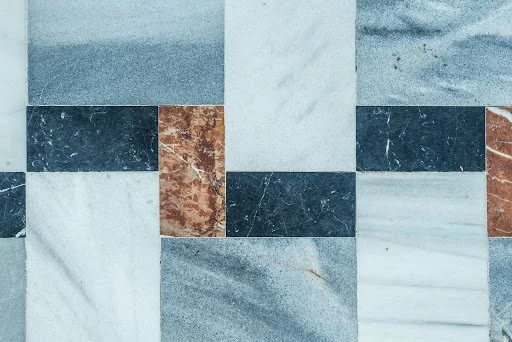
When it comes to flooring, there are many different types of tiles to choose from. Some of the most popular types are textured and non-textured tiles. Although they may look similar, some key differences between the two should be considered when making a decision.
1. Appearance
Textured tiles have a unique look that can add a lot of character to a room. They are usually made from ceramic or porcelain and have a raised pattern or texture on the surface. This texture can range from subtle to dramatic, depending on the type of tile chosen.
Non-textured tiles, on the other hand, are usually made from glass or stone and have a smooth, glossy finish. They are available in various colors and patterns but lack the unique texture that textured tiles offer.
2. Durability
Regarding durability, textured tiles are generally more resistant to wear and tear than non-textured tiles. The raised texture helps to protect the tile from scratches and other damage, making them ideal for high-traffic areas.
Non-textured tiles, however, are more prone to damage due to their smooth surface. They may also require more maintenance to keep them looking their best.
3. Cost
The cost of textured and non-textured tiles can vary greatly depending on the type of tile chosen. Textured tiles are more expensive due to their unique design and increased durability.
Non-textured tiles, on the other hand, are usually less expensive due to their simpler design and lower maintenance requirements.
Conclusion
Adding dimension to your space with tile textures is a great way to make a room look more interesting and inviting.
Using different colors, shapes, sizes, mosaics, patterned tiles, textured tiles, and natural stone tiles, you can create a unique look that draws the eye and adds interest to your space.
With so many options available, you are sure to find the perfect tile texture for your home. So go ahead and start exploring all the possibilities that tile textures offer.

