

A resource for those seeking information on organizing and transforming spaces.

Concrete Design: How Creativity Meets Functionality in Architecture and Engineer
Have you ever seen a building and been amazed by its design? Or, have you ever wondered how those intricate designs were created? Today, we're exploring concrete design and how it can be used to create both functional and beautiful architecture. By understanding the basics of concrete design, you'll be able to see how this versatile material can be used in endless ways. So let's get started!
Have you ever seen a building and been amazed by its design? Or, have you ever wondered how those intricate designs were created? Today, we're exploring concrete design and how it can be used to create both functional and beautiful architecture. By understanding the basics of concrete design, you'll be able to see how this versatile material can be used in endless ways. So let's get started!
The Importance of Concrete in Architecture and Engineering
As far as the world of architecture and engineering is concerned, concrete is one of the key materials used to make incredible and impressive structures. It's an essential part of many tall towers, bridges, stadiums, dams, roads, and buildings that can survive centuries in their environments. Thanks to the commercial concrete durability and affordability, it fits every purpose, from a large-scale industrial development to a simple backyard patio – all without hassles. This long-lasting material continues to prove its importance since it serves from structural integrity to aesthetic value. With so many advantages concrete offers regarding design flexibility and a range of finishes, there's no doubt this material remains vital in architecture and engineering projects.
How to Use Concrete Creatively in Design
Concrete is a versatile and affordable material that can create unique, visually pleasing designs. Using concrete creatively in design involves experimenting with different shapes, sizes, and textures. Piercing, engraving, or embossing patterns into concrete can provide added dimension and visual interest. Color can also enhance the project’s aesthetic - pigments are commonly used for acid-etched concrete or adding finishes such as waxes or oils. Other detailing techniques like exposed aggregate or rock salt scoring add texture and a subtle three-dimensional quality to an otherwise flat surface. With these approaches, you can turn something as simple as concrete into a stunning work of art!
The Functionality of Concrete in Design
Concrete is an essential component of design that is often overlooked. Far from just being a functional material for construction, it offers architects and designers myriad possibilities for creating artful, innovative spaces. From its ability to take on almost any shape, concrete ensures that projects remain durable, strong, and aesthetically pleasing. Given its long-lasting qualities and willingness to embrace various forms and textures, concrete can be found in some of the most iconic designs worldwide - adding unique character to the architecture and reassuring structural integrity. Moreover, due to its tactile nature, concrete acts as another sensory element when incorporating it into the design - encouraging interaction between individuals and constructions alike!
The Benefits of Using Concrete in Design
Concrete is a versatile material used in design for centuries, bringing many incredible benefits. Its durability and strength are ideal for outdoor structures such as driveways, walkways, or patios. It's easy to work with, resistant to weather damage and wear and tear, and most importantly – affordable! Concrete can also be customized using stains, aggregates, etching techniques, and more. Not only does this give your design an aesthetically pleasing look, but you can also add value to your project with unique touches. Aside from its practical features, concrete can also enhance the architectural appeal of any space. Its subtle color palette may inspire creative minds to create beautiful patterns and textures suited ideally for interior spaces – making it a fantastic choice for homeowners looking to make their mark on any living space!
The Different Types of Concrete Available for Use in Design
Concrete is a valuable construction material, as it can be molded and shaped into any form to meet design specifications. If you’re looking to use concrete in your next building project, you’ll be pleased to know there are many options out there. From the highly durable ready-mix concrete used throughout the construction industry to more specialized materials, such as high-performance concrete that can handle extreme temperatures and pressures – the possibilities are endless! Other concrete types include air-entrained concrete for improved freeze-thaw resistance; lightweight concretes for reduced structural loads on foundations, recycled concrete for sustainability-minded projects, and more. You’ll be sure to find a type of concrete that fulfills all your project requirements.
In conclusion, concrete is an incredibly versatile material for use in architecture and engineering. Not only does it offer excellent physical properties, including a long lifespan and low maintenance needs, but it also offers numerous opportunities for creative design. It can be used as a decorative feature or to form organic fluid shapes that interact with sunlight. Different types of concrete are available to tailor to other designs so designers can find the perfect fit for their budget or provide the best performance. Concrete will bring unparalleled functionality and beauty for years when used thoughtfully and creatively.
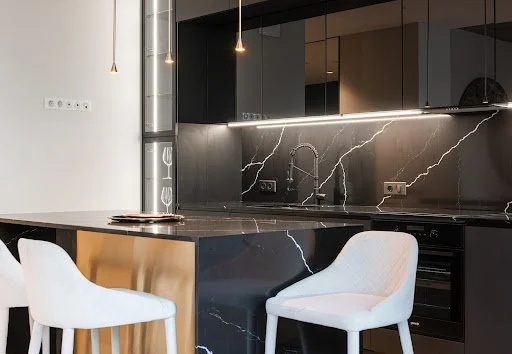
How to Make a Black Kitchen Cabinet Look Sophisticated ?
The all-white kitchen has been a lasting trend for the past years. They give your kitchen a clean, cohesive, and timeless look. They also can transform the tiniest kitchen into a spacious, airy wonderland.

The all-white kitchen has been a lasting trend for the past years. They give your kitchen a clean, cohesive, and timeless look. They also can transform the tiniest kitchen into a spacious, airy wonderland.
However, new trends come with the new year, and interior designers are saying a black kitchen is the new interior design trend to jump on.
Black kitchen cabinets might seem hard, but it is easier to pull off than you think. Black cabinets can look chic when paired with the right materials and colours.
Whether you want to dip only your toes into the black kitchen trend with only black kitchen cabinets or you want to take the deep dive and go all in, black in your kitchen is always a way to go. In this article, we will discuss 6 ways to take your black kitchen cabinets from basic to sophisticated.
6 Tips to Make Your Black Kitchen Cabinets Look Sophisticated
A black kitchen cabinet is an elegant and captivating design choice that you won't regret. Here are 6 tips to elevate them and make your kitchen even more beautiful and captivating;
1. Warm it With Wood
Black kitchen cabinets will always be in style and so will a natural wood finish. If you’re worried that an all-black kitchen could look too solemn, you could use wood to cosy things up.
Black kitchen cabinets contrast with the honey tones of the timber veneer to give your kitchen a warm and sophisticated feel. A mix of cabinetry is a great choice, and it always looks stunning.
2. Brighten With a Bold Splashback
Black has an amazing ability to show off vivid colours. It is a stunning colour that looks gorgeous when incorporated with other colours. You can make the most of this by pairing your black cabinets with bold shades or colours.
Black kitchen cabinets with lighter countertops are another amazing idea. The black gives more contrast to the kitchen and the light countertops will reflect light which will also create more contrast.
You should consider the other colours in your kitchen. While black cabinets can be paired with almost any colour scheme, they will stand out more with lighter colours.
3. Contrast With Crisp White
Black paired with white creates the best contrast look because the colours stand out from each other. Adding glass tiles around your kitchens can amplify this look. It makes your kitchen appear larger than it actually is.
You can create a classic modern black kitchen by incorporating light colours such as white or cream. A modern black-and-white kitchen is always a sight to behold!
Alternatively, if you want to make your black cabinets the star of the show, you could pair them with darker colours like charcoal grey or navy blue. The black colour adds some contrast to the kitchen and the light countertops can reflect light which will create more contrast.
4. Use Proper Lightning
Lighting is a very important element in every kitchen design. For black kitchens, lighting becomes even more important. With the right lighting, you can make your black kitchen appear more inviting and spacious. While the wrong lighting can do the opposite and make it feel small and cramped.
When choosing the lighting for your black kitchen, there are some factors to keep in mind. Firstly, choose light fixtures that complement the other elements in your kitchen. Stainless steel and copper go well with black. These metals make good materials for light fixtures that complement black.
Fluorescent lighting is something you may want to avoid, as it can give your black kitchen an industrial feel. Your black benchtop’s glossy finish can be emphasised with unusual globe lighting on its surface.
Alternatively, go for warm-toned light bulbs as they create an inviting and cosy space. If lights like these seem too extravagant for you, go for a simple pendant light that casts a glow on the cabinet.
Be sure that your kitchen is as functional as it is beautiful, including enough task lighting. With the right lighting, you can elevate your black kitchen cabinets and make your kitchen the perfect gathering space for family and friends.
5. Incorporate Stainless Steel and Appliances
In terms of both style and sophistication, black kitchen cabinets can elevate the look of your kitchen. And while there are numerous ways to decorate and elevate these cabinets, stainless steel accents and appliances will always be one of the popular choices.
These two colours work with each other perfectly. The sleek and modern nature of stainless-steel appliances offset the classic look of black kitchen cabinets perfectly. This is also an extremely practical combination.
Black cabinets are very easy to clean and keep fingerprint-free, while stainless steel appliances are similarly easy to wipe down and keep looking shiny and new.
6. Use Different Finishes for the Cabinets

When choosing black kitchen cabinets, you have the choice of using various finishes to create a unique look. A gloss or matt finish can both be used with black cabinets, depending on the overall style you have in mind for your kitchen.
Gloss finishes are highly reflective and give the cabinets a shiny look that can be quite dramatic. If you want your black cabinets to stand out, a gloss finish is a great choice. You must be aware that gloss finishes show smudges and fingerprints a lot more easily than other finishes. This means they may require more upkeep.
Matt finishes absorb light, creating a more subdued look. This is a good choice if you're looking to blend your black cabinets with the rest of your kitchen. Matt finishes are a lot more forgiving when it comes to smudges and fingerprints. They may be a lot easier to care for than a gloss finish in the long run.
Conclusion
The most significant part of making black kitchen cabinets work in your home is preserving your style. Whatever design you choose should make you happy and also be functional for your family. If you want a dark kitchen cabinet, go for a look that speaks to your needs.
Be receptive to mixing and matching your colours, elements and designs to create something new. You can have your dream kitchen– in black.

Types of Countertop: How to Choose the Best Material for Your Kitchen
Your choice of a kitchen countertop is one of the key aspects of your kitchen design as it is one of the most important elements of your kitchen. Choosing the right kitchen countertop then becomes an essential step that involves internalizing what kind of countertop reflects your personality or fits your lifestyle.
Your choice of a kitchen countertop is one of the key aspects of your kitchen design as it is one of the most important elements of your kitchen. Choosing the right kitchen countertop then becomes an essential step that involves internalizing what kind of countertop reflects your personality or fits your lifestyle.
Aside from design or style, one attribute of a countertop that you should think about is what material suits your needs. There are many different types of kitchen countertops in terms of material, and here are some of them so you can check out which one could best work with you and your kitchen countertop needs:
1. Marble
Marble countertops have become very popular for their top-tier aesthetics. Marble offers a modern, sophisticated look. Marble comes in various colors so you are bound to find one that will go with the color scheme you’re trying to implement in your home.
If you love baking, you should definitely consider getting a marble countertop as one of its unique properties is maintaining a low temperature, making it an ideal surface for rolling out and shaping dough.
Previously, marbles are notorious when it comes to stains and durability since this material is porous and prone to scratches, but sealants have come to resolve these issues, protecting your beautiful marble kitchen countertop.
2. Granite
At the front row of great kitchen countertops is granite. Beautiful and durable, granite has been the gold standard for countertops. Granite countertops are so hard and durable that you would need cutting boards else you’ll end up with dull knives. Granite is also resistant to heat, so you would not worry about directly placing hot pans on it.
3. Quartz
Another option for a highly-durable kitchen countertop is quartz. Typically a composite of quartz and resin binder, quartz countertops are hard and non-porous. If you would like to achieve a natural stone look that will last for a long time, then quartz can be the perfect kitchen countertop material for you.
4. Concrete
If you are going for a more industrial look, then you may consider going for a concrete kitchen countertop. Concrete countertops’ durability is unquestionable since even roads and sidewalks are made of concrete.
If you’re a fan of DIY, making your own concrete countertop is something you can do, but make sure that you will be able to meet the requirements for it to dry completely.
It is also very easy to repair cracks in concrete countertops, but this may hurt its aesthetics a bit.
5. Stainless Steel
A popular material in the commercial scene, stainless steel can also go well in your kitchen. Getting a stainless-steel countertop is an easy way for you to achieve an industrial look.
Non-porous and easy to clean, maintaining a stainless steel kitchen countertop should be an easy task, but just make sure that you don’t leave splashes or spills for too long. Denting may also happen when faced with strong impact, but generally, stainless steel is durable and can serve you for a long time.
6. Laminate
Evolving from laminate countertops that were a hit in the 80s and the 90s, modern laminate countertops allow you to achieve the looks of wood and stone at more pocket-friendly prices.
Non-porous and doesn’t require resealing, laminate countertops are easy to maintain. It is however, not as heat-resistant as you would want so don’t forget to make use of trivets for your pots.
7. Tile
One may think that a tile kitchen countertops scream old and dated but they can make be great when done right. Tiles offer a budget-friendly countertop option, that is also easy to pull off as a DIY project. There are many different sizes, shapes, and designs for tiles so you would able to achieve whatever you’re imagining for your kitchen.
There are other kitchen countertop materials that you may choose and while each offers a unique selling point, the decision is really up to you. Find a material that that suits your tastes and your needs, and you will have a countertop that will make your kitchen your favorite part of your home!

How to Choose Furniture That Fits Your Lifestyle
Discover how to choose furniture that fits your lifestyle and transform your home into a haven that reflects you in this comprehensive guide.
Furnishing your home is a task that requires careful consideration. And when you're in the middle of the hustle and bustle of moving, it's probably one of the last things on your mind. However, your furniture is more than just pieces of decor. It reflects your personality and style and serves as the foundation of comfort in your living space. Choosing the right furniture is crucial, from the sofa you lounge on after a long day to the dining table where you entertain guests. However, with so many options available in the market, choosing furniture that fits your lifestyle and enhances the look of your home can be overwhelming.
But don't worry because we're here to help you! We've consulted a team of expert home organizers, and here's how to pick furniture pieces that perfectly reflect your lifestyle and fit your needs. So get ready to say goodbye to bland furniture! Say hello to pieces that make a statement and add a touch of personality to your space.
Tips to help you choose furniture that fits your lifestyle

Moving to a new home is always exciting, no matter how stressful, time-consuming, or challenging it might be. Getting a chance to decorate your new property and make it feel like home and truly yours is always something to look forward to. However, choosing furniture that fits your lifestyle can be more challenging than it sounds.
It can be even more difficult to choose if you bring some old furniture with you from your previous home. Finding new pieces that fit with them might turn into a true nightmare. We do need to mention that protecting furniture when moving is crucial. Make sure to keep your pieces safe by wrapping them and packing them properly. Or, better yet, hire pros to do this for you.
But let's leave packing mistakes and moving for another article and get back to choosing furniture that fits your lifestyle and preferences. Things don't have to be as nearly as difficult as they might sound if you know what to consider. So here's what to be mindful of when choosing furniture for your new home.
Consider Your Needs
The first step in choosing furniture that fits your lifestyle is considering your needs. How do you plan to use your furniture? Will you be entertaining guests frequently? Do you lounge on your furniture after a long day at work? By identifying your needs, you can narrow your options and choose furniture that caters to those needs.
For instance, if you entertain guests frequently, you would need furniture that can accommodate many people comfortably. On the other hand, if you prefer to lounge on furniture after a long day at work, you would want to opt for comfortable pieces.
Think About Space
When selecting furniture, it's essential to consider the space you have. Measuring the dimensions of your room and the doorways will help you determine the size of the furniture that will fit comfortably. Moreover, you also need to consider the room's traffic flow. You want to ensure that there is enough space for people to move around freely without maneuvering furniture.
Don't forget to consider the wall space, too, as it can impact the look and feel of your room. Wall-mounted shelves or cabinets can provide ample storage space while keeping your floors uncluttered. You may not be able to fit everything into your new home. Or maybe your old furniture simply doesn't fit your new style, but you don't want to get rid of it. You can easily correct this by following the advice from the team from Rockstar Pro Movers and renting a storage unit. Your furniture will wait for you intact until you decide to sell it, gift it, or bring it back into your home.
Consider Your Style
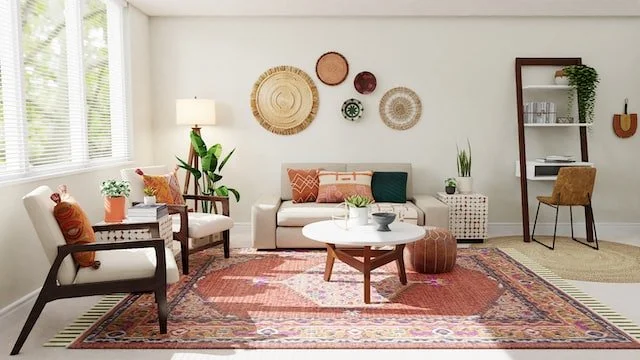
Like anything else in your home, from choosing the perfect paint color to flooring options and carpeting, your furniture should reflect your style and taste. From classic and traditional to modern and minimalistic, there is a style for everyone.
.Therefore, take the time to browse through different furniture stores and online platforms to get an idea of the styles that appeal to you. Having a clear idea of your style will make it easier for you to choose furniture that fits your taste and enhances the overall look of your home. Don't be afraid to mix and match styles to create a unique look that reflects your personality. After all, you are the one who is meant to enjoy your living space the most.
Be Mindful When Choosing Anchor Pieces
Anchoring pieces are the foundation of any room and play a crucial role in creating a cohesive and balanced look. These larger pieces of furniture, such as sofas, armchairs, and coffee tables, provide stability and define the room's overall style. When choosing anchoring pieces, consider the size of your room, the layout, and the overall style you want to achieve.
Opt for neutral colors and timeless designs to ensure they stand the test of time. If you're going to make a statement, you can add accent pieces with bold colors or patterns to complement the anchor pieces. Investing in quality anchoring pieces can create a foundation that will support your decorating vision for years to come.
Quality Matters
When it comes to furniture, quality should be a top priority. Investing in well-made furniture improves the look of your home and lasts longer. Look for pieces made from high-quality materials such as solid wood, leather, and metal.
Also, inspect the furniture for any signs of wear and tear, such as loose joints or uneven legs, which indicate that the furniture is not well-made and may not last long. Don't be afraid to invest in well-made furniture even if it costs a bit much, as it will be worth the cost in the long run.
Incorporate Sustainability
Sustainability should also be a consideration when choosing furniture. The furniture industry is one of the most significant contributors to global waste, and nowadays, it's more crucial than ever to take steps to reduce its impact. Therefore, opt for furniture made from environmentally friendly materials, such as bamboo or recycled materials.
Additionally, look for pieces built to last, reducing the need to replace them frequently. By incorporating sustainability into your furniture choices, you can improve the look of your home and contribute to the preservation of the planet. On top of that, there are plenty of other ways to improve your home's energy efficiency and thus contribute further to resolving this global issue.
Get Creative
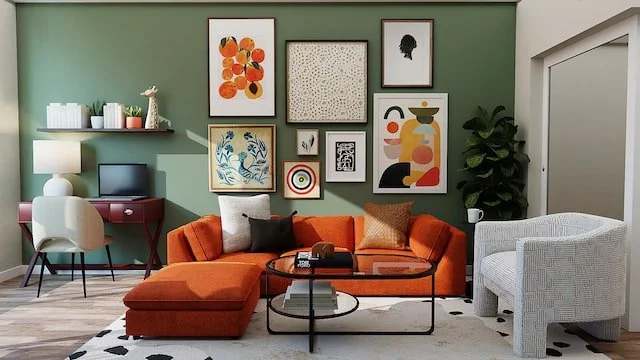
Furniture doesn't have to be bland. Don't be afraid to get creative and choose pieces that make a statement and add a touch of personality to your space. Whether it's a colorful accent chair or a bold piece of artwork, adding elements unique to your taste will make your home feel like your own. Consider incorporating vintage or eclectic pieces with a story and add character to your space.
The Bottom Line
Now that you know what to focus on and consider, you can easily choose furniture that fits your lifestyle. By following these guidelines, you can create a space that is not only beautiful but also functional and reflective of your unique style. So get ready to transform your home into a haven you'll love coming home to every day.

