

A resource for those seeking information on organizing and transforming spaces.

How to Boost Your Kitchen with Natural Elements
The kitchen is one of the most important spaces in a home, and its design plays a crucial role in the overall aesthetic and functionality of the house. A well-designed kitchen not only enhances the value of your home but also creates a comfortable and inviting environment for family and friends. Incorporating natural design elements in your kitchen is a simple yet effective way to add warmth, texture, and character to the space. Therefore, here are some natural design elements that can enhance the overall look and feel of your kitchen and create a welcoming environment.
The kitchen is one of the most important spaces in a home, and its design plays a crucial role in the overall aesthetic and functionality of the house. A well-designed kitchen not only enhances the value of your home but also creates a comfortable and inviting environment for family and friends. Incorporating natural design elements in your kitchen is a simple yet effective way to add warmth, texture, and character to the space. Therefore, here are some natural design elements that can enhance the overall look and feel of your kitchen and create a welcoming environment.
Add plants and greenery

Adding plants and greenery is another excellent way to bring natural design elements into your kitchen. Plants not only add color and texture but also have a positive impact on your mood and well-being. Potted plants, herbs, or even a small garden in your kitchen can create a peaceful and serene atmosphere. Plants can also help purify the air and add a touch of natural fragrance to your kitchen. You can hang plants from the ceiling, place them on windowsills, or use wall-mounted planters to add greenery to your kitchen. By incorporating plants and greenery in lots of different ways, you can create a welcoming and inviting atmosphere that will make your kitchen a hub of activity for family and friends.
Use natural materials
Incorporating natural materials is an excellent way to add natural design elements to your kitchen. Natural materials such as stone, wood, and brick add texture, warmth, and depth to your kitchen's design. For example, using natural stone countertops, hardwood floors, or a brick backsplash can create a rustic look in your kitchen. These materials not only have a timeless appeal but are also durable, making them an excellent investment for your home. This is only true if you find a natural stone supplier, for instance, who’s going to give you the best value for your money, so take your time to look into these things. In addition to the materials mentioned, you can also incorporate other natural elements such as cork, bamboo, or even recycled materials to add character and warmth to your kitchen.
Natural lighting

This is another essential aspect of natural design elements in the kitchen. Natural light not only makes your kitchen look brighter but also has a positive effect on your mood and well-being. Maximizing natural light in your kitchen can be achieved by adding skylights, larger windows, or glass doors. This allows natural light to flood the space, creating a welcoming and inviting atmosphere. If you don't have the option of adding more natural light, you can use LED lights that mimic natural light to create a similar effect. Using natural lighting in your kitchen will create a bright and welcoming environment that is perfect for cooking, entertaining, and spending time with family and friends.
Use natural colors
Using natural colors is an excellent way to add natural design elements to your kitchen. Colors such as green, brown, beige, and white can create a serene and calming ambiance. These colors can be used on walls, cabinets, countertops, or even appliances to create a cohesive and inviting look. Using natural colors will also make your kitchen feel more spacious and airy, which is ideal for smaller kitchens. By incorporating natural colors into your kitchen design, you can create a warm and inviting atmosphere that is perfect for cooking, entertaining, and spending time with family and friends.
Incorporate natural patterns and textures

Finally, incorporating natural patterns and textures is another way to add depth and character to your kitchen's design. Patterns such as wood grain, stone texture, or even leaf prints can add a touch of nature to your kitchen. You can use these patterns on cabinets, countertops, or even textiles such as curtains or tablecloths. Adding texture through materials such as woven baskets or natural fibers such as jute or sisal can also add warmth and texture to your kitchen's design. By incorporating natural patterns and textures, you can create a cozy and inviting atmosphere that will make your kitchen feel like a natural extension of the outdoors.
Incorporating natural design elements into your kitchen can enhance the overall look and feel of your space and create a warm and inviting atmosphere. Whatever you decide to do, incorporating these natural design elements will help create a welcoming environment that’s perfect for cooking, entertaining, and spending time with family and friends!

A DIY Guide To Installing Different Types Of Vinyl Plank Floorings
Vinyl plank flooring is popular for many homeowners due to its durability and easy installation. However, different types of vinyl plank flooring are available on the market, which can make choosing the right one for your home a daunting task. This guide will provide you with all the information you need about different types of vinyl plank floorings to choose the best option for your home. Read on to find out more!
We partnered with a flooring company for this post. The opinions in the post are honest. All reviews and opinions expressed in this post are based on our personal views. We are excited because we know you will love it.

Vinyl plank flooring is popular for many homeowners due to its durability and easy installation. However, different types of vinyl plank flooring are available on the market, which can make choosing the right one for your home a daunting task. This guide will provide you with all the information you need about different types of vinyl plank floorings to choose the best option for your home. Read on to find out more!
Decide on the type of flooring you want to install
Installing your vinyl plank flooring is a project that anyone can do, but deciding which type to choose for your space can be daunting. You can find options in luxury vinyl or sheet vinyl variations, and installing them is as easy as peel-and-stick or gluing down. Often one of the most popular options chosen are installing glue-down vinyl plank flooring – this option offers excellent stability and durability for many years of enjoyment. When selecting the right planks for your floor, compare different types to ensure you’re getting the best product that fits all your needs, whether it’s waterproofing function or slip resistance.
Choose the right tools and materials for the job
Installing vinyl plank flooring is a great way to upgrade your home, but doing it right requires some preparation. Before you begin the project, ensure you have all the necessary tools and materials. These may include a flat pry bar, hammer, utility knife, measuring tape, and level. You will also need enough vinyl planks to cover your desired surface area and some adhesive or installation system designed for vinyl flooring. Researching and purchasing these items in advance helps ensure you're building a solid base for your project!
Prepare your subfloor for installation
It is essential to prepare your subfloor properly before installing your vinyl plank floorings. The first step is to double-check if it's level throughout the space – if you can feel any lumps or bumps, use a self-leveling compound to smooth it. To remove dust or sawdust, vacuum and sweep the surface thoroughly. If your subfloor isn't made of concrete, check for loose boards or screws – make sure nothing gives when you press down on them. Finally, ensure the subfloor is free from any moisture – it has to be completely dry for installation.
Following these easy steps now will ensure that your vinyl plank floorings look perfect in the end!
Install the flooring according to the manufacturer's instructions
Installing a new vinyl plank flooring in your home is a great way to update the look of your living space.
To ensure the best result and experience, it is essential to carefully follow the manufacturer's instructions for installation. Depending on which type of vinyl plank flooring is chosen, the instructions may vary, so pay close attention and take necessary precautions before beginning any project. It's also a good idea to experiment with installation methods before committing to proceed with an entire surface area.
Additionally, don't be afraid to ask for help if needed – getting an experienced installer on board can help prevent costly mistakes from being made.
Finish up by trimming any excess material and sealing the edges
Once the flooring has been cut and laid; it's essential to finish by trimming away any extra material and sealing the edges. This will help ensure a professional-looking installation and provide additional protection for your freshly installed floor. When trimming the edges of the planks, use a utility knife or similar tool to create a smooth line that is flush with the wall. Sealing the edges can be done using special adhesive tape designed specifically for this purpose – your local hardware store should stock a range of different tapes and glues that can give you both stability and water resistance. Once all loose ends have been tied up, you have an impressive new floor!
Concluding thoughts
Vinyl plank flooring is a great do-it-yourself project for any homeowner. With so many different styles and types of vinyl plank flooring on the market, it's easy to find one that fits your needs. You will need a few tools and materials to install vinyl plank flooring, including a power drill, saw, measuring tape, and level. Once you have gathered everything, follow the manufacturer's instructions to prepare your subfloor and lay down the vinyl planks. Be sure to trim any excess material and seal the edges when done.

How To Choose the Right Kitchen Cabinets for Your Home
Whether you’re remodeling your kitchen or building a new one, choosing the right cabinets is essential. Not only do they serve as a central design element of your kitchen, but they also provide storage and organization solutions that are both functional and aesthetically pleasing. But with so many choices available, how can you decide which option is best for your home? Let’s take a look at how to select the perfect kitchen cabinets for your space.
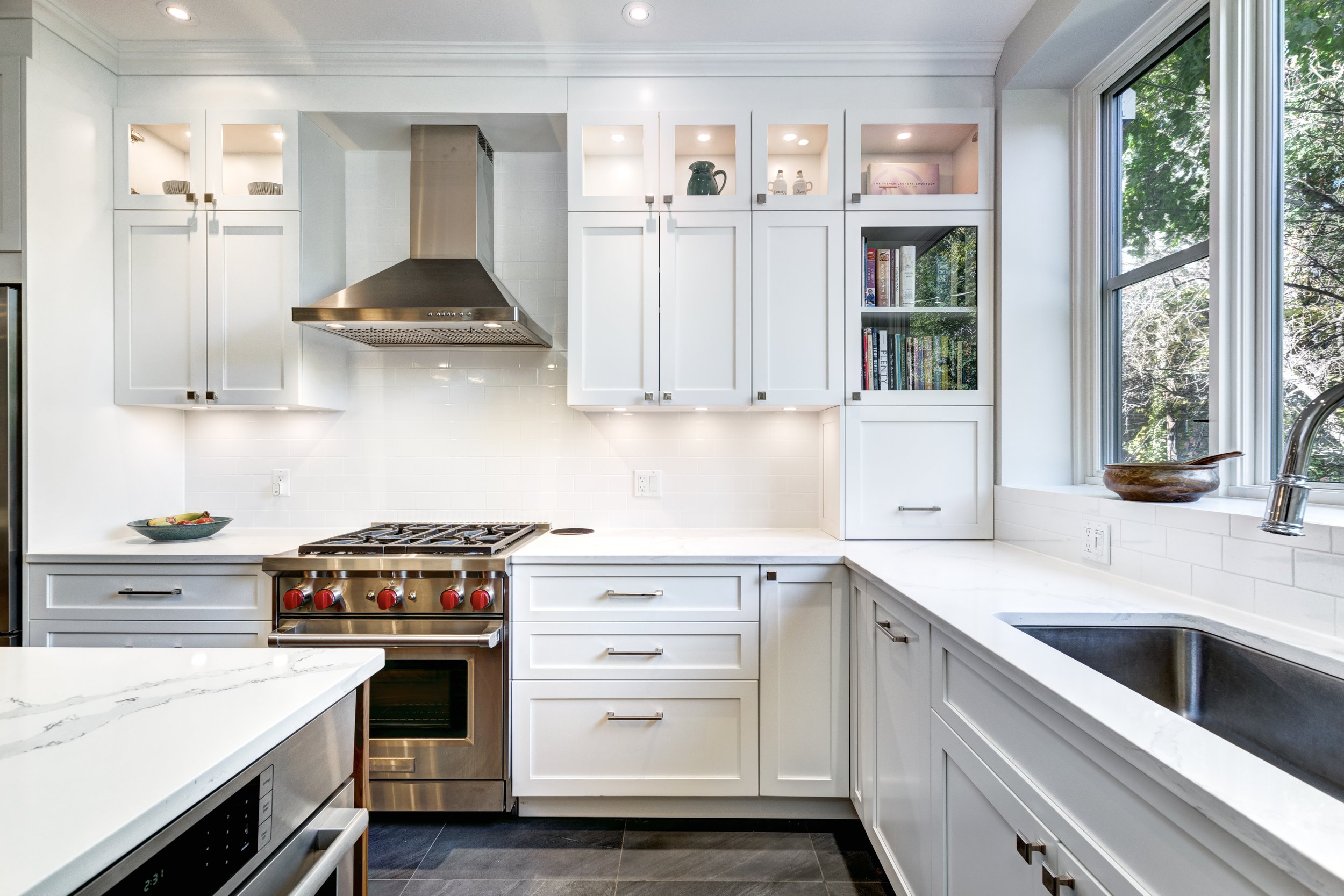
Whether you’re remodeling your kitchen or building a new one, choosing the right cabinets is essential. Not only do they serve as a central design element of your kitchen, but they also provide storage and organization solutions that are both functional and aesthetically pleasing. But with so many choices available, how can you decide which option is best for your home? Let’s take a look at how to select the perfect kitchen cabinets for your space.
Understand Your Budget
Before you even start looking at different types of cabinets, it’s important to understand what kind of budget you have to work with. This will help narrow down your options and avoid any unnecessary stress or disappointment later on. Take some time to research different materials, sizes, designs, and more to get an idea of how much each option will cost. Also, consider if there are any additional costs like shipping or installation fees that could add up quickly if you’re not careful. Knowing this information ahead of time will save you time and money in the long run.
Think About Style & Functionality
Once you have an idea of what type of cabinet fits within your budget constraints, it’s time to think about style and functionality. What kind of overall look are you going for? Do you prefer traditional designs or modern ones? What kind of materials would be best suited for the environment in which they will be installed? Will they need to fit into existing cabinetry already in place, or can they stand alone? All these questions should be considered when selecting the perfect kitchen cabinets for your home.
Choose Quality Materials & Craftsmanship
When investing in cabinets for your home, it is always important to choose quality materials as well as superior craftsmanship. Look for cabinetry made from a durable wood such as oak or maple that has been treated with several coats of protective finish. Make sure that all hardware is securely fastened and sealed properly so that no moisture can seep inside and damage the wood over time. Additionally, check out the drawers and doors for ease of use; these should open without sticking or being too loose, which makes them difficult to use properly on a daily basis.
Measurements & Installation
The next step is measuring the area where the cabinets will be installed. This is important because it ensures that the cabinets fit properly in the space and look aesthetically pleasing when installed. It also helps prevent delays in installation caused by incorrect measurements or unexpected issues with size or fitment that could arise during installation. Be sure to measure twice before ordering your cabinets—you don’t want any surprises! Once you have measured the area correctly, it’s time to install your new kitchen cabinets! Depending on what type of cabinet material you chose, this process may vary; however, all cabinet materials require some form of installation before they can be used in your kitchen.
Storage Solutions
Finally, think about storage solutions when selecting kitchen cabinets for your home. How much storage space do you need? Are there specific items or appliances that need special shelving or drawers? Do you need extra counter space? Thinking about these details ahead of time will help ensure that whatever cabinet system you choose has enough room for all of your belongings without overcrowding the space or making it difficult to move around in the kitchen area.
Choosing the right kitchen cabinets doesn't have to be a daunting task as long as you keep your budget in mind, consider style and functionality before making any decisions, and look for quality materials and craftsmanship when shopping around. With so many options available today — from pre-made stock cabinets to custom-built pieces — anyone can find something that works perfectly with their space, whether it's traditional or modern in style! So go ahead - start shopping around today - because now you know exactly what criteria to keep in mind when selecting kitchen cabinets for your home!

Concrete Design: How Creativity Meets Functionality in Architecture and Engineer
Have you ever seen a building and been amazed by its design? Or, have you ever wondered how those intricate designs were created? Today, we're exploring concrete design and how it can be used to create both functional and beautiful architecture. By understanding the basics of concrete design, you'll be able to see how this versatile material can be used in endless ways. So let's get started!

Have you ever seen a building and been amazed by its design? Or, have you ever wondered how those intricate designs were created? Today, we're exploring concrete design and how it can be used to create both functional and beautiful architecture. By understanding the basics of concrete design, you'll be able to see how this versatile material can be used in endless ways. So let's get started!
The Importance of Concrete in Architecture and Engineering
As far as the world of architecture and engineering is concerned, concrete is one of the key materials used to make incredible and impressive structures. It's an essential part of many tall towers, bridges, stadiums, dams, roads, and buildings that can survive centuries in their environments. Thanks to the commercial concrete durability and affordability, it fits every purpose, from a large-scale industrial development to a simple backyard patio – all without hassles. This long-lasting material continues to prove its importance since it serves from structural integrity to aesthetic value. With so many advantages concrete offers regarding design flexibility and a range of finishes, there's no doubt this material remains vital in architecture and engineering projects.
How to Use Concrete Creatively in Design
Concrete is a versatile and affordable material that can create unique, visually pleasing designs. Using concrete creatively in design involves experimenting with different shapes, sizes, and textures. Piercing, engraving, or embossing patterns into concrete can provide added dimension and visual interest. Color can also enhance the project’s aesthetic - pigments are commonly used for acid-etched concrete or adding finishes such as waxes or oils. Other detailing techniques like exposed aggregate or rock salt scoring add texture and a subtle three-dimensional quality to an otherwise flat surface. With these approaches, you can turn something as simple as concrete into a stunning work of art!
The Functionality of Concrete in Design
Concrete is an essential component of design that is often overlooked. Far from just being a functional material for construction, it offers architects and designers myriad possibilities for creating artful, innovative spaces. From its ability to take on almost any shape, concrete ensures that projects remain durable, strong, and aesthetically pleasing. Given its long-lasting qualities and willingness to embrace various forms and textures, concrete can be found in some of the most iconic designs worldwide - adding unique character to the architecture and reassuring structural integrity. Moreover, due to its tactile nature, concrete acts as another sensory element when incorporating it into the design - encouraging interaction between individuals and constructions alike!
The Benefits of Using Concrete in Design
Concrete is a versatile material used in design for centuries, bringing many incredible benefits. Its durability and strength are ideal for outdoor structures such as driveways, walkways, or patios. It's easy to work with, resistant to weather damage and wear and tear, and most importantly – affordable! Concrete can also be customized using stains, aggregates, etching techniques, and more. Not only does this give your design an aesthetically pleasing look, but you can also add value to your project with unique touches. Aside from its practical features, concrete can also enhance the architectural appeal of any space. Its subtle color palette may inspire creative minds to create beautiful patterns and textures suited ideally for interior spaces – making it a fantastic choice for homeowners looking to make their mark on any living space!
The Different Types of Concrete Available for Use in Design
Concrete is a valuable construction material, as it can be molded and shaped into any form to meet design specifications. If you’re looking to use concrete in your next building project, you’ll be pleased to know there are many options out there. From the highly durable ready-mix concrete used throughout the construction industry to more specialized materials, such as high-performance concrete that can handle extreme temperatures and pressures – the possibilities are endless! Other concrete types include air-entrained concrete for improved freeze-thaw resistance; lightweight concretes for reduced structural loads on foundations, recycled concrete for sustainability-minded projects, and more. You’ll be sure to find a type of concrete that fulfills all your project requirements.
In conclusion, concrete is an incredibly versatile material for use in architecture and engineering. Not only does it offer excellent physical properties, including a long lifespan and low maintenance needs, but it also offers numerous opportunities for creative design. It can be used as a decorative feature or to form organic fluid shapes that interact with sunlight. Different types of concrete are available to tailor to other designs so designers can find the perfect fit for their budget or provide the best performance. Concrete will bring unparalleled functionality and beauty for years when used thoughtfully and creatively.