

A resource for those seeking information on organizing and transforming spaces.
5 Things to Include in Your Kitchen Remodel Plans
Remodeling your kitchen can be an exciting, yet overwhelming process. From choosing the right colors to picking out the perfect appliances, it's easy to get lost in the details. However, having a solid plan in place before starting your kitchen remodel can help make the entire process easier and more efficient. In this blog post, we'll discuss the five most important things to include in your kitchen remodel plans so you can have the kitchen of your dreams.
We partnered with a home design company for this post. The opinions in the post are honest. All reviews and opinions expressed in this post are based on our personal views. We are excited because we know you will love it.
Remodeling your kitchen can be an exciting, yet overwhelming process. From choosing the right colors to picking out the perfect appliances, it's easy to get lost in the details. However, having a solid plan in place before starting your kitchen remodel can help make the entire process easier and more efficient. In this blog post, we'll discuss the five most important things to include in your kitchen remodel plans so you can have the kitchen of your dreams.
The Layout
One of the most important parts of your kitchen remodel plans should be the layout. Consider the function of your kitchen and how you use the space. Make sure your layout accommodates your specific needs, whether it's a large island for prepping meals, a breakfast nook for family dinners, or extra counter space for baking. Consulting with a professional designer, like those at APEX Design Build, can help ensure that your layout is functional and visually appealing. Consulting with a professional kitchen remodeling contractor is essential to ensure that your design meets both functionality and aesthetic needs. A trusted contractor, like those in the Delafield, WI area, can guide you through critical decisions from layout planning to selecting durable materials. Their expertise can save you time and prevent costly mistakes.
Storage Solutions
Another crucial part of your kitchen remodel plans should be storage solutions. From cabinets to pantry space, make sure you have enough storage to accommodate your cooking needs, as well as your personal preferences. Consider utilizing pull-out shelves, under-cabinet lighting, and other clever storage solutions to make the most of your space while keeping everything organized and easily accessible.
Appliance Selection
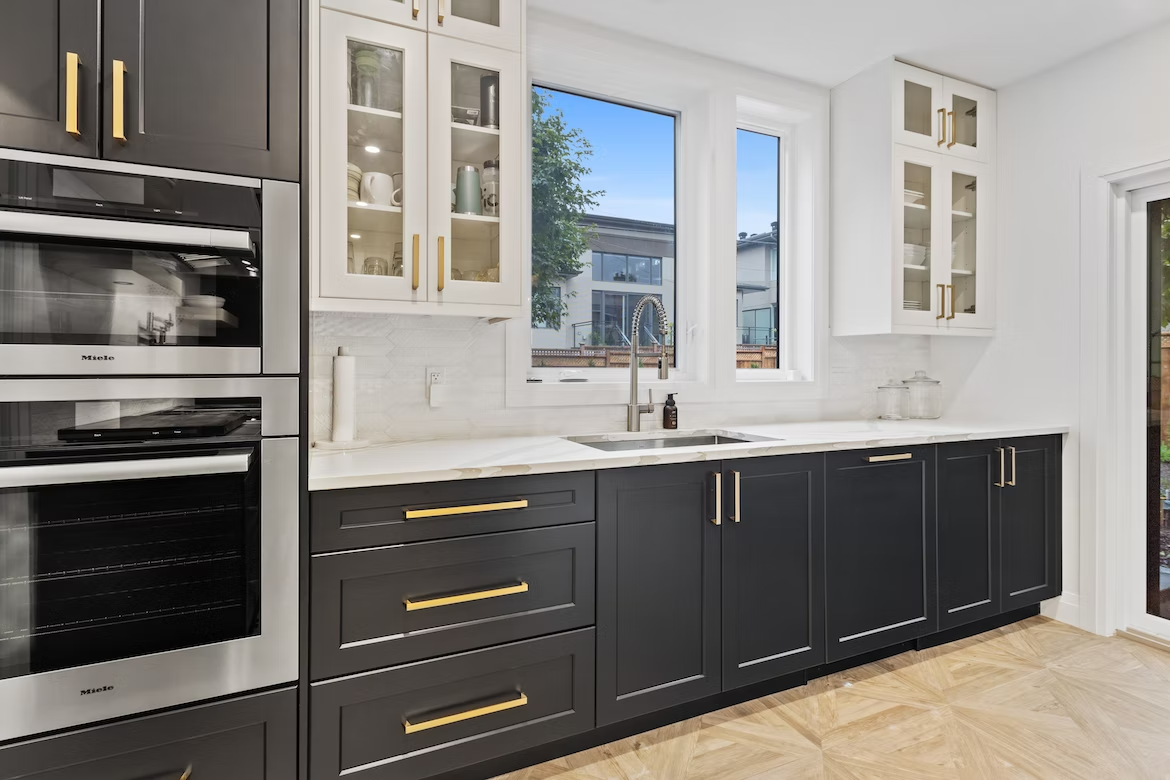
When it comes to kitchen remodels, selecting the right appliances is key. Think about your cooking habits and choose appliances that meet your specific needs. For example, if you frequently bake, investing in a double oven may be a wise choice. Or, if you're an avid entertainer, consider a large refrigerator and dishwasher. Make sure your appliances are energy efficient, as this can save you money on your utility bills in the long run.
Lighting
Good lighting can make all the difference in a kitchen. Include a mix of sources, such as overhead lighting, task lighting, and under-cabinet lighting to create a warm, inviting atmosphere. Consider installing dimmer switches to allow for flexible lighting options depending on the time of day or occasion.
Material Selection
Last but not least, your kitchen remodel plans should include material selection. From countertop materials to flooring and backsplashes, the materials you choose can greatly impact the overall look and feel of your kitchen. Consider durability, ease of maintenance, and color schemes when making your material selections. Consulting with a professional designer can help ensure that your choices are cohesive and visually appealing.
With these five things included in your kitchen remodel plans, you'll be well on your way to achieving the kitchen of your dreams. Remember to consider the layout, storage solutions, appliance selection, lighting, and material selection when making your plans. And don't forget to consult with a professional designer to help make your vision a reality. With a solid plan in place, your kitchen remodel will be a smooth and enjoyable process.

How to choose pieces of furniture according to your dream house
Home is arguably the most important purchase you'll ever make and the number one place you spend your time. The selection of modern luxury furniture should be done with due care and in consultation with a professional interior designer.

Furnishing a home can be an exciting but daunting task. It's easy to get caught up in the latest design trends or opt for furniture that looks good without much consideration for its functionality or how it fits within the context of your home. But, choosing furniture that complements your space and reflects your style is essential to creating a home that you'll love to live in.
When designing your dream home, the furniture you choose plays a critical role in defining the look and feel of your space. It's essential to select pieces that not only look great but are also comfortable, functional, and proportionate to the size of the room. Additionally, it's important to consider the style of your home, the function of each room, and how different pieces of furniture work together to create a cohesive space.
Factors to consider:
Choose furniture that’s comfortable and functional
Luxury furniture is often associated with high-quality materials, exquisite craftsmanship, and exceptional design. These pieces are typically made with premium materials such as top-grain leather, solid wood, and high-end fabrics.
One of the primary benefits of luxury furniture is its longevity. High-quality materials and expert craftsmanship. These pieces can withstand the wear and tear of daily use and retain their beauty and functionality for years to come.
Another benefit of luxury furniture is the level of customization and personalization available. This can include options like choosing the type of wood or fabric used, selecting the color and finish, and even specifying the dimensions of the furniture.
One thing to keep in mind when selecting luxury furniture is that it can be quite expensive. This cost is reflective of the quality of the materials used, and the level of craftsmanship involved. It can also add significant value to your home and provide years of enjoyment and comfort. While luxury furniture may be more expensive than other options, it can be a worthwhile investment for those looking to create a beautiful and sophisticated home.
Consider the style of your home
The first step in choosing furniture for your dream home is to consider the style of your home.
If your home has a modern or contemporary style, opt for sleek and simple furniture pieces that will complement the space.
For homes with a more traditional style, classic and ornate furniture pieces will fit right in.
It's important to select furniture that complements the aesthetic of your home rather than working against it.
When considering the style of your home, it's important to take into account the architectural features and design elements of your space. If your home has a lot of natural light and minimalist design elements, then furniture with clean lines and neutral tones will complement the space well. If your home has more traditional elements then classic furniture pieces with rich textures and colors will suit the space better.

Think about the function of each room
An important factor to consider when choosing furniture is the function of each room. Consider the activities that will take place in each room and choose furniture that will help those activities.
A living room should feature a comfortable seating area where family and guests can relax and socialize.
A dining room should have a table and chairs that are suitable for meals and entertaining, creating a welcoming and functional space.
A bedroom should feature a comfortable bed, nightstands for holding personal items and lighting, and storage for clothing and other belongings.
Pay attention to scale and proportion
Scale and proportion are essential in interior design, and this applies to furniture. Consider the size of the room and the other pieces of furniture that will be in the space. A small room should have smaller furniture pieces. Avoid making the space feel cluttered. Also, furniture should be proportionate to each other. A large sofa should be paired with larger accent chairs. A small coffee table should be paired with smaller side tables. Choosing furniture that is proportionate to the size of the room is important to maintain balance and avoid overwhelming the space. Consider a smaller sofa and accent chairs to create a more open and inviting space.
Mix and match different styles
One of the biggest design trends in recent years is mixing and matching different styles of furniture. While this may seem daunting, it can create a unique look that’s all your own.
Consider combining traditional and modern furniture pieces to give your dream house a unique and stylish appeal.
Combining elements like wood and metal in furniture design can create a cohesive atmosphere in your home.
When selecting furniture, take into consideration the design of your house, the color scheme of the area, and the furniture's durability and functionality.
Make sure that the pieces you choose work well together and complement the aesthetic of the room to avoid creating a space that feels disjointed.
Mixing styles can create an interesting space that reflects your taste and adds personality to your home.
Don’t forget about storage
Storage is an important consideration when choosing furniture. Look for pieces that offer hidden storage. Kitchen cupboards with drawers or a bed with built-in storage. This will help keep your space organized. Incorporating storage into your furniture is essential to keeping your space clutter-free. Also, consider pieces that serve many functions, like a bookshelf that also functions as a room divider.
Invest in quality pieces
It’s important to invest in quality furniture pieces that will stand the test of time. While cheaper furniture may be tempting, it often doesn’t hold up as well over time and must be replaced sooner than you’d like. Choose pieces that are well-made and use high-quality materials. You’ll have furniture that you can enjoy for years to come. Investing in high-quality furniture is essential to creating a space that is both functional and pleasing. Quality pieces made with quality materials, like ash, mahogany, oak, and walnut, will last longer and have better warranties and customer support. When investing in furniture, consider the materials used, craftsmanship, and the manufacturer's reputation.
Cost is an important consideration
It's essential to stick to a budget that works for you. But, it's important to remember that the furniture cost doesn't always correlate with quality. You can find well-made and stylish furniture at different price points. When creating a budget for furnishing your home, consider the value of each piece of furniture. A high-quality sofa can be worth investing more money in than a decorative side table. Also, consider the cost of furniture over time. While a less expensive sofa may be more budget-friendly, it may not last as long as a higher-end piece. It will cost you more money in the long run.
It's important to create a budget that works for you and stick to it when selecting furniture for your dream home. By considering the value of each piece and finding ways to save money without sacrificing quality or style, you can create a space that fits your budget and reflects your taste.
In conclusion, choosing furniture for your dream home requires careful consideration of several factors. From paying attention to scale and proportion to mixing different styles, selecting pieces that reflect your style while also being functional and comfortable is essential. Additionally, budget considerations are important, but it's essential to balance cost with the value of each piece and long-term cost-effectiveness.
Conclusion
When selecting furniture for your dream home, it's important to take the time to research and consider all your options. By doing so, you can create a space that not only looks great but also functions well for your lifestyle. With the right furniture, you can create a comfortable home, inviting, and a reflection of your style.
Remember that your home should be a place that you love to spend time in and that makes you feel comfortable and happy. Don't be afraid to take risks and try new things when it comes to furnishing your space. With a little effort and consideration, you can create a home that you'll love for years to come.
4 Ways to Better Your Bathroom
There is no denying that the bathroom is one of the most important rooms in your home. Not only do you use it on a daily basis, but it also sets the tone for the rest of your house. If you are looking for ways to upgrade and modernize your bathroom, several options can be tailored to fit any budget. Here are four great ideas for improving your bathroom.
There is no denying that the bathroom is one of the most important rooms in your home. Not only do you use it on a daily basis, but it also sets the tone for the rest of your house. If you are looking for ways to upgrade and modernize your bathroom, several options can be tailored to fit any budget. Here are four great ideas for improving your bathroom.
Lighting
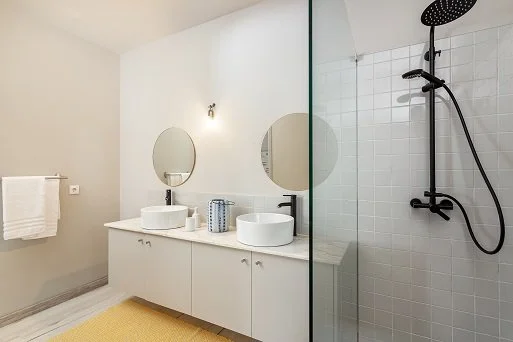
Adding new lighting fixtures is one of the best ways to update your bathroom. Whether you go with traditional overhead lights or more modern wall sconces, updating your lighting will instantly give your bathroom a more contemporary feel. Make sure you choose fixtures that are designed with moisture-resistant materials such as stainless steel or brass for durability and long-term use.
Faucets
Installing a new faucet or shower head for your bathroom renovations can be an instant makeover without breaking the bank. Choose from various styles ranging from classic to contemporary and even art deco choices that will add an extra touch of elegance and sophistication to any room. Additionally, installing water-saving fixtures can help reduce energy costs and water usage over time.
Paint
A fresh coat of paint can do wonders when it comes to transforming the look of any room in your home, especially bathrooms where the walls tend to get dingy after years of exposure to moisture and humidity levels. You can choose bright colors like blues and greens for a calming feel, or go with bolder shades like reds or yellows if you want something more dramatic.
Paint Accessories
Once you have updated your walls with a fresh coat of paint, consider adding some decorative accessories such as picture frames, mirrors, or artwork to enhance its look and feel further. These small touches can really add character and create an inviting atmosphere in any room in your house, including the bathroom.
Upgrading your bathroom doesn’t have to break the bank; plenty of inexpensive solutions can greatly impact its overall look and feel without requiring too much effort or money. From updating lighting fixtures to painting walls and adding decorative accessories, there is something for everyone when it comes to sprucing up their bathrooms! With these easy tips, anyone can take their bathroom from drab to fab in no time at all.

7 Tips for Designing the Lighting Plan for Your New Home
Designing the lighting plan for your new home is crucial in creating a comfortable and inviting living space. Lighting not only affects the functionality of a room but also sets the mood and ambiance.
Designing the lighting plan for your new home is crucial in creating a comfortable and inviting living space. Lighting not only affects the functionality of a room but also sets the mood and ambiance.
Therefore, it is essential to carefully plan and consider the different aspects of lighting to ensure that you create a functional and visually appealing space in your home.
In this article, we'll provide seven tips to help you design the perfect lighting plan for your new home.
From determining the function and mood of each room to choosing the right fixtures and planning for future lighting needs, we've got you covered.
Designing the Perfect Lighting Plan: How to Determine the Function and Mood of Each Room
Before you start designing your lighting plan, it's crucial to consider the purpose of each room and the mood you want to create. This will help you determine the type of lighting you need for each space. Observe the following tips:
Consider the purpose of each room: Think about how each room will be used and what activities will take place there. For example, the kitchen may require brighter lighting for cooking and food preparation, while the bedroom may require softer lighting for relaxation.
Think about the mood you want to create in each room: Consider the mood or ambiance you want to create in each space. Do you want a warm, cozy, bright, or energizing atmosphere? The lighting you choose can help you achieve the desired mood.
Examples of lighting for different rooms: Look through custom home design guide to see what lighting types they recommend for different rooms:
For the living room, a combination of ambient, accent, and task lighting is ideal.
For the kitchen, a bright, task lighting with under-cabinet lights can be used.
For the bedroom, go with soft, ambient lighting with dimmer switches.
For the bathroom, choose a bright, task lighting with dimmer switches.
By determining the function and mood of each room, you can create a lighting plan that suits your specific needs and enhances the overall look and feel of your home.
Creating a Balanced and Visually Appealing Look: How to Layer Your Lighting
Once you've determined the function and mood of each room, the next step is to layer your lighting.
Layering involves using multiple types of lighting to create a balanced and visually appealing look. Here are some tips to help you layer your lighting effectively:
1. The three layers of lighting: The three layers of lighting are ambient, accent, and task lighting.
Ambient lighting provides overall illumination, accent lighting highlights specific areas or objects, and task lighting provides focused light for specific tasks.
2. Tips for layering your lighting: Start with ambient lighting as the base, then add accent lighting to highlight features, such as artwork or architectural elements. Finally, add task lighting for specific activities such as reading or cooking.
3. Examples of layering your lighting in different rooms:
If you want to follow the custom home design guide, the following layering techniques for different rooms are recommended:
For the living room, use a combination of a ceiling fixture for ambient lighting, table lamps for accent lighting, and floor lamps for task lighting.
For the kitchen, use recessed lighting for ambient lighting, under-cabinet lighting for task lighting, and pendant lights over the island or breakfast bar for accent lighting.
For the bedroom, use a ceiling fixture or chandelier for ambient lighting, bedside lamps for task lighting, and wall sconces for accent lighting.
By layering your lighting, you can create a warm and inviting atmosphere while also providing the necessary light for specific tasks.
Letting in the Light: Tips for Incorporating Natural Light Sources into Your Lighting Plan
When designing your lighting plan, don't forget to consider natural light sources. Natural light can provide many benefits, such as improving mood, reducing energy costs, and making your home feel more spacious.
Here are some tips to help you make the most of natural light sources:
Determine the orientation of your home: The orientation of your home can affect the amount of natural light that enters each room. Rooms that face south or west will receive more direct sunlight, while rooms that face north or east will receive less.
Consider window treatments: Window treatments can help control the amount of natural light that enters a room. Sheer or light-colored curtains can allow more light to enter, while heavier drapes can block it.
Plan your artificial lighting around natural light: By considering natural light sources, you can plan your artificial lighting to complement and enhance it.
For example, you can use dimmer switches to adjust the lighting levels based on the amount of natural light entering a room.
By considering natural light sources, you can create a lighting plan that not only enhances the look and feel of your home but also provides cost savings and health benefits.
Finding the Perfect Match: Choosing the Right Fixtures for Your Custom Home Lighting Plan
Choosing the right fixtures is an important part of designing a lighting plan that works for your home.
The right fixture not only enhances the look and feel of a room but also provides the necessary illumination for specific tasks.
The following advice will help you select the appropriate fixtures:
Consider the style of your home: The style of your home can influence the type of fixtures that work best. For example, traditional homes often look best with classic fixtures, while modern homes may benefit from sleek and minimalist designs.
Match fixtures with the function of the room: Different rooms require different types of fixtures. For example, a pendant light may work well over a dining table, while a recessed lighting can be more appropriate in the hallway or bathroom.
Don't forget about bulb types: The type of bulb you choose can also affect the look and feel of the room. Cool light bulbs can give off a more invigorating vibe, while warm light bulbs can provide a cozy and welcoming ambiance.
By choosing the right fixtures for your home, you can create a lighting plan that not only looks great but also functions well for your needs.
Lighting for the Long Haul: How to Plan for Future Lighting Needs in Your Custom Home Design
When designing your lighting plan, it's important to think about your future lighting needs. Planning ahead can save you time, money, and hassle down the line.
Here are some tips to help you plan for future lighting needs:
Think about how your needs may change: Will you be adding new rooms or changing the function of the existing ones? Will you need more or less light in certain areas? Anticipating these changes can help you plan for your future lighting needs.
Consider the technology: Lighting technology is constantly evolving, so it's important to consider how it may change in the future.
For example, you may want to plan for the installation of smart lighting systems that can be controlled with your smartphone or voice commands.
Install wiring for future fixtures: If you think you may need additional fixtures in the future, it's a good idea to install the necessary wiring now. This will save you the hassle and expense of adding new wiring later on.
By planning for your future lighting needs, you can create a lighting plan that not only works for your current needs but also accommodates the changes you might do down the line.
Green Lighting: Designing an Energy-Efficient Lighting Plan for Your Custom Home
In addition to considering your lighting needs, it's important to think about energy efficiency when designing your lighting plan. Not only can energy-efficient lighting help you save money on your energy bills, but it can also reduce your carbon footprint.
Here are some tips to help you design an energy-efficient lighting plan:
Choose LED bulbs: LED bulbs use up to 75% less energy than traditional incandescent bulbs and can last up to 25 times longer.
Use dimmer switches: Dimmer switches allow you to adjust the level of light in a room, which can help save energy.
Install motion sensors: Motion sensors can automatically turn lights off when the room is unoccupied, helping to reduce energy waste.
By considering energy efficiency when designing your lighting plan, you can create a more sustainable and cost-effective home.
Bottom Line
Designing the lighting plan for your custom home is an important task that requires careful consideration.
By following these tips, you can create a lighting plan that not only meets your functional needs but also enhances the overall mood and ambiance of your home. Remember to:
Determine the function and mood of each room.
Layer your lighting.
Consider natural light sources.
Choose the right fixtures.
Plan for future lighting needs.
Consider energy efficiency needs.
With a little bit of planning and attention to detail, you can create a lighting plan that will make your custom home both beautiful and functional.

