

A resource for those seeking information on organizing and transforming spaces.
4 Reasons to Consider Backyard Landscaping
Landscape design can transform your backyard aspirations into reality, allowing you to envision and integrate different elements and areas into your backyard, optimizing its space, enhancing its aesthetics, and maximizing its functionality.
We partnered with an environmental engineering company for this post. The opinions in the post are honest. All reviews and opinions expressed in this post are based on our personal views. We are excited because we know you will love it.
Landscape design can transform your backyard aspirations into reality, allowing you to envision and integrate different elements and areas into your backyard, optimizing its space, enhancing its aesthetics, and maximizing its functionality.
Like with a floor plan, landscape design captures the scaled representation of your outdoor space, encompassing both natural and artificial features like trees, flowers, and water features to ensure every dimension and arrangement is carefully considered prior to the commencement of any construction.
If you would like to elevate your outdoor area by introducing more structure and versatility, the solution you seek may lie in backyard landscaping. In this article, we will explore four benefits that can be gained from incorporating landscaping into your outdoor space.
Home Value Appreciation
When it comes to selling your property, your landscaping efforts can help to boost its curb appeal, attracting more buyers and a more favorable asking price. According to research by HomeLight, a majority of top real estate agents in the U.S. report that homes with good landscaping are valued 1% to 10% higher compared to homes without landscaping.
Harmony and Flow
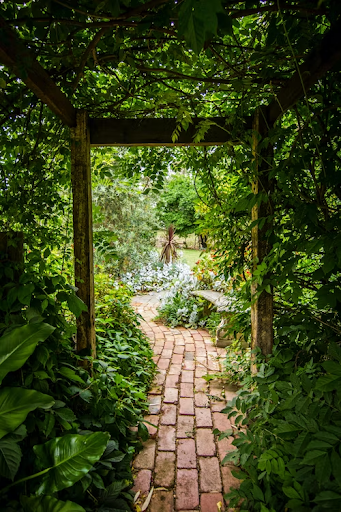
Landscaping has the power to transform a disordered and chaotic backyard into a harmonious and cohesive space. By adopting a holistic approach, landscaping brings together different elements and sections in your backyard, helping to enhance its natural beauty, points of interest, and overall harmony.
Whether it's the inclusion of winding serpentine paths or the strategic placement of flowers and plants to create a smooth color flow, landscaping has the ability to seamlessly transition between various areas, creating a unified and visually pleasing appearance to your backyard.
Environmentally-Friendly
Through landscaping design, you have the chance to incorporate improved gardening practices that foster environmental benefits. Embracing sustainable materials like reused brick and reclaimed wood for elements such as paving, patios, and pergolas not only reduces strain on landfill sites but also minimizes carbon emissions associated with manufacturing processes.
If undertaking an extensive backyard landscape design project, it is essential to consider environmental factors such as proper soil testing and, if necessary, contaminated soil removal to ensure a safe and healthy outdoor environment for your family and the surrounding ecosystem.
Water irrigation systems and rainwater collection through the use of water butts can also be incorporated into your landscaping design. Similarly, introducing native plants that are adapted to the local climate not only minimizes water consumption, time, and cost but also plays an important role in maintaining biodiversity. These plants serve as vital sources of food, nectar, and shelter for various pollinators, including birds, bees, and butterflies.
Energy Savings
Enhancing the landscape of your backyard offers more than just visual appeal. It can also yield significant savings in your heating and cooling expenses. Thoughtfully positioned trees, plants and shrubs can serve as natural insulation, acting as effective windbreaks during winter and enhancing airflow during hotter periods.
According to the Department of Energy, strategically placed trees alone can save up to 25% of the energy consumption within a typical household. By harnessing the power of landscaping, you can simultaneously beautify your property while reaping energy-saving benefits.
From cost savings to improved energy efficiency and the promotion of biodiversity, landscaping offers a range of benefits that can add to the value and enjoyment of your home.

How To Add an Unconventional Look to Your House
If you're tired of the typical home decor and want to add a touch of creativity to your house, there are endless ways to do it. You can easily transform your home into an unconventional space that reflects your personality and style. This blog post will explore some interesting ways to add unconventional style to your house that will make it stand out.
If you're tired of the typical home decor and want to add a touch of creativity to your house, there are endless ways to do it. You can easily transform your home into an unconventional space that reflects your personality and style. This blog post will explore some interesting ways to add unconventional style to your house that will make it stand out.
Unique Ceiling Fans
Most people don’t even think of ceiling fans as decoration, but they can add a significant impact on your home's overall look. If you want to add a touch of uniqueness to your living room or bedroom, consider installing a one-of-a-kind ceiling fan. Whether it’s an industrial ceiling fan or a fan with a retro design, a unique ceiling fan can make a statement and add character to your space.
Quirky Wall Art
Wall art can be an exciting and creative way to add an unconventional touch to your home. You can choose from a wide variety of designs and themes. Consider a gallery wall with a mix of quirky art pieces. You could also mix up different sizes, styles, and frame colors to create something visually interesting. Another idea is using book covers or old record covers to add color and interest to your walls.
Unusual Lighting
Lighting is an essential component in every home. But have you ever thought of choosing an unconventional light fixture? You can incorporate unique lamps, chandeliers, or even industrial-style lighting that will make your home stand out. Mix different textures in your light fixtures to add interest and create a unique look.
Bold Color Choices
Bold colors can create an exciting and unconventional look that will make your home stand out. Choose a statement color as an accent or consider experimenting with bold shades on walls or furniture pieces. If you're not ready to commit entirely, use bold color choices in small ways like bold artwork, throw pillows, and curtains.
Unique Furniture Pieces
An unconventional home must-have is unique furniture. If you want a home to look quirky and exciting, consider adding furniture that is unexpected and innovative. You could use an old suitcase as a coffee table, or repurpose a vintage dresser as a media console.
Your home is an extension of your personality and tastes. Adding unconventional style to your home is about experimenting and thinking outside the box. In this blog post, we've shared a few ideas to help you create a unique and exciting space that is an expression of your style. By incorporating unique ceiling fans, quirky wall art, unusual lighting, bold color choices, and unique furniture pieces, you can have a home that looks unlike anybody else's. So let your creativity flow and add a touch of unconventional style to your home!

The Transitional Home Decor Style and How to Achieve It
If you’re looking for a way to spruce up your home but you’re not sure in which style to decorate, transitional interior design might be just what you need. Transitional design is about achieving a balance of styles, making a space appealing and comfortable for all. Since it is known for mixing different aesthetics, you may be able to use many of the items you already have in your home for this spruce-up. In this article, you’ll learn a bit more about the key elements of transitional home decor and ways to implement it in your home.
If you’re looking for a way to spruce up your home but you’re not sure in which style to decorate, transitional interior design might be just what you need. Transitional design is about achieving a balance of styles, making a space appealing and comfortable for all. Since it is known for mixing different aesthetics, you may be able to use many of the items you already have in your home for this spruce-up. In this article, you’ll learn a bit more about the key elements of transitional home decor and ways to implement it in your home.
Transitional Design 101
The key goal of transitional design is harmony. To achieve harmony, you’ll have to mix different styles.
Mixing elements to achieve harmony might sound counterintuitive, but there are some tricks to get just the right dose without your interior becoming chaotic. You’ll want to bring together masculine and feminine, traditional and modern, luxury and comfort. This allows you to prioritize function over form.
To avoid a chaotic look, transitional design introduces a monochromatic and minimal aesthetic, together with textural richness. It includes layering styles and even playing with multiple looks.
This “game” does have a few rules, though. Let’s talk about them.
The Rule of Three
The key to a successful transition is to create a cohesive feel. To do that, use the furniture you have and want to keep. Pick three items you love, and search for common connections.
For example, your mid-century modern sectional might have the same color as your retro armchair. Maybe the armchair has some other element that ties in with the coffee table, and so on. As you continue to build the look, keep these connections in your mind and make sure the items you add to the picture fit into that trifecta.
Start with the Backdrop
Since the interior will house different design aspects, it’s important to set a neutral backdrop. This means you should paint the walls with natural, earthy tones. White, gray, and other neutral tones could work too. The most important thing is not to allow the wall colors to draw all attention to themselves. Think of them as an empty canvas for your art.
Textured natural coverings, such as bamboo blinds and wall coverings, are also good options. Other, richer tones and textures should be introduced through smaller items. This allows you to change and adapt the design later if you feel like it.
Create a Traditional Layout
Figuring out how to lay out the furniture is one of the most difficult things to get right. With transitional decor, things don’t have to be that complicated. In fact, you need to stick to classic layouts, such as a symmetrical layout for the living room. This works in any size and shape of the room — just place two sofas facing one another and separate them with a coffee table. L-shaped living rooms will also never go out of style. In the bedroom, the classic look would be placing the bed against the wall across from the door and two nightstands on the sides.
Function before Form
Since the goal of transitional design is to create a space that will be comfortable for all household members, your main priority should be creating a functional living space. In the living room, for example, this would mean sufficient seating (to host family members and guests), regardless of the different styles of the chairs and sofas. In the bedroom, this would include choosing the most comfortable mattress, preferably without fiberglass, and only then moving on to other aesthetic choices.
Play with Textures
The transitional style requires subtle colors but introduces dynamic through tone and texture. So, when choosing upholstery, consider fabrics such as leather, chenille, and suede. Also, use textural elements like rattan, glass, and wood. Notice that these materials are within the same color family, but the textures are the game changers. Pops of color can be introduced through details such as vases, flower pots, lamps, throw pillows, etc.
Incorporate Different Eras
Transitional decor combines traditional, modern, and casual furniture. Some of the signature pieces are round dining tables and L-shaped sectional areas. These can be combined with accent chairs from different eras and mid-century-inspired light fixtures. You can also pair a classic upholstered sofa with modern accent chairs in the living room. Adding a vintage area rug to contrast the streamlined furniture is a real transitional move.
Curvy and Straight
One of the key characteristics of the transitional style is combining curved and straight lines. This can be applied first and foremost through furniture selection. For example, sleek and streamlined dining room tables can be combined with curvy ornate chairs. Or an ornate bed frame can pair with sharp-lined nightstands. The possibilities are endless.
In Closing
Transitional design gives you a lot of freedom in terms of choosing and combining different elements. Just start with the “rule of three,” and you’ll be able to achieve it almost effortlessly.

How to Find Balance Between Home Decor and Clutter
Achieve the perfect balance between home decor and clutter with expert tips on organization, design, and creating harmonious spaces.
Creating a harmonious living space can be both an exciting and challenging task. When trying to strike the perfect balance between home decor and clutter, it becomes especially difficult. This article will explore the importance of finding the right balance for a comfortable and stylish home. We'll discuss the differences between decor and clutter, provide tips for achieving the perfect balance, and explore how minimalism can help maintain a clean, organized space.
Understanding the Difference Between Decor and Clutter
Home decor refers to the decorative elements we use to enhance the aesthetic appeal of our living spaces. Good examples of those are artwork, lighting, and furniture. On the other hand, clutter consists of unnecessary or disorganized items. They can detract from a room's overall look and feel, making the space appear messy and uninviting. It's essential to differentiate between the two. It helps to distinguish between what adds value to our homes and what takes away from it. For example, a beautifully framed family photo can be considered decor.
On the other hand, a pile of unsorted mail on the counter is cluttered. By recognizing the difference, you can make more informed decisions when organizing and decorating your home. That way, you’ll ensure that you create a space that is both visually appealing and functional.
Tips for Achieving the Perfect Balance Between Home Decor and Clutter
To maintain a well-organized and stylish home, consider the following tips, including expert advice on moving and storage:
Decluttering: Keep only the items you genuinely love and need. This will help reduce the amount of clutter in your home, leaving more space for your decor items.
Experts on moving from beltwaymovers.com advise the following: Before moving, take the opportunity to declutter and donate or discard items that no longer serve a purpose. This will make the moving process smoother and help you start fresh in your new space.
Choosing the right storage solutions: Invest in functional storage solutions like shelves, cabinets, or baskets to organize your belongings. Professional organizers suggest categorizing items and storing them according to their type or use. That will make locating and accessing them easier.
Incorporating multi-functional furniture: Furniture with built-in storage can help keep clutter at bay while providing additional space for your decor.
Regularly reassessing and reorganizing your space: Schedule time every few months to evaluate your home and make necessary adjustments to maintain your home interior and clutter in a healthy balance.
The Art of Display: Showcasing Your Home Decor in Style
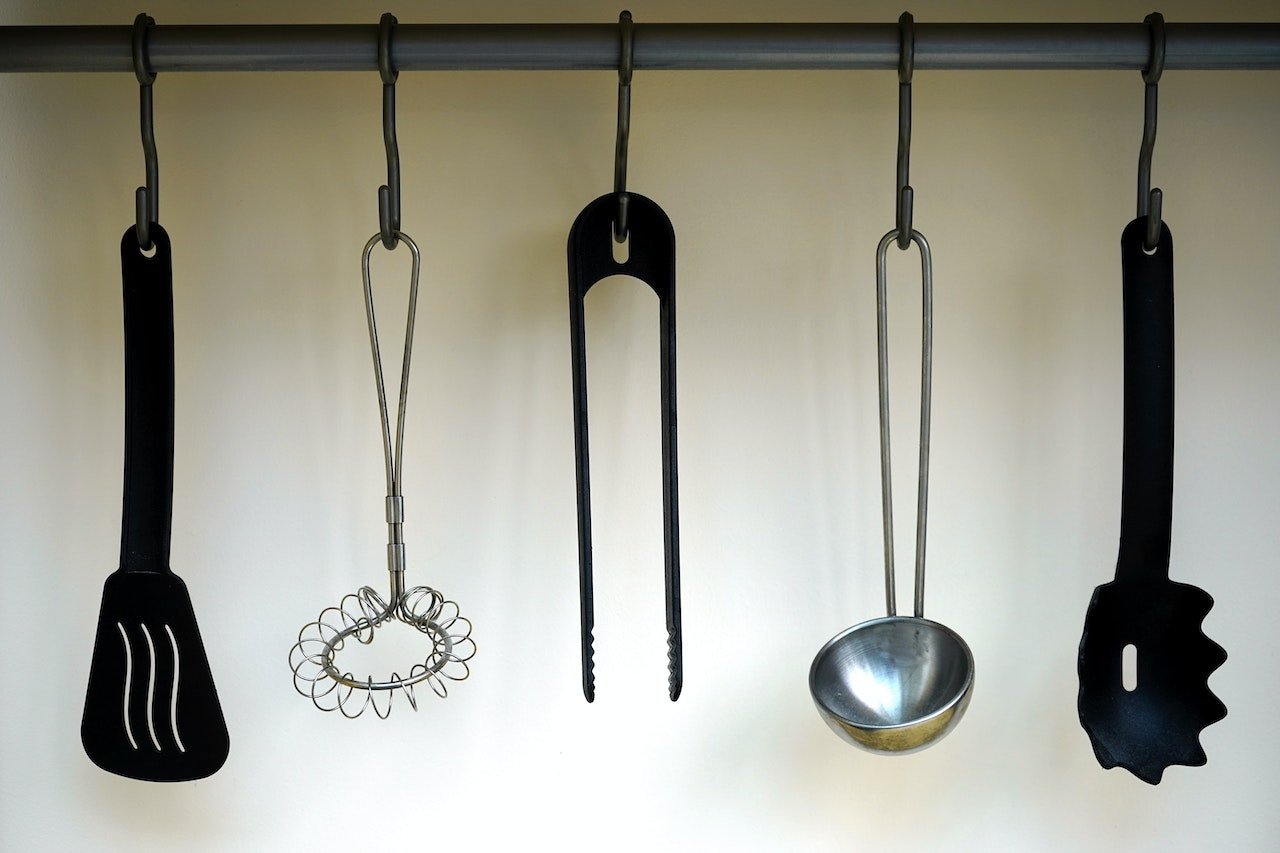
Creating visually appealing spaces is essential, especially in small kitchens. There, efficient use of space is crucial for balancing decor and functionality. Start by grouping similar items, like utensils or dishware, to create a cohesive and attractive arrangement. Designate a central point or focal area in your kitchen to draw the eye and establish a clear visual hierarchy. Use wall-mounted shelves or hanging storage solutions to display your decor items and organize kitchen essentials to save valuable floor space. Rotating your decor items seasonally can keep your space feeling fresh and interesting. That method allows you to adapt your kitchen's look according to your evolving tastes. By implementing these techniques, you can maximize your small kitchen's aesthetic appeal and functionality without contributing to clutter.
The Role of Minimalism in Balancing Your Home Decor and Clutter

Minimalism is an approach to home decor that emphasizes simplicity and functionality. By embracing minimalism in your living space, you can create a less cluttered and visually appealing environment. When buying your first house, it's important to consider whether the layout and design of the space align with your minimalist preferences. This will ensure you can effectively implement minimalist design principles in your new home. Minimalist design principles can help you achieve the delicate balance we are discussing here by encouraging you to choose only the most essential and meaningful items for your space. This results in a clean, organized, visually appealing environment free from unnecessary distractions.
Find You a Solution that is Unique to You and Your Home
It's important to recognize that everyone's ideal home decor/clutter balance is different. To create a space that reflects your personality and lifestyle:
Take inspiration from various sources.
Go through magazines, social media, and consult your preferences.
As you prepare for a significant change, like moving to a new home, consider the opportunity to free up space before relocation by decluttering your garage and other storage areas.
This process will help you reassess your items, allowing you to bring only the most meaningful and essential belongings to your new space. Don't be afraid to experiment with different styles and arrangements until you find the perfect balance that works for you and your home.
Achieving Balance in Bedroom Design

Creating a relaxing and comfortable bedroom sanctuary requires striking the right balance between your home decor and clutter. Consider these tips to ensure a stylish and clutter-free space:
Prioritize functionality: opt for multi-purpose furniture, like beds with built-in storage or nightstands with drawers, to keep belongings organized and minimize clutter.
Limit decorative items: Choose a few statement pieces, such as artwork or cushions, to add personality without overwhelming the room.
Keep surfaces clear: Maintain clean surfaces on dressers and nightstands, promoting a sense of calm and order. Regular decluttering and tidying contribute to a serene atmosphere.
Opt for soothing colors: Select a color palette that encourages relaxation and tranquility, with light, neutral shades often recommended for their calming properties.
These design principles allow for a well-balanced bedroom design, providing an enjoyable personal retreat to unwind in after a long day.
Conclusion
Striking the perfect balance between home decor and clutter is essential for crafting a comfortable, stylish, and functional living space. By understanding the difference between decor and clutter, implementing practical organization tips, embracing minimalist design principles, and addressing the unique needs of different rooms like small kitchens and bedrooms, you can design a home that is truly in sync with your personality and lifestyle. Remember, finding the right balance is a personal journey. So don't be afraid to experiment and evolve your space as your needs and preferences change.

