

A resource for those seeking information on organizing and transforming spaces.
How to Design a Space That Nurtures Your Well-being
In our fast-paced modern lives, the importance of well-being cannot be overstated. Amidst the chaos and demands of daily life, creating a sanctuary that fosters mental and physical health is crucial. The spaces we inhabit have a profound impact on our overall well-being, influencing our mood, productivity, and even our relationships. This article delves into the art and science of designing a space that nurtures your well-being, exploring key elements and principles that can transform your environment into a haven of tranquility and vitality.
In our fast-paced modern lives, the importance of well-being cannot be overstated. Amidst the chaos and demands of daily life, creating a sanctuary that fosters mental and physical health is crucial. The spaces we inhabit have a profound impact on our overall well-being, influencing our mood, productivity, and even our relationships. This article delves into the art and science of designing a space that nurtures your well-being, exploring key elements and principles that can transform your environment into a haven of tranquility and vitality.
Understanding the Mind-Body Connection
In the pursuit of designing a space that genuinely nurtures well-being, it is imperative to delve into the intricate relationship between our physical environment and our mental and emotional states. The concept of the mind-body connection underscores that the spaces we inhabit are not merely physical constructs; they are powerful influencers of our psychological well-being. Numerous studies in psychology and neuroscience have illuminated the profound impact that our surroundings can have on stress levels, cognitive function, and even immune response.
Scientific evidence supports the idea that exposure to certain environmental stimuli can trigger physiological and psychological responses. For example, a room flooded with natural light has been shown to positively influence serotonin levels, the neurotransmitter associated with mood regulation. On the other hand, spaces characterized by artificial lighting and a lack of connection to the outdoors can contribute to feelings of lethargy and disconnection.
Embracing Natural Light and Biophilic Design
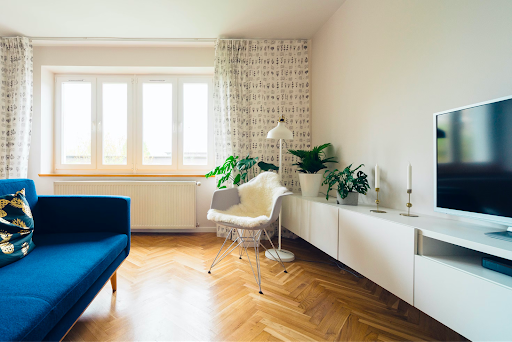
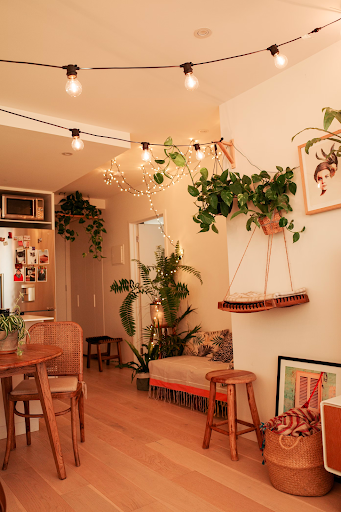
One of the cornerstones of well-being-centric design is the integration of natural light and biophilic elements. Exposure to natural light has been linked to improved mood, better sleep quality, and increased productivity. Biophilic design, which incorporates nature-inspired elements into indoor spaces, further enhances well-being by fostering a connection to the natural world. Whether through large windows, indoor plants, natural materials, or this type of planter, bringing the outdoors in can have a transformative effect on the ambiance and feel of a space. Embracing these design principles not only promotes a healthier and happier environment but also contributes to a more sustainable and harmonious living or working space.
Mindful Color and Texture Selection
The colors and textures in your living or working space play a pivotal role in influencing your psychological well-being. Different hues evoke various emotions, and understanding the psychology of color allows for intentional design choices. Soft, muted tones can create a calming atmosphere, while vibrant colors can stimulate creativity and energy. Similarly, the textures of furniture and decor contribute to the tactile experience of a space. Choosing materials that appeal to the senses and align with your well-being goals enhances the overall comfort and harmony of your environment.
Personalization and Expression
Well-being is a deeply personal journey, and your space should reflect your unique identity and aspirations. Personalization goes beyond mere decoration; it involves curating a space that resonates with your values and supports your goals. Whether through artwork, cherished mementos, or purposeful furniture arrangements, infusing your space with elements that hold personal significance fosters a sense of belonging and emotional well-being. The act of creating a space that feels uniquely yours can be empowering and affirming.
Prioritizing Functionality and Organization
An often overlooked aspect of well-being-centric design is the importance of functionality and organization. A cluttered and disorganized space can contribute to feelings of stress and overwhelm. Implementing practical storage solutions, optimizing furniture layouts, and decluttering regularly are essential steps in creating a harmonious environment. A well-organized space not only promotes efficiency and productivity but also contributes to a sense of mental clarity and calm.
Integrating Technology Mindfully
In our digital age, the role of technology in our well-being cannot be ignored. While technology can enhance our lives in numerous ways, it's crucial to approach its integration into our spaces mindfully. Creating designated tech-free zones, incorporating ergonomic furniture, and considering the impact of screen time on sleep patterns are all vital aspects of a technology-aware well-being design. Balancing the convenience of modern technology with the need for mental and physical health is key to achieving a holistic approach to space design.
Designing a space that nurtures well-being is a multidimensional endeavor that requires a thoughtful blend of science and art. By understanding the mind-body connection, embracing natural elements, mindful color and texture selection, personalization, prioritizing functionality, and integrating technology with awareness, you can create an environment that supports and enhances your overall well-being. The journey to well-being through intentional design is a continuous process of self-discovery and refinement, ultimately leading to a space that not only looks beautiful but also contributes positively to your physical and mental health. As you embark on this transformative journey, remember that your space has the potential to be a sanctuary that promotes well-being, vitality, and a profound sense of balance in your life.

Decoding Home Design and Organization: Your Step-by-Step Handbook
Welcome to the world of home design and organization! Whether you are a new homeowner looking to decorate your space or someone trying to revamp their existing home, this topic is for you. In this guide, we will explore different tips, tricks, and trends in home design and organization that can help transform your living space into a sanctuary.
Welcome to the world of home design and organization! Whether you are a new homeowner looking to decorate your space or someone trying to revamp their existing home, this topic is for you. In this guide, we will explore different tips, tricks, and trends in home design and organization that can help transform your living space into a sanctuary.
Designing and organizing your home is a constant process, and it can feel overwhelming at times. But don't worry, we've got you covered. With our step-by-step handbook, you will learn how to approach each aspect of home design and organization in a practical and efficient way. So let's get started!
Understanding Your Space
The first step towards designing and organizing your home is understanding the space you have. This includes taking note of the size, layout, lighting, and any architectural features that may affect your design choices. This will also help you identify any problem areas that need special attention.
Additionally, consider the purpose of each room in your house. Is it a place for relaxation, work, or entertainment? Understanding the function of a room will guide your design and organization decisions.
Setting Goals
Once you have a good understanding of your space, it's time to set goals for your home design and organization. Ask yourself what you want to achieve with each room. Do you want to create a cozy and inviting living room? Or do you need more storage solutions in the kitchen?
Setting specific goals will give you a clear direction and help you prioritize your design and organization tasks.
Choosing a Style
Now comes the fun part - choosing a style for your home. From modern to farmhouse, there are endless styles to choose from. The key is to find a style that resonates with you and reflects your personality. Don't be afraid to mix and match different elements to create a unique look.
Keep in mind that your style should also be functional. Consider your lifestyle and the needs of your household when making design choices.
The Power of Decluttering
Before you start decorating, it's important to declutter and organize your space. This not only creates physical space but also helps clear your mind and promote a sense of calm.
Start by going through each room and getting rid of items that you no longer need or use. Invest in storage solutions to keep your belongings organized and out of sight.
The Art of Layering
Layering is a crucial aspect of home design. It adds depth, texture, and visual interest to a room. When layering, consider different elements such as colors, patterns, textures, and lighting. Don't be afraid to mix and match different pieces to create a cohesive look. And, remember to leave negative space for a balanced and clutter-free design.
Bringing in Elements of Nature
Nature has a powerful impact on our well-being, so why not bring it into your home? Adding natural elements such as plants, flowers, and natural materials can instantly add life and warmth to any room. Not only do they provide aesthetic value, but they also have air-purifying properties and can improve indoor air quality. Plus, taking care of plants can be a therapeutic and fulfilling activity.
Embracing Functionality
When it comes to organizing your home, functionality should always be a top priority. Consider how you use each room and strategically place furniture and storage solutions accordingly. Don't sacrifice functionality for aesthetics, as this will only lead to frustration in the long run. Even small spaces can be organized in a functional and stylish way. As the saying goes, "a place for everything and everything in its place."
Bathroom Should Be a Sanctuary
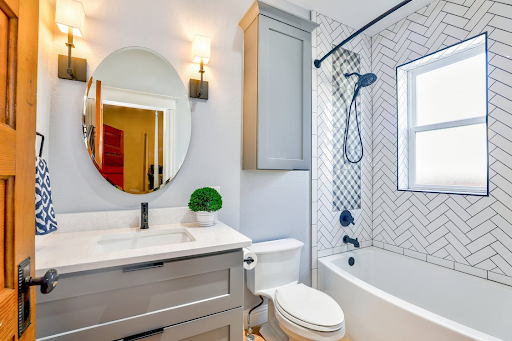
While the bathroom may not be a room that you showcase to guests, it is still an important space in your home. It's where you start and end your day, so creating a relaxing and organized atmosphere is essential. Invest in storage solutions to keep toiletries out of sight, add candles or essential oils for a spa-like ambiance, and incorporate calming colors for a soothing effect.
Also, keep in mind that choosing the right tiles and fixtures can make a big difference in the overall look of your bathroom. And, tiles with picket pattern are a trendy and timeless choice. Not only do they add character, but they also make the space look bigger.
Designing and organizing your home is an ongoing process, so don't feel pressured to get everything done at once. Take it one room at a time, and remember that functionality and personal style should always go hand in hand. With this handbook as your guide, you'll be on your way to creating a space that truly feels like home. Happy decorating!

Innovative Living: The Latest Trends in Barndominium Design
In recent years, the popularity of barndominium design has soared among homeowners in Texas. These unique homes offer a blend of charm and modern conveniences, making them the epitome of innovative living. Whether you're considering building a brand-new barndominium or renovating an existing one, staying up to date with the prevailing trends in Texas barndominiums can help you create a space that is functional, stylish, and truly personalized. In this article, we delve into some of the trends in barndominium design that are shaping the way people live today.
We partnered with a home improvement company for this post. The opinions in the post are honest. All reviews and opinions expressed in this post are based on our personal views. We are excited because we know you will love it.

In recent years, the popularity of barndominium design has soared among homeowners in Texas. These unique homes offer a blend of charm and modern conveniences, making them the epitome of innovative living. Whether you're considering building a brand-new barndominium or renovating an existing one, staying up to date with the prevailing trends in Texas barndominiums can help you create a space that is functional, stylish, and truly personalized. In this article, we delve into some of the trends in barndominium design that are shaping the way people live today.
1. Open Concept Floor Plans
Opening up spaces has been a trend in home design for quite some time now, and it's equally applicable to barndominium plans in Texas. These structures often boast areas that facilitate seamless flow between different sections. By eliminating walls and partitions, open-concept floor plans maximize light and foster an airy and spacious ambiance.
2. Industrial Aesthetics
Embracing their origins, many contemporary barndominium designs incorporate industrial elements into their aesthetics. This ongoing trend involves integrating materials like exposed metal beams, accents made from wood, concrete floors, and large windows with steel frames. These industrial touches provide barndominiums with a combination of strength and sophistication.
3. Living Spaces with Multiple Purposes
Barndominium owners are increasingly creating spaces that can adapt to multiple needs. They combine living and work areas and design rooms that serve several functions for hobbies or entertainment. Homeowners value versatility as they seek solutions to meet their changing lifestyle demands.
4. Sustainability Features
In architecture, sustainable practices have become a crucial point, and barndominiums are no exception. Incorporating eco-friendly elements, like energy-efficient windows, green roofing systems for insulation, rainwater harvesting systems, and solar panels, not only helps reduce the environmental impact but also leads to long-term savings on utility bills.
5. Integration of Smart Home Technology
The advent of smart technology has revolutionized our lives, and barndominium owners eagerly embrace these advancements. Integrating smart home features such as automated lighting, thermostats, security systems, and voice-controlled assistants like Alexa or Google Home adds convenience and a modern touch to their homes.
6. Designing Spaces for Outdoor Living
Barndominiums often occupy plots of land surrounding them; therefore, it's natural to design spaces that enhance living experiences. Incorporating features like kitchen areas with roofs, outdoor fireplaces or pits, and comfortable seating options on decks or patios can greatly enhance homeowners’ enjoyment of their space.
7. Customization
One of the main attractions of living in a barndominium is the ability to personalize your living space. By customizing your home, you can create a sanctuary that reflects your unique style and meets your specific needs. From selecting finishes and colors to adding personal touches like sliding doors or personalized signs outside, the possibilities are endless!
8. Inclusive Spaces for Aging in Comfort
Another growing trend is designing barndominiums to accommodate aging homeowners who wish to spend their remaining years in their homes. These considerate designs incorporate doorways for wheelchair accessibility and walk-in showers with safety features such as grab bars and non-slip flooring materials.
9. Embracing Natural Materials
The use of natural materials continues to captivate barndominium owners. By incorporating elements like stone or brick walls, reclaimed wood accents, and exposed beams, you can infuse your space with warmth and authenticity. These natural materials not only enhance the aesthetic value but also foster a connection with the surrounding environment.
10. Efficient Storage Solutions
The significance of well-planned storage solutions cannot be ignored when it comes to any living space, including barndominiums. It's crucial to maximize storage while keeping the environment organized and free from clutter. Designers are coming up with a number of solutions, such as built-in shelving units, custom cabinetry, and hidden storage options to ensure storage without compromising style or functionality.
Conclusion
These current trends in barndominium design offer homeowners a range of possibilities when it comes to building or renovating their dream spaces. Whether they prioritize sustainable practices, open floor plans, industrial aesthetics, versatility, smart home integration, outdoor living areas, customization, inclusive design for aging populations, natural materials usage, or efficient storage solutions – the goal is always to create spaces that reflect each individual’s unique lifestyle and vision.

Enhancing Everyday Living: Strategies for a More Functional Home
Welcome to our blog, where we explore ways to enrich and elevate your everyday life. Our homes are not just mere structures that provide shelter, but they also serve as a sanctuary where we can relax, unwind, and create memories with our loved ones. As such, it's important for our homes to be functional spaces that meet the needs of our daily lives. In this post, we'll delve into practical strategies on how to enhance the functionality of your home, making it a more enjoyable and efficient place to live in. Whether you're looking for tips on decluttering and organizing or ways to improve the flow of your space, we've got you covered. So sit back, grab a cup of coffee (or tea), and let's dive into creating a home that works for you!
Welcome to our blog, where we explore ways to enrich and elevate your everyday life. Our homes are not just mere structures that provide shelter, but they also serve as a sanctuary where we can relax, unwind, and create memories with our loved ones. As such, it's important for our homes to be functional spaces that meet the needs of our daily lives. In this post, we'll delve into practical strategies on how to enhance the functionality of your home, making it a more enjoyable and efficient place to live in. Whether you're looking for tips on decluttering and organizing or ways to improve the flow of your space, we've got you covered. So sit back, grab a cup of coffee (or tea), and let's dive into creating a home that works for you!
Declutter and Organize
The first step towards creating a more functional home is to declutter and organize your space. Clutter not only affects the visual appeal of your home, but it can also create unnecessary stress and make it difficult to find things when you need them. Start by going through each room and getting rid of items that you no longer use or need. This could include old clothes, expired pantry items, or unused gadgets. Consider donating or selling items that are in good condition but no longer serve a purpose in your life.
Improve Flow and Functionality
One of the keys to a functional home is good flow. This refers to the ease of movement and navigation within a space. Poor flow can make a room feel cramped and uncomfortable, while good flow can make it feel open and spacious. To improve the flow in your home, start by rearranging furniture to create clear pathways and maximize space. Consider removing any unnecessary pieces of furniture or decor that may be blocking the natural flow. An interior designer can provide expert advice on how to arrange your space for optimal functionality and aesthetics, considering factors such as color, lighting, and material choices to create a harmonious and inviting environment.
Another way to enhance functionality is by creating designated zones for different activities. For example, you can have a dedicated work area in your living room or a reading nook in your bedroom. This not only adds purpose to each space but also helps keep clutter and distractions at bay.
Refurbish, Reupholster, Replace, Recycle
Breathing new life into your home doesn't always mean buying brand-new items. It can also mean refurbishing, reupholstering, replacing parts, and recycling existing pieces. For instance, a worn-out sofa can be reupholstered with fresh fabric, giving it a brand-new look and extended life. Likewise, instead of discarding a classic cane chair that's seen better days, consider chair cane replacements that can restore its elegance and prolong its usability, adding a charming vintage touch to your home decor. Similarly, an old piece of furniture can be refurbished by giving it a fresh coat of paint or changing its hardware.
Even seemingly outdated items like vintage lamps or antique tables can serve as unique home decor pieces with just a little bit of creativity and effort. Recycling also plays a vital role in maintaining a functional home. Old jars can become charming flower vases, while unused baskets can be repurposed as storage bins. Remember, the goal is to make the most out of what you already have, instead of constantly buying new things.
Bring Nature Indoors
Bringing elements of nature into your home can have numerous benefits for your well-being. Plants not only add visual appeal to a space, but they also improve air quality and reduce stress levels. Consider incorporating indoor plants into your home decor, whether it's a small succulent on your windowsill or a large statement plant in the corner of a room. You can also bring nature indoors through natural materials such as wood, stone, and natural fibers. These materials add warmth and texture to a space, creating a more inviting and cozy atmosphere.
Embrace the Power of Smart Home Technology
Living in the digital era has opened up a world of possibilities, especially when it comes to smart home technologies. These innovative solutions are designed to simplify and streamline our lives, making them more efficient than ever before. Imagine controlling every aspect of your home with just a voice command, from adjusting the lighting to setting the perfect temperature. With these advancements, you can transform your living space into a truly intelligent and intuitive environment.
Not only do smart home technologies offer convenience, but they also contribute to saving valuable time and energy. By automating various tasks, you can focus on what truly matters to you, whether it's spending quality time with loved ones or pursuing your passions. Take a step forward and unlock the potential of smart home technology – it's time to experience a new level of comfort and efficiency!
Harness the Power of Light

The right lighting can dramatically transform your home, influencing both its aesthetics and ambiance. Natural light should be maximized wherever possible, as it not only creates an inviting atmosphere but also contributes to your overall mood and well-being. Use light, sheer curtains or blinds that allow daylight to filter in, or strategically place mirrors to reflect light and brighten up the space. Artificial lighting is equally important and should be layered depending on the function and size of the room. A combination of ambient, task, and accent lighting allows you to adjust the mood and functionality of your space to suit different occasions or times of day.
Enhancing the functionality and comfort of your home doesn't have to be a daunting task. By implementing the strategies we've discussed - from decluttering and organizing to improving flow, refurbishing existing items, bringing nature indoors, embracing smart home technologies, and harnessing the power of light - you can transform your living space into a sanctuary that meets your unique needs and preferences. Remember, the goal is to create a home that not only looks good but also makes everyday living more enjoyable and efficient. We hope these tips inspire you to take the next steps in enhancing your home and enriching your life!