

A resource for those seeking information on organizing and transforming spaces.

Transform Your Bathroom: A Step By Step Guide
Imagine stepping into a bathroom that feels like a luxurious spa retreat every day. Your bathroom is more than just a functional space - it's a sanctuary where you begin and end your day. If you're ready to transform your bathroom into a haven of relaxation and style, this step-by-step guide is for you.
Imagine stepping into a bathroom that feels like a luxurious spa retreat every day. Your bathroom is more than just a functional space - it's a sanctuary where you begin and end your day. If you're ready to transform your bathroom into a haven of relaxation and style, this step-by-step guide is for you.
Choose Stylish and Functional Tiles
When finding the perfect tiles for your bathroom, striking a balance between style and functionality is paramount. Opt for materials like ceramic or porcelain that offer durability and easy maintenance, ensuring longevity without compromising on aesthetics. Consider the visual impact of the tiles, choosing colors and patterns that complement your overall bathroom design. When in doubt, go neutral — something like terracotta tiles never go out of style. Large-format tiles can make a small space feel more expansive, while textured or patterned tiles add depth and interest. Prioritize slip-resistant options, especially for shower floors, to enhance safety. Additionally, selecting tiles with low porosity will protect against moisture damage.
Declutter and Organize
Start your bathroom transformation by decluttering and organizing. Toss out expired products, free up counter space, and invest in storage solutions. Clear surfaces not only enhance aesthetics but also make your bathroom easier to clean. Consider baskets, shelves, and cabinets to keep essentials within reach while maintaining a tidy environment.
Streamline Your Essentials
Begin by identifying the essential items you use regularly in your bathroom. Keep only what you need and use, discarding expired products or those you rarely touch. This not only frees up valuable space but also ensures that your bathroom is a functional and efficient space.
Invest in Storage Solutions
Utilize baskets, shelves, and cabinets to keep your bathroom organized. Invest in storage solutions that suit your space and style, helping to keep toiletries, towels, and other items neatly tucked away. Open shelving can display decorative items or frequently used products, adding a touch of personality to the room.
Minimalist Approach
Adopt a minimalist approach to design by keeping surfaces clear and uncluttered. This creates a serene atmosphere and makes cleaning a breeze. Simplify your bathroom routine by only keeping the essentials within easy reach, contributing to a more efficient and enjoyable daily experience.
Regular Maintenance
Once you've decluttered and organized, establish a routine for maintaining order. Regularly go through your bathroom items, discarding expired products and reorganizing as needed. This proactive approach prevents clutter from accumulating and ensures that your bathroom remains a well-organized and inviting space.
Upgrade Your Lighting
Lighting sets the tone in any space, and the bathroom is no exception. Swap out harsh overhead lighting for softer, more flattering options. Install a mix of task lighting, such as vanity lights, and ambient lighting for an inviting atmosphere. Consider energy-efficient LED bulbs for a bright, natural glow that's easy on the eyes.
Refresh Your Fixtures
Outdated fixtures can make a bathroom feel stuck in the past. Upgrade faucets, showerheads, and cabinet hardware for instant modernization. Opt for finishes that complement your overall design theme, whether it's sleek chrome, warm bronze, or timeless brushed nickel. This simple change can significantly elevate the aesthetic of your bathroom.
Upgrade Faucets
Invest in modern and water-efficient faucets to enhance both functionality and style. Choose designs that align with your overall aesthetic, whether it's a sleek, single-handle option or a classic widespread faucet. The right faucet can become a focal point while improving the efficiency of your daily routines.
Modernize Showerheads
Upgrade your shower experience by installing a new showerhead. Choose options that offer adjustable settings for different water pressures and spray patterns. Consider rainfall showerheads for a luxurious feel or handheld options for added flexibility. This small change can have a big impact on your daily comfort and enjoyment.
Swap Cabinet Hardware
Don't overlook the impact of cabinet hardware on the overall look of your bathroom. Replace outdated or worn-out handles and knobs with stylish alternatives. Whether you prefer the clean lines of contemporary hardware or the classic charm of traditional designs, this quick update adds a polished finish to your bathroom cabinets.
Create a Spa-Like Atmosphere
Turn your bathroom into a spa-like retreat by incorporating elements that evoke tranquility. Consider adding plants, scented candles, or essential oil diffusers. Soft, plush towels and a comfortable bath mat contribute to the overall sensory experience. Create a dedicated relaxation space within your bathroom, whether it's a cozy reading nook or a comfortable seating area.
Introduce Statement Pieces

Make a bold statement with a few carefully chosen elements. Upgrade your mirror to a stylish and functional design that complements your overall theme. Consider a unique vanity, a decorative backsplash, or an eye-catching shower curtain. These statement pieces can transform the entire look of your bathroom without a major renovation.
Transforming your bathroom doesn't have to be a daunting task. By decluttering, updating lighting and fixtures, choosing functional flooring, creating a spa-like atmosphere, and introducing statement pieces, you can turn your bathroom into a stylish and relaxing oasis. Take the time to personalize the space according to your taste and preferences.
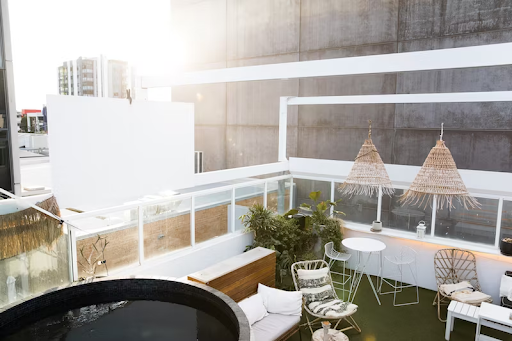
How to Harmonize Nature and Comfort in Your Outdoor Space
Creating a harmonious blend of nature and comfort in your outdoor space is a rewarding endeavor that brings tranquility and joy to your life. Whether you have a sprawling backyard, a cozy balcony, or a small patio, there are ways to infuse the beauty of the natural world into your outdoor living area without sacrificing comfort. In this guide, we'll explore six key strategies to help you achieve the perfect balance between the serenity of nature and the luxurious comfort you crave in your outdoor oasis.
Creating a harmonious blend of nature and comfort in your outdoor space is a rewarding endeavor that brings tranquility and joy to your life. Whether you have a sprawling backyard, a cozy balcony, or a small patio, there are ways to infuse the beauty of the natural world into your outdoor living area without sacrificing comfort. In this guide, we'll explore six key strategies to help you achieve the perfect balance between the serenity of nature and the luxurious comfort you crave in your outdoor oasis.
Embrace Natural Materials
One of the fundamental ways to harmonize nature and comfort is to incorporate natural materials into your outdoor space. Opt for wooden furniture that blends seamlessly with the environment, creating a warm and earthy atmosphere. Teak, cedar, and eucalyptus are excellent choices for outdoor furniture due to their durability and resistance to the elements. Additionally, consider using stone or gravel for pathways and patios, bringing the grounding energy of nature to your outdoor living area.
Integrate organic textiles such as cotton or linen for cushions and upholstery, providing a soft and inviting touch. Earthy color palettes, inspired by the surrounding landscape, can further enhance the connection between your outdoor living space and the natural world. By embracing natural materials, you not only create a visually pleasing environment but also foster a sense of authenticity and tranquility.
Cultivate a Lush Green Oasis
Nothing harmonizes with nature better than lush greenery. Transform your outdoor space into a verdant oasis by strategically placing potted plants, hanging baskets, and garden beds. Choose a variety of plants with different shapes, sizes, and textures to add visual interest and mimic the diversity of the natural world.
Incorporate native plants that thrive in your region, creating a symbiotic relationship with the local ecosystem. Install vertical gardens or trellises to maximize space and introduce a vertical element to your outdoor haven.
Create Intimate Seating Areas
To achieve a harmonious balance between nature and comfort, design intimate seating areas that invite relaxation and contemplation. Arrange outdoor furniture in cozy groupings, allowing for easy conversation and fostering a sense of intimacy. Consider incorporating natural elements into the seating arrangements, such as tree stump tables or driftwood accents, to further enhance the connection with the outdoors.
Invest in comfortable and weather-resistant furniture with plush cushions and throws, making your outdoor space as inviting as your indoor living room. By creating intimate seating areas, you encourage a seamless transition between the comfort of your home and the beauty of the natural surroundings.
Harness the Power of Ambient Lighting
Extend the enjoyment of your outdoor space into the evening by incorporating ambient lighting. Choose lighting fixtures that complement the natural setting, such as string lights, lanterns, or solar-powered pathway lights. These additions not only enhance the visual appeal of your outdoor space but also provide a warm and inviting atmosphere.
Experiment with different lighting levels to create a harmonious balance between brightness and shadow, mimicking the interplay of natural light during different times of the day. Consider installing outdoor candles or a fire pit to add a touch of coziness and create a focal point for gatherings.
Incorporate Water Features for Tranquility
Integrating water features into your outdoor space adds a calming and natural element that harmonizes with the environment. Consider installing a small fountain, pond, or even a simple birdbath to attract local wildlife. The sound of flowing water creates a soothing ambiance, masking unwanted noise and promoting relaxation.
Choose water features that fit the scale of your outdoor space, ensuring they enhance rather than overpower the natural surroundings. Additionally, strategically place seating near the water elements to fully appreciate the tranquility they bring. By incorporating water features, you not only elevate the aesthetic appeal of your outdoor oasis but also create a peaceful retreat that resonates with the soothing sounds of nature.
Engage the Senses with Outdoor Accents

To truly harmonize nature and comfort, engage all the senses through carefully selected outdoor accents. Consider wind chimes that produce soft melodies, adding an auditory dimension to your outdoor space. Place aromatic plants, such as lavender or rosemary, near seating areas to infuse the air with pleasant scents.
Introduce tactile elements like textured throws, outdoor rugs, or hammocks that invite touch and create a sensory-rich experience. Outdoor art, such as sculptures or murals inspired by nature, can serve as focal points and enhance the visual appeal of your outdoor haven. By engaging the senses, you create a holistic and immersive outdoor environment that resonates with both comfort and nature.
In conclusion, achieving a harmonious balance between nature and comfort in your outdoor space is a rewarding and creative endeavor. By embracing natural materials, cultivating greenery, creating intimate seating areas, incorporating ambient lighting, adding water features, and engaging the senses with outdoor accents, you can transform your outdoor space into a sanctuary that seamlessly blends with the beauty of the natural world. Remember that the key is to create a space that reflects your personal style and enhances your connection with nature. Whether you have a sprawling garden or a compact balcony, these strategies can be adapted to suit your specific outdoor environment.
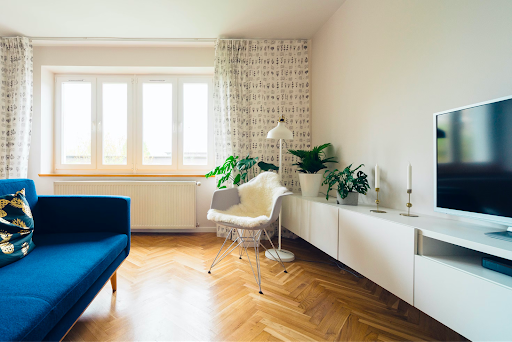
How to Design a Space That Nurtures Your Well-being
In our fast-paced modern lives, the importance of well-being cannot be overstated. Amidst the chaos and demands of daily life, creating a sanctuary that fosters mental and physical health is crucial. The spaces we inhabit have a profound impact on our overall well-being, influencing our mood, productivity, and even our relationships. This article delves into the art and science of designing a space that nurtures your well-being, exploring key elements and principles that can transform your environment into a haven of tranquility and vitality.
In our fast-paced modern lives, the importance of well-being cannot be overstated. Amidst the chaos and demands of daily life, creating a sanctuary that fosters mental and physical health is crucial. The spaces we inhabit have a profound impact on our overall well-being, influencing our mood, productivity, and even our relationships. This article delves into the art and science of designing a space that nurtures your well-being, exploring key elements and principles that can transform your environment into a haven of tranquility and vitality.
Understanding the Mind-Body Connection
In the pursuit of designing a space that genuinely nurtures well-being, it is imperative to delve into the intricate relationship between our physical environment and our mental and emotional states. The concept of the mind-body connection underscores that the spaces we inhabit are not merely physical constructs; they are powerful influencers of our psychological well-being. Numerous studies in psychology and neuroscience have illuminated the profound impact that our surroundings can have on stress levels, cognitive function, and even immune response.
Scientific evidence supports the idea that exposure to certain environmental stimuli can trigger physiological and psychological responses. For example, a room flooded with natural light has been shown to positively influence serotonin levels, the neurotransmitter associated with mood regulation. On the other hand, spaces characterized by artificial lighting and a lack of connection to the outdoors can contribute to feelings of lethargy and disconnection.
Embracing Natural Light and Biophilic Design
One of the cornerstones of well-being-centric design is the integration of natural light and biophilic elements. Exposure to natural light has been linked to improved mood, better sleep quality, and increased productivity. Biophilic design, which incorporates nature-inspired elements into indoor spaces, further enhances well-being by fostering a connection to the natural world. Whether through large windows, indoor plants, natural materials, or this type of planter, bringing the outdoors in can have a transformative effect on the ambiance and feel of a space. Embracing these design principles not only promotes a healthier and happier environment but also contributes to a more sustainable and harmonious living or working space.
Mindful Color and Texture Selection
The colors and textures in your living or working space play a pivotal role in influencing your psychological well-being. Different hues evoke various emotions, and understanding the psychology of color allows for intentional design choices. Soft, muted tones can create a calming atmosphere, while vibrant colors can stimulate creativity and energy. Similarly, the textures of furniture and decor contribute to the tactile experience of a space. Choosing materials that appeal to the senses and align with your well-being goals enhances the overall comfort and harmony of your environment.
Personalization and Expression
Well-being is a deeply personal journey, and your space should reflect your unique identity and aspirations. Personalization goes beyond mere decoration; it involves curating a space that resonates with your values and supports your goals. Whether through artwork, cherished mementos, or purposeful furniture arrangements, infusing your space with elements that hold personal significance fosters a sense of belonging and emotional well-being. The act of creating a space that feels uniquely yours can be empowering and affirming.
Prioritizing Functionality and Organization
An often overlooked aspect of well-being-centric design is the importance of functionality and organization. A cluttered and disorganized space can contribute to feelings of stress and overwhelm. Implementing practical storage solutions, optimizing furniture layouts, and decluttering regularly are essential steps in creating a harmonious environment. A well-organized space not only promotes efficiency and productivity but also contributes to a sense of mental clarity and calm.
Integrating Technology Mindfully
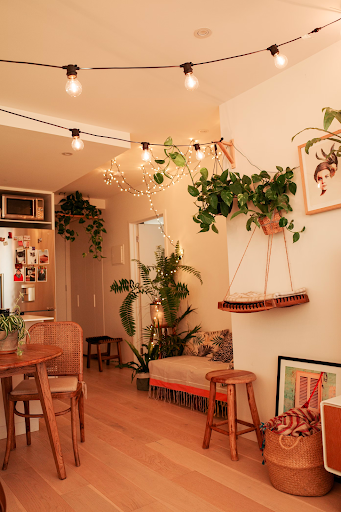
In our digital age, the role of technology in our well-being cannot be ignored. While technology can enhance our lives in numerous ways, it's crucial to approach its integration into our spaces mindfully. Creating designated tech-free zones, incorporating ergonomic furniture, and considering the impact of screen time on sleep patterns are all vital aspects of a technology-aware well-being design. Balancing the convenience of modern technology with the need for mental and physical health is key to achieving a holistic approach to space design.
Designing a space that nurtures well-being is a multidimensional endeavor that requires a thoughtful blend of science and art. By understanding the mind-body connection, embracing natural elements, mindful color and texture selection, personalization, prioritizing functionality, and integrating technology with awareness, you can create an environment that supports and enhances your overall well-being. The journey to well-being through intentional design is a continuous process of self-discovery and refinement, ultimately leading to a space that not only looks beautiful but also contributes positively to your physical and mental health. As you embark on this transformative journey, remember that your space has the potential to be a sanctuary that promotes well-being, vitality, and a profound sense of balance in your life.

Decoding Home Design and Organization: Your Step-by-Step Handbook
Welcome to the world of home design and organization! Whether you are a new homeowner looking to decorate your space or someone trying to revamp their existing home, this topic is for you. In this guide, we will explore different tips, tricks, and trends in home design and organization that can help transform your living space into a sanctuary.
Welcome to the world of home design and organization! Whether you are a new homeowner looking to decorate your space or someone trying to revamp their existing home, this topic is for you. In this guide, we will explore different tips, tricks, and trends in home design and organization that can help transform your living space into a sanctuary.
Designing and organizing your home is a constant process, and it can feel overwhelming at times. But don't worry, we've got you covered. With our step-by-step handbook, you will learn how to approach each aspect of home design and organization in a practical and efficient way. So let's get started!
Understanding Your Space
The first step towards designing and organizing your home is understanding the space you have. This includes taking note of the size, layout, lighting, and any architectural features that may affect your design choices. This will also help you identify any problem areas that need special attention.
Additionally, consider the purpose of each room in your house. Is it a place for relaxation, work, or entertainment? Understanding the function of a room will guide your design and organization decisions.
Setting Goals
Once you have a good understanding of your space, it's time to set goals for your home design and organization. Ask yourself what you want to achieve with each room. Do you want to create a cozy and inviting living room? Or do you need more storage solutions in the kitchen?
Setting specific goals will give you a clear direction and help you prioritize your design and organization tasks.
Choosing a Style
Now comes the fun part - choosing a style for your home. From modern to farmhouse, there are endless styles to choose from. The key is to find a style that resonates with you and reflects your personality. Don't be afraid to mix and match different elements to create a unique look.
Keep in mind that your style should also be functional. Consider your lifestyle and the needs of your household when making design choices.
The Power of Decluttering
Before you start decorating, it's important to declutter and organize your space. This not only creates physical space but also helps clear your mind and promote a sense of calm.
Start by going through each room and getting rid of items that you no longer need or use. Invest in storage solutions to keep your belongings organized and out of sight.
The Art of Layering
Layering is a crucial aspect of home design. It adds depth, texture, and visual interest to a room. When layering, consider different elements such as colors, patterns, textures, and lighting. Don't be afraid to mix and match different pieces to create a cohesive look. And, remember to leave negative space for a balanced and clutter-free design.
Bringing in Elements of Nature
Nature has a powerful impact on our well-being, so why not bring it into your home? Adding natural elements such as plants, flowers, and natural materials can instantly add life and warmth to any room. Not only do they provide aesthetic value, but they also have air-purifying properties and can improve indoor air quality. Plus, taking care of plants can be a therapeutic and fulfilling activity.
Embracing Functionality
When it comes to organizing your home, functionality should always be a top priority. Consider how you use each room and strategically place furniture and storage solutions accordingly. Don't sacrifice functionality for aesthetics, as this will only lead to frustration in the long run. Even small spaces can be organized in a functional and stylish way. As the saying goes, "a place for everything and everything in its place."
Bathroom Should Be a Sanctuary
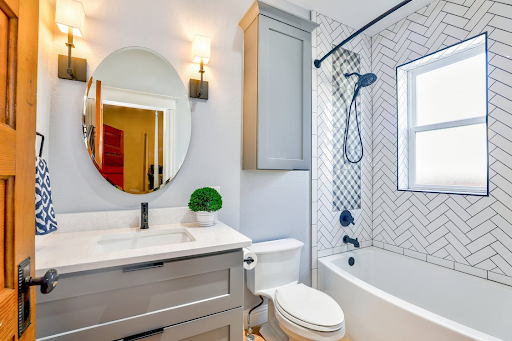
While the bathroom may not be a room that you showcase to guests, it is still an important space in your home. It's where you start and end your day, so creating a relaxing and organized atmosphere is essential. Invest in storage solutions to keep toiletries out of sight, add candles or essential oils for a spa-like ambiance, and incorporate calming colors for a soothing effect.
Also, keep in mind that choosing the right tiles and fixtures can make a big difference in the overall look of your bathroom. And, tiles with picket pattern are a trendy and timeless choice. Not only do they add character, but they also make the space look bigger.
Designing and organizing your home is an ongoing process, so don't feel pressured to get everything done at once. Take it one room at a time, and remember that functionality and personal style should always go hand in hand. With this handbook as your guide, you'll be on your way to creating a space that truly feels like home. Happy decorating!

