

A resource for those seeking information on organizing and transforming spaces.

Stylish Living in Coral Gables: A Guide to Modern Furniture Shopping
Coral Gables is renowned for its architecture, charming streets, and lively culture. The area's unique aesthetic attracts locals and tourists who appreciate living arrangements for their homes. If you're looking for furniture to elevate your living space in Coral Gables, this guide will lead you to the locations where you can discover the ideal pieces that match your exquisite taste.
We partnered with a home design company for this post. The opinions in the post are honest. All reviews and opinions expressed in this post are based on our personal views. We are excited because we know you will love it.
Introduction
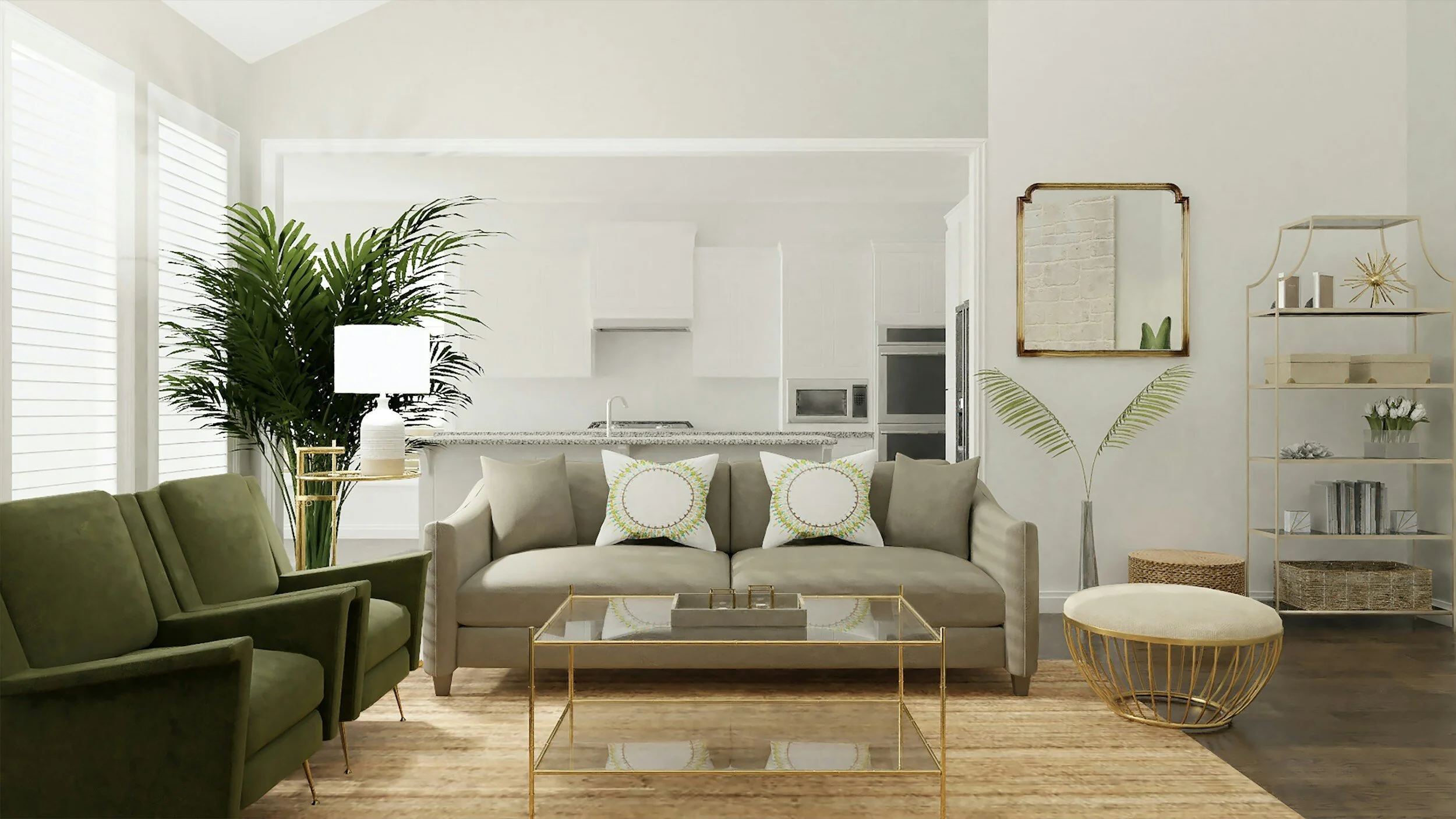
Coral Gables is renowned for its architecture, charming streets, and lively culture. The area's unique aesthetic attracts locals and tourists who appreciate living arrangements for their homes. If you're looking for furniture to elevate your living space in Coral Gables, this guide will lead you to the locations where you can discover the ideal pieces that match your exquisite taste.
1. Fusion of Timeless Elegance and Contemporary Style
Coral Gables effortlessly combines timeless elegance with a touch of flair, creating a style that sets it apart. When seeking modern furniture in Coral Gables, look for stores that offer pieces that blend exquisite craftsmanship with contemporary design elements seamlessly.
2. Discover Quaint Local Boutiques
Exploring boutiques in Coral Gables is an excellent way to find unique furniture pieces. These hidden treasures often showcase hand-picked items from up-and-coming designers and selected vintage discoveries. By choosing these designs, you enhance your decor and contribute to supporting local businesses and artists.
3. Visit Showrooms and Design Centers
For a selection of options under one roof, consider visiting showrooms and design center districts. These large shopping centers bring together many stores in one place, offering a range of styles, materials, and prices. This setup lets you compare options and envision how various pieces would look in your home. For added convenience, many stores offer platforms for those who prefer to shop from home. Customers can browse catalogs and make purchases online, accessing a selection of choices and carefully reviewing the details of each piece before deciding.
Invest in Quality
It's worth considering quality furniture rather than opting for cheaper alternatives. Quality modern furniture lasts longer and showcases superior craftsmanship and comfort, making it a valuable addition to your home.
Consult with the Experts
If you need clarification on choosing the furniture for your Coral Gables residence, consulting with design experts can provide helpful guidance. These professionals understand the area's style well and can offer insights into integrating furniture into your space while preserving its unique appeal.
Stay Informed About Design Events
Creative individuals frequently hold design events, seminars, and workshops in Coral Gables and nearby areas. By attending these gatherings, you can keep up to date with the trends in furniture and connect with individuals who share your passion for elegant living. Watch for event announcements in publications, community bulletin boards, or online directories.
Mixing Modern Style with Local Flair
While modern design often takes cues from local influences, infusing aesthetics can add a unique touch to your living space. Consider enhancing furniture pieces with artwork or decor elements that reflect the diverse cultural heritage of Coral Gables and its surroundings.
Sustainable Choices for Environmentally Living
For those who prioritize sustainability, exploring eco-friendly options when shopping for modern furniture is essential. Seek out stores specializing in materials or consider purchasing secondhand items to minimize waste and embrace an environmentally conscious lifestyle.
Personalized Design through Customization Options
Consider exploring customization services if you have a vision or want to personalize your furniture. Many furniture stores in Coral Gables offer customization options that allow you to tailor pieces according to dimensions, finishes, or upholstery. When you personalize your designs, you can craft one-of-a-kind styles that match your taste and cater to your requirements.
Consider Renting and Leasing Choices
If you're temporarily residing in Coral Gables or prefer the flexibility of changing your furniture, consider rental and leasing options. Some furniture stores provide programs where you can select from various pieces to furnish your home for a certain period, enabling you to refresh your decor according to trends or adapt to living scenarios without committing to buying furniture.
In Conclusion
For those seeking to live in Coral Gables, discovering ideal modern furniture is a journey brimming with possibilities. By checking out boutiques, showrooms, and online platforms, seeking advice from experts participating in design events, blending styles, and exploring sustainable choices, you'll discover pieces that mirror your unique style while capturing the essence of this lively community. Remember to invest in pieces that will endure over time so that your chic living experience remains enduring.

6 Useful Tips For Rearranging Your Furniture for a Fresh Look
Have you ever walked into a room and felt like something was off? The layout may have seemed cramped, or the flow could have felt better. That's where furniture rearrangement comes into play. By strategically repositioning your furnishings, you can breathe new life into your space and create a more harmonious environment.
Have you ever walked into a room and felt like something was off? The layout may have seemed cramped, or the flow could have felt better. That's where furniture rearrangement comes into play. By strategically repositioning your furnishings, you can breathe new life into your space and create a more harmonious environment.
Rearranging furniture not only gives your space a fresh look but can also improve functionality and mood. Optimized furniture layout means better use of available space, enhanced natural light, and better traffic flow. Plus, it's a cost-effective way to update your home without breaking the bank.
While rearranging furniture may sound daunting, it doesn't have to be. By breaking the furniture rearrangement process down into manageable steps and embracing creativity, you can easily overcome these hurdles and transform your space.
1. Assess Your Space Thoroughly
Before embarking on a furniture arrangement project, assess your current arrangement. Consider the room's layout, key pieces' placement, and how they interact. Note any cluttered or underutilized areas and any features you want to highlight.
Next, consider how you use the space daily. Identify its purpose, traffic flow patterns, and focal points. Determine where to place critical pieces of furniture for optimal functionality. Rearranging furniture always leads to space optimization.
Finally, consider your personal style and aesthetic preferences. Do you prefer a more traditional, formal look, or are you drawn to modern and eclectic designs? Consider your current living room design, space layout, decorations, color scheme, and any furniture you love and want to showcase.
2. Plan Your Furniture Rearrangement
Once you clearly understand your space and preferences, it's time to start planning your rearrangement. Consider creating a rough sketch or floor plan of the room, including the dimensions and placement of key architectural features like windows, doors, and built-in shelving.
If you need more confidence in your sketching abilities, don't worry. There are plenty of online tools and apps available that can help you visualize your rearrangement ideas. Input the dimensions of your room and drag and drop virtual furniture to see how different arrangements will look in your space.
Before diving into the rearrangement process, take a moment to establish your goals. Do you want to create a more open and spacious feel or carve out cozy nooks for reading or relaxing? Setting clear objectives upfront allows you to stay focused and make decisions aligning with your space vision.
3. Strategic Placement Techniques
Emphasizing Balance and Symmetry
One key to successful furniture rearrangement is balance and symmetry within the room. Start by arranging larger pieces of furniture, like sofas and armchairs, to create a sense of equilibrium. Then, add smaller pieces like side tables and accent chairs to complement the layout and fill any empty spaces.
The Power of Grouping: Arranging Furniture in Conversation Areas
When arranging furniture, think about creating distinct conversation areas within the room. Arrange seating around a focal point, such as a fireplace or television, to encourage interaction and socializing. Use area rugs and coffee tables to define each grouping and tie the space together visually.
Maximizing Space: Arranging Furniture for Small Rooms
Space optimization is key in smaller rooms. Choose multifunctional furniture pieces for multiple purposes, such as a sleeper sofa or ottoman with hidden storage. Consider mounting shelves and using vertical storage solutions to free up floor space and make the room more open and airy.
Creating Zones: Designating Areas for Different Activities
Finally, consider creating distinct zones within the room for different activities. For example, designate one area for lounging and watching TV, another for reading or working, and a third for socializing and entertaining. Use furniture arrangement and strategic lighting to delineate each zone and make them feel cohesive yet separate.
Optimizing Natural Light and Views
Natural light can significantly impact a room's look and feel. When rearranging furniture, consider maximizing the amount of natural light that enters the space. Position seating areas near windows to take advantage of sunlight and avoid blocking natural light sources with bulky furniture pieces.
Framing Views: Arranging Furniture to Highlight Scenic Vistas
If your room offers picturesque views of the outdoors, arrange your furniture to frame and highlight these vistas. Position seating areas facing windows or glass doors to take full advantage of the scenery. Consider installing sheer curtains or blinds that can be easily opened and closed to control the amount of light and privacy.
Dealing with Oddly Shaped Rooms
Arranging furniture can pose a unique challenge in rooms with unusual layouts or architectural features. Get creative and think outside the box to maximize your space. Consider using modular furniture that can be rearranged to fit different configurations, or experiment with non-traditional seating options like floor cushions or bean bags.
4. Experimenting with Different Layouts
Be bold and experiment with different furniture arrangements once you find the perfect layout. Start by moving larger pieces of furniture around and then fine-tune the placement of smaller items. Step back and evaluate each arrangement from different angles to see how it looks from various vantage points.
Invest in versatile furniture pieces that can be easily moved or repurposed to suit your changing needs. Consider items like modular sectionals, nesting tables, and lightweight accent chairs that can be rearranged or relocated. This will allow you to adapt your space to different occasions and activities.
If you're still deciding whether to commit to a significant furniture rearrangement, consider making temporary changes with decorative accents and accessories. Swap out throw pillows, rugs, and curtains for seasonal updates, or rearrange artwork and decorative objects to create a fresh look.
5. Considering Practicality and Functionality
When rearranging furniture, consider accessibility and convenience. Make sure there's enough space between pieces of furniture to allow for easy movement throughout the room, especially in high-traffic areas. Avoid blocking doorways or pathways, and consider the needs of all occupants, including children and pets.
Always consider comfort and ergonomics when arranging furniture. Choose seating options that provide adequate support for the back and legs and arrange them to promote good posture. Invest in ergonomic office chairs or adjustable standing desks for workspaces to reduce the risk of strain and injury.
Opt for durable, easy-to-clean materials that can withstand wear and tear. Avoid sharp corners or fragile items that could pose a safety hazard. Create designated play areas for kids and pets, and consider incorporating storage solutions to keep toys and pet supplies organized.
6. Adding Finishing Touches
Mix and match leather, velvet, and woven textiles to create contrast and dimension. Add throw blankets, accent pillows, and area rugs in varying textures and patterns to tie the room together and create a cozy, inviting atmosphere.
Incorporate artwork and personal collections into your furniture arrangement to make your space feel uniquely yours. Hang framed photos, paintings, and prints on the walls to add personality and character to the room.
Incorporate indoor plants such as succulents or snake plants into your furniture arrangement to bring a touch of nature indoors. Not only do plants add color and visual interest to the room, but they also have air-purifying properties that can improve indoor air quality.
Conclusion
Congratulations! By rearranging your furniture, you've successfully transformed your space and created a new look. Take a moment to appreciate the hard work and creativity that went into the process, and enjoy the fruits of your labor.
Feel free to continue experimenting with different furniture arrangements and design ideas in the future. Embrace the possibilities of furniture rearrangement as a fun and creative way to refresh your living space and express your style.
Finally, consider sharing your furniture rearrangement experience with others to inspire them to refresh their living spaces. Whether through social media posts, blog articles, or conversations with friends and family, please spread the word about the transformative power of furniture rearrangement and encourage others to try it.

Choosing the Best Bathroom Lighting for Your Space
When it comes to home design, bathrooms are often treated as purely functional spaces, but they have the potential to be so much more. Carefully selected lighting can transform your bathroom into a sanctuary that balances a serene ambiance with highly functional illumination. In this post, we'll explore the varied options available in bathroom lighting, how to choose the best setups for different bathroom types, and expert tips for DIY enthusiasts looking to make a change.
We partnered with a home design company for this post. The opinions in the post are honest. All reviews and opinions expressed in this post are based on our personal views. We are excited because we know you will love it.
When it comes to home design, bathrooms are often treated as purely functional spaces, but they have the potential to be so much more. Carefully selected lighting can transform your bathroom into a sanctuary that balances a serene ambiance with highly functional illumination. In this post, we'll explore the varied options available in bathroom lighting, how to choose the best setups for different bathroom types, and expert tips for DIY enthusiasts looking to make a change.
The Importance of Illumination in the Bathroom
Bathroom lighting plays a pivotal role in our daily routines. Beyond helping us effectively complete tasks, such as shaving or applying makeup, it also sets the tone for a relaxing experience. High-quality, well-positioned lights can make even smaller bathrooms feel more spacious and inviting. It's an essential aspect of interior design that shouldn't be overlooked.
Types of Bathroom Lights You Should Know
Understanding the different types of lighting and their purposes is key to designing a bathroom that ticks all the boxes—be it for grooming, relaxing, or both.
1. Overhead Lighting
Overhead lighting acts as the primary source of light in the bathroom. This could be a fixture on the ceiling or a skylight. In smaller bathrooms, a single overhead light might be sufficient, while larger spaces benefit from a combination of overhead and task lighting to eliminate shadows.
2. Vanity Lighting
Mounted above the mirror to help with grooming tasks, vanity lights provide evenly distributed, shadow-free illumination. They work best when positioned at eye level on either side of the mirror or above it.
3. Wall Sconces
These fixtures offer ambient lighting, which is softer and complements the main source of light. They're commonly used in pairs to frame a mirror or singularly in smaller spaces to add a decorative element while still serving a functional purpose.
4. Recessed Lighting
Also known as can lights, these are often used to provide general illumination. When placed strategically, they can help reduce glare and create a subtler, more relaxed atmosphere.
5. Accent Lighting
Less common but no less impactful, accent lighting highlights design features within the bathroom, such as artwork or architectural elements. Consider them the 'jewelry' of the lighting world.
Considerations for Different Bathroom Spaces
The lighting needs of a small powder room differ significantly from those of a master en suite, and natural light availability also comes into play.
Small Bathrooms vs. Large Bathrooms
In smaller bathrooms, where space is at a premium, versatile lighting that fulfills multiple tasks is ideal. In larger bathrooms, the focus shifts to task-oriented vanity lights and ambient wall sconces that fill the space with a flattering, even light.
Natural Light Availability
If your bathroom has a window, make the most of natural light to save on electricity and create a connection with the outside. Use frosted glass or sheer window treatments to soften brightness and maintain privacy.
Color Temperature and Brightness
The color temperature of light (measured in Kelvins) affects how colors appear in the bathroom, particularly when it comes to selecting flattering skin tones. Choosing bulbs with a color temperature around 3000K is a good starting point. The brightness of your lights should also be considered; you'll want to avoid washouts from overly bright fixtures.
Factors to Consider When Choosing Bathroom Lights
Selecting bathroom lights goes beyond just the aesthetics. There are several practical factors to keep in mind, including safety and maintenance.
Energy Efficiency
Opting for color changing LED lights is an energy-efficient choice that can lead to long-term savings on your electricity bill. LED technology also offers a wider color temperature range, giving you more control over the ambiance.
Water Resistance
Bathrooms are humid places, so all fixtures should be at least IP44-rated for moisture resistance. For lights directly above a shower or bathtub, a higher IP rating is necessary.
Style and Aesthetics
Your lighting choices should complement the overall style of your bathroom. Stainless steel or chrome finishes are popular for a modern look, while brass or brushed nickel can add a touch of elegance.
Installation and Maintenance
Consider the ease of installing and maintaining your chosen fixtures. Vanity lights should be easily accessible for changing bulbs, and recessed lights may require more attention to keep them free of dust and debris that can affect brightness.
Tips for DIY Installation
DIY enthusiasts can save money and take pride in their bathroom lighting projects. Safety should always come first, followed closely by positioning and installation considerations.
Safety Precautions
Remember to turn off the power at the circuit breaker before starting any work, and use a voltage tester to be sure the power is off. If you're not confident with electrical work, it's best to consult with a professional.
Proper Positioning for Optimal Lighting
Your vanity lights should flank the mirror, not above it, to minimize shadows. Aim for a distance of about 36 inches between the lights and the floor, or install them at eye level if you're standing. When installing recessed lights, position them about 6 feet apart to ensure even coverage.
Steps for Installation
Begin by marking the positions for your fixtures with a pencil. Drill any necessary holes and install the electrical boxes. Connect the wires, being sure to match the colors and secure the connections with wire nuts. Finally, mount the fixture according to the manufacturer's instructions.
Expert Quotes to Illuminate Your Decisions
To add authoritative voices to your bathroom lighting quest, include quotes from lighting designers, bathroom design experts, and eco-friendly lighting advocates. Their insights can shed light on the design process and inspire your choices.
Visual Examples to Illuminate the Path
Visual examples—such as photographs or drawings—can help readers understand how different types of lighting can look in a bathroom setting. Embedding these images into your post provides readers with tangible inspiration.
Conclusion
The right bathroom lighting can uplift your spirits at the start and end of each day. Be thoughtful in your choices, considering your goals for the space, size, natural light, practical factors, and the different types of lighting. Whether you're aiming to brighten a dull space, warm up a stark one, or simply add a touch of elegance, the options are almost limitless. Take the time to plan your lighting, and you'll reap the benefits every time you step into your beautifully illuminated bathroom.

Transform Your Retail Space: Using Business Lighting to Attract Customers
The retail industry continuously adapts, responding to the changing needs and tastes of consumers. In this brisk market, companies are constantly searching for original methods to distinguish themselves and improve the shopping experience for their customers. One often neglected facet that holds remarkable influence over consumer choices is the strategic use of lighting. Retail lighting not only highlights products but also establishes the ambiance, directs focus, and can ultimately sway a store's revenue and customer flow.
We partnered with a lighting design company for this post. The opinions in the post are honest. All reviews and opinions expressed in this post are based on our personal views. We are excited because we know you will love it.

The retail industry continuously adapts, responding to the changing needs and tastes of consumers. In this brisk market, companies are constantly searching for original methods to distinguish themselves and improve the shopping experience for their customers. One often neglected facet that holds remarkable influence over consumer choices is the strategic use of lighting. Retail lighting not only highlights products but also establishes the ambiance, directs focus, and can ultimately sway a store's revenue and customer flow.
Recognizing the role of business lighting is a key element in developing a prosperous retail setting due to its subtle yet significant impact. From the cozy gleam of a small shop to the brilliant rays in an expansive department store, lighting molds customer perception and interaction with goods. Beyond its utilitarian requirement, retail store lighting can rise above its elementary role and function as a passive sales promoter, preparing the scene for merchandise presentation and consumer participation. With the right lighting, stores can create an atmosphere that not only invites potential clients inside but also prompts them to stay longer, establishing a rapport with the brand.
Importance of Lighting in Retail
In retail, effective lighting is more than just visibility; it's a key part of customer experience and store layout. Proper lighting design can transform a space from normal to remarkable, lifting how products are seen and directly appealing to customers' emotions and buying choices. It has the ability to enhance the appeal of merchandise, improving colors, textures, and attributes, making items more appealing and convincing to buyers.
Additionally, lighting establishes the ambiance of a retail space, which can greatly affect the duration customers linger in-store. Subtle changes in brightness and color temperature can produce different environments, from the active and lively to the private and opulent, fostering consumer interaction at various levels. Intentional lighting can also lead customers through the store, accentuating promotional zones, directing them toward priority items, and even potentially affecting the circulation of visitors within the retail setting. By carefully incorporating lighting, retailers can create an experience that not only presents their products in the best possible condition but also creates an engaging shopping atmosphere that connects with customers.
Types of Lighting Options
There are many retail lighting options, each serving a different purpose and collectively enhancing the shopping environment. Ambient lighting, or general lighting, acts as the foundational layer, providing uniform lighting that sets the overall tone of the store and allows customers to move through the space comfortably. Task lighting comes into play by delivering concentrated light to areas where detailed activities, like trying on clothes or examining products, occur, ensuring sufficient visibility for these specific interactions.
Meanwhile, accent lighting plays a strategic role in drawing attention to particular merchandise, architectural features, or displays, creating visual interest and highlighting areas meant to capture the shopper’s attention. Employing these different types of lighting not just functionally but artistically can render a retail space more dynamic, guiding customer movement, enhancing product visibility, and contributing to a memorable shopping experience.
Tips for Choosing the Right Lighting
Selecting the right lighting for your retail store involves a balance of aesthetics, functionality, and energy efficiency. When choosing fixtures, aim for designs that complement your store's branding and layout while providing the right intensity and color temperature for the ambiance you wish to cultivate. It's important to consider how different bulbs, such as LEDs or halogens, can impact the color accuracy of your products and the overall warmth or coolness of your space.
Placement is another key factor; ensure that lighting is distributed uniformly, eliminating shadows and glare that could detract from the customer experience. It's also wise to layer your lighting, using a mix of ambient, task, and accent lights to guide shoppers through the store and highlight key areas without overwhelming them. Lastly, incorporating dimmable options and controls can provide flexibility, allowing adjustments to be made for different times of the day or promotional events.
Creating a Lighting Plan
A thoughtfully created lighting plan is a central component in creating a successful retail environment, offering benefits from aesthetic appeal to practical energy consumption. The use of natural light can not only reduce energy costs but also enhance the mood and health of both customers and staff, making it a key part of any lighting strategy. Combining this with artificial lighting requires careful consideration of color temperature, as it greatly impacts how products are viewed, potentially affecting buying choices.
Warm lights can create a comforting atmosphere, while cooler lights tend to improve concentration and productivity. This is not simply about ambiance; it's about controlling customer experience down to minor aspects. In addition, employing energy-efficient lighting like LED technology can lead to serious cost reductions over time, and choosing fixtures and lights that promote eco-friendliness can contribute to a positive perception of a brand.
The ambiance offered by business lighting in your retail space can help attract and retain customers. In this article, we explored how different types of lighting, from ambient to accent, enhance product visibility and set the mood, guiding customers and influencing their purchasing behavior. Tips on selecting fixtures, bulbs, and strategic placement reiterated the balance needed between form and function to light spaces effectively. The importance of a well-considered lighting plan, including the incorporation of natural light and energy-efficient solutions, was highlighted as key to optimizing both the experience and operational costs. By implementing the insights and guidance presented, retailers can confidently revitalize their spaces, paving the way toward a brighter, more successful future in commerce.

