

A resource for those seeking information on organizing and transforming spaces.
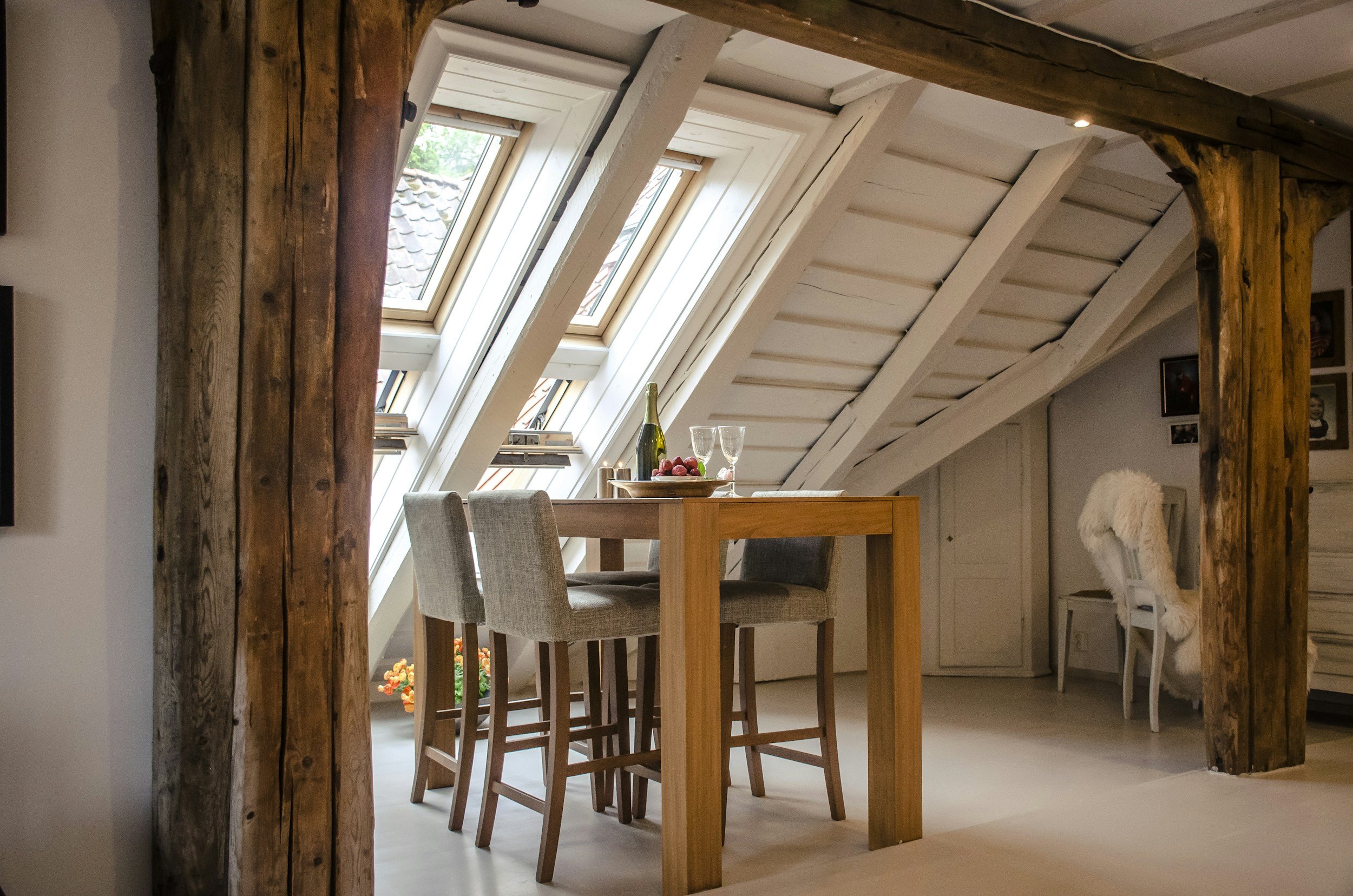
Designing with Depth: Discover the Versatility of Faux Wood Beams
Faux Wood Beams are popular among homeowners and designers who want to add warmth and character to their spaces without the high price and upkeep of real wood. They are made from high-density polyurethane and are lightweight, strong, and eco-friendly. In this article, we’ll look at how faux wood beams are versatile and can take your room from ordinary to extraordinary.
We partnered with a home design company. for this post. The opinions in the post are honest. All reviews and opinions expressed in this post are based on our personal views. We are excited because we know you will love it.
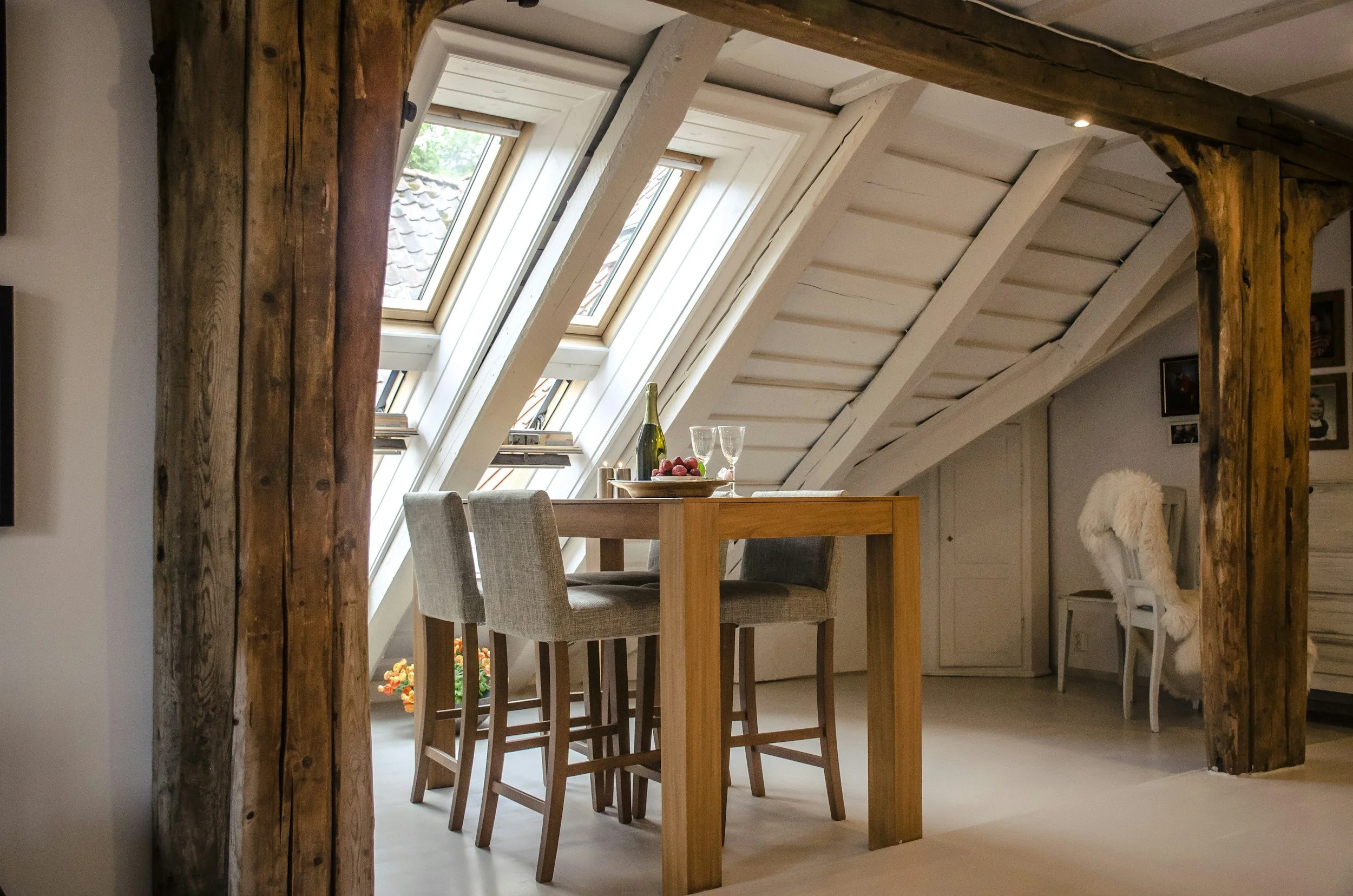
Faux Wood Beams are popular among homeowners and designers who want to add warmth and character to their spaces without the high price and upkeep of real wood. They are made from high-density polyurethane and are lightweight, strong, and eco-friendly. In this article, we’ll look at how faux wood beams are versatile and can take your room from ordinary to extraordinary.
The Aesthetic Appeal of Faux Wood Beams
Faux Beams aren’t just for rustic or traditional finishes, they can also enhance modern and contemporary spaces. Faux Wood Beams can enhance any design scheme with a wide range of textures and finishes, from deep, rich mahoganies to light beach driftwoods. They’re a great way to add depth and character to flat ceilings and can even be used to frame doors, creating unique architectural features that attract the eye. Faux Wood Beams also have the added benefit of replicating the natural look of wood, giving you a premium design aesthetic that doesn’t require extensive modifications or reinforcements like you would with real heavy timber.
Easy Installation and Flexibility
Faux Wood Beams are famous for their lightweight construction, which makes them easy to install. Most homeowners can install themselves with basic tools and do not need heavy structural supports like real timber. This is a great feature for DIYers or those who want to save money on labour in their home renovation projects. The beams are also easy to cut and customize, which adds to their appeal and personalizes the overall design. It is important to ensure proper alignment during installation and secure mounting. This is important not only for safety but also for achieving a professional look. Faux Wooden Beams are flexible and can be installed in many different architectural styles and locations. This means they can be used to accentuate ceiling lines in big rooms or add character in small spaces where natural materials are limited. This versatility means that Faux Wood Beams are a premium aesthetic and practical home design choice.
A Cost-Effective, Low-Maintenance Building Solution
Not only are Faux Wood Beams more affordable in the long run than real wood, but they also require less maintenance. Unlike natural wood, Faux Wood Beams do not require regular staining or sealing. This means you can save money in the long run. Faux wood beams are resistant to warping, rotting and pest damage, making them a great choice for homes and commercial properties. They are also resistant to environmental factors such as humidity and temperature variations, making them an ideal choice in many climates where real wood can deteriorate quickly. The durability of Faux Wood Beams extends to areas with specific challenges, like coastal areas, where salt spray and humidity can speed up the deterioration of natural wood. Property owners can avoid the expensive repairs and replacements that traditional wood structures require, allowing their investment to remain attractive and structurally sound.
Enhancing Environmental Sustainability with Eco-Friendly Faux Wood Beams
Faux Wood Beams positively impact the environment and are a great alternative to natural resources. They are made from recyclable material and require much less energy than traditional timber, reducing their environmental impact. By using materials such as high-density polyurethane, the production process avoids deforestation and habitat destruction caused by logging. Faux Wood Beams also promote responsible forestry practices by decreasing the need for virgin timber, which helps to protect our precious natural forests. With eco-friendly design becoming increasingly popular, faux wood beams are a great option for sustainable building projects as they align with eco-conscious goals, such as LEED certification or compliance with green building standards. They are a great choice for architects and builders who want to enhance a building's sustainability credentials without sacrificing aesthetic appeal. Their durability and low off-gassing properties compare favourably to some treated woods, making them an even healthier and more sustainable choice for indoor environments.
Expanding Design Possibilities with Faux Wood Beams in Every Room
Faux Wood Beams are versatile and can be used in various rooms to create creative and unique design solutions. They can be used in dining rooms to create dramatic coffered ceilings. They can also be used in home offices to add a refined yet strong look that improves productivity. Faux Wood Beams can be used in outdoor areas to add warmth and rustic charm. They are great for creating cozy patios or a covered porch. You can also use faux wood beams in bedrooms to create a luxurious retreat by framing a bed canopy or accentuating a vaulted ceiling. Each Faux Wood Beam can be used differently to suit different tastes and preferences. They can be stained or painted to customize the look of each room further. Not only do they meet functional needs, but they also create a visual harmony that is unique to your home.
The Lasting Impact of Faux Wood Beams
Faux Wood Beams offer a unique combination of style, practicality, and sustainability, making them a smart choice for enhancing the design and value of any property. Their ability to adapt to various decor styles, durability, and low maintenance ensure that they remain a compelling feature in homes and commercial spaces. By choosing Faux Wood Beams, homeowners and designers invest in an aesthetic solution that is both impactful and enduring, ensuring that spaces not only look exceptional but also stand the test of time.

How to Style a Bookshelf to be the Focal Point in Your Sitting Room
Some people have gallery walls as the feature of their sitting room, others have oversized art, and some with collections of books and smaller decor pieces need to use shelves to maximize their storage space.
We partnered with a home design company for this post. The opinions in the post are honest. All reviews and opinions expressed in this post are based on our personal views. We are excited because we know you will love it.

Some people have gallery walls as the feature of their sitting room, others have oversized art, and some with collections of books and smaller decor pieces need to use shelves to maximize their storage space.
In a sitting room, the focal point sets the vibe. When that feature is bookshelves from floor to ceiling, filled to the brim with books, it can feel more like a study room rather than a relaxing place to unwind. To style a bookshelf (or multiple) in way that creates a relaxing vibe in your sitting room, there are a few design tricks you can lean on to turn bland wall displays into a stunning focal point.
Applying a background
Bookcases are usually sealed with a back panel. Open shelving units or a curation of floating shelves can also be used as a bookshelves, provided they have the structural support for the weight of books. Vast book collections can be heavy. Whichever type of bookcase you have, the back panel can be styled. Wall murals, or decorative wallpaper can be hung on the wall directly behind open shelving systems to give the backdrop a stylistic touch. For closed shelved bookcases, the back panels can be painted either a solid color, or if you want a more intricate pattern, use stencils. There are various patterns ranging from geo lattice stencils, floral designs, lace, and even asian themed stencils that would fit right in on a bookshelf with a Japanese book nook of Tokyo City at night.
Choose Your Display Pieces
To avoid the library look or the formal style of a study, bookshelves in living spaces set a relaxed atmosphere when there is plenty of open space. Books don’t get sandwiched side-by-side right along the shelf. Instead, to decorate a bookshelf, different items such as ornaments, mementos, photos, souvenirs, and plants get placed strategically along each shelf.
Tips on Plant Selection
The key to using plants on a bookshelf is getting sufficient light to it. If you can make a shadow on the shelf, there’s enough light for at least a low-light tolerant plant. It’s usually on the top shelf, or near the top. Lower down, dwarf varieties and succulents fair better. On the top shelf, trailing ferns cascading over the edge brighten the space up. What to be careful with plants is the humidity they release. You don’t want moisture near your books, as that’s going to cause the paper to degrade.
This is the most important part…
When you’re choosing your display pieces, you want to have plenty of items to work with, all in different sizes. The more items you have, the more arrangements you can create. This part can (and should be) fun!
Staggering Sizes and Layering
Styling your shelves is easier when can arrange items thematically, and specifically in groups. The top shelf of a bookcase, you can go heavy on, arranging the largest items right across the top. Then directly below, introduce space by starting slightly in from the edges and working with two groups of up to 3 items per group. For example, a large picture frame leaning to the back of the shelf, a pillar candle and a bowl filled with potpourri to one side. Then on the opposite side of the shelf, some of your largest books stacked, standard sized books stood upright, and a perhaps a paperweight perched on top of the flat-stacked hardback books.
When arranging items, groupings of 3 items of different heights seem to always work well. Some designers consider it a rule to work in 3’s. It’s not a rule but it does usually work.
Personalizing your Bookshelves with Handmade Items
Personalization is beautification. Whatever your hobby, make it a part of your focal point and display your crafts. If you’re into vintage photography, have a vintage camera on display. Perhaps a photo, or even the boxes the roll of film comes in. For avid bookworms, you could have your main bookshelves elsewhere and the one in your sitting room styled like a pro, displaying a book collection, perhaps stored in a wooden box, or customized with fabric book sleeves, perhaps even some photo books created with stylistic bookbinding techniques applied.
Focal points in sitting rooms have more of an emotional influence when you have items of sentimental value on display. You don’t get more sentimental than handmade items.
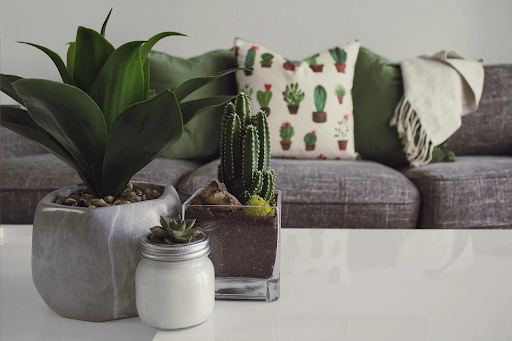
Artful Living: Elevating Your Home with Creative Expression
Elevating your home can seem like a daunting task, filled with endless options and decisions to make. The thought of transforming your living space might be overwhelming, but there's no need to panic. Embrace the opportunity to infuse creativity and personal expression into your home, turning it into a sanctuary that reflects your unique style and personality.
We partnered with a home design company for this post. The opinions in the post are honest. All reviews and opinions expressed in this post are based on our personal views. We are excited because we know you will love it.
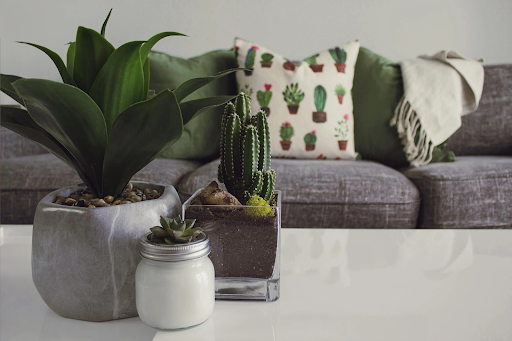
Elevating your home can seem like a daunting task, filled with endless options and decisions to make. The thought of transforming your living space might be overwhelming, but there's no need to panic. Embrace the opportunity to infuse creativity and personal expression into your home, turning it into a sanctuary that reflects your unique style and personality.
This article delves into the transformative power of art and design in shaping living spaces. Companies like Delray Beach Art Gallery at Atlantic Avenue stand as inspiration, offering a diverse array of pieces to suit every taste and style.
From selecting the perfect artwork to choosing the right color palette, this article guides you through curating a home that feels inviting and inspiring. Read on as this article explores how incorporating art and design elements can breathe new life into your home, turning it into a haven of creativity and self-expression.
Understanding the Significance of Elevating Your Home
Understanding the essence of elevating your home is significant to embarking on this exciting journey of creative expression. You want your home to be more than just a place to live; it should reflect who you are and what you love. You can create a unique and inviting environment by infusing your personality and style into your living space.
Think about how different colors, textures, and decor elements make you feel. Your home should be a sanctuary that evokes positive emotions and inspires creativity. Whether you prefer a cozy and rustic vibe or a sleek and modern aesthetic, your choices in decorating your home can immensely influence the ambiance and mood of each room.
Remember, elevating your home is not just about following trends or copying magazine-worthy interiors. It's about embracing your individuality and expressing yourself through design. So, let your imagination run wild as you envision the possibilities for transforming your living space into a haven of creativity and self-expression.
Incorporating Artwork for Your Space
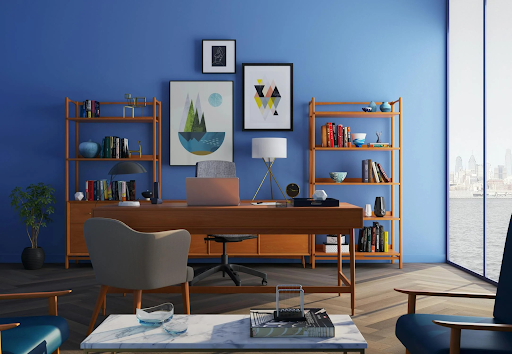
Selecting artwork for your space is a deeply personal and rewarding endeavor. It's an opportunity to curate a collection that speaks to your tastes, interests, and personality. When choosing artwork, consider size, color scheme, and theme to ensure it complements your home's aesthetic.
Start by considering the vibe you want to create in each room. Are you aiming for a calming oasis in the bedroom or a vibrant, energizing atmosphere in the living room? The artwork you choose should align with the overall mood you're trying to achieve.
Think about the existing decor and color palette of the room. Artwork can serve as a focal point or tie together different elements of the space. If your room has neutral tones, bold, colorful artwork can add a pop of personality. Conversely, if your decor is already vibrant, consider choosing artwork with more subdued tones to balance the space.
When incorporating artwork into your interior design, think outside the box. Art isn't limited to paintings and photographs; sculptures, textiles, and even found objects can all make impactful additions to your home decor. Mix and match different mediums and textures to add depth and visual interest to your space.
Also, don't be afraid to mix and match different art styles and mediums. Eclectic combinations can add visual interest and depth to your home decor. Follow your gut and choose things that have a particular connection to you.
Furthermore, remember that artwork doesn't have to break the bank. You can find beautiful pieces at various price points, from local art fairs to online marketplaces. Ultimately, the most important thing is to choose artwork that brings you joy and enhances the beauty of your home.
Incorporate Furniture
Incorporating furniture into your home's design is vital to creating a cohesive and functional living space that complements your artwork. Choose furniture pieces that provide comfort and practicality and enhance the room's overall aesthetic.
Consider the style and scale of your artwork when selecting furniture. For larger pieces, such as statement paintings or sculptures, opt for furniture that allows the artwork to take center stage without overpowering it. Similarly, choose furniture with clean lines and minimalistic designs to complement contemporary artwork, or opt for more ornate pieces to complement traditional or vintage art.
Be attentive to the color and material of your furniture to ensure they harmonize with the colors and textures present in your artwork. Additionally, arrange furniture to highlight your artwork and create a cohesive flow throughout the room. With thoughtful consideration, your furniture can serve as the perfect backdrop for showcasing your treasured art pieces.
Have Lighting Options
Nothing makes a home appear more clinical and uninspired than having all its lighting overhead. You can add warmth by integrating task and accent lighting.
You can apply accent lighting to some artworks or architectural landmarks to draw attention. You might also consider including some task lights. Task lighting on dressers is essential, but you should also consider task lighting in your living space or kitchen. A floor lamp or a little table lamp next to a comfortable chair enhances the room's intentionality, reflection, and purpose.
Are you looking for high-quality lighting solutions with unrivaled vintage appeal, character, and interest? Look through the range of exquisitely sourced vintage lamps available online.
Maximize Unexpected Locations
Don't just hang artwork on walls. Look at out-of-the-ordinary options such as placing art on the floor, mantels, or bookcases. These surprising placements can add a touch of surprise to the overall design while evoking mystery and humor.
Elevating Your Home
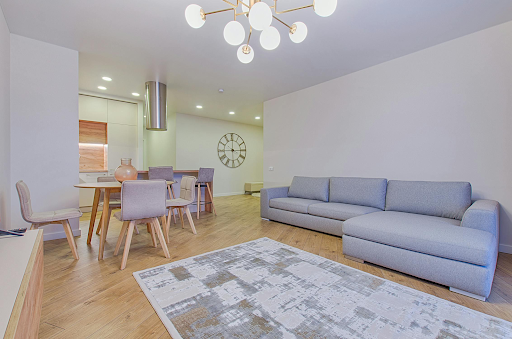
Elevating your home with creative expression is a journey filled with endless possibilities and opportunities for personalization. By incorporating artwork, colors, textures, and furniture thoughtfully, you can transform your living space into a reflection of your unique personality and style.
Remember to trust your instincts, embrace experimentation, and let your creativity shine as you curate a home that inspires and uplifts you daily. With the right guidance and inspiration, courtesy of places, you can embark on this exciting endeavor with confidence and excitement.

Creating a Home That Tells Your Story: 7 Tips for Personalized Home Design
Your home is more than just the place you live—it's where memories are made and moments are shared. Your space should be an extension of yourself, showcasing your unique story and personality from the colors you choose to the furniture pieces you display. In this guide, we’ll share some tips for creating a personalized home design that tells your story in every corner. So put on your interior designer hat and let’s make your house feel like a true reflection of you!
Your home is more than just the place you live—it's where memories are made and moments are shared. Your space should be an extension of yourself, showcasing your unique story and personality from the colors you choose to the furniture pieces you display. In this guide, we’ll share some tips for creating a personalized home design that tells your story in every corner. So put on your interior designer hat and let’s make your house feel like a true reflection of you!
Start With What You Like
The first step to creating a personalized home design is identifying what you like. Take some time to think about your interests, hobbies, and personal style. Do you love traveling? Incorporate elements from your favorite destinations into your décor. Are you a bookworm? Showcase your collection in a creative way. By starting with what you like, you can infuse your space with your unique personality and make it truly one-of-a-kind.
Incorporate Your Favorite Colors
Color plays a significant role in creating a personalized home design. Choose colors that you love and make you feel happy and comfortable. You can also incorporate specific colors that hold meaning to you, such as your favorite childhood color or a hue that represents an important memory. Don't be afraid to experiment with different color combinations and use them throughout your home in various ways, from wall paint to accent pieces.
Some colors naturally complement each other and create a cohesive look when used together in a space. These color combinations can be based on complementary colors, such as blue and orange, or analogous colors like green and yellow. You can also opt for a monochromatic color scheme by using different shades of one color throughout your home. Whichever combination you choose, make sure it reflects your personal style and creates a harmonious flow in your space.
Mix and Match Styles
Your home design doesn't have to fit into a specific category or style. In fact, mixing different styles can create an eclectic and personalized feel. Don't be afraid to combine vintage pieces with modern touches or incorporate cultural influences from your heritage. The key is finding balance and cohesion among the different elements to create a cohesive and personalized look.
Tell Your Story Through Art and Décor
Art and décor are great ways to add a personal touch to your home. Choose pieces that have meaning to you, whether it's a painting from your favorite artist or a handmade decoration from your travels. You can also display family photos or mementos in creative ways, such as creating a gallery wall or incorporating them into a shelf display. These personal touches will not only add character to your home but also serve as conversation starters for guests.
Make It Functional
Remember that your home should not only look beautiful but also serve its purpose. When personalizing your space, consider how you can make it functional for your daily life. This could mean incorporating storage solutions for your hobbies or creating a cozy reading nook in your bedroom. By making your home work for you, it will truly feel like a reflection of your lifestyle and personality.
If you have the opportunity to build a home from the ground up, you have even more freedom to play with. Consider incorporating personalized features such as a built-in bookshelf or a dedicated crafting room. These unique additions will not only add character to your home but also make it truly yours. Just be sure to talk with your building construction team for insights and pro tips.
Look at Some Inspiration
If you're feeling stuck or overwhelmed, don't hesitate to seek inspiration from others. Look at interior design blogs, magazines, and social media accounts for ideas and tips. You can also visit furniture stores or attend home design workshops for hands-on inspiration. Just remember to take these ideas and make them your own by infusing your unique style and personal touches.
Don't Be Afraid to Go Big or Small
When it comes to personalizing your home, there are no rules. Don't be afraid to make big changes, such as painting a room a bold color or investing in a statement piece of furniture. But also remember that sometimes small and subtle touches can make just as much impact, such as adding a unique throw pillow or displaying a treasured collection on a shelf. The key is to be true to yourself and make your home a reflection of who you are.
Be sure to remember that when creating a personalized home design, you should do what suits you and not just go with the flow. While it may be tempting to follow the latest trends or stick to traditional design rules, your home should ultimately reflect your unique personality and style. Don't be afraid to break away from societal norms and create a space that truly speaks to who you are. After all, your home should be a place where you feel comfortable and happy, not just a cookie-cutter reflection of what's popular.
Now that you have these tips in mind, it's time to start creating a home that tells your story. Remember, the most important factor in personalizing your space is staying true to yourself and incorporating elements that hold meaning to you. With some creativity and inspiration, you can transform your house into a unique and personalized sanctuary that truly feels like home. So go ahead and let your personality shine through in every design decision! Happy decorating!

