

A resource for those seeking information on organizing and transforming spaces.

Learn how to design a family-friendly kitchen so that everyone feels welcomed
Films and movies have always painted the perfect picture of a dream kitchen that welcomes everyone in the family. This room is supposed to be the space where your entire family spends quality time, shares stories about their day, and connects. But in real life, creating that space where everyone feels welcomed is quite challenging, especially when you have a diverse family.
We partnered with a home design company for this post. The opinions in the post are honest. All reviews and opinions expressed in this post are based on our personal views. We are excited because we know you will love it.
Films and movies have always painted the perfect picture of a dream kitchen that welcomes everyone in the family. This room is supposed to be the space where your entire family spends quality time, shares stories about their day, and connects. But in real life, creating that space where everyone feels welcomed is quite challenging, especially when you have a diverse family.
A family kitchen isn't just about cooking; it's about bringing everyone together in the same room and inspiring them to spend quality time together. Suppose you want to encourage your family to spend more time in the kitchen; you need to transform it into the central hub of the house so you can connect. It's time to show them that the kitchen can be more than a source of mess and stress.
Are you willing to change the way everyone sees this room?
Make sure you identify your family needs
Suppose you use the kitchen the most; you are tempted to be subjective when identifying your family's needs and focusing more on yours than the overall group. When designing a cooking space, it's common to put the fantasies to reality and picture something you've watched in a movie rather than being honest about your unique needs as a family. You might think that you need a kitchen that looks exactly like what you've seen on Pinterest or Instagram, with art-deco furniture and glossy white cabinets, but it wouldn't serve your family's needs. Wouldn't it?
But you need to really think about your family's habits and needs and try to figure out if you need a formal or more flexible setup. How many people sit around the table and eat in the kitchen daily? Do you allow pets to join you? Are your kids comfortable sitting around in the kitchen? Do you want to welcome guests in the kitchen?
Only commit to a design after you take note of how your family uses the kitchen and use it as a starting point to develop a space suitable for everyone.
Make it easy to clean and maintain
Install hard-working and easy-to-clean surfaces that will withstand all the wear and tear of cooking. Your entire family will use the kitchen, so you want to ensure it won't get damaged because of daily knocks and bumps. Ask the local store for different solutions for a busy kitchen, and don't try to save money on surfacing materials because they make a difference in the long term. You don't want to recondition the kitchen again any time soon, so keep the quality high. Ensure that the kitchen units and countertops won't scratch or get ruined due to increased heat to prolong the kitchen's life. Picking high-quality surfaces and furniture now will pay off in the end because you won't have to replace them in the future. There are many options available, from metals to wood and natural stone; you can definitely find something to match your overall home design and stay within the budget.
Choose a layout geared for your family
Before ordering furniture, decide what layout suits your family's needs best. You want a space to feel useful, sociable, and secure for anyone, so you should research to learn more about each type of kitchen's ups and downs. If you have young children, you might prefer an open-layout kitchen because it enables you to keep an eye on your kids while they play in the living room. Open kitchens are also ideal if you want to stay connected to your family while you cook in the kitchen and they engage in other activities around the house. However, it might also require you to come up with some solutions to prevent your children from interfering with your cooking and keeping them safe. You want to keep the little ones away from the prep areas and prevent them from opening some drawers and the oven and have access to particular shelves.
Ensure the kitchen includes enough storage
When you run a family kitchen, you need to stock plenty of supplies and items so all your kitchen cardboard will be put to great use. However, before ordering new kitchen cabinets and looking for storage solutions, it's essential to take a look at the things you already have in the kitchen and decide which ones you want to keep and use and which ones will go to charity. This way, you'll be able to figure out your present family needs and design storage that matches them. There are countless smart solutions that will maximize a kitchen in terms of space, but some research is required. You could discuss with a kitchen designer to help you create a space that makes stocking up everything you need easier without crowding the space.
A kitchen island provides both a working surface and storage space, so it could be a great solution if you have enough room to install one. You can also maximize the space by installing floor-to-ceiling cabinets.
Create a space for social interaction
Considering that you plan to create a space where your family feels welcome and comfortable spending time, you need to plan the layout to include a space that encourages social interaction. Having comfortable chairs or even a sofa, if the space allows it, will make it more enjoyable for your loved ones to spend time in the kitchen. They will no longer disperse into their rooms when you start cooking but will stick around to socialize and even help you. You can choose from countless options regarding kitchen seating, but before you evaluate your family's needs, you can choose.
And make sure the room's lighting scheme also makes the atmosphere more enjoyable. Install ambient lighting in the corner designed for socialization.
Suppose you also allow your pets in the kitchen; you should also design a space where they can sit comfortably while you cook or clean. They will appreciate your company after staying home alone for several hours.
Make the kitchen feel like the heart of the home for the entire family with the above recommendations!

Peel and Stick Vs Traditional Wallpaper: Which Is Better?
Choosing the right wallpaper can transform any space, but with so many options on the market, it can be daunting to decide which type best suits your needs. This article delves into the differences between peel and stick wallpaper and traditional wallpaper, helping you make an informed decision that aligns with your design objectives and practical requirements.
We partnered with an home design company for this post. The opinions in the post are honest. All reviews and opinions expressed in this post are based on our personal views. We are excited because we know you will love it.

Choosing the right wallpaper can transform any space, but with so many options on the market, it can be daunting to decide which type best suits your needs. This article delves into the differences between peel and stick wallpaper and traditional wallpaper, helping you make an informed decision that aligns with your design objectives and practical requirements.
Whether you are updating a personal space or enhancing a business environment, understanding these options will assist you in achieving the desired ambiance and functionality.
Peel and Stick Wallpaper
What Is Peel and Stick Wallpaper?
Peel and stick wallpaper, as the name suggests, is a self-adhesive wallpaper that doesn't require any additional adhesives or pastes. This wallpaper variety is typically made from a lightweight vinyl that features a paper backing which peels off to expose an adhesive surface. This ease of application and removal has made peel and stick a popular choice among DIY decorators and those living in temporary housing.
Pros and Cons of Peel and Stick Wallpaper
Pros:
Ease of Application: Peel and stick wallpapers are designed for easy application, making them a great choice for beginners or those looking for a quick update to their space.
Flexibility: Since it's easy to remove, this wallpaper is ideal for people who like to update their decor frequently or are living in rental spaces where permanent modifications aren't permitted.
Variety of Designs: Available in a vast array of colors, patterns, and textures, peel and stick wallpapers can suit almost any decor style.
Cons:
Less Durability: While convenient, they may not stick well to textured or non-ideal surfaces and are generally less durable than traditional wallpapers.
Cost Considerations: Although they are easier to install and remove, peel and stick wallpapers can be more expensive in the long run due to the need for frequent replacements in high-traffic areas.
Peel and stick removable wallpaper offers an excellent solution for those seeking style without permanence.
Traditional Wallpaper
What Is Traditional Wallpaper?
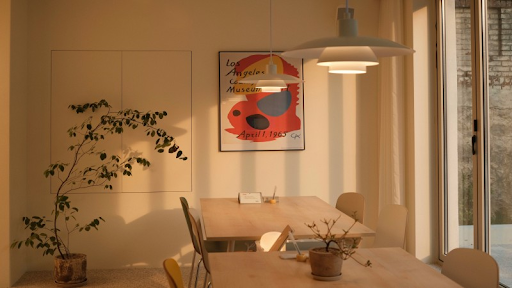
Traditional wallpaper is a decorative element that has been used for centuries to beautify interiors. Unlike peel and stick, traditional wallpapers require a paste to adhere them to the wall, which can be made from modified starch or methylcellulose. This type of wallpaper is favored for its robustness and the rich textures and patterns that are often more detailed than those found on peel and stick options.
Pros and Cons of Traditional Wallpaper
Pros:
Superior Durability: Traditional wallpapers are perfect for areas with high traffic or where long-lasting decor is desired, as they are more resistant to wear and tear.
Deep Textures and Rich Patterns: Offering a depth of design that can elevate any space, traditional wallpapers provide options that can mimic materials like fabric, foil, or even embossed leather.
Enhances Wall Imperfections: Heavier and more forgiving, traditional wallpaper can cover and disguise imperfections in the wall’s plaster or drywall.
Cons:
Complex Installation: Requires more tools, time, and expertise to apply correctly, which might necessitate professional installation.
Challenging to Remove: Once installed, traditional wallpaper is difficult to take down and often leaves residue or damage that must be repaired.
What Is the Difference Between Peel and Stick Wallpaper and Traditional Wallpaper?
When exploring the differences between peel and stick wallpaper and traditional wallpaper, the primary distinction lies in the application process and the flexibility of use. Peel and stick wallpaper, as its name suggests, is designed for easy application.
Simply peel off the backing and apply the adhesive side to your chosen surface. This type of wallpaper is perfect for those who seek a hassle-free installation or may need to move wallpapers between spaces or change designs frequently, catering especially well to dynamic business environments or creative projects that require regular updates.
Traditional wallpaper, on the other hand, involves a more labor-intensive installation that includes applying paste either to the wall or the paper itself. This method is ideal for those who desire a more durable and permanent wall covering.
Due to its robust nature, traditional wallpaper is often chosen for high-traffic areas or in a business setting where longevity and resistance to wear are essential. The choice between these two types of wallpaper often depends on the user’s requirements for durability versus flexibility and ease of change, making it crucial to evaluate the specific needs of your space before making a decision.
How to Choose Wallpapers: Peel and Stick Wallpaper or Traditional Wallpaper?
The decision between peel and stick and traditional wallpaper often comes down to your specific circumstances:
Usage and Flexibility:
If you prefer the option to frequently change your space's look, peel and stick is the way to go. For permanent, high-quality finishes, traditional wallpapers are more suitable.
Surface Conditions:
Smooth, primed walls are ideal for peel and stick wallpapers, while traditional wallpapers are better for hiding wall imperfections and providing a more durable surface.
Budget and Longevity:

Consider your budget and how often you want to refresh your space. Peel and stick might seem more cost-effective initially but think about the longevity and durability you require.
Both peel and stick and traditional wallpapers have their places in home and commercial decor. Choosing the right type depends on your design preferences, usage requirements, and the physical condition of your walls. By understanding these factors, you can select the wallpaper that best meets your needs and enhances your environment.
Conclusion
When deciding between peel and stick and traditional wallpaper, the choice ultimately hinges on your specific requirements and the nature of your project.
In the dynamic world of interior design, understanding these differences can help you tailor your choices to best suit the environment you're cultivating. Whether you're decking out a corporate office, setting up a pop-up exhibition, or personalizing your home, the right wallpaper can significantly impact the look and feel of your space. Choose wisely, and let your walls speak volumes about your style and vision.
FAQs
What is better, peel and stick or traditional wallpaper?
Deciding whether peel and stick or traditional wallpaper is better hinges on your needs. Peel and stick offers ease and flexibility, perfect for temporary setups and frequent decor changes.
Is peel and stick wallpaper cheaper than traditional wallpaper?
Peel and stick wallpaper often appears cheaper upfront due to its DIY-friendly application, eliminating professional installation costs.
Is peel-and-stick wallpaper actually easier to hang than traditional wallpaper?
Peel-and-stick wallpaper simplifies the decorating process, as it requires no paste or water and can be adjusted easily during application.
Why Investing in a Quality Front Door Handle Is Worth It
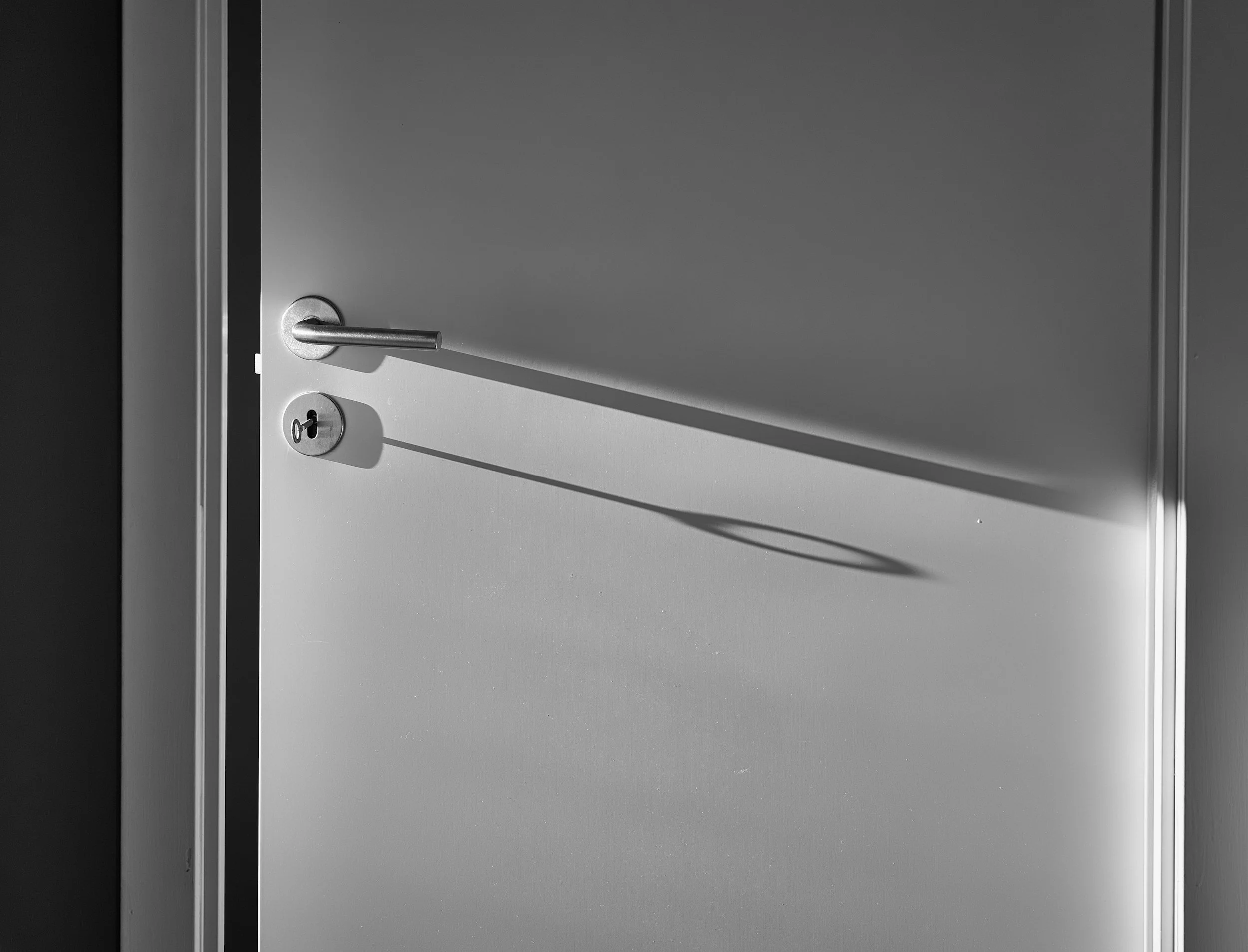
You may not think much of your front door handle, but it’s one of the very first things people see when they walk through your front door. A good front door handle doesn’t just open your front door; it also provides security, adds to the curb appeal of your home, and reflects your personal style. An investment in a good front door handle makes a lot of sense for busy people who appreciate a neat and tidy home but don’t have time to pay attention to every little detail.
We partnered with an home improvement company for this post. The opinions in the post are honest. All reviews and opinions expressed in this post are based on our personal views. We are excited because we know you will love it.
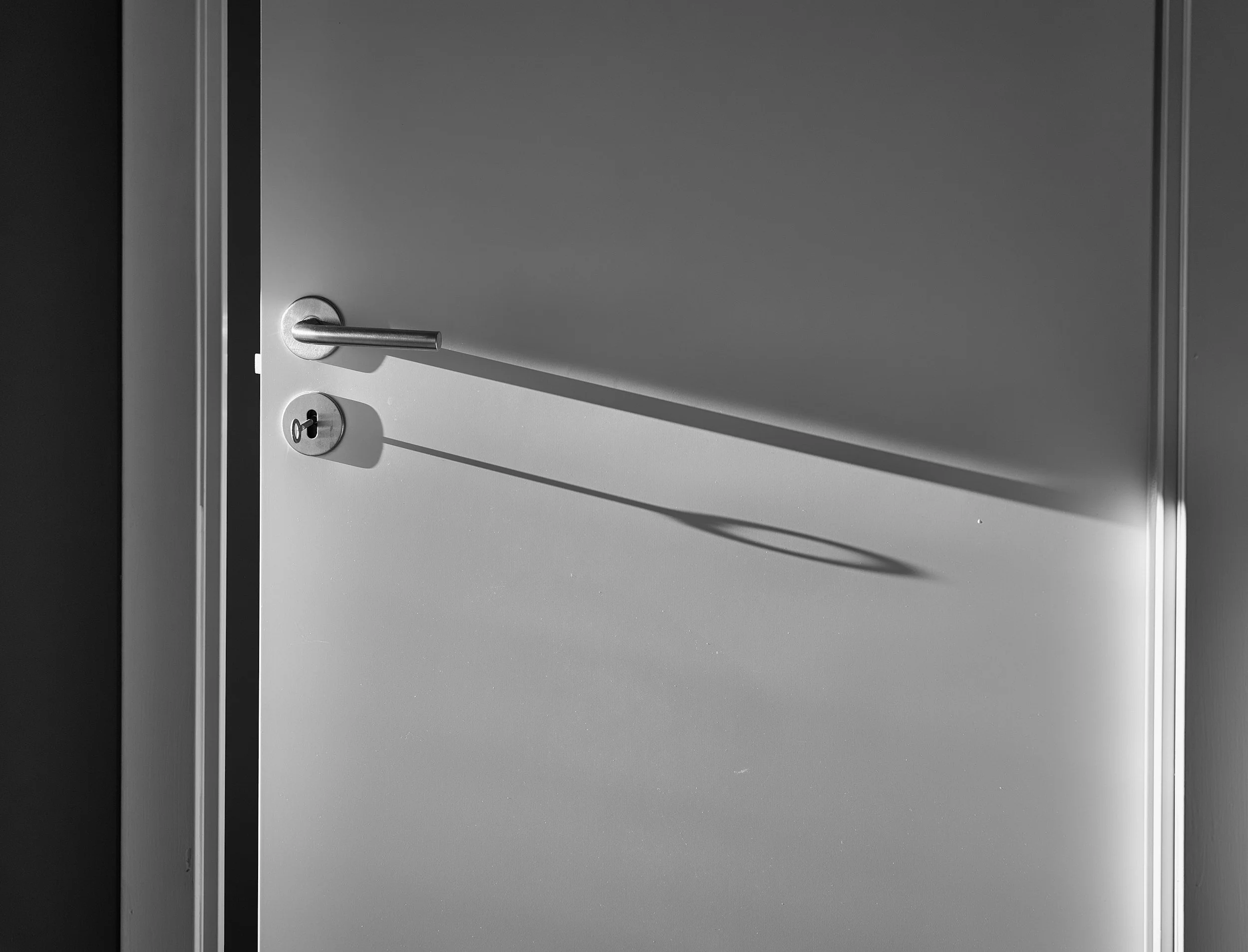
You may not think much of your front door handle, but it’s one of the very first things people see when they walk through your front door. A good front door handle doesn’t just open your front door; it also provides security, adds to the curb appeal of your home, and reflects your personal style. An investment in a good front door handle makes a lot of sense for busy people who appreciate a neat and tidy home but don’t have time to pay attention to every little detail.
Enhancing Security with Durable Front Door Handles
When it comes to home security, a quality front door handle plays a vital role. Cheap or poorly made handles can be easy targets for burglars, compromising your home’s safety. Investing in a premium front door handle ensures you have strong, durable architectural hardware that can withstand forced entry attempts. Many high-quality handles come with advanced locking mechanisms and are constructed from materials designed to resist tampering. For busy homeowners, this added layer of security means peace of mind, knowing your home is protected against potential threats. Not only do quality door handles provide physical security, but they also serve as a deterrent. Potential intruders often judge a home's security by its visible features. A solid, well-made door handle signals that the house is well-protected, making it less likely to be targeted. For anyone juggling a busy schedule, the reliability of a sturdy front door handle is a key component of overall home security.
Boosting Curb Appeal and Property Value
Premium front door handles add to the curb appeal of your home. It is one of the first things guests, neighbors, and prospective buyers notice when approaching your front door. A well-designed and stylish handle can add a hint of elegance to your front door as well as to the overall exterior design of your home. This is especially important for people prioritizing a well-maintained and attractive home environment. A good front door handle also increases your property’s value. Home buyers appreciate the attention to detail and the peace of mind with a top-of-the-line door handle. It is a small investment, but one that can pay off handsomely when it’s time to put your home on the market. For busy people, the fact that such an investment can make a huge difference in the appearance and value of the property makes the choice to invest in premium front door handles an easy one.
Long-Lasting Durability and Performance
When you invest in a high-quality front door handle, you’re investing in durability and long-term performance. Unlike cheap, poorly manufactured options that can easily wear out or require frequent replacements, high-quality door handles are designed to last. They’re usually made from sturdy materials like solid brass, bronze, or stainless steel, which can withstand daily wear and tear and even harsh weather conditions without breaking down. If you’re a busy person, the dependability of a door handle is a huge advantage. You’ll never have to worry about maintenance, loose fittings, or accidental breakages again, saving you time and money. Plus, quality door handles often come with a warranty, so you can be sure that your investment will be protected and that you’ll receive first-class service if something goes wrong.
Reflecting on Personal Style and Taste
The handle on your front door reflects your personal style. A high-quality handle can complement your home’s design preferences. Whether your home is modern, classic, or rustic in architectural style, you’ll find architectural hardware for every decor, finish, and design. Whether you opt for a sleek, modern handle or a traditional, decorative design, your front door handle will add character to your home.
Ease of Use and Functionality
High-quality front door handles are designed to be easy to use and install. This is especially true in busy homes where the door is used frequently. Quality handles provide smooth operation and are ergonomically designed to be comfortable to use. Many are equipped with advanced features like smart locks, keyless entry, or digital access to make your life easier. These functional advantages can make all the difference for people who lead a fast-paced life. Just think of coming home with your hands full of groceries and unlocking your door with a button or a voice command! The function and user-friendliness of premium door handles will make your life easier and add a modern touch to your home.
Cost-Effectiveness in the Long Run
Even though strong, good quality front door handles cost more upfront than cheaper ones, it’s proven more cost-effective over time. With high-quality handles, you’re less likely to have to replace or repair them, which means you’ll save money. Plus, they’re built to last, so they’ll look and function well for years. For busy people who value efficiency and functionality, that’s a major perk. When you invest in a good front door handle, you know you’re getting a dependable, long-lasting solution that’ll give you great value for your money. Over the years, you’ll see that the savings on upkeep and replacement costs far outweigh the upfront cost.
Understanding the Importance of a Quality Front Door Handle
There are many advantages to investing in a premium front door handle. High-quality front door handles are a wise investment for your home because they combine durability, security, and aesthetic appeal. Made of robust materials, quality front door handles resist wear and corrosion, ensuring long-lasting performance. Enhanced security features such as advanced locking mechanisms and tamper-resistant designs help safeguard against unauthorized entry. Whether you’re looking to improve your home’s security and curb appeal, add a touch of personal style, or simply want a handle that will stand the test of time, a premium door handle in various finishes is an investment worth making. Top-of-the-line front door handles can make all the difference to your home, so choose a handle that fits your personal style and enjoy all the benefits that come with it.

Discover Quality & Style: Your Ultimate Guide to Wooden Tables
Wooden tables are an integral part of interior design, renowned for their versatility and durability. Made from different types of wood like oak, mahogany, or pine, these tables come in various sizes and styles to suit every ambience. Their popularity stems from both aesthetics and utility. They serve as functional pieces for dining, working or decorative use while adding charm to any space.
We partnered with a furniture company. for this post. The opinions in the post are honest. All reviews and opinions expressed in this post are based on our personal views. We are excited because we know you will love it.
Wooden tables are an integral part of interior design, renowned for their versatility and durability. Made from different types of wood like oak, mahogany, or pine, these tables come in various sizes and styles to suit every ambience. Their popularity stems from both aesthetics and utility. They serve as functional pieces for dining, working or decorative use while adding charm to any space.
Selecting quality wooden tables significantly impacts the aesthetics, durability, and functionality of your space. Top-quality wood imparts timeless elegance. It is less prone to damages such as scratches or dents than lower-grade woods, ensuring longevity in use. Moreover, it provides strong support for items placed on top. Thus, investing in well-made wooden tables helps you enjoy long-term value alongside sophisticated style appeal.
Understanding wooden tables requires knowledge of wood types, carpentry techniques and finishes. Hardwoods like oak or mahogany are preferred for their durability and grain beauty. Construction focuses on sturdy structures that resist wear wobble-free. Finally, finishes can either highlight natural characteristics with clear coatings or alter appearance with paint or staining. Thus, appreciating a wooden table involves recognizing the craftsmanship, material and finish choice used in its creation.
Brief history of wooden tables
Wooden tables have a storied history, traceable to ancient Egypt. Their initial function wasn’t aesthetic but utilitarian - serving as platforms for storing items. After the 16th century Renaissance period in Europe, they increasingly featured intricate designs symbolizing wealth and status. By the Industrial Revolution, mass production began catering to the general populace's tastes too. Today's wooden tables blend tradition with modern design trends beautifully.
Different types of wood used in tables
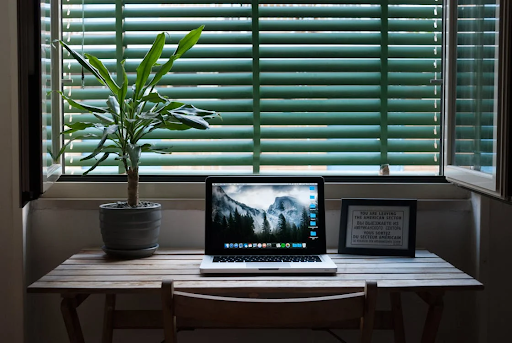
Numerous types of wood are used in crafting tables, each delivering a unique aesthetic. Pine is popular for country-style tables with its beautiful yellow hue and prominent knots. Oak provides exceptional durability together with eye-catching grain patterns, making it well-suited for traditional furniture. Maple's delicate pale colour creates modern-looking tables while rich tones of mahogany suggest an air of luxury and sophistication.
Importance of wood quality in table construction
High-quality wood is vital in table construction to ensure longevity, function and aesthetics. Using top-notch materials increases durability, preventing warp or damage over time. Higher-grade woods also provide a refined appearance that showcases natural grain patterns, enhancing the overall design appeal. Excellent quality wood plays a crucial role in creating stable and visually pleasing furniture pieces like tables, thereby displaying superior craftsmanship.
Elements of a Quality Wooden Table
A quality wooden table encompasses various elements. Predominantly, it's crafted from solid, durable hardwood like oak or walnut for longevity and resilience against wear. The construction reflects fine workmanship, boasting well-fitted joints and smooth surfaces devoid of splinters or cracks. Its finish enhances the wood's grain whilst providing protection. Irrespective of design - rustic or contemporary - it creates a warm aesthetic in any room.
Materials: Different types of quality wood
Materials used in various fields can significantly impact the quality of an end product. Among these, wood stands as a substantially versatile material owing to the diverse types available. Depending on the source trees, woods like oak, cherry, maple and mahogany offer different textures and durability. This divergence ensures optimal fit for distinct demands across construction, furniture making or crafting industries; proving versatility through quality differentiation.
Craftsmanship: Signs of a well-made table
A well-made table exhibits true craftsmanship through several distinct signs. These include the use of high-quality materials ensuring robustness, expertly applied finishes enhancing its aesthetics and longevity, seamless joint techniques proving structural stability, meticulous detailing reflecting artisan's skills, uniformity and symmetry denoting precision. Additionally, the surfaces should be smooth to the touch with no visible glue marks or imperfections indicating exceptional attention paid to its construction process.
Durability: How the table stands the test of time
The durability of a table is measured by its ability to stand the test of time. Crafted from materials like hardwoods are more resilient, and capable of surviving generations of use and wear. Exceptional craftsmanship also contributes to longevity; notable features include reinforced joints, sturdy design structure, and protective finishes that withstand spills or heat – all hallmarks of a durable, timeless table.
Wooden tables FAQs
What is the best affordable wood for a table?
Pine is arguably the best affordable wood for a table. It's abundant, cost-effective and easy to work with, making it extremely popular for furniture-making. Although it’s softer than hardwoods like oak or maple, pine is durable and wears well over time, flaunting distinctive swirling grain that can bring rustic charm to any living space. Hence its high demand among budget-conscious consumers.
How much should a good table cost?
The cost of a good table varies greatly depending on several factors: material, design, craftsmanship and brand. An average-quality wooden dining table might range from $500 to $1000 while high-end ones could exceed $2000. Personal budget, aesthetic preferences, and frequency of use should be considered when determining how much your ideal table ought to cost. Remember: durability is key for this central piece of furniture!
What is the best length for a table?
The best length for a table depends entirely on the intended function and available space. For dining tables, professionals suggest at least 2 feet of space per person for comfortable seating. Smaller workspaces or hallways may fit narrow console tables better. Large family rooms could accommodate coffee tables around 4 feet long. Ultimately, measuring your available area assists in choosing an appropriately sized table.
Which wood is good for a table?
Hardwood species, such as oak and walnut, are excellent choices for creating a sturdy table. Both possess greater durability against daily wear and tear. Oak presents an elegant grain pattern giving each table a unique style while walnut exhibits warm tones amplifying aesthetics significantly. Although pricier than softwoods like pine or fir, the longevity factor of hardwoods makes their investment worthwhile.

