

A resource for those seeking information on organizing and transforming spaces.

How to Decorate Your Living Room for a Minimalistic Vibe
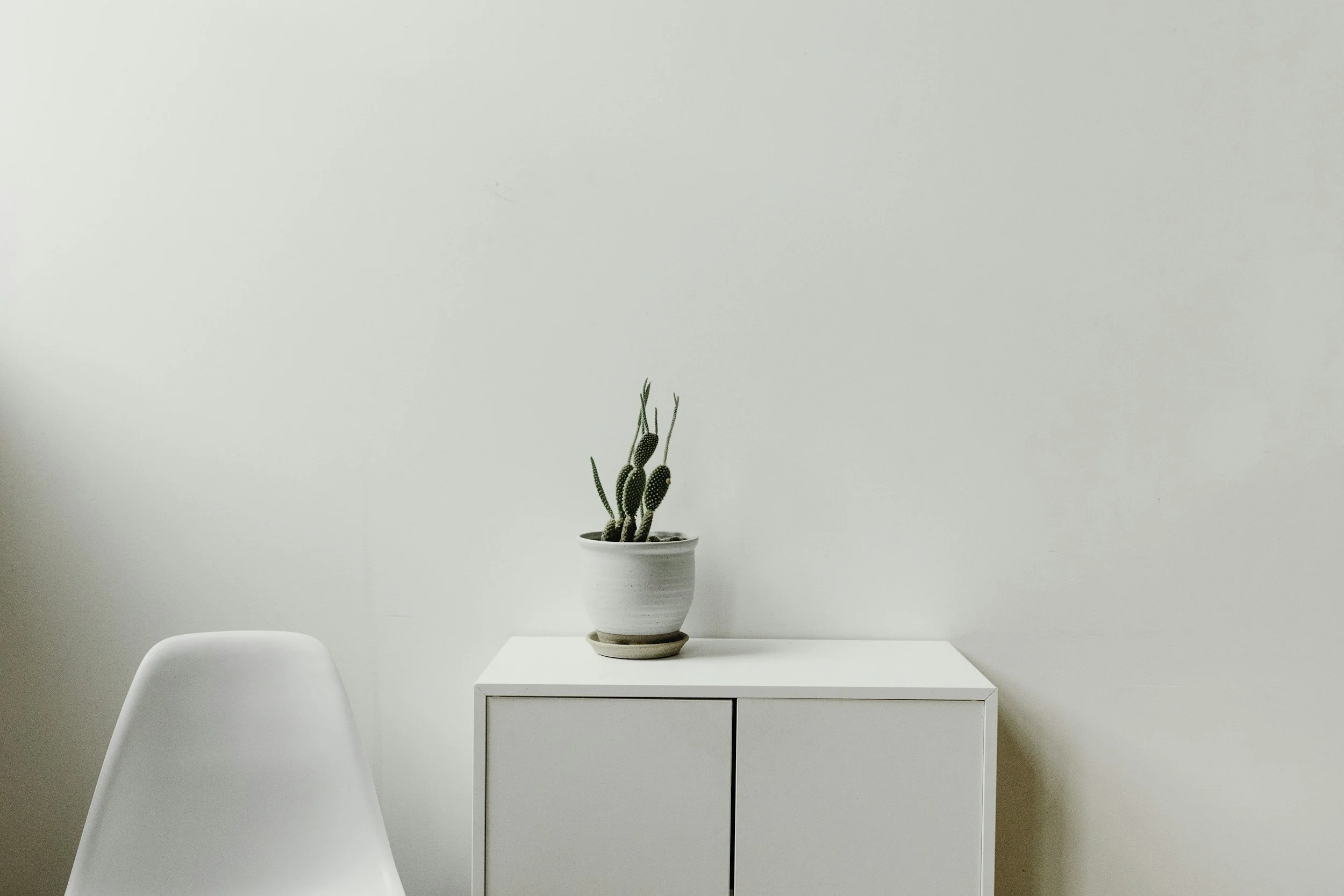
Creating a minimalistic living room can bring a sense of calmness and sophistication to your space. With its clean lines, neutral colours, and clutter-free environment, minimalism offers a refreshing aesthetic that promotes simplicity.
We partnered with a home design company for this post. The opinions in the post are honest. All reviews and opinions expressed in this post are based on our personal views. We are excited because we know you will love it.

Creating a minimalistic living room can bring a sense of calmness and sophistication to your space. With its clean lines, neutral colours, and clutter-free environment, minimalism offers a refreshing aesthetic that promotes simplicity.
Due to this, minimalism in recent times has become a popular home decor theme and brands like Mega Boutique have caught up with the trend, offering a wide range of decor items that can perfectly fit any minimalistic living space. However, deciding what to buy and how to set it up can become overwhelming if you do it in your home for the first time.
Here is everything you need to know about decorating your living space like a minimalist:
1. Starting with Decluttering:
A cluttered living room can disrupt the flow while impacting the overall serenity of a minimalist design.
To achieve this, begin by removing unnecessary items and furniture to create room for the new. Letting go of items you no longer need declutters your space while freeing up mental space.
2. Simplify Your Furniture Choices:
Aim for clean lines, sleek designs, and pieces that serve their purpose without unnecessary embellishments. Opt for functional furniture that maximises storage solutions while minimising visual clutter.
3. Neutral Color Palette:
To achieve a soothing ambience in your home, choose a neutral colour palette as the foundation of your design scheme. Colours like whites, beiges, greys, and muted tones allow other elements to stand out while maintaining an aura of simplicity.
4. Use Effective Lighting Strategies:
Maximise natural light by keeping windows clean or using sheer curtains or blinds that allow light in gently throughout the day.
If natural light is scarce, focus on functional lighting fixtures such as recessed lights or pendant lamps with warm LED bulbs that softly illuminate the room without overwhelming glare.
5. Thoughtful Storage Solutions:
Consider opting for multifunctional furniture with hidden compartments that enhance your interior while discreetly hiding items. Wall-mounted shelves with minimalistic designs can offer storage and display space for books, plants, or decorative objects. Use these storage solutions strategically to keep items neatly organised.
6. Select Decor Elements Mindfully:
Minimalism doesn't mean utterly devoiding décor but opting for furniture pieces that do not look bulky and distracting. Incorporating a few statement pieces like intentionally chosen artwork, plants, or simple yet striking decor ornaments can do wonders for your living space.
7. Creating Balance with Negative Space:
Negative space refers to the empty spaces surrounding objects in your living room. Allow for ample negative space by thoughtfully arranging furniture and decorative elements, avoiding overcrowding and maintaining flow.
8. Incorporate Functional Textures:
Introduce subtle textures to avoid an overly sterile ambience without compromising the minimalist aesthetic. Consider materials like linen, wool, jute, or velvet that add depth to furniture upholstery or rugs while maintaining simplicity. Soft cushions and throws in natural fibres can provide comfort without crowding the overall design scheme.
9. Plant Life for Natural Simplicity:
Adding plants to your minimalistic living room adds a refreshing touch of nature and smartly breaks the monotony of a neutral palette. Choose low-maintenance plants that can thrive indoors with minimal attention. Plant them in simple, sleek planters that blend seamlessly with the overall minimalist aesthetic.
10. Mindful Placement of Appliances:
In modern living rooms, appliances play a significant role. However, they can also contribute to visual clutter and disrupt the calmness of a minimalistic vibe if not placed strategically.
Intentionally place electronics in designated spots to minimise their impact on the overall aesthetic. Use cord organisers and discreet storage solutions to keep them tucked away.
Bottomline
With a rise in hectic schedules and less time to maintain a household, minimalistic home designs are becoming popular. They are stress-free, do not overwhelm and are easy to maintain.
It includes multipurpose furniture pieces, electronic appliances that blend into the home decor and additional accessories that keep the visual manageable. The key to being minimalist is finding multiple-purpose items that are easy to style and decorate while avoiding bulky items.

5 Reasons to Opt for a Glass Door in Your Next Shower Upgrade
When planning a bathroom renovation, every detail counts. Among the many decisions homeowners face, choosing the right shower door can significantly impact both aesthetics and functionality. Opting for a glass door during your next shower upgrade offers numerous benefits that go beyond mere style. This guide explores five compelling reasons to consider a glass door for your shower.
When planning a bathroom renovation, every detail counts. Among the many decisions homeowners face, choosing the right shower door can significantly impact both aesthetics and functionality. Opting for a glass door during your next shower upgrade offers numerous benefits that go beyond mere style. This guide explores five compelling reasons to consider a glass door for your shower.
Elevates Bathroom Aesthetics
A glass shower door instantly elevates the visual appeal of any bathroom. Its clean and modern look complements various design styles, from sleek contemporary to timeless classic. Unlike traditional shower curtains or opaque doors, glass doors provide an open and airy feel, making even small bathrooms appear more spacious. This transparency enhances natural light flow, highlighting other design elements and creating a cohesive, luxurious atmosphere.
Enhances Functionality and Convenience
Glass shower doors excel in functionality. They are easy to clean and maintain, unlike shower curtains that can harbor mold and mildew. The smooth surface of glass repels water and soap scum, ensuring minimal upkeep. Additionally, glass doors can be customized to fit any shower space, offering options like sliding doors for compact bathrooms or swinging doors for larger spaces. This adaptability ensures that your shower area is both practical and tailored to your specific needs.
Boosts Home Value
Investing in a glass shower door can significantly increase the value of your home. Potential buyers often look for modern, stylish, and well-maintained bathrooms. A glass door adds a touch of luxury and sophistication that can make your property stand out in the real estate market. This upgrade not only enhances your daily living experience but also offers a favorable return on investment when it's time to sell.
Offers Durability and Longevity
Glass shower doors are crafted from tempered glass, which is designed to withstand impact and sudden temperature changes. This durability ensures that the door remains in excellent condition for years, making it a cost-effective choice in the long run. The robust nature of tempered glass reduces the risk of cracks and breakage, providing peace of mind and consistent performance over time. Beyond a mere upgrade, it serves as a remedy for a much-needed shower door repair.
Provides Customization and Design Flexibility
The versatility of glass allows for extensive customization options. Homeowners can choose from various glass types, including clear, frosted, tinted, or patterned, to match their personal preferences and bathroom décor. Hardware finishes like chrome, brushed nickel, or matte black add another layer of customization, enabling you to create a shower enclosure that is uniquely yours. Whether aiming for a minimalist look or a more ornate design, glass doors offer the flexibility to bring your vision to life.
Final Thoughts
Opting for a glass door in your next shower upgrade is a decision that combines style, practicality, and lasting value. From enhancing the overall aesthetics of your bathroom to boosting your home's value, the benefits are numerous and compelling. Consider incorporating a glass shower door into your renovation plans and enjoy the myriad advantages it brings to your living space.

Learn how to design a family-friendly kitchen so that everyone feels welcomed
Films and movies have always painted the perfect picture of a dream kitchen that welcomes everyone in the family. This room is supposed to be the space where your entire family spends quality time, shares stories about their day, and connects. But in real life, creating that space where everyone feels welcomed is quite challenging, especially when you have a diverse family.
We partnered with a home design company for this post. The opinions in the post are honest. All reviews and opinions expressed in this post are based on our personal views. We are excited because we know you will love it.
Films and movies have always painted the perfect picture of a dream kitchen that welcomes everyone in the family. This room is supposed to be the space where your entire family spends quality time, shares stories about their day, and connects. But in real life, creating that space where everyone feels welcomed is quite challenging, especially when you have a diverse family.
A family kitchen isn't just about cooking; it's about bringing everyone together in the same room and inspiring them to spend quality time together. Suppose you want to encourage your family to spend more time in the kitchen; you need to transform it into the central hub of the house so you can connect. It's time to show them that the kitchen can be more than a source of mess and stress.
Are you willing to change the way everyone sees this room?
Make sure you identify your family needs
Suppose you use the kitchen the most; you are tempted to be subjective when identifying your family's needs and focusing more on yours than the overall group. When designing a cooking space, it's common to put the fantasies to reality and picture something you've watched in a movie rather than being honest about your unique needs as a family. You might think that you need a kitchen that looks exactly like what you've seen on Pinterest or Instagram, with art-deco furniture and glossy white cabinets, but it wouldn't serve your family's needs. Wouldn't it?
But you need to really think about your family's habits and needs and try to figure out if you need a formal or more flexible setup. How many people sit around the table and eat in the kitchen daily? Do you allow pets to join you? Are your kids comfortable sitting around in the kitchen? Do you want to welcome guests in the kitchen?
Only commit to a design after you take note of how your family uses the kitchen and use it as a starting point to develop a space suitable for everyone.
Make it easy to clean and maintain
Install hard-working and easy-to-clean surfaces that will withstand all the wear and tear of cooking. Your entire family will use the kitchen, so you want to ensure it won't get damaged because of daily knocks and bumps. Ask the local store for different solutions for a busy kitchen, and don't try to save money on surfacing materials because they make a difference in the long term. You don't want to recondition the kitchen again any time soon, so keep the quality high. Ensure that the kitchen units and countertops won't scratch or get ruined due to increased heat to prolong the kitchen's life. Picking high-quality surfaces and furniture now will pay off in the end because you won't have to replace them in the future. There are many options available, from metals to wood and natural stone; you can definitely find something to match your overall home design and stay within the budget.
Choose a layout geared for your family
Before ordering furniture, decide what layout suits your family's needs best. You want a space to feel useful, sociable, and secure for anyone, so you should research to learn more about each type of kitchen's ups and downs. If you have young children, you might prefer an open-layout kitchen because it enables you to keep an eye on your kids while they play in the living room. Open kitchens are also ideal if you want to stay connected to your family while you cook in the kitchen and they engage in other activities around the house. However, it might also require you to come up with some solutions to prevent your children from interfering with your cooking and keeping them safe. You want to keep the little ones away from the prep areas and prevent them from opening some drawers and the oven and have access to particular shelves.
Ensure the kitchen includes enough storage
When you run a family kitchen, you need to stock plenty of supplies and items so all your kitchen cardboard will be put to great use. However, before ordering new kitchen cabinets and looking for storage solutions, it's essential to take a look at the things you already have in the kitchen and decide which ones you want to keep and use and which ones will go to charity. This way, you'll be able to figure out your present family needs and design storage that matches them. There are countless smart solutions that will maximize a kitchen in terms of space, but some research is required. You could discuss with a kitchen designer to help you create a space that makes stocking up everything you need easier without crowding the space.
A kitchen island provides both a working surface and storage space, so it could be a great solution if you have enough room to install one. You can also maximize the space by installing floor-to-ceiling cabinets.
Create a space for social interaction
Considering that you plan to create a space where your family feels welcome and comfortable spending time, you need to plan the layout to include a space that encourages social interaction. Having comfortable chairs or even a sofa, if the space allows it, will make it more enjoyable for your loved ones to spend time in the kitchen. They will no longer disperse into their rooms when you start cooking but will stick around to socialize and even help you. You can choose from countless options regarding kitchen seating, but before you evaluate your family's needs, you can choose.
And make sure the room's lighting scheme also makes the atmosphere more enjoyable. Install ambient lighting in the corner designed for socialization.
Suppose you also allow your pets in the kitchen; you should also design a space where they can sit comfortably while you cook or clean. They will appreciate your company after staying home alone for several hours.
Make the kitchen feel like the heart of the home for the entire family with the above recommendations!
Peel and Stick Vs Traditional Wallpaper: Which Is Better?
Choosing the right wallpaper can transform any space, but with so many options on the market, it can be daunting to decide which type best suits your needs. This article delves into the differences between peel and stick wallpaper and traditional wallpaper, helping you make an informed decision that aligns with your design objectives and practical requirements.
We partnered with an home design company for this post. The opinions in the post are honest. All reviews and opinions expressed in this post are based on our personal views. We are excited because we know you will love it.

Choosing the right wallpaper can transform any space, but with so many options on the market, it can be daunting to decide which type best suits your needs. This article delves into the differences between peel and stick wallpaper and traditional wallpaper, helping you make an informed decision that aligns with your design objectives and practical requirements.
Whether you are updating a personal space or enhancing a business environment, understanding these options will assist you in achieving the desired ambiance and functionality.
Peel and Stick Wallpaper
What Is Peel and Stick Wallpaper?
Peel and stick wallpaper, as the name suggests, is a self-adhesive wallpaper that doesn't require any additional adhesives or pastes. This wallpaper variety is typically made from a lightweight vinyl that features a paper backing which peels off to expose an adhesive surface. This ease of application and removal has made peel and stick a popular choice among DIY decorators and those living in temporary housing.
Pros and Cons of Peel and Stick Wallpaper
Pros:
Ease of Application: Peel and stick wallpapers are designed for easy application, making them a great choice for beginners or those looking for a quick update to their space.
Flexibility: Since it's easy to remove, this wallpaper is ideal for people who like to update their decor frequently or are living in rental spaces where permanent modifications aren't permitted.
Variety of Designs: Available in a vast array of colors, patterns, and textures, peel and stick wallpapers can suit almost any decor style.
Cons:
Less Durability: While convenient, they may not stick well to textured or non-ideal surfaces and are generally less durable than traditional wallpapers.
Cost Considerations: Although they are easier to install and remove, peel and stick wallpapers can be more expensive in the long run due to the need for frequent replacements in high-traffic areas.
Peel and stick removable wallpaper offers an excellent solution for those seeking style without permanence.
Traditional Wallpaper
What Is Traditional Wallpaper?
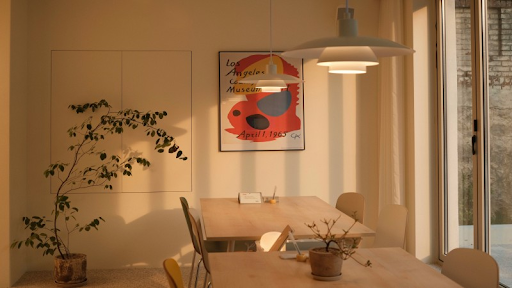
Traditional wallpaper is a decorative element that has been used for centuries to beautify interiors. Unlike peel and stick, traditional wallpapers require a paste to adhere them to the wall, which can be made from modified starch or methylcellulose. This type of wallpaper is favored for its robustness and the rich textures and patterns that are often more detailed than those found on peel and stick options.
Pros and Cons of Traditional Wallpaper
Pros:
Superior Durability: Traditional wallpapers are perfect for areas with high traffic or where long-lasting decor is desired, as they are more resistant to wear and tear.
Deep Textures and Rich Patterns: Offering a depth of design that can elevate any space, traditional wallpapers provide options that can mimic materials like fabric, foil, or even embossed leather.
Enhances Wall Imperfections: Heavier and more forgiving, traditional wallpaper can cover and disguise imperfections in the wall’s plaster or drywall.
Cons:
Complex Installation: Requires more tools, time, and expertise to apply correctly, which might necessitate professional installation.
Challenging to Remove: Once installed, traditional wallpaper is difficult to take down and often leaves residue or damage that must be repaired.
What Is the Difference Between Peel and Stick Wallpaper and Traditional Wallpaper?
When exploring the differences between peel and stick wallpaper and traditional wallpaper, the primary distinction lies in the application process and the flexibility of use. Peel and stick wallpaper, as its name suggests, is designed for easy application.
Simply peel off the backing and apply the adhesive side to your chosen surface. This type of wallpaper is perfect for those who seek a hassle-free installation or may need to move wallpapers between spaces or change designs frequently, catering especially well to dynamic business environments or creative projects that require regular updates.
Traditional wallpaper, on the other hand, involves a more labor-intensive installation that includes applying paste either to the wall or the paper itself. This method is ideal for those who desire a more durable and permanent wall covering.
Due to its robust nature, traditional wallpaper is often chosen for high-traffic areas or in a business setting where longevity and resistance to wear are essential. The choice between these two types of wallpaper often depends on the user’s requirements for durability versus flexibility and ease of change, making it crucial to evaluate the specific needs of your space before making a decision.
How to Choose Wallpapers: Peel and Stick Wallpaper or Traditional Wallpaper?
The decision between peel and stick and traditional wallpaper often comes down to your specific circumstances:
Usage and Flexibility:
If you prefer the option to frequently change your space's look, peel and stick is the way to go. For permanent, high-quality finishes, traditional wallpapers are more suitable.
Surface Conditions:
Smooth, primed walls are ideal for peel and stick wallpapers, while traditional wallpapers are better for hiding wall imperfections and providing a more durable surface.
Budget and Longevity:

Consider your budget and how often you want to refresh your space. Peel and stick might seem more cost-effective initially but think about the longevity and durability you require.
Both peel and stick and traditional wallpapers have their places in home and commercial decor. Choosing the right type depends on your design preferences, usage requirements, and the physical condition of your walls. By understanding these factors, you can select the wallpaper that best meets your needs and enhances your environment.
Conclusion
When deciding between peel and stick and traditional wallpaper, the choice ultimately hinges on your specific requirements and the nature of your project.
In the dynamic world of interior design, understanding these differences can help you tailor your choices to best suit the environment you're cultivating. Whether you're decking out a corporate office, setting up a pop-up exhibition, or personalizing your home, the right wallpaper can significantly impact the look and feel of your space. Choose wisely, and let your walls speak volumes about your style and vision.
FAQs
What is better, peel and stick or traditional wallpaper?
Deciding whether peel and stick or traditional wallpaper is better hinges on your needs. Peel and stick offers ease and flexibility, perfect for temporary setups and frequent decor changes.
Is peel and stick wallpaper cheaper than traditional wallpaper?
Peel and stick wallpaper often appears cheaper upfront due to its DIY-friendly application, eliminating professional installation costs.
Is peel-and-stick wallpaper actually easier to hang than traditional wallpaper?
Peel-and-stick wallpaper simplifies the decorating process, as it requires no paste or water and can be adjusted easily during application.

