

A resource for those seeking information on organizing and transforming spaces.
The Importance of Quality Furniture: Investing in Comfort and Longevity
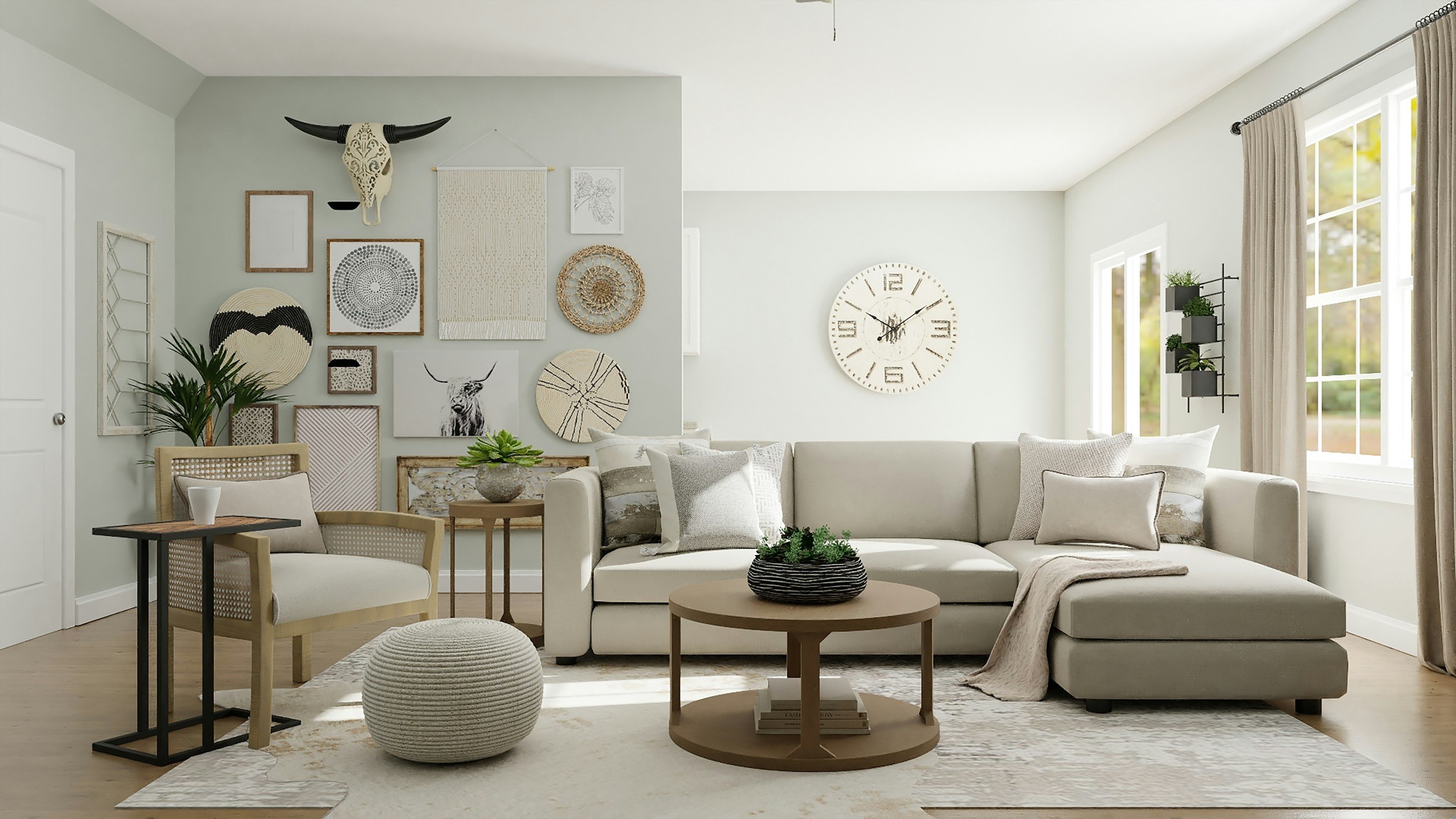
When furnishing a home, the choice of furniture plays a critical role in shaping the environment's aesthetic and functional qualities. Investing in high-quality furniture is not just about creating a visually appealing space; it’s about ensuring comfort, durability, and long-term satisfaction. Quality furniture enhances your living experience, offering a blend of style, resilience, and support that cheaper alternatives simply cannot match. Let’s delve into why choosing quality furniture is essential for every homeowner.
We partnered with a home improvement company. for this post. The opinions in the post are honest. All reviews and opinions expressed in this post are based on our personal views. We are excited because we know you will love it.
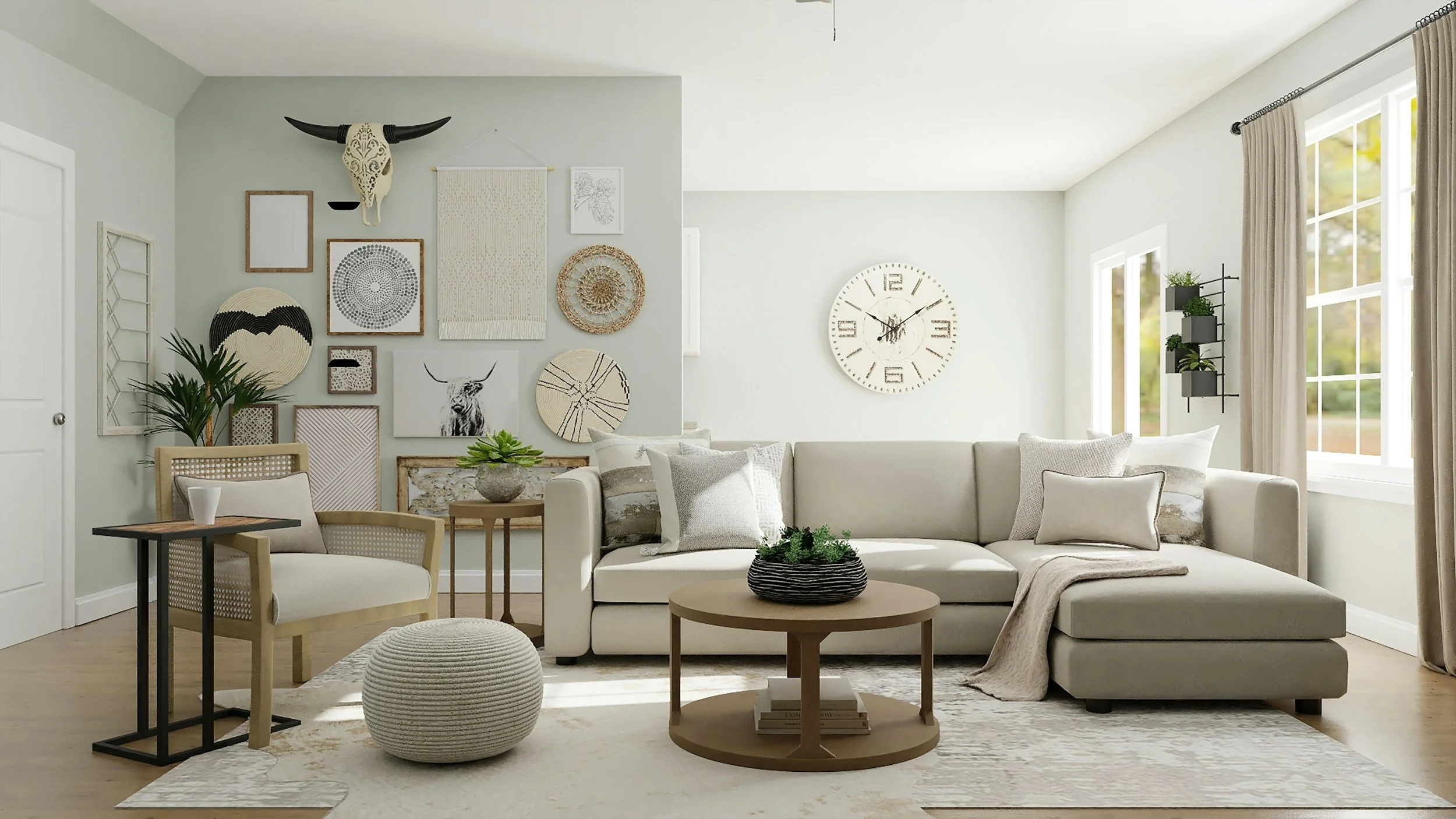
When furnishing a home, the choice of furniture plays a critical role in shaping the environment's aesthetic and functional qualities. Investing in high-quality furniture is not just about creating a visually appealing space; it’s about ensuring comfort, durability, and long-term satisfaction. Quality furniture enhances your living experience, offering a blend of style, resilience, and support that cheaper alternatives simply cannot match. Let’s delve into why choosing quality furniture is essential for every homeowner.
The Foundation of Comfort and Support
One of the primary reasons to invest in quality furniture is the unparalleled comfort it provides. High-quality pieces are designed with ergonomic principles in mind, ensuring that they offer the right support for your body. This is particularly important for items like sofas, chairs, and beds, where improper support can lead to discomfort and long-term health issues.
For instance, a well-crafted sofa with high-density foam cushions provides better support and maintains its shape longer compared to one with low-density foam. Similarly, an ergonomically designed chair can prevent back and neck pain, enhancing your overall well-being.
Durability and Longevity
Quality furniture is an investment that pays off over time. While the initial cost may be higher, the longevity of well-made pieces means they do not need to be replaced frequently. This is because quality furniture is constructed with superior materials and craftsmanship. Solid wood frames, high-quality upholstery, and durable hardware ensure that these pieces withstand the test of time.
Consider the difference in lifespan between a solid wood dining table and one made from particle board. The former can last for generations with proper care, becoming a family heirloom, while the latter may need replacement within a few years. This longevity not only saves money in the long run but also reduces waste and the environmental impact associated with frequently replacing furniture.
Aesthetic Appeal and Personalization
Quality furniture offers a timeless aesthetic appeal that can significantly enhance the look and feel of your home. These pieces are often crafted with attention to detail and superior finishes, making them stand out in any setting. Moreover, quality furniture typically offers a range of customization options, allowing you to select fabrics, finishes, and designs that reflect your personal style.
This level of personalization ensures that your furniture not only fits your space perfectly but also complements your existing decor. Customizable options mean you can create a cohesive look throughout your home, adding a touch of sophistication and elegance that mass-produced furniture cannot provide.
Environmental Impact and Sustainability
Choosing quality furniture also reflects a commitment to sustainability. Many high-end furniture manufacturers prioritize sustainable practices, using responsibly sourced materials and eco-friendly production methods. This reduces the environmental footprint of your furniture and supports industries that are mindful of their impact on the planet. Investing in pieces that last longer also means fewer items end up in landfills, contributing to a more sustainable lifestyle.
Furthermore, many quality furniture pieces can be refurbished or repurposed, giving them a new lease on life rather than discarding them. For example, a well-made wooden chair can be refinished or reupholstered to match new decor trends, whereas cheaper alternatives may not withstand such treatments.
Health Benefits
High-quality furniture contributes to a healthier living environment. Better materials and craftsmanship often mean fewer toxic substances like formaldehyde or volatile organic compounds (VOCs) used in the manufacturing process. This is crucial for maintaining indoor air quality and minimizing health risks, especially for those with allergies or respiratory issues.
Moreover, quality mattresses and bedding can significantly affect your sleep quality. While trends in bedroom design evolve, the question of how long mattresses last remains pertinent. Typically, high-quality mattresses last between seven to ten years, providing consistent support and comfort that is essential for a good night’s sleep. Investing in a quality mattress not only enhances your sleep but also supports your overall health and well-being.
Cost Efficiency
While it may seem counterintuitive, investing in quality furniture can be more cost-efficient over time. Cheap furniture often needs to be replaced frequently due to wear and tear, leading to higher cumulative costs. In contrast, quality pieces, with their superior durability and timeless design, often remain functional and stylish for many years.
Consider the cost of replacing a low-quality sofa every few years versus investing in a high-quality one that lasts for decades. The initial investment in quality furniture can be offset by the savings from not having to frequently purchase replacements, making it a financially sound decision in the long run.
Enhancing Resale Value
Should you ever decide to sell your home, high-quality furniture can enhance its appeal and potentially increase its resale value. Prospective buyers often appreciate well-furnished homes with pieces that reflect good taste and durability. This can be a deciding factor in a competitive housing market, making your home stand out from others.
Additionally, certain quality furniture pieces, especially those that are designer or antique, can appreciate in value over time. This turns your furniture into an asset that can be sold or passed down as a valuable heirloom.
Emotional Satisfaction and Pride
There's a certain emotional satisfaction and pride that comes from owning high-quality furniture. These pieces often carry a sense of craftsmanship and attention to detail that is missing in mass-produced items. Knowing that you own something unique and well-made can bring a sense of joy and pride, enhancing your overall living experience.
Quality furniture also often comes with a story—whether it’s the heritage of the brand, the craftsmanship involved, or the personal journey of finding the perfect piece. These stories add character to your home and make your space uniquely yours.
Maintenance and Care
Caring for quality furniture is typically easier than maintaining cheaper alternatives. High-quality materials and finishes are designed to withstand daily use and are often easier to clean and maintain. For example, leather sofas of high quality develop a beautiful patina over time and can be cleaned with simple leather conditioners, whereas faux leather or lower-quality materials may crack and deteriorate quickly.
Proper maintenance further extends the life of your furniture. Simple practices like regular dusting, using coasters, and avoiding direct sunlight can keep your pieces looking their best. Manufacturers of quality furniture often provide detailed care instructions to help you maintain your investment.
Conclusion
Investing in quality furniture is more than just a financial decision; it’s about enhancing your living environment, ensuring comfort, and making a sustainable choice. High-quality pieces offer durability, timeless appeal, and superior comfort, providing long-term satisfaction and value. By choosing quality over quantity, you create a home that reflects your personal style, supports your health, and stands the test of time. Whether you're furnishing a new home or upgrading your current space, the importance of quality furniture cannot be overstated.
Renovating Small Bathrooms for Toronto Homeowners
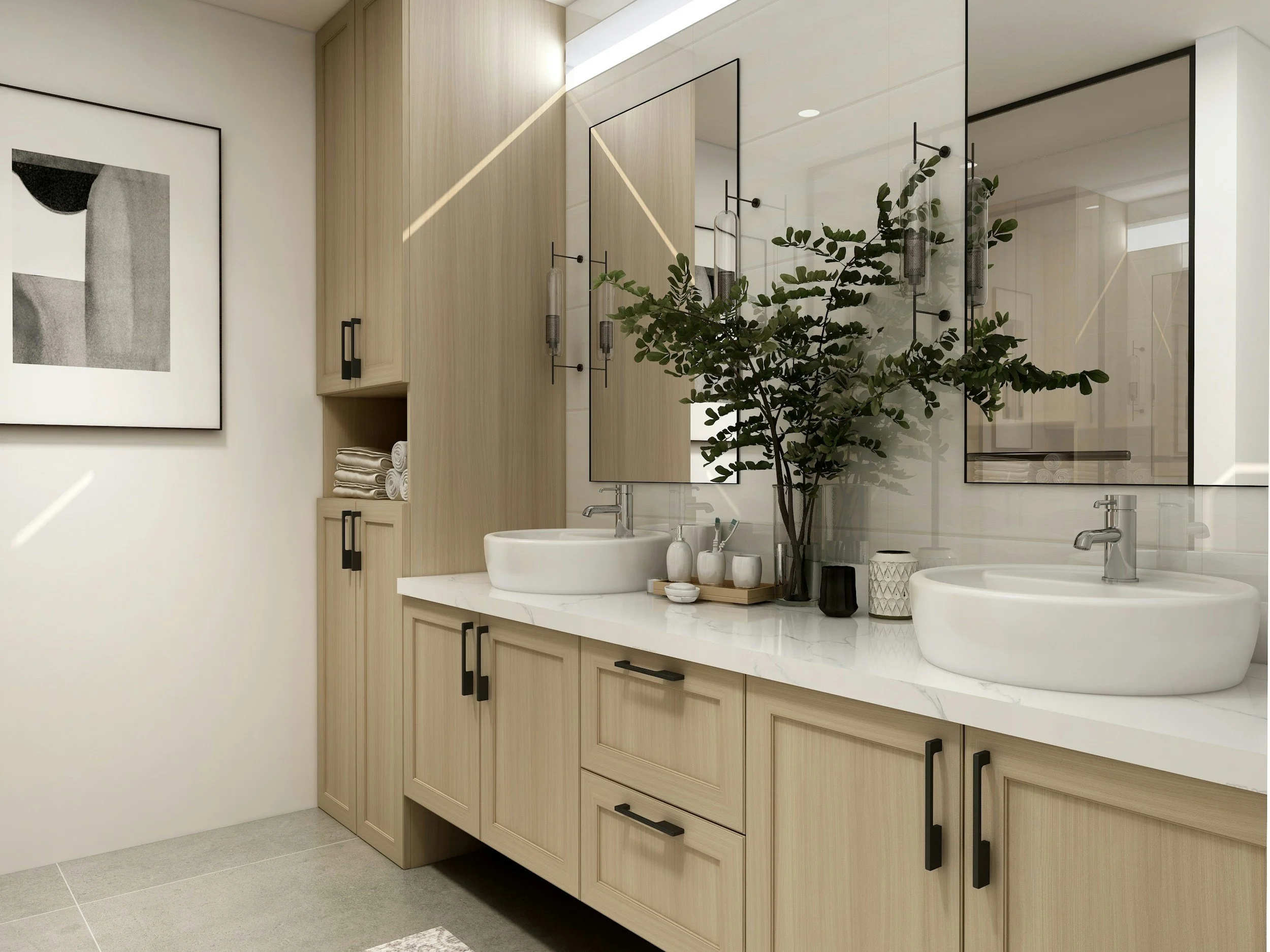
Although it may be quite satisfying, renovating a tiny bathroom in Toronto comes with its own set of difficulties. Smaller spaces require deliberate design decisions and meticulous planning to optimize both practicality and beauty. Common problems in smaller bathrooms include little storage, dim lighting, and out-of-date fixtures, but all of those problems let you think creatively and come up with a unique solution!
We partnered with a home design company for this post. The opinions in the post are honest. All reviews and opinions expressed in this post are based on our personal views. We are excited because we know you will love it
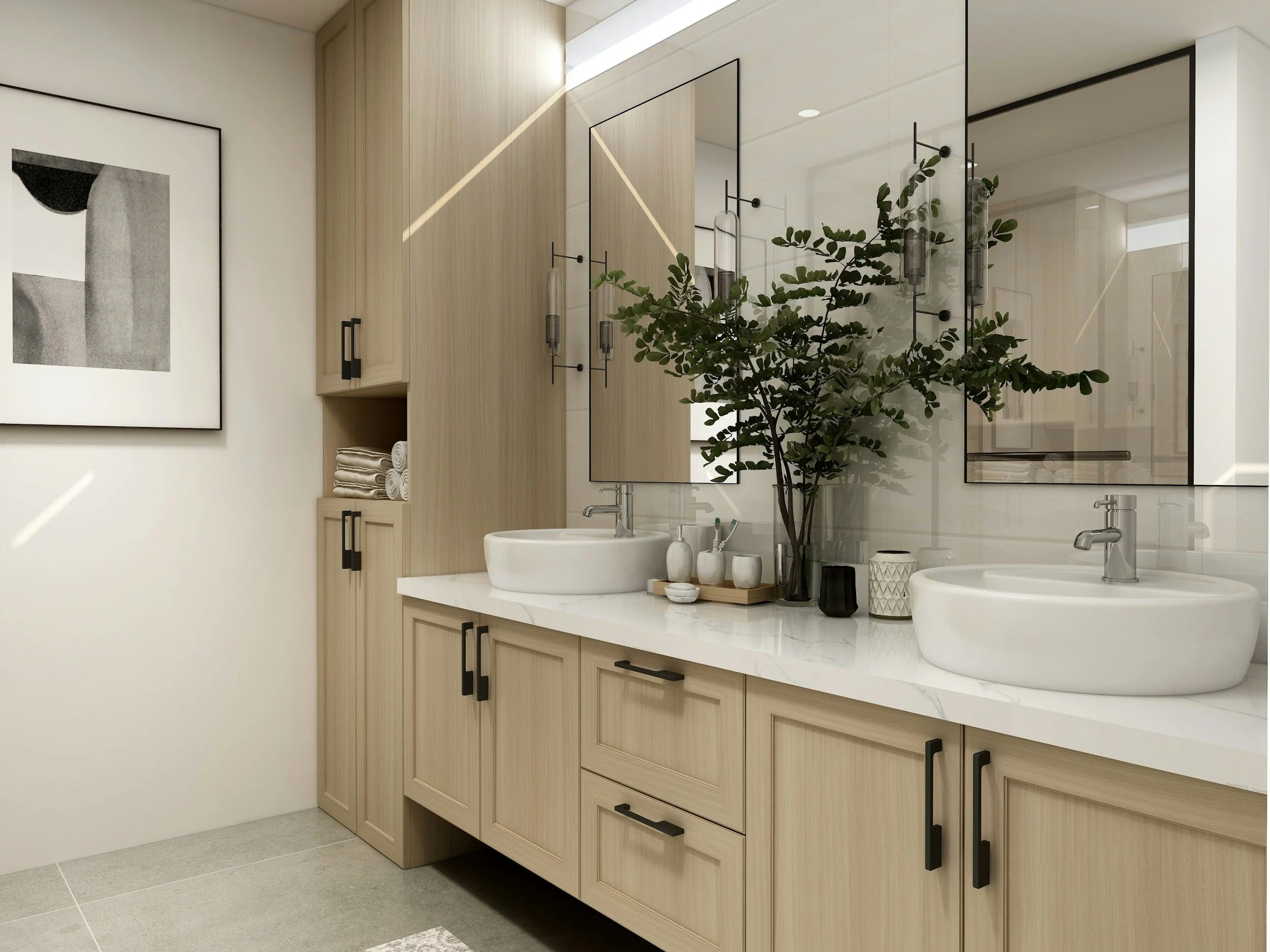
Although it may be quite satisfying, renovating a tiny bathroom in Toronto comes with its own set of difficulties. Smaller spaces require deliberate design decisions and meticulous planning to optimize both practicality and beauty. Common problems in smaller bathrooms include little storage, dim lighting, and out-of-date fixtures, but all of those problems let you think creatively and come up with a unique solution!
A well-thought-out plan and a clear vision are essential since every square inch counts. This includes making the proper material and fixture selections as well as applying clever storage options to guarantee a seamless renovation process and a pleasing end product.
The challenges of renovating little bathrooms are known to The Home Improvement People. Their team of experts is dedicated to helping homeowners create beautiful and useful spaces. Get in touch with The Home Improvement People for a free estimate and give that little bathroom some TLC!
Assess Your Current Bathroom
It's important to examine prospective upgrades and identify present concerns in your bathroom before beginning any renovations. First, identify the primary issues, which could be:
Cramped Space: Is your bathroom too small to move around comfortably? Limited space can make daily routines feel restrictive and frustrating.
Older Fixtures: Are the old or damaged fixtures present? Both the practicality and visual appeal of your bathroom might be diminished by outdated sinks, toilets, and showers.
Bad Lighting: Is the lighting insufficient? A room with inadequate illumination may appear smaller and less welcoming (not to mention dangerous).
Once you’ve identified the issues, consider the potential for improvements:
Reconfiguration: Can the layout be changed to improve functionality? Sometimes, simply moving fixtures or removing unnecessary walls can create a more efficient and open space.
Natural Light: Are there opportunities to incorporate more natural light? The bathroom can appear lighter and larger by employing reflecting materials like mirrors and glass, or by adding or increasing windows.
Define Your Vision
To get a cohesive and fulfilling outcome for your bathroom, you must have a clear vision. Your vision should take into account your desired aesthetics, functional needs, and financial constraints.
Style Preferences: Choose the general look you would like your bathroom to have. Which style—minimalist, sleek, with clean lines and fixtures—is your favorite? Or are you more drawn to a timeless, classic style with tasteful accents and finishes?
Functionality Requirements: Think about the features that are required to satisfy your needs and the way you utilize your restroom. If space is at a premium, consider incorporating built-in shelves, cabinets, and creative storage solutions to keep the space organized and clutter-free.
Budget Considerations: A reasonable budget is essential for any remodeling job. Sort your budget into sections like supplies, labor, and backup plans. Consider the cost of high-end parts like worktops, tiles, and fittings, as well as the labor involved in hiring a professional installer. It's also a good idea to budget for unanticipated expenses that can arise during renovations. Invest your money based on your priorities, and be prepared to change course if necessary.
Maximize Space and Light
Making the most of available space and light in a small bathroom is essential. Here are some ways to make this happen:
Mirrors and Glass:
Employ Big Mirrors for Depth and Light: Large mirrors reflect light, giving the impression that a space is bigger and lighter.
Install Frameless Glass Shower Doors: Frameless glass doors provide the illusion of more space and a modern vibe in the room by allowing light to flow freely through them.
Optimal Lighting:
Maximize Natural Light: Use sheer window coverings and leave windows open to let in as much natural light as possible in the bathroom.
Layered Lighting: Use task lighting around the vanity, ambient lighting for general illumination, and accent lighting to highlight architectural aspects.
Clever Storage Options:
Vertical Space: To provide enough storage and free up floor space, use wall-mounted cabinets and shelf units.
Recessed Storage Niches: Create niches in the shower area for storing toiletries and bath essentials.
Hidden Storage:
Shelves Behind Mirrors: Put shelves behind mirrors to store everyday items like toothpaste and skincare products.
Pull-Out Drawers Under Sinks: For convenient access and organization, use pull-out drawers beneath the sink.
Toe-Kick Drawers: Inconspicuous storage for tiny items close to cabinet bases is provided by toe-kick drawers.
Multifunctional Fixtures:
Vanities with Built-In Storage: To keep toiletries organized, select vanities that include a sink with storage space.
Integrated Lighting Mirrors: Built-in mirrors reduce space and provide a classy look by doing away with the need for separate lighting equipment.
Space-Saving Fixtures and Layouts:
Compact Fixtures: To maximize space and preserve a tidy, open atmosphere, use wall-hung toilets and corner sinks.
Innovative Designs: Use herringbone or diagonal tile patterns to give the space an illusion of length. To create the feeling of more space, think about using partial glass dividers or open-concept designs.
Material and Fixture Selection:
Durable Materials: Select porcelain tiles, quartz countertops, and waterproof paint for long-lasting and stylish surfaces.
The Renovation Process
Planning and Design:
Define Goals: Clearly state the goals you have in mind for your bathroom makeover. Think about practicality, style, and any unique requirements you may have, like more storage or better lighting.
Work with Professionals: To create a thorough renovation plan, work with knowledgeable designers and contractors. Their knowledge can help you make the most of your available space and guarantee that your design is both beautiful and functional.
Obtain Permits: Before starting any work, make sure to secure the necessary permits from local authorities. This step is crucial to ensure that your renovation complies with Toronto's building codes and regulations.
Selecting a Contractor:
Experience: Look for a contractor with a lot of prior experience remodeling bathrooms. Make sure they have performed projects comparable to yours by looking through their portfolio.
Reputation: To evaluate a contractor's dependability and caliber of work, look up internet evaluations, get references, and get in touch with past customers.
Licenses and Insurance: Verify that the contractor has the required insurance and licenses to carry out the work safely and legally.
Communication: Pick a contractor with regular, straightforward communication. Maintaining project momentum and quickly resolving challenges need effective communication.
Managing Timeline and Budget:
Establish a Reasonable Timetable: Create a plan that accounts for the volume of work, the accessibility of the supplies, and any anticipated delays. Create a comprehensive project schedule with your contractor that outlines each step of the renovation.
Detailed Schedule: Break down the project into manageable phases, from demolition to final inspections. A well-structured schedule helps ensure that each stage of the renovation is completed efficiently.
Clear Budget: Set a clear budget that includes all expected expenses, such as materials, labor, and permits. Allocate a contingency fund for unexpected costs that may arise during the renovation.
Track Expenses: Diligently monitor your spending throughout the project. Keeping track of expenses helps you stay within budget and make informed decisions if adjustments are needed.
You can easily manage the renovation process and create the bathroom of your dreams by adhering to these points. Get a free estimate and professional advice from The Home Improvement People. Their team is committed to assisting you in organizing and carrying out a fruitful bathroom makeover.
Conclusion
Renovating a tiny bathroom in Toronto is a difficult but worthwhile project. You can turn your little area into a chic and unique space by properly organizing and arranging it. Start by evaluating your existing bathroom to find any problems and possible solutions. Establish a reasonable budget to serve as a guide for your project and clearly outline your goals, taking into account your functional demands and style preferences.
Take on the task of remodeling your tiny bathroom with confidence, as the work will be worthwhile. Call The Home Improvement People for a free estimate and professional advice. Their committed team is prepared to assist you at every stage, in realizing your vision.
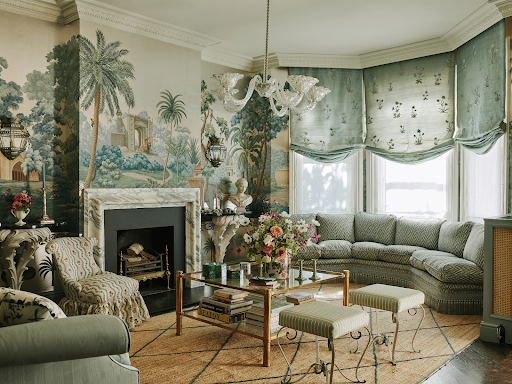
Historical Decor Inspirations: Bringing the Past to Life in Your Home
Adding a touch of history to your home can create a unique and charming atmosphere. From the rich details of the Victorian Era to the glitz of the Roaring Twenties, historical decor offers endless possibilities.
We partnered with a home design company for this post. The opinions in the post are honest. All reviews and opinions expressed in this post are based on our personal views. We are excited because we know you will love it
Adding a touch of history to your home can create a unique and charming atmosphere. From the rich details of the Victorian Era to the glitz of the Roaring Twenties, historical decor offers endless possibilities.
Victorian Era: Opulence at Its Best
This period, named after Queen Victoria, is renowned for its sophisticated taste and upscale design. Attention to detail is everything, from the elaborate wallpaper designs to the hefty, gold-framed wall hangings.
Victorian homes were often painted in rich, dark hues like navy blue, emerald green, and burgundy. Add elaborate oak tables and velvet-upholstered couches to your furniture plan.
The Rustic Charm of Farmhouse Style
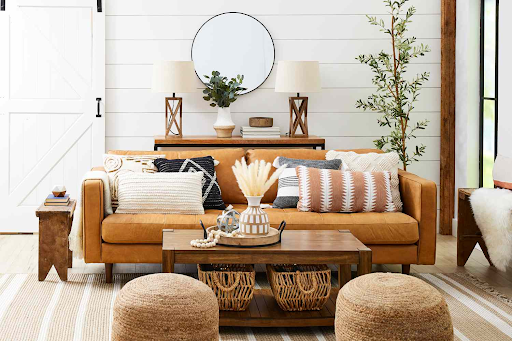
Farmhouse style decor gives your space a warm and cozy feel. Here's a four-step guide to achieving this look:
Raw materials - Use natural elements like wood and stone. They'll provide a solid foundation for your decor.
Neutral palette - Stick with warm, neutral colors. They're calming and easy on the eyes.
Vintage furniture - Incorporate pieces with a history. They'll add character and authenticity. Try adding a floral-patterned Boleslawiec Poland pottery as a centerpiece.
Personal touches - Don't forget to include items that reflect your personality, like family heirlooms or favorite books.
Roaring Twenties: Glam and Glitz
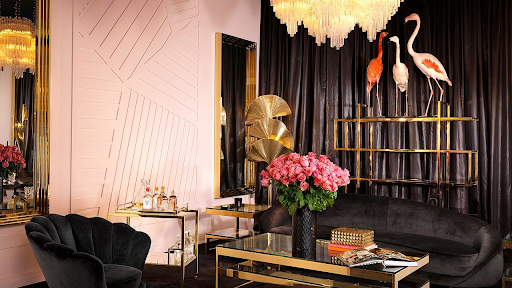
Adopt this era's style with these four key elements:
Art Deco Influence: Incorporate geometric patterns and bold, contrasting colors that scream sophistication.
Glamorous Lighting: Opt for chandeliers and lamps with crystal or glass details to create a dramatic atmosphere.
Luxurious Textiles: Silk, velvet, and fur scream opulence. Add these to your decor for instant glam.
Gold Accents: Gold was synonymous with wealth in the 1920's. A touch of gold here and there can truly elevate your space.
Embracing the Mid-Century Modern
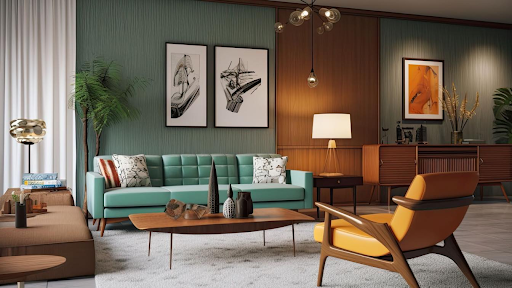
A timeless elegance may be effortlessly added to your decor by the special combination of organic forms, clean lines, and minimal decoration seen in the mid-century modern era. Popular between the mid-1940s and the 1970s, this style blends in perfectly with contemporary homes.
Introduce geometric designs and unfinished wood first. Choose elegant, tapered-leg furniture. You'll adore the mid-century color scheme as well, which leans toward subdued hues like burnt orange, mustard yellow, and olive green.
With these components, your room will feel both nostalgic and modern, evoking the upbeat post-war period.
Classic and Timeless Grecian Grandeur
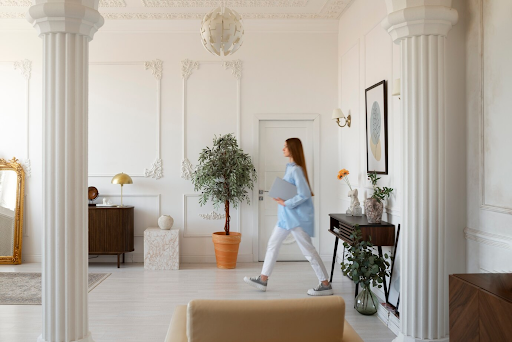
Consider soaring columns, elaborate friezes, and striking geometric designs. You may have this look without completely remodeling your house.
Initially, include in your palette the traditional Grecian hues of whites, blues, and golds. Make investments in busts or statues that honor the legendary people of the era.
Select sculptural lines and components in your furniture to bring to mind the architectural wonders of classical Greece.
Remember the small things as well; put a laurel wreath or Greek key designs on your walls. Greek majesty may be encapsulated without going overboard.
Gothic Revival: Mysterious and Majestic
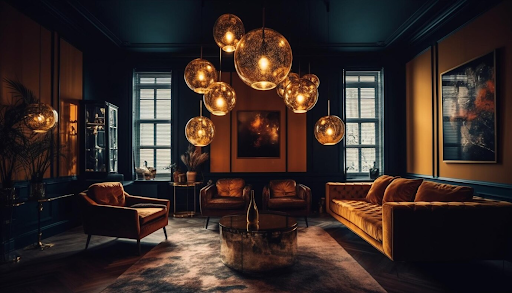
Rich, dark hues, ornate details, and dramatic, towering arches – this is the mysterious and majestic world of Gothic Revival decor. This style, inspired by medieval architecture, encompasses various elements that you can incorporate into your home:
Think deep reds, purples, and blacks to create a truly Gothic atmosphere.
From intricately carved furniture to patterned rugs, details are key in this style.
Mimic the grandeur of Gothic cathedrals with high, arched doorways or ceilings.
Luxurious, heavy drapes and upholstery add to the mysterious and majestic aura.
Exploring the Asian Aesthetics
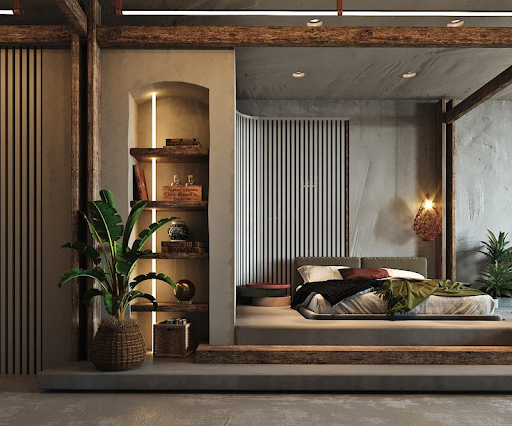
The Asian aesthetics in home decor are characterized by minimalism, balance, and harmony.
Think clean lines, neutral colors, and natural materials like bamboo and silk. When you're choosing furniture, opt for low and simple pieces. You can't go wrong with a low table, floor cushions, or a futon.
Incorporate elements of nature too. Plants such as bamboo and bonsai trees are great choices. You'll also love the calming effect of water features, like a small indoor fountain.
And don't forget Asian art. A single, bold piece can be a dramatic focal point.

Elevate Your Bathroom's Style with These 5 Stunning Bathtub Designs
Creating a sanctuary within your home often begins with the bathroom, a space where design meets relaxation. The centerpiece of any luxurious bathroom is the bathtub, a fixture that combines functionality with aesthetic appeal. Exploring various bathtub designs can transform your bathroom into an oasis of comfort and style.
Creating a sanctuary within your home often begins with the bathroom, a space where design meets relaxation. The centerpiece of any luxurious bathroom is the bathtub, a fixture that combines functionality with aesthetic appeal. Exploring various bathtub designs can transform your bathroom into an oasis of comfort and style.
Freestanding Bathtubs: A Statement of Elegance
Freestanding bathtubs exude a timeless elegance that fits seamlessly into both classic and contemporary bathroom designs. These bathtubs stand independently, creating a focal point that enhances the room's ambiance. Crafted from materials such as acrylic, cast iron, or stone resin, freestanding bathtubs offer versatility in shape and size, allowing homeowners to choose a design that complements their space.
Key Features
Versatility: Available in a range of styles and materials.
Installation: Does not require adjacent walls, offering flexible placement options.
Aesthetics: Creates a striking visual impact.
Clawfoot Bathtubs: Vintage Charm
Clawfoot bathtubs are synonymous with vintage charm and sophistication. These bathtubs are elevated on ornate feet, adding a touch of historical elegance to any bathroom. Available in traditional cast iron or modern acrylic, clawfoot bathtubs blend old-world beauty with contemporary functionality.
Key Features
Design: Features intricately designed feet and classic lines.
Comfort: Deep basin for an immersive bathing experience.
Material Options: Choose between traditional cast iron or lightweight acrylic.
Alcove Bathtubs: Space-Saving Practicality
Alcove bathtubs are ideal for homeowners seeking to maximize space without sacrificing style. Installed into a three-walled enclosure, these bathtubs offer a practical solution for smaller bathrooms. The integrated design allows for additional features such as built-in shelves and shower combinations.
Key Features
Space Efficiency: Fits snugly into a three-walled nook.
Functionality: Often includes shower integration.
Customization: Options for built-in storage and accessories.
Drop-In Bathtubs: Customizable Luxury
Drop-in bathtubs are designed to be inserted into a pre-built deck or enclosure, providing a customizable luxury experience. Homeowners can choose the material, shape, and size of the surrounding deck to match their bathroom's décor. This flexibility allows for unique design possibilities, making each installation distinct.
Key Features
Customization: Tailor the surrounding deck to your preferences.
Seamless Integration: Blends smoothly with bathroom countertops and tiles.
Luxury: Offers additional features such as whirlpool jets and ergonomic contours.
Corner Bathtubs: Optimized for Space and Style
Corner bathtubs make efficient use of bathroom corners, optimizing space while offering a unique design element. These bathtubs are perfect for creating a spa-like retreat within a compact area. Available in triangular or rounded shapes, corner bathtubs provide ample bathing space without overwhelming the room.
Key Features
Space Optimization: Ideal for fitting into unused bathroom corners.
Design Variety: Choose from triangular or rounded shapes.
Relaxation: Provides a spacious and comfortable bathing area.
Final Thoughts
Selecting the right bathtub design involves considering both aesthetic preferences and practical needs. Each of the five designs highlighted offers unique benefits, ensuring that homeowners can find the perfect fit for their bathroom. Enhance your bathroom's style and functionality with a bathtub installation, whether you prefer the elegance of a freestanding design or the space-saving efficiency of an alcove setup.
Discovering the right bathtub for your home transforms your bathroom into a personal sanctuary. Embrace the opportunity to create a space that reflects your taste and enhances your daily relaxation routine.

