

A resource for those seeking information on organizing and transforming spaces.
5 Creative Sand Features for Stunning Landscape Design
Incorporating sand into your landscape design can transform your outdoor space into a serene and visually appealing environment. Sand offers aesthetic and functional benefits, making it a versatile element in landscape architecture. The possibilities are endless, from creating soothing Zen gardens to crafting playful sand play areas. This article highlights five innovative sand features to inspire homeowners and landscape designers looking to enhance their outdoor spaces.
We partnered with a home improvement company for this post. The opinions in the post are honest. All reviews and opinions expressed in this post are based on our personal views. We are excited because we know you will love it.
Incorporating sand into your landscape design can transform your outdoor space into a serene and visually appealing environment. Sand offers aesthetic and functional benefits, making it a versatile element in landscape architecture. The possibilities are endless, from creating soothing Zen gardens to crafting playful sand play areas. This article highlights five innovative sand features to inspire homeowners and landscape designers looking to enhance their outdoor spaces.
Tranquil Zen Gardens
Zen gardens, also known as Japanese rock gardens, promote tranquility and meditation. Using sand to represent water and incorporating rocks to symbolize islands can create a calming oasis in your backyard. Raking patterns into the sand enhances the garden's meditative quality and adds an artistic touch. Consider adding elements like bamboo, moss, and small bridges for an authentic feel.
Benefits of a Zen Garden
Zen gardens, known for their simplicity and elegance, are an eco-conscious option due to their low-maintenance nature and minimal water requirements. Zen gardens offer a peaceful retreat, a tranquil corner in your backyard where you can relax, meditate, and practice mindfulness. Surrounded by the gentle arrangement of rocks, sand, and minimal greenery, you can easily find solace and reconnect with nature away from the hustle and bustle of daily life.
Coastal-themed Pathways
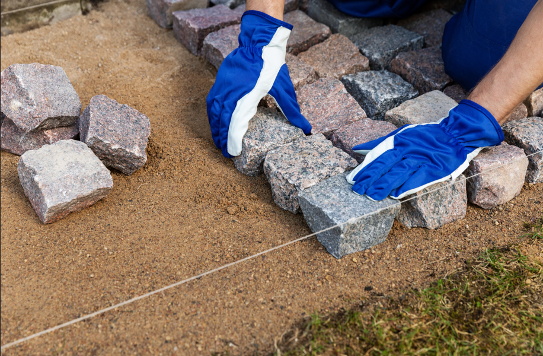
Sand pathways can evoke the feeling of a beach getaway, adding a laid-back, coastal vibe to your garden. Use fine, light-colored sand to create winding paths that meander through your landscape. Complement the pathways with seashells, driftwood, and coastal plants like ornamental grasses and succulents to enhance the beach-inspired theme.
Functional Aspects
Sand pathways are not only visually appealing but also practical. They are comfortable to walk on and can help with drainage, preventing water from pooling in your garden. Additionally, they are easy to install and modify, allowing for flexibility in your landscape design.
Playful Sand Play Areas
Creating a dedicated sand play area is a fantastic way to encourage outdoor play and creativity in children. Design a sandbox with soft, clean sand, and add toys like buckets, shovels, and molds for endless fun. For added comfort, consider placing the sandbox in a shaded area or installing a canopy to protect children from the sun.
Enhancing the Play Area
Incorporate natural elements like logs, rocks, and plants around the sandbox to create a more immersive and engaging environment. This will enhance the aesthetic appeal and offer more opportunities for imaginative play.
Serene Sand Pits
Sand pits are not just for children; they can also serve as relaxing lounge areas for adults. Create a cozy sand pit with comfortable seating, such as lounge chairs or hammocks, and surround it with lush greenery and soft lighting. The space can be a spot for reading, meditating, or just savoring the outdoors.
Versatility and Design
Sand pits can be customized to fit any size and shape, offering incredible versatility as an addition to any landscape. They can be easily integrated into existing garden features, such as patios or poolsides, to create a seamless and harmonious outdoor living space.
Artistic Sand Sculptures
Sand sculptures are a unique and eye-catching way to add an artistic element to your landscape design. Whether you hire a professional sculptor or try to create your own masterpieces, sand sculptures can range from simple forms to intricate designs. They can serve as focal points in your garden, drawing attention and sparking conversation.
Temporary and Ever-changing
One of the appealing aspects of sand sculptures is their temporary nature. The ability to reshape and redesign the sculptures over time enables continuous creativity and change. It also keeps your landscape dynamic and engaging, with new features to admire each season.
Incorporating sand features into your landscape design can elevate your outdoor space's aesthetic and functional value. From tranquil Zen gardens to playful sand areas and artistic sculptures, sand offers endless possibilities for creativity and relaxation. By embracing these innovative sand features, you can create a stunning landscape that reflects your style and enhances your outdoor living experience. Contact a supplier such as Denton Sand & Gravel Inc for additional choices and details.

Paint Color Theory: Choosing The Right Hue For Your Home
Selecting the perfect paint color for your home can be a daunting task. With countless shades available, understanding color theory and its impact on mood and atmosphere can help you make informed decisions. By considering factors such as room function, personal preferences, and color psychology, you can create a space that reflects your style and enhances your well-being.
Selecting the perfect paint color for your home can be a daunting task. With countless shades available, understanding color theory and its impact on mood and atmosphere can help you make informed decisions. By considering factors such as room function, personal preferences, and color psychology, you can create a space that reflects your style and enhances your well-being.
Understanding Color Psychology
Color psychology explores the emotional and psychological effects of different colors. Warm colors like red, orange, and yellow tend to evoke feelings of energy, excitement, and warmth. Cool colors such as blue, green, and purple are often associated with calmness, tranquility, and serenity. Neutral colors like white, gray, and black offer versatility and can create a sense of balance and sophistication.
Choosing the Right Colors for Your Home
The choice of paint color depends on the room's function and desired atmosphere. For example, a vibrant red can create a stimulating environment in a dining room, while a soothing blue can promote relaxation in a bedroom. Consider the amount of natural light in the room, as this can significantly impact how colors appear.
Creating a Harmonious Color Palette
When selecting multiple colors for your home, it's essential to create a harmonious color scheme. Analogous colors are located next to each other on the color wheel and create a sense of unity. Monochromatic color schemes use different shades of the same color for a sophisticated and cohesive look.
Experimenting with Color
Before committing to a full room of paint, consider experimenting with different color samples. Paint swatches on large pieces of paper and observe how the colors change throughout the day. This will help you understand how the color interacts with natural and artificial light.
Incorporating Color Accents
If you prefer a neutral base color, add pops of color through accessories such as throw pillows, artwork, or rugs. This approach allows you to experiment with different colors without committing to a full room makeover.
By understanding color theory and experimenting with different shades, you can create a home that reflects your personality and enhances your overall well-being. Consulting with a professional home interior painting service can also provide valuable guidance and expertise in selecting the perfect colors for your space. To learn more, the resource below provides a visual representation of different color meanings and how to incorporate them into your home decor.

6 Interior Decorating Tips to Achieve an Industrial-Style Home
When it comes to decorating your home, there are numerous interior design styles to choose from. Some popular ones include minimalist, modern, Art Deco, and bohemian. If you’re looking for a more practical design inspiration, however, you might want to consider the industrial style.It takes inspiration from factories built around the 19th century, which emphasises utility, simplicity, and pragmatism in their own interiors.
We partnered with a home design company for this post. The opinions in the post are honest. All reviews and opinions expressed in this post are based on our personal views. We are excited because we know you will love it.

When it comes to decorating your home, there are numerous interior design styles to choose from. Some popular ones include minimalist, modern, Art Deco, and bohemian. If you’re looking for a more practical design inspiration, however, you might want to consider the industrial style.It takes inspiration from factories built around the 19th century, which emphasises utility, simplicity, and pragmatism in their own interiors.
If you want to achieve the organic and practical look that industrial interior design embodies for your home, here are some decorating tips you can try out.
1. Aim for an Uncluttered Look
One of the main characteristics of an industrial interior is its uncluttered style. Somewhat similar to minimalism, industrial interior design tends to favour having only a few pieces that serve a definite purpose instead of filling up your space with too many things.
Embrace this practicality by creating a space where every item matters. Multi-functional pieces—for instance, a work table with a shelf underneath it—are a benchmark of industrial interiors. Similarly, collapsible furniture is great for industrial designs because you can easily stow them away when not in use so your home can always maintain its uncluttered look.
2. Go for Neutral Colours
The colour palette usually used in industrial interior design is based on tones found on building materials such as steel, bricks, or wood. Hence, grey, white, brown, black, and metallic shades should be your go-to for your industrial-style home. This doesn’t mean that any other colour is out of the question, however. In fact, accent colours and design pieces that catch the eye are just as important to complement the neutral tones.
For example, having a set of art prints with striking imagery in a room full of muted colours can prove to be a great statement piece; it can also prevent the space from looking drab. Don’t hesitate to let an occasional splash of vibrant colour in the form of a piece of furniture or wall decor accentuate all the neutral tones in your home.
3. Don’t Be Afraid to Show Imperfections
Industrial interior design is all about the organic, raw, and less-than-perfect look of the factories it takes inspiration from. It’s this ruggedness that gives it that timeless yet charming look. You can incorporate this appeal in your home by showing off the imperfections and untidy finishes of your interior.
For instance, instead of smoothing out the walls to cover up brickwork, you can leave them exposed to get a more authentic vintage look. Using furniture made with reclaimed wood, particularly if it has a rough or weathered finish, can also achieve a stylishly rugged look. Exposed pipes and metalwork, to a reasonable degree, contribute to the overall industrial look as well.
4. Highlight Metal Features
Metal is a vital part of the industrial aesthetic, giving off a no-nonsense yet durable look to any furniture. This enables it to fit nicely with your other pieces and reinforces the pragmatism that industrial interior design embodies. With that in mind, consider incorporating more metal features in your home. Metal railings for your staircase, stools with metal legs, metal lockers, and wire baskets for easy-access storage are just some of the things you can try out.
Do keep in mind not to go overboard with the metal furnishings and accents. It’s still important to balance the look with natural elements such as wood, stone, or even some plants. For instance, you can opt for a wooden table with a metal base to incorporate both elements without one overshadowing the other.
5. Incorporate Industrial Lighting
Lighting is a key element in any home design and in an industrial-style home, you’d want to go for lighting fixtures that have unique, vintage-looking designs. Pendant lamps are perfect for this as their suspended nature easily draws the eyes. Lamps with exposed bulbs are also great for a rugged, unfinished look of industrial-style homes. Meanwhile, directional wall lamps provide a stylish yet purposeful way to highlight select prints or wall decors you may have.
6. Upcycle Fixtures
In keeping up with the practical appeal of industrial interior design, you may also try upcycling old furniture or fixtures. Repurposing an old dresser as a bookshelf by taking out its drawers or using an old table as a work desk stays true to the purposefulness of industrial style. The weathered look of these old pieces of furniture can even match well with the aesthetic of your other pieces.
Another benefit of upcycling is that it helps you save on decorating costs. Changing up the interior design of your home into a completely new style doesn’t have to be expensive if you’re able to utilise furniture and accessories you already have.
Redecorating your home can be a challenging task but aiming for an industrial-style design can actually be easy to achieve. That’s because it focuses on having key fixtures that serve a practical purpose and even encourages a more natural look as opposed to an overly polished one. Let the design tips in this article guide you in giving your home that simple yet visually stunning industrial look.

5 Benefits of Using Thin Brick to Enhance Your Home's Design
Looking to elevate your home's aesthetics without a complete renovation? Thin brick could be your solution. This versatile material offers numerous benefits, making it a favorite among homeowners looking for an affordable yet stylish upgrade. From enhancing visual appeal to improving functionality, thin brick is a choice that combines beauty and practicality.
Looking to elevate your home's aesthetics without a complete renovation? Thin brick could be your solution. This versatile material offers numerous benefits, making it a favorite among homeowners looking for an affordable yet stylish upgrade. From enhancing visual appeal to improving functionality, thin brick is a choice that combines beauty and practicality.
In this post, we'll explore the top five benefits of using thin brick to enhance your home's design. By the end, you'll understand why this material has become a go-to for many and how it can fit seamlessly into your own home improvement plans.
Versatility in Design
Thin brick comes in a plethora of colors, textures, and sizes. Whether you're aiming for a rustic look or a modern, sleek appearance, there's a thin brick option for you. The variety allows homeowners to mix and match different styles, creating a unique and personalized aesthetic.
The adaptability of thin brick extends beyond interior walls and fireplaces to exterior facades and garden features. It’s suitable for virtually any part of your home. This versatility means you can maintain a consistent design theme both inside and out.
Thin brick pairs well with other materials like wood, glass, and metal. This compatibility makes it easier to incorporate into existing designs. You can use thin brick to create striking contrasts or to complement other elements seamlessly.
Cost-Effective Home Improvement
Unlike traditional brick, thin brick is more budget-friendly without sacrificing quality or appearance. This affordability makes it accessible for homeowners looking to make impactful changes without breaking the bank.
The installation process for thin brick is simpler and quicker than that of traditional brick. This ease of installation reduces labor costs, making it a cost-effective option for those who want to enhance their home’s look with professional help.
Once installed, thin brick requires little to no maintenance. It’s resistant to common issues like moisture and pests, which means fewer future expenses. This durability ensures that your investment remains in excellent condition for years.
Enhancing Visual Appeal
Thin brick offers the same aesthetic appeal as traditional brick, providing an authentic and timeless look. This authenticity enhances the overall charm and character of your home, making it more inviting and visually appealing.
Homeowners can experiment with various bricklaying patterns to add depth and interest to their spaces. From herringbone to basket weave, the possibilities are endless. These patterns can transform a simple wall into a statement piece.
Using thin brick on exterior facades instantly boosts curb appeal. It creates a sophisticated and polished look, increasing the attractiveness and value of your property. This enhancement is particularly beneficial if you plan to sell your home in the future.
Durability and Longevity
Thin brick is highly resistant to weather conditions, making it an ideal choice for both interior and exterior use. It withstands rain, wind, and sun, maintaining its look and integrity over time.
The durability of thin brick ensures that it remains in excellent condition for years, even in high-traffic areas. This longevity means you won’t have to worry about frequent replacements or repairs, providing peace of mind.
Many thin brick options are made from recycled materials, making them an eco-friendly choice. This sustainability aspect appeals to environmentally-conscious homeowners looking to reduce their carbon footprint.
Ease of Installation
The lightweight nature of thin brick makes it easier to handle and install compared to traditional bricks. This ease of use reduces the strain on installers and speeds up the installation process.
For those who enjoy DIY home improvement projects, thin brick is an excellent option. Its straightforward installation process means that even beginners can achieve professional-looking results with a bit of effort.
Thin brick can be applied using various methods, including adhesive and mortar. This flexibility allows homeowners to choose the method that best suits their skills and the specific requirements of their project.
Final Thoughts
Thin brick offers an array of benefits that make it an appealing choice for homeowners looking to enhance their home's design. Its versatility, cost-effectiveness, visual appeal, durability, and ease of installation make it a standout option. Whether you're planning a major renovation or a small upgrade, thin brick can provide the aesthetic and functional improvements you're seeking.
Ready to transform your home with thin brick? Consult with a handcrafted thin brick manufacturer to explore the best options for your space and start your home improvement journey today.

