

A resource for those seeking information on organizing and transforming spaces.

Create Smooth and Stylish Interiors with Quality Plastering
When it comes to creating a beautiful and elegant interior space, one key factor that often gets overlooked is the quality of plastering. Whether you are renovating your home or designing a commercial space, having smooth and stylish walls can make a world of difference. In this post, we will explore how excellent plastering can transform any interior, discuss the importance of hiring professional services, and provide some helpful tips to ensure you get the best results.
We partnered with a home design company for this post. The opinions in the post are honest. All reviews and opinions expressed in this post are based on our personal views. We are excited because we know you will love it.

When it comes to creating a beautiful and elegant interior space, one key factor that often gets overlooked is the quality of plastering. Whether you are renovating your home or designing a commercial space, having smooth and stylish walls can make a world of difference. In this post, we will explore how excellent plastering can transform any interior, discuss the importance of hiring professional services, and provide some helpful tips to ensure you get the best results.
The Transformational Power of Quality Plastering
High-quality interior plastering in Auckland or anywhere else can completely transform the look and feel of any room. It provides a seamless base for wall finishes such as paint or wallpaper, giving them an even and flawless appearance. Skilled plasterers pay attention to detail, ensuring that no lumps, bumps, or cracks mar your walls. The result is a stunning interior with beautifully finished surfaces that enhance the overall aesthetics.
Benefits of Hiring Professional Plasterers
While DIY projects can be tempting to save costs, when it comes to plastering, hiring professionals is highly recommended. Experienced plasterers have in-depth knowledge and honed skills needed to deliver high-quality results in a timely manner. Here are some key benefits of hiring professional plastering services:
1. Expertise: Professional plasterers have undergone formal training and apprenticeships in their craft. They possess extensive knowledge of different types of plasters and techniques required for various applications. With their expertise, they can identify any potential issues and implement appropriate solutions.
2. Time-Saving: When you hire professionals for your plastering needs, you save valuable time that would otherwise be spent on preparing surfaces, applying coats of plaster evenly, and achieving smooth finishes. Professionals work efficiently using advanced tools and techniques to ensure the job is completed within schedule.
3. Cost-Effective: While hiring professional services may seem like an upfront expense, it actually proves cost-effective in the long run. Professionals use high-quality materials that are built to last, preventing the need for frequent repairs or replacements. Additionally, their expertise ensures that wastage of materials is minimised in your high-style home painting process.
4. Professional Finish: Professional plasterers excel in delivering flawless finishes. They have a keen eye for detail and take the necessary steps to ensure that your walls are smooth, even, and free from imperfections. With their expertise, you can expect impeccable results that enhance the overall appearance of your space.
Tips for Smooth and Stylish Plastering Results
To ensure you get the best possible plastering results for your interiors, here are some essential tips to keep in mind:
1. Preparing Surfaces: Properly preparing surfaces before plastering is crucial for achieving a smooth and long-lasting finish. Ensure that walls are clean, dry, and free from any loose paint or wallpaper remnants. Fill in any cracks or dents with suitable filler and sand down rough surfaces.
2. Choosing Suitable Plaster: There are various types of plasters available on the market based on specific requirements such as bonding strength or resistance against moisture. It's vital to select the right type of plaster suitable for your project needs. Consulting with a professional can help you make an informed decision.
3. Proper Application Techniques: Applying plaster requires skill and precision. It's important to mix the plaster thoroughly according to manufacturer instructions to achieve a smooth consistency. Maintain consistent pressure while applying coats evenly with a trowel or hawk.
4. Primer Coat: To ensure adhesion between the substrate and topcoat, it is recommended to apply a primer coat before applying the final coat of plaster. Primer helps seal porous surfaces, prevents discolouration when exposed to moisture or humidity over time, and improves longevity.
5. Drying Time: Adequate drying time between coats is essential for achieving optimal results. Rushing through drying phases might compromise durability or lead to cracks in the final finish. Follow manufacturer guidelines regarding drying times and environmental conditions.
Conclusion
Investing in quality plastering for your interior spaces is a smart move that can significantly elevate the overall look and feel. By hiring professional plasterers, you can take advantage of their expertise and skills while enjoying a seamless and stylish finish. Remember to prepare surfaces properly, choose suitable types of plaster, utilise proper application techniques, apply a primer coat, and allow sufficient drying time. With these tips in mind, you will be well on your way to achieving smooth and stylish interiors that create a lasting impression on every visitor who steps foot inside.

Tips for Smart Home Design
In the vibrant city of Memphis, known for its rich musical heritage and historical landmarks, homeowners are increasingly looking to integrate modern conveniences into their residences. As urban living spaces grow smaller and more compact, smart home design becomes not just a luxury but a necessity to maximize both functionality and comfort. In Memphis, where tradition meets contemporary living, residents are finding innovative ways to blend smart technology and efficient design into their homes, creating spaces that are both high-tech and highly functional. Smart home design is revolutionizing how we live, offering not only increased efficiency and security but also a way to dramatically enhance lifestyle quality. By integrating technology and thoughtful design, homeowners can create environments that are both responsive and adaptive to their needs. This article delves into practical tips for homeowners looking to embrace smart home design, covering everything from space planning to the integration of the latest technologies, ensuring every aspect of home life is optimized for comfort and ease.
In the vibrant city of Memphis, known for its rich musical heritage and historical landmarks, homeowners are increasingly looking to integrate modern conveniences into their residences. As urban living spaces grow smaller and more compact, smart home design becomes not just a luxury but a necessity to maximize both functionality and comfort. In Memphis, where tradition meets contemporary living, residents are finding innovative ways to blend smart technology and efficient design into their homes, creating spaces that are both high-tech and highly functional. Smart home design is revolutionizing how we live, offering not only increased efficiency and security but also a way to dramatically enhance lifestyle quality. By integrating technology and thoughtful design, homeowners can create environments that are both responsive and adaptive to their needs. This article delves into practical tips for homeowners looking to embrace smart home design, covering everything from space planning to the integration of the latest technologies, ensuring every aspect of home life is optimized for comfort and ease.
1. Plan Your Space Efficiently
Efficient use of space is the cornerstone of smart home design. Before adding any technological enhancements, it’s crucial to optimize the physical layout of your home. This might involve designing an open floor plan to enhance the flow between living areas or creating multi-functional rooms that can adapt to various activities throughout the day. Effective space planning not only makes a home feel more spacious and welcoming but also ensures that technology and functionality can be seamlessly integrated without clutter or disruption.
2. Consider Storage Solutions
A clutter-free home is essential for a truly smart living environment. Effective storage solutions help maintain order and free up space, making it easier to enjoy the benefits of a smart home without interference from disorganization. For residents of Memphis storage units offer a convenient option to store infrequently used items, such as seasonal decorations or extra furniture, which might otherwise take up valuable space. Utilizing off-site storage can be particularly useful during transitions or renovations, allowing homeowners to keep their living spaces clear and ready for smart technology integration.
3. Invest in Smart Technology
The heart of any smart home is the technology that powers it. Investing in smart devices can significantly enhance the convenience and functionality of your home. Smart thermostats, for example, can learn your schedule and temperature preferences, making adjustments automatically to save energy while keeping you comfortable. Smart lighting systems can be programmed to change intensity and color based on the time of day or the activities you are engaged in, creating the perfect ambiance for every moment. These technologies not only add a layer of convenience but also help in managing your home’s energy usage more efficiently.
4. Focus on Energy Efficiency
Smart home design goes hand in hand with energy efficiency. Integrating energy-efficient solutions such as LED lighting, high-efficiency appliances, and smart thermostats can drastically reduce your home’s environmental footprint while saving on energy costs. Consider the orientation of your home and the placement of windows to maximize natural heating and cooling, reducing the need for mechanical intervention. Energy efficiency is not just a cost-saving measure but a way to design a home that is sustainable and responsible in the long term.
5. Choose Durable Materials
Selecting the right materials is key to creating a smart home that is both stylish and sustainable. Opt for materials that are not only aesthetically pleasing but also durable and easy to maintain. For instance, hardwood floors or high-quality synthetic alternatives can offer longevity and ease of cleaning, while natural stone countertops can provide a durable surface that withstands the rigors of daily use. Choosing materials that will stand the test of time ensures that your home remains beautiful and functional for years to come, reducing the need for frequent replacements or renovations.
6. Optimize Natural Light
Leveraging natural light in home design can enhance the spaciousness and warmth of your environment while reducing reliance on artificial lighting. Smart placement of windows, skylights, and reflective surfaces can dramatically increase the amount of daylight entering your home. Consider using light-colored walls and glossy finishes to bounce light around rooms, making spaces feel larger and more open. Additionally, smart window treatments such as automated blinds can adjust themselves based on the time of day to optimize light intake and energy efficiency, providing comfort while decreasing electricity use.
7. Create Flexible Living Spaces
The ability to adapt your home to different needs is a hallmark of smart design. Flexible living spaces can be achieved by using movable partitions, foldable furniture, and convertible areas that can change function with minimal effort. For example, a home office can easily transform into a guest room with a Murphy bed or a partition that can be moved aside when not needed. These adaptable solutions not only make your home more functional but also allow for creativity in managing your living area, making the most of every square foot.
8. Incorporate Indoor-Outdoor Living
Blending indoor and outdoor living spaces effectively increases your usable area and brings a bit of nature into your home. Large sliding or folding doors can create a seamless flow between the indoors and a deck, patio, or garden, extending your living space outward. This design strategy not only enhances the aesthetic appeal of your home but also promotes healthier living by encouraging more time spent outdoors. Furnish these areas for comfort and versatility, using durable materials and weatherproof fabrics to ensure longevity and ease of maintenance.
9. Prioritize Safety and Accessibility
A truly smart home is one that is safe and accessible for everyone, regardless of age or mobility. Incorporate smart security systems that provide peace of mind with features like automated locks, surveillance cameras, and alarms that can be managed from a smartphone. In terms of accessibility, design your home with wider doorways, fewer thresholds, and more open areas to accommodate everyone comfortably and safely. Technology such as voice-controlled systems and automated lighting can also enhance the living environment for individuals with disabilities, making everyday tasks simpler and safer.
Conclusion
Smart home design merges technology with strategic architectural and interior design choices to create environments that are efficient, comfortable, and aesthetically pleasing. By incorporating the tips outlined—from optimizing natural light to prioritizing safety and maintaining a minimalist aesthetic—you can transform your home into a smart haven that not only meets your needs but also anticipates them. As technology continues to evolve, the potential for smart home innovations grows, offering even more opportunities to enhance your living space. Embrace these changes with open arms and an open mind, and enjoy the benefits of living in a truly smart home.
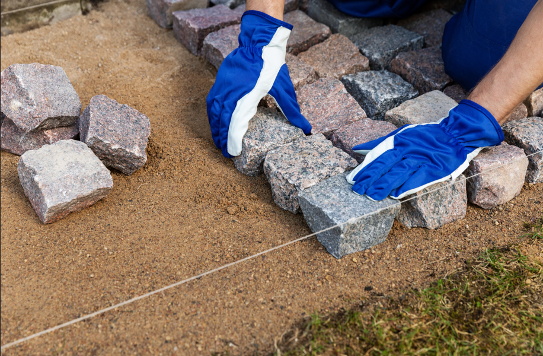
5 Creative Sand Features for Stunning Landscape Design
Incorporating sand into your landscape design can transform your outdoor space into a serene and visually appealing environment. Sand offers aesthetic and functional benefits, making it a versatile element in landscape architecture. The possibilities are endless, from creating soothing Zen gardens to crafting playful sand play areas. This article highlights five innovative sand features to inspire homeowners and landscape designers looking to enhance their outdoor spaces.
We partnered with a home improvement company for this post. The opinions in the post are honest. All reviews and opinions expressed in this post are based on our personal views. We are excited because we know you will love it.
Incorporating sand into your landscape design can transform your outdoor space into a serene and visually appealing environment. Sand offers aesthetic and functional benefits, making it a versatile element in landscape architecture. The possibilities are endless, from creating soothing Zen gardens to crafting playful sand play areas. This article highlights five innovative sand features to inspire homeowners and landscape designers looking to enhance their outdoor spaces.
Tranquil Zen Gardens
Zen gardens, also known as Japanese rock gardens, promote tranquility and meditation. Using sand to represent water and incorporating rocks to symbolize islands can create a calming oasis in your backyard. Raking patterns into the sand enhances the garden's meditative quality and adds an artistic touch. Consider adding elements like bamboo, moss, and small bridges for an authentic feel.
Benefits of a Zen Garden
Zen gardens, known for their simplicity and elegance, are an eco-conscious option due to their low-maintenance nature and minimal water requirements. Zen gardens offer a peaceful retreat, a tranquil corner in your backyard where you can relax, meditate, and practice mindfulness. Surrounded by the gentle arrangement of rocks, sand, and minimal greenery, you can easily find solace and reconnect with nature away from the hustle and bustle of daily life.
Coastal-themed Pathways
Sand pathways can evoke the feeling of a beach getaway, adding a laid-back, coastal vibe to your garden. Use fine, light-colored sand to create winding paths that meander through your landscape. Complement the pathways with seashells, driftwood, and coastal plants like ornamental grasses and succulents to enhance the beach-inspired theme.
Functional Aspects
Sand pathways are not only visually appealing but also practical. They are comfortable to walk on and can help with drainage, preventing water from pooling in your garden. Additionally, they are easy to install and modify, allowing for flexibility in your landscape design.
Playful Sand Play Areas
Creating a dedicated sand play area is a fantastic way to encourage outdoor play and creativity in children. Design a sandbox with soft, clean sand, and add toys like buckets, shovels, and molds for endless fun. For added comfort, consider placing the sandbox in a shaded area or installing a canopy to protect children from the sun.
Enhancing the Play Area
Incorporate natural elements like logs, rocks, and plants around the sandbox to create a more immersive and engaging environment. This will enhance the aesthetic appeal and offer more opportunities for imaginative play.
Serene Sand Pits
Sand pits are not just for children; they can also serve as relaxing lounge areas for adults. Create a cozy sand pit with comfortable seating, such as lounge chairs or hammocks, and surround it with lush greenery and soft lighting. The space can be a spot for reading, meditating, or just savoring the outdoors.
Versatility and Design
Sand pits can be customized to fit any size and shape, offering incredible versatility as an addition to any landscape. They can be easily integrated into existing garden features, such as patios or poolsides, to create a seamless and harmonious outdoor living space.
Artistic Sand Sculptures
Sand sculptures are a unique and eye-catching way to add an artistic element to your landscape design. Whether you hire a professional sculptor or try to create your own masterpieces, sand sculptures can range from simple forms to intricate designs. They can serve as focal points in your garden, drawing attention and sparking conversation.
Temporary and Ever-changing
One of the appealing aspects of sand sculptures is their temporary nature. The ability to reshape and redesign the sculptures over time enables continuous creativity and change. It also keeps your landscape dynamic and engaging, with new features to admire each season.
Incorporating sand features into your landscape design can elevate your outdoor space's aesthetic and functional value. From tranquil Zen gardens to playful sand areas and artistic sculptures, sand offers endless possibilities for creativity and relaxation. By embracing these innovative sand features, you can create a stunning landscape that reflects your style and enhances your outdoor living experience. Contact a supplier such as Denton Sand & Gravel Inc for additional choices and details.

Paint Color Theory: Choosing The Right Hue For Your Home
Selecting the perfect paint color for your home can be a daunting task. With countless shades available, understanding color theory and its impact on mood and atmosphere can help you make informed decisions. By considering factors such as room function, personal preferences, and color psychology, you can create a space that reflects your style and enhances your well-being.
Selecting the perfect paint color for your home can be a daunting task. With countless shades available, understanding color theory and its impact on mood and atmosphere can help you make informed decisions. By considering factors such as room function, personal preferences, and color psychology, you can create a space that reflects your style and enhances your well-being.
Understanding Color Psychology
Color psychology explores the emotional and psychological effects of different colors. Warm colors like red, orange, and yellow tend to evoke feelings of energy, excitement, and warmth. Cool colors such as blue, green, and purple are often associated with calmness, tranquility, and serenity. Neutral colors like white, gray, and black offer versatility and can create a sense of balance and sophistication.
Choosing the Right Colors for Your Home
The choice of paint color depends on the room's function and desired atmosphere. For example, a vibrant red can create a stimulating environment in a dining room, while a soothing blue can promote relaxation in a bedroom. Consider the amount of natural light in the room, as this can significantly impact how colors appear.
Creating a Harmonious Color Palette
When selecting multiple colors for your home, it's essential to create a harmonious color scheme. Analogous colors are located next to each other on the color wheel and create a sense of unity. Monochromatic color schemes use different shades of the same color for a sophisticated and cohesive look.
Experimenting with Color
Before committing to a full room of paint, consider experimenting with different color samples. Paint swatches on large pieces of paper and observe how the colors change throughout the day. This will help you understand how the color interacts with natural and artificial light.
Incorporating Color Accents
If you prefer a neutral base color, add pops of color through accessories such as throw pillows, artwork, or rugs. This approach allows you to experiment with different colors without committing to a full room makeover.
By understanding color theory and experimenting with different shades, you can create a home that reflects your personality and enhances your overall well-being. Consulting with a professional home interior painting service can also provide valuable guidance and expertise in selecting the perfect colors for your space. To learn more, the resource below provides a visual representation of different color meanings and how to incorporate them into your home decor.

